Oil Refineries in Iran: Complete List + Comparison
Oil refineries in Iran, including the refineries located in Abadan, Tehran, Arak, Bandar, Isfahan, Tabriz, Shiraz, Lavan, Kermanshah, Mahshahr, and Caspian Refinery, rank among the most important industrial hubs in Iran. These refineries play a vital role in converting crude oil into important products such as gasoline, diesel fuel, kerosene, jet fuel, bitumen, and petrochemical feedstock.
The most important oil refineries in Iran supply a large share of Iran’s energy demand. They also directly contribute to energy security, downstream industry development, national self-sufficiency, and the export of petroleum products. Therefore, this strategic position makes their development and modernisation an essential requirement for the future of Iran’s energy sector. In this article from the Iran ETrade blog, an expert for announcing bitumen and petroleum product prices in Iran, we introduce Iran’s major petroleum refineries along with their production capacities and compare them with one another.
The Importance and Performance of Oil Refineries in Iran
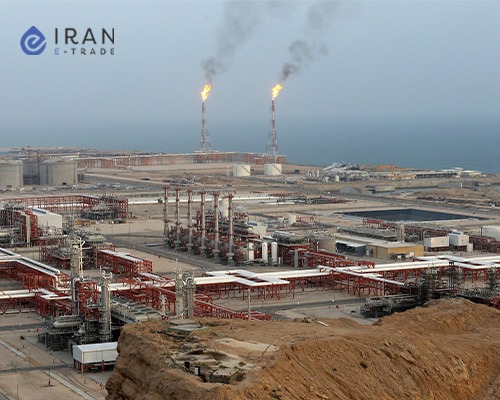
Iran’s oil refineries, such as those in Abadan, Tehran, and Bandar Abbas, play a central role in supplying Iran’s energy by converting crude oil into products such as gasoline, diesel fuel, kerosene, and jet fuel.
Oil refineries in Iran also play a strategic role in converting crude oil into usable products, including gasoline, gas oil, kerosene, jet fuel, lube cut, and various types of solvents.
The importance of refineries goes beyond production; they also directly affect energy security, economy, self-sufficiency, indirect exports, and the development of downstream industries. Since oil refineries in Iran supply the majority of strategic energy products, their development and modernisation are vital for the country’s energy future.
History of Establishing Oil Refineries in Iran
The history of petroleum refining in Iran began with the launch of Abadan Refinery in 1912, which was once the largest refinery in the world. Since then, the country has gradually built and expanded a large network of refineries.
Today, oil refineries in Iran include more than ten large and medium-sized units operating across different regions of the country. Currently, Iran is also among the largest oil producers in the world.
Abadan, Tehran, Arak, Bandar Abbas, Isfahan, Tabriz, Shiraz, Lavan, Kermanshah, Mahshahr, and Caspian refineries are among the most important oil refineries in Iran. Oil refineries in Iran are the backbone of the country’s energy security and economy by converting crude oil into products such as gasoline, gas oil, kerosene, jet fuel, bitumen, solvents, and petrochemical feedstock. In addition to meeting domestic demand, these refineries play a key role in exports and the development of downstream industries. Therefore, given the significant share of oil refineries in Iran in producing important products, modernising and expanding them is vital for the country’s energy future.
List of Oil Refineries in Iran
The most important oil refineries in Iran are in Abadan, Tehran, Arak, Bandar Abbas, Isfahan, Tabriz, Shiraz, Lavan, Kermanshah, Mahshahr, and the Caspian refinery.
In this section, we introduce oil refineries in Iran. These refineries are spread across the country, from Tehran to the southernmost regions. We will also provide details about their specifications and current status.
1. Abadan Oil Refinery
Abadan Petroleum refinery is one of the most important and the oldest Oil refineries in Iran. This refinery was established in 1912 and currently has a refining capacity of 400,000 barrels per day.
The Abadan refinery produces kerosene, liquefied gas, fuel oil, jet fuel, bitumen, naphtha, petroleum solvents, gas, and gasoline. It is also the first petroleum refinery in the Middle East and holds a significant position among the refineries in Iran.
Abadan refinery remains the largest petroleum refinery in Iran, and its development and modernisation projects are ongoing.
The refinery has also taken steps to reduce environmental pollution using modern technologies. Moreover, due to its diverse product output, it ranks among the major petroleum refineries producing gasoline in Iran.
| Year of Establishment | 1912 |
|---|---|
| Daily Refining Capacity | 400,000 barrels |
| Location | Khuzestan – Abadan |
| Current Status | Operational, with new development phases underway |
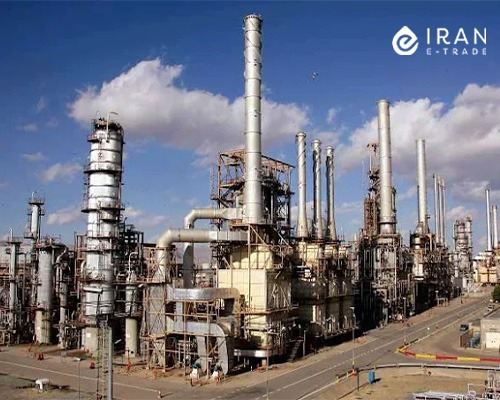
2. Tehran Petroleum Refinery (Shahid Tondguyan)
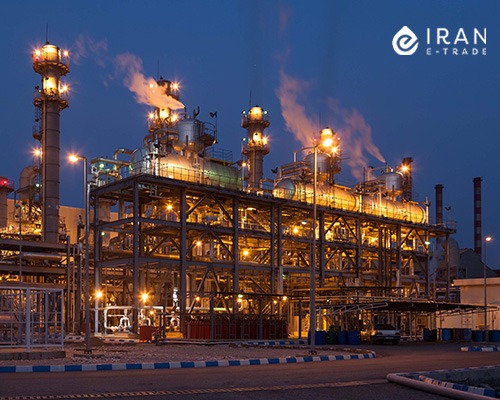
Tehran petroleum refinery is one of the oldest and most important refineries in Iran, located in the northwest of Tehran. This refinery plays an essential role in supplying fuel and petroleum products to the capital and surrounding areas.
Also, Tehran petroleum refinery is recognized as one of the main centres for producing gasoline, diesel fuel, and other petroleum products in the country.
Tehran oil refinery (Shahid Tondguyan) was established in 1967, and its crude oil supply comes daily from the Marun and Ahvaz oil fields. The refinery accounts for almost 15% of Iran’s refining capacity and consists of two units: the southern and northern sections.
| Year of Establishment | 1967 |
|---|---|
| Daily Refining Capacity | 235,000 barrels |
| Location | Tehran |
| Current Status | Operational, transferred to the private sector |
3. Arak Oil Refinery (Imam Khomeini)
The importance of oil refineries in Iran goes beyond production; they also impact the economy, energy security, and the development of downstream industries.
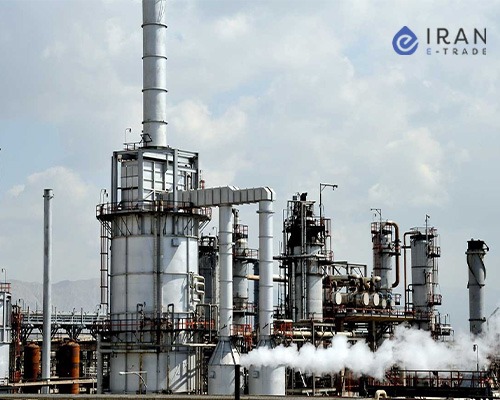
Imam Khomeini (Shazand) refinery, known as Arak oil refinery, is located in Arak, Markazi Province. The refinery was established in 1993 with a nominal capacity of 150,000 barrels per day and currently operates with a production capacity of 250,000 barrels per day. Furthermore, it is listed among Iran’s private refineries.
Arak refinery produces over 16 million litres of gasoline and more than 3 million litres of LPG daily. Its main products include gasoline, diesel fuel, kerosene, bitumen, and industrial and petrochemical fuels.
| Year of Establishment | 1993 |
|---|---|
| Daily Refining Capacity | 250,000 barrels |
| Location | Markazi – Arak |
| Current Status | Transferred to the private sector |
4. Bandar Abbas Oil Refinery
Bandar Abbas refinery is the largest refinery in the Middle East and is located in Hormozgan Province near Bandar Abbas. The refinery began its operations in 1997 to meet part of the domestic demand and support the export of petroleum products. It also has a refining capacity of more than 350,000 barrels per day.
The refinery processes feedstock that includes light crude oil from Hengam Island, heavy crude oil, and gas condensates from the Sorkhun and Asaluyeh fields. In addition, by producing Euro-standard gasoline, gas oil, kerosene, fuel oil, and various chemical and industrial products, this facility is one of the most important oil refineries in Iran.
Bandar Abbas refinery also allocates part of its output to exports and uses the majority of its production to supply the southern and central regions of Iran. On the other hand, by using modern technologies, it maintains product quality in line with global standards and plays a key role in meeting Iran’s energy needs.
| Year of Establishment | 1991 |
|---|---|
| Daily Refining Capacity | 350,000 barrels |
| Location | Hormozgan – Bandar Abbas |
| Current Status | Transferred to the private sector |
5. Jey Petroleum Refinery
The history of petroleum refining in Iran began with Abadan Refinery in 1912, which was once the largest refinery in the world.
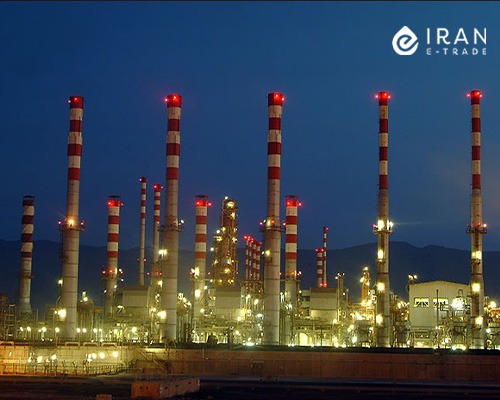
Jey oil refinery was established in 2003 with investment from the Oil Industry Employees’ Pension Fund and is one of Iran’s private refineries.
With a nominal capacity of 1,800,000 tons, this refinery is the largest producer of various types of bitumen in the Middle East. Furthermore, Jey refinery operates two production and storage sites in Isfahan and Bandar Abbas, while its headquarters is located in Tehran.
| Year of Establishment | 2003 |
|---|---|
| Daily Refining Capacity | – 40,000 barrels per day of blown bitumen – 7,100 barrels per day of cutback bitumen – 200 tons per day of bitumen emulsion – 100,000 tons per year of polymer-modified and improved bitumen |
| Location | Isfahan – Jey |
| Current Status | Private |
6. Isfahan Petroleum Refinery
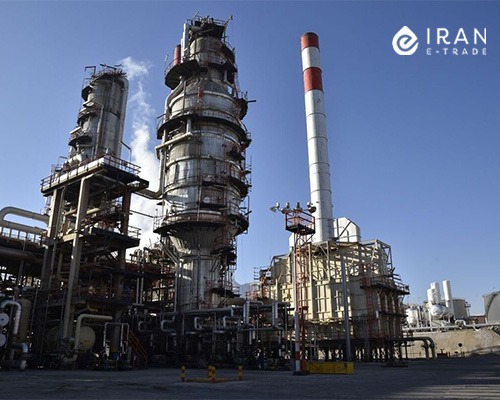
As one of the most important oil refineries in Iran, Isfahan refinery produces products such as gasoline, diesel fuel, vacuum bottom, platformate, base oil, various solvents, isorecycle, and kerosene.
Isfahan petroleum refinery began refining crude oil and producing petroleum products in 1979. Now, its refining capacity has increased from 200,000 barrels per day to more than 375,000 barrels per day. In addition, it receives its feedstock from the Marun oil field in Khuzestan Province.
As one of the oil refineries in Iran, Isfahan refinery not only produces petroleum products, but also supplies feedstock to downstream industries such as Isfahan and Arak petrochemical facilities. Therefore, it meets approximately 22% of the country’s demand for petroleum products.
Isfahan refinery also operates units for distillation, LPG production, viscosity reduction, catalytic conversion, hydrogen and gasoline production, Isomax, and sulfur recovery. Furthermore, due to its central location, it plays a strategic role in Iran’s energy network.
| Year of Establishment | 1979 |
|---|---|
| Daily Refining Capacity | 250,000 barrels |
| Location | Isfahan |
| Current Status | Transferred to the private sector |
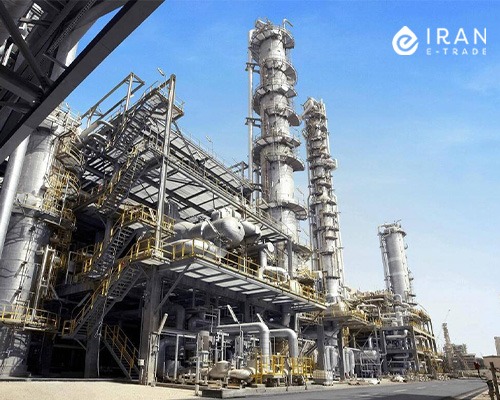
7. Shiraz Petroleum Refinery
Shiraz petroleum refinery is located in Fars Province, 22 kilometres along the Shiraz–Isfahan road. This petroleum refinery receives its crude oil from the Gachsaran oil field through the National Iranian South Oilfields Company. Its main products include gasoline, diesel fuel, kerosene, fuel oil, liquefied gas, bitumen, sulfur, and industrial solvents.
Shiraz petroleum refinery began its operations in 1973 as a private joint-stock company. Afterwards, in 2009, it was converted into a public joint-stock company. With its significant capacity and strategic location, this refinery is important in supplying fuel and petroleum products to Fars Province and the southwestern regions of Iran.
| Year of Establishment | 1970 |
|---|---|
| Daily Refining Capacity | 60,000 barrels |
| Location | Fars – Shiraz |
| Current Status | Public joint-stock company |
8. Tabriz Petroleum Refinery
A large share of Iran’s energy products comes from its petroleum refineries, such as Lavan, Persian Gulf Star, and Mahshahr Petrochemical Complex, and part of this output is exportable.
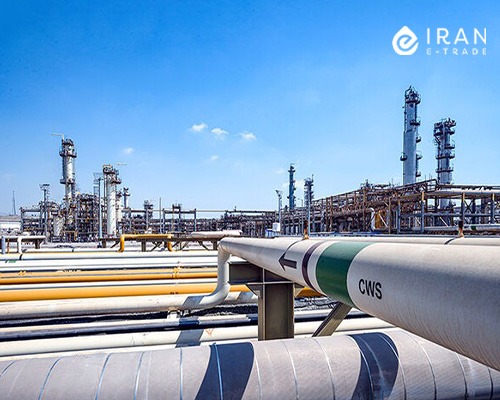
Tabriz Petroleum Refinery is one of the oil refineries in Iran that began operations in 1977. Furthermore, the nominal refining capacity of Tabriz Refinery, which is a private refinery, has increased from 80,000 barrels per day to 110,000 barrels per day.
With 14 refining units and 10 auxiliary service units, this refinery accounts for 7% of Iran’s crude oil refining capacity and supplies part of the liquid fuel demand of the northwestern provinces, including East Azerbaijan, West Azerbaijan, Zanjan, and Kurdistan.
Thanks to its strategic location, Tabriz refinery is one of the most important oil refineries in Iran. It also has an important role in supplying industrial and household petroleum products to the region.
| Year of Establishment | 1977 |
|---|---|
| Daily Refining Capacity | 110,000 barrels |
| Location | East Azerbaijan – Tabriz |
| Current Status | Transferred to the private sector |
9. Lavan Petroleum Refinery
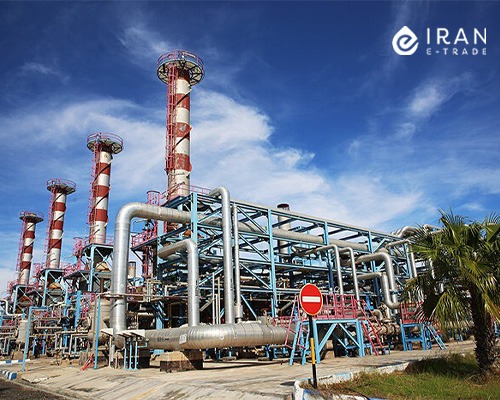
Lavan petroleum refinery was established in 1976 on Lavan Island, Hormozgan Province, in collaboration with Ingra Company and under the supervision of the National Iranian Oil Company.
Due to its strategic location in supplying fuel and petroleum products to southern Iran and supporting exports, it is one of the most important oil refineries in Iran.
Lavan refinery operates with a daily production capacity of 55,000 barrels, producing gasoline, fuel oil, full-range naphtha, liquefied gas, and diesel fuel.
| Year of Establishment | 1976 |
|---|---|
| Daily Refining Capacity | 55,000 barrels |
| Location | Persian Gulf – Lavan Island |
| Current Status | Privatized |
10. Kermanshah Petroleum Refinery
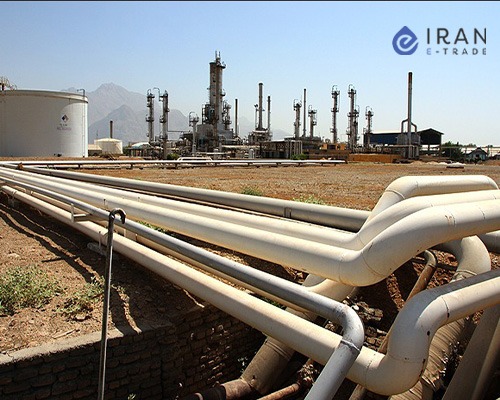
Kermanshah Petroleum Refinery, located in western Iran, was established in 1970 with a daily production capacity of 2,000 barrels. However, its nominal capacity has now increased to 30,000 barrels per day.
The refinery produces liquefied gas, gasoline, kerosene, diesel fuel, and fuel oil. It is also listed among Iran’s private refineries.
| Year of Establishment | 1970 |
|---|---|
| Daily Refining Capacity | 100,000 barrels |
| Location | Kermanshah |
| Current Status | Operational, transferred to the private sector |
11. Mahshahr Petroleum Refinery
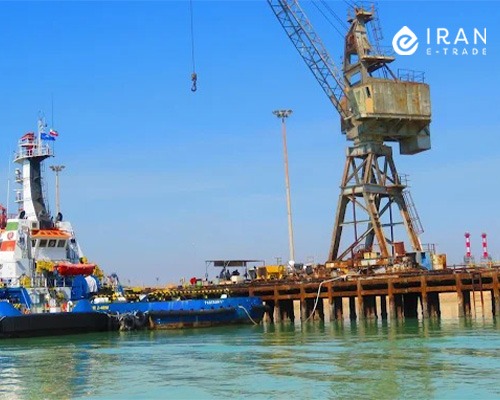
Mahshahr Petrochemical, located in Khuzestan Province within the Mahshahr Special Economic Zone, serves as a centre for petroleum and petrochemical production in southern Iran.
The Mahshahr petrochemical area is designed based on natural gas and gas condensates, aiming to supply fuel, feedstock for downstream industries, and petrochemical products for export.
Also, the refinery’s strategic location near Khuzestan’s oil fields and access to export ports make it one of the key centres for meeting both domestic demand and export needs.
| Year of Establishment | 1998 |
|---|---|
| Daily Refining Capacity | 25.8 million tons |
| Location | Khuzestan – Mahshahr |
| Current Status | Operational, under development |
12. Caspian Petroleum Refinery
Caspian petroleum refinery is one of the oil refineries in Iran and is under-construction in Gilan Province, located along the Caspian Sea. Therefore, its geographic location allows it to supply petroleum products to northern Iran and local industries.
Caspian refinery is planned to have a daily refining capacity of 300,000 barrels of crude oil from the Caspian Sea countries.
Once completed, the Caspian petroleum refinery will produce about 20 million litres of gasoline and 11 million litres of diesel fuel per day, with a portion designated for export to neighboring markets such as Turkey, Afghanistan, and Pakistan.
| Year of Establishment | – |
|---|---|
| Daily Refining Capacity | Approximately 300,000 barrels |
| Location | Gilan Province |
| Current Status | Under construction |
The Most Important Oil Refineries in Iran
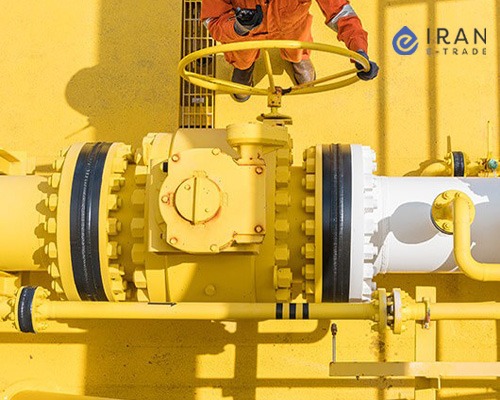
Oil refineries in Iran play an important part in Iran’s energy industry, supplying a large portion of its domestic and export petroleum product needs.
Given Iran’s vast crude oil reserves, many petroleum refineries operate to meet both domestic demand and global market needs. Below are the most important ones:
- Tehran Petroleum Refinery
- Isfahan Petroleum Refinery
- Abadan Petroleum Refinery
- Tabriz Petroleum Refinery
- Bandar Abbas Petroleum Refinery
- Shiraz Petroleum Refinery
- Lavan Petroleum Refinery
- Kermanshah Petroleum Refinery
Comparison Table of Oil Refineries in Iran
| Refinery | Year of Establishment | Daily Capacity | Location | Current Status |
|---|---|---|---|---|
| Abadan Petroleum Refinery | 1912 | 400,000 barrels | Khuzestan – Abadan | Transferred to private sector (20% owned by National Iranian Oil Products Distribution Company) |
| Tehran Petroleum Refinery | 1967 | 235,000 barrels | Tehran | Private |
| Arak Petroleum Refinery | 1993 | 250,000 barrels | Markazi – Arak | Private |
| Bandar Abbas Petroleum Refinery | 1991 | 350,000 barrels | Hormozgan – Bandar Abbas | Private |
| Jey Petroleum Refinery | 2003 | 1.8 million tons/year (bitumen) | Isfahan / Bandar Abbas | Private |
| Isfahan Petroleum Refinery | 1979 | 375,000 barrels | Isfahan | Private |
| Shiraz Petroleum Refinery | 1970 | 60,000 barrels | Fars – Shiraz | Public joint-stock |
| Tabriz Petroleum Refinery | 1977 | 110,000 barrels | East Azerbaijan – Tabriz | Private |
| Lavan Petroleum Refinery | 1976 | 55,000 barrels | Lavan Island – Persian Gulf | Privatized |
| Kermanshah Petroleum Refinery | 1922 | 30,000 barrels | Kermanshah | Private |
| Mahshahr Petroleum Refinery | 1998 | 25.8 million tons/year | Khuzestan – Mahshahr | Operational |
| Caspian Petroleum Refinery | Under Construction | 300,000 barrels (estimated) | Gilan – Caspian Sea coast | Under construction |
Types of Petroleum Refineries
Oil refineries in Iran can be categorised into several main groups based on the products they produce:
- Fuel Refineries: These refineries produce common and widely used petroleum products such as gasoline, gas oil, kerosene, and other conventional fuels.
- Lubricant Refineries: These refineries focus on producing various oils, light and heavy lubricants, bitumen, and similar products. Many refineries produce these specialised products alongside fuel.
- Petrochemical Refineries: In addition to fuel production, these refineries produce feedstock for the petrochemical industry, including aromatics, ethylene, butadiene, and other basic chemical compounds.
Operational Units of Petroleum Refineries
The most important oil refineries in Iran consist of the following operational units:
- Crude oil and refined product storage tanks
- Liquefied propane and similar gaseous fuel units
- Desalter Unit
- Atmospheric Distillation Unit
- Vacuum Distillation Unit
- Naphtha Hydrotreater Unit
- Catalytic Reformer Unit
- Distillate Hydrotreater
- Fluid Catalytic Cracking Unit
- Hydrocracker Unit
- Merox Treater Unit
- Coking Process
- Alkylation Unit
- Dimerization Unit
- Isomerization Unit
- Steam Reforming Unit
Various Products of Petroleum Refineries
The following products are produced by Oil refineries in Iran:
- Gasoline
- Gas oil
- Liquefied gas
- Kerosene
- Bitumen and asphalt
- Petroleum oils
- Fuel oil
- Petroleum coke
- Wax and paraffin
- Jet fuel
- Sulfur
- Naphtha
Safety and Environmental Hazards of Petroleum Refineries
Oil refineries in Iran can pose environmental and human health risks through the release of pollutants, unpleasant odors, and chemical wastewater. In addition to air and water pollution, potential hazards include fires, explosions, and noise pollution.
Some refineries are located near residential areas, creating significant health risks for local communities. While most refineries worldwide install treatment equipment and safety control systems to mitigate these hazards, they still require careful and continuous monitoring.
Frequently Asked Questions About Oil Refineries in Iran
In this section, we will answer some common questions about the oil refineries in Iran:
What is Iran’s Oil Refining Capacity?
The crude oil refining capacity of oil refineries in Iran is approximately over 2 million barrels per day.
Which Petroleum Refinery in Iran Has the Largest Refining Capacity?
Abadan petroleum refinery is considered to be the largest petroleum refinery in Iran and has the highest crude oil refining capacity.
How Many Active Petroleum Refineries Are There in Iran?
Currently, there are 10 active crude oil refineries in Iran: Abadan, Isfahan, Shazand, Bandar Abbas, Tabriz, Shiraz, Lavan, Tehran, Kermanshah, and Persian Gulf Star.
Are Oil Refineries in Iran Mostly State-Owned or Private?
Most Oil refineries in Iran, such as Lavan, Tehran, Jey, and Isfahan refineries, have been transferred to the private sector.
Which Is the Largest Gasoline-Producing Refinery in Iran?
The Persian Gulf Star refinery is the largest producer of gasoline in Iran.
What Are the Main Products of The Petroleum Refineries in Iran?
Oil refineries in Iran produce gasoline, diesel fuel, fuel oil, petroleum oils, liquefied gas, petrochemical feedstock, kerosene, and jet fuel.
source: wikipedia
Bitumen Price


- Petroleum Products and Petroleum Derivatives: Introduction + Uses
- Gasoline Producing Refineries in Iran: 12 Major Refineries
- Largest Oil Producers in the World: The Top 13 Countries...
- The Largest Bitumen Refineries In The World: Top 20 Refineries...
- What Is An Oil Lubricant: Types, Applications + Production
- What Is LPG: Properties + Uses Liquefied Petroleum Gas