What Is An Oil Lubricant: Types, Applications + Production
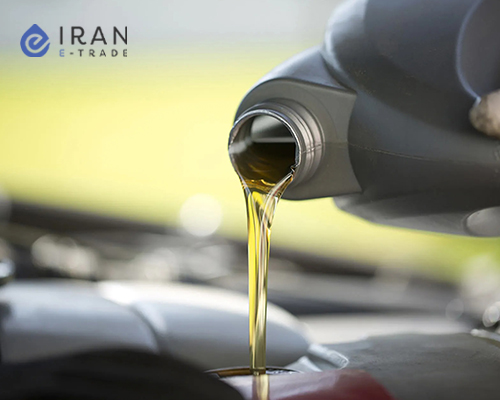
What Is an oil lubricant? A petroleum lubricant is an oil that reduces friction between moving surfaces, increases machine efficiency, and extends the life of equipment. This substance not only lubricates but also transfers heat and protects surfaces from rust and corrosion.
Its high viscosity index, good thermal resistance, oxidation stability, and cleaning ability prevent component wear and improve system performance. oil lubricants come in liquid, semi-solid, solid, and even gaseous forms, and each form is designed for specific uses, including engines, gearboxes, ball bearings, hinges, and industrial equipment.
In this article from the Iran ETrade blog, we will explain what an oil lubricant is and describe its features and applications. Iran ETrade is an official source for price inquiry of petroleum products, and you can visit our website to check the price of export bitumen and other related items.
What Is oil lubricant?
A petroleum lubricant is an oil derived from crude oil that reduces friction and prevents wear between a machine’s moving parts.
What is an oil lubricant? AN oil lubricant, or oil-based lubricant, reduces friction, wear, and heat between mechanical components in motion.
Its key features include the following: high viscosity index, low friction, thermal resistance, oxidation stability, strong cleaning ability, wear and abrasion prevention, anti-foaming behaviour, protection against rust and corrosion, and compatibility with rubber and plastic parts.
A petroleum lubricant can be liquid, semi-solid, solid, plastic-like, or even gas-like, and each form is designed for specific uses.
In the following sections, we will examine in detail what an oil lubricant is, its types, and how manufacturers produce it.
What Is an oil lubricant’s Production Process?
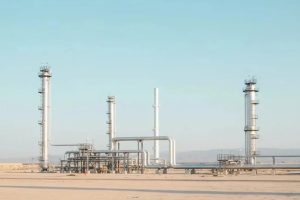
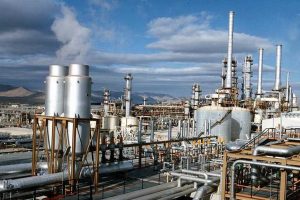
The production process for oil lubricant starts with refining crude oil. Refineries heat the crude oil to high temperatures and then distil it so that its components separate based on their boiling points. Through this process, crude oil turns into several products such as gasoline, gas oil, and lubricating oils.
The oils obtained from refining are the base oils. Base oils form the main component of lubricants and have properties such as viscosity, oxidation stability, and pour point. However, base oils cannot provide complete lubrication on their own. Therefore, manufacturers mix them with specialized additives to improve their performance.
A petroleum lubricant is an industrial oil made from crude oil and used to reduce friction and prevent wear between moving machine parts. It forms a thin layer between surfaces in contact, prevents abrasion, rust, and heat buildup, and increases equipment performance and lifespan. Manufacturers produce oil lubricants in liquid, semi-solid, solid, or gaseous forms. In addition, each type is suitable for different uses such as engines, gearboxes, bearings, and hydraulic systems. an oil lubricants result from crude oil refining and usually combine with additives such as anti-wear agents, corrosion inhibitors, and thermal stabilisers. Therefore, they can perform effectively under various conditions. A petroleum lubricant has proper viscosity and heat resistance and protects components against wear and corrosion.
Types of an oil Lubricant Based on Performance and Additives
AN oil lubricant forms a thin layer between contacting surfaces, prevents abrasion, rust, and temperature rise, and improves equipment performance and lifespan.
Therefore, different types of petroleum lubricants based on their performance and the additives are:
- Anti-wear additives: These compounds create a protective layer on metal surfaces, prevent direct contact, and reduce component wear.
- Extreme-pressure additives: When machine parts operate under heavy load or high pressure, these additives form a resistant layer—often made of materials such as graphite or molybdenum disulfide—to stop components from sticking or locking together.
- Friction modifiers: Manufacturers add these materials to oil lubricants to control and reduce friction between surfaces. They usually consist of solid particles such as graphite, molybdenum disulfide, or tungsten disulfide.
- Corrosion inhibitors: These substances form a protective coating that shields metal surfaces from oxygen, moisture, and other corrosive chemicals.
- Viscosity-index improvers: These additives help oil lubricants maintain stable viscosity across different temperatures. Therefore, the oil lubricant performs consistently in both hot and cold conditions.
| What is an oil lubricant? | Details |
|---|---|
| Definition | A product refined from crude oil to reduce friction and extend equipment life. |
| Features | Proper viscosity, heat resistance, and strong anti-wear and anti-corrosion properties. |
| Types based on physical form | Liquid, semi-solid, solid, and gaseous. |
| Types based on performance | Anti-wear, extreme-pressure, corrosion-inhibiting, and friction-modifying |
| Advantages and functions | Reducing heat and friction, increasing efficiency, and preventing corrosion and wear |
| Functions | Used in engines, gearboxes, ball bearings, ball bearings, and drilling equipment. |
| Functional impact | Forms a thin layer on contact surfaces to prevent rust and extend the component’s lifespan |
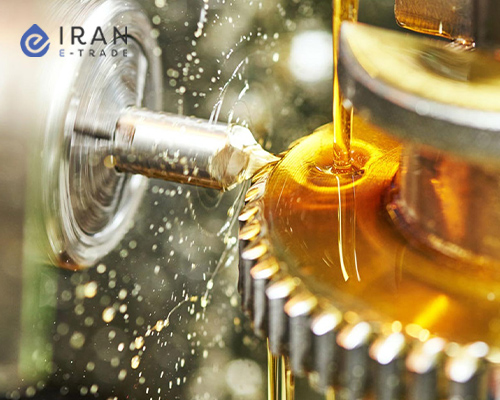
What Is an oil Lubricant’s Usage?
Greases, oils, penetrating and dry lubricants are all types of petroleum lubricants, and each one has different uses. But what is an oil lubricant’s yse? For example, they reduce friction between chains, ball bearings, bearings, and bolts and nuts.
You already know that the main function of an oil lubricant is to reduce friction between surfaces. However, each type has specific properties that make it suitable for particular applications:
What Is an oil Lubricant’s Use: 1. Grease
Greases are semi-solid lubricants that can effectively combine with oil-based lubricants. They also act as protective agents by forming a barrier layer that shields surfaces from harmful contaminants.
However, due to their thickness and strong adhesion, grease can increase resistance in high-speed machinery. As a type of an oil lubricant, grease has many uses in chains, joints, ball bearings, and gears.
What Is an oil Lubricant’s Use: 2. Oils
Oils are relatively thin petroleum-based lubricants made from long polymer chains combined with additives such as antioxidants, corrosion inhibitors, and detergents. These compounds prevent oil oxidation, surface corrosion, and deposit formation.
The long polymer chains compress with difficulty, which allows oils to form a slippery, smooth layer between surfaces. Furthermore, manufacturers produce oils in different viscosity grades; the lower the viscosity number, the easier the oil flows.
Oils are used in ball bearings, hinges, blade sharpening, and tool maintenance. They are typically chosen when lubrication is needed without grease, especially for small components.
Types of Lubricants Based on Physical Form
What is an oil lubricant’s form? Petroleum lubricants are available in four forms: solid (powders and composites), semi-solid (greases), liquid (oils), and gaseous.
Based on their physical form, petroleum lubricants have four categories:
1. Liquid Lubricants: Liquid lubricants are the most common type of oil lubricant and usually consist of mineral oils, synthetic oils, or emulsions. They reduce friction in engines, gearboxes, and industrial equipment.
Manufacturers divide liquid petroleum lubricants into four groups:
- Hydrocarbon-based oils
- Natural oils and fats
- Hydro lubricants
- Non-hydrocarbon synthetic oils
2. Solid Lubricants: Powders, coatings, and composites such as graphite, polytetrafluoroethylene (PTFE), and molybdenum disulfide are in the category of solid petroleum lubricants.
3. Gaseous Lubricants: This type of lubricant uses gases such as air, nitrogen, or steam to reduce friction and is applied in specialized, high-speed systems.
4. Semi-Solid Lubricants: Grease is a semi-solid petroleum lubricant. It combines mineral or vegetable oils with emulsified soap and is suitable for long-term lubrication under high temperature and pressure.
Types of Lubricating Oils
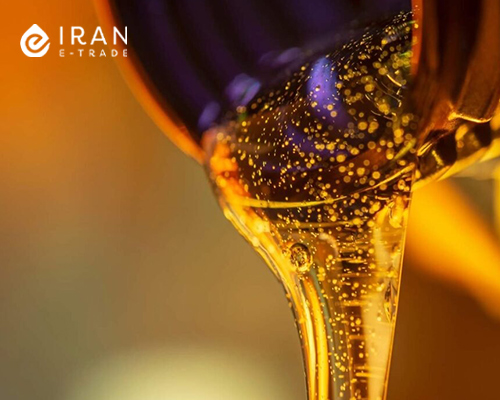
Lubricating oils have three main categories: vegetable, mineral, and synthetic (or blends of these). Mineral oils come from refining natural crude oil and are the most widely used due to their low production costs.
Manufacturers can also produce them in different viscosity grades to suit various applications. On the other hand, synthetic oils are industrially manufactured. However, in specific conditions or environmentally sensitive settings, vegetable-based oils are used as the base.
1. Penetrating Lubricants
These lubricants are highly effective for loosening rusted bolts and nuts. Despite their low viscosity, they are suitable only for penetrating small gaps, reducing friction, and removing rust.
2. Dry Lubricants
ٌWhat is an oil lubricant’s dry form? Dry lubricants are composed of materials such as silicone, graphite, PTFE, and molybdenum disulfide, which provide high molecular-level slipperiness and reduce friction.
They are usually available as powders or sprays and create a dry, slippery surface after the solvent evaporates. Also, dry lubricants have uses in locks, hinges, rails, and surfaces that must remain free of grease or contamination.
What Is an oil Lubricant’s Main Function?
Oil lubricants serve several purposes in various industries, some of which are: heat transfer, wear reduction, sealing, shock absorption, and power transmission. In different industries, petroleum lubricants are also used for the following objectives:
1. Lubrication
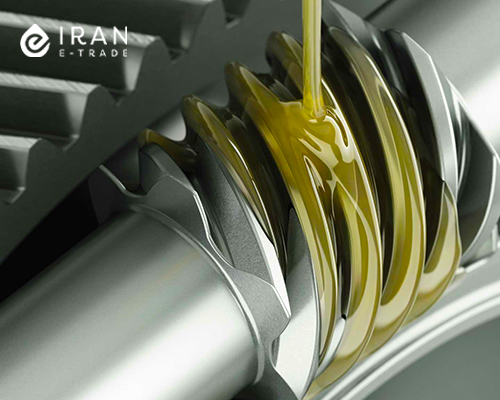
The primary function of an oil lubricant is to form a suitably thick oil layer between moving parts, which minimises friction, wear, and heat.
2. Heat Transfer
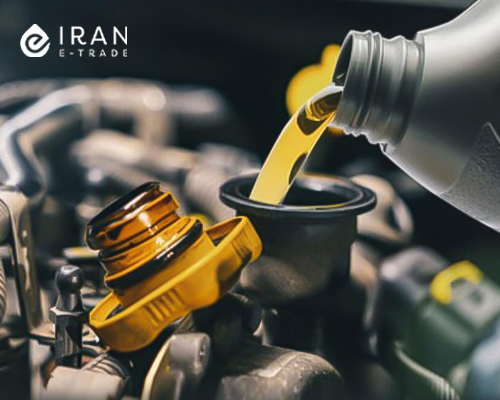
What is an oil lubricant’s ability to transfer heat? Petroleum lubricating oils absorb the heat generated during equipment operations from metal surfaces and keep the components cool, preventing heat-related damage.
3. Shock Absorber
A key function of petroleum lubricants is to absorb and reduce the intensity of impacts and vibrations during the movement of parts. Therefore, they can help prevent mechanical damage.
4. Surface Protection
Another function of petroleum lubricants is to protect metal components from rust, chemical corrosion, and oxidation, preventing direct contact with air and moisture.
5. Sealing
What is an oil lubricant’s sealing ability? An oil lubricant forms a uniform layer between components such as pistons and cylinders, preventing gas or liquid leaks, which enhances system efficiency.
6. Transporting Particles
A petroleum lubricant must suspend particles generated from wear, fuel decomposition, and contaminants in itself; this, in turn, prevents their accumulation on components.
7. Power Transmission
In certain systems, such as hydraulic circuits, an oil lubricant transmits force, enabling movement and control of components.

What Is an oil Lubricant’s Advantage and Use in the Oil and Gas Industry
What is an oil lubricant’s advantage of use in the oil and gas industry? Petroleum lubricants such as engine, gear, and hydraulic oils play a vital role in drilling and oil and gas extraction operations. These lubricants reduce wear and control heat.
They can also withstand heavy loads and prevent contamination from water, soil, foam, and rust. Therefore, they can improve equipment performance and extend its lifespan.
How to Monitor the Performance of Petroleum Lubricants
To ensure optimal performance of petroleum lubricants, you should consider the following measures:
- Measure viscosity and pour point
- Check the levels of anti-wear and anti-corrosion additives
- Test oxidation resistance
- Monitor the equipment’s operating temperature and pressure
Frequently Asked Questions Regarding “What is an oil Lubricant”
In this article, we explained what an oil lubricant is and its applications. Finally, we answer the most common questions about this substance:
What Is an oil Lubricant and How Is It Produced?
A petroleum lubricant is a combination of base oils and additives, produced through crude oil refining and chemical formulation.
What Is the Difference Between Petroleum and Non-Petroleum Lubricants?
What is an oil lubricant’s difference from its non-petroleum counterpart? A petroleum lubricant is made from crude oil derivatives.
But a non-petroleum lubricant is produced from synthetic materials such as polyglycols or silicone and is designed for specific temperatures and pressures.
source: wikipedia
Bitumen Price


- Petroleum Products and Petroleum Derivatives: Introduction + Uses
- Oil Refineries in Iran: Complete List + Comparison
- Gasoline Producing Refineries in Iran: 12 Major Refineries
- Largest Oil Producers in the World: The Top 13 Countries...
- The Largest Bitumen Refineries In The World: Top 20 Refineries...
- What Is LPG: Properties + Uses Liquefied Petroleum Gas