Petroleum Products and Petroleum Derivatives: Introduction + Uses
Petroleum products and petroleum derivatives are materials obtained by refining crude oil and natural gas. This group includes fuels such as gasoline, diesel, kerosene, and liquefied petroleum gas, as well as materials like bitumen, paraffin, lubricants, solvents, and petrochemical compounds.
People use petroleum products and derivatives in many areas. They power transportation, generate electricity, and help produce plastics, medicines, chemical fertilizers, industrial materials, and household goods. Therefore, this wide usage makes them vital for both the economy and daily life.
In the following article from Iran ETrade blog, an expert source on petroleum products and derivatives prices, we provide a more detailed introduction to these materials.
What Are Petroleum Products And Petroleum Derivatives?
Petroleum products and petroleum derivatives are refined materials obtained from crude oil through distillation and chemical processes. They play a key role in transportation, industry, energy supply, and chemical sectors.
In the energy field, petroleum products and derivatives are more than a simple category. They include materials produced from crude oil refining or natural gas processing. Each material has its own molecular structure, boiling point, density, and combustion properties.
Refineries produce these materials through fractional distillation and advanced processes such as cracking, reforming, and isomerization. As a result, they create hundreds of usable products for transportation, industry, energy, agriculture, and pharmaceuticals.
This broad group includes light and heavy fuels, solvents, chemical feedstocks, oils, and polymers. Therefore, their role in economic and technological systems remains essential and irreplaceable.
Petroleum products and derivatives refer to a broad range of refined materials produced from crude oil and natural gas. They include light and heavy fuels, oils, solvents, and chemical industry feedstocks. Each product has specific properties such as boiling point, density, sulfur content, and combustion performance. These characteristics make petroleum products and petroleum derivatives essential in transportation, power generation, chemical industries, pharmaceuticals, agriculture, and household applications. The export and global trade of petroleum products and petroleum derivatives also strongly influence industrial and economic development. As a result, oil-rich countries such as Iran hold a strategic role in supplying the global market, despite the wide diversity of these products.
Types of Petroleum Products and Petroleum Derivatives
Petroleum products and derivatives include a wide variety of fuels, oils, gases, and chemical materials. They play a major role in transportation, energy supply, and petrochemical industries.
In petrochemical units, producers separate crude oil components in distillation columns. Then, they modify the molecular structures to obtain different types of petroleum products and petroleum derivatives.
This group covers very light gases as well as heavy fuels and bituminous materials. Therefore, in the following section we will present a list of the most important petroleum products.
1. Main Petroleum Products and Petroleum Derivatives: Gasoline
Gasoline stands at the top of petroleum products and petroleum derivatives. Gasoline is a mixture of light hydrocarbons with a high octane number. Producers obtain it through distillation and reforming processes.
Reforming increases the branching of carbon chains. Gasoline quality mainly depends on its octane rating because rating shows the fuel’s resistance to premature combustion.

2. Diesel Fuels
Among petroleum products and petroleum derivatives, diesel is one of the most stable fuels for compression-ignition engines. Its high flash point and suitable energy density give it this advantage.
What Is diesel fuel? Diesel consists of relatively heavy hydrocarbons with long carbon chains. Also, its combustion performance depends on the cetane number.
3. Main Petroleum Products and Petroleum Derivatives: Gas
Unlike liquid fuels in the petroleum products group, natural gas creates less pollution when it is free of impurities. It mainly consists of methane and producers prepare it through separation, refining, sweetening, and the removal of acidic compounds such as H₂S and CO₂.
Because of its high energy efficiency and low carbon dioxide emissions per unit of energy, gas is one of the cleanest fossil fuels. As a result, industries widely use it in power plants, chemical industries, and gas-to-liquid (GTL) units.
4. Mazut
What Is mazut? Mazut is one of the heaviest fractions in petroleum products and petroleum derivatives. Producers obtain it through distillation.
This fuel has high density and high viscosity. It also contains significant amounts of sulfur and metals. Although mazut releases a large amount of energy during combustion, it produces more pollutants than lighter fuels.
5. Main Petroleum Products and Petroleum Derivatives: White Oil
White oil has a mid-range position among petroleum products and petroleum derivatives. It is neither as light as gasoline nor as heavy as diesel.
This fuel has a suitable flash point and good thermal stability. It also burns cleanly. Therefore, people use it in old oil lamps, heaters, turbine aircraft fuel, and some chemical industries.

6. Bitumen (Asphalt) One of The Main Petroleum Products and Petroleum Derivatives
The wide range of petroleum products and petroleum derivatives, from light fuels to chemical materials and polymers, strongly supports industrial development, economic growth, and daily human needs.
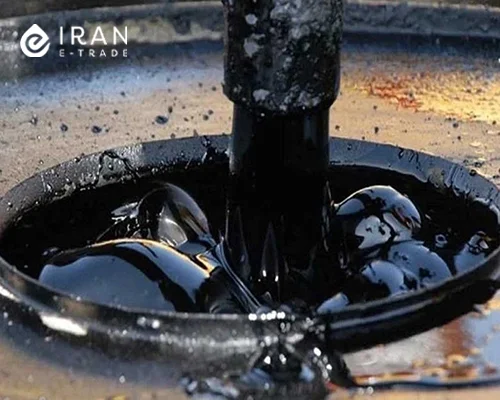
Bitumen (asphalt) is one of the most important petroleum-based materials. It has a distinct physico-chemical nature. Producers obtain it from the heaviest crude oil fractions through vacuum distillation or controlled oxidation.
Bitumen has a complex structure made of asphaltenes and resins. ّFurthermore, this structure controls its thermal behavior, flexibility, adhesion, and resistance to structural fatigue.
7. Kerosene
Kerosene has a mid-range position among petroleum products and petroleum derivatives. Its stable hydrocarbon composition gives it good combustion efficiency and a standard flash point.
Because of these properties, people use kerosene in many areas. It serves as turbine aircraft fuel and as a source for home heating. Its structure also prevents crystallization and flow reduction at high altitudes.

8. Propane and Butane One of The Main Petroleum Products and Petroleum Derivatives
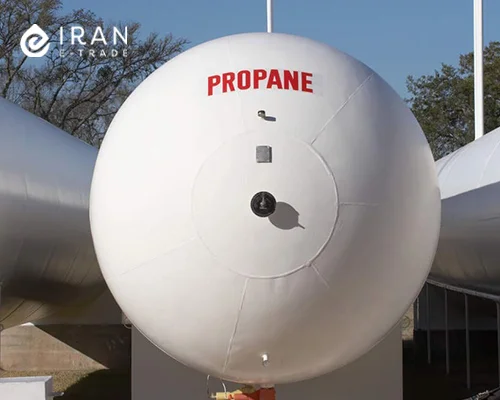
Two important components of petroleum products and petroleum derivatives are propane and butane. They are liquefied petroleum gases (LPG) that become liquid under low pressure and have high energy density.
Manufacturers obtain these gases from natural gas streams or light refinery fractions. They then purify them through sweetening and distillation processes.
9. Base Oils and Lubricants
Among the most specialized petroleum products and petroleum derivatives are base oils and lubricants. Manufacturers produce them from heavy fractions using processes like hydrocracking, dewaxing, and hydrogen refining.
The quality of these oils depends on viscosity, oxidative stability, pressure tolerance, and pour point. They are designed to lubricate internal combustion engines, gearboxes, turbines, and industrial systems.

10. Main Petroleum Products and Petroleum Derivatives: Heavy Oils
Heavy oils are important petroleum products obtained from the final fractions of crude oil distillation.
They have large molecules, high viscosity, and high boiling points. Their thermal stability and pressure tolerance make them suitable for large marine engines, power plants, industrial boilers, and some petrochemical processes.

11. Main Petroleum Products and Petroleum Derivatives: Liquid Paraffin Oil
Liquid paraffin oil is one of the most well-known petroleum derivatives. Producers obtain it from deep refining of light and mid-range crude oil fractions.
What is petroleum paraffin? This product undergoes hydrogen refining, decolorization, and aromatic removal to become stable and odorless. Therefore, these properties make liquid paraffin essential for pharmaceuticals, cosmetics, food packaging, and light lubrication applications.

12. Chemicals and Plastics
Many basic chemicals and engineering polymers come from the broad range of petroleum products and petroleum derivatives. Fractions like naphtha and liquefied petroleum gas undergo steam cracking to produce ethylene, propylene, and other essential monomers.
These small molecules serve as building blocks for plastics such as polyethylene, polypropylene, PET, and industrial resins. Also, careful control of their molecular structure allows producers to create products with diverse mechanical, thermal, and chemical properties.

13. Main Petroleum Products and Petroleum Derivatives: White Spirit
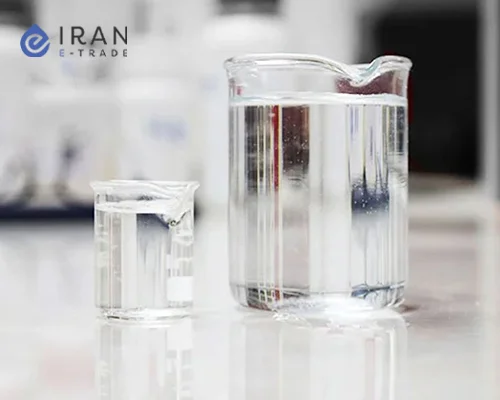
White spirit stands out among petroleum products due to its uniform evaporation and stable hydrocarbon composition. Producers obtain it by distilling and refining mid-range crude oil fractions. Therefore, white spirit is a mixture of light alkanes and cycloalkanes.
Its balanced solvency power, evaporation rate, and chemical stability make white spirit ideal for paint and resin industries, thinning, degreasing industrial parts, and printing applications.
14. Sulfur One of The Main Petroleum Products and Petroleum Derivatives
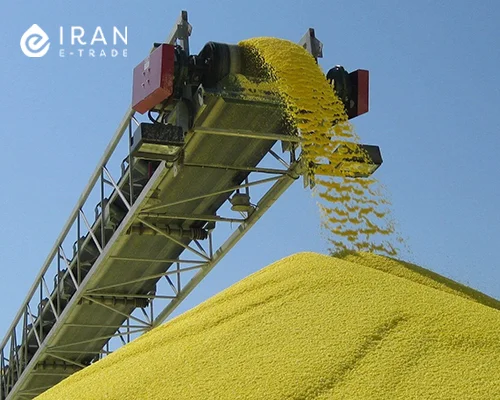
The extraction of sulfur during refining shows the importance of by-products in the petroleum products and petroleum derivatives cycle. Producers recover sulfur by removing sulfur compounds from oil and gas, obtaining it in stable elemental or granular form.
Sulfur serves as a base for producing sulfuric acid, chemical fertilizers, detergents, vulcanized rubber, and some modern batteries. Furthermore, its purity and particle size determine its quality. Refineries use precise catalytic technologies to meet the highest standards.
Characteristics of Petroleum Products
Petroleum products and petroleum derivatives have unique chemical complexity, which gives each product distinct physical and energy properties. They also form the basis for industrial and energy decisions worldwide.
Each product’s molecular structure determines its physical behavior and energy characteristics. These features also influence industrial applications, combustion quality, energy efficiency, storage capabilities, and environmental impact.
1. Boiling Point
The thermal behavior of crude oil and petroleum products is important for classifying and separating them in distillation columns.
Each fraction’s boiling point depends on carbon chain length, bond types, molecular branching, and aromatic content.
For example, light hydrocarbons like propane and butane have very low boiling points. However, heavy fractions, such as fuel oil or bitumen, require high temperatures and sometimes vacuum to separate.
2. Density and Viscosity
Properties like boiling point, density, enthalpy, and sulfur content show the importance of petroleum products and petroleum derivatives in industry, energy efficiency, and environmental impact.
Flow behavior and bulk density depend on molecular structure, the proportion of heavy hydrocarbons, and the presence of resins and asphaltenes.
Density indicates how much energy a fuel stores per volume. Viscosity affects lubrication, pumping speed, and fuel injection in internal combustion engines.
3. Enthalpy (Combustion Characteristics)
Examining the energy content of petroleum products helps understand their heat output, flame stability, and behavior under different temperatures.
Combustion enthalpy depends on the hydrogen-to-carbon ratio, aromatic content, and fuel purity.
Lighter hydrocarbons release more energy per unit of mass and burn more completely. But heavier compounds with stable bonds release energy slowly and may combust incompletely.

4. Sulfur Content
Controlling sulfur content in petroleum products is a key factor for environmental safety and fuel performance.
Sulfur and related compounds, like mercaptans, form sulfur dioxide and sulfur trioxide during combustion. These gases are one of the causes acid rain and can corrode equipment.
Therefore, refineries use hydrodesulfurization and deep desulfurization processes to lower sulfur levels in fuels such as gasoline, diesel, and jet fuel, meeting global standards.
Applications of Petroleum Products and Petroleum Derivatives in Industries
Petroleum products and petroleum derivatives are the backbone of modern industries. They serve as fuels, lubricants, chemicals, and household products, supporting transportation, energy, agriculture, and industrial production.
Their role in the global industrial structure is essential. Nearly every modern technology—from transportation and power plants to advanced industrial processes—relies on energy or raw materials derived from petroleum.
1. Transportation
The modern transportation sector depends heavily on petroleum derivatives. Gasoline, diesel, jet fuel, and heavy marine fuels all come directly from refinery fractions.
Properties like octane and cetane numbers, viscosity, and thermal stability determine engine and turbine performance. Without these fuels, transporting goods, air travel, and maritime navigation would be nearly impossible.
2. Uses of Petroleum Products and Petroleum Derivatives in Power Generation
The high efficiency and heat value of petroleum products make them ideal for electricity generation in thermal power plants.
Mazut, diesel, and lighter fuels burn in boilers or gas turbines, producing steam or mechanical energy to drive generators. Therefore, in areas with limited gas supply, these fuels also serve as important backup and emergency energy sources.
3. Chemical Industries
Many organic compounds originate from petroleum products and petroleum derivatives. Light hydrocarbons and aromatics are converted into ethylene, propylene, benzene, and toluene, forming the base for plastics, resins, synthetic fibers, solvents, and detergents.
The chemical industry can create products with precise mechanical and thermal properties by controlling molecular structures.

4. Pharmaceutical Applications of Petroleum Products and Derivatives
The pharmaceutical industry relies on petroleum products and petroleum derivatives for many raw materials.
Liquid paraffin oil, vaseline (the base for creams and ointments), pharmaceutical solvents, and some drug-building molecules come from refined hydrocarbons. Their high purity and low reactivity ensure safe, standardized use in oral, topical, and injectable medications.
5. Agricultural Uses of Petroleum Products
Petroleum products support many aspects of modern agriculture. They are used in chemical fertilizers, pesticides, irrigation and soil-cover polymers, and fuel for agricultural machinery.
Ammonia, urea, and other nitrogen-based fertilizers come directly from natural gas and naphtha. These materials also provide essential nutrients for plants and help maintain farm productivity.
6. Lubricants
The formulation of lubricants depends on the precise composition of petroleum products and petroleum derivatives. Mineral base oils are refined and combined with anti-wear, anti-oxidation, and viscosity-enhancing additives.
These lubricants reduce friction, dissipate heat, and extend equipment life. Therefore, they are widely used in automobiles, power plants, steel industries, petrochemical facilities, and hydraulic systems.
7. Uses of Petroleum Products and Petroleum Derivatives: Household Applications
Petroleum products are essential in everyday life. They provide home heating, cooking fuel, detergents, waxes, packaging plastics, paints, and many common household items.
Liquefied petroleum gas, kerosene, paraffin, and light solvents are important examples because many household tools and products could not be made without them.
8. Petroleum Coke
What is petroleum coke? Petroleum coke is a high-energy material produced by processing the heaviest fractions of petroleum products and petroleum derivatives in coking units.
With high energy density and pure carbon content, petroleum coke serves as a primary fuel for the steel and aluminum industries and for making graphite electrodes. Its dense structure also generates stable high heat and offers mechanical advantages in metallurgical applications.

Products Obtained from Petroleum Products and Petroleum Derivatives
The wide range of petroleum products and derivatives serves not only as fuel but also as a source for hundreds of essential products.
These materials are key inputs for many industries. Their diversity shows that crude oil is more than an energy source—it is a versatile raw material for producing complex chemical and industrial compounds.
Small list of products obtained from petroleum products and petroleum derivatives:
- Naphtha
- Polyethylene
- Polypropylene
- Industrial alcohols
- Petroleum-based chemical fertilizers
- Greases
- Waxes
- Paint and coating raw materials
- Fuel additives
The Role of Oil and Its Derivatives in the Industrial and Economic Development of Countries
Understanding the impact of petroleum products and petroleum derivatives on the global economy shows that they are key drivers of industrial, transportation, and energy infrastructure.
Countries with oil reserves or advanced refining capabilities often develop strong downstream industries, achieve significant exports, and generate high added value.
Petroleum products play a central role in energy, petrochemical, steel, transportation, and construction sectors, making them one of the main pillars of economic growth.
Exports and the Global Market of Petroleum Products
The global market for petroleum products and petroleum derivatives depends on the countries’ refining capacity, product diversity, and export infrastructure. With its developed refineries and downstream industries, Iran holds a strong position in this market.
Competition in the global petroleum products market is driven by refining quality, product variety, and the ability to supply consistently.
Largest Producers and Exporters
Countries with advanced refining capabilities and efficient transport networks are the main global exporters of oil and petroleum products and petroleum derivatives.
The United States, with its large refining capacity and shale production; Saudi Arabia, with extensive export infrastructure; Russia, with a vast pipeline network; and India, with modern refineries, are among the largest oil producers in the world and exporters.
These countries supply not only crude oil but also gasoline, diesel, jet fuel, naphtha, and petrochemical materials worldwide, playing a key role in regulating the market.

Iran’s Position in the Global Market
Despite geopolitical pressures, Iran remains an influential supplier of petroleum products and petroleum derivatives.
The development of refineries, such as the Persian Gulf Star Refinery, has boosted gasoline and diesel production and expanded refined product exports.
Even with trade restrictions, Iran maintains its role in the energy market by strengthening downstream industries, producing high value-added petrochemical products, and diversifying export destinations.
Frequently Asked Questions
In this section, we answer the most common questions about petroleum products and derivatives.
What Are Petroleum Products?
Petroleum products are materials obtained by refining crude oil. They include gasoline, diesel, liquefied petroleum gas, kerosene, bitumen, and other fuels and chemical industry feedstocks.
What Are the Most Important Petroleum Derivatives?
The most important petroleum derivatives include liquid fuels like gasoline and diesel, liquefied gases such as propane and butane, lubricants, bitumen, paraffin, industrial solvents, and petrochemical materials.
How Are Petroleum Products Used in Our Daily Lives?
Petroleum products are used in many aspects of daily life. For example, they support transportation, energy production, home heating, plastic manufacturing, cosmetics, pharmaceuticals, rubber production, detergents, and even synthetic fabrics.
What Is the Main Difference Between Gasoline, Diesel, and Mazut?
Gasoline is the lightest fuel, used in spark-ignition engines. Diesel is denser and powers compression-ignition engines. Mazut is the heaviest refinery fuel, mainly used in power plants and ships.
Which Petroleum Products Have the Highest Export Value?
Gasoline, low-sulfur diesel, jet fuel (Jet A1), naphtha, and petrochemical products like polyethylene have the highest export value. This is because to their broad and stable global demand.
What Is the Environmental Impact of Petroleum Derivatives?
The production and use of petroleum products and petroleum derivatives can cause greenhouse gas emissions, air pollution, soil and water contamination from spills, and plastic waste. However, careful management, low-sulfur refining, and clean technologies can help reduce these environmental effects.

source: americanpetroleumpr
Bitumen Price


- Oil Refineries in Iran: Complete List + Comparison
- Gasoline Producing Refineries in Iran: 12 Major Refineries
- Largest Oil Producers in the World: The Top 13 Countries...
- The Largest Bitumen Refineries In The World: Top 20 Refineries...
- What Is An Oil Lubricant: Types, Applications + Production
- What Is LPG: Properties + Uses Liquefied Petroleum Gas