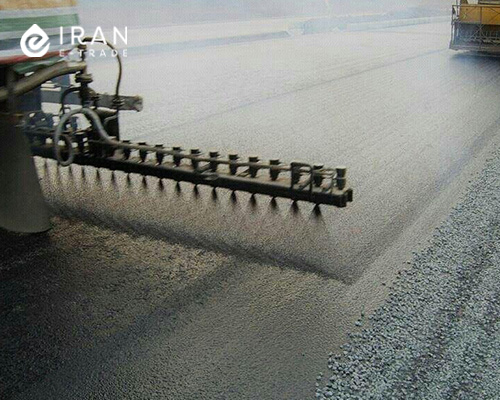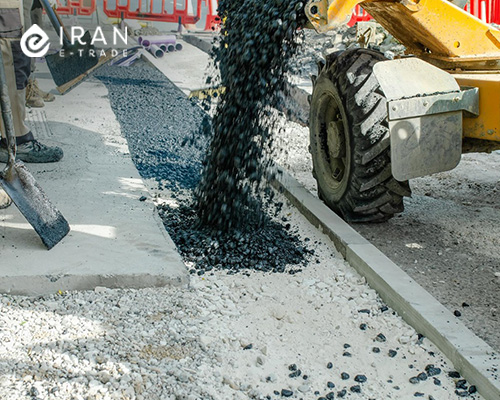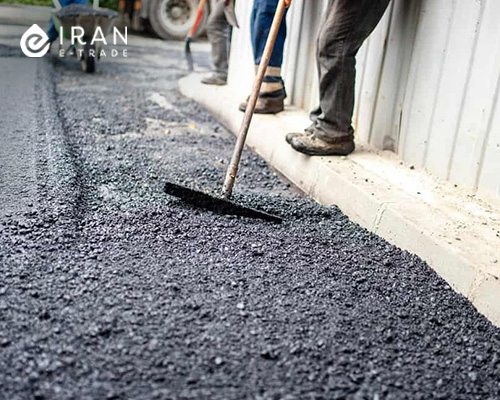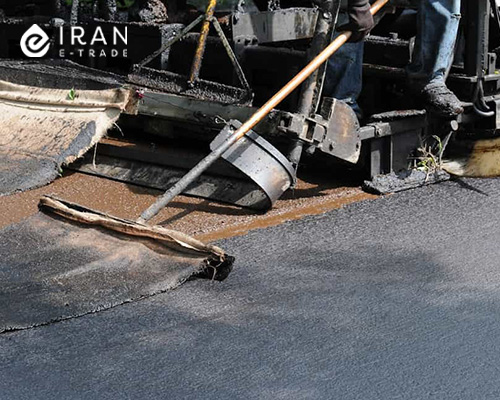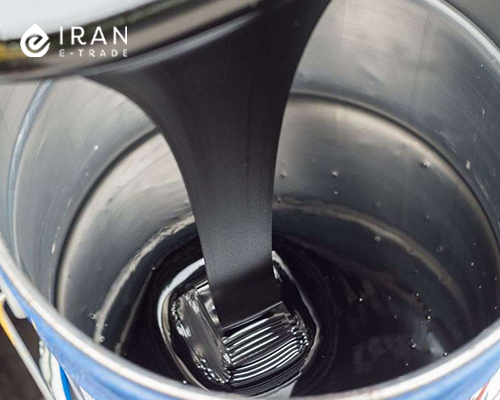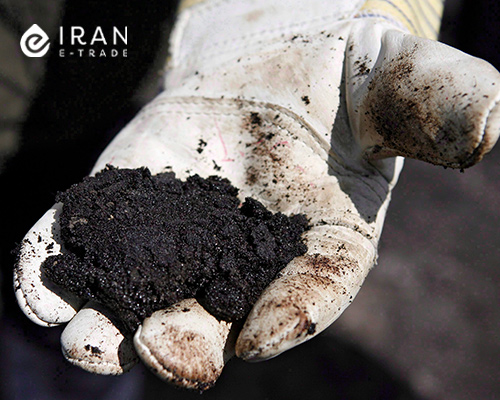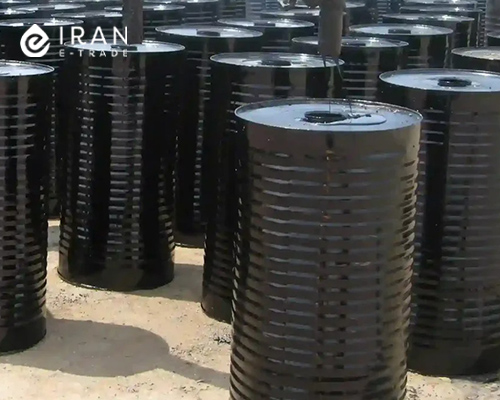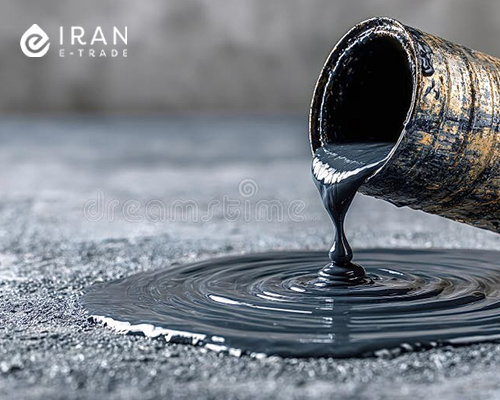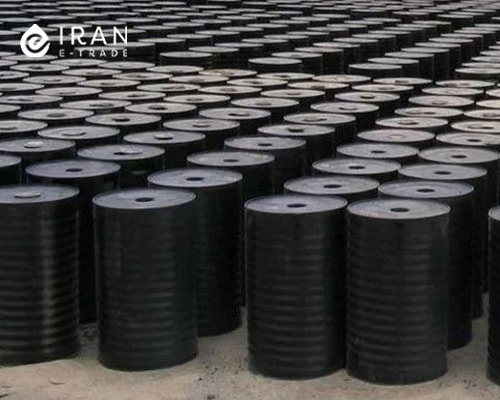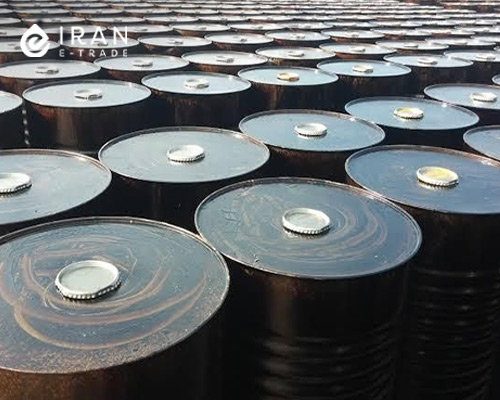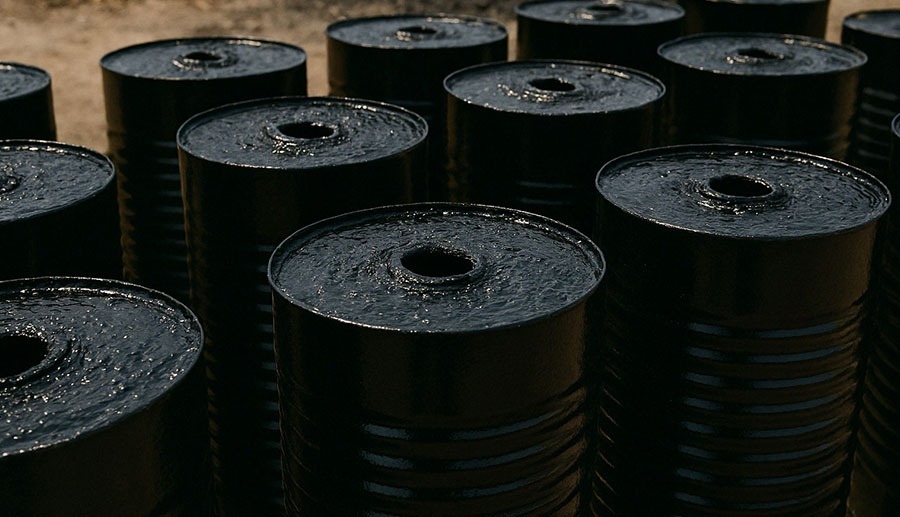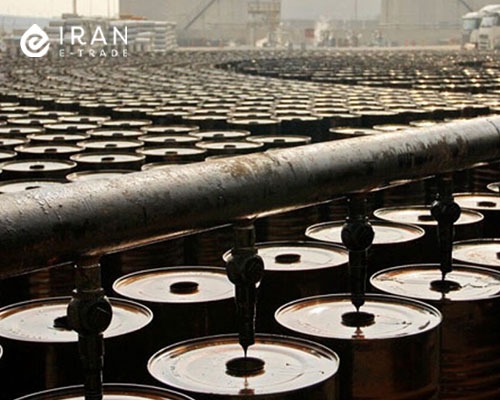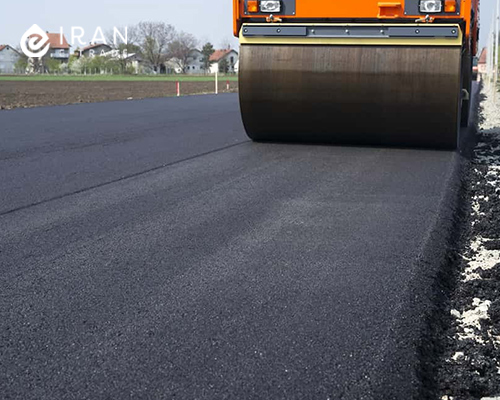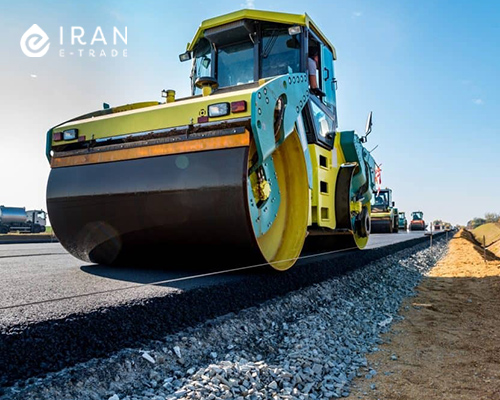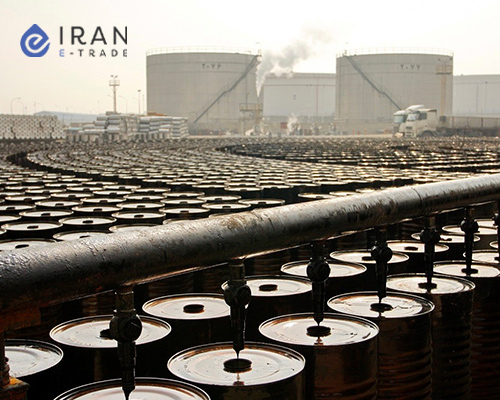
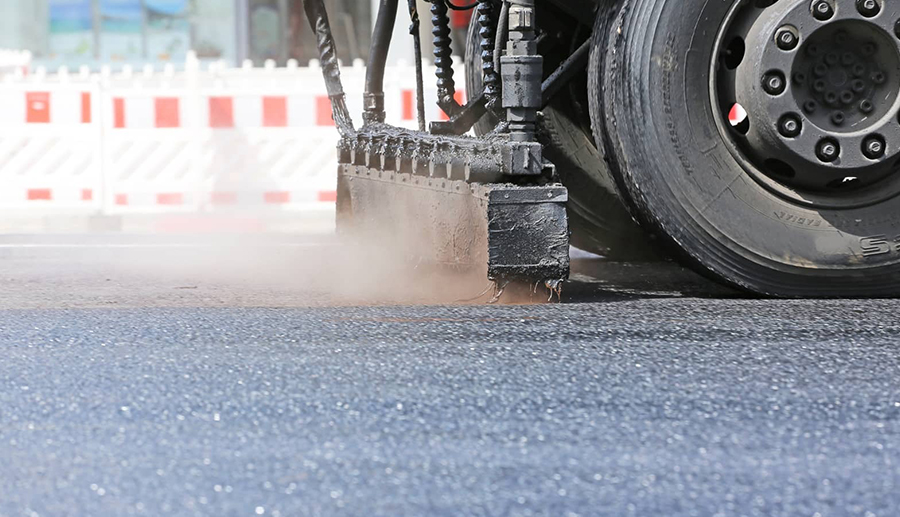
تفاوت قیر امولسیون با محلول mc: بررسی17 تفاوت قیر mc و امولسیون!

تفاوت قیر امولسیون با محلول MC در جنبه‌های متعددی از جمله نوع حلال، سرعت خشک شدن، ایمنی و تأثیرات زیست‌محیطی برمی‌گردد. همچنین، شناخت تفاوت قیر امولسیون و قیر MC در میزان خطر اشتعال، نیاز به پیش‌گرمایش و نحوه اجرای آن‌ها نیز نقش تعیین‌کننده‌ای در انتخاب نوع قیر مناسب برای پروژه‌های مختلف دارد. در ادامه این مطلب از بلاگ ایران ای ترید مرجع تخصصی اعلام قیمت قیر به بررسی و مقایسه این تفاوت‌ها می‌پردازیم.

قیر امولسیون چیست؟

بارزترین تفاوت قیر mc و امولسیون در این است که قیر امولسیون پایه آبی دارد، در حالی که قیر MC پایه نفتی داشته و نیازمند حلال‌های فرار است.

در این متن در رابطه با تفاوت قیر امولسیون با محلول MC می‌خوانید، اما پیش از آن یک تعریف خلاصه از دو محصول ارائه می‌شود:

قیر امولسیون نوعی قیر است که به‌صورت معلق در آب با کمک مواد امولسیون‌کننده (سورفکتانت‌ها) تهیه می‌شود. در این فرآیند، قیر داغ در آب سرد پخش می‌شود تا ذرات ریز قیر درون فاز آبی به شکل پایدار باقی بمانند.
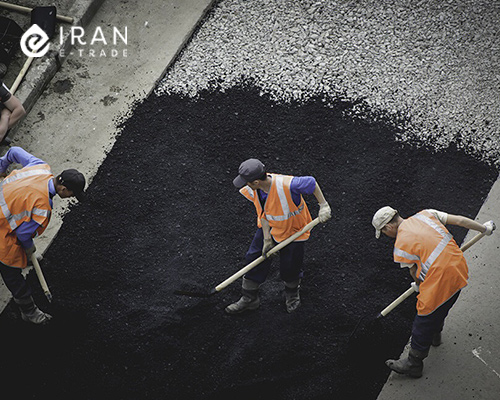
تفاوت قیرامولسیون با محلول mc

محلول mc (قیر mc) چیست؟

قیر MC نوعی قیر محلول است که از ترکیب قیر نفتی با حلال‌های فرار مانند نفت سفید تهیه می‌شود.

بحث تفاوت قیر امولسیون با محلول MC را با تعریف قیر mc ادامه می‌دهیم:

قیر MC (Medium Curing) یا محلول MC نوعی قیر محلول است که از ترکیب قیر نفتی با حلال‌های نفتی نظیر نفت سفید یا بنزین سنگین تهیه می‌شود. تفاوت قیر امولسیون و محلول mc در نوع حلال آن‌ها است؛ قیر MC از حلال‌های نفتی استفاده می‌کند، در حالی که قیر امولسیون از آب به عنوان فاز حامل بهره می‌برد.
( برای مطالعه بیشتر در مورد قیر محلول کلیک کنید.)

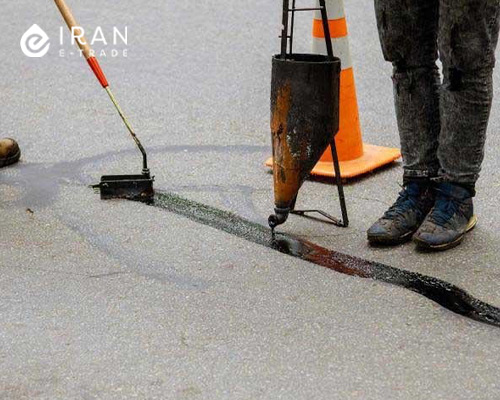
تفاوت قیرامولسیون با محلول mc

 تفاوت قیر امولسیون با محلول mc در نوع حلال، ایمنی، سرعت خشک شدن، سازگاری زیست‌محیطی، نیاز به حرارت و نحوه اجراست که هر یک بر کاربرد نهایی آن‌ها در پروژه‌های راه‌سازی تأثیر مستقیم دارد.

برای درک بهتر تفاوت قیر امولسیون و قیر mc، باید موارد زیادی را که در ادامه به آن می‌پردازیم، در نظر گرفت. این تفاوت‌ها بر انتخاب نوع قیر در پروژه‌های مختلف راه‌سازی و آسفالت‌ریزی اثر می‌گذارند.

1. تفاوت قیر امولسیون با محلول mc از نظر ترکیبات و مواد تشکیل دهنده

قیر امولسیون از دو فاز اصلی تشکیل شده است: ذرات ریز قیر (حدود 50 تا 70 درصد) که در آب پخش شده‌اند و مواد امولسیون‌کننده که مانع از جدا شدن قیر و آب می‌شوند. در مقابل، قیر MC ترکیبی از قیر و حلال‌های نفتی فرار است که باعث روان شدن قیر در دمای معمول می‌شوند.

2. تفاوت قیر امولسیون و قیر mc از نظر کاربردها و مناسب بودن

فرق قیر امولسیون با محلول mc برای کاربرد در پروژ‌ه‌های مختلف بسیار اهمیت دارد. قیر امولسیون بخاطر اینکه نیازی به حرارت ندارد در پروژه‌های تعمیر و نگهداری آسفالت، مه‌پاشی به کار می‌رود. از طرف دیگر قیر MC با خاصیت نفوذ‌پذیری بیشتر برای عملیات نفوذی استفاده می‌شود.
( برای کسب اطلاعات بیشتر در مورد کاربرد قیر در صنایع مطلب بلاگ را مطالعه نمایید.)

3. تفاوت قیر mc و امولسیون از نظر ایمنی و تاثیرات زیست محیطی

از نظر جنبه‌های زیست محیطی نیز تفاوت قیر محلول و امولسیون اهمیت دارد. قیر امولسیون چون پایه آبی دارد، فاقد حلال‌های آتش‌گیر و سمی است.

اما محلول MC به دلیل استفاده از حلال‌های نفتی فرار، هم قابل‌اشتعال است و هم در صورت نشت یا تبخیر، به آلودگی هوا و خاک منجر می‌شود.

تفاوت قیر mc و امولسیون

4. تفاوت قیر امولسیون با محلول mc از نظر عملکرد و دوام

برای بررسی بیشتر تفاوت قیرهای امولسیونی با محلول mc از نظر عملکرد و دوام باید به شرایط اجرا و نتیجه نهایی اشاره کرد.

قیر MC بخاطر نفوذ بهتر در پروژه‌هایی مانند لایه‌های پیوندی یا آسفالت سرد عملکرد خوبی دارد. در مقابل، قیر امولسیون با چسبندگی مناسب در عملیات سطحی و نگهداری راه‌ها دوام بهتری دارد.

5. تفاوت قیر mc و امولسیون در هزینه‌ها

یکی دیگر از موارد مهم در بحث تفاوت قیر امولسیون با محلول mc مربوط به هزینه‌ها است. قیر امولسیون به دلیل حذف نیاز به گرمایش و ایمنی بالاتر، هزینه‌های حمل‌ونقل، ذخیره‌سازی و اجرای کمتری دارد. از سوی دیگر، قیر MC به‌دلیل استفاده از حلال‌های نفتی و نیاز به رعایت اصول ایمنی، ممکن است هزینه‌‌بر باشد.

6. تفاوت قیر امولسیون و محلول mc در روندها و استفاده در صنایع

قیر امولسیون با فناوری مدرن‌تر و دوست‌دار محیط زیست، بیشتر در پروژه‌های راه‌سازی جدید، نوسازی معابر شهری و در کشورهایی با مقررات زیست‌محیطی سختگیرانه پرکاربردتر است. در مقابل، محلول MC همچنان در پروژه‌های سنتی، به‌ویژه در مناطقی که تجهیزات پیشرفته در دسترس نیست، استفاده می‌شود.

7. تفاوت قیر امولسیون با محلول mc از نظر وضعیت فیزیکی و نیاز به پیش‌گرمایش

در تفاوت قیر mc و امولسیون وضعیت فیزیکی و نیاز به پیش گرمایش نیز قابل‌توجه است. قیر امولسیون به‌صورت مایع سرد عرضه می‌شود و نیازی به گرم‌کردن قبل از استفاده ندارد.

از سوی دیگر، قیر MC گرچه در دمای محیط روان است، اما برای بهبود عملکرد، گاهی نیاز به پیش‌گرمایش جزئی دارد.

8. تفاوت قیر mc و امولسیون از نظر آسیب‌پذیری در برابر گرمایش‌های مکرر

بررسی تفاوت قیر امولسیون با محلول mc ازنظر آسیب‌پذیری در برابر گرما به ساختار شیمیایی آن‌ها برمی‌گردد. قیر امولسیون چون اساساً سرد مصرف می‌شود، تحت گرمایش‌های مکرر قرار نمی‌گیرد و خواص آن پایدار می‌ماند.

اما قیر MC به دلیل وجود حلال‌های نفتی، در صورت گرمایش مکرر، دچار تبخیر زودهنگام حلال‌ها، افت عملکرد و حتی تجزیه قیر پایه می‌شود.

9. تفاوت قیر امولسیون و قیر mc در ایمنی حمل‌ونقل

قیر امولسیون غیرقابل‌اشتعال است بنابراین ایمنی حمل و نقل بالایی دارد. اما جابجایی قیر MC که حاوی حلال‌های فرار و آتش‌زا است، نیازمند استانداردهای ایمنی خاصی است. این مورد در تفاوت قیر امولسیون با محلول mc توسط کارشناسان بسیار مورد توجه قرار می‌گیرد.

فرق قیر امولسیون با محلول mc

10. تفاوت قیر امولسیون با محلول mc در نیاز به پاکسازی سطح

برای پاکسازی سطح باید به‌طور ویژه به تفاوت قیر امولسیون با محلول mc توجه کرد. در کل امولسیون‌ها به دلیل ماهیت آب‌پایه، حساسیت بیشتری به آلودگی‌های سطحی نظیر گرد و غبار، چربی و رطوبت دارند.

در حالی که قیر MC به‌دلیل خاصیت نفوذی و روان بودن بالا، تا حدودی قدرت عبور از آلودگی‌های سطحی را دارد و در برخی شرایط می‌توان از آن روی سطوح نیمه‌تمیز نیز استفاده کرد.

11. تفاوت قیر mc و امولسیون در سرعت خشک شدن

قیر MC با تبخیر حلال‌های فرار، به‌ویژه در هوای گرم و خشک، سریع‌تر به مرحله چسبندگی و سفت شدن می‌رسد. منتها در قیر امولسیون، باید ابتدا آب موجود تبخیر شود و سپس ذرات قیر به‌هم بچسبند (فرایند شکست امولسیون)، که این روند ممکن است کمی بیشتر زمان ببرد.

12. تفاوت قیرهای امولسیونی با محلول mc در چسبندگی نهایی

مهندسان راه‌سازی همیشه تفاوت قیر امولسیون و قیر MC را در چسبندگی نهایی مورد بررسی قرار می‌دهند. قیر MC به‌دلیل نفوذ بیشتر به سطح و یکپارچگی پس از تبخیر حلال، معمولاً چسبندگی اولیه و نهایی بالاتری دارد و در برخی کاربردها عملکرد قوی‌تری از خود نشان می‌دهد.

اما قیر امولسیون، به‌ویژه اگر درست انتخاب و اجرا شود (مثلاً نوع کندشکن برای سطوح متخلخل)، بدون گرما و حلال وابسته، می‌تواند چسبندگی بسیار خوبی ارائه دهد.

13. تفاوت قیر امولسیون با محلول mc در خطر انفجار و آتش‌سوزی

برای جلوگیری از خطراتی مثل انفجار و آتش‌سوزی تفاوت قیر امولسیون با محلول mc بسیار حائز اهمیت است.

قیر امولسیون به‌دلیل پایه آب، حتی در صورت نشت یا گرم شدن، غیرقابل‌اشتعال است. در صورتیکه، قیر MC حاوی حلال‌های نفتی بسیار فرار است که در صورت تماس با جرقه، حرارت یا منابع شعله، خطر آتش‌سوزی و انفجار را افزایش می‌دهد.

14. تفاوت قیر mc و امولسیون در مدت‌زمان نگهداری

یکی از نکات کلیدی در تفاوت قیر امولسیون و محلول mc در مدت زمان نگهداری است. قیر MC در صورت نگهداری در ظروف دربسته و دور از گرما، می‌تواند برای ماه‌ها پایدار بماند، اما تبخیر تدریجی حلال‌ها باعث کاهش کیفیت آن می‌شود.

در حالی‌که قیر امولسیون نیز نیازمند شرایط نگهداری خاصی مانند دمای مناسب (نه خیلی سرد و نه خیلی گرم) و عدم انجماد است.

15. تفاوت قیر امولسیون با محلول mc از نظر مقاومت در برابر یخ‌زدگی

شناخت تفاوت قیرهای امولسیونی با محلول mc از نظر مقاومت در یخ‌زدگی برای پروژه‌های مختلف بسیار کمک کننده‌است.

باید توجه داشت که قیر امولسیون به دلیل دارا بودن آب در ترکیب خود، در دماهای زیر صفر مستعد یخ‌زدگی است. یخ زدن باعث تخریب ساختار امولسیون و کاهش عملکرد آن می‌شود. اما قیر MC فاقد آب است و با وجود حلال‌های نفتی، نقطه انجماد پایینی دارد.

شناخت تفاوت قیرهای امولسیونی با محلول mc

16. فرق قیر امولسیون با محلول mc در رنگ و شکل ظاهری

تحلیل دقیق در تفاوت قیر امولسیون با محلول mc حتی از نظر رنگ و ظاهری موجب کاهش خطا در پروژه‌های اجرایی می‌شود.

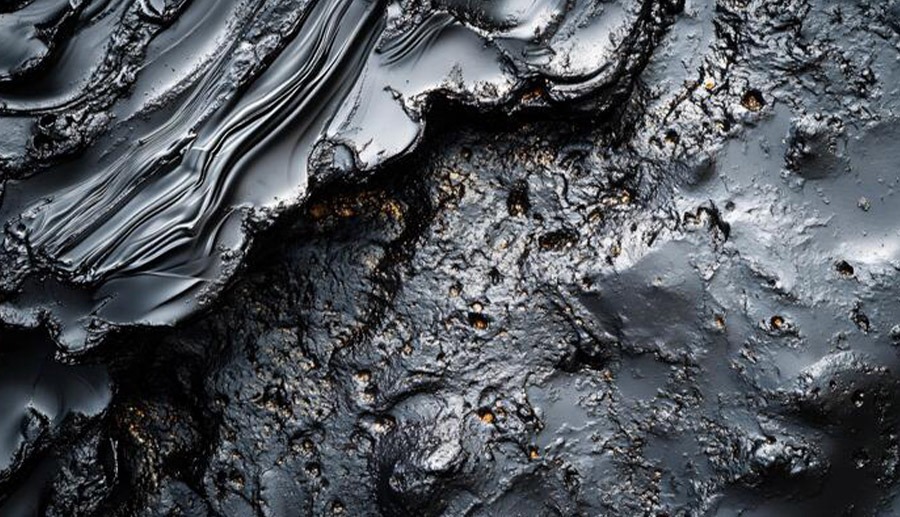
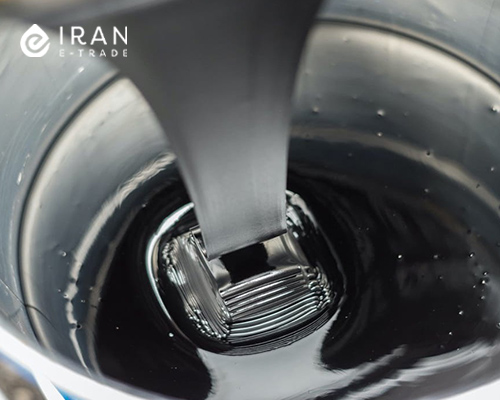
قیر امولسیون معمولاً رنگ قهوه‌ای تیره یا شکلاتی دارد. به دلیل وجود آب، غلظتی شیری‌رنگ یا امولسیونی دارد که پس از خشک شدن سیاه می‌شود. در مقابل، قیر MC رنگی سیاه براق و یکنواخت داشته و بسیار روان‌تر به نظر می‌رسد.

17. تفاوت قیر محلول و امولسیون از نظر نوع حلال

جالب است بدانید که خیلی از مشکلات اجرایی ناشی از ناآگاهی نسبت به تفاوت قیر امولسیون با محلول mc است.

در قیر امولسیون، آب نقش فاز حامل و حلال را دارد که به کمک مواد امولسیون‌کننده، ذرات قیر را در خود معلق نگه می‌دارد. اما در قیر محلول (MC)، از حلال‌های نفتی فرار مانند نفت سفید یا بنزین سنگین استفاده می‌شود که پس از اجرا تبخیر شده و قیر باقی می‌ماند.

جدول مقایسه قیر امولسیون و کات بک (محلول mc)

با هدف شفاف‌سازی تفاوت قیر امولسیون با محلول MC جدول زیر تهیه شده است:

ویژگی اصلی قیر امولسیون قیر MC (محلول MC)
نوع حلال آب حلال‌های نفتی
ایمنی و اشتعال ایمن، غیرقابل اشتعال قابل اشتعال و خطر انفجار
سرعت خشک شدن کندتر (بسته به شرایط) سریع‌تر به دلیل تبخیر حلال
دوست‌دار محیط‌زیست بله خیر
نیاز به حرارت بدون نیاز به گرم‌کردن گاهی نیاز به گرم‌کردن دارد
چسبندگی اولیه مناسب در اجرای صحیح بالا و سریع

تفاوت قیر mc و امولسیون: کدام یک برای شما مناسب‌تر است؟

با درک درست از تفاوت قیر امولسیون با محلول mc می‌توان بهترین نوع قیر را متناسب با پروژه انتخاب کرد. به طور کلی، اگر به‌دنبال روشی ایمن، کم‌هزینه و بدون نیاز به حرارت هستید، قیر امولسیون انتخاب بهتری است. اما اگر پروژه شما در مناطق خشک اجرا می‌شود و به چسبندگی سریع نیاز دارید، قیر MC می‌تواند عملکرد مناسب‌تری ارائه دهد.

درک درست از تفاوت قیر امولسیون با محلول mc

سوالات متداول در خصوص تفاوت قیر امولسیون با محلول mc

در این بخش به سوالات پرتکرار در رابطه با تفاوت قیر امولسیون و محلول mc می‌پردازیم:

آیا قیر امولسیون می‌تواند جایگزین قیر کات بک یا MC باشد؟

بله، باتوجه به تفاوت های قیرهای امولسیونی و MC در بسیاری از پروژه‌های راه‌سازی، به‌ویژه در مناطق شهری یا مرطوب، قیر امولسیون می‌تواند جایگزین مناسبی برای قیر MC باشد.

تفاوت هزینه تولید قیر mc و امولسیون چیست؟

تولید قیر امولسیون معمولاً هزینه کمتری دارد زیرا از آب به‌جای حلال‌های نفتی استفاده می‌شود.

کدام نوع قیر سریع‌تر خشک می‌شود: امولسیون یا mc؟

با بررسی تفاوت بین قیر امولسیون و محلول mc، قیر MC معمولاً سریع‌تر خشک می‌شود، زیرا حلال‌های نفتی آن به‌سرعت تبخیر می‌شوند.

مزیت اصلی قیر امولسیون نسبت به قیر کات بک (محلول mc) چیست؟

مهم‌ترین مزیت قیر امولسیون، ایمنی بالا و سازگاری بیشتر با محیط زیست به‌دلیل نداشتن ترکیبات نفتی فرار است.

آیا می‌توان از قیر امولسیون و MC به صورت همزمان در یک پروژه استفاده کرد؟

در برخی پروژه‌ها بسته به نوع لایه‌سازی و کاربرد، البته با دقت فنی و زمان‌بندی مناسب، امکان دارد که از هر دو نوع قیر استفاده شود.

مهمترین تفاوت قیر mc و امولسیون چیست؟

نوع حلال آن‌ها؛ قیر MC حاوی حلال‌های نفتی است، در حالی‌که قیر امولسیون از آب به‌عنوان حامل استفاده می‌کند.

از نظر ایمنی قیر MC بهتر است یا امولسیونی؟

در بحث تفاوت قیر امولسیون با محلول MC از نظر ایمنی، قیر امولسیون به‌مراتب ایمن‌تر است، چون غیرقابل اشتعال بوده و خطر انفجار ندارد؛ برخلاف قیر MC که حاوی ترکیبات قابل‌اشتعال

است.

قیر امولسیون یا محلول ؟MC

منبع: petronaftco
مشاهده قیمت روز قیر صادراتی

Bitumen Transportation Methods: The Latest Urban and Export Bitumen Transport Techniques

Bitumen Transportation Methods include bulk thermal tankers, metal drums, bitumen tankers, pipelines, rail transport, bitumen bags (Bitubag), and specialized containers. Each method is selected based on the type of bitumen, climate conditions, distance from the destination, and project requirements. Consequently, choosing the right bitumen transport method plays a key role in preserving its quality, reducing costs, and complying with safety and environmental standards. Therefore, in this following article from Iran E-Trade blog, a specialized source for bitumen price inquiries, we introduce various methods of urban and export bitumen transportation.

How is bitumen transported?

Bitumen Transportation Methods play a key role in the safe and efficient transfer of bitumen from the production site to construction projects. By selecting the appropriate method, it is possible to optimize bitumen quality, costs, and project execution time.

Due to its sticky nature and high temperature, methods of bitumen transportation must be highly precise and they require specialized equipment. Common methods include the use of drums, tankers, specialized containers, pipelines, hot bitumen ships, and rail transport.  Furthermore, each is selected based on the volume, distance, and type of bitumen.

How is bitumen transported?

Bitumen Transportation Methods

Bitumen transportation methods are different based on environmental conditions, distance, and intended use. These methods are different and specialized, which we will explore more below:

1. Bitumen Drums

One of the traditional bitumen transportation methods is using metal drums. These drums are typically made of durable steel and have various sizes.

Using drums allows for easy transportation and storage. However, compared to more modern methods, they are less efficient. Also, drums require cleaning, and the workers often cannot fully empty the bitumen from them.

2. Hot Bitumen Ships as a Method of Bulk Bitumen Transportation

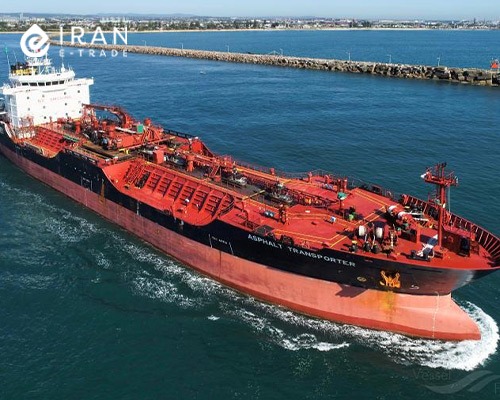
Hot Bitumen Ships can transport liquid bitumen over long distances. These ships are equipped with thermal tanks that maintain the temperature of bitumen at around 250°C. Therefore, this method is suitable for exporting large volumes of bitumen.

Methods of  Bulk Bitumen Transportation: Bitumen Tankers

3. Bitumen Containers

Bitumen containers have proper insulation and heating systems that allow for safe and hassle-free transportation of bitumen.

In this way, bitumen is stored in liquid form inside these containers and is fully discharged by using specialized pumps.

4. Bitumen Tankers as common Bitumen Transportation Methods

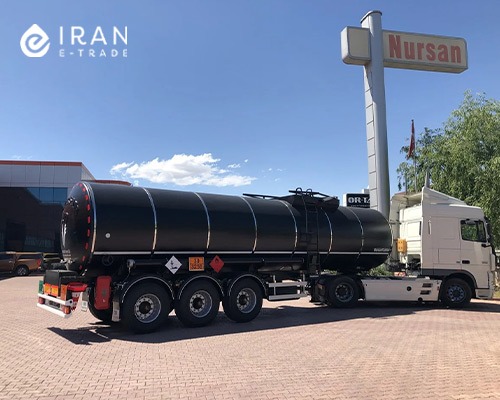
One of the most common bitumen transportation methods is the use of road tankers with insulated walls that are equipped with electric or thermal heaters. These tankers maintain the bitumen’s temperature and can distribute it to construction projects across various regions.

5. Pipelines

In some refineries, the manufacturers transport hot bitumen through heated pipelines. This method is cost-effective, safe, and fast for internal transfers, but it is only suitable for specific distances and industrial settings.

Methods of Bitumen Transportation: Pipelines

6. Rail Transport as Bitumen Transportation Methods

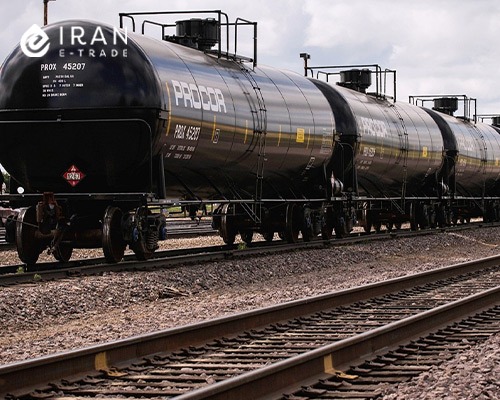
Tank wagons with internal heating systems transport bitumen by rail. This is the most suitable solution for bulk bitumen transport over long and hard-to-reach distances and enables the continuous movement of large volumes of bitumen.

Bitumen Transportation Methods In Urban Areas

The urban bitumen transportation includes using small insulated tankers, specialized trucks, and dedicated professional services.

Bitumen transportation methods in urban areas require careful planning due to traffic, short distances, and high sensitivity to safety and pollution.

Therefore, in such settings, smaller vehicles with proper insulation and heating systems—such as small tankers and trucks—can keep bitumen at the right temperature and deliver it safely to the usage site.

1. Small Bitumen Tankers

These tankers are usually mounted on light trucks or heavy-duty pickups and have a limited capacity ranging from 1 to 5 tons. They also have heating systems with electric elements or diesel burners to maintain the bitumen temperature between 140°C and 180°C.

2. Urban Bitumen Transport Method: Trucks

One of bitumen transportation methods is using specialized trucks, such as dump trucks or cargo trucks fitted with mounted tanks. Specifically, These tanks are usually double-walled and insulated and have internal heating systems to maintain the bitumen at the desired temperatures.

However, trucks have a medium capacity and are generally suitable for transporting bitumen from the factory to construction sites within the city. Therefore, in this method, ensuring safety and preventing leaks or combustion is critically important.

3. Use of Transport Services

Many construction companies and municipalities rely on specialized bitumen transport services to reduce equipment maintenance costs and improve efficiency.

In particular, these services provide equipped tankers, trained drivers, and route planning, which help minimize risks and enhance the accuracy and safety of bitumen transport.

Importance of Choosing the Right Route for Urban Bitumen Transport

Selecting the right route for urban bitumen transport is crucial for bitumen safety, time efficiency, fuel consumption, and maintaining the bitumen’s temperature. Routes with minimal stops, easy access, and low traffic help keep the bitumen at standard temperatures and reduce the risk of accidents or leaks.

Importance of Choosing the Right Route for Urban Bitumen Transport

Export Bitumen Transportation Methods

The export methods of bitumen transportation include sea, road, rail, and, in rare cases, air transport and are each selected based on the type of bitumen and its destination.

Accordingly, for export, bitumen transportation methods have to be in a way to handle bulk or packaged shipments while preserving bitumen quality throughout the journey.

Also, the type of bitumen, country of destination, and port or border infrastructure play key roles in selecting the transport method. Furthermore, Sea, road, and rail transport are the most common methods for bitumen export.

1. Methods of Bitumen Transportation: Sea Transport

In this method, the workers load bitumen into insulated tanks with steam or oil heaters on specialized ships. Then, the bitumen’s temperature is maintained throughout the journey to prevent its hardening. Therefore, sea transport is highly economical and efficient for exporting large volumes over long distances.

2. Road Transport

For land export of bitumen to neighbouring countries, bitumen manufacturers use insulated tankers equipped with heating systems. These tankers typically can carry up to 25 tons and can maintain the bitumen at the proper temperature for several hours during transport.

3. Rail Transport Methods for Bitumen

Specialized tank wagons with thermal insulation and internal heating systems can transport large volumes of bitumen between cities or to border points. This method is cost-effective, sustainable, and safe, making it highly efficient for long routes with suitable rail infrastructure.

4. Air Transport of Bitumen

Air transport of bitumen is extremely rare and is typically reserved for emergencies or special projects in hard-to-reach areas.

In such cases, the workers transport bitumen in special packages or heat-resistant containers. Due to its heavy weight and the need to maintain temperature, this method is very costly and economically inefficient. However, it is occasionally useful in military or emergency operations.

Methods of Bitumen Transportation: Air Transport of Bitumen

The Importance of Bitumen Packaging for Transport and Export

Bitumen is a highly viscous material with a low melting point and is very sensitive to temperature changes. Therefore, proper packaging plays a crucial role in maintaining its quality, ensuring its safety, and facilitating ease of transport on international routes.

Standard packaging—such as metal drums, polypropylene bags, or IBC containers—prevents leakage, environmental contamination, and material loss. Therefore, in bitumen exports, complying with international bitumen packaging standards (such as ASTM or EN) is essential for entering global markets and obtaining customs clearance.

Considerations for International Bitumen Transportation

In international bitumen transport, adherence to technical, environmental, and legal requirements is of utmost importance. Reputable transport companies typically handle all these aspects with a high level of expertise and professionalism.

To prevent changes in viscosity and pipeline blockage, bitumen must be maintained at the proper temperature—typically between 120°C and 180°C for bulk bitumen. Additionally, selecting suitable transport equipment, such as insulated tankers, and obtaining certificates for transporting hazardous materials are essential requirements.

Moreover, compliance with the regulations of destination countries—such as environmental restrictions or specific packaging requirements—directly affects the export process.

Types of Bitumen Transport Vehicles

Transporting bitumen—whether in bulk or packaged form—requires specialized vehicles. Depending on the type of bitumen and the transport distance, bitumen transport vehicles have several main types:

1. Specialized Bitumen Tankers

One of the most common bitumen transportation methods is tanker trucks. These tankers have systems to maintain the bitumen’s temperature throughout the journey and they usually can transport large quantities of liquid bitumen.

Specialized Bitumen Tankers

2. Heating Trailers

The heating trailers for bitumen transport are suitable for long-distance routes and play a crucial role in maintaining the product’s temperature. These trailers have insulated tanks and internal heating systems that are typically powered by diesel burners or hot oil coils.

Furthermore, they have digital temperature control, safety valves, and rapid discharge systems which ensure high efficiency and reduced energy loss during transport.

3. Tanker Trucks

One of bitumen transportation methods over short to medium land distances is using tanker trucks. Their capacity varies and is selected based on the type of bitumen (petroleum-based or modified) and route conditions. A key feature of these trucks is their increased safety against leaks and adjustable temperature control.

4. Bitumen Drum Transport Vehicles

Packaged bitumen in metal or plastic drums requires vehicles capable of safely and efficiently handling the weight and shape of these drums. Bitumen drum transport vehicles typically feature reinforced containers and securing systems to prevent the drums from leaking during transit.

Features of Bitumen Transport Tankers

Bitumen transport tankers’ design must be by international standards to ensure not only bitumen’s quality and safety but also its full efficiency delivery without damaging its composition.

Heating System

Bitumen tankers have direct or indirect heating systems that use steam coils, thermal oil, or diesel burners to maintain the bitumen temperature between 130°C and 180°C.

These systems use digital controllers to regulate bitumen’s temperature, preventing increased viscosity or blockages. Therefore, the heating design must ensure bitumen’s uniform, safe heating with high thermal efficiency.

Features of Bitumen Transport Tankers

Proper Insulation

To prevent heat loss and reduce energy consumption, precise thermal insulation in bitumen tankers is crucial. Typically, layers of rock wool, polyurethane foam, or fibreglass coated with aluminium are used to minimize heat transfer from the environment in these tankers.

Also, since tankers are among the most common bitumen transportation methods, proper insulation is especially important for their effectiveness.

Resistant to Temperature and Pressure

The body of bitumen tankers must be made from heat- and pressure-resistant alloys, such as reinforced carbon (stainless) steel. This durability is essential to withstand steam pressure at high temperatures and prevent deformation of the tank.

High Capacity

Standard bitumen tankers typically have a capacity ranging from 15,000 to 35,000 litres and are suitable for land or sea export. High capacity increases transport efficiency, reduces operational costs, and optimizes loading and unloading times.

Equipped with Pumping System

The bitumen pumping system is a vital component of tankers that enables safe, fast, and continuous discharge of the bitumen. This system typically includes high-pressure gear or screw pumps designed to withstand high temperatures and the bitumen’s high viscosity.

Precise Monitoring and Control of Temperature and Pressure

Modern tankers have sensors and digital monitors to continuously track bitumen temperature and internal pressure. Moreover, advanced control systems provide real-time information to the driver or operator and issue necessary alerts in case of any irregularities.

Precise Monitoring and Control of Temperature and Pressure

Leak Resistant

To prevent bitumen leakage at high temperatures, tanks must have precise welding, heat-resistant gaskets, and secure valves. For this purpose, the use of double flanges, safety valves, and sealing materials such as Teflon and graphite helps block any penetration or leakage of bitumen.

Ease of Loading and Unloading of Bitumen

The design of the inlet and outlet ports in tankers should enable fast, safe, and thermally efficient bitumen loading and unloading processes.

Using automatic pumping systems, large valves, thermal filters, and quick coupling connections significantly improves bitumen transportation efficiency.

Equipped with Ventilation System

Having a ventilation or vapour release system in bitumen tankers prevents excessive internal pressure buildup. These systems usually include safety valves and heat-resistant vent pipes that help discharge volatile vapours safely.

Corrosion-Resistant Coating

The interior surfaces of bitumen tankers must be coated with high-temperature resistant anti-corrosion materials, such as modified epoxy or liquid ceramic, to protect against damage caused by the chemical properties of bitumen.

Given the widespread use of tankers as one of the common bitumen transportation methods, meeting this requirement is especially important.

Corrosion-Resistant Coating

The Importance of Bitumen Transportation Methods and Key Considerations

Due to its unique physical properties of bitumen—such as high viscosity and temperature sensitivity—bitumen transportation requires precise conditions and specialized equipment. Therefore, there are very important factors to consider:

Maintaining Bitumen Quality and Properties

Bitumen has to be transported under conditions that prevent any change in its physical and chemical properties. Exposure to air, excessive temperature fluctuations, or contamination with foreign substances can reduce adhesion, lower the softening point, or increase oxidation.

Protecting the Environment

Bitumen is a petroleum-based and potentially polluting material, so its transportation has to comply with environmental regulations.

Therefore, using leak-resistant tanks, proper ventilation systems, and adhering to international hazardous materials transport regulations (such as ADR and IMDG) is essential to protect the environment.

Safety Considerations in All Bitumen Transportation Methods

Safety in bitumen transport means preventing fire, explosion, burns, and leaks.

This is because the high temperature of bitumen, its chemical composition, and flammable vapours require the use of secure equipment, safety valves, complete insulation, and warning systems.

Considerations of Efficiency

Efficiency in bitumen transportation refers to the system’s ability to deliver the material safely, quickly, and at minimal cost.

Therefore, using high-capacity tankers, properly designed loading and unloading routes, and precise transport scheduling all contribute to enhancing operational productivity.

Bitumen Transport Companies

Specialized bitumen transport companies must hold legal permits, operate ships equipped with heated tankers, employ trained personnel, and have proper insurance coverage.

These companies should also comply with international safety, environmental, and quality standards and provide precise control systems to monitor temperature, pressure, and tank conditions.

Bitumen Transport Companies

Why Must Bitumen Be Transported at High Temperatures?

At ambient temperatures, bitumen is very thick or even solid and only becomes fluid at high temperatures—usually between 130°C and 180°C. Consequently, this fluidity is essential for bitumen pumping, unloading, and transportation.

Failure to maintain these temperatures causes bitumen to harden, leading to pipeline blockages and equipment damage. Therefore, transporting bitumen at high temperatures is a fundamental requirement for safety and efficiency in bitumen transportation methods.

Frequently Asked Questions Regarding Bitumen Transportation Methods

In this section, we address the most common questions related to bitumen transport methods:

What Are the Best Methods of Bitumen Transportation?

The most important factors in choosing bitumen transport methods are the project type, distance, and volume. Generally, insulated thermal tankers are very suitable for bulk transport, while packaged drums are more popular for short-term exports.

What Is the Most Common Method for Exporting Bitumen?

The most common bitumen transportation methods in exports include transportation in metal drums, heated bulk tankers, and packaging in bitumen bags (Bitubag).

Frequently Asked Questions


source: laftechnology, teccontainersolutions
Bitumen Price

نحوه تولید قیر: معرفی کامل روش‌ها و فرایند تولید قیر

نحوه تولید قیر چیست؟ روش‌های مختلفی برای تولید قیر وجود دارد. به صورت کلی تولیدکنندگان قیر در پالایشگاه‌ها می‌توانند از فرایند منقطع یا ناپیوسته و فرایند پیوسته برای تولید قیر استفاده کنند. با توجه به اینکه فرایند تولید قیر متفاوت است، هر روش به قیر ویژگی‌های خاصی می‌دهد و آن را برای کاربردهای مختلف مناسب می‌سازد.

اما دقیقاً چه نوع نفتی برای انجام این کار مناسب است و متغیرهای این فرایند و مشکلات احتمالی در این روند چیست؟ با ما در ادامه این مقاله از وبلاگ ایران‌ای ترید مرجع تخصصی قیمت قیر و فراورده های نفتی همراه باشید تا به این سوالات پاسخ دهیم.

چه نوع نفت خامی برای تولید قیر مناسب است؟

در نفت خام مخصوص تولید قیر مقدار قابل توجهی مولکول‌های سنگین مثل آسفالتن و مالتن وجود دارد.

در فرایند تولید قیر، نفت خامی مناسب است که وزن مخصوص آن بیشتر از ۰٫۹ است. همچنین، این نوع نفت معمولاً بیش از یک درصد گوگرد دارد که به افزایش ویسکوزیته قیر کمک می‌کند.
( برای کسب اطلاعات بیشتر در مورد قیر ویسکوزیته کلیک کنید.)

فرایند تولید قیر

فرایند تولید قیر

در کل برای تولید قیر دو نوع فرایند وجود دارد که عبارتند از:

نحوه تولید قیر: 1. فرایند منقطع یا ناپیوسته

در فرآیند ناپیوسته تولید قیر، ابتدا تولیدکنندگان قیر باید برج تقطیر را تا سطح مشخصی از قیر پر کنند. سپس، آنها با چرخش قیر بین کوره و برج، آن را از پیش‌ گرم می‌کنند. بعد از آن، وقتی دما به ۱۹۰ تا ۲۴۰ درجه رسید، مرحله هوادهی به قیر آغاز می‌شود.

در این مرحله، واکنش‌های شیمیایی باعث بالا رفتن دما تا حدود ۲۶۰ درجه می‌شود. این فرآیند نیز ممکن است بین ۳ تا ۲۴ ساعت طول بکشد و در طول آن نباید در ابتدای کار یا هنگام خنک شدن به قیر آب اضافه کرد تا قیر کف نکند.
(برای اطلاع از قیمت آنلاین قیر کلیک کنید.)

نحوه تولید قیر: 2. فرایند پیوسته

در نحوه تولید قیر پیوسته، تولیدکنندگان قیر خوراک تازه را به‌طور مداوم وارد برج می‌کنند و هم‌زمان با جریان قیر دمیده، این واکنش ادامه پیدا می‌کند تا مشخصات مورد نظر قیر به‌دست آید. این خوراک ابتدا دمایی کمتر از دمای عملیات دارد و با گرمای واکنش داخل برج گرم می‌شود.

سپس، برای کنترل بهتر دما، خوراک ورودی را پیش از ورود به برج تولید، با کوره یا مبدل حرارتی و روش‌هایی مثل تزریق آب گرم می‌کنند. در نهایت هم قیر تولیدشده را از طریق سیستم کنترل ارتفاع از برج خارج می‌کنند.

مقایسه بین فرآیندهای منقطع و پیوسته در تولید قیر

حالا که در مورد دو فرایند تولید قیر توضیح دادیم، بیایید این دو فرایند را مقایسه کنیم. در فرآیند ناپیوسته تولید قیر، تولید کنندگان قیر، عملیات تولید را در حجم مشخص و به‌صورت مرحله‌ای انجام می‌دهند. پس از پایان هر نوبت هم دسته تولید جدید آغاز می‌گردد.

این در حالی‌ است که در نحوه تولید قیر به روش پیوسته، خوراک به‌طور مداوم وارد برج شده و قیر نهایی به‌صورت مداوم خارج می‌شود. بنابراین، روش پیوسته به دلیل کنترل دقیق‌تر شرایط فرآیند، محصولی یکنواخت‌تر با کیفیت بالاتر و ظرفیت تولید بیشتر را ارائه می‌دهد.

این روش تولید قیر به تجهیزات پیشرفته‌تر و سرمایه‌گذاری اولیه بالاتری نیاز دارد. در مقابل، روش ناپیوسته ساده‌تر و مناسب واحدهای کوچک یا تولیدهای محدود است، هرچند که کنترل کیفیت در آن دشوارتر و بهره‌وری هم پایین‌تر است.

نحوه تولید قیر Biturox

در روش Biturox که نوعی فرآیند پیوسته تولید قیر است، تولید کنندگان قیر از رآکتورهای ویژه‌ای استفاده می‌کنند که به لوله‌های پخش‌کننده هوا و توربین مجهز هستند.

در این روش از نحوه تولید قیر، این لوله‌ها حباب‌های درشت هوا ایجاد می‌کنند و با مصرف کم اکسیژن، باعث می‌شوند هوا درون رآکتور باقی نماند. این ویژگی به بهبود کنترل واکنش و افزایش کیفیت قیر کمک می‌کند.

روش تولید قیر Biturox

روش تولید قیر از وکیوم باتوم

در فرآیند تولید قیر وکیوم باتوم تولید کنندگان قیر از ماده‌ای به نام وکیوم باتوم استفاده می‌کنند که حاصل باقی‌مانده‌ تقطیر نفت خام در برج خلأ است. آن‌ها ابتدا این ماده را تا دمای ۲۴۰ تا ۳۲۰ درجه سانتی‌گراد گرم می‌کنند. سپس، آن را به واحد قیرسازی منتقل می‌کنند.

در این واحد، هوا از درون قیر عبور داده می‌شود تا فرآیند اکسیداسیون انجام شود. این واکنش هم به نوبه خود باعث تغییر در سفتی، نقطه نرمی و سایر خواص فیزیکی قیر می‌شود و در نهایت، قیرهایی با درجه نفوذ متفاوت را تولید می‌کند.

متغیرهای فرآیند و مشکلات احتمالی در نحوه تولید قیر

در کل، در نحوه تولید قیر چه پیوسته و چه ناپیوسته، ممکن است مشکلاتی به وجود بیاید و متغیرهایی بر آن تاثیر بگذارند. این متغیرها و مشکلات احتمالی شامل این موارد می‌شوند:

متغیرهای مؤثر در فرآیند تولید قیر:

  • ارتفاع قیر: میزان پر شدن برج روی کیفیت واکنش‌ها تأثیر می‌گذارد.
  • درجه حرارت: باید در بازه مناسب کنترل شود تا خواص قیر حفظ شود.
  • ترکیب خوراک: نوع وکیوم باتوم مصرفی روی ویژگی نهایی قیر اثر دارد.
  • شدت هوادهی: مقدار هوای ورودی میزان اکسیداسیون را تعیین می‌کند.
  • مدت‌زمان هوادهی: زمان دمیدن هوا باید متناسب با خواص مطلوب قیر تنظیم شود.

مشکلات احتمالی حین فرآیند:

  • بازگشت نهایی (Backflow): برگشت مواد واکنش‌داده‌ به مراحل قبل.
  • تشکیل کک: به دلیل گرمای زیاد یا اختلال در جریان هوا.
  • انفجار بخارات: به‌ علت تجمع گازهای قابل اشتعال.
  • سرد شدن خط لوله: که باعث انسداد مسیر عبور مواد می‌شود

پیامدهای نهایی مشکلات:

  • نرم شدن بیش از حد قیر
  • افزایش نفوذپذیری
  • رقیق شدن ترکیبات فرار
  • گیر افتادن روغن‌های اضافی در محصول نهایی

نحوه تولید قیر

عوامل مؤثر در تولید قیر

علاوه بر متغیرهای موثر بر نحوه تولید قیر، این عوامل هم می‌توانند فرایند تولید را تحت تاثیر قرار دهند:

  • کنترل واکنش حرارتی با استفاده از روش Cold Recycle برای جلوگیری از دمای بیشاز حد
  • تزریق بخار به برج جهت پیشگیری از آتش‌سوزی
  • مدت‌زمان توقف قیر در برج که بر میزان نرمی محصول نهایی تأثیر مستقیم دارد
  • میزان هوای تزریقی و درجه حرارت آن که سرعت واکنش را کاهش یا افزایش می‌دهد
  • شروع عملیات در دمای ۴۲۰ درجه فارنهایت و ادامه آن تا حدود ۵۵۰ درجه برای تکمیل واکنش
  • اختلاف بین دمای Point 1 و Base که اگر زیاد باشد، واکنش‌های اکسیداسیون بهتر انجام می‌شوند
  • نسبت هوادهی که در صورت ثابت بودن تغییرات دما، باعث افزایش یا کاهش دمای کلی واکنش می‌شود
  • سطح مایع در برج که اگر خیلی کم باشد و زمان توقف هم کاهش یابد، خطر آتش‌سوزی افزایش می‌یابد

سوالات متداول در خصوص نحوه تولید قیر

در ادامه به برخی سوالات رایج در خصوص فرایند تولید قیر پاسخ می‌دهیم:

قیر چطور به دست می‌آید؟

فرآیند تولید قیر از نفت خام و ترکیبی از مولکول‌های آسفالتن و مالتن است که به آن ویژگی‌هایی مانند چسبندگی، سختی و ویسکوزیته می‌دهند.

فرایند تولید قیر نفتی چگونه است؟

قیرهای نفتی از سه فرآیند استحصال مستقیم، (Straight Run) هوادهی (Air Blowing) و اختلاط (Blending) تولید می‌شوند.

فرایند تولید قیر پیوسته چه مزایایی دارد؟

نحوه تولید قیر پیوسته با کاهش هزینه‌های نگهداری، زمان هوادهی و افزایش بهره‌وری، تولید را ساده‌تر و کارآمدتر می‌کند.

فاکتورهای مهم در مرحله هوادهی تولید قیر چیست؟

عوامل مهم در مرحله هوادهی قیر شامل دما، مدت‌زمان دمیدن هوا، شدت جریان هوا و ترکیب خوراک هستند که بر سفتی، نقطه نرمی و کیفیت نهایی قیر تأثیر می‌گذارند.

نحوه تولید قیر 6070 به چه صورت است؟

در نحوه تولید قیر 60/70 به وکیوم باتوم در دمای بالا هوا دمیده می‌شود تا به درجه نفوذ استاندارد بین ۶۰ تا ۷۰ دهم میلی‌متر برسد.

نحوه تولید قیر 60/70

منبع: chemengstudent

مشاهده قیمت روز قیر صادراتی

What is Bitumastic: Uses, Specifications, and Installation Tips

What is bitumastic and what is it used for? If you are looking for an effective solution for insulating and sealing your construction projects, you’ve probably come across bituminous mastic (also known as bitumastic). This flexible, paste-like material is highly resistant to water, moisture, and even chemicals, and it can be applied using either hot or cold methods.  As a sealant, asphalt mastic is widely used for insulating, sealing, and waterproofing concrete and metal surfaces. It also enhances adhesion, flexibility, and resistance to moisture and chemical exposure.

On the other hand, bituminous mastic, with its flexible and durable structure, is suitable for filling joints, cracks, and expansion gaps in construction projects, bridge building, airport runways, and tunnels. This type of mastic comes in various forms that are selected based on different environmental conditions, project type, and application methods. In this article from the Iran ETrade blog — an expert reference for bitumen pricing — we will explore what asphalt mastic is, its different types, uses, and how to apply it.

What is bitumastic?

Bituminous mastic is a type of waterproofing and sealing material produced from bitumen base.

What is bitumastic? Bitumastic is a type of joint filler that engineers mainly use in civil and construction projects. Bitumastic’s main purpose is to prevent the penetration of water, moisture, and chemicals into joints or surfaces with cracks and fractures.

High resistance to environmental conditions, flexibility, and strong adhesion to concrete, metal, and asphalt surfaces are also among its key advantages and features.

What is bitumastic?

Types of Mastic

What is asphalt mastic? It is a bitumen-based sealant with high adhesion and elasticity, used in many construction and civil engineering projects for insulation and waterproofing.

Various types of mastic have uses in the construction industry and each type has its own advantages and disadvantages. Therefore, to avoid negative consequences, you should choose the mastic that is suitable for your specific needs and application.

The types of mastic include: bituminous mastic, polyurethane mastic, acrylic mastic, silicone mastic, polysulfide mastic, and hybrid mastic, which we will explain below.

1. Polyurethane Mastic

Polyurethane mastic is a strong single-component mastic based on polyurethane that has high elasticity and adhesion. This product is suitable for sealing surfaces that undergo movement and deformation, such as expansion joints in bridges and flooring, and it is even useful for sealing drinking water tanks.

This type of mastic creates durable bonds between different materials and joints to prevent liquids and other substances from mixing with each other.

Polyurethane is also resistant to abrasion and has flexibility compared to many non-waterproof sealants and is generally not paintable. However, to match the colors of concrete and flooring, they are produced in various colors such as grey, black, or white.

2. Acrylic Mastic

This type of mastic is water-based and environmentally friendly. It is also paintable and suitable for indoor spaces as well as sealing walls and windows.

Acrylic mastic is not suitable for areas in constant contact with water. Note that acrylic mastic is less flexible than other mastics and may crack over time if the surfaces move.

3. Bitumastic

What are the uses of asphalt mastic? These uses include: Insulating, sealing, and waterproofing concrete, metal, and asphalt surfaces; filling joints, cracks, and expansion gaps in construction projects, bridge building, airport runways, and tunnels.

Bitumastic, is a single-component elastic filler containing bitumen-based solvents and is useful for insulation, waterproofing, and filling structural joints. It is also resistant to moisture, UV radiation, and chemicals.

These properties make bituminous mastic suitable for final construction operations, waterproofing, bonding, and processes that require quick setting. You can also apply it on damp surfaces and it is paintable. If you are interested in the latest bitumen prices, you can visit the Iran ETrade website.

What is Silicone Mastic

4. Silicone Mastic

Silicone mastic is one of the best types of mastic due to its features. This product maintains its elasticity for a long time and is highly water-resistant.

Silicone mastic is mostly useful in industrial and electronic projects and has high heat resistance. It is also suitable for sealing joints in wet areas like bathrooms and kitchens because it leaks less compared to other sealants and adheres to almost any surface.

Furthermore, silicone mastics do not have issues such as mold growth, rusting, or penetration of liquids and airflow.

5. Polysulfide Mastic

What are the advantages of asphalt mastic or asphalt mastic? Resistance to water and moisture, chemicals, and sunlight, adhesion to various types of surfaces, elasticity, affordable price, creating a uniform coating, and suitability for use on moving surfaces are among the benefits of using bituminous mastic.

Polysulfide mastics contain more volatile organic compounds compared to other types of mastics and generally have limited paintability. In addition, polysulfide mastic remains highly flexible throughout its use and is even applicable on underwater surfaces.

Due to its high resistance to chemicals, it has various uses in many industrial environments such as fuel tanks and industrial structures.

Furthermore, the properties of polysulfide mastic make it a suitable choice for active leaks that require immediate repair and some polysulfide mastics can last up to 20 years.

6. Hybrid Mastic

Another type of bitumastic is hybrid mastic, which has the advantages of both polyurethane and silicone mastics and is environmentally friendly and odorless.

Hybrid mastic adheres to heavy building materials without the need to be fixed to them. Like polysulfide mastic, it is applicable underwater, has strong adhesion and is paintable.

Types of Bitumastic

Types of Bitumastic

You can use asphalt mastic in two ways: hot and cold. Cold mastic is a ready-to-use sealant, while you have to heat hot mastic indirectly before use.

In the previous section, we learned what asphalt mastic is and its applications. In this section, we will explain the bitumen joint fillers that are available in two forms: hot and cold. Cold and hot mastic each have different uses and application methods, which we will discuss below:

1. Cold mastic

Cold mastic is an elastic, paste-like sealant that is ready to use. Once dried, it becomes highly resistant to weather conditions. Therefore, this type of mastic is useful for both vertical and horizontal joints in cold and hot climates, as well as for sealing water channels and pipes, bridges, roofs, and asphalt.

2. Hot mastic

Hot mastic is an elastic sealant in solid physical form that must be indirectly heated to 160°C before being used to reach a paste-like consistency.

Hot bitumastic is good for filling expansion and horizontal joints, sealing water pipes and channels, bridges, asphalt, roofs, and gaps between buildings and rooftops.

This type of mastic has greater durability and adhesion compared to the cold-applied version and is also suitable for heavier projects such as airport runways and water structure flooring.

Technical Specifications of Cold and Hot-Applied Bitumastic

To make it easier to compare cold and hot mastic, we have presented the technical specifications of each in the form of a table.

Hot bitumastic Cold bitumastic
Chemical base Modified bitumen Modified bitumen
Physical state Elastomeric solid Pasty
Color Black Black
Percentage of solids – 80%
Application temperature range 160 to 180 degrees Celsius 5 to 40 degrees Celsius
Thermal resistance 20 to 70 degrees Celsius 20 to 40 degrees Celsius
Drying time at 25°C Dries quickly after cooling. 4 to 6 hours
Maximum temperature for application 190 degrees Celsius –
Method of application Melting device with a pump or special nozzle Trowel or putty knife
Use Heavy projects such as bridges Roof and small joints

Technical Specifications of Cold and Hot-Applied Bitumastic

What Are the Advantages of Using Bitumastic?

In this section, we introduce the advantages of using bituminous mastic:

  • Powerful waterproofing: Effectively prevents water penetration, even in humid or rainy areas
  • UV resistance: High resistance to sunlight and harsh weather conditions
  • Excellent adhesion to various surfaces: Suitable for concrete, metal, asphalt, and wood
  • Applicable on moving areas such as door edges
  • Does not leak
  • Single-component and asbestos-free
  • Creates a smooth and uniform coating
  • Great coverage on rough and porous surfaces
  • Flexible under structural stress: Does not crack during expansion and contraction
  • Quick and easy application: Cold mastic needs no special equipment and is usable on horizontal and vertical surfaces
  • Cost-effective

Limitations and Disadvantages of Using Bitumastic

So far, we have seen what bitumastic and its strengths are. However, despite all its advantages, asphalt mastic also has some drawbacks and weaknesses that you should be aware of before purchasing it:

  • For hot mastic, you need heating equipment and extra care.
  • Adhesion properties may decrease at very high or very low temperatures.
  • You need to properly store cold mastic to prevent its premature drying
  • Not suitable for applications requiring a thin layer of mastic, because bituminous mastic needs to be applied in a thick layer to ensure adequate durability.

What are the applications of bituminous mastic?

Asphalt mastic has uses in many construction and civil engineering projects, some of which are:

  • Sealing expansion joints in bridges and airport runways
  • Connecting windows to the structures in building construction
  • Waterproofing roofs, terraces, and boats
  • Filling cracks and fractures in concrete, brick, asphalt structures, and metal surfaces
  • Insulating water tanks and underground structures

What are the applications of bituminous mastic?

Bitumastic Suitable for Building Insulation

For effective building insulation, bituminous mastic is one of the reliable options. This mastic, with its high adhesion to various surfaces—especially concrete and metal—can prevent moisture and water penetration into walls and roofs.

Using asphalt mastic on foundations, retaining walls, and flat roofs increases the structure’s service life.

How to Use Bituminous Mastic

  1. The surface must be dry, clean, and free of dust.
  2. If using hot bitumastic, heat it to the appropriate temperature.
  3. Using a putty knife, trowel, or spray (depending on the type of mastic), apply the material to the surface, thoroughly filling all pores.
  4. Allow the mastic to dry and harden completely.
  5. If multiple layers are needed, make sure each previous layer is fully dry before applying the next.
  6. The thickness and durability of the bituminous mastic layer depend on the quality of the mastic used.

Important Safety Tips for Using Different Types of Bituminous Mastic

  • When using hot mastic, always wear safety gloves and goggles.
  • Ensure proper ventilation in enclosed spaces when applying solvent-based mastics.
  • Avoid direct contact with skin and eyes.
  • Store the mastic away from open flames and heat sources.
  • Never expose bituminous mastic to direct heat, as this can cause carbonization and render it unusable.

Important Safety Tips for Using Different Types of Bituminous Mastic

Frequently Asked Questions About Bituminous Mastic

To finish this article, here are answers to some common questions about what bituminous mastic is. These FAQs will help you make an informed decision when purchasing bituminous mastic or sealants.

For price inquiries on bituminous mastic and other petroleum products, please contact our experts at Iran ETrade.

What Is Asphalt Mastic?

Asphalt mastic, also known as bituminous mastic, is a type of mastic specifically used for filling joints and cracks in asphalt on roads.

Is Bitumastic Resistant to Water and Chemicals?

Yes, bitumastic—especially the hot type—has high resistance to water penetration and various chemicals.

What is the lifespan of bitumen mastic?

The lifespan of bitumen mastic varies between 5 to 15 years depending on environmental conditions and the method of application.

What is the specific gravity of bituminous mastic?

The specific gravity of bituminous mastic is usually between 0.05 and 1.5 grams per cubic centimetre.

What is bituminous mastic adhesive?

Bitumastic is a high-adhesion sealant made from a combination of bitumen and polymer materials, used for waterproofing and sealing various surfaces. It also plays a key role in increasing the durability of structures.

What is bituminous mastic adhesive?


Source: baumerk, accuroof
Bitumen Price

محصولات پتروشیمی چیست: معرفی + کاربرد فراورده‌های پتروشیمی

محصولات پتروشیمی شامل مواد شیمیایی متعددی چون متان، متانول، اتیلن، پروپلین، بنزن، تولوئن، بوتادین و بسیاری دیگر هستند که هر یک به عنوان ماده اولیه در صنایع مختلف به کار می‌روند و بخش مهمی از زندگی مدرن را شکل می‌دهند.

اما واقعا منظور از فراورده‌های پتروشیمی چیست؟ این فراورده‌ها موادی هستند که از فرآیند تبدیل نفت خام یا گاز طبیعی به محصولات شیمیایی پایه تولید می‌شوند و درنهایت به کالاهایی نظیر پلاستیک‌ها، الیاف مصنوعی، رنگ‌ها، شوینده‌ها و کودهای شیمیایی تبدیل می‌گردند. در این مطلب از بلاگ ایران ای ترید مرجع تخصصی اعلام فرآورده های نفتی به تعریف محصولات پتروشیمی و انواع و کاربرد این محصولات می‌پردازیم.

معرفی صنعت پتروشیمی

محصولات پتروشیمی از نفت خام، گاز طبیعی یا مایعات گازی تولید می‌شوند و از پایه‌های مهم اقتصاد کشور به شمار می‌روند و کاربردهای صنعتی و خانگی زیادی دارند. انواع قیر، حلال، کک نفتی، مواد آرایشی و بهداشتی، اولفین، تفلون و کودهای شیمیایی تعدادی از محصولات پتروشیمی هستند.

صنعت پتروشیمی به‌عنوان یکی از مهم‌ترین زیرشاخه‌های صنعت شیمی، به تولید ترکیبات آلی و معدنی با استفاده از خوراک نفت و گاز می‌پردازد. صنعت فراورده‌های پتروشیمی حلقه ارتباط میان منابع انرژی و صنایع تبدیلی محسوب می‌شود و نقش مهمی در رشد اقتصادی ایفا می‌کند.

فراورده‌های پتروشیمی

تقسیم‌بندی صنایع پتروشیمی

صنایع پتروشیمی به پنج بخش اصلی واحدهای بالادستی، بنیادی، واسطه‌ای، نهایی و واحدهای پایین دستی تقسیم می‌شوند که هر کدام نقش متفاوتی در فرآیند تولید دارند.

  • واحدهای بالادستی: در این واحدها هیدروکربن‌های خطی موجود در نفت و گاز از هیدروکربن‌های دیگر جدا شده و برای استفاده در واحدهای بنیادی پتروشیمی ارسال می‌شوند.
  • واحدهای بنیادی: این واحدها در مجمتع‌های شیمیایی مواد اولیه را به مواد پایه مثل اتیلن و پروپیلن تبدیل می‌کنند و به واحدهای واسطه‌ای می‌فرستند.
  • واحدهای واسطه‌ای: در این واحدهای واسطه خوراک واحدهای نهایی تهیه می‌شود.
  • واحدهای نهایی: این واحدهای نهایی در واقع انتهای زنجیره تولید هستند و فراورده های نهایی پتروشیمی در این واحدها تولید می‌شوند.
  • واحدهای پایین‌دستی: شامل صنایعی هستند که محصولات نهایی را به کالاهای مصرفی مثل پلاستیک، الیاف مصنوعی و غیره تبدیل می‌کنند.

خوراک محصولات پتروشیمی

خوراک اصلی صنایع پتروشیمی شامل نفتای سبک و سنگین، گاز طبیعی، گاز مایع، اتان، پروپان و بوتان است. بسته به نوع خوراک و فناوری مورد استفاده، محصولات متفاوتی حاصل می‌شود.

(برای مطالعه بیشتر در مورد نفت خام مطلب بلاگ را مطالعه نمایید.)

انواع محصولات پتروشیمی

محصولات پتروشیمی با توجه به مرحله‌ای که در آن تولید می‌شوند در سه دسته کلی قرار می‌گیرند. در ادامه با فراورده های پتروشیمی بنیادی، واسطه و نهایی آشنا می‌شویم.

1.محصولات بنیادی

 فرآورده های بنیادی پتروشیمی از نفتا، گاز طبیعی یا مایعات گازی تولید می‌شوند. اولفین‌ها از محصولات پتروشیمی پایه هستند که عبارتند از اتیلن، پروپیلن و بوتادین. دستۀ دوم آروماتیک‌ها هستند. آروماتیک‌ها از فراورده های پتروشیمی بنیادی هستند و موادی مانند بنزن، تولوئن و زایلن‌ها را در بر می‌گیرند.

2. محصولات واسطه

همان‌طور که از نامشان پیداست محصولات واسطه‌ای مانند پلی اتیلن، پلی استایرن، وینیل کلراید مونومر از محصولات پایه تولید می‌شوند و در ساخت فراورده های پتروشیمی نهایی به کار می‌روند.

3. محصولات نهایی 

 کودهای شیمیایی، مواد شوینده و بهداشتی، الیاف مصنوعی مثل نایلون، حلال‌های صنعتی و لاستیک از جمله محصولات پتروشیمی نهایی هستند که مستقیماً در صنایع و زندگی روزمره ما کاربرد دارند.

مهمترین فراورده‌ها و محصولات پتروشیمی

بوتان، بنزن، پروپلین، تولوئن، رزین و پلاستیک‌های پزشکی، قطعات خودرو، مواد نگهدارنده غذایی، فرش و موکت در لیست فراورده های پتروشیمی قرار می‌گیرند.

در میان صدها فراورده پتروشیمی، برخی ترکیبات به دلیل کاربردهای گسترده و سهم بالای خود در زنجیره تولید اهمیت فراوانی دارند. در ادامه با مهم‌ترین محصولات پتروشیمی آشنا می‌شویم:

1. متان

یکی از ساده‌ترین و پرمصرف‌ترین هیدروکربن‌هاست که به‌عنوان سوخت و همچنین خوراک اصلی تولید آمونیاک و هیدروژن در واحدهای پتروشیمی استفاده می‌شود.

2. متانول

متانول یکی از فراورده‌های پتروشیمی است که ماده اولیه تولید عایق های حرارتی، رزین‌ها، فرمالدهید، ضدیخ و سوخت‌های جایگزین است.

محصولات پتروشیمی

3. اتیلن از مهمترین محصولات پتروشیمی

یکی از پرکاربردترین فراورده‌ های پتروشیمی است که در تولید پلی‌اتیلن، انواع پلاستیک، مواد شوینده، الیاف مصنوعی و انواع رزین‌ها به‌کار می‌رود.

4. بوتان

گازی سبک و قابل‌فشرده‌سازی است که هم به عنوان سوخت خانگی و صنعتی استفاده می‌شود و هم در تولید ایزوبوتن، بوتادین و سایر ترکیبات پایین‌دستی کاربرد دارد.

5. بنزن از فراورده های پتروشیمی

 یکی دیگر از محصولات پتروشیمی بنزن است که از مواد اولیۀ تولید داروها، نایلون، وسایل الکترونیکی، رنگ‌ها و لاستیک‌های مصنوعی است.

6. پروپلین

این فراورده پتروشیمی نوعی گاز است که در تولید پلیمر پلاستیکی همه‌منظوره‌ای به نام پلی پروپیلن به کار می‌رود.

7. تولوئن

تولوئن هم یکی دیگر از محصولات پتروشیمی است که حلالی پرکاربرد در صنایع رنگ و رزین است که در تولید جوهر و وسایل ورزشی هم نقش دارد.

8. بوتادین

یکی از اجزای اصلی در ساخت لاستیک‌های مصنوعی به‌ویژه برای تایر خودرو، چسب‌ها و کف‌پوش‌های صنعتی.

9. BTX (بنزن، تولوئن، زایلن)

 این اصطلاح مخفف بنزن، تولوئن و زایلن است که هر سه از ترکیبات آروماتیک مهم بوده و در تولید الیاف مصنوعی، مواد شوینده، رنگ‌ها و حلال‌ها کاربرد فراوان دارند.

کاربرد محصولات پتروشیمی

فراورده‌های پتروشیمی به‌دلیل تنوع و ویژگی‌های فنی خاص، در گستره وسیعی از  صنایع کاربرد دارند. علاوه بر موارد زیر، انواع حلال‌ها در لیست فراورده های پتروشیمی قرار می‌گیرند. انواع روغن فراوری هم از محصولات پتروشیمی هستند.

( برای آشنایی با بهترین حلال قیر مطلب بلاگ را مطالعه نمایید.)

1. وسایل پزشکی

 رزین های پزشکی از فراورده های پتروشیمی هستند که در تصفیه و ساخت داروها به کار می‌روند و سبب تسریع روند تولید می‌شوند. پلاستیک‌های پزشکی از محصولات پتروشیمی هستند که در ساخت اندام مصنوعی و تجهیزات پزشکی مثل سرنگ یک‌بارمصرف و بطری‌‌های آزمایشگاهی استفاده می‌شوند.

کاربرد محصولات پتروشیمی

2. غذایی

مواد نگهدارنده غذایی فراورده پتروشیمی هستند که نقش مهمی در حفظ کیفیت و افزایش ماندگاری مواد غذایی ایفا می‌کنند. بعضی ترکیبات مانند رنگ‌های خوراکی نیز از انواع مشتقات پتروشیمی هستند.

3. کودهای شیمیایی و کشاورزی

 بسیاری از آفت‌کش‌ها و کودهای شیمیایی از محصولات پتروشیمی تهیه می‌شوند.. کودهای شیمیایی مانند اوره و آمونیاک نقش مهمی در افزایش بهره‌وری کشاورزی دارند.

4. محصولات خانگی

ظروف پلاستیکی، تفلون، مواد شوینده، فرش و موکت از فرآورده های پتروشیمی هستند که در خانه و زندگی روزمره کاربرد وسیعی دارند. شیشه ایمنی یک محصول از پتروشیمی است که در ساختمان‌های مسکونی و تجاری کاربرد دارد. علاوه‎‌براین‌ها، مداد شمعی و ماژیک‌ها از فرآورده های پتروشیمی پرکاربرد در خانه و محل کار هستند.

5. سفره‌های یکبار مصرف

یکی از پرکاربردترین موارد استفاده از فراورده‌های پتروشیمی سفره‌های یکبار مصرف است که عمدتاً از پلی‌اتیلن و پلی‌پروپیلن ساخته می‌شوند که از مشتقات نفتی به شمار می‌روند.

6. مواد شوینده و بهداشتی

بسیاری از ترکیبات پایه‌ای در ساخت صابون، شامپو، پودر لباس‌شویی و مایع‌ ظرف‌شویی از مشتقات پتروشیمی تهیه می‌شوند. سورفکتانت‌ها، حلال‌ها، اسانس‌های معطر و برخی افزودنی‌های آنتی‌باکتریال همگی از فرآورده‌های پتروشیمی به شمار می‌آیند.

7. محصولات پتروشیمی در صنایع آرایشی و بهداشتی

لوازم آرایشی و بهداشتی محصولی از پتروشیمی هستند که از ترکیباتی مثل پلیمرهای سبک، روغن‌های معدنی و ترکیبات آروماتیک تشکیل شده‌اند.

8. صنعت اتومبیل سازی

 قطعات داخلی و خارجی خودرو از جمله داشبورد، سپر، عایق‌ها، روکش صندلی، شیشه ایمنی، لاستیک‌ها و حتی روغن‌های روان‌کننده، همگی از فراورده‌های پتروشیمی تولید می‌شوند.

بیشترین صادرات محصولات پتروشیمی

  اتیلن، متانول، پروپیلن، پلی‌اتیلن، اوره، قیر، آمونیاک، کک نفتی و حلال‌های صنعتی بیشترین صادرات مشتقات پتروشیمی را تشکیل می‌دهند که عمدتاً به چین، هند، ترکیه و اروپا صادر می‌شود.

واردات و صادرات محصولات پتروشیمی

کشورهای دارای منابع نفت و گاز همچون ایران، در زمینه صادرات فرآورده‌های پتروشیمی مزیت نسبی دارند. در عین حال، برخی مواد اولیه خاص، تجهیزات یا افزودنی‌هایی که در داخل تولید نمی‌شوند، از طریق واردات تأمین می‌گردند. صادرات این محصولات، نقش مهمی در تأمین ارز خارجی و رونق اقتصادی کشور دارد.

صادرات محصولات پتروشیمی

واردات مواد پتروشیمی

عمده واردات فراورده های پتروشیمی شامل افزودنی‌های شیمیایی خاص، کاتالیست‌ها و ترکیبات پیچیده‌ای است که در ساخت فراورده‌های دارای ارزش افزوده به  کار می‌روند.

صادرات مواد پتروشیمی

لیست محصولات پتروشیمی صادراتی ایران شامل موادی چون متانول، اوره، پلی‌اتیلن، پلی‌پروپیلن، آمونیاک، حلال‌های صنعتی و روغن‌های فرآوری شده است. قیر از محصولات پتروشیمی پرکاربرد و کک نفتی محصول پتروشیمی ارزشمند نیز از فراورده های صادراتی هستند.

نقش صنعت پتروشیمی در اقتصاد

صنعت پتروشیمی از جمله صنایع پیشران اقتصادی است که در اشتغال‌زایی، افزایش صادرات غیرنفتی، تأمین مواد اولیه صنایع پایین‌دستی و توسعه مناطق صنعتی نقش کلیدی دارد.

مزایای محصولات پتروشیمی

  پتروشیمی نقش بسیار مهمی در تأمین مواد اولیه، توسعه فناوری، اشتغال‌زایی و کسب درآمدهای ارزی ایفا می‌کند.

صنعت پتروشیمی و تاثیر آن بر محیط زیست

 پتروشیمی با مخاطرات زیست‌محیطی از جمله تولید زباله‌های پلاستیکی و انتشار گازهای گلخانه‌ای همراه است. راهکارهایی مانند بازیافت، استفاده از انرژی‌های تجدیدپذیر و فناوری سبز در حال توسعه‌اند تا اثرات منفی فراورده های پتروشیمی بر محیط زیست را کاهش دهند.

سوالات متداول در خصوص محصولات پتروشیمی

در این مطلب از وبلاگ ایران ای ترید محصولات پتروشیمی و کاربردشان را معرفی کردیم. با پاسخ به چند سوال مهم درباره فراورده های پتروشیمی این مقاله را به پایان می‌بریم.

لیست محصولات پتروشیمی ایران

فراورده های پتروشیمی ایران شامل محصولات بنیادی (اتیلن، متانول، بنزن)، واسطه (استایرن، وینیل کلراید) و نهایی (پلی اتیلن، کود  .شیمیایی، رزین و قیر) هستند

مهمترین محصولات پتروشیمی چیست؟

اتیلن، پروپیلن، متانول، بنزن، پلی اتیلن و کودهای شیمیایی از مهم ترین فراورده های پتروشیمی هستند.

فرایند تولید محصولات پتروشیمی به چه صورت است؟

فرآیند تولید محصولات پتروشیمی با خوراک نفتا یا گاز طبیعی آغاز شده و طی مراحل مختلف مانند کراکینگ حرارتی، پالایش، واکنش‌های شیمیایی و پلیمریزاسیون، به محصولات نهایی تبدیل می‌شود.

فرآیند تولید محصولات پتروشیمی

منبع: cpvmfg, chandra-asri

مشاهده قیمت قیر

قیمت قیر

Types of Bitumen Packages: Comparison + Which One Is Better!

What are the types of bitumen packages? Bitumen manufacturers use various packaging types, including jumbo bags, poly bags, steel drums, flexi bags, corrugated plastic boxes, and flexitanks. Each of these packages has its own advantages. For example, jumbo bags are the most environmentally friendly. On the other hand, faster transportation is the main advantage of poly bags.

Therefore, each bitumen packaging has its own benefits and specific features. If you want to learn more about bulk bitumen transportation and distribution methods, Keep reading this article from Iran ETrade blog, your go-to source for expert insights on bitumen prices.

Types of Bitumen Packages

There are various types of bitumen packages used for transportation and distribution, including the following:

1. Bitumen Packaging in Steel Drums

One of the most common packaging choices for bitumen products is steel drums, which comply with international standards for bitumen transportation.

Therefore, If you want to protect bitumen from environmental factors like pollution and moisture, drum packaging is the best option. Among all bitumen transportation methods, steel drums are the most reliable and efficient.

Types of Bitumen Packages

Types of Steel Drums for Bitumen

Bitumen manufacturers load bitumen into steel drums with various capacities, including:

  • 180 kg drums (98 cm height)
  • 150 kg drums (83 cm height)
  • 220 kg drums (98 cm height)

Advantages and Challenges of Using Steel Drums

Although steel drums are a safe and reliable option among different types of bitumen packages, they come with their own set of advantages and challenges:

Advantages:
  • Resistant to impact and pressure
  • Usable in various temperature and humidity conditions
  • Preserves the odor, color, and quality of bitumen
  • Environmentally friendly and reusable
Challenges:
  • Higher final product cost due to drum manufacturing expenses
  • Requires technical knowledge and specialized equipment for production and use
  • Not suitable for packaging certain specific materials

Key Points About Steel Drum Types of Bitumen Packages

When using steel drums for bitumen packages, do not fill the drum completely to allow for bitumen expansion. Also, assess the drums for leaks, as repeated use may cause this issue. Moreover, proper handling and usage of the drum will extend its lifespan.

Key Points About Steel Drum Types of Bitumen Packages

2. Bitumen Packaging in Jumbo Bags

If you need to transport a large volume of bitumen, jumbo bag packaging is a suitable option. Manufacturers make these jumbo bags from special reinforcing materials, allowing for bitumen to be transported safely and without leakage.

Types of Jumbo Bags

Jumbo bags come in different types, which include:

Types of Bitumen Packages: Caged Jumbo Bag

The caged jumbo bag combines the high capacity of a jumbo bag with the protection of a metal cage which prevents punctures and deformation.

Therefore, the caged jumbo bag is one of the safe and cost-effective types of bitumen packages for transporting and storing bitumen under harsh conditions and over long distances.

Structured Jumbo Bag

The structured jumbo bag has a reinforced framework that maintains its shape during filling and transportation of bitumen.

By reducing the risk of leakage or damage, this method is a safe and reliable option for bulk bitumen transport and storage over long distances and for heavy applications.

Self-Standing Jumbo Bag

Among different types of bitumen packages, the self-standing jumbo bag has a stable and sturdy structure that does not require external support.

This makes transporting and storing bulk bitumen easier and safer. It also helps save space and makes it an ideal choice for long-distance transportation and warehousing.

Advantages of Using Jumbo Bags for Bitumen Packaging

Jumbo bag packaging is recyclable and biodegradable, and it speeds up the loading and unloading of bitumen. Additionally, this method helps you save energy during the loading and unloading processes.

Furthermore, jumbo bags have a lower temperature compared to other methods, which helps preserve the quality of the bitumen more effectively.

Moreover, by eliminating the metal components in its structure and using suitable alternative materials, this method also reduces the cost of various types of bitumen packaging for export.

Advantages of Using Jumbo Bags for Bitumen Packaging

How to Transport Jumbo Bags

To transport bitumen using jumbo bags, you have several options:

  • Using a forklift truck: In this method, a forklift truck grips the handles of the jumbo bag and lifts it for transport.
  • Using a crane: Ideal for transporting both the jumbo bag and the cargo simultaneously at ports and customs.
  • Using a hoist: Suitable for quick and easy movement of bitumen using fixed or mobile hoisting systems.
  • Special handles: These include tunnel handles, side loops, perimeter loops, and one-piece or two-piece caps, allowing jumbo bag packaging to be customized based on customer requirements.

Jumbo Bag Unloading Method

Unloading bitumen from jumbo bag packaging has two methods: one with a discharge spout, which is safer, more controllable, and suitable for multiple uses. The other is with a flat bottom, which is usually ideal for single-use and offers good resistance in high volumes.

Performance of Bitumen Jumbo Bag

Due to strict bitumen import regulations in more developed countries, jumbo bags are more suitable among different types of bitumen packages.

This is because of its trapezoidal or conical design, which helps maintain the shape of bitumen at high temperatures and makes its transport and storage more efficient.

Performance of Bitumen Jumbo Bag

3. Bulk Bitumen Packaging

If you’re looking for a cost-effective bitumen packaging method, bulk packaging is the best choice. Generally, this method only requires specialized trucks for transporting the bitumen.

4. Poly Bag : Another Type of Bitumen Packaging

One of the simplest types of bitumen packages is the poly bag method. This packaging is made from polymer materials, making it an excellent choice for easy transportation and optimal storage of bitumen.

Types of Poly Bags

Polybag packaging for bitumen has the following types:

  • Cubic model with a storage capacity of up to 250 kg of bitumen
  • A one-ton model capable of holding 1,000 kg of bitumen
  • Strapped model, which can be mounted in a metal frame for easier handling
  • Trapezoidal-shaped model

Types of Poly Bags

Advantages of Using Poly Bags

Choosing a poly bag among different types of bitumen packages has several benefits:

  • Faster transportation, loading, and unloading of bitumen
  • Lower energy consumption during transport and handling
  • Reduced packaging costs
  • Higher load capacity and efficiency
  • Cleanliness at both loading and delivery sites
  • Greater resistance to heat and high temperatures
  • Easy transport at an affordable cost

Poly Bag Transportation and Appearance

Transporting poly bag bitumen is possible by using metal racks. These racks securely hold the bags and protect them from damage or leakage.

Appearance of Poly Bag Packages

The appearance of poly bag packages is as follows:

  • Cubic or pouch-shaped model typically used for packaging 250 kg of bitumen
  • One-ton cubic model, one of the most common and cost-effective types of poly bags
  • A strapped model with a metal frame; the straps help it stand upright and make it easier to transport in high-temperature areas
  • The trapezoidal model is highly popular compared to the strapped type due to its static stability and affordable price

The appearance of poly bag

5. Bitumen Packaging with Plastic Carton (Carton Plast)

The carton plast method uses lightweight and durable plastic sheets for bitumen packaging. It is a suitable option for transporting solid or semi-solid bitumen on a small to medium scale.

6. Types of Bitumen Packaging in Flexi Bags

Among different types of bitumen packages, the flexi bag method of bitumen packaging is economical and safe. In this method, distributors transport bitumen in sea containers using durable double-layer bags that can withstand temperatures up to 120°C.

7. Bituplast Packaging: A Durable Type of Bitumen Packaging

The Bituplast packaging features a lightweight, durable, and eco-friendly design. These qualities make it an innovative method for transporting and storing bitumen, preserving its quality while reducing waste generation, and making it suitable for industrial and construction applications.

8. Bitubag – Suitable for Bitumen Packaging

This method produces minimal waste and allows for easy handling. Additionally, the Bitubag is environmentally friendly and a cost-effective option.

9. Flexitank: A Type of Export Bitumen Packaging

In these types of bitumen packages, a durable multi-layer bag is placed inside a 20-foot container, allowing the transport of 20 tons of bitumen while maintaining temperature and high safety standards.

Types of Export Bitumen Packaging

Which Bitumen Packaging Method Is Best?

Jumbo bags are a good option in terms of cost-effectiveness, ease of transport, and the ability to print information. However, drums have greater safety, along with a more formal appearance and reusability.

Therefore, choosing between them depends on your priorities—whether it’s cost, safety, appearance, or convenience.

Cost of Different Types of Bitumen Packages

The price of bitumen packaging varies depending on the type. For example, bulk packaging is the cheapest option, while drum, bag, and carton plast packaging are more expensive due to higher raw material usage.

Challenges of Bitumen Packaging

Various types of bitumen packages have made transportation much easier, but they come with their challenges, including:

  • Recycling costs: High recycling expenses due to the difficulty and cost of recycling metal drums.
  • Environmental impacts: The use of plastic materials in bitumen packaging leads to long decomposition times and potential environmental pollution.
  • Difficult transportation: Heavy bitumen packaging complicates handling and transport, increasing costs and operational complexity.

Advantages and Disadvantages of Different Bitumen Packaging Types

For a concise yet detailed overview of various types of bitumen packaging, you can refer to this table:

Packaging Advantages Disadvantages
Bulk Bitumen Safety against temperature changes and weather conditions over the long term Expensive and difficult to recycle.
Bag It is lighter, takes up less space, and is easier to recycle. Less safe compared to barrels and cannot be reused if torn.
Cartonplast Cost-effective and suitable for transporting bitumen in small quantities. It has less resistance to temperature and pressure and may be less effective in large-scale projects.
Bulk Cost-efficient and suitable for large industrial projects. It requires special equipment and may not be suitable for small-scale projects.
Flexi Cost effective and very heat resistant It requires the use of a container, which can make transportation a bit more difficult.
Poly Bag Lightweight, flexible, and resistant to high temperatures. A bit expensive

Advantages and Disadvantages of Different Bitumen Packaging Types

Comparing Different Types Of Bitumen Packages

You can see the aspects of transportation, usage, cost, waste, and environmental impacts of different types of bitumen packages in this table:

Packaging Use Cost Waste Environmental Impact Disadvantages
Drum Packaging of Liquids and Various Pastes Cost effective 3 to 5 percent of the waste consists of bitumen. Bitumen residue in the drum can cause contamination of the ground and storage area. It is expensive and difficult to recycle.
Jumbobag Petrochemical and Chemical Products in Construction and Food Industries Economic One hundred percent of the transported load is used and not wasted. Cost-effective

Environmentally friendly

Its inner lining is fully usable

The multilayer technology prevents leakage.
Bulk It is suitable for bulky and high-volume loads. It’s cheaper because it doesn’t have packaging, but you might spend more on transportation and storage. A portion of the bitumen remains directly in the tank and is lost. It releases a large amount of greenhouse gases. Greenhouse gas emissions

Frequently Asked Questions About Types of Bitumen Packages

You may have the following questions about the different types of bitumen packages:

What is the material of polybag packaging?

Polybag bitumen packaging is primarily made from polymer materials.

What are the types of export bitumen packaging?

Export bitumen packaging has various types, including: metal drum, jumbo bag, bulk, polybag, carton plast, bitubag, and flexibag.

What are the most important and common types of bitumen packaging?

Metal drums, jumbo bags, and polybags are among the most important and common types of bitumen packages.


What are the most important and common types of bitumen packaging?

What is the advantage of packaging bitumen in steel drums?

Steel drum packaging is designed for high resistance to damage and suitability for long-distance transportation.

What is the temperature resistance of jumbo bag packaging?

Jumbo bag packaging for bitumen consists of two layers, with both the outer and inner layers made of nano nylon, allowing it to withstand temperatures up to 120 degrees Celsius.

Are bitumen packaging types suitable for long-term storage?

Different types of bitumen packages vary in their resistance to weather conditions. Metal barrels, for example, can store bitumen for long periods, while bulk packaging is more suitable for short-term and quicker use.

How to reduce bitumen transportation costs?

Bulk packaging is usually more cost-effective but requires special equipment. Also, using lighter packaging such as polyethylene bags can help lower transportation expenses.

Do the types of bitumen packages affect their quality?

Yes. The types of bitumen packages affect their quality because suitable packaging can protect bitumen from environmental factors. On the other hand, weak and low-quality packaging can damage its quality.

Do the types of bitumen packages affect their quality?

reference: nuroil

Bitumen Price

Bitumen Emulsion Production: Processes + Applications

Bitumen emulsion production has various methods, each involving a different process for combining bitumen with water and an emulsifying agent. In the production of asphalt emulsions, the manufacturers use materials such as pure or polymer-modified bitumen, water, acid, emulsifier, calcium chloride, and, if needed, hydrocarbon solvents. The emulsifier creates an electric charge on the bitumen particles, preventing them from sticking together and ensuring the stability of the mixture.

Asphalt emulsion has many uses in various road construction and civil engineering projects due to its features such as reduced fire risk, lower pollution, and its suitability to use in different weather conditions. Therefore, in this article from the Iran ETrade blog, a trusted source for bitumen price inquiries, we will discuss asphalt emulsion production in more detail.

What is Bitumen Emulsion?

Bitumen emulsion is a liquid form of bitumen that bitumen manufacturers produce by mixing low-viscosity bitumen with water and an emulsifier.

During bitumen emulsion production process, solid bitumen is transformed into a low-viscosity liquid, which makes it easy to use in industries such as construction, road building, and waterproofing.

What is Bitumen Emulsion?

Components of Bitumen Emulsion

Three main ingredients make up the composition of asphalt emulsion: water, bitumen, and an emulsifier. Sometimes, additives such as stabilizers and PH or viscosity regulators are also included. Therefore, a typical composition contains 55–65% bitumen, 35–45% water, and up to 0.5% emulsifier.

The emulsifier creates a positive (cationic) or negative (anionic) charge around the bitumen droplets that prevents them from clumping together and ensures the stability of the emulsion. The choice of charge type for the emulsifier depends on the type of surface in the project.

Types of Bitumen Emulsion Production Methods

There are two main methods of bitumen emulsion production: the high-shear mixer and the colloid mill methods. We will discuss both of these methods in the following sections.

1. High-Shear Mixer Method

In this method, bitumen manufacturers first heat bitumen to around 100°C, while a stream of water containing alkaline salt is poured into it. The bitumen and water are then thoroughly mixed by an impeller rotating at high speed inside a chamber.

Therefore, this process produces bitumen emulsion through chemical reactions between the salt in the water and the acidic components of the bitumen. As a result, The quality of asphalt emulsion largely depends on the type and quality of the bitumen used.

2. Colloid Mill Method

In this method, bitumen manufacturers combine solid bitumen with emulsifying agents in an aqueous solution. Then they transfer the mixture to a colloid mill using a pump or hydraulic system. There, the mixture is thoroughly homogenized to ensure a uniform emulsion.

Equipment for Bitumen Emulsion Production in the Colloid Mill Method

Bitumen emulsion is applicable for road surface coating, waterproofing, and corrosion protection.

Producing bitumen emulsion by the colloid mill method requires special equipment, which we will introduce below.

Emulsifier Mill

This device is a mechanical tool for combining bitumen and emulsifying agents. It is typically a portable machine with rotor and stator components.

Bitumen and emulsifying agents enter the device through the mill’s inlet and are then mixed by the rotation of the rotor and stator.

Pump

The pump transfers the bitumen and emulsifier solution to the mill and must provide the necessary pressure and flow for bitumen emulsion production process.

Tanks and Pipelines

These can store and transfer bitumen, emulsifiers, water, and the bitumen emulsion. Therefore both tanks and pipelines must be resistant to chemical and physical factors.

Producing bitumen emulsion
Control System

A control system consisting of sensors, controllers, and displays monitors the asphalt emulsion production process.

How Is Bitumen Emulsion Made?

Generally, water and bitumen do not mix. However, bitumen emulsion production process has a special technology that makes it possible.

In this process, the emulsifier keeps the bitumen particles suspended and stable within the water, allowing the bitumen to float in the water as very fine droplets. In some cases, bitumen manufacturers also use a stabilizing agent in the process.

Bitumen Emulsion Production Process

Bitumen emulsion is a liquid mixture made from bitumen, water, an emulsifier, and some additives. First, the bitumen manufacturers combine bitumen with water using a special device called a colloid mill, which breaks the bitumen into fine droplets.

This allows the emulsifier molecules to attach more easily to the bitumen droplets. Also, there are several methods for producing asphalt emulsion, and we will discuss them in more detail in this section.

1. Preparing Bitumen: The First Phase of Production Process

Asphalt emulsion contains 50 to 70 percent bitumen. Typically, the bitumen used for producing asphalt emulsion should have a penetration grade of 60/70, 70/100, 100/130, or a viscosity of 30.

The bitumen suitable for bitumen emulsion production should be soft and have low viscosity. In some cases, the bitumen needs to be heated to achieve these conditions.

These properties are crucial for the easy transfer and pumping of bitumen from storage tanks to the mill and better mixing of water and bitumen. Additionally, bitumen must be soft enough to break into fine particles during milling.

2. Preparing the Water Phase for Bitumen Emulsion Production

Asphalt emulsion typically contains 30 to 50 percent water phase. In this stage of production, the emulsifier and other additives are dissolved. The emulsifier constitutes about 1% of the weight of the water phase and can be either liquid or solid.

Sometimes, it is necessary to heat the water to a specific temperature to dissolve the emulsifier. However, in general, the water temperature should remain below 70°C because heating it above this point can cause evaporation.

This is because overheating water reduces its concentration and increases the emulsion density, and ultimately affects the properties of the asphalt emulsion.

3. Producing Bitumen Emulsion by Combining Water and Bitumen

In bitumen emulsion production, the manufacturers mix bitumen with the aqueous phase solution using a special device called a bitumen emulsifier mill or colloid mill. The colloid mill consists of two parts: a stationary section (stator) and a rotating section (rotor).

The rotating section spins at a speed between 1000 and 6000 RPM, converting the bitumen into fine droplets. The rotating section is inside the stationary section, with a gap between them ranging from 250 to 500 microns.

The manufacturers control the size of the bitumen droplets by adjusting the distance between these two sections.

Producing Bitumen Emulsion by Combining Water and Bitumen

Methods of Combining Water and Bitumen for Producing Bitumen Emulsion

Based on the design of the equipment and the desired production capacity, the manufacturers can combine aqueous phase and bitumen by using three different methods to produce asphalt emulsion.

These methods include batch, semi-continuous, and continuous processes.

1. Batch Production Method

This method is useful when the bitumen emulsion production volume is low. Based on the required amount of bitumen emulsion, bitumen manufacturers measure a suitable quantity of bitumen and aqueous solution.

Then they pour emulsifier solution and bitumen into two separate tanks and transfer them to the colloid mill through pipes and pumps. In the final stage, they produce asphalt emulsion by mixing these two components in the colloid mill.

Using Hard Bitumen in the Batch Method

In the batch method, the quality and type of bitumen are very important. Using hard or polymer-modified bitumen makes the process more challenging. These types of bitumen require higher temperatures and greater pressure to enter the pump and mill.

For high-density bitumen, bitumen manufacturers use pressurized mills, and they have to cool the produced emulsion to below 100°C before storing it.

2. Semi-continuous Production

In the semi-continuous method, the colloid mill operates continuously. Manufacturers store aqueous phase and bitumen in separate tanks. Then, transfer tanks deliver the bitumen and water to the mill, while two full tanks hold reserve supplies of bitumen and water.

When the transfer tanks are empty, the full tanks begin supplying the materials. Then, bitumen and water are refilled into the empty tanks. In this method, the full tanks are always ready to keep the process running without interruption.

3. Continuous Production

In the continuous method, the colloid mill operates steadily and without interruption. The manufacturers transfer bitumen, water, emulsifier, and acid separately through pipes.

However, before reaching the mill, all material streams enter a common pipe where they are mixed, and then the combined mixture is fed into the colloid mill.

Continuous Production

The Most Common Methods for Producing Bitumen Emulsion

The bitumen emulsion production process involves combining bitumen and water. In this method, bitumen is dispersed as fine droplets in water and then stabilized by an emulsifier.

The most common methods for producing asphalt emulsion are high-speed mixing and the colloid mill method, which we will explain more about below.

High-Speed Mixing Method

In this method, the manufacturers combine bitumen and water at high temperatures and speed until the bitumen is dispersed as fine droplets in water. Then, they add the emulsifier to prevent the bitumen droplets from coagulating.

Colloid Mill Method

In this production method, The manufacturers continually pass bitumen and water through a colloid mill at high temperatures.

The mill contains rapidly rotating blades that disperse the bitumen particles into the water. Then, they add the emulsifier to prevent the particles from coagulating.

Common Issues in Bitumen Emulsion Production Line

Various factors influence the bitumen emulsion production, all of which can affect the quality of the final product. Some of the most common problems in the asphalt emulsion production process include:

  • Emulsion Instability: Using an unsuitable emulsifier in the colloid mill can lead to unstable bitumen and an inconsistent final product.
  • Poor Adhesion: Low-quality bitumen results in weak adhesion, especially in road construction applications.
  • Insufficient Particle Distribution: If bitumen particles are not finely broken down, they won’t disperse evenly in the water.

Important Factors in Bitumen Emulsion Production

Various factors, including the type of bitumen, emulsifier, production temperature, and mixing speed, play a crucial role in bitumen emulsion production. In fact, the type of bitumen and emulsifier significantly impact the quality and properties of the final product.

The manufacturers should control the production temperature to prevent the coagulation of bitumen particles. Finally, the mixing speed must also be optimized to break down the bitumen particles without causing damage.

Important Factors in Bitumen Emulsion Production

Classification of Bitumen Emulsion Based on Emulsifier Type

Bitumen emulsions are classified into two categories based on their type of emulsifier: cationic and anionic asphalt emulsions.

A cationic bitumen emulsion contains an emulsifier with a positive charge, while an anionic asphalt emulsion has an emulsifier with a negative charge. Cationic asphalt emulsions are good for sealing surfaces exposed directly to water and air.

However, anionic asphalt emulsions are suitable for surfaces that are more exposed to chemical materials.

Applications and Reasons for Using Bitumen Emulsion

The production of bitumen emulsion is important for various industries and applications. This type of bitumen is useful for sealing surfaces, protecting against different weather conditions and corrosion, maintaining and repairing concrete, and providing adhesion between layers, asphalt, and metal surfaces.

However, it is essential to improve the quality of the bitumen emulsion production to enhance its durability and longevity.

Advantages of Using Bitumen Emulsion

Some key advantages of using asphalt emulsion include:

  • High adhesion
  • Availability of tools and equipment
  • Faster water evaporation compared to cutback bitumen, increasing application speed
  • Ability to produce asphalt emulsion with varying concentrations for different applications
  • The ability to enhance bitumen quality and improve its properties (adhesion and viscosity) based on the process
  • Reduced environmental pollution
  • More cost-effective than cutback bitumen due to faster unloading, loading, distribution, and no need for heating

Properties of Bitumen Emulsion

Bitumen emulsion is known for its high penetration and strong resistance to weather and water.

Its high penetration allows it to easily spread over various surfaces, which makes it especially suitable for areas constantly exposed to moisture. Finally, its ease of application makes it convenient and user-friendly.

Properties of Bitumen Emulsion

Advantages of Bitumen Emulsion Compared to Cutback Bitumen

Compared to cutback bitumen, bitumen emulsion production offers several benefits for road construction and other uses:

  • No need for petroleum-based solvents
  • Environmentally friendly
  • Applicable in humid weather conditions
  • No heating is required during use
  • Safe storage with no risk of fire during storage or transport
  • Wide applications in road construction

Difference Between Bitumen Emulsion and Cutback Bitumen (MC)

Bitumen emulsion production can offer advantages over cutback bitumen. Below is a comparison of the two types in terms of composition and application.

Chemical Composition

MC bitumen is a type of cutback bitumen that is solid at first and gradually becomes liquid under sunlight and heat. In contrast, asphalt emulsion is made by mixing water and bitumen.

Usage and Application

MC bitumen has many uses in traditional road construction. Road workers apply it for the surface coating of roads. Furthermore, due to its strength and high durability against weather conditions, it is an excellent choice for high-traffic roads.

In contrast, bitumen emulsion is useful in more advanced and modern road construction. Thanks to its high permeability, it easily combines with aggregates and road mixtures. This type of bitumen is used for road stabilization and the creation of asphalt layers.

Types of Bitumen Emulsion Based on Their Curing Speed

Bitumen emulsion production is classified based on bitumen’s curing speed into three categories: rapid curing (RC), medium curing (MC), and slow curing (SC). Below, we will delve further into these types.

Types of Bitumen Emulsion Based on Their Curing Speed

Rapid Curing Bitumen Emulsion

Rapid curing bitumen emulsion is another type of asphalt emulsion used in road construction and the construction industry.

This bitumen is produced with water and, after a short period, the emulsion breaks, allowing the bitumen to return to its pure form.

Advantages and Applications of Rapid Curing Bitumen Emulsion

The advantages of rapid curing asphalt emulsion are: easy use due to its quick curing, fast setting time because of rapid water evaporation, high resistance to water, moisture, and corrosion, durability and longevity, and application in surface coatings.

Medium Curing Bitumen

This asphalt emulsion is suitable for mixing with coarse aggregates.

Bitumen manufacturers use medium-curing emulsifiers in this type of bitumen emulsion production. Therefore, medium-curing bitumen is better suited for coating stone aggregates at high temperatures.

Slow Curing Bitumen

This bitumen has high stability when it comes in contact with stone materials and applies to fine aggregates and continuous grading.

By adding water, its viscosity can be increased, which makes it suitable for applications such as tack coat and dust control.

Important Factors in Choosing Bitumen Emulsion

When selecting bitumen emulsion, you should consider the following factors:

  • Climate Conditions and Weather of the Region
  • Types of Surface to be Coated with Bitumen
  • Traffic Volume on the Road for Use in Road Construction
  • Purpose of Using asphalt emulsion

Important Factors in Choosing Bitumen Emulsion

Methods of Increasing the Durability of Bitumen Emulsion

The bitumen emulsion production process is complex, and to increase the durability of the final product, you should consider several factors:

  • Selecting the Right Bitumen
  • The ratio of water to bitumen
  • Using stable emulsifiers
  • Using additives to enhance bitumen durability and improve its mechanical properties
  • Adhering to production conditions asphalt emulsion

Safety Tips in Bitumen Emulsion Production and Use

In the production and use of asphalt emulsion, you should consider the following safety precautions:

  • The droplets or vapours of this bitumen can cause eye damage and even blindness.
  • Contact with the skin can result in severe irritation and burns.
  • Digesting this bitumen can lead to mouth, throat, and stomach ulcers, causing difficulty swallowing, nausea, and vomiting.
  • Inhaling bitumen emulsion vapour can cause breathing difficulties and nasal sores.
  • This bitumen is non-flammable and does not burn.

Frequently Asked Questions Regarding Bitumen Emulsion Production Methods

Below, we answer some common questions about the asphalt emulsion production process.

What is the best method for adding water to bitumen emulsion?

In bitumen emulsion production, it is best to add water gradually to the bitumen.

Is it possible to dilute fast-curing bitumen emulsion with water?

No, fast-curing bitumen emulsion cannot be diluted with water.

What are the methods of producing bitumen emulsion?

Bitumen emulsion production is generally done by using continuous or batch methods.

Frequently Asked Questions Regarding Bitumen Emulsion Production Methods


source: petronaftco
Bitumen Price

موارد مصرف گیلسونایت: 8 کاربرد مهم + مزایا و چالش‌ها!

موارد مصرف گیلسونایت یا قیر طبیعی یا قیر معدنی بسیار متنوع و گسترده است و این ماده معدنی به دلیل خواص منحصربه‌فرد خود، در صنایع مختلف جایگاه ویژه‌ای دارد. کاربرد قیر گیلسونایت به‌عنوان یک ماده چسباننده و تقویت‌کننده در تولید آسفالت، قیر و ایزوگام، رنگ‌ها، جوهرها، مواد نسوز و حتی در حفاری چاه‌های نفت بسیار فراوان است. همچنین، موارد مصرف قیر طبیعی در صنایع متالورژی، ایزولاسیون و ساخت رزین‌ها، به دلیل مقاومت بالا در برابر حرارت، آب و مواد شیمیایی، روز‌به‌روز در حال گسترش است.

در این مطلب بلاگ ایران ای ترید نگاهی دقیق‌تر خواهیم داشت به کاربردهای مختلف گیلسونایت و دلایلی که آن را به یکی از ترکیبات پرکاربرد در صنعت تبدیل کرده‌اند. برای اطلاع از قیمت روز قیر و فرآورده‌های نفتی می‌توانید با کارشناسان ایران ای ترید تماس بگیرید.

خواص و ویژگی‌های عالی قیر گیلسونایت

عملیات حفاری، تولید پوشش ضدخوردگی برای صنابع نفت و گاز، تولید قیر و ایزوگام، آسفالت، عایق رطوبتی، صنایع رنگ و جوهر و تولید محصولات شیمیایی از مهمترین موارد مصرف گیلسونایت هستند.

گیلسونایت (Gilsonite) یا قیر طبیعی، نوعی ماده معدنی سیاه‌رنگ با ویسکوزیته بالا است که از ترکیبات هیدروکربنی جامد تشکیل شده و به صورت طبیعی در رگه‌های عمودی معادن زیرزمینی یافت می‌شود. این ماده دارای خواص منحصربه‌فردی است که آن را برای استفاده در صنایع مختلف بسیار ارزشمند کرده است.

از جمله مهم‌ترین ویژگی‌های گیلسونایت می‌توان به موارد زیر اشاره کرد:

  • رنگ سیاه، درخشندگی زیاد و شکنندگی بالا
  • انحلال‌پذیری عالی در حلال‌های آلی
  • غنی از مقادیر فراوان آسفالتین و نیتروژن
  • خلوص بالا و سازگاری خوب با ترکیبات نفتی
  • خاصیت آب‌گریزی قوی
  •  دمای ذوب بین ۱۶۰ تا ۲۲۰ درجه سانتی‌گراد
  •  غیرسمی و دارای مقاومت بالا در برابر اسیدها و بازها

گیلسونایت برای نخستین بار در سال ۱۸۶۰ کشف شد، اما در دهه ۱۸۸۰ توسط ساموئل H. Gilson به عنوان یک ماده عایق رطوبتی و پوشش ضد آب معرفی گردید. این ماده در نهایت در سال ۱۸۸۸ به صورت تجاری استخراج و در صنایع گوناگون مورد استفاده قرار گرفت. ( برای اطلاع از قیمت قیر کلیک کنید.)
مهمترین موارد مصرف گیلسونایت

موارد مصرف گیلسونایت

مقاومت بالا در برابر آب، کاهش هزینه مواد اولیه، افزایش طول عمر آسفالت و مقاومت در برابر سایش از مزایای مهم کاربرد گیلسونایت است.

گیلسونایت با ترکیبات و ویژگی‌های منحصربه‌فردی که دارد در بیشتر 150 صنعت مختلف کاربرد دارد. در زیر با موارد مصرف قیر طبیعی یا کاربرد گیلسونایت در تعدادی از این صنایع آشنا می‌شویم. علاوه بر موارد زیر، گیلسونایت در پزشکی، خودروسازی، محصولات آرایشی و بهداشتی، صنایع ساختمانی و صنایع ذوب و فولاد نیز کاربرد دارد.

( برای آشنایی با انواع قیر ساختمانی حتما مطلب بلاگ را مطالعه نمایید.)

1. کاربرد گیلسونایت در گل حفاری

برای استفاده از گیلسونایت در حفاری آن را با گل حفاری مخلوط می‌کنند. این مخلوط باعث کاهش فرسایش در دیواره‌های چاه شده و فرایند حفاری را تسهیل می‌کند.

2. کاربرد و موارد مصرف گیلسونایت در تولید پوشش‌های ضد خوردگی بخش نفت و گاز

یکی از مهم‌ترین ویژگی‌های گیلسونایت، خاصیت آب‌گریزی بالا و مقاومت در برابر رطوبت است. همین ویژگی باعث شده تا در صنایع مختلفی از جمله نفت و گاز، به عنوان پوشش ضد خوردگی مورد استفاده قرار گیرد. ترکیب گیلسونایت با سایر افزودنی‌ها می‌تواند یک لایه عایق مؤثر برای انواع لوله‌ها ایجاد کرده و از آن‌ها در برابر خوردگی، زنگ‌زدگی و پوسیدگی محافظت کند.

3. استفاده و کاربرد قیر گیلسونایت در آسفالت و صنعت راه‌سازی

یکی از مفیدترین موارد مصرف گیلسونایت مصرف آن در تهیه آسفالت است که به طول عمر بیشتر، یکپارچگی و انسجام بالاتر و افزایش تحمل بار ترافیکی و مقاومت در برابر نوسانات دمایی در آسفالت می‌انجامد.

آسفالت یکی از اصلی‌ترین مصالح مورد استفاده در صنعت راه‌سازی است که از ترکیب قیر، شن و ماسه به دست می‌آید. استفاده از قیر گیلسونایت به جای قیرهای معمولی می‌تواند موجب افزایش استحکام، دوام و مقاومت آسفالت شود. در واقع، آسفالت‌هایی که با گیلسونایت تولید می‌شوند، دارای ویژگی‌های برجسته‌ و منحصربه‌فردی هستند که از جمله مهم‌ترین آن‌ها می‌توان به موارد زیر اشاره کرد:

  • طول عمر بیشتر
  • مقاومت بالا در برابر شرایط جوی و نوسانات دمایی
  • یکپارچگی و انسجام بالاتر
  • تحمل بیشتر در برابر بارهای ترافیکی سنگین
  • کاهش نیاز به تعمیرات و نگهداری مستمر

( برای مطالعه بیشتر در مورد انواع قیر حتما مطلب بلاگ را مطالعه نمایید.)

4. موارد مصرف گیلسونایت در صنایع ریخته‌گری

یکی دیگر از موارد مصرف قیر طبیعی در ریخته‌گری است. این ماده هیدروکربن‌های فراوانی دارد و نقش بسزایی در عملیات ریخته‌گری و قالب‌گیری بی‌نقص دارند. از این ویژگی گیلسونایت در صنایع ذوب آهن و فولاد هم استفاده می‌شود افزودن قیر طبیعی به بافت مذاب فولاد باعث جدا شدن ناخالصی گوگرد، سیلیس و فسفر از مخلوط می‌شود.

موارد مصرف گیلسونایت در انواع صنایع

5. موارد مصرف گیلسونایت در صنعت جوهرسازی و رنگ

کاربرد گیلسونایت در صنعت چاپ و جوهر هم مهم است. این قیر طبیعی ماده اصلی جوهرهای چاپی (جوهر چاپ مجله و کتاب)، جوهرهای صنعتی (جوهرهای چاپ بسته‌بندی، جوهر چاپ روی پلاستیک)، جوهرهای هنری، رنگ‌ها و پوشش‌های صنعتی است. در واقع از گیلسونایت به‌عنوان رزین سخت و ماده پخش‌کننده کربن سیاه در این صنعت استفاده می‌کنند.

6. تهیه و تولید قیر با گیلسونایت

گیلسونایت یک عایق رطوبتی قوی است و کاربرد زیادی برای عایق‌سازی در صنایع ساختمانی و ایزوگام و تهیه قیر دارد. کاربرد گیلسونایت به کیفیت قیر و ایزوگام می‌افزاید.

کاربرد گیلسونایت در تولید قیر به علت سازگاری بسیار زیاد آن با مواد نفتی است و به‌عنوان عایق رطوبتی استفاده می‌شود.

7. تولید ایزوگام از موارد مصرف گیلسونایت به عنوان عایق رطوبتی

گیلسونایت به‌دلیل خواص منحصربه‌فردش در صنایع عایق‌سازی کاربرد ویژه‌ای دارد. یکی از مهم‌ترین موارد کاربرد گیلسونایت در تولید ایزوگام است. اگرچه در بازار از قیرهای صنعتی دیگر نیز استفاده می‌شود، اما استفاده از گیلسونایت به دلیل ویژگی‌های برتر، ایزوگام را با کیفیت بالاتری همراه می‌سازد.

مزایای ایزوگام حاوی گیلسونایت:

  • مقاومت برشی بالا
  • افزایش پایداری لایه‌ها
  • حفظ انعطاف‌پذیری در دماهای پایین
  • کاهش تمایل به حرکت یا روان شدن
  • مناسب برای سطوح شیب‌دار

علاوه بر ایزوگام، گیلسونایت به عنوان عایق رطوبتی در راه‌سازی، ساختمان‌سازی، لوله‌های نفتی و مخازن ذخیره نیز به‌کار می‌رود؛ به‌ویژه در شرایطی با دمای بالا که نیاز به مقاومت حرارتی وجود دارد.

8. کاربرد و موارد مصرف گیلسونایت در بخش محصولات شیمیایی

گیلسونایت با بسیاری از مواد و ترکیبات شیمیایی واکنش‌پذیری بالایی دارد و از ویژگی‌های فیزیکی و شیمیایی منحصربه‌فرد خود بهره می‌برد. در صنایعی همچون متالورژی، محصولات چوبی و نسوز، از گیلسونایت به عنوان چسب و پوشش استفاده می‌کنند.

ویژگی‌های فیزیکی و شیمیایی گیلسونایت

چالش‌ها در موارد مصرف گیلسونایت

 موارد مصرف گیلسونایت علی‌رغم مزایای فراوانی که دارد اما با پیامدهای منفی هم همراه است. یکی از مهم‌ترین معایب کاربرد گیلسونایت محدودیت منابع طبیعی است در نتیجه استخراج این قیر طبیعی پرهزینه و پیچیده است. دومین چالش استفاده از گیلسونایت در صنایع این است که فرآوری آن به تکنولوژی‌ و امکانات پیشرفته نیاز دارد و استفاده از آن را محدود می‌کند.

مزایای استفاده و کاربرد قیر گیلسونایت

کاربرد قیر طبیعی یا گیلسونایت در صنایع مختلف مزیت‌های بسیاری دارد از جمله کاهش هزینه مواد اولیه و افزایش راندمان تولید.

1. مقاومت بالای گیلسونایت در برابر آب

گیلسونایت یک هیدروکربن طبیعی با ساختار پیچیده‌ای متشکل از زنجیره‌های آلیفاتیک و ترکیبات آروماتیک است. این ترکیب منحصربه‌فرد موجب شده تا گیلسونایت از مقاومت بسیار بالایی در برابر نفوذ آب برخوردار باشد. همین ویژگی، آن را به گزینه‌ای مناسب و قابل اعتماد برای کاربرد در طیف گسترده‌ای از صنایع، به‌ویژه در شرایط محیطی مرطوب و سخت، تبدیل کرده است.

دلیل مقاومت گیلسونایت در برابر آب

گیلسونایت به دلیل ویژگی‌های فیزیکی و شیمیایی منحصربه‌فرد خود، عملکردی بسیار مؤثر در برابر نفوذ رطوبت و آب دارد. از جمله عوامل اصلی این مقاومت، که کاربرد قیر طبیعی را مفید می‌کند، می‌توان به موارد زیر اشاره کرد:

  • ساختار مولکولی غیرقطبی: ترکیب شیمیایی گیلسونایت به گونه‌ای است که مولکول‌های آب نمی‌توانند به‌راحتی با آن واکنش دهند یا در آن نفوذ کنند. وجود پیوندهای محکم درون‌مولکولی و ماهیت غیرقطبی این ماده، مانعی مؤثر در برابر تشکیل پیوندهای هیدروژنی با آب ایجاد می‌کند.
  • سطح آب‌گریز: سطح گیلسونایت دارای خاصیت آب‌گریزی طبیعی است. این ویژگی باعث می‌شود که قطرات آب روی سطح آن باقی نمانند و به‌سرعت دفع شوند، در نتیجه احتمال نفوذ رطوبت به لایه‌های داخلی به حداقل می‌رسد.
  • بافت متراکم و یکپارچه: ساختار فشرده و منسجم گیلسونایت، عاملی مهم در جلوگیری از عبور آب به درون آن است. این تراکم بالا باعث شده که گیلسونایت در شرایط محیطی مرطوب نیز عملکردی پایدار و مقاوم داشته باشد. این ویژگی‌ها باعث شده کاربرد قیر گیلسونایت در صنایع مختلف مزایای زیادی داشته باشد.

اهمیت مقاومت گیلسونایت در برابر آب

مقاومت دربرابر آب، گیلسونایت را به مادۀ پرکاربردی در صنایع مختلف تبدیل کرده است. موارد زیر تعدادی از موارد مصرف گیلسونایت در صنایعی هستند که به مواد آب گریز نیاز دارند:

  • صنایع ساحتمانی مثل ایزوگام و عایق‌های رطوبتی
  • صنایع نفت و گاز مثل پوشش لوله‌های نفت و گاز برای محافظت در برابر خوردگی، صنعت رنگ و رزین به تولید رنگ و رزین ضد آب.
  • موارد مصرف گیلسونایت در صنایع نفت و گاز

2. کاهش هزینه در موارد مصرف گیلسونایت

کاربرد گیلسونایت به دو طریق می‌تواند هزینه را کاهش دهد:

  • جای مواد اولیه گران را می‌گیرد، مثلاً می‌توان از آن به‌عنوان جایگزین رنگدانه‌های مصنوعی، رزین‌های مصنوعی و افزودنی‌های شیمیایی در صنایع مختلف استفاده کرد.
  • بازدهی مواد را افزایش می‌دهد، با اضافه کردن گیلسونایت به فرمولاسیون محصولات، مقدار مصرف مواد دیگر کاهش یافته و هزینه مواد اولیه را پایین می‌آورد.

3. افزایش طول عمر آسفالت

 یکی دیگر از مزایای کاربرد قیر گیلسونایت افزایش عمر آسفالت است. این قیر طبیعی به دلیل ویژگی‌های فیزیکی و شیمیایی خاص خود، نقش مهمی در بهبود کیفیت و دوام آسفالت ایفا می‌کند.

مزایای کاربرد قیر گیلسونایت در آسفالت:

  • افزایش مقاومت مکانیکی: با تقویت پیوند بین ذرات، آسفالت در برابر تنش‌های ترافیکی، دمایی و رطوبتی مقاوم‌تر می‌شود.
  • کاهش نفوذ آب: خاصیت آب‌گریزی گیلسونایت از آسیب‌های ناشی از رطوبت، یخ‌زدگی و ذوب جلوگیری می‌کند.
  • بهبود خواص رئولوژیکی قیر: عملکرد آسفالت در دماهای بالا و پایین بهبود یافته و تغییر شکل کاهش می‌یابد.
  • کاهش سرعت پیری قیر: گیلسونایت با تثبیت ساختار قیر، موجب افزایش عمر مفید روسازی می‌شود.

4. گیلسونایت و مقاومت در برابر سایش

 :در ادامه به توضیح کامل موارد مصرف گیلسونایت به عنوان مقاومت در برابر سایش خواهیم پرداخت

1. افزایش طول عمر محصولات: گیلسونایت با تقویت ساختار محصولات، مقاومت آن‌ها را در برابر سایش افزایش می‌دهد و موجب افزایش طول عمر مفید آن‌ها می‌شود.

2. کاهش هزینه‌های تعمیر و نگهداری: کاربرد گیلسونایت عمر محصولات را افزایش داده و در نتیجه هزینه‌های نگهداری به‌طور قابل توجهی کاهش می‌یابد.

3. بهبود عملکرد در شرایط سخت: محصولات حاوی گیلسونایت در برابر عوامل محیطی همچون رطوبت، فشار و اصطکاک عملکرد پایدارتری از خود نشان می‌دهند.

4. کاهش ضایعات تولیدی: با افزایش مقاومت در برابر سایش، محصولات دیرتر فرسوده شده و میزان مواد دورریز و ضایعات تولیدی کاهش می‌یابد.

خواص و ویژگی‌های قیر گیلسونایت

نکات ایمنی در استفاده از گیلسونایت

موارد مصرف گیلسونایت فروان است اما حین استفاده از قیر گیلسونایت، مانند هر مادۀ شیمیایی دیگری، باید نکات ایمنی را رعایت کنید.

تحریک چشم

سایش گیلسونایت گرد و غبار تولید می‌کند و ممکن به چشم آسیب بزند. ممکن است تحریک چشم با قیر طبیعی  با درد، ریزش اشک، قرمزی چشم، تاری دید و تورم همراه باشد.

تحریک پوست

تحریک پوست با گیلسونایت چندان شایع یا شدید نیست.

شرایط نگهداری گیلسونایت

گرد و غبار ناشی از گیلسونایت در صورت تماس با شعله، جرقه یا دمای بالای ۵۷۰ درجه سانتی‌گراد (۱۰۰۰ درجه فارنهایت) می‌تواند موجب احتراق یا انفجار شود. بنابراین، در فرآیندهایی که منجر به پودر شدن این ماده می‌شوند، باید از منابع اشتعال جلوگیری شود.

ویژگی‌های ایمنی گیلسونایت:

  • پایداری شیمیایی: پایدار و غیر قابل پلیمریزاسیون
  • ناسازگاری: واکنش‌پذیر با عوامل اکسیدکننده قوی مانند کلرات‌ها، نیترات‌ها و پراکسیدها
  • محصولات تجزیه‌ای خطرناک: ندارد
  • ایمنی در دمای بالا: در صورت قرارگیری طولانی‌مدت در دمای بالای ۲۸۸ درجه سانتی‌گراد، استفاده از لباس محافظ و تجهیزات تنفسی الزامی است
  • در شرایط ایمنی مناسب، گیلسونایت ماده‌ای نسبتاً پایدار و ایمن برای کاربردهای صنعتی است.

تهیه و تولید قیر با گیلسونایت

 یکی مهم‌ترین کاربردهای گیلسونایت در ترکیب قیر است. استفاده از گیلسونایت در قیر در کشورهایی مثل ایران، هند و چین رایج است. گیلسونایت با تقویت ساختار قیر باعث افزایش مقاومت آن در برابر حرارت، نفوذ آب و سایش می‌شود.

معرفی کاربردهای گیلسونایت

سوالات متداول در خصوص موارد مصرف گیلسونایت

در این مطلب از بلاگ ایران ای ترید دربارۀ موارد مصرف قیر طبیعی یا کاربرد گیلسونایت و خواص و مزایای آن صحبت کردیم. به سوالات متداول در این زمینه در ادامه پاسخ کوتاهی می‌دهیم. در ضمن برای اطلاع از قیمت قیر آنلاین و قیمت لحظه‌ای قیر بشکه‌ای می‌توانید به وبسایت ایرانی ترید مراجعه کنید.

کاربرد گیلسونایت در صنایع مختلف چیست؟

 از کاربردهای گیلسونایت (موارد مصرف گیلسونایت) می‌توان به تولید آسفالت، تولید قیر، ریخته‌گری، تولید جوهر چاپی و صنعتی و ایزوگام اشاره کرد.

مزایای استفاده از گیلسونایت در صنایع چیست؟

کاهش ترک‌های آسفالت و جلوگیری از گسترش آن‌ها، مقاومت حرارتی و رطوبتی بالا، کاهش عوارض محیط زیستی، کنترل و بهبود عملکرد قیر در دماهای پایین و بالا از مزایای استفاده از این ماده هستند.

چالش‌های استفاده از گیلسونات در صنایع چیست؟

استخراج دشوار و پرهزینه و نیاز به فناوری پیشرفته برای فراوی و استفاده از آن در ترکیبات دیگر از معایب کاربرد گیلسونایت است.

چرا گیلسونایت طول عمر آسفالت را افزایش می‌دهد؟

کاربرد قیر گیلسونایت در آسفالت با افزایش مقاومت در برابر تنش‌ها، کاهش نفوذ آب، بهبود خواص رئولوژیکی و کاهش حساسیت به پیری طول عمر آسفالت را افزایش می‌دهد.

دلایل اصلی کاهش هزینه با استفاده از گیلسونایت چیست؟

مصرف گیلسونایت جای مواد اولیه گران‌تر را می‌گیرد و با افزایش راندمان مواد و مقدار مصرف مواد اولیه را کاهش می‌دهد و سبب کاهش هزینه کلی می‌شود.

چرا گیلسونایت مقاومت در برابر سایش را افزایش می‌دهد؟

یکی از مزایای موارد مصرف گیلسونایت افزایش مقاومت در برابر سایش به دلیل ایجاد ماتریس یکپارچه بین ذرات مواد، پرکردن خلل و فرج، افزایش چسبندگی و ایجاد لایه محافظتی روی سطح مواد است.

افزایش مقاومت در برابر سایش با گیلسونایت

منبع: asiangilsonite, geology.

مشاهده قیمت قیر

قیمت قیر

Difference Between Natural Bitumen And Petroleum Bitumen: Comparison Features + uses!

The difference between natural bitumen and petroleum bitumen is in their origin, chemical composition, and physical properties. Natural bitumen, or mineral bitumen, is extracted from mines and is a product of long-term geological processes on crude oil. In contrast, petroleum bitumen is a byproduct of crude oil refinement and is obtained through the distillation of oil in refineries. Therefore, the main differences between petroleum and natural bitumen are in their chemical composition, purity level, oil content, saponification value, number of acids, applications, physical properties, extraction methods, and price—all of which we will explain in more detail in this article from the Iran ETrade blog.

What is natural bitumen?

The difference between natural bitumen (gilsonite) and petroleum bitumen is in their origin and composition: Natural (mineral) bitumen is derived from hydrocarbon deposits in mines and has high resistance. In contrast, petroleum bitumen is a byproduct of refining crude oil and is more pure.

To accurately examine natural vs petroleum bitumen, we must first define them. Natural bitumen is a type of bitumen that forms over millions of years from the decomposition of organic matter deep within the earth and is typically solid or semi-solid.
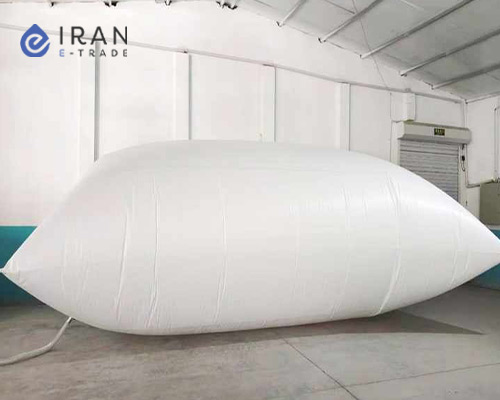
This type of bitumen contains a high percentage of heavy hydrocarbons and mineral compounds, which makes it harder and more resistant to oxidation compared to petroleum bitumen.

(Click for information on bitumen prices.)

What is natural bitumen?

Uses of Natural Bitumen

One of the main differences between natural bitumen and petroleum bitumen is in their usage. Natural bitumen, one of the oldest sources of bitumen, is extracted from hydrocarbon deposits in mines. Due to its high resistance, stable compounds, and greater durability, it has many applications in various industries such as:

  • Producing durable and long-lasting asphalt for road construction
  • Waterproofing buildings and industrial facilities
  • Manufacturing paints, anti-corrosion coatings, and sealing products
  • Enhancing the composition of petroleum bitumen to improve its quality and resistance

(Click to read about Soft Bitumen.)

What is petroleum bitumen?

Petroleum bitumen is a sticky, hydrocarbon-based substance manufacturers produce by refining crude oil. It is the final product of crude oil distillation process. Also, based on its physical and chemical properties, it is applicable in road construction, waterproofing, and the production of bitumen-based products.

Types of Petroleum Bitumen

Each type of petroleum bitumen has specific applications in road construction, waterproofing, sealing, and the construction industry. For instance:

  • Penetration bitumen: For road surfacing and asphalt
  • Oxidized bitumen: Suitable for waterproofing and insulation
  • Bitumen emulsion: A mix of bitumen and water for cold applications
  • Cutback bitumen: A mixture of bitumen and petroleum solvents for specific uses

Petroleum Bitumen Distillation Process

In the refinery, the manufacturers subject crude oil to high temperatures in a distillation tower to separate its lighter compounds like gasoline and diesel. The heavy residue that contains complex hydrocarbons is then collected as petroleum bitumen and, depending on the requirements, is modified or oxidized for use in various applications.

(Click to read about Natural Bitumen.)

Petroleum Bitumen Distillation Process

Difference Between Natural Bitumen and Petroleum Bitumen

In examining the difference between natural bitumen and petroleum bitumen, it is evident that natural bitumen contains much more impurities than petroleum bitumen. Due to this characteristic, petroleum bitumen is more flexible and is a better option for use in road construction and waterproofing industries.

Bitumen exists in two main types: natural (mineral) and petroleum, each with different chemical and physical characteristics, and they have different uses. Therefore, in this section, we explain the differences between natural and petroleum bitumen:

1. Difference Between Petroleum and Natural Bitumen in Terms of Sulfur Content

One notable difference between natural bitumen and petroleum bitumen is their sulfur content. Natural bitumen generally has a higher sulfur content (between 3% and 8%) because it is formed from natural deposits and has been enriched with sulfur compounds over millions of years due to geological activities.

In contrast, petroleum bitumen has lower amounts of sulfur (usually less than 3%) because many impurities and excess compounds are removed during its refining process.

2. Difference Between Natural and Petroleum Bitumen in Terms of Purity

In terms of purity, petroleum bitumen vs natural bitumen shows a clear contrast. Petroleum bitumen has higher purity due to the refinement process and controlled composition, resulting in fewer extraneous materials.

In contrast, natural bitumen typically contains more impurities due to the presence of inorganic compounds and minerals, which can affect its physical properties.

3. Difference Between Natural and Petroleum Bitumen in Terms of Oil Content

To accurately compare natural bitumen and petroleum bitumen, you must consider their oil content. For instance, petroleum bitumen hashigher amounts of light and volatile oils, which enhances its flexibility and adhesion.

In contrast, natural bitumen has a lower oil content, which makes it harder and more brittle, and it is mainly used for specific applications such as waterproofing.

4. Difference Between Petroleum and Natural Bitumen in Terms of Saponification Value and Acid Content

Natural bitumen has a higher saponification value and a greater number of acids compared to petroleum bitumen because it contains more oxygenated and mineral compounds.

This characteristic gives natural bitumen different adhesive properties in certain applications and alters its chemical behaviour when interacting with water and other substances. In contrast, petroleum bitumen has a more uniform chemical structure and shows lower saponification activity.

(Click to read more about The Best Bitumen Solvent.)


Difference Between Petroleum and Natural Bitumen in Terms of Saponification Value and Acid Content

5. Comparing the Price of Natural and Petroleum Bitumen

Beyond their structural differences, an important difference between natural bitumen and petroleum bitumen is their pricing. The cost of natural and petroleum bitumen varies depending on their extraction method, level of refinement, and industrial applications.

As you know, when comparing prices, petroleum bitumen is generally cheaper than natural bitumen due to mass production and standardized refining processes.

However, natural bitumen, with its more limited sources, extraction difficulty, and specific applications, is more expensive and is mostly applicable in specialized and industrial projects.

6. Difference Between Natural and Petroleum Bitumen in Extraction Methods

Natural bitumen is directly extracted from natural mines and is usually solid or semi-solid in the earth’s layers. After extraction, this bitumen undergoes a series of mechanical and thermal processes that turn it into a usable material in various industries.

However, the key difference between natural bitumen and petroleum bitumen is that bitumen manufacturers produce petroleum bitumen through the distillation of crude oil in refineries.

Moreover, depending on the processing, petroleum bitumen has various types such as penetration bitumen, oxidized bitumen, and emulsion bitumen.

7. Difference Between Petroleum and Natural Bitumen in Chemical Composition

Natural bitumen has a higher percentage of sulfur, heavy metals, and mineral compounds. In contrast, petroleum bitumen is primarily composed of aromatic and saturated hydrocarbons, with fewer mineral impurities.

This difference between natural bitumen and petroleum bitumen has resulted in petroleum bitumen having a more uniform structure, making it more suitable for precise engineering applications.

8. Physical Properties in the Difference Between Petroleum and Natural Bitumen

In terms of physical characteristics, petroleum vs natural bitumenreveals noticeable differences. Natural bitumen is generally harder, more brittle, and has a higher softening point compared to petroleum bitumen.

On the other hand, petroleum bitumen, due to its more uniform chemical composition, is more flexible and adhesive. Additionally, petroleum bitumen has better adhesive properties at lower temperatures. In contrast, natural bitumen, due to its impurities, may perform differently under certain conditions.

9. Difference Between Natural and Petroleum Bitumen in Applications

Petroleum bitumen’s main uses are in road construction, waterproofing buildings, producing bituminous membranes (isogam), and asphalt production.

Due to its uniform chemical composition, high adhesion, and suitable flexibility, it is widely applicable in creating durable, waterproof, and resistant surfaces in construction and civil engineering projects.

10. Comparing Natural and Petroleum Bitumen in Terms of Processing Costs

Petroleum bitumen has a lower production cost due to its industrial production and refining processes. However, depending on the type of processing, it may have additional costs such as chemical modifications or enhancing additives.

On the other hand, Natural bitumen, due to its more complex extraction methods and the need for mechanical processing and purification, generally has higher production costs compared to petroleum bitumen.

Comparing Natural and Petroleum Bitumen in Terms of Processing Costs

Key Characteristics of Natural and Petroleum Bitumen

For a more detailed comparison between natural and petroleum bitumen, consider their distinct features:

Characteristics of Natural Bitumen

  • High sulfur content
  • Harder
  • More durable
  • Greater soap-like properties
  • Suitable for specialized industries

Characteristics of Petroleum Bitumen

  • High adhesion
  • Greater flexibility
  • Uniform composition
  • More affordable
  • Suitable for road construction and waterproofing

Frequently Asked Questions Regarding petroleum bitumen vs natural bitumen

In this section, we address common questions about differences between natural and petroleum bitumen:

What Are the Other Names for Natural Bitumen?

Common names for natural bitumen include: rock asphalt, Vacuum batuum, and extracted bitumen.

Is Petroleum Bitumen More Expensive Than Natural Bitumen?

Petroleum bitumen is usually more expensive than natural bitumen due to its more complex refining and production process.

What Is the Use of Natural Bitumen in Paint Manufacturing?

When considering the difference between natural bitumen and petroleum bitumen, their applications are also important. Natural bitumen has many uses in paint manufacturing as an adhesive, stabilizer, or anti-corrosion coating.

What Is the Use of Natural Bitumen in Paint Manufacturing?


source: twnsacredtrust, infinitygalaxy, wikipedia
Bitumen Price

نفت خام چیست: مشخصات و کاربرد + نحوه تولید و استخراج!

نفت خام چیست؟ نفت خام معروف به طلای سیاه، سوخت فسیلی سیاه‌رنگ، غلیظ و قابل‌اشتعال است که از اعماق زمین استخراج می‌شود. ترکیبات نفت خام شامل هیدروکربن‌ها، گوگرد، نیتروژن و فلزات سنگین است. این ماده طبیعی یک منبع تجدیدناپذیر است و منشأ بسیاری از فرآورده‌های پرکاربرد مانند بنزین، گازوئیل، پلاستیک، دارو، کود شیمیایی و لوازم آرایشی به شمار می‌آید. در ادامه این مطلب از بلاگ ایران ای ترید مرجع تخصصی قیمت قیر به توضیح کامل این مفهوم می‌پردازیم.

نفت خام چیست؟

نفت خام ترکیبی از رسوبات هیدروکربنی و سایر مواد آلی است که به‌عنوان ماده اولیه اصلی در تولید سوخت‌ها (مانند بنزین، گازوئیل و سوخت جت) و محصولات پتروشیمی به کار می‌رود.

 نفت خام یا Crude oil چیست؟ به مایع سیاه‌رنگ، غلیظ با بویی نافذ که با حفر کردن چاه از لایه‌های زیرین پوسته زمین فوران می‌کند، نفت خام می‌گویند.

این سوخت فسیلی  ترکیب پیچیده‌ای حاصل از صدها ترکیب آلی است که از اتم‌های کربن و هیدروژن تشکیل شده‌، و معمولاً مقادیری از گوگرد، نیتروژن، اکسیژن، فلزات سنگین و نمک‌ها را نیز در بر دارد.
( برای مطالعه در مورد قیر نفتی حتما به مطلب بلاگ مراجعه نمایید.)

نفت خام چیست

نفت خام چگونه تشکیل می‌ شود؟

در بررسی اینکه نفت خام چیست و اینکه نفت خام چگونه تشکیل می شود و پاسخ به این پرسش که نفت آلی است یا معدنی، نگاهی کوتاه به روند تشکیل نفت خام  می‌اندازیم.

تشکیل نفت خام نتیجه فرآیندهای بیولوژیکی، فیزیکی و شیمیایی طولانی‌مدتی است که در اعماق زمین، تحت فشار و دمای بالا بر روی بقایای موجودات مرده (دیاتوم‌ها) مانند جلبک‌ها و زئو پلانکتون‌ها صورت می‌گیرد.

 درتوضیح اینکه نفت خام یا Crude oil چیست باید بگوییم که داستان سوخت فسیلی از دایناسورها هم چندان مورد تأیید نیست! خلاصه اینکه این بقایا پس از مرگ، در محیط‌های کم‌اکسیژن در کف دریاها ته‌نشین شده و در طی میلیون‌ها سال، گرما و فشار سبب تبدیل این مواد آلی به نفت و گاز می‌شود.

( بهتر است بدانید قیر نیز از فرآورده های  نفت می باشد. برای مطالعه در مورد نحوه تولید قیر به مطلب بلاگ رجوع نمایید.)

1. تئوری پیدایش نفت خام با منبع آلی

 در پاسخ این سوال که نفت خام چگونه تشکیل می‌ شود، آنچه که بیشترین مقبولیت علمی را دارد، تئوری آلی (Biogenic Theory) است.

به این معنا که منشأ نفت خام را در مواد آلی باقی‌مانده از جانداران میکروسکوپی دریایی می‌داند. این مواد در محیط‌های آنوکسیک دفن شده، دچار تخمیر باکتریایی و سپس تغییرات گرمایی در اعماق زمین می‌شوند.

2. تئوری پیدایش نفت خام با منبع معدنی

یک نظریه‌ی دیگر درباره منشأ نفت خام چیست، تئوری معدنی یا غیرآلی (Abiogenic Theory) است که آن را به فرآیندهای شیمیایی درون‌زمین، بدون حضور ماده آلی زیستی نسبت می‌دهند. به این ترتیب که هیدروکربن‌ها در اثر واکنش بین کربنات‌ها یا اکسیدهای فلزی با آب و هیدروژن در اعماق زمین، در اثر فشار و دمای بسیار بالا تشکیل می‌شوند.

ترکیبات نفت خام

نفت خام چیست؟ ماده‌ای پیچیده از هیدروکربن‌هاست که ترکیبات آن به چهار دسته اصلی پارافین‌ها، نفتن‌ها، اولفین‌ها و ترکیبات آروماتیک تقسیم می‌شود.

در توصیف اینکه نفت خام چیست به ترکیبات آن می‌پردازیم. ترکیبات نفت خام در پاسخ اینکه نفت خام چه رنگی است نیز بسیار نقش دارند. نفت خام معمولاً قهوه‌ای تیره تا سیاه است، اما ممکن است بسته به ترکیبات، سبز، کهربایی یا حتی مایل به زرد هم باشد.
این ماده یک مخلوط پیچیده از هیدروکربن‌ها است که معمولاً در چهار دسته اصلی طبقه‌بندی می‌شوند:

نرمال پارافین‌ها و ایزوپارافین‌ها

از ترکیبات مهم موجود در نفت خام نرمال پارافین‌ها هستند که زنجیره‌ای ساده و مستقیم از اتم‌های کربن دارند. ایزوپارافین‌ها نیز شکل شاخه‌دار و پیچیده‌ی همتاهای زنجیره مستقیم هستند.

نفتن‌ها

هیدروکربن‌های اشباع‌شده حلقوی در نفت خام، به نام نفتن‌ها هستند. آن‌ها نقش مهمی در تولید بنزین و سوخت دارند و در برخی فرآیندهای پالایش، کمک می‌کنند کیفیت محصولات بالاتر برود.

اولفین‌ها

آلکن‌ها یا اولفین‌ها ترکیباتی هستند که در خود نفت خام وجود ندارند ولی در فرآیندهای پالایش (مثل شکستن مولکول‌ها) ساخته می‌شوند. آن‌ها در صنایع پلاستیک‌سازی و شیمیایی بسیار کاربرد دارند.

انواع نفت خام: طبقه‌بندی نفت خام

نفت خام چیست و انواع آن کدامند؟ شکل نفت خام، ترکیب و کیفیت آن می‌تواند از یک میدان نفتی تا میدان دیگر فرق داشته باشد. به همین دلیل، برای شناخت بهتر و تعیین ارزش آن، نفت خام را به روش‌های مختلفی از جمله موقعیت جغرافیایی، درجه API و میزان گوگرد طبقه‌بندی می‌کنند.

طبقه‌بندی نفت خام

1. طبقه‌‌بندی بر اساس موقعیت جغرافیایی

 ساده ترین روش تقسیم‌بندی نفت‌ها معمولا بر اساس محل تولید و اینکه منشا نفت خام چیست صورت می‌گیرد. مهم‌ترین نفت‌های مرجع جهان عبارتند از:

  • نفت برنت (Brent): از دریای شمال استخراج می‌شود و یکی از مهم‌ترین معیارهای قیمت‌گذاری در بازار جهانی است.
  • نفت وست تگزاس اینترمدیت (WTI): نفتی سبک و با کیفیت بالا از ایالات متحده، مخصوصاً تگزاس. قیمت آن معمولاً کمی پایین‌تر از برنت است.
  • نفت سنگین: بیشتر در خاورمیانه تولید شده و سنگین‌تر است. اغلب به‌عنوان معیار برای قیمت‌گذاری نفت آسیا استفاده می‌شود.

2. طبقه‌بندی بر اساس درجه API

درجه API مخفف American Petroleum Institute gravity نشان می‌دهد نفت چقدر سبک یا سنگین است. این شاخص عددی است که بر پایه چگالی نفت نسبت به آب تعیین می‌شود:

  • نفت سبک (Light Crude): درجه API بالاتر از ۳۱.۵ دارد. بسیار مطلوب است چون راحت‌تر به بنزین و سوخت‌های سبک تبدیل می‌شود.
  • نفت متوسط (Medium Crude): درجه API بین ۲۲.۳ تا ۳۱.۵ دارد.
  • نفت سنگین (Heavy Crude): درجه API کمتر از ۲۲.۳ دارد. این نفت‌ها چسبناک‌تر هستند و پالایش آن‌ها سخت‌تر و پرهزینه‌تر است.

3. طبقه‌بندی بر اساس میزان گوگرد

گوگرد یکی از ناخالصی‌های طبیعی در نفت خام است. بر اساس مقدار گوگرد، نفت‌ها به دو دسته اصلی تقسیم می‌شوند:

  • نفت شیرین (Sweet Crude): کمتر از ۰.۵ درصد وزنی گوگرد دارد. این نوع نفت پاک‌تر است، آلودگی کمتری ایجاد می‌کند و پالایش آن آسان‌تر است.
  • نفت ترش (Sour Crude): بیش از ۰.۵ درصد گوگرد دارد. برای پالایش آن نیاز به تجهیزات خاص و فرآیندهای پیچیده‌تری است.

ویژگی ها و خصوصیات شیمیایی و فیزیکی نفت خام چیست؟

در بحث اینکه نفت خام چیست باید ویژگی‌ها و خصوصیات فیزیکی و شیمیایی آن را نیز بررسی کرد. این ماده پیچیده  ترکیبی از هزاران ترکیب شیمیایی است که رفتار آن را در پالایش، حمل‌ونقل و استفاده نهایی مشخص می‌کند.

چرا که حتی سؤالاتی ساده مثل «نفت خام چه رنگی است» می‌توانند سرنخی برای درک بهتر ترکیب‌های پیچیده این ماده باشند؛

1. چگالی نفت خام

نسبت جرم به حجم را چگالی آن ماده می‌گویند. در واقع چگالی نفت خام است که تعیین می‌کند نفت «سبک» است یا «سنگین». برای سنجش چگالی نفت از شاخصی به نام درجه API استفاده می‌شود.

2. میزان گوگرد

گوگرد یکی از ناخالصی‌های مهم در نفت خام است. میزان گوگرد نقش مهمی در پالایش و اثرات زیست‌محیطی نفت دارد:

  • نفت با گوگرد کم (نفت شیرین) آسان‌تر پالایش می‌شود و آلایندگی کمتری دارد.
  • نفت با گوگرد زیاد (نفت ترش) به تجهیزات پیشرفته‌تر برای تصفیه نیاز دارد و گازهای آلاینده بیشتری تولید می‌کند.

ویژگی ها شیمیایی و فیزیکی نفت خام

3. نقطه ریزش نفت خام چیست

دمایی که در آن نفت خام شروع به جامد شدن یا غلیظ شدن می‌کند و دیگر به راحتی جریان نمی‌یابد، نقطه ریزش (Pour Point) می‌گویند. این ویژگی اهمیت زیادی در حمل‌ونقل نفت، مخصوصاً در مناطق سردسیر دارد.

4. حلالیت نفت خام

نفت خام در آب حل نمی‌شود اما به دلیل سبک‌تر بودن نسبت به آب، روی سطح آب شناور می‌ماند. ترکیبات موجود در نفت در برخی حلال‌های آلی (مثل بنزن یا تولوئن) قابل‌‌حل هستند.

5. نقطه جوش نفت خام

نفت خام، نقطه جوش ثابتی ندارد چون مخلوطی از صدها ماده است. به‌جای یک نقطه جوش خاص، نفت دامنه‌ای از دماها دارد که در آن تبخیر می‌شود. این دامنه، پایه‌ی اصلی فرآیند پالایش است.

در پالایشگاه، نفت را گرم می‌کنند و اجزای آن در دماهای مختلف بخار می‌شوند (مثل بنزین، نفت سفید، گازوئیل). این ویژگی پایه‌ی فرآیند تقطیر جزء به جزء در برج‌های تقطیر نفت خام است.

کاربرد نفت خام چیست؟

در بحث اینکه نفت خام چیست و چه کاربردی دارد، می توان گفت نفت خام در کشاورزی، ساخت شوینده ها و رنگ ها، سلاخت لاستیک، پلاستیک و موارد مشابه، داروسازی و ساخت لوازم آرایشی، صنعت غذا، حمل و نقل، صنعت انرژی، صنعت پزشکی، پوشاک، دفاعی و  تولید روان کننده ها و  در مصارف خانگی کاربرد دارد اما، ذهن ما فقط به سمت سوخت ماشین‌ها می‌رود. در واقع این مایع سیاه‌رنگ، ماده‌ی اولیه‌ی هزاران محصولی‌ست که در زندگی روزمره با آن‌ها سر و کار داریم:

1. کاربرد در کشاورزی

بخش زیادی از کودهای شیمیایی، سموم دفع آفات و آفت‌کش‌ها از مشتقات نفت خام ساخته می‌شوند.

2. کاربرد در ساخت شوینده‌ها، رنگ‌ها و سایر مواد

مواد شوینده که برای شستن لباس و ظرف استفاده می‌کنیم، همین‌طور رنگ‌ها، چسب‌ها، رزین‌ها و حلال‌ها همه از نفت خام به‌دست می‌آیند.

3. ساخت لاستیک، پلاستیک و موارد مشابه

بیشتر لاستیک‌های صنعتی و پلاستیک‌هایی که در لوازم‌خانگی، بسته‌بندی و حتی اسباب‌بازی‌ها می‌بینیم، از مواد نفتی تولید می‌شوند.

4. داروسازی و ساخت لوازم آرایشی

در داروسازی از مشتقات نفت برای ساخت داروهای مسکن، کپسول‌ها، کرم‌ها و پمادها استفاده می‌شود.

5. صنعت غذا

نفت خام به‌طور مستقیم در غذا استفاده نمی‌شود اما در روان‌کننده‌های ماشین‌آلات غذایی، بسته‌بندی‌های پلاستیکی، مواد طعم‌دهنده مصنوعی و نگهدارنده‌ها قابل استفاده است.

6. صنعت حمل و نقل

بنزین، گازوئیل، نفت سفید و سوخت جت، همگی از پالایش نفت خام به‌دست می‌آیند.

کاربرد نفت خام

7. کاربرد نفت خام در صنعت انرژی

بخشی از نفت خام مستقیماً برای تولید برق و گرما در نیروگاه‌ها مصرف می‌شود. همچنین مشتقات آن در ساخت باتری‌ها و ژنراتورها کاربرد دارد.

8. نفت خام برای تولید روان‌کننده‌ها

روغن موتور، گریس، روغن هیدرولیک و ترمز همگی از فرآورده‌های نفتی ساخته می‌شوند.

9. کاربرد نفت خام برای مصارف خانگی

در برخی مناطق، هنوز از نفت برای گرمایش خانه، پخت‌وپز یا روشنایی استفاده می‌شود. همچنین بسیاری از محصولات خانگی (مثل شمع، فندک و موم) مواد نفتی دارند.

10. صنعت پزشکی و کاربرد نفت خام

از نفت خام موادی استخراج می‌شود که در ساخت دستکش جراحی، سرنگ، تجهیزات پلاستیکی پزشکی، ضدعفونی‌کننده‌ها و دستگاه‌های تصویربرداری به‌کار می‌روند.

11. استفاده از نفت خام در صنعت پوشاک

الیاف مصنوعی مثل پلی‌استر، نایلون و اسپندکس که در لباس، کفش و کیف استفاده می‌شوند، از مواد پتروشیمیایی و نفتی تولید می‌شوند.

12. کاربردهای نفت خام در صنعت دفاع و نظامی

سوخت‌های نظامی، روغن‌های مخصوص موتورهای سنگین، پوشش‌های ضدگلوله، لاستیک‌های مقاوم و حتی بخش‌هایی از موشک‌ها از ترکیبات نفت خام ساخته می‌شوند.

نحوه استخراج و پردازش نفت خام

نفت خام چیست و پردازش آن چگونه است؟ این سوخت فسیلی سیاه رنگ در اعماق زمین و زیر لایه‌های سنگی ذخیره شده است. در ادامه با مراحل پردازش نفت خام آشنا می‌شوید:

  • اکتشاف (Exploration): شناسایی محل ذخایر نفت با استفاده از ابزارهای زمین‌شناسی و لرزه‌نگاری.
  • حفاری (Drilling): حفر چاه‌های نفتی برای دسترسی به نفت زیرزمینی.
  • تولید (Production): پمپ‌کردن نفت به سطح زمین با تجهیزات مکانیکی یا فشار طبیعی.
  • جداسازی اولیه (Separation): جداکردن گاز، آب و ناخالصی‌ها از نفت خام در سر چاه.
  • انتقال به پالایشگاه: با لوله، کامیون یا کشتی به پالایشگاه منتقل می‌شود.
  • پالایش (Refining): طی فرآیندهای صنعتی، نفت به محصولات قابل‌استفاده تبدیل می‌شود.

مراحل پالایش نفت خام چیست؟

در پاسخ اینکه نفت خام چیست و چگونه قابل استفاده است باید گفت که شکل نفت خام معمولا روان و رقیق است و بدون پالایش قابل استفاده نیست. پالایش، فرآیندی است که طی آن نفت خام به اجزای سودمند مانند بنزین، گازوئیل و مواد شیمیایی تبدیل می‌شود.

از مراحل پالایش نفت خام:

  • گرمایش نفت خام
  • تقطیر در برج تقطیر
  • شکستن مولکولی (مولکول‌های سنگین شکسته می‌شوند تا سوخت‌های سبک‌تر تولید شود)
  • فرآیندهای اصلاحی (افزایش کیفیت بنزین با تغییر ساختار مولکول‌ها)
  • تصفیه (حذف گوگرد، فلزات و ناخالصی‌های دیگر)
  • مخلوط‌سازی (ترکیب اجزای مختلف برای تولید فرآورده‌های نهایی با استاندارد مشخص)

فرآورده‌ های نفت خام

فرآورده‌ های نفت خام چیست؟

منظور از فرآورده‌های نفتی موادی است که از پالایش نفت خام به‌دست می‌آیند. این محصولات در صنایع مختلف مانند حمل‌ونقل، کشاورزی، پتروشیمی، آرایشی، غذایی و پزشکی کاربرد دارند.

فرآورده‌ های تولید شده از نفت خام

از مهم ترین فرآورده‌های تولید شده از نفت خام می‌توان به موارد زیر اشاره کرد:

  • بنزین
  • نفت سفید (سوخت هواپیما)
  • گازوئیل
  • نفت کوره
  • گاز مایع (LPG)
  • قیر
  • روغن موتور
  • مواد اولیه پتروشیمی (برای ساخت پلاستیک، الیاف مصنوعی، کود شیمیایی و دارو)

مقایسه نفت خام و پترولیوم (نفت)

در واقع نفت خام ماده‌ی اولیه و پترولیوم شامل مجموعه‌ای از محصولات نهایی مانند بنزین و موارد مشابه است.

نفت خام، مایعی طبیعی و فرآوری‌نشده است که مستقیماً از دل زمین استخراج می‌شود و بدون پالایش، قابل استفاده نیست. در مقابل، «پترولیوم» یک اصطلاح کلی‌تر است که هم نفت خام و هم تمامی فرآورده‌های به‌دست‌آمده از پالایش آن را در بر می‌گیرد.

نحوه شناسایی محل وجود نفت

برای شناسایی محل ذخایر نفتی، زمین‌شناسان از روش‌های پیشرفته‌ای مثل مطالعات ژئوفیزیکی، عکس‌برداری ماهواره‌ای، نقشه‌برداری زمین‌شناسی و لرزه‌نگاری سه‌بعدی استفاده می‌کنند.

در روش لرزه‌نگاری، با ایجاد موج‌های صوتی و بررسی بازتاب آن‌ها از زیرزمین، ساختارهای نفت‌دار شناسایی می‌شوند. در نهایت، برای تأیید وجود نفت، حفاری اکتشافی انجام می‌شود.

همانطور که ذکر شد، منشأ نفت خام بقایای گیاهان و جانوران دریایی است که طی میلیون‌ها سال در فشار و دمای بالا تجزیه شده‌اند. بسته به نوع و منبع استخراج، شکل نفت خام ممکن است از روان و رقیق تا غلیظ و قیرمانند متغیر باشد.

بزرگترین ذخایر نفت در کدام کشور است؟

نفت آلی است یا معدنی؟ بر طبق  نظر بسیاری از زمین‌شناسان منشأ نفت خام مواد آلی رسوب‌ کرده در کف دریاها و اقیانوس‌ها هستند.

و بزرگ‌ترین ذخایر تاییدشده‌ی نفت خام جهان در کشور ونزوئلا قرار دارد. پس از آن، عربستان سعودی، ایران، کانادا و عراق در رتبه‌های بعدی هستند. البته مقدار استخراج‌پذیر و اقتصادی این ذخایر به فناوری و سیاست نیز بستگی دارد.

چقدر نفت خام در جهان باقی مانده است؟

بر اساس برآوردهای سازمان‌های بین‌المللی، در حدود ۱.۶ تریلیون بشکه نفت خام قابل‌برداشت در جهان باقی مانده است. با مصرف فعلی، این ذخایر ممکن است تا حدود ۵۰ سال آینده پاسخ‌گو باشند، مگر اینکه منابع جدید کشف شود یا مصرف جهانی کاهش یابد.

میزان نفت خام باقی مانده در دنیا

اگر نفت تمام شود چه اتفافی می‌افتد؟

در صورت اتمام منابع تجدیدناپذیر نفت، صنایع حمل‌ونقل، پتروشیمی، تولید برق، کشاورزی مدرن و حتی داروسازی با بحران جدی روبه‌رو خواهند شد.

بسیاری از محصولات پلاستیکی، شوینده‌ها، کودها و داروها نیز تولید نخواهند شد. البته جهان به سمت منابع انرژی تجدیدپذیر مانند خورشید، باد و سوخت‌های زیستی در حال حرکت است، ولی جایگزینی کامل نفت به زمان و سرمایه‌گذاری نیاز دارد.

خطرات سلامتی قرار گرفتن در معرض نفت خام کوتاه مدت و بلند مدت چیست؟

تماس پوستی با نفت خام در کوتاه‌مدت، ممکن است باعث تحریک، خارش، التهاب پوست و سوزش چشم‌ها و گلو شود. استنشاق بخارات نفت نیز می‌تواند موجب سردرد، سرگیجه، حالت تهوع و گیجی شود.

اما در بلندمدت، قرار گرفتن مداوم در معرض ترکیبات نفت خام (به‌ویژه آروماتیک‌ها مانند بنزن) ممکن است باعث اختلالات تنفسی، آسیب کبدی و کلیوی، مشکلات عصبی و افزایش خطر سرطان شود.

خطرات نفت خام برای کارگران

کارگرانی که در صنایع نفت کار می‌کنند، در معرض خطراتی چون استنشاق بخارات سمی، سوختگی در اثر تماس با نفت داغ، انفجار، آتش‌سوزی، سقوط از سکوها و مشکلات روانی ناشی از شیفت‌های طولانی هستند. برای کاهش این خطرات، استفاده از تجهیزات ایمنی، تهویه مناسب، آموزش‌های منظم و پایش سلامت شغلی ضروری است.

سوالات متداول در خصوص نفت خام چیست

در این بخش به سوالات پرتکرار در رابطه با موضوع “نفت خام چیست” می‌پردازیم:

نفت خام چه رنگی است؟

.نفت خام معمولاً قهوه‌ای تیره تا سیاه است، اما بسته به ترکیبات می‌تواند به رنگ سبز، کهربایی یا زرد هم باشد

تفاوت بین نفت خام و سایر انواع نفت چیست؟

نفت خام، شکل طبیعی و فرآوری‌نشده‌ی نفت است، در حالی‌که سایر انواع نفت (مانند نفت سفید یا گازوئیل) حاصل پالایش و تصفیه آن هستند.

آیا می‌توان نفت خام را پس از استخراج مستقیما استفاده کرد؟

خیر، نفت خام بدون پالایش قابل‌استفاده نیست و باید به فرآورده‌هایی مانند بنزین، گازوئیل و قیر تبدیل شود.

آیا نفت خام خطرناک است؟

بله، تماس یا استنشاق نفت خام می‌تواند باعث مشکلات پوستی، تنفسی، مسمومیت و حتی افزایش خطر سرطان شود.

نفت خام در چه عمقی از زمین یافت می‌شود؟

پاسخ به این سؤال به درک اینکه نفت خام چیست کمک می‌کند: نفت خام معمولاً در عمق‌های بین ۶۰۰ تا ۶۰۰۰ متری زمین، زیر لایه‌های سنگی و در مخازن طبیعی قرار دارد.

نفت خام خطرناک است

 منبع: investopedia , chartindustries

مشاهده قیمت قیر

قیمت قیر