Bitumen Suitable for Hot Climates: Benefits + Key Technical Tips

What is bitumen suitable for hot climates? Different climates require bitumen that is specifically designed for their conditions and performs better under varying climate conditions. Therefore, bitumen suitable for hot areas should have a higher softening point. Furthermore, it must resist deformation, UV degradation, and rutting.

Therefore, if you are a road or construction engineer, or you are working on a project in hot climates, you should choose bitumen suitable for them. For instance, selecting the right bitumen ensures better performance and durability in high temperatures. But why is it important to choose the best bitumen for hot climates? And what are its types and properties? To learn more, read this article from Iran Etrade blog, a reliable source for information on bitumen pricing and petroleum products.

Choosing bitumen suitable for hot climates is essential for the safety and durability of roads. Why? Because high temperatures and direct sunlight soften the asphalt, leading to rutting, depressions, and cracks. Therefore, the best bitumen for these regions has properties such as a high softening point, resistance to deformation and UV rays, strong adhesion to aggregates, and resistance to rutting. These types of bitumen include penetration-grade bitumen, polymer-modified bitumen, performance-grade bitumen, and blown bitumen. In addition, selecting the right bitumen, combined with a suitable asphalt mixture design and buying it from reputable supplier, increases pavement durability and reduces maintenance costs.

What Is The Importance of Choosing Bitumen Suitable for Hot Climates?

Choosing bitumen with a high softening point and thermal resistance helps maintain the shape and cohesion of asphalt at high temperatures. It can also prevent asphalt deformation and provide enough flexibility to withstand heavy traffic loads.

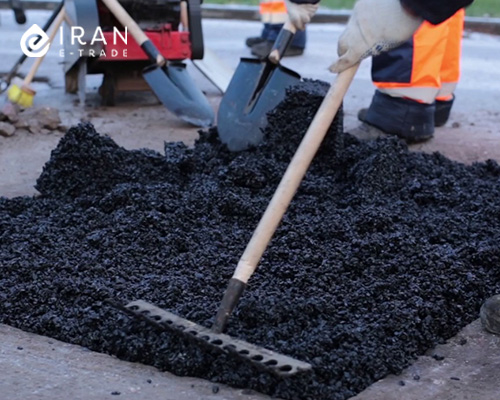
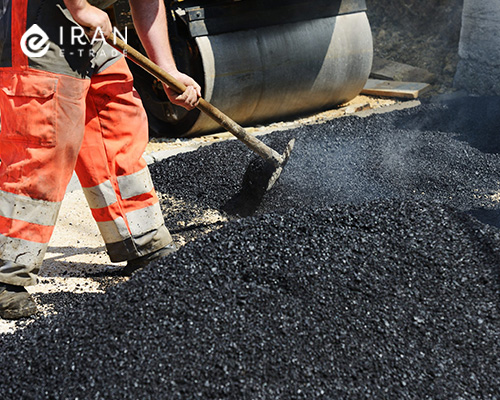
In hot climates, high temperatures and intense sunlight soften the asphalt much faster. Furthermore, the weight of vehicles and heavy traffic causes the asphalt to deform. As a result, this can lead to rutting, surface depressions, and cracking in the road.

That is why choosing bitumen suitable for hot climates is very important. Not only does it increase the durability of the road, but it also reduces maintenance costs and ensures safety and comfort for drivers.

In other words, investing in the right type of bitumen from the start is a cost-effective choice in the long term and reduces the technical and financial challenges of roads in the future.
What Is The Importance of Choosing Bitumen Suitable for Hot Climates?

Bitumen’s Behavior in High Temperatures

Why should you choose the best bitumen for hot climates? It’s because of bitumen’s behavior at high temperatures. At high temperatures, normal bitumen will soften and lose some of its solid form. That is why, if the bitumen is not designed for hot climates, it will deform more quickly. Consequently, this behavior reduces the bitumen’s ability to bind aggregates.

Therefore, if you want asphalt to perform well in hot areas, you should choose bitumen suitable for hot climates. But what are the properties of this type of bitumen that make it suitable for hot climates?

The Properties of Bitumen Suitable for Hot Climates

Different types of bitumen suitable for hot climates possess various properties:

Properties of Bitumen Suitable for Hot Climates:
  • High softening point
  • Resistance to deformation
  • Resistance to UV radiation
  • Strong adhesion to aggregates
  • Resistance to rutting

1. High Softening Point

A bitumen with a high softening point increases the roads’ resistance to rutting and flow, helping reduce long-term maintenance costs and ensuring safety and comfort for drivers.

One of the most important properties of bitumen suitable for hot climates is its high softening point. Each bitumen has a specific softening point, which is the temperature at which it begins to soften and liquefy. This feature indicates the thermal resistance of bitumen and its ability to maintain shape and cohesion at higher temperatures.

In warm climates, high temperatures and sunlight can quickly soften bitumen with a low softening point. As a result, it cannot hold aggregates together, which leads to rutting and surface depressions, reducing the pavement’s durability.

Therefore, choosing bitumen with a high softening point for hot climates is very important because it can maintain its form in severe heat, prevent asphalt deformation, and thereby increase the pavement’s durability.

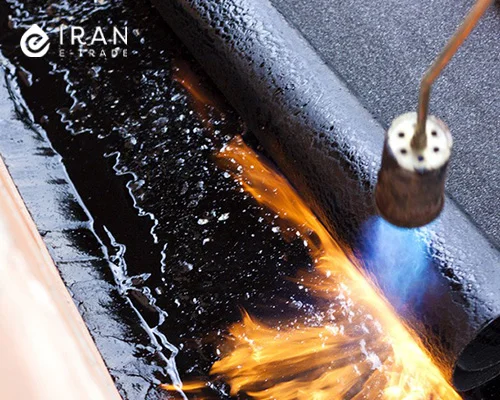
2. Resistance to Deformation

Resistance to permanent deformation is the bitumen’s ability to maintain its shape and withstand heavy loads and high temperatures. In this way, the asphalt will not develop surface depressions under the weight of vehicles and heavy traffic.

Therefore, this property is important for bitumen in hot climates, as high temperatures can soften bitumen. But without sufficient resistance, the pavement will deteriorate more quickly.
2. Resistance to Deformation

3. Resistance to UV Rays

UV rays reduce the longevity of bitumen and make it fragile. As a result, if the bitumen is not resistant to UV rays, the asphalt cracks faster and its durability decreases.

Moreover, when bitumen in hot climates is constantly exposed to sunlight, it must be able to retain its physical and chemical properties without weakening its structure or performance.

Therefore, resistance to UV rays is a key property of bitumen and is very important when choosing bitumen suitable for hot climates.

4. Sufficient Adhesion to Materials

The bitumen’s ability to adhere properly to materials in hot climates is essential. This is because high temperatures and environmental factors can weaken the bond between bitumen and materials.

Proper adhesion allows bitumen to hold aggregates firmly together and form a cohesive mixture that is resistant to deformation and traffic loads. As a result, the bitumen layer will not peel from the stones and will maintain the quality of the pavement.

However, without sufficient adhesion, the asphalt will quickly crack and degrade. Therefore, bitumen suitable for hot climates must have proper adhesion to materials.

5. Resistance to Rutting

Bitumen’s resistance to rutting means that when the road is subjected to heavy traffic loads at high temperatures, the bitumen will not rut or cause surface depressions in the asphalt.

Therefore, this property is important for bitumen in hot climates, as high temperatures can reduce its viscosity and increase the likelihood of rutting, which can compromise road safety and durability.

5. Resistance to Rutting

Assessing the Role of Bitumen Penetration and Grading in Hot Climates

Bitumen’s grading and penetration show its hardness and resistance at different temperatures. This property is particularly important in hot climates because harder bitumen with proper grading for high temperatures is less prone to softening.

As a result, asphalt made from bitumen suitable for hot climates does not deform under heat or traffic loads and increases the road’s durability.

Different Types of Bitumen Suitable for Hot Climates

We now know more about the properties of the best bitumen for hot climates. Moreover, let us see what its different types are. These types of bitumen have different gradings, and their uses vary depending on the grading.

1. Bitumen with Low Penetration Grade

Low-penetration-grade bitumen is suitable for hot climates. This type of bitumen is harder, so the standard needle for the penetration test penetrates it to a lesser extent, showing its resistance to softening at high temperatures.

Furthermore, low-penetration-grade bitumen is suitable for asphalt production in hot climates because it is less prone to deformation under heat. As a result, road workers and engineers usually use penetration-grade bitumen for building roads.

60/70 Bitumen

Using 60/70 bitumen not only increases the pavement’s durability, but also reduces long-term maintenance costs and ensures the quality of civil engineering projects in hot climates.

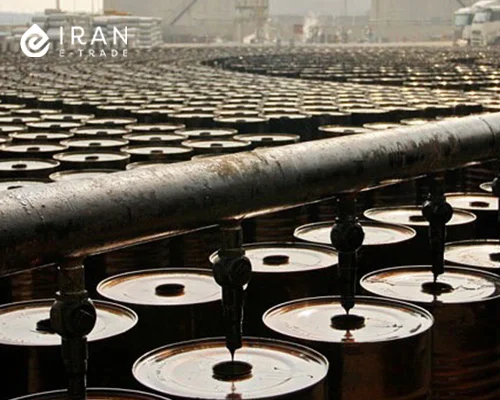
60/70 bitumen is suitable for hot climates and is a type of prime coat bitumen with low to average viscosity. It can also penetrate the pores of materials effectively, which allows it to cover the lower layers of the pavement or materials in a cohesive manner and increase their resistance to water and humidity.

By penetrating the lower layers of asphalt, 60/70 bitumen creates a solid and durable layer that prevents peeling and ensures strong adhesion. As a result, 60/70 bitumen is an important material in road construction.
60/70 Bitumen

40/50 Bitumen

Using 40/50 bitumen not only increases the road’s durability, but also reduces long-term maintenance costs and ensures driver safety.

Moreover, this bitumen is suitable for hot climates and is a semi-hard penetration-grade bitumen. It is also classified according to international ASTM and AASHTO standards, and its number (40/50) indicates its penetration level and relative hardness.

40/50 bitumen is balanced between hardness and softness. Therefore, in high temperatures it is less prone to softening, and in low temperatures it maintains its flexibility. As a result, it can endure different climate conditions.

Furthermore, these properties make 40/50 bitumen suitable for hot and humid climates. As a result, 40/50 bitumen is a reliable product to use as a bonding material in road construction and pavement.

50/70 Bitumen

This type of bitumen is a prime coat bitumen, classified according to international ASTM and AASHTO standards. 50/70 bitumen has higher heat resistance than softer bitumen and is less likely to soften at high temperatures.

Therefore, in hot climates where asphalt is exposed to intense sunlight and heat, 50/70 bitumen performs better. In addition, 50/70 bitumen has sufficient flexibility to withstand temperature changes between day and night, as well as traffic loads, which reduces the possibility of rutting, cracking, and pavement degradation.

As a result, 50/70 bitumen is a good choice for road construction in hot and humid areas. Using it can significantly increase the durability, stability, and safety of asphalt.

2. Polymer Modified Bitumen

A type of bitumen suitable for hot climates is polymer-modified bitumen. Bitumen manufacturers improve its quality by adding polymers such as SBS or EVA, to improve its performance compared to normal bitumen.

As a result, polymer-modified bitumen has greater elasticity, a higher softening point, and better resistance to cracking and deformation. Moreover, it is suitable for use in hot climates and on roads with heavy traffic.

3. PG Bitumen

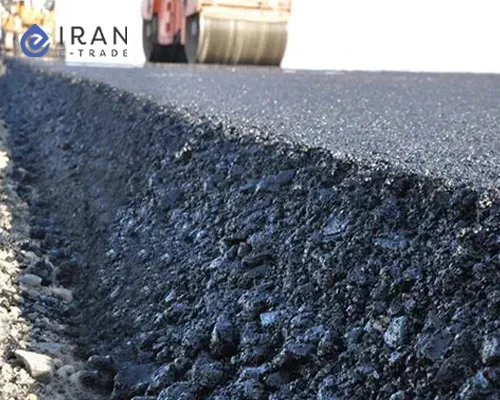
Performance grade, or PG bitumen, is categorized based on its performance at high and low temperatures to make it suitable for use in different climate conditions and under varying traffic loads.

Moreover, PG bitumen is resistant to softening in heat and cracking in cold weather, and its application increases the durability and lifespan of the pavement.
3. PG Bitumen

4. Blown Bitumen

Using blown bitumen is important in hot climates. This is because it is heat-resistant and has dimensional stability. As a result, it performs better under different weather conditions and is suitable for industrial uses and waterproofing.

A type of bitumen suitable for hot climates is blown bitumen, which manufacturers produce by blowing air into bitumen at high temperatures. Therefore, blown bitumen is harder, has a higher softening point, and is less permeable than normal bitumen.

Assessing the Effect of Climate Conditions on Asphalt Durability

Climate conditions such as high temperatures, sunlight, humidity, and soil can reduce bitumen’s adhesion to aggregates and cause it to peel off. Consequently, this reduces asphalt durability and accelerates pavement degradation. Therefore, many road workers and engineers use bitumen suitable for hot climates in road construction.

Difference Between Normal and Polymer Modified Bitumen in Hot Climates

In hot and warm areas, polymer-modified bitumen is more resistant to heat and deformation due to the addition of polymers and other substances. Therefore, it increases asphalt stability. In contrast, normal bitumen softens faster at high temperatures, is more prone to rutting or deformation, and has lower durability.

What is the Importance of Proper Asphalt Mix Design?

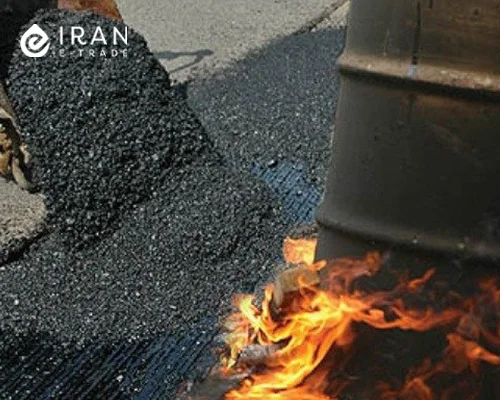
Even if you procure bitumen suitable for hot climates, it is essential to pay close attention to the proper structure of the asphalt mixture. This is because even with the best bitumen, if the ratio of bitumen to aggregate, its gradation, and compaction are not properly controlled, the asphalt will not have sufficient resistance to high temperatures and rutting.

Therefore, in hot regions, the asphalt mixture must be designed to provide adequate flexibility to prevent cracking while resisting deformation.
What is the Importance of Proper Asphalt Mix Design?

The Role of Heavy Traffic in Selecting Suitable Bitumen for Hot Climates

On routes with heavy traffic, repetitive loading and high pressure increase the stress on the asphalt, so the bitumen must be able to withstand these loads. As a result, if you do not select bitumen suitable for hot climates, the asphalt will rut and deform more quickly, reducing the pavement’s durability.

Common Mistakes in Selecting Suitable Bitumen for Hot Climates and Their Consequences

When selecting the best bitumen for hot climates, you may make the following mistakes, so it is important to be aware of them in advance:

Selecting bitumen based solely on price The quality and technical properties of bitumen—such as resistance to temperature and traffic loads—determine the durability and performance of asphalt. If you choose a low-cost but low-quality option for your project, you may end up facing high maintenance costs.
Using soft bitumen in very hot regions At high temperatures, this type of bitumen softens and deforms quickly, which leads to rutting and reduces asphalt durability. Therefore, you should avoid using soft bitumen in very hot regions.
Ignoring heavy traffic Repeated and heavy loads cause rutting and deformation in asphalt, and the bitumen must withstand these stresses. Therefore, when selecting bitumen, you must consider the amount of traffic on the road.
Not testing bitumen before use The actual technical properties of bitumen, such as its’ softening point and thermal resistance, determine its performance in hot regions. Without testing, you increase the risk of choosing unsuitable bitumen and reducing asphalt durability.

If you do not select bitumen suitable for hot climates, the asphalt will deteriorate quickly, leading to high maintenance costs for your project and may even compromise road safety. Therefore, always choose bitumen based on your project conditions and technical analysis, not just on price or availability.

Importance of Choosing a Reliable Supplier in Selecting Suitable Bitumen for Hot Climates

Purchasing bitumen from a reliable supplier plays a crucial role in obtaining bitumen suitable for hot climates. For instance, a knowledgeable supplier understands the climatic conditions and project requirements.

As a result, they recommend high-quality and appropriate bitumen, helping you avoid costly mistakes. Therefore, working with such a supplier, along with technical analysis and expert consultation, ensures your project’s success.
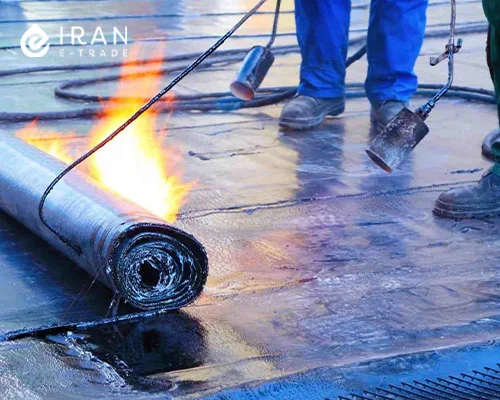
Importance of Choosing a Reliable Supplier in Selecting Suitable Bitumen for Hot Climates

Frequently Asked Questions

You may have the following questions about the best bitumen for hot climates:

Which Bitumen Is Best for Hot Climates?

Polymer-modified bitumen (PMB) or PG 82-22 grade bitumen are suitable for hot regions because they have a high softening point and remain flexible at high temperatures. As a result, these properties help asphalt resist heat and deformation, thereby improving road durability.

Is Oxidized Bitumen Used in Road Construction?

Oxidized bitumen is mainly used for insulation and industrial applications. Therefore, it is not suitable for road construction. Instead, road pavements typically use prime coat or penetration-grade bitumen.

How Does PMB Compare with Penetration Grade Bitumen?

PMB offers higher thermal resistance and greater elasticity compared to penetration-grade bitumen, and it performs better in high-stress environments. Therefore, asphalt made with PMB undergoes less deformation and cracking.

How Does Bitumen Behave at High Temperatures?

At high temperatures, bitumen softens and partially loses its solid properties, which may prevent it from properly holding aggregates and may cause asphalt deformation. This behavior increases the risk of rutting and asphalt flow. Therefore, it is crucial to select and use bitumen suitable for hot climates.
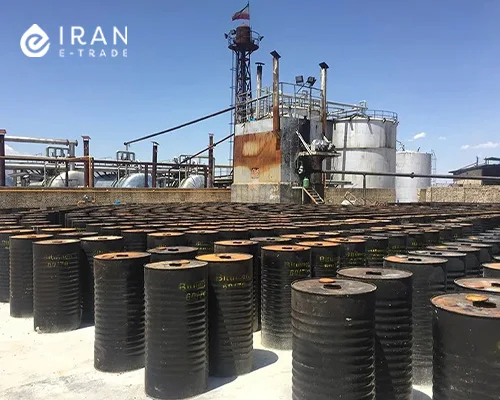
Frequently Asked Questions


source: publtd
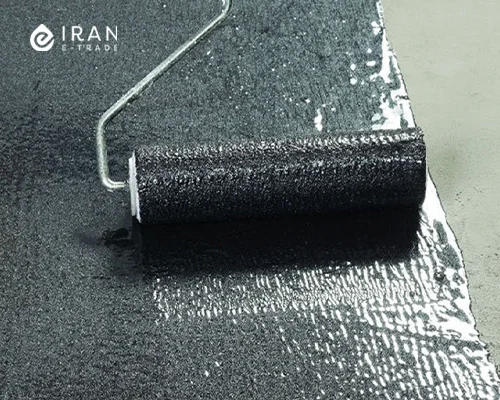
Bitumen Price

خصوصیات رئولوژیکی قیر: 4 خصوصیت مهم + ارتباط آن با ساختار قیر

خصوصیات رئولوژیکی قیر، شاخص‌های مهندسی کلیدی هستند که رفتار مکانیکی قیر را در برابر نیرو و تغییر دما اندازه‌گیری و پیش‌بینی می‌کنند. این مشخصات رئولوژیکی قیر، که شامل عواملی مانند سفتی، گرانروی و کشسانی است، تعیین می‌کنند که یک قیر در شرایط واقعی مثل روسازی جاده، در تابستان‌های گرم و زمستان‌های سرد و تحت بار ترافیکی، چگونه عمل خواهد کرد و چقدر دوام خواهد آورد.

اجزای ساختمان قیر

خصوصیات رئولوژیکی قیر، از سفتی تا انعطاف‌پذیری، مستقیماً توسط چهار جزء کلیدی آن تعیین می‌شود: آسفالتن‌ها، رزین‌ها، ترکیبات اشباع و آروماتیک‌ها.

قیر ماده‌ای پیچیده و کلیدی در صنعت راه‌سازی و عایق‌کاری است که عملکرد آن نه تنها به ترکیب شیمیایی، بلکه به رفتار مکانیکی آن تحت نیروهای مختلف وابسته است. درک دقیق خصوصیات رئولوژیکی قیر، که علم جریان و تغییر

شکل مواد تحت تنش است، مستلزم شناخت ساختار درونی و اجزای تشکیل‌دهنده آن است. در ادامه این مطلب از بلاگ ایران ای ترید به معرفی کامل آن می‌پردازیم:

اجزای ساختمان قیر

خصوصیات رئولوژیکی قیر که شامل شاخص‌هایی مانند ویسکوزیته، نقطه نرمی و شکل‌پذیری است، تعیین‌کننده اصلی عملکرد و دوام این ماده در کاربردهایی مانند روسازی راه‌ها است. این ویژگی‌ها مستقیماً از ساختار شیمیایی قیر، متشکل از چهار جزء آسفالتن، رزین، ترکیبات اشباع و آروماتیک‌های نفتی، سرچشمه می‌گیرند. به‌منظور بهبود مشخصات رئولوژیکی قیر در برابر چالش‌هایی مانند پیرشدگی، دمای شدید و بارهای ترافیکی، از فرآیند اصلاح قیر استفاده می‌شود. یکی از روش‌های مؤثر، اصلاح قیر با گیلسونایت است که با تقویت شبکه آسفالتنی، منجر به ارتقای چشمگیر مقاومت در برابر روان‌شدگی، بهبود رفتار کشسانی و کاهش حساسیت دمایی می‌گردد. درک این ارتباط عمیق بین ساختار، خواص و عملکرد، پایه علمی برای تولید قیرهای مهندسی‌شده و با طول عمر بالاتر را فراهم می‌کند.

قیر از نظر شیمیایی مخلوطی از هزاران هیدروکربن مختلف است که به‌طور معمول بر اساس قطبیت و قابلیت انحلال به چهار گروه اصلی طبقه‌بندی می‌شوند:

1. آسفالتن

سنگین‌ترین و قابل‌جذب‌ترین جزو قیر آسفالتن‌ها هستند. این مولکول‌های پیچیده با وزن مولکولی بالا، یک ساختار شبکه‌ای (میکروژل) را در قیر تشکیل می‌دهند. وجود و غلظت آسفالتن‌ها تعیین‌کننده اصلی سختی و نقطه نرمی قیر است.

افزایش مقدار آسفالتن باعث افزایش گرانروی و رفتار الاستیک (ارتجاعی) قیر می‌شود. به عبارت دیگر، مشخصات رئولوژیکی قیر مانند مقاومت در برابر تغییر شکل دائمی (روانی) در دمای بالا، مستقیماً تحت تأثیر مقدار و پراکندگی مناسب آسفالتن‌ها قرار دارد. عدم تعادل و تجمع بیش از حد این ذرات می‌تواند منجر به شکنندگی و کاهش مقاومت خستگی شود.

2. رزین

نقش تثبیت‌کننده و واسط  در قیر، بین آسفالتن‌های قطبی و بخش‌های غیرقطبی (روغن‌ها) برعهده‌ی رزین‌ها است. آنها با احاطه کردن ذرات آسفالتن، از تجمع و رسوب آن‌ها جلوگیری کرده و یک ساختار کلوئیدی پایدار ایجاد می‌کنند.

البته رزین‌ها خود چسبنده بوده و سهم عمده‌ای در چسبندگی ذاتی قیر دارند. از منظر خصوصیات رئولوژیکی قیر، این ترکیبات بر روی انعطاف‌پذیری و پاسخ قیر به تنش‌های اعمالی تأثیرگذار هستند.

وجود رزین به‌اندازه‌ی کافی باعث می‌شود که قیر در دماهای پایین‌تر خاصیت شکل‌پذیری بهتری داشته و کمتر مستعد ترک‌خوردگی باشد. بنابراین، رفتار رئولوژیکی قیر در محدوده دمایی سرویس، به شدت متأثر از کیفیت و کمیت رزین‌های موجود در ساختار آن است.

2. رزین

3. ترکیبات اشباع

پارافین‌ها یا ترکیبات اشباع، هیدروکربن‌های زنجیره‌ای خطی یا شاخه‌دار با قطبیت بسیار پایین هستند. این ترکیبات وظیفه روان‌سازی و نرم کردن زمینه قیر را بر عهده دارند و به عنوان یک فاز پراکنده‌کننده برای آسفالتن‌ها و رزین‌ها عمل می‌کنند.

حضور متعادل آن‌ها برای کارایی قیر ضروری است. با این حال، مقدار بیش از حد ترکیبات اشباع، به ویژه واکس‌های پارافینی بلورین، می‌تواند اثرات نامطلوبی داشته باشد. این واکس‌ها در دمای پایین متبلور شده و باعث افزایش حساسیت دمایی و شکنندگی قیر می‌شوند.

در نتیجه، تعادل این ترکیبات مستقیماً بر خصوصیات رئولوژیکی قیر در دماهای مختلف، از جمله دمای عمل‌آوری و دمای سرد، تأثیرگذار است و می‌تواند پایداری را کاهش دهد.

4. آروماتیک نفتی

هیدروکربن‌های حلقوی با قطبیت کم تا متوسط، آروماتیک‌های نفتی هستند که به عنوان محیط پخش‌کننده اصلی (فاز ممتد) برای سایر اجزا عمل می‌کنند.

این ترکیبات با گرانروی نسبتاً پایین، باعث نرمی و قابلیت جریان قیر در دمای بالا می‌شوند و در عین حال، با انحلال رزین‌ها و احاطه آسفالتن‌ها، به پایداری سیستم کلوئیدی کمک می‌کنند.

کیفیت و حجم آروماتیک‌ها بر روی عملکرد قیر در طول عمر سرویس تأثیرگذار است. آروماتیک‌های با ساختار مناسب از تبخیر و اکسیداسیون سریع قیر جلوگیری می‌کنند. بنابراین، رفتار رئولوژیکی قیر در برابر بارگذاری‌های تکراری و فرایند پیرشدگی، ارتباط تنگاتنگی با ماهیت و ماندگاری این بخش از ترکیبات دارد.

خصوصیات رئولوژیکی قیر و ارتباط آن با ساختار قیر

خصوصیات رئولوژیکی قیر و ارتباط آن با ساختار قیر

خصوصیات رئولوژیکی قیر، از ویسکوزیته تا نقطه نرمی، مستقیماً توسط ساختار شیمیایی آن (آسفالتن، رزین، ترکیبات اشباع و آروماتیک‌ها) تعیین و کنترل می‌شود.

عملکرد قیر در روسازی جاده‌ها یا به عنوان یک عایق، مستقیماً به واکنش آن در برابر نیروها و دماهای مختلف وابسته است. این واکنش‌ها که تحت عنوان خصوصیات رئولوژیکی قیر شناخته می‌شوند، در حقیقت ترجمه رفتار مهندسی این ماده پیچیده هستند.

در ادامه، مهم‌ترین شاخص‌های رئولوژیکی و ارتباط ذاتی آن‌ها با ساختار قیر توضیح داده می‌شود:

1. ویسکوزیته

مشخصات رئولوژیکی قیر از جمله ویسکوزیته، به‌شدت تحت تأثیر پراکندگی و غلظت آسفالتن‌ها و همچنین گرانروی زمینه رزین-آروماتیک است.

افزایش درصد آسفالتن‌ها که مولکول‌های سنگین و حجیمی هستند، ویسکوزیته را به طور چشمگیری افزایش می‌دهد. از سوی دیگر، آروماتیک‌های سبک‌تر با نقش روان‌سازی، موجب کاهش ویسکوزیته می‌شوند.

2. درجه نفوذ

قیرها با محتوای آسفالتن بالا و آروماتیک پایین، معمولاً درجه نفوذ پایینی دارند (سفت‌تر هستند). این شاخص به مهندسان کمک می‌کند تا قیر مناسب مناطق سردسیر، برای آب‌وهوای سرد (که نیاز به نفوذ بالا دارد) یا گرم (که نیاز به نفوذ پایین دارد) را انتخاب کنند.

3. شکل‌پذیری

خاصیت شکل‌پذیری یکی از حساس‌ترین خصوصیات رئولوژیکی قیر است که ارتباط تنگاتنگی با انعطاف‌پذیری و پیوستگی ساختار (شبکه) داخلی قیر دارد. مقادیر کافی و باکیفیت رزین‌ها که نقش چسب و تثبیت‌کننده ذرات آسفالتن را بر عهده دارند، برای شکل‌پذیری مطلوب حیاتی است.

اگر شبکه آسفالتن-رزین بسیار سفت و پیوسته یا برعکس، بسیار ضعیف باشد، قیر در برابر کشش شکننده عمل کرده و شکل‌پذیری پایینی خواهد داشت. این شاخص برای پیش‌بینی مقاومت آسفالت در برابر ایجاد ترک‌های انعکاسی و خستگی اهمیت دارد.

4. نقطه نرمی

دمایی که در آن قیر از حالت جامد نیمه‌سخت به حالت روان‌تر تغییر فاز می‌دهد را نقطه نرمی می‌گویند. نقطه نرمی شاخص مهمی برای ارزیابی حساسیت دمایی قیر و یک پارامتر کلیدی در مشخصات رئولوژیکی قیر است.

معمولا قیرها با ساختار آسفالتن قوی و پیوسته (مانند قیرهای اصلاح‌شده با موادی مانند گیلسونایت که سرشار از آسفالتن‌های با ساختار حلقوی فشرده است) نقطه نرمی بسیار بالاتری نسبت به قیرهای خالص دارند.

4. نقطه نرمی

نحوه و دلیل تغییر در خواص و خصوصیات رئولوژیکی قیر

خصوصیات رئولوژیکی قیر مانند: سختی، انعطاف‌پذیری و حساسیت دمایی، ثابت نیستند و تحت تأثیر عوامل داخلی و خارجی تغییر می‌کنند.

این تغییرات عمدتاً به دو دلیل رخ می‌دهد: اول، پیرشدگی قیر که یک فرآیند شیمیایی ناشی از اکسیداسیون و تبخیر اجزای سبک قیر در طول زمان است و منجر به سفت‌شدن و شکنندگی می‌شود.

دوم، تنش‌های مکانیکی و حرارتی در محیط عملیاتی، مانند بار ترافیکی سنگین و نوسان دمای شدید، که می‌تواند ساختار کلوئیدی قیر را تخریب کند. این تغییرات نامطلوب، عملکرد و دوام روسازی را کاهش می‌دهند.

اصلاح قیر و اهمیت آن

در واقع اصلاح قیر به معنای بهبود هدفمند خصوصیات رئولوژیکی قیر با افزودن مواد خاص (اصلاح‌کننده) است.

اهمیت این کار در پاسخ به ضعف‌های قیر معمولی در شرایط سخت نهفته است. هدف اصلی، ایجاد تعادل بهینه بین مقاومت در برابر روان‌شدگی در دمای بالا و انعطاف‌پذیری در دمای پایین است.

قیر اصلاح شده با گیلسونایت

اصلاح قیر با گیلسونایت، با تقویت شبکه آسفالتنی، خصوصیات رئولوژیکی قیر را به‌طور چشمگیری بهبود می‌بخشد و آن را برای شرایط سخت عملیاتی ایده‌آل می‌سازد.

گیلسونایت یک ماده طبیعی و جامد هیدروکربنی است که از نظر ساختاری، غنی از آسفالتن‌های با سیستم حلقوی فشرده و با وزن مولکولی بالا است. هنگامی که به قیر افزوده می‌شود، به عنوان یک تقویت‌کننده ساختاری عمل می‌کند.

قیر اصلاح شده با گیلسونایت

این ماده شبکه آسفالتنی موجود در قیر را متراکم‌تر و مستحکم‌تر می‌سازد و در نتیجه، پایه‌ای قوی برای بهبود خصوصیات رئولوژیکی قیر ایجاد می‌کند. کاربرد اصلی در تولید قیرهای درجه‌بندی عملکردی (PG) برای مناطق گرم و تحت بار ترافیکی سنگین است.

مشخصات رئولوژی قیر اصلاح شده با گیلسونایت

افزودن گیلسونایت تأثیر مستقیم و قابل اندازه‌گیری بر خصوصیات رئولوژیکی قیر بر جای می‌گذارد:

  • افزایش چشمگیر نقطه نرمی
  • بهبود شاخص برگشت‌پذیری الاستیک
  • کاهش حساسیت دمایی
  • ارتقای مقاومت در برابر پیرشدگی

سوالات متداول در خصوص خصوصیات رئولوژیکی قیر

در این بخش از وبلاگ ایران ای ترید به سوالات پرتکرار درباره خصوصیات رئولوژیکی قیر پاسخ می‌دهیم:

منظور از ویژگی‌های رئولوژیکی قیر چیست؟

به رفتار مکانیکی قیر (مانند سفتی، انعطاف و روانی) در برابر نیروها و دماهای مختلف اشاره دارند و تعیین می‌کنند که قیر در شرایط واقعی چگونه عمل خواهد کرد.

چطور می‌توان عملکرد قیر را بهبود بخشید؟

عملکرد قیر عمدتاً از طریق افزودن موادی مانند پلیمر یا گیلسونایت به منظور تقویت ساختار و ایجاد تعادل بهتر بین مقاومت در برابر گرما و انعطاف در سرما، بهبود می‌یابد.

اجزای تشکیل‌دهنده قیر شامل چیست؟

قیر از چهار جزء اصلی آسفالتن، رزین، ترکیبات اشباع و آروماتیک‌ها تشکیل شده است. در واقع تعادل دقیق بین این اجزاست که خصوصیات رئولوژیکی قیر نهایی، از جمله دوام و عملکرد دمایی آن را تعیین می‌کند.

سوالات متداول در خصوص خصوصیات رئولوژیکی قیر

منبع: researchgate

قیمت قیر

عایق رطوبتی چیست: انواع عایق ضدآب و کاربرد + مزایا و معایب

عایق رطوبتی چیست؟ ماده یا سیستمی است که کمک می‌کند از نفوذ آب، رطوبت و بخار به بخش‌های مختلف ساختمان جلوگیری شود. بنابراین، شما می‌توانید با انتخاب بهترین عایق رطوبتی، از آسیب دیدن سازه‌ها و کاهش عمرشان پیشگیری کنید.

عایق‌های رطوبتی خوب می‌توانند به افزایش دوام ساختمان و کاهش هزینه‌های تعمیر کمک کرده و برای اعمال در پشت‌بام، سرویس‌های بهداشتی، آشپزخانه، دیوارها و فضاهای در معرض رطوبت هم مفید باشند. اما آیا می‌دانید که انواع عایق رطوبتی چه هستند و این که روش‌های مختلف عایق‌بندی چیست؟ اگر می‌خواهید در این مورد بیشتر بدانید، با ما در ادامه این مقاله از وبلاگ ایران‌ای ترید مرجع تخصصی اعلام قیمت قیر و فرآورده‌های نفتی همراه باشید.

تعریف عایق رطوبتی: عایق رطوبتی چیست؟

با انتخاب عایق مناسب می‌توانید مستقیماً از سازه و پوشش‌های ساختمان محافظت می‌کنید و عمر مفید آن را به شکل قابل‌توجهی افزایش دهید.

عایق رطوبتی چیست؟ عایق رطوبتی به شما کمک می‌کند تا از نفوذ آب، رطوبت و بخار به سطوح و فضاهای داخلی ساختمان جلوگیری کنید و از ایمن ماندن بخش‌های مختلف آن مطمئن شوید.

عایق رطوبتی ماده یا سیستمی است که از نفوذ آب، رطوبت و بخار به بخش‌های مختلف ساختمان جلوگیری می‌کند و نقش مهمی در افزایش دوام و عمر مفید سازه دارد. نفوذ رطوبت می‌تواند باعث تخریب مصالح، ایجاد ترک، خوردگی میلگردها و کاهش مقاومت سازه شود. به همین دلیل استفاده از عایق رطوبتی در ساخت‌وساز ضروری است. همچنین، عایق‌های رطوبتی بر اساس روش اجرا و نوع مواد، به انواع سرد اجرا، گرم اجرا، بر پایه bitumen، ایزوگام، پلیمری، نانو و نفوذگر تقسیم می‌شوند. علاوه بر این، انتخاب عایق مناسب باید باتوجه به نوع سازه، شرایط اقلیمی، محل اجرا و رعایت اصول فنی انجام شود تا عملکرد مؤثر و ماندگار ساختمان تضمین شود.

تعریف عایق رطوبتی: عایق رطوبتی چیست؟

دسته‌بندی انواع عایق رطوبتی

عایق‌های رطوبتی بر اساس نوع اعمال و مواد تشکیل دهنده انواع مختلفی دارند که در ادامه آنها را معرفی خواهیم کرد.

انواع عایق رطوبتی بر اساس شیوه اجرا

انواع عایق رطوبتی چیست؟ بر اساس روش اعمال، عایق‌های رطوبتی به دو نوع کلی تقسیم می‌شوند:

  • عایق رطوبتی سرد اجرا: روش ساخت عایق رطوبتی سرد اجرا شامل ترکیب دو جزء مایع و پودری است و آن را بدون نیاز به حرارت، با قلم‌مو یا غلتک به‌راحتی روی سطوح اجرا می‌کنند.
  •  عایق رطوبتی گرم اجرا: عایق رطوبتی گرم اجرا نوعی عایق است که با گرم‌کردن و استفاده از شعله روی سطح چسبانده می‌شود و نمونه‌های رایج آن ایزوگام و قیرگونی هستند.

انواع عایق رطوبتی بر اساس مواد تشکیل‌دهنده

انواع عایق رطوبتی چیست؟ یک نوع دیگر عایق رطوبتی وجود دارد که بر اساس مواد تشکیل دهنده به دو نوع کلی تقسیم می‌شود:

  • عایق رطوبتی بر پایه قیر: عایق رطوبتی بر پایه قیر نوعی عایق قدیمی است که با ترکیب قیر حاصل از تقطیر نفت خام و پارچه‌ای به نام گونی ساخته می‌شود.
  • ایزوگام: ایزوگام نوعی عایق رطوبتی پیشرفته است که آن را به‌صورت رول‌های آماده از ترکیب قیر و الیاف مصنوعی تولید می‌کنند؛ این عایق با حرارت روی سطوح نصب شده و در برابر تغییرات دمایی مقاومت بالایی دارد.

انواع عایق رطوبتی نانو

نوع‌های مختلف عایق رطوبتی چیست؟ یک نوع عایق رطوبتی دیگر هم وجود دارد که از نوع نانو است. انواع عایق رطوبتی نانو عایق های رطوبتی پلیمری هستند که با بهره‌گیری از نانوذرات، سطح را به‌صورت یکپارچه ضدآب می‌کنند و به شکل مایع شفاف یا رنگی اعمال می‌شوند.

این عایق به دلیل حفظ ظاهر سطح، برای استفاده در فضاهایی مانند بالکن، سرویس‌های بهداشتی و نمای ساختمان بسیار مناسب است. طرز استفاده قیر نانو نیز شامل آماده‌سازی سطح زیرکار، اختلاط دقیق با نانوذرات و اعمال یکنواخت بر روی سازه است.

نوع عایق رطوبتی روش اجرا مزایا
عایق سرد اجرا ترکیب دو جزء مایع و پودری و اعمال با قلم‌مو یا غلتک بدون نیاز به حرارت -آسان در اجرا، مناسب برای فضاهای داخلی، انعطاف‌پذیر
عایق گرم اجرا گرم‌کردن و استفاده از شعله برای چسباندن روی سطح مقاوم در برابر تغییرات دما، مناسب سقف و پشت‌بام، دوام بالا
عایق بر پایه قیر ترکیب قیر و گونی و قرار دادن روی سطح -روش سنتی و مطمئن، جلوگیری از نفوذ رطوبت، هزینه پایین
ایزوگام رول‌های آماده از قیر و الیاف مصنوعی که با حرارت نصب می‌شوند نصب سریع، مقاومت در برابر انبساط و انقباض، دوام طولانی
عایق نانو (پلیمری) مایع شفاف یا رنگی، اجرا به‌صورت یکپارچه روی سطح ضدآب کامل، حفظ ظاهر سطح، مناسب بالکن، سرویس و نما، انعطاف‌پذیر و مدرن

انواع عایق رطوبتی نانو

عایق رطوبتی بر پایه قیر

انواع عایق رطوبتی چیست؟ یک نوع عایق رطوبتی هم وجود دارد که پایه اصلی آن قیر است و خود به زیردسته‌های متفاوت تقسیم می‌شود:

قیرگونی

انواع بهترین عایق رطوبتی چیست؟ قیرگونی یکی از روش‌های قدیمی عایق‌کاری رطوبتی است. روش ساخت عایق رطوبتی هم شامل ترکیب قیر و گونی می‌شود که برای جلوگیری از نفوذ رطوبت آن را اعمال می‌کنند.

ایزوگام

نوعی عایق رطوبتی پیشرفته که آن را به‌صورت رول‌های آماده از قیر و الیاف مصنوعی تولید و با حرارت روی سطوحی مانند سقف و پشت‌بام نصب می‌کنند و دوام و انعطاف‌پذیری بالایی دارد.

عایق رطوبتی سیمانی

انواع عایق رطوبتی چیست؟ عایق رطوبتی سیمانی نوعی عایق پلیمری است که با افزودن مواد پلیمری و گاهی نانوذرات، چسبندگی و انعطاف‌پذیری خوبی پیدا می‌کند.

این عایق یکی از انواع عایق رطوبتی دیوار داخلی برای دیوارها و مکان‌های مرطوب مناسب است و مقاومت بالایی در برابر فرسایش دارد.

عایق‌های پلیمری-سیمانی

انواع عایق رطوبتی چیست؟ عایق های رطوبتی پلیمری سیمانی، یکی از انواع عایق رطوبتی دیواری داخلی هستند که سیمان را با مواد پلیمری ترکیب می‌کنند تا پس از اجرا لایه‌ای چسبنده، منعطف و غیرقابل نفوذ در برابر آب روی سطوح ایجاد کنند.

بنابراین، این پوشش برای جلوگیری از نفوذ رطوبت در بخش‌هایی مانند کف، دیوار و سازه‌های بتنی کاربرد دارد.

عایق‌های نفوذگر

این عایق‌ها برای آب‌بندی فونداسیون، تونل‌ها و سازه‌های زیرزمینی که تحت فشار هیدرواستاتیکی هستند، ایده‌آل هستند.

انواع عایق رطوبتی چیست؟ عایق‌های نفوذگر موادی هوشمند هستند که پس از اجرا روی بتن، به داخل منافذ و ترک‌های مویینه نفوذ کرده و با رطوبت واکنش می‌دهند. به این صورت، آنها می‌توانند کریستال‌های سوزنی تشکیل شده مسیرهای نفوذ آب را مسدود کنند.

اهمیت عایق کاری ساختمان‌ها چیست؟

عایق‌کاری ساختمان‌ها اهمیت زیادی دارد، چون علاوه بر جلوگیری از آسیب ظاهری، پایداری و عملکرد بلندمدت سازه را تضمین می‌کند و از تخریب المان‌های سازه‌ای جلوگیری می‌نماید. بنابراین، در ادامه بیشتر در مورد جوانب این اهمیت توضیح

خواهیم داد.

اهمیت عایق کاری ساختمان‌ها چیست؟

پاتولوژی سازه: پیامدهای نفوذ رطوبت

رطوبت مصالح و نازک‌کاری را تخریب می‌کند، باعث رشد کپک و قارچ می‌شود و مقاومت حرارتی ساختمان را کاهش می‌دهد.

اهمیت عایق رطوبتی چیست؟ نفوذ رطوبت به ساختمان باعث پیامدهای جدی مهندسی می‌شود که اهمیت عایق‌کاری را دوچندان می‌کند. برای مثال، آب و اکسیژن می‌توانند میلگردهای بتن را زنگ‌زده کنند.

همچنین، آنها با افزایش حجم فولاد، ترک‌خوردگی، جدا شدن پوشش بتنی و کاهش ظرفیت باربری المان‌ها را به‌وجود می‌آورند. بنابراین، همه این عوامل نیاز به عایق‌کاری مناسب را ضروری می‌سازد.

مقررات ملی ساختمان

اهمیت عایق رطوبتی چیست؟ یکی از جوانب اهمیت عایق رطوبتی مقررات ملی ساختمان است. مقررات ملی ساختمان، مشخصات فنی و استانداردهای لازم برای انواع عایق‌های رطوبتی و حفاظت از سطوح خارجی، بام‌ها، کف‌ها و دیوارهای در تماس با خاک را تعیین می‌کند.

بنابراین، رعایت نکردن این ضوابط نه تنها از نظر فنی نادرست است، بلکه می‌تواند مسئولیت‌های حقوقی سنگینی برای مهندسان و مجریان ساختمان ایجاد کند.

عایق کاری در مناطق شهری و روستایی

شیوه اعمال عایق رطوبتی چیست؟ اعمال کردن عایق رطوبتی در مناطق روستایی با مناطق شهری فرق می‌کند که در ادامه بیشتر در مورد آن توضیح خواهیم داد.

عایق‌کاری در مناطق روستایی

در مناطق روستایی روش اعمال عایق رطوبتی چیست؟ این عایق‌کاری معمولاً با استفاده از مصالح طبیعی و محلی در مناطق روستایی انجام می‌شود تا سازه را در برابر سایش و مشکلات طبیعی منطقه محافظت کند.

بنابراین، این روش به‌صورت محدود و در سطح پایه ساختمان قابل اجرا است تا اثرات احتمالی رطوبت و آسیب‌های محیطی کاهش یابد.

عایق‌کاری در مناطق شهری

در مناطق شهری روش اعمال عایق رطوبتی چیست؟ عایق‌کاری در مناطق شهری باید با توجه به شرایط پیچیده محیطی مانند تغییرات شدید دما، آلودگی و فشارهای ناشی از ساخت و ساز انجام شود.

بنابراین، در این مناطق استفاده از مواد و روش‌های پیشرفته باعث می‌شود تا کنترل و بهبود عایق‌کاری آسان‌تر و مقاومت سازه در برابر رطوبت و ترک‌خوردگی افزایش یابد.

دلایل استفاده از عایق ضدآب برای ساختمان‌ها و سازه‌ها

مهمترین دلیل استفاده از عایق رطوبتی چیست؟ با استفاده از عایق ضد آب، شما می‌توانید جلوی نفوذ رطوبت به بخش‌های مختلف ساختمان خود را بگیرید و از تخریب سازه و پوشش‌ها جلوگیری کنید.

بنابراین، این کار نه‌تنها دوام ساختمان را بالا می‌برد، بلکه آسایش شما و ساکنان را هم تضمین و ساختار و محتویات ساختمان را محافظت می‌کند.

دلایل استفاده از عایق ضدآب برای ساختمان‌ها و سازه‌ها

مزایای استفاده از عایق رطوبتی چیست؟

مزیت استفاده از عایق رطوبتی چیست؟ شما با انواع عایق رطوبتی می‌توانید فواید زیادی به سازه‌ها و ساختمان‌های خود برسانید که چند تای آنها عبارتند از:

  • محافظت ساختمان در برابر نفوذ آب، باران و رطوبت
  • کاهش آسیب به سازه و پوشش‌ها، از پایه تا گچ
  • افزایش دوام و طول عمر ساختمان
  • مقاومت در برابر عوامل طبیعی مانند باد شدید و زمین‌لرزه‌های کوچک
  • جلوگیری از فروپاشی و خرابی سازه در طول زمان

مزایای استفاده از عایق رطوبتی برای سازه‌ها و ساختمان‌ها:
  • جلوگیری از نفوذ آب، رطوبت و بخار به بخش‌های مختلف ساختمان
  • افزایش دوام و طول عمر سازه و مصالح ساختمانی
  • کاهش آسیب‌های سازه‌ای مانند ترک‌خوردگی و خوردگی میلگردها
  • کاهش هزینه‌های تعمیر و نگهداری در بلندمدت
  • حفظ ایمنی، کارایی و کیفیت عملکرد ساختمان در طول زمان

روش‌های عایق‌بندی

انواع روش اعمال عایق‌ رطوبتی چیست؟ بسته به محیط و سطحی که می‌خواهید عایق روی آن اعمال شود، روش‌های عایق‌بندی متفاوت است که عبارتند از:

عایق‌کاری پشت‌بام

در پشت بام طرز روش اعمال عایق رطوبتی چیست؟ برای عایق‌کاری پشت‌بام، شما باید سقف را طوری پوشش دهید که در برابر باران، برف و یخ‌زدگی محافظت و آب به‌طور صحیح تخلیه شود.

بنابراین، انتخاب نوع عایق با توجه به موقعیت جغرافیایی و شرایط آب و هوایی خانه اهمیت دارد. به این ترتیب، پشت‌بام نه تنها از ساختمان محافظت می‌کند، بلکه ظاهر و یکپارچگی خانه را هم حفظ می‌کند.

عایق دیوار

برای عایق‌کاری دیوار، شما باید از مواد ضد آب مناسب استفاده کنید که با شرایط منطقه و میزان تماس دیوار با رطوبت متناسب باشند. برای مثال، دیوارها معمولاً نیاز به مانع بخار یا هوایی دارند تا از نفوذ رطوبت به داخل جلوگیری کنند.

همچنین، استفاده از مصالحی مانند غشاهای مایع یا پوشش‌های مقاوم در پایه و زیرزمین هم مهم هستند. در نتیجه، با این روش، دیوارهای ساختمان در برابر مشکلات رطوبتی محافظت شده و دوام سازه افزایش می‌یابد.

عایق‌کاری بالکن و تراس

در بالکن و تراس روش اعمال عایق رطوبتی چیست؟ برای عایق‌کاری بالکن و تراس، باید از غشاهای ضد آب مناسب استفاده کنید و شیب‌بندی درست برای زهکشی آنها را در نظر بگیرید.

به این صورت، فشار ناشی از انبساط و انقباض مصالح در طول تغییرات دما سیستم عایق را خراب نمی‌کند. همچنین، انتخاب مصالح باکیفیت و اجرای درست آنها، دوام عایق را افزایش می‌دهد و از نفوذ رطوبت به داخل ساختمان جلوگیری می‌کند.

عایق دیوار

روش‌های مختلف اعمال عایق رطوبتی چیست؟

برای اعمال عایق روی سطح‌های مختلف هم روش‌های مختلفی وجود دارد. اما دقیقاً روش‌های اعمال عایق رطوبتی چیست؟ بسته به مواد استفاده شده این روش‌ها متفاوت و عبارتند از:

عایق سیمان

شیوه اعمال عایق رطوبتی چیست؟ روش اعمال عایق سیمانی بسیار ساده است: شما مخلوط سیمان و مواد افزودنی ضد آب را آماده می‌کنید و آن را با قلم‌مو یا ماله روی سطوح مرطوب مثل حمام، توالت یا سازه‌های بتنی می‌مالید.

این عایق می‌تواند کامل یا نیمه‌انعطاف‌پذیر باشد و برای محافظت از پل‌ها، تونل‌ها، پارکینگ‌ها و اسکله‌ها در برابر نفوذ آب بسیار مناسب است.

استفاده از عایق رطوبتی مایع

این روش به دلیل انعطاف‌پذیری بالا و سهولت اجرا، امروزه در بسیاری از پروژه‌ها محبوب شده است.

روش اعمال عایق رطوبتی چیست؟ برای استفاده از عایق رطوبتی مایع، ابتدا یک لایه آستر روی سطح مورد نظر بزنید. سپس، دو لایه پوشش رویی را با اسپری، غلتک یا ماله اعمال می‌کنید تا یک غشای نازک و انعطاف‌پذیر ایجاد شود.

انتخاب نوع پلیمر در ساخت عایق مایع تعیین‌کننده دوام و کارایی آن است و شما می‌توانید از انواع اکریلیک، هیبرید یا پلی‌اورتان استفاده کنید.

عایق‌کاری با پوشش قیر

با پوشش قیر روش اعمال عایق رطوبتی چیست؟ برای عایق‌کاری با پوشش قیر، شما قیر را به‌صورت پوشش انعطاف‌پذیر روی سطوحی مثل پایه‌های بتنی و زیر کف می‌مالید تا از نفوذ آب و رطوبت جلوگیری شود. همچنین، شما می‌توانید با افزودن پلیمر یا فیبر این پوشش را تقویت کنید تا انعطاف‌پذیری و مقاومت آن بیشتر شود.

اما بدون اصلاح با مواد مقاوم در برابر UV، قرار گرفتن طولانی پوشش قیری در نور خورشید باعث شکنندگی آن می‌شود. به این ترتیب، پوشش قیری یک گزینه مؤثر و متداول برای محافظت از سازه‌های داخلی و زیرسطحی است.

عایق رطوبتی غشای قیر

روش اعمال عایق رطوبتی چیست؟ برای اعمال عایق رطوبتی غشای قیر، شما غشای خودچسب قیری را روی سقف‌های کم‌شیب قرار می‌دهید تا یک پوشش مقاوم و ضد آب ایجاد شود.

این غشا شامل آسفالت، پلیمر و پرکننده است و ممکن است رزین یا روغن‌های خاصی برای بهبود چسبندگی را به آن اضافه کنند. به خاطر داشته باشید که با گذشت زمان، چسبندگی غشا ممکن است کاهش یابد. بنابراین، اجرای صحیح و نگهداری به موقع آن اهمیت زیادی دارد.

روش ضد آب بودن غشای مایع پلی اورتان

انواع روش اعمال عایق رطوبتی چیست؟ پلی‌یورتان نسبت به رطوبت بسیار حساس است. بنابراین، قبل از اجرای آن باید میزان رطوبت بتن را دقیق بررسی کنید تا غشا به درستی پیوند یابد و دوام طولانی‌مدت داشته باشد.

همچنین، برای ضد آب کردن سقف با غشای مایع پلی‌یورتان، شما سطح سقف مسطح را با این غشا بپوشانید تا پوششی انعطاف‌پذیر و مقاوم در برابر آب ایجاد شود. این روش نسبت به سایر روش‌ها گران‌تر است، اما انعطاف‌پذیری و محافظت بالاتری ارائه می‌دهد.

عایق رطوبتی غشای قیر

جدول مقایسه فنی عایق سنتی و مدرن

معمولاٌ انتخاب روش آب‌بندی ساختمان را باید بر اساس تحلیل فنی و اقتصادی و با توجه به بودجه، طول عمر، شرایط اقلیمی و کاربری فضا انجام دهید، زیرا هیچ روش مطلقاً برتری وجود ندارد.

بنابراین، ما در جدول زیر بنابر چند شاخص، خصوصیت و ویژگی عایق‌های سنتی و مدرن را با هم مقایسه کردیم تا بتوانید تصمیم بگیرید که کدام یک برایتان بهتر هستند.

شاخص عایق پایه قیری (ایزوگام) عایق پلیمری (مایع) عایق نفوذگر (کریستال‌شونده)
طول عمر مفید متوسط (۱۰ تا ۱۵ سال) بالا (۱۵ تا ۲۵ سال) بسیار بالا (دائمی، به اندازه عمر بتن)
میزان مقاومت در برابر UV متوسط (نیازمند روکش فویل) عالی (به‌ویژه رنگ‌های روشن) در بتن مدفون است
انعطاف‌پذیری و پوشش ترک خوب عالی ضعیف (برای ترک‌های فعال مناسب نیست)
یکپارچگی و عدم وجود درز ضعیف (دارای نقاط همپوشانی) عالی (ایجاد لایه یکپارچه) عالی (بخشی از ساختار بتن می‌شود)
سهولت اجرا در جزئیات متوسط (در کنج‌ها و لوله‌ها دشوار است) عالی (اجرای آسان با قلم‌مو یا غلتک) خوب (بستگی به سطح دسترسی دارد)
سرعت اجرا بالا متوسط متوسط
هزینه اولیه اجرا پایین متوسط تا بالا بالا
بهترین کاربرد بام‌های مسطح، سطوح وسیع بام، روف‌گاردن، نما، ترمیم فونداسیون، دیوار حائل، مخازن بتنی

نکات کلیدی در اجرای عایق رطوبتی چیست

مهمترین نکات اعمال عایق رطوبتی چیست؟ حتی اگر شما بهترین متریال عایق را داشته باشید، اگر آن را درست اجرا نکنید، کارایی لازم را نخواهد داشت.

بنابراین، دوام و عملکرد سیستم آب‌بندی به همان اندازه که به کیفیت محصول بستگی دارد، به دقت در آماده‌سازی سطح و رعایت جزئیات اجرایی هم وابسته است. برای همین، برای اعمال درست عایق‌های رطوبتی بهتر است این نکات را در نظر بگیرید.

آماده‌سازی سطح

مهمترین نکات اعمال عایق رطوبتی چیست؟ قبل از اجرای عایق رطوبتی، سطح زیرکار باید کاملاً آماده باشد تا عایق به خوبی بچسبد و عملکرد مناسبی داشته باشد.

برای همین، باید ابتدا سطح را از گرد و غبار، چربی، رنگ یا هر قطعه سست پاک کنید و سپس ترک‌ها و ناهمواری‌ها را با ملات مناسب ترمیم و سطح را صاف کنید.

آماده‌سازی سطح

همچنین، شیب‌بندی استانداردی در سطح ایجاد کنید و کنج‌ها و گوشه‌های داخلی را با ماهیچه پر کنید تا از تجمع آب و تمرکز تنش جلوگیری شود.

الزامات اجرایی و کنترل کیفیت

مهمترین نکات عایق رطوبتی چیست؟ برای اجرای عایق رطوبتی، باید به دقت دستورالعمل‌های فنی سازنده و استانداردهای ملی را رعایت کنید تا سیستم یکپارچه و مؤثر باشد.

در عایق‌های ورقه‌ای مانند ایزوگام، لبه‌ها را حداقل ۱۰ سانتی‌متر همپوشانی دهید و در نقاط حساس مثل دور لوله‌ها و کفشورها از تقویت‌های اضافی استفاده کنید.

همچنین، از اعمال عایق در شرایط نامناسب جوی خودداری کنید. پس از پایان کار هم با انجام تست آبگیری به مدت ۲۴ ساعت و بررسی دقیق، از عدم نشتی و کیفیت صحیح عایق اطمینان حاصل کنید.

راهنمای خرید عایق مناسب

برای خرید عایق مناسب، ابتدا مطمئن شوید محصول مطابق دستورالعمل فنی سازنده و استانداردهای ملی است تا بتواند به طور یکپارچه و مؤثر عمل کند. همچنین، در عایق‌های ورقه‌ای مانند ایزوگام، به کیفیت لبه‌ها و امکان همپوشانی مناسب دقت کنید و برای نقاط حساس مانند دور لوله‌ها یا کفشورها، گزینه‌هایی با تقویت اضافی انتخاب کنید.

علاوه بر این، پیش از خرید، بررسی کنید که عایق بتواند در شرایط جوی متنوع عملکرد خوبی داشته باشد و پس از اجرا با تست آبگیری مطمئن شوید که هیچ نشتی ندارد.

راهنمای خرید عایق مناسب

سوالات متداول در خصوص “عایق رطوبتی چیست”

در رابطه با اینکه عایق رطوبتی چیست، شاید شما این سوالات را داشته باشید:

عایق رطوبتی چیست و چطور عمل می‌کند؟

عایق رطوبتی ماده یا پوششی است که روی سطوح مختلف ساختمان با تشکیل یک لایه محافظ نفوذ آب و رطوبت را به صفر برساند و از آسیب‌های ناشی از رطوبت مانند خرابی مصالح و کاهش دوام سازه جلوگیری کند.

چرا استفاده از عایق رطوبتی در ساخت و ساز ضروری است؟

اهمیت استفاده از عایق رطوبتی چیست؟ استفاده از عایق رطوبتی در ساخت‌وساز ضروری است، زیرا نفوذ آب و رطوبت می‌تواند به مصالح و سازه آسیب برساند، باعث ترک‌خوردگی و کاهش دوام ساختمان شود.

انواع مختلف عایق‌های رطوبتی شامل چیست؟

عایق‌های رطوبتی شامل عایق‌های سرد اجرا، گرم اجرا، بر پایه قیر، ایزوگام و نانو (پلیمری) هستند که هر کدام بسته به نوع مصالح، شرایط اجرا و محل استفاده، عملکرد متفاوتی در جلوگیری از نفوذ آب و رطوبت دارند.

چطور بهترین عایق رطوبتی را برای پروژه خود انتخاب کنیم؟

معیار انتخاب بهترین عایق رطوبتی چیست؟ برای انتخاب بهترین عایق رطوبتی، باید نوع سازه، شرایط آب و هوایی، میزان تماس با رطوبت و بودجه پروژه را در نظر بگیرید و محصولی را انتخاب کنید که با استانداردهای فنی و اجرای صحیح، بیشترین دوام و حفاظت را برای سطح فراهم کند.

آیا عایق رطوبتی در برابر آسیب‌های رطوبت موثر است؟

سطح مقاومت عایق رطوبتی چیست و آیا این عایق در برابر آسیب‌های رطوبت واقعاً موثر است؟ بله، عایق رطوبتی با ایجاد یک لایه محافظ و نفوذناپذیر، از مصالح و سازه در برابر نفوذ آب، ترک‌خوردگی و تخریب ناشی از رطوبت محافظت می‌کند و عمر

مفید ساختمان را افزایش می‌دهد.

سوالات متداول در خصوص "عایق رطوبتی چیست"

منبع: baumerk

قیمت قیر صادراتی

How to Use Nano Bitumen: Properties & Applications + Method of Use

How to use nano bitumen? In brief, using nano bitumen involves preparing the substrate surface, carefully mixing the bitumen with nanoparticles, and applying it evenly to the structure so its mechanical and chemical properties are fully activated. Understanding this process requires a clear grasp of the nature of nano bitumen. This material offers several key advantages, including high durability, improved water repellency, and thermal stability. Additionally, nano bitumen finds broad applications in road pavements, roof waterproofing, anti-corrosion coatings, and pipeline insulation.

Before using nano bitumen, it’s essential to understand what it is and its potential applications. The answer lies in civil and industrial technologies. By incorporating nanoparticles into the base bitumen, the material increases resistance to cracking, water penetration, and temperature fluctuations, significantly extending the service life of structures. In the following article from the Iran ETrade blog, a specialized source for bitumen prices, we introduce and review the methods of use and practical applications of nano bitumen.

What Is Nano Bitumen?

Nano bitumen is an advanced generation of bituminous materials that significantly enhances the durability, adhesion, and thermal resistance of structures. However, these benefits are fully realized only when users know how to use nano bitumen.

In today’s world, where the performance and longevity of construction materials are critical, nano bitumen stands out as a highly advanced form of modified bitumen. To fully understand how to use nano bitumen, engineers need to examine its molecular-level changes, enabling them to maximize its advantages in civil and industrial projects.

By leveraging nanotechnology, this type of bitumen incorporates ultra-fine particles into its structure, which improves adhesion, boosts water resistance, and enhances thermal stability.

What is nano bitumen and what are its applications? This modern material is produced by adding nanoparticles to conventional bitumen. Compared with standard bitumen, it offers greater resistance to cracking, water penetration, and temperature fluctuations. A comparison between nano bitumen and conventional bitumen shows that although the initial cost of polymer nano bitumen is higher, strictly following scientific principles in how to use nano bitumen improves the longevity of structures and reduces maintenance costs. Among its key advantages are high durability, enhanced water repellency, and thermal stability—benefits that engineers can achieve only through correct and precise application. The production process involves blending base bitumen with nanoparticles such as nanosilica or nanoclay, achieving uniform dispersion through high-shear mixing or ultrasonic treatment.

Structure and Composition of Nano Bitumen

To answer the question what is nano bitumen, we must consider its multiphase architecture: the asphaltene and resin phases, together with nanofillers (such as nanosilica, nanoclay, metal oxide nanoparticles, or graphene/nanocarbon), create a network with interfacial bonds that limit molecular slippage and stabilize temperature-dependent stiffness.

The selection of nanoparticle type and dosage, particle size, dispersion, and surface compatibilization directly affects the viscosity, storage modulus, tensile strength, and creep behavior of nano bitumen.

To achieve uniform dispersion, engineers use high-shear mixing, ultrasonic treatment, and polymer–nano compatibilizing agents to prevent particle agglomeration and maintain reinforcing efficiency.

What Is Nano Bitumen?

What Are the Applications of Nano Bitumen?

Engineers use nano bitumen extensively in civil and construction projects. Moreover, strict adherence to how to use nano bitumen plays a critical role in achieving the final durability and quality of the material.

The applications of nano bitumen cover a wide range, from large-scale civil engineering projects to residential construction. It is commonly used in roof waterproofing, tunnels, bridges, moisture-exposed structures, and even parking floor systems.

The key point is that in all these cases, choosing the right application method and understanding how to use nano bitumen directly influences the durability and overall performance of the waterproofing system.

How to Use Nano Bitumen

Successful application of nano bitumen begins with thorough surface preparation and careful control of several key factors throughout the process:

  • Substrate Preparation: Ensure the surface is dry, clean, and free from dust, oil, and active moisture.
  • Mixing Conditions: Maintain the base bitumen and nano additive temperatures within the recommended range, and use mechanical shear or ultrasonic energy to achieve complete dispersion.
  • Additive Dosage: Determine the weight ratio of nanomaterials based on rheological tests and project requirements, avoiding excessive amounts that could increase brittleness or create impractical viscosity.
  • Application Method: Depending on the project, apply the material using hot spraying, roller, trowel, or spraying with an appropriate nozzle.
  • Curing and Monitoring: Control gelation/hardening time, service temperature, and initial loading, and validate performance through adhesion, permeability, and dynamic modulus tests.

What Are the Applications of Nano Bitumen?

Important Points in How to Use Nano Bitumen

Following proper application principles—such as temperature control, uniform dispersion, safety, material compatibility, and documentation—is essential for ensuring durability and stable performance.

To achieve repeatable results and long-term performance, make sure to observe these key execution points in how to use nano bitumen:

  • Temperature Control: Avoid overheating, as it can cause chemical degradation or push viscosity beyond acceptable limits.
  • Uniform Dispersion: Adjust mixing speed, duration, and energy input to ensure consistent particle distribution throughout the material.
  • Safety and Environment: Handle nanoparticles in controlled environments using protective equipment, including masks, gloves, and proper ventilation.
  • Material Compatibility: Test adhesion and compatibility on the actual substrate (concrete, metal, or old asphalt) to prevent delamination or cracking.
  • Documentation and Quality: Record process parameters, test results, and environmental conditions so that any deviations can be promptly corrected during inspections.

Important Points in How to Use Nano Bitumen

Comparison of Nano Bitumen with Conventional Bitumen

Scientific studies show that nano bitumen, due to the presence of nanoparticles in its structure, offers significantly better mechanical and chemical properties than normal bitumen.

These modifications increase asphalt’s resistance to cracking, water penetration, and temperature fluctuations. While normal bitumen may perform worse under harsh climatic conditions or heavy loading, if the engineers know how to use nano bitumen with precise design, they can extend the service life of the structures.

From an economic perspective, the bitumen price of polymer nano bitumen also matters. Although its initial cost is higher, the long-term reduction in maintenance and repair expenses makes it a cost-effective option.

Properties Nano Bitumen Normal Bitumen
Mechanical strength High Medium
Durability Long Limited
Water resistance High Normal
UV resistance High Low
Low-temperature flexibility High Low

Advantages of Nano Bitumen

The advantages of nano bitumen include high durability, water repellency, and thermal stability—benefits that are fully realized only by following the principles of how to use nano bitumen.

One of its most important features is enhanced durability and stability under environmental conditions. Nano bitumen provides high resistance to rutting, reduced thermal cracking, reinforced water repellency, and stability against ultraviolet (UV) radiation.

These properties have significantly boosted the use of nano bitumen in civil and industrial projects, thanks to its ability to improve both the quality and lifespan of structures.

However, achieving these benefits is possible only when the scientific and practical principles of how to use nano bitumen are strictly followed, as uniform nanoparticle dispersion and precise temperature control during application play a critical role in its final performance.

Advantages of Nano Bitumen

What Is the Production Method of Nano Bitumen?

Producing nano bitumen involves blending base bitumen with nanoparticles such as nanosilica, nanoclay, or nanocarbon, using high-shear mixing, ultrasonic treatment, or compatibilizing agents.

These techniques ensure uniform particle dispersion within the bitumen matrix, creating a network that resists mechanical and thermal stresses.

Precise control of production conditions—such as temperature, mixing time, and additive proportion—is crucial for achieving the desired properties.

Ultimately, the quality of the final product depends on meticulous attention to detail and strict adherence to the scientific principles of how to use nano bitumen.

What Is the Production Method of Nano Bitumen?

Disadvantages and Challenges of Nano Bitumen

The disadvantages and challenges of nano bitumen include high cost and sensitivity during application, which can be managed by following the principles of how to use nano bitumen and having a clear understanding of its applications.

Although nano bitumen offers numerous benefits, it also comes with certain challenges. High bitumen production process costs and the sensitivity of the mixing process are among its main limitations.

If engineers do not adhere to proper application practices, problems such as particle agglomeration, increased brittleness, or reduced adhesion may arise.

From an application standpoint, some projects may not easily benefit from this technology due to economic or technical constraints. Therefore, a thorough understanding of nano bitumen applications and careful management of execution risks are essential for successful use of this advanced material.

The main challenges of nano bitumen include its high production cost, the sensitivity of the mixing process, and the need for strict adherence to application principles. Ignoring how to use nano bitumen can result in issues such as particle agglomeration, reduced adhesion, or increased brittleness. Moreover, economic and technical constraints can limit its widespread adoption. Therefore, a thorough understanding of nano bitumen applications and careful management of execution risks are essential for the successful use of this advanced technology.

Disadvantages and Challenges of Nano Bitumen

Frequently Asked Questions

In this section of the Iran ETrade blog, we address the most common questions about how to use nano bitumen:

What Is Meant by Nano Bitumen?

Nano bitumen is a type of modified bitumen that contains nanoparticles, offering greater strength, durability, and water repellency compared to conventional bitumen.

What Is the Difference Between Nano Bitumen and Conventional Bitumen?

Conventional bitumen is more susceptible to temperature and moisture changes. However, by knowing how to use nano bitumen, you can achieve significantly higher durability and performance compared to conventional bitumen.

Why Is Nano Bitumen Suitable for Civil Engineering Projects?

Nano bitumen is ideal because it provides higher thermal and mechanical resistance, extends the service life of structures, and lowers maintenance costs.

How Is Nano Bitumen Applied?

The substrate surface must be completely clean and dry, after which nano bitumen should be applied evenly using spraying or a roller.

What Is Spraying Nano Bitumen?

Spraying nano bitumen is a method for applying the material evenly over large surfaces, which improves application speed and coating quality.

What Are the Advantages of Nano Bitumen?

The key advantages of nano bitumen include resistance to cracking, high water repellency, thermal stability, and an extended service life for structures.

In Which Projects Is Nano Bitumen Used?

Nano bitumen is applied in road pavements, roof waterproofing, anti-corrosion coatings, and pipeline insulation. However, successful use depends on selecting projects based on environmental conditions and knowing how to use nano bitumen.

Frequently Asked Questions

source: bitumenmag

Bitumen Price

Petroleum Products and Petroleum Derivatives: Introduction + Uses

Petroleum products and petroleum derivatives are materials obtained by refining crude oil and natural gas. This group includes fuels such as gasoline, diesel, kerosene, and liquefied petroleum gas, as well as materials like bitumen, paraffin, lubricants, solvents, and petrochemical compounds.

People use petroleum products and derivatives in many areas. They power transportation, generate electricity, and help produce plastics, medicines, chemical fertilizers, industrial materials, and household goods. Therefore, this wide usage makes them vital for both the economy and daily life.

In the following article from Iran ETrade blog, an expert source on petroleum products and derivatives prices, we provide a more detailed introduction to these materials.

What Are Petroleum Products And Petroleum Derivatives?

Petroleum products and petroleum derivatives are refined materials obtained from crude oil through distillation and chemical processes. They play a key role in transportation, industry, energy supply, and chemical sectors.

In the energy field, petroleum products and derivatives are more than a simple category. They include materials produced from crude oil refining or natural gas processing. Each material has its own molecular structure, boiling point, density, and combustion properties.

Refineries produce these materials through fractional distillation and advanced processes such as cracking, reforming, and isomerization. As a result, they create hundreds of usable products for transportation, industry, energy, agriculture, and pharmaceuticals.

This broad group includes light and heavy fuels, solvents, chemical feedstocks, oils, and polymers. Therefore, their role in economic and technological systems remains essential and irreplaceable.

Petroleum products and derivatives refer to a broad range of refined materials produced from crude oil and natural gas. They include light and heavy fuels, oils, solvents, and chemical industry feedstocks. Each product has specific properties such as boiling point, density, sulfur content, and combustion performance. These characteristics make petroleum products and petroleum derivatives essential in transportation, power generation, chemical industries, pharmaceuticals, agriculture, and household applications. The export and global trade of petroleum products and petroleum derivatives also strongly influence industrial and economic development. As a result, oil-rich countries such as Iran hold a strategic role in supplying the global market, despite the wide diversity of these products.

Types of Petroleum Products and Petroleum Derivatives

Petroleum products and derivatives include a wide variety of fuels, oils, gases, and chemical materials. They play a major role in transportation, energy supply, and petrochemical industries.

In petrochemical units, producers separate crude oil components in distillation columns. Then, they modify the molecular structures to obtain different types of petroleum products and petroleum derivatives.

This group covers very light gases as well as heavy fuels and bituminous materials. Therefore, in the following section we will present a list of the most important petroleum products.

1. Main Petroleum Products and Petroleum Derivatives: Gasoline

Gasoline stands at the top of petroleum products and petroleum derivatives. Gasoline is a mixture of light hydrocarbons with a high octane number. Producers obtain it through distillation and reforming processes.

Reforming increases the branching of carbon chains. Gasoline quality mainly depends on its octane rating because rating shows the fuel’s resistance to premature combustion.

1. Main Petroleum Products and Petroleum Derivatives: Gasoline

2. Diesel Fuels

Among petroleum products and petroleum derivatives, diesel is one of the most stable fuels for compression-ignition engines. Its high flash point and suitable energy density give it this advantage.

What Is diesel fuel? Diesel consists of relatively heavy hydrocarbons with long carbon chains. Also, its combustion performance depends on the cetane number.
2. Diesel Fuels

3. Main Petroleum Products and Petroleum Derivatives: Gas

Unlike liquid fuels in the petroleum products group, natural gas creates less pollution when it is free of impurities. It mainly consists of methane and producers prepare it through separation, refining, sweetening, and the removal of acidic compounds such as H₂S and CO₂.

Because of its high energy efficiency and low carbon dioxide emissions per unit of energy, gas is one of the cleanest fossil fuels. As a result, industries widely use it in power plants, chemical industries, and gas-to-liquid (GTL) units.

3. Main Petroleum Products and Petroleum Derivatives: Gas

4. Mazut

What Is mazut? Mazut is one of the heaviest fractions in petroleum products and petroleum derivatives. Producers obtain it through distillation.

This fuel has high density and high viscosity. It also contains significant amounts of sulfur and metals. Although mazut releases a large amount of energy during combustion, it produces more pollutants than lighter fuels.

4. Mazut

5. Main Petroleum Products and Petroleum Derivatives: White Oil

White oil has a mid-range position among petroleum products and petroleum derivatives. It is neither as light as gasoline nor as heavy as diesel.

This fuel has a suitable flash point and good thermal stability. It also burns cleanly. Therefore, people use it in old oil lamps, heaters, turbine aircraft fuel, and some chemical industries.

5. Main Petroleum Products and Petroleum Derivatives: White Oil

6. Bitumen (Asphalt) One of The Main Petroleum Products and Petroleum Derivatives

The wide range of petroleum products and petroleum derivatives, from light fuels to chemical materials and polymers, strongly supports industrial development, economic growth, and daily human needs.

Bitumen (asphalt) is one of the most important petroleum-based materials. It has a distinct physico-chemical nature. Producers obtain it from the heaviest crude oil fractions through vacuum distillation or controlled oxidation.

Bitumen has a complex structure made of asphaltenes and resins. ّFurthermore, this structure controls its thermal behavior, flexibility, adhesion, and resistance to structural fatigue.

6. Bitumen (Asphalt)

7. Kerosene

Kerosene has a mid-range position among petroleum products and petroleum derivatives. Its stable hydrocarbon composition gives it good combustion efficiency and a standard flash point.

Because of these properties, people use kerosene in many areas. It serves as turbine aircraft fuel and as a source for home heating. Its structure also prevents crystallization and flow reduction at high altitudes.

7. Main Petroleum Products and Petroleum Derivatives: Kerosene

8. Propane and Butane One of The Main Petroleum Products and Petroleum Derivatives

Two important components of petroleum products and petroleum derivatives are propane and butane. They are liquefied petroleum gases (LPG) that become liquid under low pressure and have high energy density.

Manufacturers obtain these gases from natural gas streams or light refinery fractions. They then purify them through sweetening and distillation processes.

8. Propane and Butane

9. Base Oils and Lubricants

Among the most specialized petroleum products and petroleum derivatives are base oils and lubricants. Manufacturers produce them from heavy fractions using processes like hydrocracking, dewaxing, and hydrogen refining.

The quality of these oils depends on viscosity, oxidative stability, pressure tolerance, and pour point. They are designed to lubricate internal combustion engines, gearboxes, turbines, and industrial systems.

9. Main Petroleum Products and Petroleum Derivatives: Base Oils and Lubricants

10. Main Petroleum Products and Petroleum Derivatives: Heavy Oils

Heavy oils are important petroleum products obtained from the final fractions of crude oil distillation.

They have large molecules, high viscosity, and high boiling points. Their thermal stability and pressure tolerance make them suitable for large marine engines, power plants, industrial boilers, and some petrochemical processes.

10. Heavy Oils

11. Main Petroleum Products and Petroleum Derivatives: Liquid Paraffin Oil

Liquid paraffin oil is one of the most well-known petroleum derivatives. Producers obtain it from deep refining of light and mid-range crude oil fractions.

What is petroleum paraffin? This product undergoes hydrogen refining, decolorization, and aromatic removal to become stable and odorless. Therefore, these properties make liquid paraffin essential for pharmaceuticals, cosmetics, food packaging, and light lubrication applications.

11. Main Petroleum Products and Petroleum Derivatives: Liquid Paraffin Oil

12. Chemicals and Plastics

Many basic chemicals and engineering polymers come from the broad range of petroleum products and petroleum derivatives. Fractions like naphtha and liquefied petroleum gas undergo steam cracking to produce ethylene, propylene, and other essential monomers.

These small molecules serve as building blocks for plastics such as polyethylene, polypropylene, PET, and industrial resins. Also, careful control of their molecular structure allows producers to create products with diverse mechanical, thermal, and chemical properties.

12. Chemicals and Plastics

13. Main Petroleum Products and Petroleum Derivatives: White Spirit

White spirit stands out among petroleum products due to its uniform evaporation and stable hydrocarbon composition. Producers obtain it by distilling and refining mid-range crude oil fractions. Therefore, white spirit is a mixture of light alkanes and cycloalkanes.

Its balanced solvency power, evaporation rate, and chemical stability make white spirit ideal for paint and resin industries, thinning, degreasing industrial parts, and printing applications.

13. Main Petroleum Products and Petroleum Derivatives: White Spirit

14. Sulfur One of The Main Petroleum Products and Petroleum Derivatives

The extraction of sulfur during refining shows the importance of by-products in the petroleum products and petroleum derivatives cycle. Producers recover sulfur by removing sulfur compounds from oil and gas, obtaining it in stable elemental or granular form.

Sulfur serves as a base for producing sulfuric acid, chemical fertilizers, detergents, vulcanized rubber, and some modern batteries. Furthermore, its purity and particle size determine its quality. Refineries use precise catalytic technologies to meet the highest standards.

14. Sulfur

Characteristics of Petroleum Products

Petroleum products and petroleum derivatives have unique chemical complexity, which gives each product distinct physical and energy properties. They also form the basis for industrial and energy decisions worldwide.

Each product’s molecular structure determines its physical behavior and energy characteristics. These features also influence industrial applications, combustion quality, energy efficiency, storage capabilities, and environmental impact.

1. Boiling Point

The thermal behavior of crude oil and petroleum products is important for classifying and separating them in distillation columns.

Each fraction’s boiling point depends on carbon chain length, bond types, molecular branching, and aromatic content.

For example, light hydrocarbons like propane and butane have very low boiling points. However, heavy fractions, such as fuel oil or bitumen, require high temperatures and sometimes vacuum to separate.

2. Density and Viscosity

Properties like boiling point, density, enthalpy, and sulfur content show the importance of petroleum products and petroleum derivatives in industry, energy efficiency, and environmental impact.

Flow behavior and bulk density depend on molecular structure, the proportion of heavy hydrocarbons, and the presence of resins and asphaltenes.

Density indicates how much energy a fuel stores per volume. Viscosity affects lubrication, pumping speed, and fuel injection in internal combustion engines.

3. Enthalpy (Combustion Characteristics)

Examining the energy content of petroleum products helps understand their heat output, flame stability, and behavior under different temperatures.

Combustion enthalpy depends on the hydrogen-to-carbon ratio, aromatic content, and fuel purity.

Lighter hydrocarbons release more energy per unit of mass and burn more completely. But heavier compounds with stable bonds release energy slowly and may combust incompletely.

3. Enthalpy (Combustion Characteristics)

4. Sulfur Content

Controlling sulfur content in petroleum products is a key factor for environmental safety and fuel performance.

Sulfur and related compounds, like mercaptans, form sulfur dioxide and sulfur trioxide during combustion. These gases are one of the causes acid rain and can corrode equipment.

Therefore, refineries use hydrodesulfurization and deep desulfurization processes to lower sulfur levels in fuels such as gasoline, diesel, and jet fuel, meeting global standards.

Applications of Petroleum Products and Petroleum Derivatives in Industries

Petroleum products and petroleum derivatives are the backbone of modern industries. They serve as fuels, lubricants, chemicals, and household products, supporting transportation, energy, agriculture, and industrial production.

Their role in the global industrial structure is essential. Nearly every modern technology—from transportation and power plants to advanced industrial processes—relies on energy or raw materials derived from petroleum.

1. Transportation

The modern transportation sector depends heavily on petroleum derivatives. Gasoline, diesel, jet fuel, and heavy marine fuels all come directly from refinery fractions.

Properties like octane and cetane numbers, viscosity, and thermal stability determine engine and turbine performance. Without these fuels, transporting goods, air travel, and maritime navigation would be nearly impossible.

2. Uses of Petroleum Products and Petroleum Derivatives in Power Generation

The high efficiency and heat value of petroleum products make them ideal for electricity generation in thermal power plants.

Mazut, diesel, and lighter fuels burn in boilers or gas turbines, producing steam or mechanical energy to drive generators. Therefore, in areas with limited gas supply, these fuels also serve as important backup and emergency energy sources.

3. Chemical Industries

Many organic compounds originate from petroleum products and petroleum derivatives. Light hydrocarbons and aromatics are converted into ethylene, propylene, benzene, and toluene, forming the base for plastics, resins, synthetic fibers, solvents, and detergents.

The chemical industry can create products with precise mechanical and thermal properties by controlling molecular structures.

3. Uses of Petroleum Products and Petroleum Derivatives: Chemical Industries

4. Pharmaceutical Applications of Petroleum Products and Derivatives

The pharmaceutical industry relies on petroleum products and petroleum derivatives for many raw materials.

Liquid paraffin oil, vaseline (the base for creams and ointments), pharmaceutical solvents, and some drug-building molecules come from refined hydrocarbons. Their high purity and low reactivity ensure safe, standardized use in oral, topical, and injectable medications.

5. Agricultural Uses of Petroleum Products

Petroleum products support many aspects of modern agriculture. They are used in chemical fertilizers, pesticides, irrigation and soil-cover polymers, and fuel for agricultural machinery.

Ammonia, urea, and other nitrogen-based fertilizers come directly from natural gas and naphtha. These materials also provide essential nutrients for plants and help maintain farm productivity.

6. Lubricants

The formulation of lubricants depends on the precise composition of petroleum products and petroleum derivatives. Mineral base oils are refined and combined with anti-wear, anti-oxidation, and viscosity-enhancing additives.

These lubricants reduce friction, dissipate heat, and extend equipment life. Therefore, they are widely used in automobiles, power plants, steel industries, petrochemical facilities, and hydraulic systems.

7. Uses of Petroleum Products and Petroleum Derivatives: Household Applications

Petroleum products are essential in everyday life. They provide home heating, cooking fuel, detergents, waxes, packaging plastics, paints, and many common household items.

Liquefied petroleum gas, kerosene, paraffin, and light solvents are important examples because many household tools and products could not be made without them.

8. Petroleum Coke

What is petroleum coke? Petroleum coke is a high-energy material produced by processing the heaviest fractions of petroleum products and petroleum derivatives in coking units.

With high energy density and pure carbon content, petroleum coke serves as a primary fuel for the steel and aluminum industries and for making graphite electrodes. Its dense structure also generates stable high heat and offers mechanical advantages in metallurgical applications.

8. Petroleum Coke

Products Obtained from Petroleum Products and Petroleum Derivatives

The wide range of petroleum products and derivatives serves not only as fuel but also as a source for hundreds of essential products.

These materials are key inputs for many industries. Their diversity shows that crude oil is more than an energy source—it is a versatile raw material for producing complex chemical and industrial compounds.

Small list of products obtained from petroleum products and petroleum derivatives:

  1. Naphtha
  2. Polyethylene
  3. Polypropylene
  4. Industrial alcohols
  5. Petroleum-based chemical fertilizers
  6. Greases
  7. Waxes
  8. Paint and coating raw materials
  9. Fuel additives

The Role of Oil and Its Derivatives in the Industrial and Economic Development of Countries

Understanding the impact of petroleum products and petroleum derivatives on the global economy shows that they are key drivers of industrial, transportation, and energy infrastructure.

Countries with oil reserves or advanced refining capabilities often develop strong downstream industries, achieve significant exports, and generate high added value.

Petroleum products play a central role in energy, petrochemical, steel, transportation, and construction sectors, making them one of the main pillars of economic growth.

Exports and the Global Market of Petroleum Products

The global market for petroleum products and petroleum derivatives depends on the countries’ refining capacity, product diversity, and export infrastructure. With its developed refineries and downstream industries, Iran holds a strong position in this market.

Competition in the global petroleum products market is driven by refining quality, product variety, and the ability to supply consistently.

Largest Producers and Exporters

Countries with advanced refining capabilities and efficient transport networks are the main global exporters of oil and petroleum products and petroleum derivatives.

The United States, with its large refining capacity and shale production; Saudi Arabia, with extensive export infrastructure; Russia, with a vast pipeline network; and India, with modern refineries, are among the largest oil producers in the world and exporters.

These countries supply not only crude oil but also gasoline, diesel, jet fuel, naphtha, and petrochemical materials worldwide, playing a key role in regulating the market.

Largest Producers and Exporters

Iran’s Position in the Global Market

Despite geopolitical pressures, Iran remains an influential supplier of petroleum products and petroleum derivatives.

The development of refineries, such as the Persian Gulf Star Refinery, has boosted gasoline and diesel production and expanded refined product exports.

Even with trade restrictions, Iran maintains its role in the energy market by strengthening downstream industries, producing high value-added petrochemical products, and diversifying export destinations.

Frequently Asked Questions

In this section, we answer the most common questions about petroleum products and derivatives.

What Are Petroleum Products?

Petroleum products are materials obtained by refining crude oil. They include gasoline, diesel, liquefied petroleum gas, kerosene, bitumen, and other fuels and chemical industry feedstocks.

What Are the Most Important Petroleum Derivatives?

The most important petroleum derivatives include liquid fuels like gasoline and diesel, liquefied gases such as propane and butane, lubricants, bitumen, paraffin, industrial solvents, and petrochemical materials.

How Are Petroleum Products Used in Our Daily Lives?

Petroleum products are used in many aspects of daily life. For example, they support transportation, energy production, home heating, plastic manufacturing, cosmetics, pharmaceuticals, rubber production, detergents, and even synthetic fabrics.

What Is the Main Difference Between Gasoline, Diesel, and Mazut?

Gasoline is the lightest fuel, used in spark-ignition engines. Diesel is denser and powers compression-ignition engines. Mazut is the heaviest refinery fuel, mainly used in power plants and ships.

Which Petroleum Products Have the Highest Export Value?

Gasoline, low-sulfur diesel, jet fuel (Jet A1), naphtha, and petrochemical products like polyethylene have the highest export value. This is because to their broad and stable global demand.

What Is the Environmental Impact of Petroleum Derivatives?

The production and use of petroleum products and petroleum derivatives can cause greenhouse gas emissions, air pollution, soil and water contamination from spills, and plastic waste. However, careful management, low-sulfur refining, and clean technologies can help reduce these environmental effects.

Frequently Asked Questions

source: americanpetroleumpr
Bitumen Price

تفاوت قیر مایع با قیر بشکه ای: مقایسه کامل + مزایا و کاربرد

تفاوت قیر مایع با قیر بشکه ای باعث شده هر یک از آن‌ها کاربردهای ویژه‌ای داشته باشند. قیر بشکه‌ای حالت جامد دارد اما قیر مایع حالت روان دارد و آماده مصرف است. یکی دیگر از فرق‌های قیر بشکه ای و قیر مایع که معیار مهمی برای انتخاب است، مقاومت در برابر تغییرات دمایی و شرایط محیطی است. قیر بشکه پایداری و مقاومت بالایی در برابر نوسانات دما دارد، اما مقاومت قیر مایع کمی کمتر است. وقت‌گیر بودن، دشواری و خطر استفاده از قیر بشکه‌ای و از طرف دیگر چسبندگی بهتر آن از دیگر تفاوت قیر مایع و قیر بشکه ای هستند. به‌طور کلی، قیر مایع برای تعمیرات و پروژه‌های کوچک و جزئی مناسب است، اما برای پروژه‌های بزرگ قیر بشکه ای انتخاب بهتری است.

در این مطلب از وبلاگ ایران ای ترید، مرجع آنلاین ارائه قیمت قیر، به مقایسه قیر بشکه ای با قیر مایع می‌پردازیم تا انتخاب آگاهانه‌تری برای پروژه‌های خود داشته باشید.

تفاوت قیر مایع با قیر بشکه ای: کدام مناسب پروژه های شماست؟

برای انتخاب قیر مناسب برای پروژه‌تان باید به تفاوت قیر مایع با قیر بشکه ای توجه کنید. اگر پروژه دراز‌مدت، بزرگ و در شرایط محیطی دشواری دارید، بهتر است قیر بشکه‌ای را انتخاب کنید که هم به‌صرفه‌تر است و هم در مقاومت بیشتری دارد.

انتخاب بین قیر بشکه‌ای و قیر مایع به نوع پروژه، شرایط آب‌وهوایی، امکانات حمل‌ونقل و بودجه بستگی دارد. با مقایسه قیر بشکه ای با قیر مایع می‌توانید محصول مناسب برای پروژۀ خود را انتخاب کنید. قیر بشکه‌ای معمولاً به‌صورت جامد یا نیمه‌جامد عرضه می‌شود، در حالی که قیر مایع از قبل روان بوده و آماده مصرف است. همین تفاوت ظاهری، کاربردهای متفاوتی برای هرکدام ایجاد می‌کند. در ادامه، درباره تفاوت قیر مایع با قیر بشکه‌ای بیشتر صحبت می‌کنیم.

تفاوت قیر مایع با قیر بشکه ای یکی از موضوعات مهم در انتخاب نوع قیر برای پروژه‌های عمرانی، راه‌سازی و صنعتی است. در واقع، تفاوت قیر بشکه ای و قیر مایع از نظر شکل فیزیکی، نحوه مصرف، حمل‌ونقل، هزینه و کاربرد، می‌تواند تأثیر مستقیمی بر کیفیت و هزینه نهایی پروژه داشته باشد. قیر بشکه‌ای جامد است، قبل از مصرف به حرارت‌دهی نیاز دارد و چسبندگی بیشتری ایجاد می‌کند و در برابر تغییرات دمایی مقاوم‌تر است. قیر مایع حالت روان دارد و به‌راحتی آماده استفاده است و نیازی به ذوب کردن ندارد. سرعت اجرای قیر مایع بالاتر است و کاربردش آسان‌تر است، اما پایداری کمتری نسبت به قیر بشکه ای دارد و بیشتر برای پروژه‌های کوچک و آب‌بندی

سریع‌ مناسب است.

تفاوت قیر مایع با قیر بشکه ای: کدام مناسب پروژه های شماست؟

قیر بشکه‌ای و مشخصات آن

قیر بشکه‌ای رایج‌ترین شکل عرضه قیر است که در بشکه‌های فلزی یا پلاستیکی استاندارد بسته‌بندی می‌شود. مهم‌ترین تفاوت قیر مایع با قیر بشکه ای شکل جامد قیر بشکه ای است که برای استفاده، نیاز به حرارت‌دهی دارد. شکل جامد قیر بشکه‌ای باعث شده پایداری بیشتر داشته باشد و در برابر نوسانات دمایی مقاومت بیشتری نشان دهد. این نوع قیر در پروژه‌های بزرگ راه‌سازی و آسفالت‌کاری کاربرد گسترده‌ای دارد.

برای آنکه تفاوت قیر بشکه ای و قیر مایع واضح‌تر باشد، در زیر نقاط قوت و ضعف قیر بشکه‌ای برمی‌شمریم:

مزایا و معایب قیر بشکه‌ای

نگاهی به نقاط ضعف و قوت قیر بشکه‌ای، تفاوت قیر مایع با قیر بشکه ای را نشان می‌دهد:


مزایای قیر بشکه‌ای:
  • پایداری زیاد: مقاوم در برابر شرایط محیطی و تغییرات دمایی
  • حجم زیاد در هر بشکه: مناسب پروژه‌های بزرگ و صنعتی، یک تفاوت قیر مایع و قیر بشکه ای همین نوع کاربردشان است
  • چسبندگی قدرتمند: ایجاد چسبندگی بسیار خوب بین سطوح

معایب قیر بشکه‌ای:
  • دشواری استفاده: قبل از مصرف باید ذوب شود، به تجهیزات گرمایشی خاص نیاز دارد
  • وقت‌گیر: فرایند آماده‌سازی وقت‌گیر است
  • خطرات ایمنی: رعایت نکات ایمنی حین کار با قیر داغ ضروری است

مزایا و معایب قیر بشکه‌ای

قیر مایع و مشخصات آن

برای درک بهتر تفاوت قیر مایع با قیر بشکه ای، در اینجا مشخصات و ویژگی‌های قیر مایع را معرفی می‌کنیم. قیر مایع محصولی است که با افزودن حلال به قیر جامد به دست می‌آید. این محصول به صورت مایع عرضه می‌شود و به‌راحتی آماده مصرف است.

مزایا و معایب قیر مایع

برای مقایسه قیر بشکه ای با قیر مایع، مزایا و معایب قیر مایع را در زیر گرد‌آوری کرده‌ایم:


مزایای قیر مایع:
  • سهولت مصرف: نیازی به حرارت‌دهی ندارد و فوراً قابل‌مصرف است
  • سرعت اجرای بالا در پروژه‌های عمرانی
  • مناسب پروژه‌های کوچک و جزئی: برای آب‌بندی سریع و تعمیرات جزئی مناسب است
  • چسبندگی خوب: به‌علت حالت مایع، انعطاف‌پذیری بالایی دارد و به‌خوبی در سطوح مختلف نفوذ می‌کند

معایب قیر مایع:
  • پایداری کمتر: یک تفاوت قیر مایع با قیر بشکه ای این است که قیر مایع در برابر تغییرات دمایی مقاومت کمتری دارد
  • حساسیت به حلال: کیفیت قیر مایع در صورت استفاده از حلال نامناسب کاهش می‌یابد
  • قیمت گران‌تر: یک تفاوت قیر بشکه ای و قیر مایع قیمت آن‌هاست. قیمت قیر مایع گران‌تر از قیمت قیر بشکه ای است
  • محدودیت در نگهداری: طولانی مدت

قیر مایع و مشخصات آن

جدول مقایسه قیر بشکه ای با قیر مایع

در جدول زیر چند تفاوت قیر بشکه ای با قیر مایع را در کنار هم می‌بینیم:

ویژگی قیر بشکه‌ای قیر مایع
حالت فیزیکی جامد روان و مایع
نیاز به حرارت قبل از مصرف


سهولت مصرف متوسط بسیار بالا
چسبندگی بسیار قوی خوب
ماندگاری و پایداری زیاد متوسط
کاربرد اصلی پروژه‌های بزرگ و صنعتی، عایق‌کاری سازه‌ها پروژه‌های کوچک و تعمیراتی، آب‌بندی قوری
قیمت ارزان‌تر گران‌تر

جدول مقایسه قیر بشکه ای با قیر مایع

قیر بشکه ای یا قیر مایع: کدام انتخاب بهتری است؟

انتخاب نهایی بین قیر بشکه‌ای و قیر مایع به شرایط اجرایی و اهداف پروژه بستگی دارد. اگر پروژه‌تان کوچک است، یا باید سریع انجام شود یا امکان حرارت دهی قیر وجود ندارد، قیر مایع را انتخاب کنید

مقایسه قیر بشکه ای با قیر مایع برای هر پروژه به بودجه، مدت پروژه و شرایط محیطی بستگی دارد. اگر پروژه شما بزرگ و درازمدت است و به نوعی قیر با چسبندگی و پایداری عالی نیاز دارید، قیر بشکه‌ای را انتخاب کنید. قیر بشکه‌ای گزینه مناسب‌تری خواهد بود. با توجه به تفاوت قیر مایع با قیر بشکه ای که درباره‌اش صحبت کردیم، برای پروژه‌های فوری، تعمیراتی یا مناطقی که امکان حرارت‌دهی وجود ندارد، قیر مایع انتخاب منطقی‌تری است.

قیر بشکه ای یا قیر مایع: کدام انتخاب بهتری است؟

سوالات متداول در خصوص تفاوت قیر مایع با قیر بشکه ای

در این مطلب از وبلاگ ایران ای ترید به تفاوت قیر مایع با قیر بشکه ای پرداختیم. در پایان با پاسخ به چند سوال پرتکرار، مروری می‌کنیم بر چند تفاوت قیر بشکه ای و قیر مایع:

تفاوت اصلی قیر مایع با قیر بشکه‌ای چیست؟

 تفاوت اصلی در مقایسه قیر بشکه ای با قیر مایع، حالت فیزیکی و نحوه مصرف آن‌ها است؛ قیر مایع آماده مصرف است، اما قیر بشکه‌ای جامد است و نیاز به حرارت دارد.

قیر بشکه‌ای چه مزیتی نسبت به قیر مایع دارد؟

قیر بشکه‌ای پایداری و ماندگاری بیشتری دارد و برای پروژه‌های بزرگ اقتصادی‌تر است. قیمت قیر بشکه ای کمتر از قیر مایع است. برای استعلام قیمت قیر و فراورده های نفتی می‌توانید به وبسایت ایران ای ترید مراجعه کنید.

آیا کیفیت قیر مایع با قیر بشکه‌ای تفاوت دارد؟

تفاوت قیر مایع با قیر بشکه ای از نظر کیفیت چندان زیاد نیست. هر دو پایه قیری مشابهی دارند، اما افزودن حلال در قیر مایع ممکن است بر عملکرد نهایی قیر مایع اثر بگذارد.

حمل‌ونقل کدام نوع قیر آسان‌تر است؟

قیر مایع به دلیل روان بودن، حمل‌ونقل ساده‌تری نسبت به قیر بشکه‌ای دارد.

از نظر اقتصادی کدام گزینه به‌صرفه‌تر است؟

تفاوت قیر مایع با قیر بشکه ای از نظر هزینه، باعث شده هر یک از آن‌ها برای پروژه‌های خاصی مناسب باشند. برای پروژه‌های صنعتی بزرگ استفاده از قیر بشکه‌ای به‌صرفه‌تر است چون ارزان‌تر از قیر مایع است. اما برای پروژه‌های
کوتاه‌مدت و کوچک
هزینه نهایی کمتری دارد.

سوالات متداول در خصوص تفاوت قیر مایع با قیر بشکه ای

منبع: wikipedia

قیمت قیر صادراتی

Oil Refineries in Iran: Complete List + Comparison

Oil refineries in Iran, including the refineries located in Abadan, Tehran, Arak, Bandar, Isfahan, Tabriz, Shiraz, Lavan, Kermanshah, Mahshahr, and Caspian Refinery, rank among the most important industrial hubs in Iran. These refineries play a vital role in converting crude oil into important products such as gasoline, diesel fuel, kerosene, jet fuel, bitumen, and petrochemical feedstock.

The most important oil refineries in Iran supply a large share of Iran’s energy demand. They also directly contribute to energy security, downstream industry development, national self-sufficiency, and the export of petroleum products. Therefore, this strategic position makes their development and modernisation an essential requirement for the future of Iran’s energy sector. In this article from the Iran ETrade blog, an expert for announcing bitumen and petroleum product prices in Iran, we introduce Iran’s major petroleum refineries along with their production capacities and compare them with one another.
Petroleum Refineries in Iran: Complete List + Comparison

The Importance and Performance of Oil Refineries in Iran

Iran’s oil refineries, such as those in Abadan, Tehran, and Bandar Abbas, play a central role in supplying Iran’s energy by converting crude oil into products such as gasoline, diesel fuel, kerosene, and jet fuel.

Oil refineries in Iran also play a strategic role in converting crude oil into usable products, including gasoline, gas oil, kerosene, jet fuel, lube cut, and various types of solvents.

The importance of refineries goes beyond production; they also directly affect energy security, economy, self-sufficiency, indirect exports, and the development of downstream industries. Since oil refineries in Iran supply the majority of strategic energy products, their development and modernisation are vital for the country’s energy future.

History of Establishing Oil Refineries in Iran

The history of petroleum refining in Iran began with the launch of Abadan Refinery in 1912, which was once the largest refinery in the world. Since then, the country has gradually built and expanded a large network of refineries.

Today, oil refineries in Iran include more than ten large and medium-sized units operating across different regions of the country. Currently, Iran is also among the largest oil producers in the world.  

Abadan, Tehran, Arak, Bandar Abbas, Isfahan, Tabriz, Shiraz, Lavan, Kermanshah, Mahshahr, and Caspian refineries are among the most important oil refineries in Iran. Oil refineries in Iran are the backbone of the country’s energy security and economy by converting crude oil into products such as gasoline, gas oil, kerosene, jet fuel, bitumen, solvents, and petrochemical feedstock. In addition to meeting domestic demand, these refineries play a key role in exports and the development of downstream industries. Therefore, given the significant share of oil refineries in Iran in producing important products, modernising and expanding them is vital for the country’s energy future.

List of Oil Refineries in Iran

The most important oil refineries in Iran are in Abadan, Tehran, Arak, Bandar Abbas, Isfahan, Tabriz, Shiraz, Lavan, Kermanshah, Mahshahr, and the Caspian refinery.

In this section, we introduce oil refineries in Iran. These refineries are spread across the country, from Tehran to the southernmost regions. We will also provide details about their specifications and current status.

1. Abadan Oil Refinery

Abadan Petroleum refinery is one of the most important and the oldest Oil refineries in Iran. This refinery was established in 1912 and currently has a refining capacity of 400,000 barrels per day.

The Abadan refinery produces kerosene, liquefied gas, fuel oil, jet fuel, bitumen, naphtha, petroleum solvents, gas, and gasoline. It is also the first petroleum refinery in the Middle East and holds a significant position among the refineries in Iran.

Abadan refinery remains the largest petroleum refinery in Iran, and its development and modernisation projects are ongoing.

The refinery has also taken steps to reduce environmental pollution using modern technologies. Moreover, due to its diverse product output, it ranks among the major petroleum refineries producing gasoline in Iran.

Year of Establishment 1912
Daily Refining Capacity 400,000 barrels
Location Khuzestan – Abadan
Current Status Operational, with new development phases underway

1. Abadan Oil Refinery

2. Tehran Petroleum Refinery (Shahid Tondguyan)

Tehran petroleum refinery is one of the oldest and most important refineries in Iran, located in the northwest of Tehran. This refinery plays an essential role in supplying fuel and petroleum products to the capital and surrounding areas.

Also, Tehran petroleum refinery is recognized as one of the main centres for producing gasoline, diesel fuel, and other petroleum products in the country.

Tehran oil refinery (Shahid Tondguyan) was established in 1967, and its crude oil supply comes daily from the Marun and Ahvaz oil fields. The refinery accounts for almost 15% of Iran’s refining capacity and consists of two units: the southern and northern sections.

Year of Establishment 1967
Daily Refining Capacity 235,000 barrels
Location Tehran
Current Status Operational, transferred to the private sector

2. Tehran Petroleum Refinery (Shahid Tondguyan)

3. Arak Oil Refinery (Imam Khomeini)

The importance of oil refineries in Iran goes beyond production; they also impact the economy, energy security, and the development of downstream industries.

Imam Khomeini (Shazand) refinery, known as Arak oil refinery, is located in Arak, Markazi Province. The refinery was established in 1993 with a nominal capacity of 150,000 barrels per day and currently operates with a production capacity of 250,000 barrels per day. Furthermore, it is listed among Iran’s private refineries.

Arak refinery produces over 16 million litres of gasoline and more than 3 million litres of LPG daily. Its main products include gasoline, diesel fuel, kerosene, bitumen, and industrial and petrochemical fuels.

Year of Establishment 1993
Daily Refining Capacity 250,000 barrels
Location Markazi – Arak
Current Status Transferred to the private sector

3. Arak Oil Refinery (Imam Khomeini)

4. Bandar Abbas Oil Refinery

Bandar Abbas refinery is the largest refinery in the Middle East and is located in Hormozgan Province near Bandar Abbas. The refinery began its operations in 1997 to meet part of the domestic demand and support the export of petroleum products. It also has a refining capacity of more than 350,000 barrels per day.

The refinery processes feedstock that includes light crude oil from Hengam Island, heavy crude oil, and gas condensates from the Sorkhun and Asaluyeh fields. In addition, by producing Euro-standard gasoline, gas oil, kerosene, fuel oil, and various chemical and industrial products, this facility is one of the most important oil refineries in Iran.

Bandar Abbas refinery also allocates part of its output to exports and uses the majority of its production to supply the southern and central regions of Iran. On the other hand, by using modern technologies, it maintains product quality in line with global standards and plays a key role in meeting Iran’s energy needs.

Year of Establishment 1991
Daily Refining Capacity 350,000 barrels
Location Hormozgan – Bandar Abbas
Current Status Transferred to the private sector

4. Bandar Abbas Oil Refinery

5. Jey Petroleum Refinery

The history of petroleum refining in Iran began with Abadan Refinery in 1912, which was once the largest refinery in the world.

Jey oil refinery was established in 2003 with investment from the Oil Industry Employees’ Pension Fund and is one of Iran’s private refineries.

With a nominal capacity of 1,800,000 tons, this refinery is the largest producer of various types of bitumen in the Middle East. Furthermore, Jey refinery operates two production and storage sites in Isfahan and Bandar Abbas, while its headquarters is located in Tehran.

Year of Establishment 2003
Daily Refining Capacity – 40,000 barrels per day of blown bitumen
– 7,100 barrels per day of cutback bitumen
– 200 tons per day of bitumen emulsion
– 100,000 tons per year of polymer-modified and improved bitumen
Location Isfahan – Jey
Current Status Private

6. Isfahan Petroleum Refinery

As one of the most important oil refineries in Iran, Isfahan refinery produces products such as gasoline, diesel fuel, vacuum bottom, platformate, base oil, various solvents, isorecycle, and kerosene.

Isfahan petroleum refinery began refining crude oil and producing petroleum products in 1979. Now, its refining capacity has increased from 200,000 barrels per day to more than 375,000 barrels per day. In addition, it receives its feedstock from the Marun oil field in Khuzestan Province.

As one of the oil refineries in Iran, Isfahan refinery not only produces petroleum products, but also supplies feedstock to downstream industries such as Isfahan and Arak petrochemical facilities. Therefore, it meets approximately 22% of the country’s demand for petroleum products.

Isfahan refinery also operates units for distillation, LPG production, viscosity reduction, catalytic conversion, hydrogen and gasoline production, Isomax, and sulfur recovery. Furthermore, due to its central location, it plays a strategic role in Iran’s energy network.

Year of Establishment 1979
Daily Refining Capacity 250,000 barrels
Location Isfahan
Current Status Transferred to the private sector

6. Isfahan Petroleum Refinery

7. Shiraz Petroleum Refinery

Shiraz petroleum refinery is located in Fars Province, 22 kilometres along the Shiraz–Isfahan road. This petroleum refinery receives its crude oil from the Gachsaran oil field through the National Iranian South Oilfields Company. Its main products include gasoline, diesel fuel, kerosene, fuel oil, liquefied gas, bitumen, sulfur, and industrial solvents.

Shiraz petroleum refinery began its operations in 1973 as a private joint-stock company. Afterwards, in 2009, it was converted into a public joint-stock company. With its significant capacity and strategic location, this refinery is important in supplying fuel and petroleum products to Fars Province and the southwestern regions of Iran.

Year of Establishment 1970
Daily Refining Capacity 60,000 barrels
Location Fars – Shiraz
Current Status Public joint-stock company

7. Shiraz Petroleum Refinery

8. Tabriz Petroleum Refinery

A large share of Iran’s energy products comes from its petroleum refineries, such as Lavan, Persian Gulf Star, and Mahshahr Petrochemical Complex, and part of this output is exportable.

Tabriz Petroleum Refinery is one of the oil refineries in Iran that began operations in 1977. Furthermore, the nominal refining capacity of Tabriz Refinery, which is a private refinery, has increased from 80,000 barrels per day to 110,000 barrels per day.

With 14 refining units and 10 auxiliary service units, this refinery accounts for 7% of Iran’s crude oil refining capacity and supplies part of the liquid fuel demand of the northwestern provinces, including East Azerbaijan, West Azerbaijan, Zanjan, and Kurdistan.

Thanks to its strategic location, Tabriz refinery is one of the most important oil refineries in Iran. It also has an important role in supplying industrial and household petroleum products to the region.

Year of Establishment 1977
Daily Refining Capacity 110,000 barrels
Location East Azerbaijan – Tabriz
Current Status Transferred to the private sector

8. Tabriz Petroleum Refinery

9. Lavan Petroleum Refinery

Lavan petroleum refinery was established in 1976 on Lavan Island, Hormozgan Province, in collaboration with Ingra Company and under the supervision of the National Iranian Oil Company.

Due to its strategic location in supplying fuel and petroleum products to southern Iran and supporting exports, it is one of the most important oil refineries in Iran.

Lavan refinery operates with a daily production capacity of 55,000 barrels, producing gasoline, fuel oil, full-range naphtha, liquefied gas, and diesel fuel.

Year of Establishment 1976
Daily Refining Capacity 55,000 barrels
Location Persian Gulf – Lavan Island
Current Status Privatized

9. Lavan Petroleum Refinery

10. Kermanshah Petroleum Refinery

Kermanshah Petroleum Refinery, located in western Iran, was established in 1970 with a daily production capacity of 2,000 barrels. However, its nominal capacity has now increased to 30,000 barrels per day.

The refinery produces liquefied gas, gasoline, kerosene, diesel fuel, and fuel oil. It is also listed among Iran’s private refineries.

Year of Establishment 1970
Daily Refining Capacity 100,000 barrels
Location Kermanshah
Current Status Operational, transferred to the private sector

10. Kermanshah Petroleum Refinery

11. Mahshahr Petroleum Refinery

Mahshahr Petrochemical, located in Khuzestan Province within the Mahshahr Special Economic Zone, serves as a centre for petroleum and petrochemical production in southern Iran.

The Mahshahr petrochemical area is designed based on natural gas and gas condensates, aiming to supply fuel, feedstock for downstream industries, and petrochemical products for export.

Also, the refinery’s strategic location near Khuzestan’s oil fields and access to export ports make it one of the key centres for meeting both domestic demand and export needs.

Year of Establishment 1998
Daily Refining Capacity 25.8 million tons
Location Khuzestan – Mahshahr
Current Status Operational, under development

11. Mahshahr Petroleum Refinery

12. Caspian Petroleum Refinery

Caspian petroleum refinery is one of the oil refineries in Iran and is under-construction in Gilan Province, located along the Caspian Sea. Therefore, its geographic location allows it to supply petroleum products to northern Iran and local industries.

Caspian refinery is planned to have a daily refining capacity of 300,000 barrels of crude oil from the Caspian Sea countries.

Once completed, the Caspian petroleum refinery will produce about 20 million litres of gasoline and 11 million litres of diesel fuel per day, with a portion designated for export to neighboring markets such as Turkey, Afghanistan, and Pakistan.

Year of Establishment –
Daily Refining Capacity Approximately 300,000 barrels
Location Gilan Province
Current Status Under construction

12. Caspian Petroleum Refinery

The Most Important Oil Refineries in Iran

Oil refineries in Iran play an important part in Iran’s energy industry, supplying a large portion of its domestic and export petroleum product needs.

Given Iran’s vast crude oil reserves, many petroleum refineries operate to meet both domestic demand and global market needs. Below are the most important ones:

  • Tehran Petroleum Refinery
  • Isfahan Petroleum Refinery
  • Abadan Petroleum Refinery
  • Tabriz Petroleum Refinery
  • Bandar Abbas Petroleum Refinery
  • Shiraz Petroleum Refinery
  • Lavan Petroleum Refinery
  • Kermanshah Petroleum Refinery

Comparison Table of Oil Refineries in Iran

Refinery Year of Establishment Daily Capacity Location Current Status
Abadan Petroleum Refinery 1912 400,000 barrels Khuzestan – Abadan Transferred to private sector (20% owned by National Iranian Oil Products Distribution Company)
Tehran Petroleum Refinery 1967 235,000 barrels Tehran Private
Arak Petroleum Refinery 1993 250,000 barrels Markazi – Arak Private
Bandar Abbas Petroleum Refinery 1991 350,000 barrels Hormozgan – Bandar Abbas Private
Jey Petroleum Refinery 2003 1.8 million tons/year (bitumen) Isfahan / Bandar Abbas Private
Isfahan Petroleum Refinery 1979 375,000 barrels Isfahan Private
Shiraz Petroleum Refinery 1970 60,000 barrels Fars – Shiraz Public joint-stock
Tabriz Petroleum Refinery 1977 110,000 barrels East Azerbaijan – Tabriz Private
Lavan Petroleum Refinery 1976 55,000 barrels Lavan Island – Persian Gulf Privatized
Kermanshah Petroleum Refinery 1922 30,000 barrels Kermanshah Private
Mahshahr Petroleum Refinery 1998 25.8 million tons/year Khuzestan – Mahshahr Operational
Caspian Petroleum Refinery Under Construction 300,000 barrels (estimated) Gilan – Caspian Sea coast Under construction

Types of Petroleum Refineries

Oil refineries in Iran can be categorised into several main groups based on the products they produce:

  • Fuel Refineries: These refineries produce common and widely used petroleum products such as gasoline, gas oil, kerosene, and other conventional fuels.
  • Lubricant Refineries: These refineries focus on producing various oils, light and heavy lubricants, bitumen, and similar products. Many refineries produce these specialised products alongside fuel.
  • Petrochemical Refineries: In addition to fuel production, these refineries produce feedstock for the petrochemical industry, including aromatics, ethylene, butadiene, and other basic chemical compounds.

Operational Units of Petroleum Refineries

The most important oil refineries in Iran consist of the following operational units:

  • Crude oil and refined product storage tanks
  • Liquefied propane and similar gaseous fuel units
  • Desalter Unit
  • Atmospheric Distillation Unit
  • Vacuum Distillation Unit
  • Naphtha Hydrotreater Unit
  • Catalytic Reformer Unit
  • Distillate Hydrotreater
  • Fluid Catalytic Cracking Unit
  • Hydrocracker Unit
  • Merox Treater Unit
  • Coking Process
  • Alkylation Unit
  • Dimerization Unit
  • Isomerization Unit
  • Steam Reforming Unit

Various Products of Petroleum Refineries

The following products are produced by Oil refineries in Iran:

  • Gasoline
  • Gas oil
  • Liquefied gas
  • Kerosene
  • Bitumen and asphalt
  • Petroleum oils
  • Fuel oil
  • Petroleum coke
  • Wax and paraffin
  • Jet fuel
  • Sulfur
  • Naphtha

Safety and Environmental Hazards of Petroleum Refineries

Oil refineries in Iran can pose environmental and human health risks through the release of pollutants, unpleasant odors, and chemical wastewater. In addition to air and water pollution, potential hazards include fires, explosions, and noise pollution.

Some refineries are located near residential areas, creating significant health risks for local communities. While most refineries worldwide install treatment equipment and safety control systems to mitigate these hazards, they still require careful and continuous monitoring.

Frequently Asked Questions About Oil Refineries in Iran

In this section, we will answer some common questions about the oil refineries in Iran:

What is Iran’s Oil Refining Capacity?

The crude oil refining capacity of oil refineries in Iran is approximately over 2 million barrels per day.

Which Petroleum Refinery in Iran Has the Largest Refining Capacity?

Abadan petroleum refinery is considered to be the largest petroleum refinery in Iran and has the highest crude oil refining capacity.

How Many Active Petroleum Refineries Are There in Iran?

Currently, there are 10 active crude oil refineries in Iran: Abadan, Isfahan, Shazand, Bandar Abbas, Tabriz, Shiraz, Lavan, Tehran, Kermanshah, and Persian Gulf Star.

Are Oil Refineries in Iran Mostly State-Owned or Private?

Most Oil refineries in Iran, such as Lavan, Tehran, Jey, and Isfahan refineries, have been transferred to the private sector.

Which Is the Largest Gasoline-Producing Refinery in Iran?

The Persian Gulf Star refinery is the largest producer of gasoline in Iran.

What Are the Main Products of The Petroleum Refineries in Iran?

Oil refineries in Iran produce gasoline, diesel fuel, fuel oil, petroleum oils, liquefied gas, petrochemical feedstock, kerosene, and jet fuel.


source: wikipedia
Bitumen Price

قیر مناسب مناطق سردسیر: ویژگی و مزایا + نکات مهم و چالش ها

قیر مناسب مناطق سردسیر پایه و اساس ایجاد زیرساخت‌های مقاوم در برابر سرما است. این نوع قیر با ویژگی‌های ویژه‌ای طراحی شده تا در دماهای پایین انعطاف‌پذیری خود را حفظ کند و از ترک‌خوردگی حرارتی جلوگیری نماید. قیر مخصوص مناطق سرد با ترکیبات اصلاح‌شده و در برخی موارد افزودنی‌های پلیمری، عملکردی بهینه در برابر چرخه‌های انجماد و ذوب ارائه می‌دهد و از تخریب زودهنگام روسازی جلوگیری می‌کند.

استفاده از بهترین قیر برای مناطق سردسیر نه تنها دوام راه‌ها را افزایش می‌دهد، بلکه هزینه‌های نگهداری و تعمیرات را کاهش می‌دهد و ایمنی ترافیک را در شرایط سخت اقلیمی تضمین می‌کند. انتخاب این قیر باید بر اساس دمای محیط، میزان ترافیک و ویژگی‌های مکانیکی مورد نیاز صورت گیرد تا زیرساختی پایدار و مقاوم در برابر سرمای شدید ایجاد شود.

برای آشنایی بیشتر با ویژگی‌های و چالش‌های انتخاب قیر مناسب مناطق سرد با این مطلب از وبلاگ ایران ای ترید، مرجع تخصصی اعلام قیمت قیر و فرآورده های نفتی در ایران، همراه باشید.

اهمیت انتخاب قیر مناسب مناطق سردسیر چیست؟

انتخاب دقیق قیر مناسب مناطق سردسیر کلید جلوگیری از ترک حرارتی و افزایش دوام روسازی است.

در مناطق سردسیر، روسازی‌های آسفالتی به‌طور مداوم تحت تأثیر چرخه‌های انجماد و ذوب قرار دارند. این چرخه‌ها باعث انقباض و انبساط مداوم لایه‌های آسفالتی می‌شوند و اگر قیر انتخاب‌شده انعطاف‌پذیری کافی نداشته باشد، ترک‌های حرارتی به‌سرعت ظاهر خواهند شد.

انتخاب قیر مناسب مناطق سردسیر نه‌تنها بر دوام روسازی و جلوگیری از ترک‌خوردگی در دماهای پایین تأثیر مستقیم دارد، بلکه نقش مهمی در کاهش هزینه‌های نگهداری و افزایش ایمنی ترافیک

ایفا می‌کند. استفاده از قیر نامناسب می‌تواند منجر به کاهش عمر مفید راه، افزایش هزینه‌های ترمیم و حتی تخریب زودهنگام زیرساخت شود.

اهمیت انتخاب قیر مناسب مناطق سردسیر چیست؟

رفتار قیر در دماهای پایین

در دماهای پایین، ساختار مولکولی قیر تمایل به سخت‌شدن دارد. این پدیده باعث کاهش خاصیت ویسکوالاستیک قیر می‌شود و در نتیجه، قیر در برابر تنش‌های حرارتی سفت‌تر و شکننده‌تر می‌شود.

قیر دمای پایین باید بتواند بدون از دست دادن انسجام، تغییر شکل‌های جزئی روسازی را تحمل کند. اگر قیر بیش‌ازحد سخت شود، کوچک‌ترین انقباض حرارتی منجر به ایجاد ترک خواهد شد. به همین دلیل، شناخت رفتار قیر در دماهای پایین نقش کلیدی در انتخاب قیر مناسب مناطق سرد دارد.

قیر مناسب مناطق سردسیر برای ایجاد روسازی مقاوم در برابر دمای پایین و چرخه‌های انجماد و ذوب ضروری است. این قیر با ویژگی‌های فیزیکی و شیمیایی ویژه، از جمله انعطاف‌پذیری بالا، مقاومت در برابر انقباض حرارتی و چسبندگی مناسب به سنگدانه، عملکرد طولانی‌مدت آسفالت را تضمین می‌کند. افزودنی‌های پلیمری و اصلاحات شیمیایی دوام و انعطاف‌پذیری قیر را افزایش می‌دهند، در حالی که درجه‌بندی عملکردی PG و نقطه نفوذ قیر تعیین‌کننده انتخاب مناسب برای اقلیم سرد هستند. طراحی دقیق مخلوط آسفالتی، مدیریت ترافیک، روش‌های اجرا و انتخاب تامین‌کننده معتبر نقش حیاتی در افزایش عمر مفید و کاهش هزینه‌ها دارند.

ویژگی‌های قیر مناسب مناطق سردسیر

انعطاف‌پذیری بالا و مقاومت در برابر انقباض حرارتی مهم‌ترین ویژگی‌های قیر مناسب اقلیم سرد هستند.

 قیر مناسب مناطق سردسیر باید مجموعه‌ای از ویژگی‌های فیزیکی و شیمیایی خاص را دارا باشد. واضح است که انعطاف‌پذیری بالا در  دماهای پایین مهم‌ترین خصلتی است که قیر مخصوص مناطق سرد باید داشته باشد.

از دیگر ویژگی‌های قیر مقاوم در برابر سرما باید به مقاومت مناسب در برابر انقباض حرارتی و چسبندگی مطلوب به سنگدانه‌ها حتی در شرایط یخبندان اشاره کنیم. یخ‌زدگی و ذوب مکرر سطوح در مناطق سردسیر فرایند پیرشدگی قیر را تسریع می‌کند بنابراین قیر مناسب مناطق سردسیر باید در برابر فرایند پیرشدگی و اکسیداسیون نیز مقاوم باشد.

در مجموع، قیری که برای این منطاق انتخاب می‌شود باید حساسیت کمتر نسبت به تغییرات دمایی داشته باشد. این ویژگی‌ها معمولاً در قیرهای اصلاح‌شده و قیرهای عملکردی بهتر از قیرهای معمولی مشاهده می‌شود.

درجه‌بندی عملکردی قیر برای مناطق سردسیر

درجه‌بندی عملکردی قیر برای مناطق سردسیر براساس سیستم Superpave PG انجام می‌شود و نشان می‌دهد که قیر در چه بازه دمایی می‌تواند عملکرد مناسب داشته باشد.

دمای پایین اهمیت ویژه‌ای دارد، زیرا مقاومت قیر در برابر ترک حرارتی را مشخص می‌کند. برای اطمینان بیشتر، مهندسان معمولاً قیری با حداقل دمای ۱۰°C کمتر از نیاز استاندارد انتخاب می‌کنند.

در جدول زیر درجه عملکردی قیر دمای پایین را در دماهای کم و زیاد و کاربردشان می‌بینیم:

درجه‌بندی عملکردی قیر برای مناطق سردسیر

درجه عملکرد (PG) دمای بالا دمای پایین کاربرد معمول
PG 58-34 58°C -34°C مناطق سرد، ترافیک کم تا متوسط
PG 58-40 58°C -40°C مناطق بسیار سرد، ترافیک کم
PG 64-34 64°C -34°C مناطق سرد، ترافیک متوسط
PG 64-40 64°C -40°C مناطق بسیار سرد، ترافیک متوسط
PG 70-28 70°C -28°C مناطق سرد با ترافیک بالا
PG 76-28 76°C -28°C مناطق سرد با ترافیک شدید و زمستان‌های سخت

نقش درجه نفوذ در انتخاب قیر مناسب مناطق سردسیر

درجه نفوذ قیر یکی از شاخص‌های بسیار مهم در انتخاب قیر است. این شاخص نشان‌دهنده میزان نرمی یا سختی قیر در دمای استاندارد است و برای انتخاب قیر مناسب مناطق سردسیر اهمیت زیادی دارد.

قیرهایی که درجه نفوذ بالاتر دارند، نرم‌تر بوده و در دماهای پایین انعطاف‌پذیری بیشتر دارد. بنابراین قیر مناسب اقلیم سرد باید درجه نفوذ بالایی داشته باشد تا کمتر دچار ترک‌خوردگی می‌شود.

در مقابل، قیر با درجه نفوذ پایین‌تر سخت‌تر است و برای مناطق گرمتر مناسب است، زیرا در دماهای بالاتر مقاومت به خمش و جریان دارد اما در سرما سخت و شکننده می‌شود.

انواع گریدهای قیر مناسب مناطق سردسیر

درجه‌بندی عملکردی PG و نقطه نفوذ قیر، راهنمایی علمی برای انتخاب بهترین قیر در شرایط سردسیر فراهم می‌کنند

برای اقلیم‌های سرد می‌توان از گریدهای مختلف قیر استفاده کرد، از جمله:

  • قیرهای نفوذی نرم
  • قیرهای عملکردی با دمای پایین مناسب
  • قیرهای اصلاح‌شده با پلیمر
  • قیرهای ویژه دمای پایین

انتخاب گرید مناسب به شرایط اقلیمی، شدت سرما، نوع پروژه و میزان ترافیک بستگی دارد.

نقش قیرهای عملکردی در مناطق سردسیر

قیرهای عملکردی با هدف تطبیق بهتر با شرایط محیطی طراحی شده‌اند و باعث افزایش عمر روسازی و کاهش نیاز به تعمیرات مکرر می‌شود. این نوع قیرها به‌ویژه در مناطق سردسیر عملکرد بسیار مطلوبی  دارند، زیرا در برابر ترک‌خوردگی حرارتی مقاوم هستند.

گرید قیر مخصوص مناطق سرد باید مناسب دماهای کم باشد تا حتی در سردترین مناطق نیز ترک نخورد. به این ترتیب قیر براساس شرایط واقعی اقلیمی برای مناطق سردرسیر انتخاب می‌شود نه براساس شاخص‌های کلی.

نقش قیرهای عملکردی در مناطق سردسیر

نقش پلیمرها در افزایش انعطاف‌پذیری قیر برای مناطق سردسیر

طراحی صحیح مخلوط آسفالتی و روش اجرای دقیق برای عملکرد بهینه قیر در برابر چرخه‌های انجماد و ذوب ضروری است

پلیمرها نقش مهمی در افزایش انعطاف‌پذیری قیر مناسب مناطق سردسیر دارند و عملکرد آن در دماهای پایین را بهبود می‌بخشند. قیر مناسب اقلیم سرد با افزودن پلیمرهایی مانند SBS، EVA یا پلی‌اتیلن، شبکه‌ای کشسان ایجاد می‌کند که مانع ترک حرارتی در روسازی می‌شود.

این شبکه سه‌بعدی باعث می‌شود قیر تحت بار یا تغییر دما کشیده شده و سپس بدون تغییر شکل دائمی به حالت اولیه بازگردد. تحقیقات نشان داده‌اند که قیر پلیمری می‌تواند دمای انتقال شیشه‌ای را تا بیش از ۱۵ درجه سانتی‌گراد کاهش دهد و عمر مفید روسازی در مناطق سردسیر را افزایش دهد.

اگرچه هزینه اولیه بالاتر است، اما کاهش تعمیرات و دوام طولانی‌تر، سرمایه‌گذاری برای تهیه بهترین قیر برای مناطق سردسیر را توجیه می‌کند.

تاثیر شرایط اقلیمی سرد بر دوام آسفالت

شرایط اقلیمی و میزان ترافیک باید در انتخاب قیر و گرید مناسب در مناطق سردسیر لحاظ شود.

شرایط اقلیمی سرد تنها شامل دمای پایین نمی‌شود؛ عواملی مثل بارش برف مداوم، چرخه‌های متناوب یخ‌زدگی و نفوذ آب به ساختار روسازی نیز می‌توانند عملکرد قیر را تحت فشار قرار دهند.

وقتی انقباض ناشی از سرما باعث ایجاد ترک در آسفالت می‌شود، آب به داخل آن نفوذ کرده و با یخ‌زدگی، روند تخریب تسریع می‌شود.در چنین شرایطی، قیر مناسب مناطق سردسیر باید بتواند از شکل‌گیری ترک‌ها جلوگیری کند یا حداقل میزان و عمق آن‌ها را کاهش دهد، تا ساختار روسازی یکپارچگی خود را حفظ کرده و عمر مفید آسفالت افزایش یابد.

ویژگی‌های قیر مناسب مناطق سردسیر :

  • انعطاف‌پذیری بالا در دماهای پایین
  • مقاومت در برابر ترک حرارتی و چرخه‌های انجماد و ذوب
  • دوام طولانی‌مدت روسازی و کاهش هزینه‌های تعمیر و نگهداری
  • چسبندگی مناسب به سنگدانه‌ها حتی در شرایط یخبندان
  • امکان استفاده از افزودنی‌های پلیمری برای افزایش عملکرد

چالش‌های استفاده از قیر برای مناطق سردسیر :

  • هزینه اولیه بالاتر نسبت به قیر معمولی
  • نیاز به طراحی دقیق مخلوط آسفالتی و اجرای تخصصی
  • حساسیت به حمل و نگهداری در دماهای پایین بدون تجهیزات مناسب
  • نیاز به انتخاب تامین‌کننده معتبر برای کیفیت تضمین‌شده
  • امکان عملکرد نامطلوب در صورت استفاده نادرست یا قیر نامرغوب

تاثیر شرایط اقلیمی سرد بر دوام آسفالت

تفاوت قیر معمولی و قیر اصلاح شده در مناطق سردسیر

استفاده از قیر اصلاح شده به‌عنوان یک راهکار مؤثر در مناطق سردسیر بسیار رایج است. افزودن پلیمرها یا مواد تخصصی به قیر باعث می‌شود انعطاف‌پذیری آن در دماهای پایین افزایش یابد و کمتر دچار ترک‌خوردگی شود.

این نوع قیرمقاوم در برابر سرما، در مقایسه با قیر معمولی، می‌تواند تنش‌های حرارتی شدید را تحمل کند و عملکرد بهتری در شرایط دمای پایین و چرخه‌های انجماد و ذوب داشته باشد.

استفاده ازاین نوع قیر در مناطق کوهستانی و سردسیر که اختلاف دمای شب و روز زیاد است، به‌ویژه اهمیت پیدا می‌کند. هرچند قیمت بهترین قیر برای مناطق سردسیر گران‌تر از قیمت قیر معمولی  است، اما افزایش دوام روسازی و کاهش هزینه‌های تعمیر کاربرد آن را توجیه می‌کند.

نقش طراحی مخلوط آسفالتی در مناطق سردسیر

 اگر مخلوط آسفالتی طراحی مناسبی نداشته باشد حتی بهترین قیر نیز نمی‌تواند عملکرد مطلوبی داشته باشد. مخلوط آسفالتی برای مناطق سردسیر باید طوری طراحی شود که در برابر تنش‌های حرارتی منعطف باشد.

نوع سنگندانه‌ها، میزان فضای خالی و نوع قیر بر رفتار آسفالت درسرمای زیاد اثر می‌گذارند. آسفالت در مناطق سرد باید جلوی تمرکز تنش در یک نقطه را بگیرد و تنش را توزیع کند.

پس همان‌قدر که باید در انتخاب قیر برای مناطق سردسیر دقت شود، طراحی مخلوط آسفالت نیز باید به‌دقت صورت بگیرد.

روش‌های کاربرد قیر در مناطق سردسیر

اجرای قیر مناسب مناطق سردسیر در شرایط بسیار سرد نیازمند روش‌های ویژه‌ای است که محدودیت‌های محیطی را در نظر بگیرد. فصل ساخت‌وساز در این مناطق معمولاً کوتاه است و هریک از مراحل حمل،

نگهداری و اجرای قیر باید با دقت انجام شود تا کیفیت آن حفظ شود.

روش‌های کاربرد قیر در مناطق سردسیر

استفاده از مخازن عایق و سیستم‌های گرمایشی برای حمل و نگهداری، از سرد شدن زودهنگام قیر جلوگیری می‌کند. فرایند آسفالت‌ریزی نیز نیاز به برنامه‌ریزی دقیق دارد و دمای هوا و سطح جاده باید مناسب باشد، معمولاً حداقل ۱۰ درجه سانتی‌گراد و در حال افزایش.

کوتاه بودن بازه زمانی مناسب، اهمیت برنامه‌ریزی لجستیک و اجرای سریع و دقیقِ قیر مخصوص مناطق سرد را بیشتر می‌کند. دستیابی به تراکم مطلوب یکی از چالش‌های اصلی است، زیرا قیر دمای پایین در هوای سرد سریع‌تر خنک می‌شود و زمان فشرده‌سازی محدود می‌شود.

استفاده از فناوری‌های مدرن مانند Warm Mix Asphalt، به‌کارگیری غلتک‌های اضافی و طراحی دقیق الگوی اجرا، کمک می‌کند قیر قبل از سرد شدن کامل به تراکم ایده‌آل برسد و روسازی مقاومت و دوام لازم را داشته باشد.

تاثیر ترافیک بر انتخاب قیر مناسب مناطق سردسیر

همکاری با تامین‌کننده معتبر و استفاده از افزودنی‌های نوآورانه، دوام و پایداری روسازی را تضمین می‌کند.

شدت ترافیک نقش مهمی در انتخاب قیر مناسب مناطق سردسیر دارد. در جاده‌های پرترافیک، روسازی علاوه بر تنش‌های حرارتی، تحت فشار مکانیکی نیز قرار می‌گیرد.

استفاده از قیر اصلاح شده یا قیر مخصوص مناطق سرد باعث می‌شود آسفالت در برابر ترک‌خوردگی و تغییر شکل مقاوم‌تر باشد، در حالی که به‌کارگیری قیر معمولی می‌تواند به خرابی سریع و هزینه‌های گزاف منجر شود.

تاثیر ترافیک بر انتخاب قیر مناسب مناطق سردسیر

بررسی چالش‌های رایج قیر مناسب مناطق سردسیر: ترک‌خوردگی و شیارشدگی

برای مقابله با مشکلات رایج روسازی‌ در اقلیم‌های سردسیر مانند ترک‌خوردگی و شیارشدگی، شناخت علت‌های اصلی اهمیت دارد. ترک حرارتی در اثر کاهش سریع دما و انقباض سریع قیر ایجاد می‌شود و به‌صورت شکست‌های عرضی ظاهر می‌گردد. شیارشدگی نیز در فصل بهار رخ می‌دهد، زمانی که ساختار زیرین ضعیف شده و فشار ترافیک باعث تغییر شکل دائمی می‌شود.

استفاده از قیر مناسب مناطق سردسیر با انعطاف‌پذیری بالا و سختی مناسب، مقاومت روسازی را در برابر این آسیب‌ها افزایش می‌دهد. سیستم‌های چندلایه با گریدهای متناسب قیر و طراحی زهکشی مناسب، تعادل بهینه‌ای بین مقاومت سطحی و پشتیبانی ساختاری ایجاد می‌کنند.

لایه‌های سطحی معمولاً از قیر پلیمری اصلاح‌شده برای مقاومت در برابر سرما استفاده می‌کنند و لایه‌های زیرین تمرکز بیشتری روی پایداری ساختاری دارند. طراحی صحیح و انتخاب مواد و قیر مقاوم در برابر سرما، نقش کلیدی در افزایش عمر مفید روسازی در اقلیم‌های سرد دارد.

بررسی چالش‌های رایج قیر مناسب مناطق سردسیر: ترک‌خوردگی و شیارشدگی

پیامدهای انتخاب قیر نامناسب برای مناطقی با اقلیم سرد

انتخاب قیر نامناسب یا ارزان برای اقلیم‌های سرد پیامدهای زیادی دارد که در آینده می‌تواند هزینه‌های بسیار بیشتری تحمیل کند. این پیامدها عبارت‌اند از:

  • ترک‌خوردگی زودهنگام
  • نفوذ آب، یخ‌زدگی لایه‌های زیرین و کاهش دوام روسازی
  • افزایش هزینه‌های تعمیر و نگهداری
  • کاهش ایمنی تردد

بنابراین، انتخاب دقیق قیر مناسب مناطق سردسیر نه‌تنها یک تصمیم فنی، بلکه یک عامل اقتصادی و ایمنی نیز هست.

افزودنی‌های نوآورانه و تأثیر آن‌ها بر خواص قیر

 افزودنی‌های نوآورانه نقش مهمی در بهبود عملکرد قیر مناسب اقلیم سرد دارند و قابلیت‌های آن را در دماهای پایین افزایش می‌دهند. علاوه بر پلیمرها، موادی مانند PPA، واکس‌ها و اصلاح‌کننده‌های شیمیایی باعث بهبود انعطاف‌پذیری و پایداری قیر می‌شوند.

افزودنی‌های ضدجداشدگی با افزایش چسبندگی قیر و سنگدانه، از آسیب رطوبتی در شرایط یخ‌زدگی جلوگیری می‌کنند. نانومواد نیز با بهبود خواص رئولوژیکی و مقاومت حرارتی، چشم‌انداز تازه‌ای برای تولید قیرهای بسیار بادوام در اقلیم‌های سرد ایجاد کرده‌اند.

افزودنی‌های نوآورانه و تأثیر آن‌ها بر خواص قیر

ملاحظات زیست‌محیطی: تولید پایدار قیر مناسب مناطق سردسیر

تولید قیر پایدار به‌دلیل فشارهای زیست‌محیطی و لزوم کاهش انتشار گازهای گلخانه‌ای اهمیت فزاینده‌ای یافته است. فرآیندهای سنتی تولید قیر انرژی‌بر هستند و در مناطق سردسیر به دلیل نیاز به افزودنی‌ها و فرآوری ویژه، اثرات زیست‌محیطی بیشتری دارند.

توسعه فناوری‌های تولید در دمای پایین، مانند آسفالت گرم، باعث کاهش مصرف انرژی و بهبود اجرا در هوای سرد شده است. بازیافت روسازی‌ها از طریق استفاده از آسفالت بازیافتی و بازیافت عمقی، راهکاری مؤثر برای کاهش مصرف مواد اولیه جدید محسوب می‌شود.

این روش‌ها ضمن حفظ عملکرد، پایداری زیست‌محیطی را افزایش می‌دهند. چالش اصلی، احیای انعطاف‌پذیری قیر کهنه در دماهای پایین است که همچنان موضوع تحقیقات تخصصی است.

برای مناطق سردسیر قیر با نقطه نرمی زیاد مناسب است یا کم؟

دما در اقلیم سردسیر در تمام طول سال پایین نیست. در بسیاری از مناطق سردسیر، دمای سطح روسازی می‌تواند در زمستان تا حدود منفی ۳۰ درجه کاهش یابد و در تابستان حتی به بیش از ۴۰ یا ۵۰ درجه سانتی‌گراد برسد. بنابراین، قیر مناسب مناطق سردسیر باید بتواند هم سرمای زمستان و هم گرمای تابستان را تحمل کند، زیرا دمای سطح آسفالت در این مناطق دامنه وسیعی دارد.

نقطه نرمی قیر مخصوص مناطق سرد نه باید آنقدر پایین باشد که در تابستان روان شود و نه آن‌قدر بالا که در سرما شکننده گردد. نتایج آزمایش‌ها نشان می‌دهد که در مناطق سردسیر، انتخاب قیری با نقطه نرمی بالاتر ـ اما در محدوده استاندارد ـ می‌تواند کیفیت بهتر و پایداری بیشتر قیر در برابر نوسانات دمایی را تضمین کند.

مطالعات موردی جهانی: موفقیت‌ها در ساخت راه در مناطق سردسیر

مطالعات موردی جهانی نشان می‌دهد انتخاب و استفاده درست ازانواع قیر مناسب اقلیم سرد نقش مهمی در موفقیت پروژه‌های راه‌سازی در مناطق سردسیر دارد. در کانادا، به‌کارگیری قیر عملکردی اصلاح‌شده در بزرگراه آلاسکا باعث افزایش چشمگیر دوام روسازی در دماهای کمتر از منفی ۴۰ درجه شده است.

کشورهای اسکاندیناوی مانند نروژ نیز با استفاده از قیرهای پلیمری پیشرفته، عملکرد مطلوبی در شرایط آب‌وهوایی سخت و ترافیک سنگین ثبت کرده‌اند. در روسیه، بزرگراه یاکوتسک به‌عنوان یکی از سردترین پروژه‌های جهان، با قیرهای ویژه مناطق قطبی ساخته شده است.

بنابراین انتخاب بهترین قیر برای مناطق سردسیر همراه با طراحی و اجرای دقیق، نقش کلیدی در افزایش عمر مفید راه‌ها دارد.

مطالعات موردی جهانی: موفقیت‌ها در ساخت راه در مناطق سردسیر

روندهای آینده: چشم‌انداز پیش‌روی قیر مناطق سردسیر

آینده قیر مناسب مناطق سردسیر به سمت توسعه قیرهای مقاوم‌تر و سازگار با محیط‌ زیست حرکت می‌کند. فناوری‌هایی مانند قیر خودترمیم‌شونده، اصلاح چندپلیمری و استفاده از زیرساخت‌های هوشمند، باعث افزایش دوام روسازی و بهبود عملکرد قیر در برابر نوسانات شدید دمایی خواهند شد. این روندها نقش مهمی در افزایش عمر مفید راه‌ها در اقلیم‌های سرد ایفا می‌کنند.

نقش تامین کننده معتبر در انتخاب قیر سردسیر

همکاری با تامین کننده معتبر و حرفه‌ای نقش مهمی در انتخاب و کاربرد قیر مناسب اقلیم سرد دارد. تأمین کننده خوب باید با شرایط اقلیمی، ملزومات فنی و نیازهای پروژه آشنایی کافی داشته باشد تا با ارائه پیشنهاد دقیق و مناسب از اشتباهات پرهزینه جلوگیری کند.

برای انتخاب قیر مناسب مناطق سردسیر باید سراغ تامین کننده‌ای بروید که با مشاوره تخصصی، آنالیز حرفه‌ای و تضمین کیفیت قیر به موفقیت پروژه‌های راهسازی در مناطق سرد کمک کند.

نقش تامین کننده معتبر در انتخاب قیر سردسیر

سوالات متداول در خصوص قیر مناسب مناطق سردسیر

در این مطلب از وبلاگ ایران ای ترید درباره ویژگی‌های قیر مناسب مناطق سردسیر صحبت کردیم، در پایان به چند سوال رایج در این زمینه پاسخ می‌دهیم:

قیر مناسب مناطق سردسیر چیست؟

قیر مناسب اقلیم سرد یا قیر مقاوم در برابر سرما قیری است که در دماهای پایین انعطاف‌پذیری خود را حفظ کرده و دچار ترک‌خوردگی نمی‌شود.

چرا استفاده از قیر معمولی در مناطق سردسیر توصیه نمی‌شود؟

قیر معمولی در دماهای پایین سخت و شکننده می‌شود و نمی‌تواند تنش‌های حرارتی ناشی از چرخه‌های انجماد و ذوب را تحمل کند، بنابراین باعث ترک‌های حرارتی و خرابی سریع روسازی ایجاد می‌شود.

بهترین نوع قیر برای مناطق سردسیر کدام است؟

قیرهای عملکردی با دمای پایین مناسب و قیرهای اصلاح‌شده پلیمری بهترین قیر برای مناطق سردسیر هستند.

درجه‌بندی قیر عملکردی چه اهمیتی در مناطق سردسیر دارد؟

درجه‌بندی عملکردی PG نشان می‌دهد که قیر مخصوص مناطق سرد در چه بازه دمایی می‌تواند عملکرد مطلوب داشته باشد و مقاومت لازم در برابر ترک حرارتی را تضمین می‌کند. برای مناطق سردسیر، مهندسان معمولاً قیری با حداقل دمای ۱۰°C کمتر از نیاز استاندارد انتخاب می‌کنند.

نقش پلیمرها در قیر مناطق سردسیر چیست؟

پلیمرها با افزایش انعطاف‌پذیری، عملکرد قیر مناسب مناطق سردسیر را در برابر ترک‌خوردگی حرارتی بهبود می‌دهند. شبکه‌های کشسان ایجاد شده توسط پلیمرها باعث می‌شوند قیر در سرما انعطاف داشته باشد و پس از اعمال بار یا تغییر دما بدون تغییر شکل دائمی به حالت اولیه بازگردد.

سوالات متداول در خصوص قیر مناسب مناطق سردسیر

منبع: gulfpetro

قیمت قیر صادراتی

Gasoline Producing Refineries in Iran: 12 Major Refineries

The gasoline producing refineries in Iran include those located in Tabriz, Kermanshah, Arak, Isfahan, Tehran, Shiraz, Abadan, Bandar Abbas, Lavan, and a refinery in the Persian Gulf. Each of these refineries has a specific gasoline production capacity and plays a fundamental role in supplying the country’s fuel.

Therefore, in this article from Iran ETrade blog, an expert source reference for bitumen and petroleum product prices in Iran, we introduce the most important and largest gasoline refineries in Iran, examine their production levels, and compare them with one another.

An Introduction to Gasoline Producing Refineries in Iran

We know what is gasoline and how valuable it is. Therefore, in this section, we will introduce 12 gasoline producing refineries in Iran and explain their daily gasoline production capacity and their year of establishment.

Gasoline Producing Refineries in Iran: 1. Abadan Oil Refinery (Khuzestan)

Abadan Oil Refinery is regarded as a historical symbol of Iran’s oil industry. Established in 1912, this refinery is among the oldest and largest gasoline producing refineries in Iran and the Middle East.

Abadan oil refinery is a major fuel production centre in Iran and plays a vital role in the future of the country’s energy industry. The refinery produces approximately 3 to 4 million litres of gasoline per day and stands as a symbol of Iran’s oil industry.

With a refining capacity of 429,000 barrels per day, Abadan oil refinery produces products such as gasoline, gas oil, kerosene, fuel oil, and petrochemical feedstocks.

The largest oil refinery in Iran is the Persian Gulf Star Refinery, which paved the way for Iran’s independence and self-sufficiency in gasoline supply. Gasoline producing refineries in Iran are located in the cities of Abadan, Arak, Isfahan, Bandar Abbas, Tehran, Tabriz, Kermanshah, Shiraz, and Lowshan. Recently, gasoline production in Iran has reached 102.3 million litres per day.

Oil Refineries in Iran: 1. Abadan Oil Refinery (Khuzestan)

2. Arak Oil Refinery (Shazand)

Arak oil refinery (Shazand), also known as Imam Khomeini Shazand Refinery, is one of the largest and most modern gasoline producing refineries in Iran. Established in 1993, Shazand oil refinery is located in Markazi Province, in the city of Shazand. It has a refining capacity of approximately 249,000 barrels per day.

This refining complex serves as a key infrastructure project in Iran’s oil industry and meets domestic needs by supplying a significant portion of the country’s gasoline and diesel fuel, while also supplying exports. Its main products include gasoline, diesel fuel, kerosene, jet fuel, and petrochemical feedstocks.

Furthermore, due to its strategic geographic location, Arak Oil Refinery (Shazand) plays an important role in distributing fuel to different regions of the country. The refinery produces between 10 and 12 million litres of gasoline per day.
2. Arak Oil Refinery (Shazand)

Gasoline Producing Refineries in Iran: 3. Isfahan Oil Refinery

Isfahan oil refinery is one of the most important gasoline producing refineries in Iran, with a capacity of approximately 375,000 barrels per day. This large refinery supplies 23% of the country’s petroleum products.

American and German companies carried out its initial design between 1954 and 1957. After the Islamic Revolution, domestic specialists completed and commissioned the refinery, which is located in the northwest of Isfahan.

Isfahan oil refinery produces around 12 to 13 million litres of gasoline per day. This refining complex is equipped with quality management, safety, and environmental systems in accordance with international ISO and OHSAS standards.

As the second-largest refinery in Iran in terms of production volume, it produces nearly one quarter of the country’s total petroleum products. In addition to fuel production, Isfahan oil refinery plays an important role in supplying feedstock to the petrochemical and chemical industries.
Oil Refineries in Iran: 3. Isfahan Oil Refinery

4. Bandar Abbas Oil Refinery

Bandar Abbas oil refinery is located in Hormozgan Province near the Persian Gulf. Therefore, its strategic position gives it easy access to export and import routes. As one of the gasoline producing refineries in Iran, it plays an important role in producing gasoline and petroleum products for the country.

The refinery began operations in the 1990s and has a refining capacity of 350,000 barrels per day. Also, its main products include gasoline, diesel fuel, kerosene, mazut, jet fuel, and petrochemical feedstocks.

Bandar Abbas oil refinery supplies a significant share of domestic fuel and petroleum product exports. It produces approximately 13 million litres of gasoline per day. As the main fuel supply centre for southern Iran, the refinery plays a key role in exports due to its strategic location near Shahid Rajaee Port and the Persian Gulf.
4. Bandar Abbas Oil Refinery

5. Tehran Oil Refinery One of the Largest Gasoline Producing Refineries in Iran:

Tehran oil refinery is the most important and largest oil refinery in Iran for gasoline production. This refinery began its operations in the 1970s and has a refining capacity of approximately 250,000 barrels per day.

Located along the old Tehran–Qom road, Tehran refinery produces 7 to 7.5 million litres of gasoline daily. Its other products also include diesel fuel, kerosene, fuel oil, jet fuel, and industrial oils.

In addition, a large portion of the gasoline consumed in Tehran and the surrounding provinces comes from this refinery. Therefore, as the largest gasoline-producing refinery in Iran, it plays a vital role in supplying the country’s energy and petroleum products.
Oil Refineries in Iran: 5. Tehran Oil Refinery

6. Tabriz Oil Refinery

Tabriz oil refinery, located in northwestern Iran. It is also among the most important gasoline producing refineries in Iran, with a crude oil refining capacity of 7%. Designed and commissioned in 1974, Tabriz oil refinery produces approximately 2 to 3 million litres of gasoline per day.

Tabriz oil refinery serves as the main fuel supplier for East Azerbaijan, West Azerbaijan, Zanjan, and Kurdistan provinces, and produces products such as diesel fuel, kerosene, fuel oil, and petrochemical feedstock.
6. Tabriz Oil Refinery

7. Lavan Oil Refinery (Hormozgan)

Lavan Oil Refinery, located on Lavan Island in Hormozgan, was established in 1976. The refinery supplies a significant portion of gasoline and diesel fuel for southern Iran.

As one of the gasoline producing refineries in Iran, Lavan refinery has a refining capacity of about 55,000 barrels per day and produces products such as gasoline, diesel fuel, kerosene, fuel oil, and liquefied petroleum gas (LPG).

After implementing development and modernisation projects, Lavan refinery can produce approximately 3.8 million litres of gasoline per day.
Oil Refineries in Iran: 7. Lavan Oil Refinery (Hormozgan)

8. Kermanshah Oil Refinery

Kermanshah oil refinery, established in 1922, is one of the most important refineries in western Iran. This refinery produces approximately 1.5 to 2 million litres of gasoline per day. Also, its other products include kerosene, gas oil, and liquefied petroleum gas (LPG).
8. Kermanshah Oil Refinery

9. Persian Gulf Star Refinery One of the Largest Gasoline Producing Refineries in Iran:

The largest oil refinery in Iran is the Persian Gulf Star refinery, which was established in 2017, 25 kilometres west of Bandar Abbas. It produces approximately 42 million litres of gasoline per day, covering more than 45% of Iran’s fuel consumption.

Built during the country’s sanctions, this refinery enabled self-sufficiency in gasoline production.
Oil Refineries in Iran: 9. Persian Gulf Star Refinery

10. Shiraz Oil Refinery

Shiraz oil refinery, located in Fars Province, is another oil refinery in Iran. It opened in 1973 and has a refining capacity of 50,000 barrels per day, producing approximately 1.6 million litres of gasoline daily.

Shiraz refinery’s main products include diesel fuel, kerosene, fuel oil, and liquefied petroleum gas (LPG). Recently, through development and modernisation projects, Shiraz refinery has upgraded its gasoline quality to meet Euro 5 standards.
10. Shiraz Oil Refinery

11. Lowshan Oil Refinery

Located in northern Iran (the city of Lowshan), this refinery was established in the 1970s. Lowshan oil refinery is one of Iran’s private refineries and has a refining capacity of approximately 12,000 barrels per day.

It also produces about 0.5 to 0.7 million litres of gasoline daily. In addition to gasoline, the refinery also produces kerosene, diesel fuel, and fuel oil, making it a key fuel resource for the northern regions of the country.
Oil Refineries in Iran: 11. Lowshan Oil Refinery

12. Shokri Oil Refinery

Shokri oil refinery, with a daily production capacity of 130,000 barrels, is also one of the gasoline producing refineries in Iran. Established in 1999 in the city of Bushehr, its main products are gasoline and gas oil.

Refinery Location Gasoline Production (Million Liters per Day) Details
Abadan Khuszestan 3-4 The Oldest Refinery in Iran and the Middle East, Established in 1912
Imam Khomeini Shazand Markazi Province (Arak) 10-12 The Most Modern Refinery in Iran, Established in 1993
Isfahan Isfahan 12-13 The Second-Largest Refinery in Iran, Supplying 23% of the Country’s Petroleum Products
Bandar Abbas Hormozgan 13 Strategically Located Near the Persian Gulf, Established in the 1990s
Tehran Tehran 7-7.5 The Largest Gasoline Producer in Iran, Established in the 1970s
Tabriz East Azerbaijan 2-3 Established in 1974, Fuel Supplier for Northwestern Iran
Lavan Lavan Island (Hormozgan) 3.8 Established in 1976, Fuel Supplier for Southern Iran
Kermanshah Kermanshah 1.5-2 The Second-Oldest Refinery in Iran, Established in 1922
Persian Gulf Star Bandar Abbas 42 The Largest Gasoline-Producing Refinery in Iran, Established in 2017
ُاShiraz Fars 1.6 Established in 1973, Gasoline Production Quality Upgraded to Euro 5 Standard
Lowshan Gilan 0.5-0.7 Established in the 1970s, Fuel Supplier for Northern Iran

12. Shokri Oil Refinery

Frequently Asked Questions

In this section, we answer some of your questions regarding the most important gasoline producing refineries in Iran.

How Many Oil Refineries Are There in Iran?

Iran has 10 active oil refineries, which are located in these cities: Tabriz, Kermanshah, Arak, Isfahan, Tehran, Jey area (in Isfahan), Shiraz, Abadan, Bandar Abbas, and Lavan island.

What Is the Oil Production Capacity in Gasoline Producing Refineries in Iran?

The total oil production in Iran’s refineries is approximately 110 to 115 million litres per day.

Which Is the Most Important Oil Refinery in Iran?

The most important and largest oil refinery in Iran is the Persian Gulf Star Refinery in Bandar Abbas. Located 25 kilometres west of Bandar Abbas, Bandar Abbas refinery has a production capacity of over 42 million litres of gasoline per day. This refinery is one of the gasoline producing refineries in Iran and is also one of the largest gas condensate refineries in the world.


source: wikipedia
Bitumen Price

قیر مناسب مناطق گرمسیر: ویژگی ها و مزایا + نکات فنی مهم

قیر مناسب مناطق گرمسیر چه نوعی است؟ مناطق آب و هوایی مختلف احتیاج به قیرهایی دارند که مناسب آن آب و هوا هستند و دوام بیشتری در آب و هوای متفاوت دارند. قیر مناسب برای مناطق گرمسیر نیز با توجه به شرایط اقلیمی این مناطق نقطه نرمی بالاتری داشته و نسبت به تغییر شکل، تخریب اشعه ماوراء بنفش و شیار شدن مقاومت بالاتری دارد.

بنابراین، اگر مهندس راه یا ساختمان هستید یا روی پروژه‌ای در آب و هوای گرمسیری کار می‌کنید، بهتر است قیر مناسب با آن آب و هوا را انتخاب کنید. برای مثال، اگر در مناطق گرمسیری کار می‌کنید، باید قیر مناطق گرم را برای آن تهیه کنید. اما چرا انتخاب بهترین قیر برای مناطق گرمسیر اهمیت دارد؟ و ویژگی‌ها و انواع این قیر چه هستند؟ اگر می‌خواهید در مورد این موارد بیشتر بدانید، با ما در ادامه این مقاله از وبلاگ ایران‌ای ترید مرجع تخصصی اعلام قیمت قیر و فرآورده‌های نفتی همراه باشید.

انتخاب قیر مناسب مناطق گرمسیر اهمیت حیاتی در دوام و ایمنی جاده‌ها دارد، زیرا دمای بالا و تابش مستقیم خورشید باعث نرم شدن آسفالت و ایجاد شیار، فرورفتگی و ترک می‌شود. در نتیجه، بهترین قیرها ویژگی‌هایی مانند نقطه نرمی بالا، مقاومت در برابر تغییر شکل و اشعه UV چسبندگی کافی به مصالح و مقاومت در برابر شیارشدگی دارند. انواع این قیرها هم شامل قیرهای نفوذی (50/40، 70/50، 70/60)، قیر اصلاح‌شده پلیمری (PMB)، قیر عملکردی (PG) و قیر دمیده هستند. همچنین، انتخاب صحیح قیر همراه با طراحی مناسب مخلوط آسفالتی و تامین‌کننده معتبر، دوام روسازی را افزایش داده و هزینه‌های نگهداری را کاهش می‌دهد.

اهمیت انتخاب قیر مناسب مناطق گرمسیر در چیست؟

قیر مناسب با نقطه نرمی بالا و مقاومت حرارتی کافی، می‌تواند در دماهای بالا شکل و انسجام آسفالت را حفظ کند، از تغییر شکل جلوگیری کند و انعطاف‌پذیری لازم برای تحمل فشار بارها را فراهم کند.

در مناطق گرمسیر، دمای بالای هوا و تابش مستقیم و شدید خورشید باعث می‌شود که آسفالت سریع‌تر نرم شود و تحت وزن خودروها و فشار ترافیک، تغییر شکل دهد. این پدیده می‌تواند باعث شیارشدگی، فرورفتگی و حتی ترک‌خوردگی سطح راه شود.

به همین دلیل، انتخاب قیر مناسب مناطق گرمسیر اهمیت زیادی دارد. این انتخاب درست نه تنها دوام راه را افزایش می‌دهد، بلکه هزینه‌های نگهداری و تعمیرات مکرر را کاهش داده و ایمنی و راحتی کاربران جاده را تضمین می‌کند.

به عبارت دیگر، سرمایه‌گذاری روی قیر مناسب در ابتدا، باعث صرفه‌جویی بلندمدت و کاهش مشکلات فنی و اقتصادی در آینده می‌شود.

(برای آشنایی با بزرگترین پالایشگاه های قیر در جهان مطلب بلاگ را مطالعه نمایید.)

رفتار قیر در دماهای بالا

چرا  باید بهترین قیر برای مناطق گرمسیر را تهیه کنید؟ این به خاطر رفتار قیر در دماهای بالا است. در دماهای بالا، قیر معمولی نرم‌تر شده و خاصیت جامد خود را تا حدی از دست می‌دهد و اگر برای این شرایط طراحی نشده باشد، سریع تغییر شکل می‌یابد. در نتیجه، این رفتار باعث می‌شود که مقاومت قیر در نگه‌داشتن سنگدانه‌ها کمتر شود.

بنابراین، اگر می‌خواهید قیر در مناطق با دمای بالا عملکرد خوبی داشته باشد، باید قیر مناسب مناطق گرمسیری را بگیرید. اما دقیقاً ویژگی‌های این قیر چیست که آن را برای اعمال در مناطق گرمسیری مناسب می‌کنند؟

ویژگی‌های قیر مناسب مناطق گرمسیر

انواع قیر مناسب مناطق گرمسیر ویژگی‌ها و خصوصیات مختلف دارند که باعث می‌شوند اعمال آنها برای این نواحی مناسب باشد و عبارتند از:

خصوصیات قیر مناطق گرم:
  • نقطه نرمی بالا
  • مقاومت در برابر تغییر شکل
  • مقاوم در برابر تخریب اشعه ماوراء بنفش
  • چسبندگی مناسب به مصالح
  • مقاوم در برابر شیار شدن

1. نقطه نرمی بالا

قیر با نقطه نرمی بالا به کاهش هزینه‌های تعمیر و نگهداری بلندمدت کمک کرده و ایمنی و راحتی استفاده‌کنندگان جاده را تضمین می‌کند، زیرا سطح راه در برابر روان‌شدگی و شیارشدگی مقاوم‌تر است.

یکی از مهمترین ویژگی های قیر مناسب مناطق گرمسیر موضوع بالا بودن نقطه نرمی آن است. هر قیر دارای یک نقطه نرمی مشخص است که دمایی است که در آن قیر شروع به نرم و جاری شدن می‌کند. این ویژگی نشان‌دهنده مقاومت حرارتی قیر و توانایی آن در حفظ شکل و انسجام خود در دماهای بالا است.

در مناطق گرمسیر، دماهای محیط و تابش خورشید می‌تواند قیرهای با نقطه نرمی پایین را سریعاٌ نرم کند، به طوری که آنها نتوانند سنگدانه‌ها را در کنار هم نگه دارند. در نتیجه، این پدیده باعث شیارشدگی، فرورفتگی و کاهش دوام روسازی جاده می‌شود.

بنابراین، انتخاب قیر با نقطه نرمی بالا برای مناطق گرم اهمیت زیادی دارد، زیرا این قیر در گرمای شدید محیط پایداری شکل خود را حفظ کرده، از تغییر شکل آسفالت جلوگیری می‌کند و طول عمر راه را افزایش می‌دهد.

( برای مطالعه در مورد درجه نفوذ قیر مطلب بلاگ را مطالعه نمایید.)

2. مقاومت در برابر تغییر شکل (Rutting)

ویژگی مقاومت قیر در برابر تغییر شکل دائمی یعنی توانایی آن برای نگه‌داشتن شکل و ایستادگی در برابر بار و گرمای زیاد. به این صورت، آسفالت زیر وزن خودروها و دمای بالا دچار شیار یا فرورفتگی نمی‌شود.

این ویژگی برای قیر مناسب مناطق گرمسیری و هوای گرم مهم است، چون در چنین آب و هوایی دمای زیاد هوا باعث نرم‌تر شدن قیر می‌شود. بنابراین، اگر قیر مقاومت کافی نداشته باشد، روسازی جاده سریع‌تر خراب

می‌شود.

2. مقاومت در برابر تغییر شکل (Rutting)

3. مقاوم در برابر تخریب اشعه ماوراء بنفش

اشعه UV باعث پیرشدگی و شکنندگی قیر می‌شود و اگر این مقاومت وجود نداشته باشد، آسفالت سریع‌تر ترک می‌خورد و عمر جاده کاهش می‌یابد.

وقتی قیر مناطق گرم مدام در برابر اشعه نور خورشید قرار می‌گیرد، باید بتواند خواص فیزیکی و شیمیایی خود را در برابر اشعه‌های ماورا بنفش آن حفظ کند، بدون اینکه ساختار و عملکردش ضعیف شود.

در نتیجه، به این ویژگی قیر مناسب مناطق گرمسیر، مقاومت قیر در برابر تخریب اشعه ماورا بنفش می‌گویند. در انتخاب بهترین قیر برای مناطق گرمسیر اهمیت زیادی دارد.

4. چسبندگی مناسب به مصالح

ویژگی چسبندگی مناسب به مصالح در مناطق گرمسیر و هوای گرم مهم است، چون دمای بالا و عوامل محیطی می‌توانند پیوند بین قیر و مصالح را تضعیف کنند.

ویژگی چسبندگی مناسب قیر به مصالح سنگی یعنی توانایی قیر برای محکم گرفتن سنگدانه‌ها و تشکیل یک مخلوط یکنواخت و مقاوم، به‌گونه‌ای که لایه قیر از سطح سنگ جدا نشده و کیفیت روسازی جاده حفظ شود.

بدون چسبندگی کافی، آسفالت زودتر دچار ترک، شیار و خرابی می‌شود. در نتیجه، قیر مناسب مناطق گرمسیر حتماً باید چسبندگی مناسب به مصالح را داشته باشد.

5. مقاوم در برابر شیار شدن

مقاومت قیر در برابر شیار شدن یعنی که قیر در مسیر حرکت خودروها و وقتی که در دمای بالا آسفالت نرم می‌شود، می‌تواند از شیار و فرورفتگی در آسفالت جاده جلوگیری کند.

این ویژگی در قیر مناطق گرم اهمیت دارد، چون گرمای زیاد باعث کاهش ویسکوزیته قیر و افزایش احتمال شیار شدن آن می‌گردد که می‌تواند ایمنی و دوام راه را کاهش دهد.

5. مقاوم در برابر شیار شدن

بررسی نقش درجه نفوذ و گرید قیر در مناطق گرمسیر

درجه نفوذپذیری قیر و گرید قیر نشان‌دهنده سختی و مقاومت آن در دماهای مختلف است و برای مناطق گرمسیر اهمیت دارد، زیرا قیرهای سخت‌تر و با گرید مناسب دمای بالا کمتر نرم می‌شوند. در نتیجه، آسفالتی که از قیر مناسب مناطق گرمسیر بدست می‌آید، در برابر گرما و فشار ترافیک تغییر شکل نمی‌دهد و عمر جاده افزایش می‌یابد.

انواع قیر مورد استفاده در مناطق گرمسیر

حالا که در مورد ویژگی‌های بهترین قیر برای مناطق گرمسیر صحبت کردیم، بیایید ببینیم که انواع قیرهای آن چه هستند. این قیرها درجه‌بندی مختلفی دارند و بسته به این درجه‌بندی استفاده‌شان هم متفاوت است:

1. قیر نفوذی با درجه نفوذ پایین

یک نوع قیر مناسب مناطق گرمسیری، قیر نفوذی با درجه نفوذ پایین است. این قیر سختی بیشتری دارد و سوزن استاندارد در آزمایش نفوذ در آن کمتر فرو می‌رود که نشان‌دهنده مقاومت بیشتر قیر در برابر نرم شدن زیر دمای بالاست.

همچنین، قیر نفوذی با درجه نفوذ پایین برای آسفالت در مناطق گرمسیر مناسب‌تر است، زیرا کمتر تحت اثر حرارت تغییر شکل می‌یابد. بنابراین، معمولاً جاده سازان و مهندسان راهسازی از گریدهای قیر نفوذی زیر برای ساختن راه‌ها و جاده‌ها استفاده می‌کنند:

قیر 60/70

استفاده از قیر 60/70 نه تنها دوام و پایداری روسازی و سازه‌ها را افزایش می‌دهد، بلکه هزینه‌های نگهداری و تعمیرات در طولانی‌مدت را نیز کاهش می‌دهد و کیفیت پروژه‌های عمرانی در مناطق گرم را تضمین می‌کند.

این قیر مناسب مناطق گرمسیر نوعی قیر نفوذی پالایشگاهی (prime coat) است که ویسکوزیته آن کم تا متوسط است و به‌خوبی می‌تواند در خلل‌ و فرج مصالح نفوذ کند. بنابراین، قیر می‌تواند سطح زیرین راه یا مصالح ساختمانی را به‌صورت یکنواخت پوشش دهد و مقاومت آن‌ها را در برابر آب و رطوبت افزایش دهد.

قیر 60/70 در راه‌سازی نقش مهمی دارد، زیرا با نفوذ به لایه زیرین آسفالت، سطحی محکم و مقاوم ایجاد می‌کند که از جداشدگی و کاهش چسبندگی جلوگیری می‌کند.

1. قیر نفوذی با درجه نفوذ پایین

قیر 40/50

استفاده از قیر 40/50 نه تنها دوام راه را افزایش می‌دهد، بلکه هزینه‌های نگهداری بلندمدت را کاهش داده و ایمنی کاربران جاده را تضمین می‌کند.

این قیر مناسب مناطق گرمسیر، نوعی قیر نفوذی نیمه‌سخت است که بر اساس استانداردهای بین‌المللی ASTM و AASHTO طبقه‌بندی شده و عدد آن (40/50) نشان‌دهنده محدوده نفوذپذیری و سختی نسبی قیر است.

قیر 40/50 به دلیل تعادل مناسب بین سختی و نرمی، در دماهای بالا کمتر نرم می‌شود و در دماهای پایین انعطاف‌پذیری لازم را حفظ می‌کند. بنابراین، می‌تواند شرایط متنوع اقلیمی را تحمل کند.

همچنین، این ویژگی‌ها باعث می‌شود که قیر 40/50 برای مناطق معتدل و گرمسیر مناسب باشد و در راه‌سازی و روسازی جاده‌ها به عنوان ماده پیونددهنده‌ای قابل اعتماد عمل کند.

قیر 50/70

این نوع قیر، یک قیر نفوذی پالایشگاهی است که طبق استانداردهای بین‌المللی ASTM و AASHTO طبقه‌بندی می‌شود. قیر 50/70 نسبت به قیرهای نرم‌تر مقاومت حرارتی بالاتری دارد و در دماهای بالا کمتر نرم می‌شود.

بنابراین در مناطق گرمسیر که آسفالت تحت تابش شدید خورشید و دمای بالا قرار دارد، عملکرد بهتری ارائه می‌کند. علاوه بر این، قیر 50/70 انعطاف‌پذیری کافی برای تحمل تغییرات دمایی روز و شب و بارهای ترافیکی را دارد، که باعث کاهش شیارشدگی، ترک‌خوردگی و خرابی زودرس روسازی می‌شود.

به همین دلیل، قیر 50/70 گزینه‌ای مناسب برای راه‌سازی در مناطق معتدل و گرمسیر است و استفاده از آن دوام، پایداری و ایمنی آسفالت را به طور چشمگیری افزایش می‌دهد.

2. قیر اصلاح‌شده پلیمری (PMB)

یک نوع قیر مناسب مناطق گرمسیری قیر اصلاح‌شده پلیمری است که کیفیت آن را با افزودن پلیمرهایی مانند SBS یا EVA بهبود می‌دهند تا عملکرد بهتری نسبت به قیر معمولی داشته باشد.

این قیر کشسانی بیشتر، نقطه نرمی بالاتر و مقاومت بهتر در برابر ترک‌خوردگی و تغییر شکل دارد و برای مناطق گرمسیر و مسیرهای پرترافیک مناسب است.

3. قیر عملکردی (PG Bitumen)

این نوع قیر را بر اساس عملکرد آن در بازه‌های دمایی بالا و پایین طبقه‌بندی می‌کنند تا مناسب شرایط مختلف آب و هوایی و بار ترافیکی باشد. همچنین، قیر عملکردی نسبت به نرم شدن در گرما و ترک‌خوردگی در سرما مقاوم است و اعمال آن باعث افزایش دوام و طول عمر روسازی راه‌ها می‌شود.

3. قیر عملکردی (PG Bitumen)

4. قیر دمیده (Blown Bitumen)

استفاده از قیر دمیده در مناطق گرمسیری به دلیل مقاومت حرارتی، پایداری ابعادی و مقاومت بهتر در برابر شرایط جوی و آب برای کاربردهای صنعتی، عایق‌کاری و پوشش‌های ضد آب مهم است.

یکی از انواع قیر مناسب مناطق گرمسیر قیر دمیده (Blown Bitumen) است که با دمیدن هوا به قیر پایه در دمای بالا آن را تولید می‌کنند. بنابراین، این قیر سخت‌تر است، و نقطه نرمی بالاتر و نفوذپذیری کمتر نسبت به قیر معمولی دارد.

بررسی تاثیر شرایط اقلیمی بر دوام آسفالت

شرایط اقلیمی مانند دمای بالا، تابش خورشید، رطوبت و نوع خاک می‌توانند میزان چسبندگی قیر به سنگدانه‌ها را کاهش داده و و باعث جدا شوندگی بافت آن شوند. در نتیجه، این پدیده باعث کاهش دوام آسفالت و تسریع تخریب روسازی جاده می‌شود.

برای همین هم است که خیلی از جاده سازان و مهندسان راه از قیر مناسب مناطق گرمسیر برای جاده‌سازی استفاده می‌کنند.

تفاوت قیر معمولی و قیر اصلاح شده در مناطق گرمسیر

در مناطق گرمسیر، قیر اصلاح‌شده با افزودن پلیمر یا مواد دیگر، مقاومت بیشتری در برابر حرارت و تغییر شکل دارد و پایداری آسفالت را افزایش می‌دهد. در مقابل، قیر معمولی در دماهای بالا سریع‌تر نرم و دچار شیار یا تغییر شکل می‌شود و دوام کمتری دارد.

اهمیت طراحی صحیح مخلوط آسفالتی چیست؟

حتی اگر قیر مناسب مناطق گرمسیر را تهیه کرده باشید، باید به ساختار صحیح مخلوط آسفالت اهمیت دهید. چرا؟ چون حتی با بهترین قیر، اگر نسبت قیر به سنگدانه، دانه‌بندی و تراکم مناسب را رعایت نکنید، آسفالت مقاومت کافی در برابر دمای بالا و روان‌شدگی نخواهد داشت.

بنابراین، در مناطق گرمسیر، طراحی آسفالت باید به طوری باشد که هم انعطاف‌پذیری لازم برای جلوگیری از ترک را داشته باشد و هم در برابر تغییر شکل مقاومت کند.

اهمیت طراحی صحیح مخلوط آسفالتی چیست؟

نقش ترافیک سنگین بر انتخاب قیر مناسب مناطق گرمسیر

در مسیرهایی با ترافیک سنگین، بارهای مکرر و فشار زیاد بر آسفالت باعث افزایش تنش‌ها در جاده می‌شوند و قیر باید توان تحمل این بارها را داشته باشد.

برای همین، اگر قیر برای مناطق گرمسیر انتخاب نکنید، آسفالت سریع‌تر دچار شیار و تغییر شکل شده و دوام روسازی جاده هم کاهش می‌یابد.

اشتباهات رایج در انتخاب قیر مناسب مناطق گرمسیر و پیامدهای آن

در انتخاب بهترین قیر برای مناطق گرمسیر: شاید دچار این اشتباهات شوید که بهتر است از قبل آنها را بدانید:

انتخاب قیر صرفاً بر اساس قیمت کیفیت و ویژگی‌های فنی قیر مانند مقاومت در برابر دما و بار ترافیکی تعیین‌کننده دوام و عملکرد آسفالت هستند و اگر شما با هزینه کم اما کیفیت پایین را برای کارتان انتخاب کنید، می‌تواند منجر به صرف هزینه‌های بالای نگهداری شود.
استفاده از قیر نرم در مناطق بسیار گرم در دمای بالا این قیر سریع نرم شده و تغییر شکل داده و باعث شیارشدگی و کاهش دوام آسفالت می‌شود؛ برای همین، بهتر است که از قیر نرم در مناطق بسیار گرم استفاده نکنید.
نادیده گرفتن ترافیک سنگین عبور بارهای مکرر و سنگین باعث شیارشدگی و تغییر شکل آسفالت می‌شوند و قیر باید توان تحمل این فشارها را داشته باشد؛ بنابراین، در انتخاب قیر حتماً باید میزان ترافیک جاده را در نظر بگیرید.
عدم آزمایش قیر پیش از مصرف مشخصات فنی واقعی قیر مانند نقطه نرمی و مقاومت حرارتی تعیین‌کننده عملکرد آن در مناطق گرمسیر است و بدون آزمایش، احتمال انتخاب نامناسب و کاهش دوام آسفالت افزایش می‌یابد.

اگر قیر مناسبی برای مناطق گرمسیر انتخاب نکنید، آسفالت سریع خراب می‌شود. در نتیجه، مجبور هستید که هزینه‌های نگهداری زیادی را برای پروژه متحمل شوید و حتی ممکن است ایمنی راه به خطر بیفتد. پس حتما قیر را بر اساس شرایط پروژه و تحلیل فنی، و نه فقط بر اساس قیمت یا دسترسی، انتخاب کنید.

اهمیت نقش تامین‌کننده معتبر در انتخاب قیر مناسب مناطق گرمسیر

خرید از تامین‌کننده معتبر نقش مهمی در تهیه قیر مناسب مناطق گرمسیر دارد، زیرا با شناخت شرایط اقلیمی و نیازهای پروژه، قیر با کیفیت و مناسب را به شما پیشنهاد می‌دهد و از اشتباهات پرهزینه جلوگیری می‌کند.

بنابراین، همکاری با چنین تامین‌کننده‌ای همراه با آنالیز فنی و مشاوره تخصصی، موفقیت پروژه را تضمین می‌کند.

اهمیت نقش تامین‌کننده معتبر در انتخاب قیر مناسب مناطق گرمسیر

سوالات متداول درباره قیر مناسب مناطق گرمسیر

در رابطه با بهترین قیر برای مناطق گرمسیر شاید این سوالات را داشته باشید:

بهترین قیر برای مناطق گرمسیر کدام است؟

قیر اصلاح‌شده پلیمری (PMB) یا گرید PG 82-22 قیر مناسب مناطق گرمسیر است، زیرا نقطه نرمی بالایی دارد و در دماهای بالا انعطاف‌پذیر باقی می‌ماند. بنابراین، این ویژگی‌ها باعث می‌شوند تا آسفالت جاده در برابر گرما و تغییر شکل مقاومت بیشتری داشته باشد.

آیا از قیر اکسید شده در راهسازی استفاده می‌شود؟

از قیر اکسیده شده عمدتاً برای عایق‌بندی و کاربردهای صنعتی استفاده می‌کنند. برای همین، این نوع قیر برای راهسازی مناسب نیست. در عوض، در روسازی جاده‌ها معمولاً از قیر اکسیده (پالایشگاهی یا نفوذی) استفاده می‌کنند.

PMB چگونه با گریدهای نفوذی سنتی مقایسه می‌شود؟

قیر PMB نسبت به گریدهای نفوذی سنتی مقاومت حرارتی و کشسانی بیشتری دارد و در محیط‌های پرتنش دوام بالاتری نشان می‌دهد. بنابراین، آسفالت ساخته شده با PMB کمتر دچار تغییر شکل و ترک می‌شود.

رفتار قیر در دماهای بالا چگونه است؟

در دماهای بالا، قیر نرم‌تر شده و خاصیت جامد خود را تا حدی از دست می‌دهد، به‌طوری که ممکن است سنگدانه‌ها را به خوبی نگه ندارد و آسفالت تغییر شکل دهد. این رفتار باعث افزایش احتمال روان‌شدگی و شیارشدگی روسازی می‌شود. برای همین هم مهم است که در دمای بالا قیر مناسب مناطق گرمسیر را انتخاب و تهیه کنید.

سوالات متداول درباره قیر مناسب مناطق گرمسیر

منبع: publtd

قیمت قیر