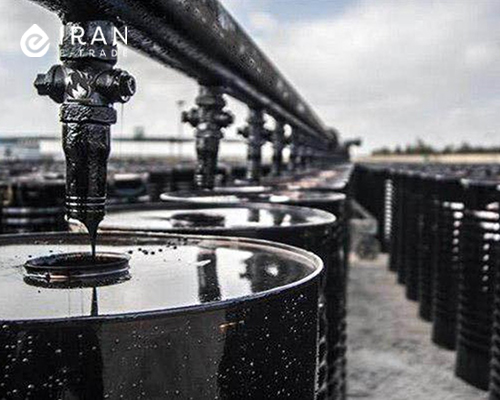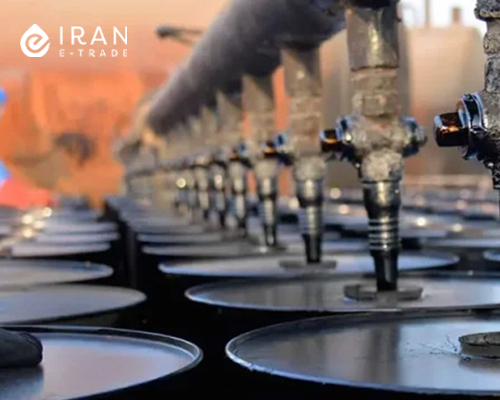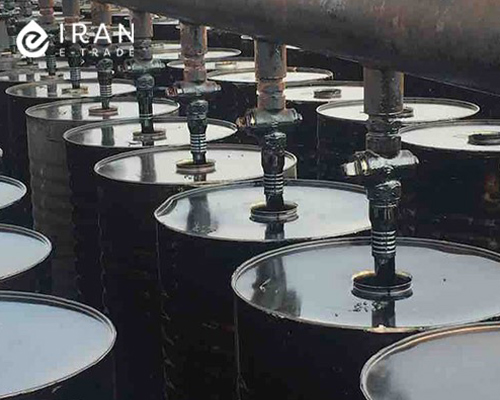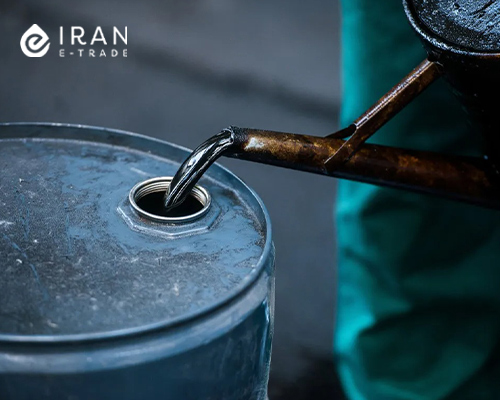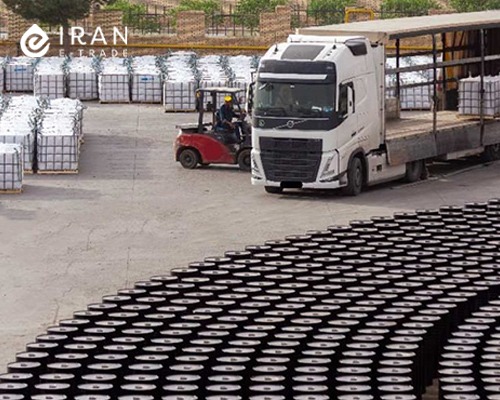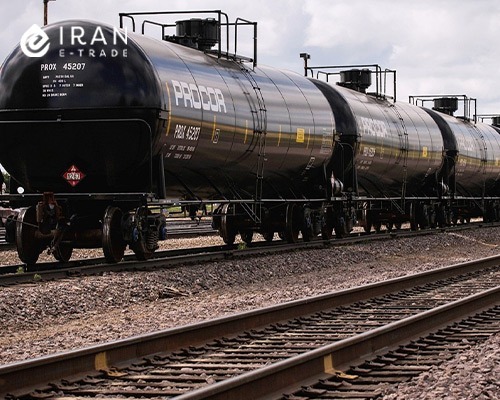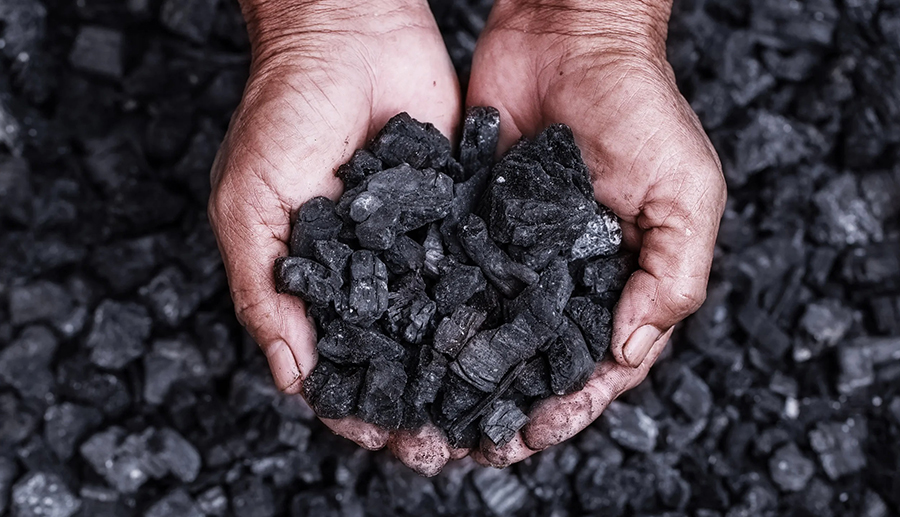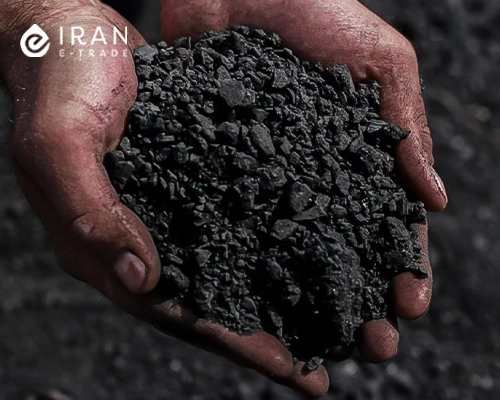
What is Petroleum Coke: Types + Applications

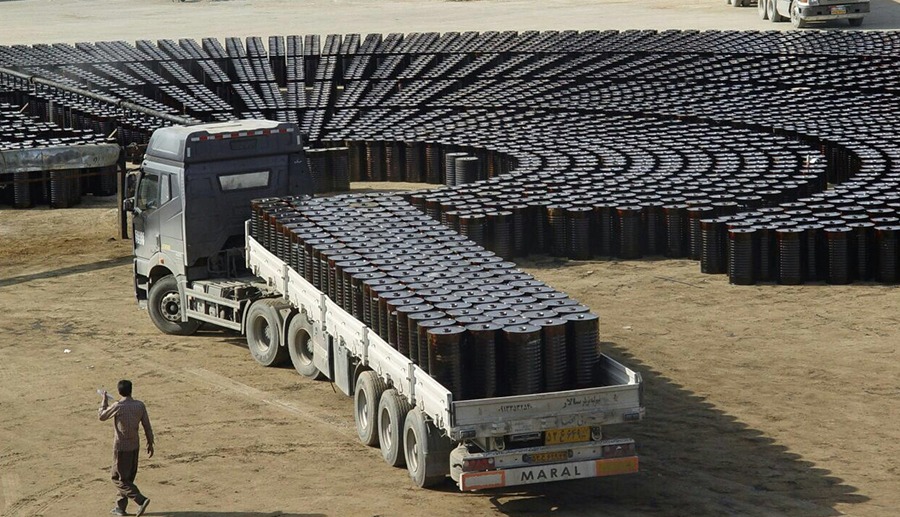
What is petroleum coke? Petroleum coke is a solid, porous, carbon-rich material produced from the refining of heavy crude oil. This byproduct of the refineries plays a crucial role in the metallurgical, chemical, and energy industries. Due to its high carbon content, low ash, and favorable physical properties, petroleum coke serves as fuel, a carbon source, and a raw material in the production of industrial products. Furthermore, petroleum coke comes in various types, including green, calcined, needle, sponge, and graphite coke. Additionally, depending on the production method and quality, it can either replace traditional fuels or serve as an industrial carbon source.

Therefore, in this article from the Iran ETrade blog, we will explain what petroleum coke is and what its characteristics and applications are. Iran Etrade is the official website for petroleum product pricing, where you can inquire prices for export bitumen and other products.

What is petroleum coke?

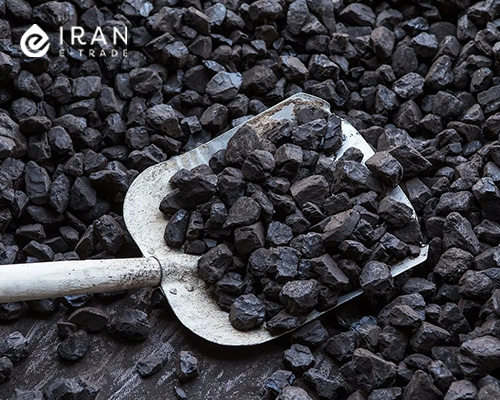
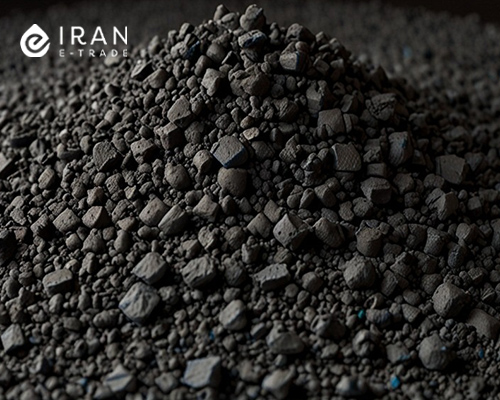
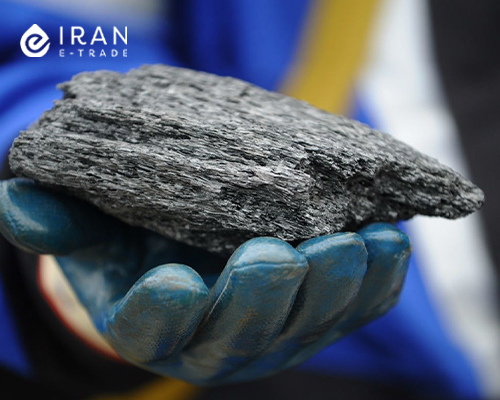
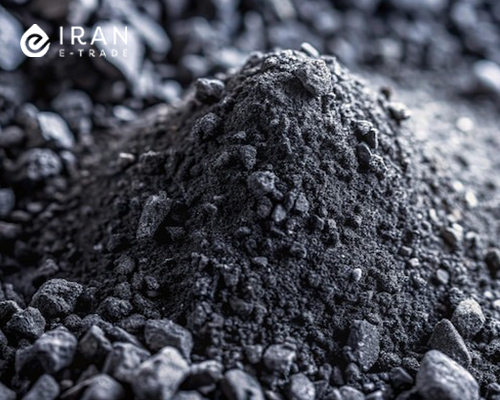
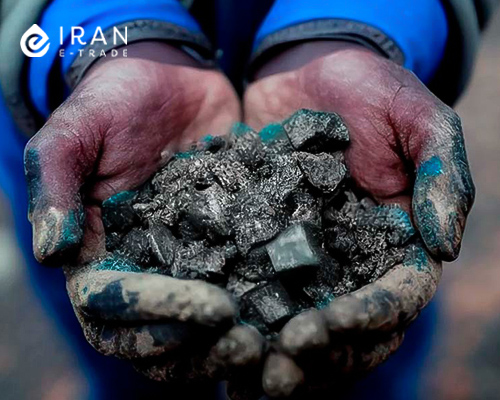
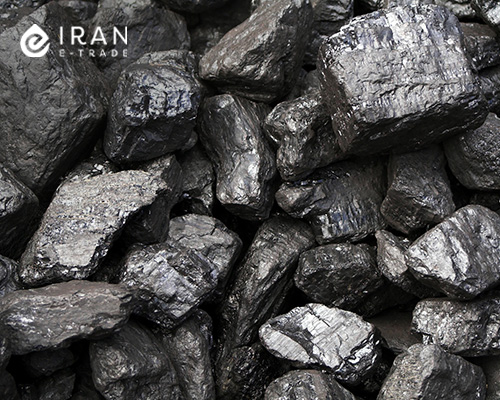
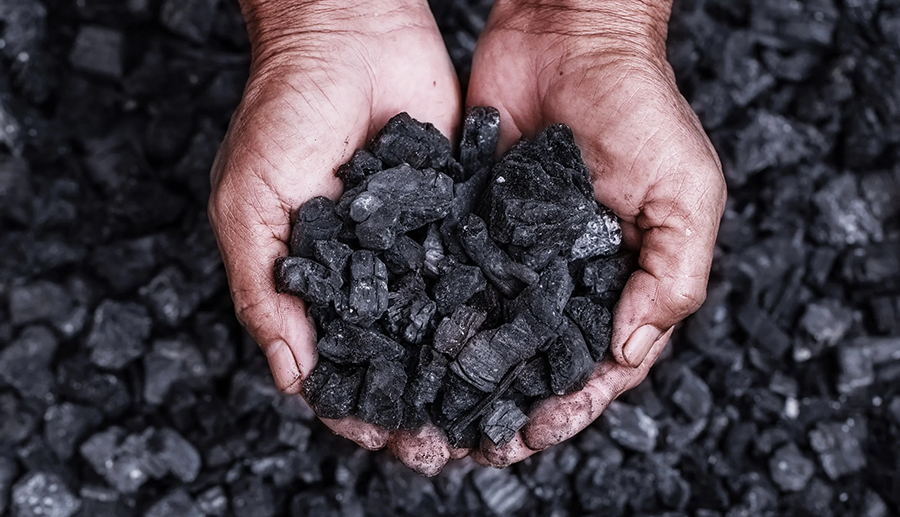
Petroleum coke is a grayish-black solid carbon material obtained from the distillation of crude oil. It has a porous texture and is usable across various industries.

What is petroleum coke, and why is it important? Petroleum coke is a by-product of crude oil and forms through the thermal decomposition of heavy hydrocarbons in oil. It is a solid material with high carbon content and low moisture, derived from low-ash, low-sulfur bituminous coals.

Industries often use it as an alternative to traditional fuels such as coal. Also, the uses of petroleum coke vary depending on its type and quality, and it comes in several forms.

What is the difference between metallurgical coke and petroleum coke? Metallurgical coke is produced by burning coal, whereas petroleum coke is obtained from the distillation of crude oil. In addition, petroleum coke has a higher calorific value and a greater absorption rate compared to metallurgical coke.

Furthermore, its lower ash content makes it more suitable for certain industrial applications, including electrode production and metallurgical processes.

What Is Petroleum Coke Production History?

The production of petroleum coke started in the 1920s, and with the growth of the steel and aluminium industries, its use as a carbon source and industrial fuel expanded. China, the United States, and India are among the main producers of petroleum coke in the world.

Petroleum coke is a solid, carbon-rich material produced from the refining of heavy crude oil, and is usable in the metallurgical, chemical, and energy industries. It has various types, including graphite coke, sponge coke, and calcined coke. It also serves as fuel, a carbon source, and an industrial raw material. Furthermore, different types of petroleum coke are produced by using methods such as asphaltene, delayed coking, and fluid coking. As a result, petroleum coke products possess properties like high thermal resistance, good electrical conductivity, and high calorific value.
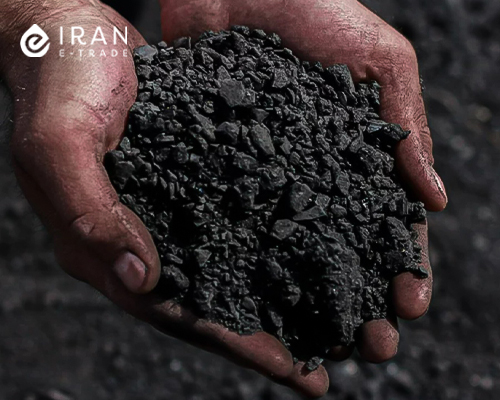
What Is Petroleum Coke Production History?

What Are The Physical And Chemical Properties of Petroleum Coke?

Types of petroleum coke with high thermal resistance and significant absorption capacity are ideal for industrial applications.

Petroleum coke possesses unique physical and chemical properties that make it suitable for industrial use. Its appearance can vary, taking forms such as needle, sponge, or spherical shapes. Furthermore, different Petroleum coke types have high thermal resistance, allowing them to operate under very high-temperature conditions.

Their molecular weight ranges from several hundred to millions. The high absorption capacity of petroleum coke also gives it a strong ability to capture impurities present in crude oil.

Physical and Chemical Specifications of Petroleum Coke

Properties of petroleum coke Approximate amount Description
Appearance and color Black and shiny A solid material with a porous surface
Density 1.4 to 1.6 g/cm³ Depends on the type of crude oil and the production method
Fixed carbon Over 90% Basis for calorific value and reducing property
Sulfur 0.5 to 7% Key factor in final quality and price
Hydrogen 2 to 4% Part of the residual compounds
Nitrogen Less than 2% Minimal effect on overall quality
Mineral matter (ash) 0.5 to 1.5% Inorganic residue after combustion
Electrical conductivity High Used in anode and electrode manufacturing
Thermal resistance Very high Stability at high industrial temperatures

Advantages and Disadvantages of Using Petroleum Coke

Petroleum coke has a high calorific value and good electrical conductivity, and is cheaper than coal. However, its pollutant emissions and environmental impacts pose challenges.

What is petroleum coke’s advantages and disadvantages? While petroleum coke offers significant benefits, it also has limitations and drawbacks that must be considered.

Advantages:

  • Easy access from refineries, which reduces supply costs.
  • High calorific value due to high carbon concentration and compact structure.
  • Lower price compared to coal.
  • Good electrical conductivity, enabling its wide use in anode and electrode production.

Disadvantages:

  • Emission of pollutants such as sulfur and heavy metals.
  • Environmental impacts, including intensified acid rain and increased air pollution.
  • Dependence of the steel and aluminium industries on petroleum coke, which can cause disruptions if supply is limited.

Types of Petroleum Coke

Petroleum coke comes in various types based on its composition, appearance, and production method. For instance, petroleum coke might be needle, green, delayed, graphite, and thermoplastic coke, and each has its specific applications.

Types of petroleum coke are categorized according to their composition, appearance, chemical properties, production method, and applications. Below, we will explore the different classifications of petroleum coke.

1. Classification of Petroleum Coke by Composition

What is petroleum coke’s classification by composition? Raw petroleum coke is divided into four types based on its composition: conventional coke, graphite coke, semi-graphite coke, and thermoplastic coke.

What Is Petroleum Coke In Its Conventional Form?

This type of petroleum coke is produced from crude oil residue, has good mechanical strength, and is usable in steel and aluminium production.
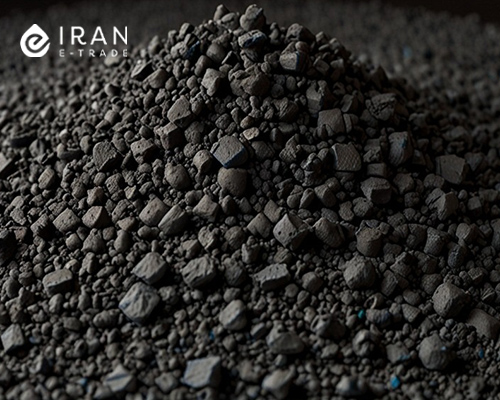
What Is Petroleum Coke In Its Conventional Form?

Graphite Petroleum Coke

It contains a high amount of graphite and has strong chemical resistance. Therefore, its uses are in graphite electrode production and steelmaking.

Semi-Graphite Petroleum Coke

The graphite content in this type of petroleum coke is lower than in graphite coke, and it is applicable as an intermediate material in steel production.

Thermoplastic Petroleum Coke

Graphite coke is suitable for electrode production and steelmaking. However, thermoplastic coke, with its plastic-like properties, is suitable for use in the polymer and plastic industries.

What is petroleum coke type of thermoplastic? Another type of petroleum coke, based on composition, is thermoplastic coke. This coke has plastic characteristics and has uses in the plastic and polymer industries as a base material.

2. What Is Petroleum Coke Classification by Physical Form

Based on its physical form, petroleum coke types include sponge, needle, and spherical coke.

Sponge Coke

Sponge coke has a porous and lightweight structure, making it suitable for producing electrodes and dense carbon products. This type of coke is produced from a mixture of aromatic and aliphatic hydrocarbons.

Needle Coke

Needle coke has a long, thin, needle-like shape. Also, its properties make it ideal for graphitization and metallurgical processes because it has high mechanical strength. This type of coke is produced from petroleum feedstocks with a high molecular weight of aromatic hydrocarbons.
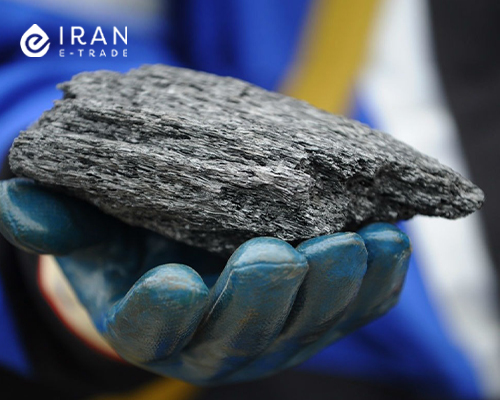
What Is Petroleum Coke Classification by Physical Form


Spherical Coke

What is petroleum coke in its spherical form? Spherical coke is a type of petroleum coke that, due to its round and spherical shape, is easy to transport and store. Its main uses are for pigment production and as industrial fuel.

3. What Is Petroleum Coke Classification by Production Method?

Raw petroleum coke is divided into two categories based on the production method: delayed coke and contact coke.

Delayed Coke

Another type of petroleum coke is delayed coke, which is produced through slow and controlled heating at lower temperatures and higher pressure compared to contact coke. Its high-quality product makes it suitable for metallurgical industries and electrode production.

Contact Coke

This type of coke is produced through direct contact with steam and heat and is often suitable for producing high-purity metallurgical coke. This method reduces impurities and improves the final quality of the coke.

4. What Is Petroleum Coke Classification by Application?

What is petroleum coke classification by its use? The next classification of petroleum coke is based on its applications. Petroleum coke can be categorized into three types: fuel coke, metallurgical coke, and graphite coke.

Fuel Coke

Another type of petroleum coke is fuel coke, which is applicable as an industrial and thermal energy source in steelmaking furnaces, power plants, and other industries.

Metallurgical Coke

What is another application of petroleum coke? Metallurgical coke serves as a carbon source in the production of high-quality steel and aluminium and plays a vital role in oxygen-reducing processes and carbon supply.

Graphite Coke

Another use of petroleum coke is in graphite production. Graphite coke is a high-purity product used for producing electrodes and carbon products.
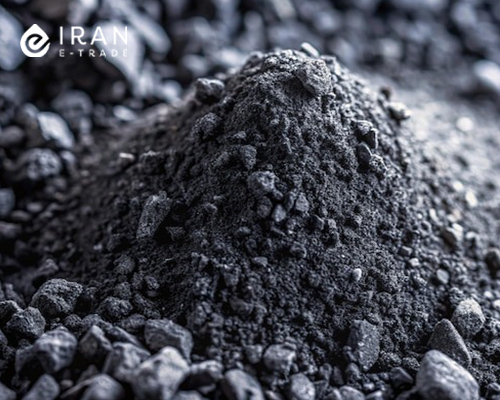
What Is Petroleum Coke Classification By Application?

5. Classification of Petroleum Coke by Production Method and Physical Form

What is petroleum coke’s other classification? Calcined coke and green coke are types of petroleum coke categorized based on their physical form and production method.

Green Petroleum Coke

Another type of petroleum coke is green coke. Green coke is the raw coke, or the primary product of coking. It has hard, porous grains with irregular shapes. It still contains its natural impurities and must be processed before use. Also, this coke is suitable for use as fuel and in metallurgical processes.

Calcined Petroleum Coke

Calcined coke is obtained by heating green coke at temperatures between 1200 and 1350°C. In this process, volatile materials are removed from its structure, resulting in a final product with a higher calorific value compared to green coke.

Calcined coke has wide usage in industries such as aluminium production, electrode manufacturing, and titanium dioxide pigment production.

What Is Petroleum Coke Production Process?

What is the application of petroleum coke? Petroleum coke is both an energy source and a component in the production of metals and chemicals.

In this section, we will examine the methods of producing petroleum coke. In general, petroleum coke is produced through three methods: asphaltene, delayed coking, and fluid coking.

1. Petroleum Coke Produced From Asphaltene

What is petroleum coke’s production method from asphaltene?

In this method, the manufacturers convert asphaltene-rich feedstocks containing sulfur and heavy metals into coke. The main use of this coke is for fuel, and it is less suitable for metallurgical applications.

2. Petroleum Coke by Delayed Coking Method

In this method, delayed coke is produced from the thermal reactions of vacuum residues and aromatic oils at temperatures around 480–500°C. Therefore, the resulting coke has a porous, sponge-like structure and is primarily used for fuel applications.

3. Petroleum Coke by Fluid Coking Method

In this continuous method, the manufacturers spray heated feedstock onto a fluidised bed of hot coke particles to form coke with a needle-like structure and high mechanical properties. Therefore, needle coke is good for manufacturing carbon electrodes in the steel and aluminium industries.

What Is Petroleum Coke Application And Use?

Petroleum coke is a source of fuel in power plants and factories, in aluminium and steel production. It is also useful for manufacturing electrodes and more.

The use of petroleum coke is common in various industries. Below, we will examine its main applications:
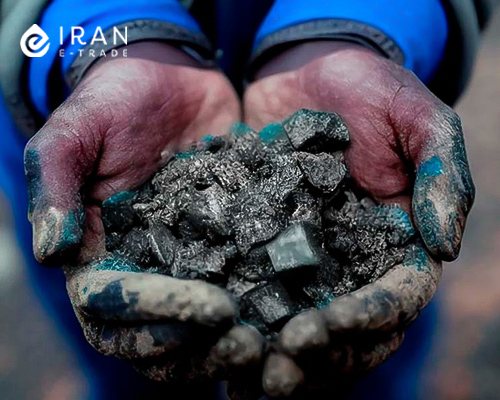
What Is Petroleum Coke Application And Use?

1. Petroleum Coke As An Energy Source And Fuel

What is petroleum coke’s use as an energy source? This petroleum product has a high calorific value, which allows it to be used as a substitute for coal and crude oil. In fact, various types of petroleum coke serve as energy sources and as fuel in power plants and factories.

2. Use In The Metallurgical Industry

The second use of petroleum coke is providing carbon for the production of aluminium, steel, and other metals, or for manufacturing electrodes needed in metal smelting furnaces.

3. What Is Petroleum Coke’s Chemical Use?

Petroleum coke is used in the production of chemicals such as synthetic graphite, catalysts, and carbon black.

4. Petroleum Coke in the Gasification Process

Another application of petroleum coke is in gasification, where it is converted into hydrocarbon gases and fuel gases.

5. Electrode Production

What is petroleum coke’s use in producing electrodes? Calcined coke is used to produce electrodes for electric arc furnaces.

6. Titanium Dioxide Pigment Production

Another use of petroleum coke is as an additive in the production of titanium dioxide pigment, where it helps improve the quality of the pigment.

7. What Is Petroleum Coke’s Use In The Steel Industry?

Petroleum coke is used as one of the main base materials in steel production. Due to its suitable thermal and mechanical properties, it is applicable as thermal electrodes in electric arc furnaces.

8. Use of Petroleum Coke in the Aluminium Industry

In the aluminium production process, petroleum coke serves as a base material and plays an important role in producing molten aluminium.

9. Use of Petroleum Coke in the Petrochemical Industry

What is petroleum coke’s use in the petrochemical industry? In the petrochemical industry, petroleum coke can be a catalyst and also a component for the production of various chemical materials.
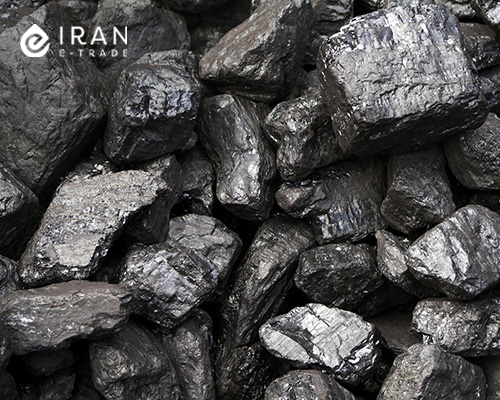
Use of Petroleum Coke in the Petrochemical Industry

Coking Process

The coking process involves converting coal or petroleum materials into coke with high mechanical strength and calorific value.

Coking is the conversion of coal into coke to produce a material with sufficient strength, high calorific value, and low volatile content. Therefore, it can serve as both fuel and a reducing agent in blast furnaces. Below, we will explain the process of petroleum coke production.

Coking

In the coking unit, the prepared coal is charged into a special battery or cell. Then, under controlled temperatures and almost oxygen-free conditions, it undergoes several stages: moisture evaporation, release of hydrocarbons, transformation of plastic matter into semi-coke, and finally conversion into complete coke.

Coke Strength Determination Test

Determining the mechanical strength of coke before industrial use is important to ensure proper performance in production processes.

Coal Section

What is petroleum coke’s coal section in its’ production? In this stage, the mined coal is transported to the plant. Then the manufacturers remove unwanted metals. Afterwards, they size and blend the coal and control its moisture. Finally, the coal is prepared for charging into the coking ovens.

Coke section

The manufacturers prepared coal into the coking units. In these units, the coal undergoes a multi-stage process (moisture evaporation, hydrocarbon release, transformation into semi-coke, and finally complete coke).

Chemical Recovery And Refining Section

At this stage, the gases released from the coking process enter the recovery section, where compounds such as tar, ammonia, benzene, and others are removed or separated. The treated gas may then be used for the production of sulfuric acid, ammonium sulfate, or as internal fuel.

Chemical Composition of Coke

Coke contains a significant percentage of organic carbon, hydrogen, oxygen, and small amounts of sulfur and nitrogen. At higher temperatures, the volatile matter in coke is removed, resulting in a product with higher purity.

New Methods of Coke Quenching

What is petroleum coke’s quenching? Quenching coke with water causes significant heat loss. Therefore, the manufacturers have been developing new methods such as using inert gases (e.g., nitrogen) or using water with heat recovery (converting water into steam) to reduce this loss and preserve coke strength.

What Are The Grades of Petroleum Coke And How Is It Distributed?

Petroleum coke is sold in barrels for industrial applications and by the gram for laboratory use. Petroleum coke is offered in various grades based on customer requirements:

  • Green petroleum coke
  • Low-sulfur and high-sulfur coke
  • Calcined coke
  • Needle coke, delayed coke

What Are The Grades of Petroleum Coke And How Is It Distributed?

Price of Petroleum Coke And Its Influencing Factors

What factors affect the price of petroleum coke? The grade of petroleum coke, its quality and sulfur content, global supply and demand, fluctuations in crude oil prices, environmental policies, and transportation costs all play a significant role in determining the price of petroleum coke.

For updated prices of bitumen and other petroleum products, you can visit the Iran ETrade website.

What Is The Risk of Purchasing Low-Quality Petroleum Coke?

Using low-quality coke can cause higher emissions of pollutants such as sulfur and carbon dioxide, which have negative environmental impacts. Additionally, reduced coke quality decreases production efficiency in the metallurgical and petrochemical industries.

Global Petroleum Coke Market

What is petroleum coke’s global market? The global petroleum coke market is growing due to increased demand in the steel and aluminium industries, and its market status is highly influenced by economic and environmental developments.

For instance, Middle Eastern countries, India, and the United States are major producers of petroleum coke, while China is the largest consumer.

Frequently Asked Questions

In this article from the Iran ETrade blog, we explained what petroleum coke is, how it is produced, and its advantages and applications. Now, we will answer a few common questions on this topic.

How Is Petroleum Coke Produced?

Petroleum coke is formed by heating the heavy fractions of crude oil through the calcination process.

Does Petroleum Coke Pollute The Environment?

If burned directly, petroleum coke produces pollutant gases. However, by following standards and using sustainable technologies and processes, its environmental impact can be reduced.

What Is The Application of Petroleum Coke in The Petrochemical Industry?

Petroleum coke is usable in the petrochemical industry for producing polymeric or chemical materials and also as a catalyst.

What Is The Application of Petroleum Coke In The Steel Industry?

One of the applications of petroleum coke in the steel industry is its use as a base material for metal smelting and steel production.

What Is The Use of Graphite Petroleum Coke?

What is petroleum coke in its graphite form? Graphite coke is useful for producing graphite electrodes in the aerospace and electronics industries, as well as in steelmaking and the production of carbon products.
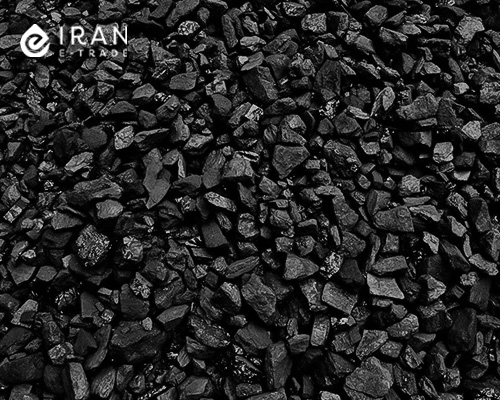
What Is The Use of Graphite Petroleum Coke?


source: ektinteractive
Bitumen Price
بزرگترین پالایشگاه های قیر در جهان: 20 پالایشگاه برتر + مقایسه

بزرگترین پالایشگاه های قیر در جهان را می‌شناسید؟ جام نگر هند، پاراگوئه ونزوئلا، اولسان کره جنوبی و پورت آرتور آمریکا چند تا از بزرگترین پالایشگاه های جهان هستند که این ماده پر ارزش در صنعت جاده‌سازی و ساخت ساختمان را تولید می‌کنند.

بنابراین، اگر تاجر قیر هستید یا می‌خواهید در این حوزه سرمایه‌گذاری کنید، بد نیست که بدانید که چه کشورهایی بیشترین سهم از بازار صادرات قیر در دنیا را دارند و چه پالایشگاه‌هایی بیشتر از همه آن را تولید می‌کنند. برای همین، اگر می‌خواهید بدانید که بزرگترین پالایشگاه جهان کجاست، با ما در ادامه این مقاله از وبلاگ ایران‌ای ترید مرجع تخصصی اعلام قیمت قیر و فرآورده های نفتی همراه باشید.

بزرگترین پالایشگاه های قیر در جهان

انواع بزرگترین پالایشگاه های قیر در جهان در کشورهای مختلف واقع شده‌اند و عبارتند از:

بزرگترین پالایشگاه های قیر در جهان در کشورهایی چون هند، ونزوئلا، کره‌جنوبی، آمریکا و عربستان قرار دارند و نقش مهمی در تأمین قیر جهانی برای صنعت راه‌سازی و ساختمان‌سازی دارند. پالایشگاه جام‌نگر هند با ظرفیت ۱.۲۴ میلیون بشکه در روز، بزرگ‌ترین پالایشگاه جهان است. پس از آن پالایشگاه‌های پاراگونا، اولسان و پورت آرتور در رتبه‌های بعدی قرار دارند. همچنین، کشورهای آمریکا، چین، روسیه، کانادا، ایران و عربستان از مهم‌ترین تولیدکنندگان و صادرکنندگان قیر جهان محسوب می‌شوند. ایران هم با تولید سالانه حدود ۶ میلیون تن، جایگاه قابل‌توجهی در بازار جهانی قیر دارد.

بزرگترین پالایشگاه های قیر در جهان

1. پالایشگاه جام نگر هند (Jamnagar) بزرگترین پالایشگاه قیر جهان

پالایشگاه جام نگر واقع شده در ایالت گجرات هند، بزرگ‌ترین پالایشگاه خصوصی جهان است. این پالایشگاه تولید‌کننده قیر با ظرفیت ۱٫۲۴ میلیون بشکه، حدود یک‌چهارم از ظرفیت پالایشی کل هند را تامین می‌کند.

همچنین، جام نگر که یکی از بزرگترین پالایشگاه های قیر در جهان است، علاوه بر صادرات قیر، خوراک مورد نیاز صنعت پتروشیمی هند را هم تولید می‌کند.

2. مجتمع پالایشگاهی پاراگونا ونزوئلا (Paraguaná)

پالایشگاه پاراگونا در ونزوئلا، دومین پالایشگاه بزرگ جهان با ظرفیت ۹۵۵ هزار بشکه در روز است. این مرکز که از سال ۱۹۴۹ به‌تدریج ساخته شده و توسعه یاقته، بیش از نیمی از نیاز نفتی ونزوئلا را تامین می‌کند.

3. پالایشگاه اولسان کره جنوبی (Ulsan) از بزرگترین پالایشگاه‌های جهان

سومین پالایشگاه بزرگ جهان، پالایشگاه اولسان در کره جنوبی با ظرفیت تولید روزانه ۸۴۰ هزار بشکه است.

مجتمع اولسان که از بزرگترین پالایشگاه های قیر در جهان است، دارای پنج واحد تقطیر، یک واحد پارازایلین و ۳۴ مخزن بزرگ ذخیره‌سازی است که ظرفیت بالایی برای نگهداری نفت خام و فرآورده‌های نفتی را فراهم می‌کند.

4. پالایشگاه یئوسو کره جنوبی (Yeosu) از بزرگترین پالایشگاه های قیر در جهان

یکی از بزرگترین پالایشگاه های قیر در جهان پالایشگاه یئوسو در استان جئولا کره جنوبی است. ظرفیت روزانه یئوسو ۷۷۵ هزار بشکه است و واحد اولیه آن در سال ۱۹۶۹ ساخته شد.

واحد دوم پالایشگاه یئوسو هم در سال ۲۰۰۷ به بهره‌برداری رسید و شرکت سورون یکی از سهامداران اصلی آن به شمار می‌رود.

5. پالایشگاه اونسان کره جنوبی (Onsan)

اونسان در کره جنوبی، پنجمین پالایشگاه بزرگ جهان است که در سال ۱۹۶۹ توسط هولدینگ دو شرکت بزرگ GS کلتکس و شورون تأسیس شد. همچنین، اونسان دارای کارخانه بزرگ هیدروکراکر برای تبدیل مواد سنگین به محصولات با ارزش است.

این پالایشگاه با دو مجتمع پالایشگاهی و پتروشیمی در کنار هم، توانایی تولید همزمان محصولات پالایشگاهی و پتروشیمی را دارد.

 اونسان کره جنوبی بزرگترین از پالایشگاه های قیر در جهان

6. پالایشگاه پورت آرتور آمریکا (Port Arthur)

پورت آرتور در تگزاس آمریکا، ششمین پالایشگاه بزرگ جهان با ظرفیت تولید روزانه ۶۰۰ هزار بشکه است که در کنار خلیج مکزیک واقع شده است.

این پالایشگاه که از بزرگترین پالایشگاه های قیر در جهان به حساب می‌آید در سال ۱۹۰۳ تأسیس شد و با تولید بنزین با اکتان بالا و سوخت هواپیما، به‌ویژه در دوران جنگ جهانی دوم، نقش مهمی در تاریخ را ایفا کرده است.

7. پالایشگاه اکسون موبیل آمریکا (EXXON MOBIL)

اکسون‌موبیل در آمریکا یکی از پیشگامان صنعت نفت جهان است و با توسعه فناوری‌های نوآورانه، نقش مهمی در بهبود کیفیت سوخت و روغن موتور ایفا کرده است.

مهم‌ترین دستاوردهای این پالایشگاه تولید ایزو-اکتان، روغن موتور سنتتیک Mobil 1، بنزین‌های دارای افزودنی پاک‌کننده و فناوری پرداخت هستند که تأثیر قابل‌توجهی بر مصرف‌کنندگان و صنعت سوخت داشته‌اند.

8. پالایشگاه بیتاون امریکا (Bataan) از بزرگترین پالایشگاه های قیر در جهان

یکی از بزرگترین پالایشگاه های قیر در جهان پالایشگاه بی‌تاون در تگزاس آمریکا است. بیتاون تحت مالکیت اکسون‌موبیل بوده و روزانه ۵۸۴ هزار بشکه انواع محصولات پالایشگاهی و پتروشیمی را تولید می‌کند.

9. پالایشگاه راس تانورا شرکت آرامکو در خلیج فارس (Tanura)

راس تانورا در حاشیه خلیج فارس، نهمین پالایشگاه بزرگ جهان با ظرفیت روزانه ۵۵۰ هزار بشکه است که تحت مالکیت شرکت آرامکو قرار دارد. این پالایشگاه که در سال ۱۹۴۵ تأسیس شد و عمدتاً محصولات خود را به ظهران عربستان عرضه می‌کند.

10. پالایشگاه گری‌ویل آمریکا (Garyville) از بزرگترین پالایشگاه های جهان

گری‌ویل در ایالت لوییزیانا آمریکا، دهمین پالایشگاه بزرگ جهان و سومین پالایشگاه بزرگ آمریکا است. این پالایشگاه که از بزرگترین پالایشگاه های قیر در جهان بشمار می‌آید با ظرفیت روزانه ۵۲۲ هزار بشکه فعالیت می‌کند و سهام آن متعلق به شرکت ماراتن پترولیوم است.

11. شرکت روس‌نفت آلمان (ROSNEFT)

روس نفت در آلمان، سومین پالایشگاه بزرگ این کشور است و سالانه ۱۲٫۵ میلیون تن نفت خام تولید می‌کند. همچنین، روس نفت انواع محصولات پتروشیمی و قیر ۵۰/۷۰ و ۷۰/۱۰۰ را عرضه می‌کند.

این شرکت با توجه به تقاضای بالای قیر اصلاح‌شده با پلیمر در اروپا، تولید درجات مختلف این محصول را نیز آغاز کرده و از سال ۲۰۱۹ یکی از تأمین‌کنندگان اصلی قیر در چندین کشور اروپایی محسوب می‌شود.

 شرکت روس‌نفت آلمان از بزرگترین پالایشگاه های قیر جهان

12. شرکت نفت اسپانیایی سپسا (CEPSA) از بزرگترین پالایشگاه های قیر در جهان

شرکت CEPSA از اسپانیا یکی از بزرگترین پالایشگاه های قیر در جهان است و دفتر مرکزی آن در مادرید قرار دارد.

این شرکت با سابقه بیش از ۸۰ سال، علاوه بر فعالیت در حوزه نفت و پتروشیمی، به‌طور ویژه برای تولید قیر امولسیون و قیر اصلاح‌شده با پلیمر شناخته شده است.

13. مول گروپ مجارستان (MOL GROUP)

شرکت MOL گروپ از مجارستان بیش از ۳۰ سال سابقه در بازار قیر دارد و دفتر مرکزی آن در بوداپست واقع شده است.

مول گروپ قیر خود را به کشورهای همسایه مانند رومانی، اسلوونی، کرواسی و اتریش عرضه می‌کند و به‌ویژه برای تولید قیر لاستیکی و قیر امولسیون معروف شده است.

14. شرکت نیس گروپ صربستان (NIS GROUP) از بزرگترین پالایشگاه های جهان

NIS گروپ از صربستان سابقه طولانی در اکتشاف، تولید و پالایش نفت خام دارد و فعالیت خود را در منطقه بالکان نیز گسترش داده است.

این شرکت که از بزرگترین پالایشگاه های قیر در جهان است، به‌ویژه در تولید قیر اصلاح‌شده با پلیمر و قیر نفوذی طبق استانداردهای اروپایی معروف شده و محصولات قیر آن در کشورهای اروپایی بسیار محبوب است.

15. اینیفینیتی گلکسی امارات (Infinity Galaxy)

شرکت Infinity Galaxy از دبی، یک تأمین‌کننده با تجربه قیر در بازارهای شرق آسیا، هند و آفریقا است و در طول ۱۰ سال فعالیت خود به‌عنوان شرکتی قابل اعتماد و متعهد شناخته شده است.

این شرکت با ارائه قیر باکیفیت و ارائه رقابتی‌ترین قیمت‌ها، خدمات مشاوره و خرید قیر را به مشتریان خود ارائه می‌دهد.

اینیفینیتی گلکسی امارات از بزرگترین پالایشگاه های قیر دنیا

16. شرکت شل ‌پی‌ال‌سی بریتانیا (Shell plc) از بزرگترین پالایشگاه های قیر در جهان

یکی از بزرگترین پالایشگاه های قیر در جهان شرکت شل پی‌ال‌سی است. این شرکت یک شرکت چندملیتی بریتانیایی در حوزه انرژی و پتروشیمی با دفتر مرکزی در لندن است.

شل پی الس سی در بیش از ۷۰ کشور فعالیت می‌کند و در اکتشاف، تولید، پالایش و توزیع نفت و گاز و انرژی‌های تجدیدپذیر فعال است.

17. توتال انرژی فرانسه (TotalEnergies) از بزرگترین پالایشگاه های قیر در جهان

شرکت توتال انرژی فرانسه که در سال ۱۹۲۴ تأسیس شد، یکی از شرکت‌های پیشرو در حوزه انرژی است. توتال انرژی با فعالیت در نفت، گاز، برق و انرژی‌های تجدیدپذیر، نقش مهمی در بازار جهانی دارد.

18. بی‌پی یا بریتیش پترولیوم (BP) از بزرگترین پالایشگاه های قیر در جهان

شرکت بریتیش پترولیوم (BP) در سال 1908 با نام «شرکت نفت ایران و انگلیس» تأسیس شد و در ابتدا به‌منظور بهره‌برداری از منابع نفتی ایران فعالیت می‌کرد.

در دهه‌های بعد، این شرکت با گسترش فعالیت‌های خود در حوزه‌های اکتشاف، تولید، پالایش و توزیع نفت و گاز، به یکی از بزرگ‌ترین شرکت‌های نفت و گاز جهان تبدیل شد.

19. پتروچاینا (PetroChina) از بزرگترین پالایشگاه های قیر در جهان

شرکت پتروچاینا، بزرگ‌ترین تولیدکننده و فروشنده نفت و گاز در چین و یکی از بزرگ‌ترین شرکت‌های نفتی جهان است که در سال ۱۹۹۹ تأسیس شد.

این شرکت در زمینه اکتشاف، تولید، پالایش، بازاریابی نفت و گاز، محصولات پتروشیمی و انرژی‌های نو فعالیت دارد و سهام آن در بورس‌های شانگهای و هنگ‌کنگ فهرست شده است.

20. پترو نفت ایران (Petro Naft) از بزرگترین پالایشگاه های قیر در جهان

شرکت پترونفت یکی از بزرگترین پالایشگاه های قیر در جهان و منطقه خلیج فارس است که در بازارهای بین‌المللی حضور قوی دارد.

این شرکت که از معتبرترین پالایشگاه‌های قیر کشور است، با بهره‌گیری از فناوری‌های پیشرفته، شبکه گسترده‌ای از همکاری‌ها و ارزش‌های شفافیت، صداقت و اعتماد متقابل، به ارائه خدمات مهندسی، پشتیبانی عملیاتی و تحقق اهداف مشتریان خود متعهد است. برای اطلاع بیشتر از

برترین صادرکنندگان قیر

برترین صادرکنندگان قیر: کشورهایی که بازار جهانی را در دست دارند!

در بخش قبلی در مورد این صحبت کردیم که بزرگترین پالایشگاه جهان کجاست و نام آنها چیست. اما حالا می‌خواهیم ببینیم که چه کشورهایی در صدر تولید کردن قیر در دنیا قرار دارند:

برترین کشورهای صادرکنندگان قیر
کانادا کانادا با ماسه‌های نفتی وسیع خود یکی از تولیدکنندگان اصلی قیر جهان است و از طریق فرآیندهای استخراج و ارتقا، حجم قابل توجهی قیر را برای مصارف مختلف تولید می‌کند.
روسیه روسیه ذخایر نفتی گسترده و پالایشگاه‌های پیشرفته‌ای دارد و و عرضه قیر به بازارهای اروپایی و آسیایی را تسهیل می‌کند.
چین رشد سریع زیرساخت‌ها و ساخت‌وساز در چین تقاضای داخلی قیر را افزایش داده و این کشور را به یکی از بزرگ‌ترین تولیدکنندگان این ماده در جهان تبدیل کرده است.
آمریکا ایالات متحده با پالایشگاه‌های بزرگ نفت و ذخایر طبیعی قیرش، یکی از تولیدکنندگان اصلی قیر جهان است که عمدتاً از آنها برای پاسخ به تقاضای داخلی در بخش راه‌سازی استفاده می‌کند.
ایران ایران با ذخایر نفتی عظیم و زیرساخت‌های پالایشگاهی قوی، یکی از تولیدکنندگان و صادرکنندگان مهم قیر در خاورمیانه است که تمرکز خود را بر کیفیت و قیمت رقابتی گذاشته است.
هند هند با توسعه صنعت پالایش نفت و پروژه‌های زیرساختی گسترده‌اش، یکی از تولیدکنندگان مهم قیر جهان است و پالایشگاه‌های ایالت‌های گجرات و مهاراشترا نقش کلیدی در تأمین این نیاز دارند.
عربستان عربستان با ذخایر نفتی عظیم و پالایشگاه‌های پیشرفته، یکی از بزرگ‌ترین تولیدکنندگان قیر جهان است و محصولات خود را هم برای مصارف داخلی و هم صادرات عرضه می‌کند.
سنگاپور تاریخچه استفاده از قیر در سنگاپور به قرن چهاردهم بازمی‌گردد، زمانی که این کشور به‌عنوان مرکز تجاری منطقه، از قیر در ساخت‌وساز و عایق‌کاری استفاده می‌کرد. تولید قیر در سنگاپور شامل فرآیندهای پیچیده‌ای مانند تقطیر جوی، تقطیر در خلأ و اکسیداسیون است که خواص فیزیکی و شیمیایی مطلوبی به آن می‌بخشد.
کره جنوبی سابقه تولید و استفاده از قیر در کره جنوبی به پس از جنگ جهانی دوم بازمی‌گردد و این کشور با توسعه فناوری‌های پیشرفته و بهره‌گیری از منابع داخلی و وارداتی، به یکی از تولیدکنندگان برتر قیر، از جمله قیر امولسیونی، در جهان تبدیل شده است.

سوالات متداول در خصوص بزرگترین پالایشگاه های قیر در جهان

در رابطه با اینکه بزرگترین پالایشگاه جهان کجاست، شاید این سوالات را داشته باشید:

بزرگترین پالایشگاه جهان کجاست؟

پالایشگاه جام‌نگر در گجرات هند بزرگترین پالایشگاه دنیا است که ظرفیت پالایش ۱.۲۴ میلیون بشکه نفت خام در روز را دارد.

بزرگترین پالایشگاه قیر جهان چه نام دارد و در کجاست؟

پالایشگاه جام‌نگار در ایالت گجرات هند در بین بزرگترین پالایشگاه های قیر در جهان در صدر است که با ظرفیت پالایش روزانه ۱.۲۴ میلیون بشکه نفت خام، سهم قابل‌توجهی از تولید قیر و دیگر فرآورده‌های نفتی جهان را تأمین می‌کند.

بزرگترین پالایشگاه جهان کجاست

بزرگترین پالایشگاه خاورمیانه چه نام دارد؟

پالایشگاه راس‌تانورا در عربستان سعودی بزرگترین پالایشگاه خاورمیانه است که با ظرفیت تولید روزانه حدود ۵۵۰ هزار بشکه، نقش مهمی در تأمین قیر و دیگر فرآورده‌های نفتی منطقه دارد.

برترین کشورهای تولید‌کننده قیر در جهان کدامند؟

ایالات متحده آمریکا، چین، کانادا و روسیه برترین کشورهای تولید‌کننده قیر در جهان هستند که با ظرفیت‌های پالایش بالا و زیرساخت‌های پیشرفته، قیر را برای بازارهای داخلی و بین‌المللی تأمین می‌کنند.

بزرگترین واردکننده‌های قیر در جهان کدام کشورها هستند؟

کشورهای ایالات متحده، چین و هند جزو بزرگترین واردکننده‌های قیر در جهان هستند. این کشورها با تقاضای بالا برای پروژه‌های زیرساختی و ساخت‌وساز، سهم عمده‌ای در بازار جهانی قیر دارند.

بزرگترین پالایشگاه گاز جهان کجاست؟

پالایشگاه آرامکو در عربستان سعودی بزرگترین پالایشگاه گاز جهان است و ذخایر انرژی و نفتی زیادی دارد.

میزان تولید قیر در ایران چقدر است؟

ایران سالانه حدود ۶ میلیون تن قیر تولید می‌کند که از این میزان، ۲ میلیون تن آن برای مصرف داخلی و ۴ میلیون تن به کشورهای مختلف صادر می‌شود. بنابراین، ایران با ظرفیت تولید بالا و کیفیت مناسب، یکی از بزرگترین پالایشگاه های قیر در جهان به شمار می‌آید.

بزرگترین پالایشگاه های قیر دنیا

منبع: mordorintelligence

قیمت قیر صادراتی

What Is Mazut: Advantages, Applications + Hazards

What is mazut, and what role does it play in the energy industry? Fuel oil, also known as mazut, is a heavy, thick, and low-cost fuel produced from the residue of crude oil distillation and mainly used in industries and power plants. This fuel consists of heavy hydrocarbons, sulfur, nitrogen, and metals, and generates a high level of thermal energy.

Because of its low price and high heating power, mazut is an economical option for power generation, industrial heating, fueling ships, and large boilers. However, burning mazut causes severe air pollution, releases sulfur dioxide and particulate matter. It also harms human health and the environment. Furthermore, it poses challenges for storage and transportation.

Therefore, in this article from the Iran ETrade blog, we will explain what mazut is, how it is used, and what its advantages and disadvantages are.

What is Mazut?

Mazut, also known as heavy fuel or furnace oil, is a heavy, black-colored fuel with high viscosity and a high flash point. Its composition mainly consists of heavy hydrocarbons and elements such as sulfur and metals.

What is mazut, and why does it burn? Fuel oil, also called furnace oil or black oil, is a dark, thick, and heavy fuel with a high flash point. This fuel is a type of petroleum hydrocarbon that forms after naphtha, gasoline, and kerosene in the refining process.

Mazut’s composition includes aliphatic hydrocarbons (both chain and cyclic compounds similar to non-cyclic ones), aromatic compounds (such as benzene and its derivatives), and petroleum hydrocarbons, along with significant amounts of sulfur and nitrogen. This substance usually does not ignite easily at low temperatures, which is why it requires specialized combustion systems.

What is fuel oil?

Chemical Composition of Mazut

Fuel oil or mazut is a mixture of heavy hydrocarbons along with significant amounts of sulfur, nitrogen, and heavy metals. This composition causes the combustion of fuel oil to release large quantities of sulfur dioxide, particulate matter, and nitrogen oxides into the air.

Mazut consists of carbon, hydrogen, oxygen, nitrogen, sulfur, heavy metals, and ash. Heavy or viscous fuel oil usually contains up to 88.5% carbon and up to 11.5% hydrogen, with high levels of sulfur and nitrogen. In contrast, light fuel oil has a lower carbon ratio, which reduces its viscosity and density, making it less viscous and easier to use.

Mazut, also known as furnace oil, is a heavy refinery fuel derived from crude oil residue that produces high thermal energy. Because of its low cost, fuel oil has uses in power plants, steel, cement, and petrochemical industries, as well as for industrial heating and marine transportation. Its composition includes heavy hydrocarbons, sulfur, nitrogen, and metals, which cause high pollution, acid rain, and respiratory problems. Mazut is inexpensive and readily available, and it is compatible with existing industrial equipment. However, its high viscosity, high flash point, and environmental impacts create limitations. Pollution reduction is possible through clean fuels, particle filters, and NOx reduction technologies.

Types of Mazut

What is the composition of mazut? Mazut contains carbon, hydrogen, oxygen, nitrogen, sulfur, heavy metals, and ash.

Fuel oil is classified based on different factors. Therefore, in this section, we focus on types of fuel oil based on their sulfur content and viscosity.

1. Different Types of Mazut Based on Sulfur Content

Fuel oil is divided into four categories based on its sulfur content:

  • Ultra-low sulfur fuel oil (less than 0.5%)
  • Low sulfur fuel oil (between 0.5% and 1%)
  • Medium sulfur fuel oil (between 1% and 2%)
  • High sulfur fuel oil (between 2% and 3.5%)

What is the best type of mazut? The lower the sulfur content, the more expensive and higher quality the fuel is. And the reason for that is that sulfur in fuel oil causes equipment corrosion and air pollution. Therefore, the lesser the sulfur, the higher the quality of mazut.

2. Types of Mazut Based on Viscosity

What is mazut’s viscosity? Viscosity is a measure of the fuel’s thickness. High-viscosity fuel oils require more heat for combustion, while lower-viscosity fuel oils are easier to use in combustion systems. Therefore, fuel oil is classified by viscosity into grades 100, 180, 230, 280, and 380.

Types of fuel oil based on viscosity

Characteristics of Fuel Oil (Mazut)

Low cost, high thermal energy, easy availability in oil-producing countries, and compatibility with existing industrial equipment are some of the main advantages of fuel oil.

In this section, we will examine the characteristics of mazut and its physical and chemical properties. The physical properties of fuel oil depend on its production quality, the type of crude oil used (such as high-sulfur oil or high-paraffin oil), processing conditions, final composition, and storage methods.

  • High viscosity: Fuel oil is thick and heavy شnd requires a high level of heating to flow.
  • High density: Its density is greater than that of lighter fuels such as gas oil and kerosene, giving it more energy per unit volume.
  • High calorific value: It releases a large amount of energy when burned, which is useful for industries and power plants.
  • Low cost: It is cheaper compared to other fuels such as gas oil and natural gas.
  • Dark color and distinctive odor: Fuel oil is usually dark brown or black and has a strong, characteristic smell.
  • Carbon emissions: Burning fuel oil releases carbon and other environmental pollutants.
  • High sulfur and metal content: The presence of sulfur and heavy metals increases pollution and environmental impact.
Physical properties of fuel oil
Appearance and color Black or dark brown, often with an oily and glossy appearance
Viscosity Thick; semi-solid or semi-liquid at low temperatures
Odour Strong and intense, similar to crude oil
Density High (suitable for heating and use in diesel engines)
Sulfur content Relatively high, which increases SO production₂ and other pollutant emissions
Hydrocarbon composition A mixture of paraffins, naphthenes, and aromatic compounds
Impurities Heavy metals, water, and sediments that require refining or separation
Calorific value High energy released upon combustion, useful for electricity and steam generation
Flash point Higher than lighter fuels

Characteristics of fuel oil

What is the Use of Mazut?

What are the uses of burning fuel oil? Mazut is usable in power plants, steel and cement industries, petrochemical units, and industrial heating systems. It is also useful as ship fuel due to its high energy and lower cost.

What is mazut, and what are its applications? This heavy and inexpensive fuel is applicable in various industrial, agricultural, commercial, machinery, and vehicle sectors. It is useful for firing furnaces and boilers, generating electricity, and operating emergency generators. Some of its major applications are:

1. Energy Supply in Power Plants

Due to its high calorific value and low cost, fuel oil serves as an alternative fuel for power plants during peak demand or when natural gas is unavailable. Furthermore, mazut is one of the common fuels used in power plants for electricity generation.

Therefore, it is usable in boilers and steam generators to provide the thermal energy required to produce steam and, ultimately, electricity.

2. Fuel for Ships and Marine Transport Equipment

Mazut is very suitable for use in ship engines and marine transport vehicles that require a heavy, high-energy fuel. Therefore, it is also called marine oil/fuel.

3. Petrochemical and Chemical Processes

Fuel oil is applicable in certain petrochemical and chemical processes as an energy source or auxiliary feed. The heat generated from burning Mazut is applied in chemical reactions, steam production, and supplying thermal energy to industrial equipment, as well as in the production of petrochemical raw materials.

4. Steel and Cement Industries

What is mazut’s use in cement industries? Producing steel and cement or melting metals requires very high temperatures. Therefore, fuel oil, with its high calorific value, is a suitable option for boilers and industrial furnaces in these industries because it provides the necessary heat for metal melting or cement baking.

5. Heating Industries

In some industrial heating systems and boilers, mazut is used to produce heat. Since this fuel is heavy, it is usually heated with specialized equipment to reach a combustible state. This application is common in cold regions and in factories that require continuous heating.

What is the use of fuel oil?

What are the Advantages of Using Mazut?

Higher safety, reasonable energy efficiency, greater heat production, and cost-effectiveness are among the advantages of fuel oil. Light mazut is very stable, combustible but non-explosive; therefore, even in the case of leakage within the fuel supply chain, there is no risk of explosion.

Although we often hear about the high emissions of fuel oil, what are its benefits? Mazut has low sulfur content and provides reliable performance even under the harshest conditions, especially in extremely cold weather.

Additionally, light mazut is very stable, combustible, but non-explosive. Thus, even if it leaks within the fuel supply chain, it poses no explosion risk.

Overall, the advantages of using light mazut compared to natural gas include higher safety, reasonable energy efficiency, greater heat production, and cost-effectiveness. We will explain more about this below.

1. Lower Cost of Furnace Oil Compared to Other Fuels

If you want to know what the main advantage of mazut is, the answer lies in its low price compared to gas oil, natural gas, and other industrial fuels. Therefore, this economic benefit has led many power plants and large industries with high fuel consumption to use this fuel oil.

2. High Energy

What is mazut’s mount of energy? Fuel oil has a high calorific value, meaning that burning each kilogram releases a significant amount of energy. Therefore, this trait makes it suitable for electricity generation, industrial heating, and petrochemical processing operations.

3. Easy Availability

Mazut is easily produced in refineries, and in oil-rich countries like Iran, it is very accessible and inexpensive.

4. Compatibility with Existing Equipment

Another advantage of fuel oil is its compatibility with equipment. Many industrial facilities and older power plants are designed to use heavy fuels. Therefore, mazut is applicable in these Industries without major modifications to equipment or significant investment to replace the fuel.

What are the advantages of using fuel oil?

What are the Disadvantages and Hazards of Mazut?

Burning fuel oil like mazut releases large amounts of pollutants such as sulfur dioxide and particulate matter, leading to air pollution, acid rain, cardiovascular and respiratory problems, and environmental damage.

Therefore, in this section, we will examine the hazards of burning fuel oil and its consequences for human health and the environment.

1. Effects of Mazut on Environmental Pollution

What is mazut’s effect on environment? When fuel oil is burned, sulfur gases and particles such as sulfates and nitrates are released.

Therefore, besides producing an unpleasant odor, this leads to air pollution, soil and surface water contamination, acid rain, ecosystem destruction, and an increased risk of cardiovascular and respiratory diseases.

Furthermore, one of the main causes of air pollution in Tehran, Arak, Qazvin, Isfahan, and other cities is the burning of mazut or furnace oil.

2. Effects of Mazut on Human Health

Prolonged exposure to fuel oil smoke and inhalation of its particles can cause respiratory problems, allergies, cardiovascular diseases, neurological issues, and even lung cancer.

3. Storage and Transportation Requirements

Due to its high viscosity and high flash point, furnace oil is difficult to store and transport. It is because storing and handling mazut requires specialized equipment and tanks, which can pose challenges.

What is Mazut Poisoning and What are its Symptoms?

Fuel oil is a challenging fuel due to its high concentration, presence of sulfur and heavy metals, severe pollution, and harm to human health and the environment. Therefore, its use is restricted or banned in many countries.

What are the symptoms of mazut poisoning? Direct contact or exposure to fuel oil may cause poisoning and respiratory problems such as shortness of breath, sore throat, coughing, and lung inflammation.

Also, headache, dizziness, nausea, eye and throat irritation, and in severe cases, sudden drops in blood pressure, loss of consciousness, and impaired liver and kidney function are other effects of furnace oil poisoning.

Why is Fuel Oil Smoke White?

What is fuel oil’s white smoke? The whiteness of mazut smoke is due to the presence of water vapor produced during combustion, fine carbon particles and impurities, as well as chemical compounds such as sulfur and hydrocarbons.

Additionally, mazut’s combustion conditions, such as low temperature or oxygen deficiency, can make mazut’s smoke appear whiter or greyer.

Why is fuel oil smoke white?

How is Furnace Oil or Mazut Produced?

Mazut is obtained from the residue of crude oil distillation. After separating lighter products such as gasoline and gas oil, the remaining heavy fraction is furnace oil or fuel oil.

Now that we are familiar with the advantages, disadvantages, and production process of furnace oil, you might ask: What is the difference between mazut and diesel fuel?

Difference Between Mazut and Gas Oil

There are significant differences between gas oil and mazut:

  1. Chemical composition and ignition: Mazut consists of heavier hydrocarbons and requires higher temperatures for combustion, while gas oil is lighter and ignites more easily.
  2. Applications and density: Mazut is mainly used in heavy industries and power plants, whereas gas oil is primarily applicable in vehicles, machinery, and small power plants.
  3. Price and environmental impact: Mazut is cheaper but more polluting, while gas oil is more expensive but produces less pollution.

In Which Countries is the Use of Mazut Banned?

Global trends indicate that countries are moving toward cleaner energy and renewable fuels. Therefore, the burning of mazut is restricted or banned in many countries due to its environmental impact. For instance, these countries include those in the European Union, Japan, Canada, and some U.S. states such as California.

Frequently Asked Questions Regarding “What is Mazut”

In this article from Iran ETrade blog, we discussed what mazut is, why it burns, its applications, and its advantages and disadvantages. Now, we answer some common questions on this topic.

What is Mazut?

Furnace oil or mazut is a heavy refinery fuel produced from the residue of crude oil.

What are the Disadvantages of Mazut?

What is mazut’s advantages? The main disadvantages of using mazut are air pollution, respiratory diseases, and negative environmental impacts.

What are the disadvantages of fuel oil?

What are the Effects of Fuel Oil on Human Health?

Burning mazut increases the risk of cardiovascular problems, asthma, cancer, skin and eye issues, and harms pregnant women and their fetuses.

What are the Effects of Fuel Oil on the Environment?

Mazut causes air, water, and soil pollution, increases acid rain, and threatens ecosystems.

On What Basis are Mazut Types Classified?

Mazut is classified into different types based on its sulfur content or viscosity.

What is the Connection Between Mazut and Electricity?

What is mazut’s connection to electricity? Fuel oil, due to its high calorific value and cost-effectiveness, is usable in some thermal power plants for electricity generation.

What is Fuel Oil and Why Does it Burn?

Mazut is a mixture of heavy hydrocarbons that burns at high temperatures and releases a large amount of energy.

How Can Air Pollution from Burning Mazut be Reduced?

To reduce the effects of mazut , you can use flue gas cleaning technologies, particulate filters, clean fuels, and NOx reduction technologies.

What are the limitations of using Mazut?

Do you know what is mazut’s limitations for its use? High pollution, presence of sulfur and heavy metals, high viscosity, storage challenges, and harmful effects on human health and the environment impose limitations on the use of fuel oil.

What are the limitations of using fuel oil?


source: pkw.energy
Bitumen Price
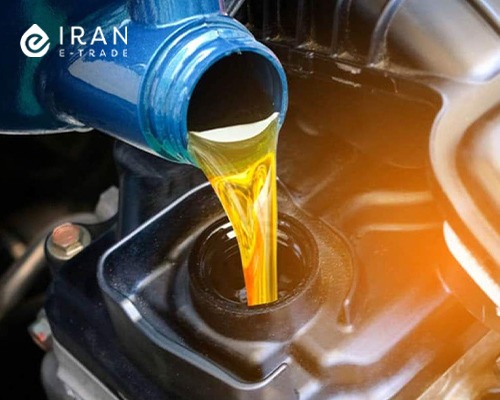
روان ساز نفتی چیست: معرفی و کاربرد انواع روان‌ساز + نحوه تولید

روان ساز نفتی چیست؟ روان‌سازنفتی یا روان کننده نفتی نوعی روغن است که با کاهش اصطکاک بین سطوح متحرک، کارایی دستگاه‌ها را افزایش داده و عمر مفید آن‌ها را طولانی می‌کند. این مواد علاوه بر روانکاری، نقش انتقال حرارت، محافظت از سطوح در برابر زنگ‌زدگی و خوردگی را نیز ایفا می‌کنند. این روغن‌ها با داشتن شاخص گرانروی بالا، مقاومت حرارتی مناسب، پایداری در برابر اکسیداسیون و خاصیت پاک‌کنندگی، از فرسودگی قطعات جلوگیری کرده و عملکرد سیستم‌ها را بهینه می‌کنند. روانسازهای نفتی می‌توانند به شکل مایع، نیمه‌جامد، جامد یا حتی گازی وجود داشته باشند و هر حالت برای کاربردهای ویژه‌ای مانند موتور، گیربکس، بلبرینگ، لولا و تجهیزات صنعتی طراحی شده است.

این مطلب از وبلاگ ایرانی ترید به این موضوع می‌پردازد که روان ساز نفتی چیست و چه ویژگی‌ها و کاربردهایی دارد. ایران ای ترید مرجع رسمی اعلام قیمت فرآورده‌های نفتی است که می‌توانید برای استعلام قیمت قیر صادراتی و موارد دیگر به این وبسایت مراجعه کنید.

منظور از روان ساز نفتی چیست؟

روان ساز نفتی چیست؟ روان‌ساز نفتی نوعی روغن حاصل از نفت خام است که برای کاهش اصطکاک و جلوگیری از سایش در میان قطعات متحرک دستگاه‌ها استفاده می‌شود.

روان‌ساز نفتی یا روان کننده نفتی، نوعی روغن است که برای کاهش اصطکاک، سایش و گرمای بین قطعات مکانیکی متحرک به کار می‌رود. شاخص گرانروی بالا و اصطکاک کم، مقاومت حرارتی و پایداری در برابر اکسیداسیون، خاصیت پاک‌کنندگی بالا، جلوگیری از سایش و فرسودگی، ضدکف بودن، محافظت از سطوح در برابر زنگ‌زدگی و خوردگی و سازگاری با قطعات لاستیکی و پلاستیکی از ویژگی‌های مهم و کاربردی روان‌ساز نفتی است. روان کننده نفتی می‌تواند در حالت‌های مختلفی مثل مایع، نیمه‌جامد، جامد یا حتی پلاستیکی یا گازی باشد که هر یک برای  کاربردهای خاص طراحی شده‌اند.

در ادامه به‌طور مفصل خواهیم دید روان ساز نفتی چیست، چه انواعی دارد و چگونه تولید می‌شود.

معرفی روان ساز نفتی

نحوه تولید روان ساز یا روان کننده نفتی

 اولین مرحله از فرآیند تولید روان‌‌ساز نفتی از نفت خام مرحله پالایش است. در مرحله پالایش نفت خام به اجزای مختلفی مانند بنزین، گازوئیل و روغن‌های روان‌کننده تبدیل می‌شود. این کار با گرم کردن نفت خام تا دمای بالا و سپس انجام تقطیر صورت می‌گیرد تا اجزای مختلف بر اساس نقطه جوششان جدا شوند. اگر مطالب قبلی را مطالعه نموده باشید حتما آگاهی دارید که گازوئیل چیست و چه کاربردی دارد و بنزین چیست و چه ویژگی هایی دارد. به همین دلیل در ادامه به بررسی ادامه مراحل تولید روان کننده  نفتی می‌پردازیم.

روغن‌های تولیدشده در این فرآیند، روغن پایه نامیده می‌شوند. روغن‌های پایه جزء اصلی روان‌کننده‌ها هستند و دارای ویژگی‌هایی مانند ویسکوزیته، پایداری در برابر اکسیداسیون و نقطه ریزش هستند. با این حال، روغن‌های پایه به‌تنهایی قادر به روانکاری کامل نیستند و برای افزایش عملکردشان، با افزودنی‌های تخصصی ترکیب می‌شوند. در بخش بعد خواهیم دید که افزودنی‌های به کار رفته در روان ساز نفتی چیست.

روان‌ساز نفتی نوعی روغن صنعتی به دست آمده از نفت خام است که برای کاهش اصطکاک و جلوگیری از سایش در میان قطعات متحرک دستگاه‌ها استفاده می‌شود. این ترکیبات با ایجاد لایه‌ای نازک بین سطوح در تماس، از فرسایش، زنگ‌زدگی و افزایش دما جلوگیری کرده و موجب بهبود عملکرد و افزایش طول عمر تجهیزات می‌شوند. روان کننده نفتی در حالت‌های مختلف مایع، نیمه‌جامد، جامد یا گازی تولید می‌شود و بسته به نوع کارکرد، در بخش‌هایی مانند موتور، گیربکس، یاتاقان و سیستم‌های هیدرولیکی به کار می‌رود. روانکار نفتی از پالایش نفت خام به دست آمده و معمولاً با افزودنی‌هایی مانند ضدسایش، ضدخوردگی و پایدارکننده حرارتی ترکیب می‌شوند تا کارایی آن‌ها در شرایط گوناگون به حداکثر برسد. روانساز نفتی گرانروی و مقاومت حرارتی مناسبی دارد از قطعات در برابر فرسودگی و زنگ‌زدگی محافظت می‌کند.

معرفی انواع روان‌سازهای نفتی بر اساس عملکرد و مواد افزودنی

روان کننده نفتی با ایجاد لایه‌ای نازک بین سطوح در تماس، از فرسایش، زنگ‌زدگی و افزایش دما جلوگیری کرده و موجب بهبود عملکرد و افزایش طول عمر تجهیزات می‌شود.

در این زیر می‌بینیم که براساس عملکرد و مواد افزودنی انواع روان‌ ساز نفتی چیست:

افزودنی‌های ضد سایش: این ترکیبات با ایجاد یک لایه محافظ روی سطوح فلزی، از تماس مستقیم آن‌ها جلوگیری کرده و میزان سایش قطعات را کاهش می‌دهند.

افزودنی‌های فشار شدید: در شرایطی که قطعات تحت فشار یا بار سنگین کار می‌کنند، این افزودنی‌ها با تشکیل لایه‌ای از مواد مقاوم مانند گرافیت یا دی‌سولفید مولیبدن مانع از چسبیدن یا قفل شدن اجزا می‌شوند.

اصلاح‌کننده‌های اصطکاک:برای کنترل و کاهش اصطکاک بین سطوح طراحی شده‌اند و معمولاً از ذرات جامد نظیر گرافیت، دی‌سولفید مولیبدن یا دی‌سولفید تنگستن ساخته می‌شوند.

بازدارنده‌های خوردگی: این مواد با ایجاد پوششی محافظ، سطوح فلزی را از تماس با اکسیژن، رطوبت و سایر مواد شیمیایی خورنده حفظ می‌کنند.

بهبوددهنده‌های شاخص ویسکوزیته: افزودنی‌هایی هستند که به پایداری ویسکوزیته روغن در دماهای مختلف کمک می‌کنند تا عملکرد روان‌ساز نفتی در گرما یا سرما تغییر محسوسی نکند.

روان ساز نفتی چیست توضیح
تعریف حاصل پالایش نفت خام برای کاهش اصطکاک و افزایش عمر تجهیزات
ویژگی‌ها گرانروی مناسب، مقاومت در برابر حرارت، خاصیت ضد سایش و ضد خوردگی
انواع از نظر حالت مایع، نیمه‌جامد، جامد و گازی
انواع از نظر عملکرد ضد سایش، فشار شدید، بازدارنده خوردگی، اصلاح‌کننده اصطکاک
مزایا و کارکرد کاهش حرارت و اصطکاک، افزایش راندمان، جلوگیری از خوردگی و فرسایش
کاربردها در موتور، گیربکس، یاتاقان، بلبرینگ و تجهیزات حفاری استفاده می‌شود
تأثیر عملکردی تشکیل لایه‌ای نازک روی سطوح در تماس برای جلوگیری از زنگ‌زدگی و افزایش طول عمر قطعات

کاربرد روان ساز نفتی

کاربرد انواع روان ساز نفتی چیست؟

گریس‌ها، روغن‌ها، روان‌کننده‌های نفوذی و خشک از انواع روان‌ساز نفتی هستند که هر یک کاربردهای مختلفی دارند و برای کاهش اصطکاک بین زنجیرها، بلبرینگ‌ها، یاتاقان و پیچ و مهره‌ها به کار می‌روند.

حتما می‌دانید که اصلی‌ترین کاربرد روان ساز نفتی چیست. روانکار نفتی معمولاً برای کاهش اصطکاک بین سطوح استفاده می‌شود. اما هر یک از انواع روان‌ساز نفتی ویژگی‌هایی دارند که آن‌ها را برای کاربردهای خاصی مناسب کرده است:

1. گریس

 گریس‌ها نوعی روان‌ساز نیمه‌جامد هستند که قادرند به نحو موثری با روان‌کننده‌های روغنی ترکیب شوند. این مواد همچنین نقش محافظ را ایفا کرده و با ایجاد یک لایه مانع، از سطوح در برابر آلودگی‌های آسیب‌زا حفاظت می‌کنند.

با این حال، به دلیل ضخامت زیاد و خاصیت چسبندگی بالا، گریس در دستگاه‌هایی که با سرعت زیاد کار می‌کنند می‌تواند باعث افزایش مقاومت حرکتی شود. از گریس که نوعی روان‌ساز نفتی است معمولاً در زنجیرها، اتصالات، بلبرینگ‌ها و چرخ‌دنده‌ها استفاده می‌شود.

2. روغن‌ها

روغن‌ها نوعی محلول روان کننده نفتِ نسبتاً رقیق هستند که از زنجیره‌های بلند پلیمری همراه با افزودنی‌هایی مانند آنتی‌اکسیدان‌ها، بازدارنده‌های خوردگی و مواد شوینده ساخته می‌شوند. این ترکیبات از اکسید شدن روغن، خوردگی سطوح و تشکیل رسوب جلوگیری می‌کنند.

زنجیره‌های بلند موجود در روغن به‌سختی فشرده می‌شوند، اما این ویژگی باعث می‌شود که بین سطوح، لایه‌ای لغزنده و روان تشکیل دهند. روغن‌ها بر اساس ویسکوزیته در وزن‌های مختلف تولید می‌شوند؛ هرچه عدد ویسکوزیته کمتر باشد، جریان روغن آسان‌تر است.

کاربرد این روان ساز نفتی چیست؟ روغن‌ در یاتاقان‌ها، لولاها، تیز کردن تیغه‌ها و نگهداری ابزارها به کار می‌رود. معمولاً زمانی از روغن استفاده می‌شود که به روانکاری بدون استفاده از گریس و برای قطعات کوچک نیاز داشته باشیم.

معرفی انواع روان‌سازها بر اساس حالت

روان کننده نفتی در 4 حالت جامد مثل پودر و کامپوزیت، نیمه جامد مثل گریس، مایع مثل روغن‌ها و گازی عرضه می‌شوند.

روان کننده‌های نفتی براساس حالتشان به 4 دسته زیر تقسیم می‌شوند:

1. روان‌کننده مایع: رایج‌ترین نوع روان‌سازنفتی است که معمولاً از روغن‌های معدنی، مصنوعی و امولسیون‌ها تشکیل می‌شود. این روان‌ساز نفتی برای کاهش اصطکاک در موتور، گیربکس و تجهیزات صنعتی کاربرد دارد. روان کننده نفتی مایع به چهار گروه تقسیم می‌شوند:

  • روغن‌های پایه هیدروکربنی
  • روغن‌ها و چربی‌های طبیعی
  • روان کننده‌های حاوی آب
  • روغن‌های مصنوعی غیرهیدروکربنی

2. روان ساز جامد: پودرها، پوشش‌ها و کامپوزیت‌هایی مثل گرافیت، پلی تترا فلوراتیلن و دی سولفید مولیبدن در دستۀ روانساز نفتی جامد قرار می‌گیرند.

3. روان ساز گازی: در این روش از گازهایی مثل هوا، نیتروژن یا بخار برای کاهش اصطکاک استفاده می‌شود و در سیستم‌های خاص و سرعت‌بالا کاربرد دارد.

4. روان کننده نیمه‌جامد: گریس نمونه‌ای از روانکار نفتی نیمه جامد است که ترکیبی از روغن معدنی و گیاهی و صابون امولسیونی بوده و برای روانکاری طولانی‌مدت در دما و فشار بالا مناسب است.

انواع روغن های روانساز

انواع روغن های روانساز

روغن‌های روانساز به سه دسته اصلی گیاهی، معدنی و مصنوعی (یا ترکیبی از آن‌ها) تقسیم می‌شوند. روغن‌های معدنی از تصفیه نفت خام طبیعی به‌دست می‌آیند و به‌دلیل هزینه پایین استخراج، پرکاربردترین نوع هستند.

این روغن‌ها را می‌توان با ویسکوزیته‌های مختلف تولید کرد تا برای کاربردهای گوناگون مناسب باشند. روغن‌های مصنوعی به‌صورت صنعتی تولید می‌شوند و در شرایط خاص یا محیط‌های حساس زیست‌محیطی، از روغن‌های پایه گیاهی استفاده می‌شود.

1. روان کننده های نفوذی

این نوع روان‌کننده‌ها برای باز کردن پیچ‌ها و مهره‌های زنگ‌زده بسیار مفیدند. با وجود ویسکوزیته پایین، فقط برای نفوذ در شکاف‌های ریز، کاهش اصطکاک و برطرف کردن زنگ‌زدگی مناسب است.

2. روان کننده های خشک

روان‌کننده‌های خشک شامل موادی مانند سیلیکون، گرافیت، PTFE و دی‌سولفید مولیبدن هستند که در سطح مولکولی خاصیت لغزندگی زیادی دارند و اصطکاک را کاهش می‌دهند. این مواد معمولاً به‌صورت پودر یا اسپری عرضه می‌شوند و پس از تبخیر حلال، سطحی خشک و لغزنده ایجاد می‌کنند. از روان کننده های خشک در قفل‌ها، لولاها، ریل‌ها و سطوحی استفاده می‌شود که نباید چرب یا آلوده شوند.

مهمترین وظایف روغن های روان ساز نفتی چیست؟

وظایف روان ساز نفتی چیست: روان‌کارهای نفتی برای انتقال حرارت، کاهش سایش، آب بندی، ضربه گیری و انتقال نیرو در صنایع مختلف به کار می‌روند.

روان ساز نفتی چیست و چه کار می‌کند؟ روانساز نفتی در صنایع مختلف برای اهداف زیر به کار می‌روند:

1. روانكاری

وظیفه اصلی روان‌ساز نفتی ایجاد لایه‌ای از روغن با ضخامت مناسب بین قطعات متحرک است. این کار اصطکاک، سایش و حرارت را به حداقل می‌رساند.

روانکار نفتی

2. انتقال حرارت

روغن‌های روانکار نفتی گرمای تولیدشده حین عملکرد دستگاه‌ها را از سطوح فلزی را به خود جذب می‌کنند تا قطعات خنک بمانند و دچار آسیب حرارتی نشوند.

3. به عنوان ضربه گير

یکی از وظایف مهم روان کننده نفتی جذب و کاهش شدت ضربات و لرزش‌ها در هنگام حرکت قطعات است. به این ترتیب روانسازهای نفتی از آسیب مکانیکی جلوگیری می‌شود.

4. حفاظت از سطوح

یکی دیگر از وظایف روان ساز نفتی چیست ؟ روان‌ساز نفتی باید از قطعات فلزی در برابر زنگ‌زدگی، خوردگی شیمیایی و اکسیداسیون محافظت کند و مانع از تماس مستقیم آن‌ها با هوا و رطوبت شود.

5. آب بندی

محلول روان کننده نفت با تشکیل لایه‌ای یکنواخت بین قطعاتی مانند پیستون و سیلندر، از نشت گازها یا مایعات جلوگیری کرده و کارایی سیستم را افزایش می‌دهد.

6. انتقال مواد حمل ذرات

روان ساز نفتی باید بتواند ذرات ناشی از سایش، تجزیه سوخت و آلودگی‌ها را در خود معلق نگه دارد و از تجمع آن‌ها روی قطعات جلوگیری کند.

7. انتقال نيرو

در برخی سیستم‌ها مانند مدارهای هیدرولیک، روان کننده نفتی نقش انتقال نیرو را ایفا می‌کند و موجب حرکت و کنترل قطعات می‌شود.

مزایا روان ساز نفتی در صنعت نفت و گاز

مزایا و کاربرد روان ساز نفتی در صنعت نفت و گاز چیست؟

واقعا کاربردها و مزایای روان‌ ساز نفتی چیست؟ انواع روان کننده نفتی مانند روغن موتور، روغن دنده و روغن هیدرولیک نقش مهمی در عملیات حفاری و استخراج نفت و گاز دارند. این روانکارها سبب کاهش سایش و کنترل حرارت می‌شوند. همچنین با تحمل بارهای سنگین و جلوگیری از آلودگی ناشی از آب، خاک، کف و زنگ‌زدگی، به بهبود عملکرد و طول عمر تجهیزات کمک می‌کنند.

نحوه کنترل عملکرد روان ساز نفتی چیست؟

 برای کنترل عملکرد روان کننده نفتی اقدامات زیر ضروری است:

  • اندازه‌گیری ویسکوزیته و نقطه ریزش
  • بررسی میزان افزودنی‌های ضدسایش و ضد خوردگی
  • آزمایش مقاومت در برابر اکسیداسیون
  • پایش دما و فشار کاری تجهیزات

سوالات متداول در خصوص “روان ساز نفتی چیست”

در این مطلب از بلاگ ایرانی ترید گفتیم که روان ساز نفتی چیست و چه کاربردهایی دارد. در پایان به دو سوال دربارۀ محلول روان کننده نفت پاسخ می‌دهیم:

روان ساز نفتی چیست و چطور به دست می‌آید؟

روانساز نفتی ترکیبی از روغن پایه و افزودنی‌ها است که با پالایش نفت خام و فرمولاسیون شیمیایی تولید می‌شود.

تفاوت روان ساز نفتی و غیرنفتی چیست؟

روان ساز نفتی چیست؟ این نوع روانکار از مشتقات نفت خام تولید می‌شود. روانکار غیرنفتی از مواد سنتزی مانند پلی‌گلیکول‌ها یا سیلیکون ساخته می‌شود و برای دما و فشارهای خاص طراحی شده است.

تفاوت روان ساز نفتی و غیرنفتی

منیع: wikipedia

قیمت قیر صادراتی

What Is Diesel fuel: Types Gas oil + Applications

What is gas oil? Gas oil, also called diesel fuel, is a liquid fuel that refineries produce from crude oil or alternative sources such as biodiesel and synthetic diesel. Furthermore, its use is mostly in diesel engines and industrial machinery. In the introduction, we may need to explain what diesel fuel is and how it differs from gas oil. You should also know that this term refers to any fuel used in diesel engines, such as traditional gas oil, Fischer–Tropsch diesel, or biodiesel. Therefore, in this article from the Iran ETrade blog, a specialized source for bitumen price updates, we will explain the properties and types of diesel fuel along with its applications.

What is diesel fuel?

Gas oil is a liquid fuel that refineries obtain from crude oil. Consumers then use it in diesel engines to produce mechanical energy.

What is diesel fuel? Gas oil is a type of middle distillate fuel that refineries produce from crude oil. Then, after distribution, consumers can use it in diesel engines such as heavy machinery and construction equipment.

Refinery units produce this fuel. But what is a gas oil refinery? A gas oil refinery is a unit that separates gas oil from crude oil through distillation and refining processes. It then removes gas oil’s impurities, such as sulfur, to provide high-quality fuel suitable for use in diesel engines.

This fuel has a higher density and a lower flash point compared to gasoline. It is also designed to ignite spontaneously under high pressure without the need for a spark.

What is diesel fuel, and why is it considered one of the most widely used fuels in the world? The discovery of this fuel began in the late 19th century with the invention of the diesel engine by Rudolf Diesel and the experiments of Ignacy Łukasiewicz. Over time, advancements in refining and hydrotreating improved its quality and compatibility with modern engines. The physicochemical properties of gas oil—such as density, optimal viscosity, pour and cloud point, sulfur content, and cetane number—directly affect its combustion efficiency, engine durability, and pollutant emissions. Furthermore, different types of gas oil include traditional gas oil, Fischer–Tropsch diesel, and biodiesel. Each type has distinct chemical compositions and properties and is suitable for use in pure form or blended with traditional gas oil. The uses of this fuel are extensive, including road transportation, generators, agricultural and construction machinery, and even military vehicles.

What is gas oil?

History of diesel fuel Production

The origins of diesel fuel production and use date back to the late 19th century, with the invention of the diesel engine by Rudolf Diesel and the early experiments of Ignacy Łukasiewicz.

In the beginning, heavy fuels obtained from crude oil distillation were directly used in early diesel engines. Then, with advances in refining technology and the development of improved formulations, producers created gas oil with higher ignitability, lower sulfur content, and reduced emissions, which made it more compatible with the needs of modern diesel engines.

Chemical Analysis of diesel fuel

At the chemical analysis level, gas oil is a mixture of aliphatic and aromatic hydrocarbons with medium molecular weight.

Standard analyses include determining these components in diesel fuel: carbon distribution (C10–C20), percentage of paraffins/naphthenes/aromatics, the presence of sulfur compounds (thiophenes and derivatives), approximate amounts of nitrogen and oxygen, and the content of volatile materials and impurities.

In addition, analysts usually measure and report gas oil’s physicochemical properties such as initial boiling point, viscosity, cetane number, and aniline point.

Properties of diesel fuel

What is gas oil? It is a diesel fuel with optimal density, viscosity, and cetane number. Also, its suitability for industrial and transportation applications depends on properties such as pour point, distillation, sulfur content, and aniline point.

To delve into the details of what gas oil is, this brief introduction is necessary: as an energy carrier, diesel fuel must maintain a balance between adequate combustibility, flow properties at low temperatures, and minimal environmental impact. Therefore, this serves as the starting point for examining the practical characteristics of gas oil.

  • Density: The density of gas oil indicates its mass per unit volume compared to other fuels. As the content of petroleum hydrocarbons and aromatics increases, the density of gas oil also rises.
  • Distillation: This property is very important for evaluating gas oil’s quality and performance, and it varies depending on the type of crude oil and its refining process.
  • Viscosity: Viscosity is a parameter that indicates the resistance of a liquid to flow. diesel fuel has relatively high viscosity due to its characteristics.
  • Pour and Cloud Point: These two parameters indicate fuel behavior at low temperatures. The higher the aromatic content in gas oil is, the lower the pour and cloud points are, resulting in better diesel performance in cold conditions.
  • Sulfur Content: The presence of sulfur is an important environmental and technical indicator. High sulfur content can cause corrosion in diesel engine components and increase air pollution.
  • Cetane Number and Aniline Point: Gas oil’s ignition quality or combustion delay is measured by its cetane number. On the other hand, its aromatic content and solvent power are assessed by using the aniline point.

Properties of Gas Oil

Types of diesel fuel and Their Differences

In this section, we will examine the different types of gas oil. Gas oil is not a singular product. Therefore, depending on the application and standards, it is produced in several different grades.

Traditional Gas Oil

  • The most common diesel fuel in the world
  • Produced from crude oil distillation in refineries
  • Contains sulfur and aromatic compounds, which can pollute the environment

Synthetic diesel fuel

  • Produced from natural gas (GTL), coal (CTL), or biomass (BTL)
  • Has Fischer–Tropsch diesel, obtained through synthetic chemical reactions
  • High purity, has very low sulfur content, and stable performance in diesel engines

Biodiesel

  • A biofuel produced from renewable sources such as vegetable oils (soybean, canola, palm) or animal fats
  • Can be used in pure form (B100) or blended with traditional diesel fuel (e.g., B20)
  • Reduces greenhouse gas emissions and is the only type of diesel that can help improve the carbon dioxide cycle

Types of Gas Oil and Their Differences

What Are the Uses of diesel fuel?

What is gas oil’s use? To better understand what gas oil fuel is, you should know that it is one of the most widely used energy carriers in the world. Therefore, it plays a fundamental role in transportation, industry, and agriculture.

1. Vehicle Fuel

diesel fuel serves as the primary fuel for trucks, buses, and many diesel passenger vehicles. Its high cetane number provides smoother combustion and better thermal efficiency. Therefore, it is the preferred choice for heavy transportation and long-distance routes.

2. Generator Fuel

In emergency and industrial power generators, diesel fuel is the best option for a stable electricity supply due to its high energy density and storage stability. Therefore, this trait allows Diesel to generate electrical power for hospitals, data centres, and remote workshops during power outages.

3. Fuel for Agricultural and Construction Equipment

Machines such as tractors, combine harvesters, excavators, and loaders require fuel that provides high torque and efficient consumption for continuous operation. Gas oil ensures gradual combustion, consistent power, and engine durability; Therefore, it is a good choice for agricultural machinery.

4. Military Vehicles

What is gas oil’s use in military vehicles? The military uses gas oil to fuel tanks and trucks because it is safer (less flammable than gasoline) and provides high torque in operational fields.

What Are the Benefits of Using diesel fuel?

High efficiency, easy availability, economical consumption, and optimal viscosity are some of the benefits of using gas oil. Furthermore, these benefits extend the vehicle’s engine life and reduce its maintenance and repair costs.

Due to its chemical nature and combustion properties, gas oil plays an unrivalled role in many industries and transportation sectors. But do you know what the other advantages of using gas oil are?

  • High Efficiency and Optimal Consumption: Due to its higher energy density compared to gasoline, diesel fuel provides greater thermal efficiency.
  • Easy Availability: Has a major network distribution
  • Cost-Effectiveness: Thanks to higher efficiency and lower consumption, the fuel cost per kilometer travelled or per kilowatt-hour of energy produced in diesel engines is lower.
  • Reduced Maintenance and Repair Costs: Gas oil’s formulation, with optimal and stable viscosity, prevents wear on fuel system components, leading to longer engine life and lower costs for repairs and routine maintenance.

What Are the Benefits of Using Gas Oil?

Risks and Hazards of Using diesel fuel

Understanding the scientific risks of gas oil helps us both use this widely applied fuel efficiently and safely.

Traditional gas oil produces high amounts of sulfur, particulate matter, and carbon dioxide, making it one of the main sources of air pollution and greenhouse gases. Lower-grade versions of this fuel, especially in low-speed engines, generate more carbon residues and contain higher sulfur levels, which are subject to strict regulation.

From a safety perspective, the slow evaporation of diesel fuel, if it leaks onto road surfaces, creates greasy patches that reduce tyre traction; this in turn potentially causes dangerous slips for vehicles, particularly motorcycles and bicycles.

Gas oil is flammable, and its vapors can cause explosion or fire hazards if they accumulate. Prolonged skin contact with it can also cause irritation, and inhaling the vapors may lead to respiratory problems. In addition, incomplete combustion of gas oil produces soot and nitrogen oxides, which are harmful to human health and the environment. Moreover, spills of diesel fuel into soil or water lead to chemical pollution and require careful control.

Tips For Storing diesel fuel

For the safe and long-term storage of gas fuel, you must ensure its fuel quality, tank safety, and environmental protection. Therefore, we will present some practical recommendations for storing gas oil:

1. Proper Use of the Tank

What is gas oil’s proper use in tank? It is important to use standard metal or polyethene storage tanks that are resistant to corrosion and leaks.

2. Preventing Water Contamination

Leaks or spills of diesel fuel can pollute water sources. To prevent fuel from reaching groundwater, you should install a collection tray under the tank and use automatic shut-off systems.

3. Regular Inspection

Because of gas oil’s susceptibility to microbial contamination and sediment formation, tanks and transfer lines must be inspected periodically to detect and fix leaks, corrosion, or sludge buildup.

4. Fuel Level Monitoring

Continuous monitoring of fuel levels and the use of digital or mechanical gauges help prevent fuel overflows, shortages, or air entering the system.

5. Filtration

Thanks to the formulation and chemical properties of diesel fuel, multi-stage filters can remove its suspended particles, water, and microbial contamination. Therefore, filtration ensures optimal engine performance and longer injector life.

Tips For Storing Gas Oil

How Is diesel fuel Refined?

What is gas oil? It is a middle distillate product of crude oil that undergoes refining, hydrotreating, and in some cases thermal or catalytic cracking to improve its combustion quality and environmental performance.

Gas oil is one of the middle distillate products of crude oil, separated at temperatures between about 250 and 350 degrees Celsius. After separation, it goes through hydrogen treatment (hydrotreating) to reduce its sulfur, nitrogen, and aromatic compounds, which improves both its combustion quality and environmental profile.

In addition, some refineries use more advanced processes, such as thermal or catalytic cracking, to produce gas oil with specific properties.

Freezing Temperature of diesel fuel

The freezing point of diesel fuel depends on its chemical composition and refining process, but it usually ranges between –8 and –15 degrees Celsius.

Gas oil contains heavy and paraffinic hydrocarbons, which crystallize at low temperatures. Therefore, to prevent filter blockage and reduce engine performance, operators use modified gas oils with lower freezing points or antifreeze additives.

Water in diesel fuel

To better understand what gas oil is and how water may be present in it, we have to consider its structure and physical properties.

Water in diesel fuel—whether in free, dissolved, or emulsified form—can reduce fuel quality and damage engine components. Free water usually settles at the bottom of tanks. However, dissolved or emulsified water can cause fuel cloudiness, microbial growth, and filter blockage.

Does Water Dissolve in diesel fuel?

Given the nonpolar nature of gas oil and the polar nature of water, water does not fully dissolve in gas oil. However, a limited amount of water can exist in dissolved form, especially at higher temperatures when solubility increases.

Does Water Dissolve in Gas Oil?

Why Does EPA Regulate Diesel Additives?

Gas oil contains compounds such as sulfur, aromatics, and particulate matter that can cause air pollution and environmental damage. For this reason, the U.S. Environmental Protection Agency (EPA) regulates diesel additives to control emissions, protect public health, and enhance engine performance.

The Difference Between Gasoline and diesel fuel

What is gas oil and gasoline’s difference? diesel fuel is a fuel with long hydrocarbon chains that is used in diesel engines with compression ignition. However, gasoline is a lighter compound with shorter chains used in spark-ignition engines.

In terms of physical properties, gas oil is denser, less volatile, and ignites more slowly. But gasoline is more volatile, ignites faster, and is better suited for high-revving engines. In addition, gas oil produces more energy per litre, while gasoline generates fewer pollutants.

What Is The Difference Between Crude Oil and diesel fuel?

Crude oil is the raw material extracted from deep underground and contains a wide range of hydrocarbons with diverse physical and chemical properties.

Gas oil is one of the products of crude oil refinement, obtained through atmospheric distillation followed by chemical treatment.

Factors Affecting diesel fuel Prices

The price of diesel fuel is influenced by a combination of economic, technical, and political factors. Since the nature of gas oil depends on crude oil quality, refining processes, and environmental standards, fluctuations in global oil supply, sanctions, refining costs, and changes in industrial demand directly impact gas oil prices.

Factors Affecting Gas Oil Prices

Frequently Asked Questions

In this section, we address the most common questions regarding what gas oil is and its key characteristics.

What Is diesel fuel and How Is It Produced?

What is gas oil? Gas oil is obtained from the refining of crude oil and the separation of heavy hydrocarbons at temperatures around 250 to 350 degrees Celsius.

What Are the Uses of Gas Oil?

Gas oil is applicable in diesel engines of heavy vehicles, industrial machinery, diesel generators, ships, and some light-duty vehicles.

Which Is Better: Diesel Fuel or Gasoline?

Diesel fuel produces more energy per litre and is better suited for heavy loads, whereas gasoline performs better in light vehicles that require high acceleration.

What Is the Density of Gas Oil?

At 15.6 degrees Celsius, the density of gas oil typically ranges between 820 and 860 kilograms per cubic meter.

Can Crude and Gas Oil Be Mixed?

Directly mixing crude with gas oil is not recommended, as their combustion properties and emission characteristics differ and may damage the engine.

What Is The Difference Between Diesel And Gas Oil?

Gas oil is a type of diesel fuel; the term “diesel” refers to any fuel used in a diesel engine, while “gas oil” usually refers to its petroleum-based form.

What Is the Solvent for diesel fuel?

Gas oil dissolves in non-polar solvents such as kerosene, toluene, and hexane, but it is not miscible with polar substances like water.

What Is Gas Oil D2?

As mentioned in the discussion of gas oil types, diesel fuel can be produced in various grades. Therefore, gas oil D2 is one of these standard grades, known as light diesel fuel, and can be used directly in both light and heavy diesel engines without complex processing.

What Is Gas Oil D2?

source: fosterfuels, axi-international
Bitumen Price
ال پی جی چیست: مشخصات و مزایا + کاربرد گاز مایع LPG

ال‌ پی‌ جی چیست؟ گاز مایع یا LPG، ترکیبی از هیدروکربن‌های سبک مانند پروپان و بوتان است که تحت فشار بالا به حالت مایع درمی‌آید و در صنایع، حمل‌ونقل و مصارف خانگی کاربرد گسترده‌ای دارد. برای درک دقیق اینکه گاز مایع چیست، باید بدانیم که این سوخت بی‌رنگ، قابل اشتعال و پرانرژی، محصول جانبی پالایش نفت خام یا فرآوری گاز طبیعی است.

گاز LPG به دلیل ارزش حرارتی بالا، قابلیت حمل آسان و احتراق پاک، به‌عنوان یکی از منابع انرژی محبوب در سراسر جهان شناخته می‌شود و در بسیاری از کشورها جایگزین مناسبی برای سوخت‌های فسیلی سنتی به شمار می‌رود. که در ادامه این مطلب ایران ای ترید مرجع اعلام قیمیت فرارده های نفتی بدان می‌پردازیم.

گاز مایع یا ال پی جی چیست؟

گاز مایع یا ال‌ پی‌ جی چیست؟ سوختی فشرده و قابل اشتعال متشکل از پروپان و بوتان است که به‌عنوان محصول جانبی پالایش نفت خام یا گاز طبیعی، به دلیل ارزش حرارتی بالا و قابلیت حمل آسان، در مصارف خانگی، صنعتی و خودرویی کاربرد گسترده‌ای دارد.

در میان منابع سوختی قابل حمل، گاز مایع جایگاه ویژه‌ای دارد. این ماده که با نام اختصاری LPG شناخته می‌شود، ترکیبی از هیدروکربن‌های سبک مانند پروپان و بوتان است که تحت فشار به حالت مایع درمی‌آیند. اگر بخواهیم دقیق‌تر بدانیم گاز  ال‌ پی‌ جی چیست، باید بگوییم که این گاز بی‌رنگ، بی‌بو و قابل اشتعال، محصول جانبی پالایش نفت خام یا گاز طبیعی است و به دلیل ارزش حرارتی بالا و قابلیت حمل آسان، در مصارف خانگی، صنعتی و خودرویی کاربرد گسترده‌ای دارد.

تاریخچه کشف گاز LPG

پیدایش گاز مایع به عنوان یک منبع انرژی، به آزمایش‌های علمی در اواخر قرن نوزدهم بازمی‌گردد. در سال ۱۸۹۲، محققان هلندی برای نخستین بار توانستند متان مایع را از گاز طبیعی استخراج کنند و پایه‌های نظری مایع‌سازی گازهای نفتی را بنا نهادند.

تاریخچه کشف گاز ال پی جی چیست و به کجا برمی‌گردد؟ اما نقطه عطف این کشف در اوایل قرن بیستم و با تلاش‌های دکتر والتر اسنلینگ در ایالات متحده رقم خورد. او در حین بررسی خواص بنزین، متوجه شد که گازهای فرار حاصل از آنري، مانند پروپان و بوتان، در شرایط خاص، قابل تبدیل به حالت مایع هستند. این کشف، زمینه‌ساز توسعه صنعتی گاز مایع شد.

اما ال پی چی مخفف چیست؟ بر اساس منابع معتبر، ال‌پی‌جی مخفف Liquefied Petroleum Gas یا همان “گاز نفتی مایع‌شده” است که به اختصار LPG نامیده می‌شود.

ال‌ پی‌ جی چیست؟ گاز مایع یا LPG ترکیبی از پروپان و بوتان است که تحت فشار به حالت مایع درمی‌آید و به‌عنوان یکی از منابع انرژی قابل حمل، پاک و پرکاربرد شناخته می‌شود. تاریخچه کشف آن به اوایل قرن بیستم و تلاش‌های دکتر والتر اسنلینگ در ایالات متحده بازمی‌گردد که توانست گازهای فرار حاصل از نفت را مایع‌سازی کند. از جمله ویژگی‌های خاص این گاز می‌توان به ارزش حرارتی بالا، قابلیت اشتعال، تراکم زیاد در حالت مایع و حمل‌ونقل آسان اشاره کرد. مزایای استفاده از LPG شامل احتراق پاک، مقرون‌به‌صرفه بودن، کاربرد چندمنظوره و دسترسی در مناطق فاقد گاز شهری است. این گاز در سه نوع اصلی عرضه می‌شود: بوتان LPG برای مناطق معتدل، پروپان LPG برای مناطق سردسیر و ترکیب LPG که نسبت پروپان و بوتان آن بسته به شرایط اقلیمی تنظیم می‌شود.

ال پی جی چیست

ویژگی‌ها و مشخصه های اصلی گاز مایع ال پی جی چیست؟

برای درک دقیق اینکه گاز ال‌ پی‌ جی چیست، باید به ساختار شیمیایی، خواص فیزیکی و رفتار این گاز در شرایط مختلف توجه کنیم.

ال‌پی‌جی (LPG) مخفف Liquefied Petroleum Gas یا «گاز نفتی مایع‌شده»، عمدتاً از دو هیدروکربن سبک یعنی پروپان (C₃H₈) و بوتان (C₄H₁₀) تشکیل شده و در برخی موارد مقادیر کمی از پروپیلن و بوتیلن نیز شامل می‌شود.

معروف‌ترین مشخصات فیزیکی و شیمیایی گاز ال پی جی
  • بی‌رنگ و بو
  • قابلیت اشتعال بالا
  • دمای جوش پایین
  • تراکم بالا در حالت مایع

مزایای استفاده از گاز ال پی جی چیست؟

مزایای استفاده از گاز ال‌ پی‌ جی چیست؟ این سوخت فشرده، چندمنظوره و دوست‌دار محیط زیست با ارزش حرارتی بالا، حمل‌ونقل آسان و هزینه مقرون‌به‌صرفه، گزینه‌ای ایده‌آل برای مصارف خانگی، صنعتی و خودرویی در سراسر جهان محسوب می‌شود.

باتوجه به تنوع منابع انرژی و دغدغه‌های زیست‌محیطی، شناخت دقیق اینکه گاز مایع LPG چیست، می‌تواند به انتخاب آگاهانه‌تری در حوزه سوخت کمک کند. در این بخش می‌خواهیم درباره مزایای استفاده گاز ال‌پی‌جی و اینکه چرا این سوخت در صنایع، حمل‌ونقل و مصارف خانگی تا این حد محبوب است بپردازیم:

1. چندکاره بودن و کاربردهای گسترده LPG

مزایای گاز lpg چیست؟ تطبیق‌پذیری بالای گاز ال پی جی در حوزه‌های مختلف از مهم‌ترین مزایای آن است.

از پخت‌وپز خانگی و گرمایش گرفته تا سوخت خودروها، صنایع سبک و سنگین و حتی به‌عنوان ماده پیشران در اسپری‌ها، این گاز عملکردی قابل اعتماد دارد. همین چندکاره بودن باعث شده که در کشورهای توسعه‌یافته، ال‌پی‌جی بخش مهمی از سبد انرژی را تشکیل دهد.

2. دوست‌دار محیط زیست

اگر بخواهیم بدانیم که از منظر زیست محیطی فواید گاز ال پی جی چیست؟ باید به میزان آلایندگی پایین آن اشاره کنیم.

در مقایسه با بنزین و انواع گازوئیل، ال‌پی‌جی هنگام سوختن دی‌اکسید کربن و ذرات معلق کمتری تولید می‌کند. همچنین فاقد ترکیبات گوگردی و فلزات سنگین است، که آن را به گزینه‌ای مناسب برای کاهش آلودگی هوا در شهرهای بزرگ تبدیل می‌کند.

3. دسترسی و حمل و نقل آسان

به دلیل قابلیت مایع‌شدن در فشار نسبتاً پایین، ال‌پی‌جی به‌راحتی در سیلندرها و مخازن قابل حمل ذخیره می‌شود.

4. هزینه مقرون‌به‌صرفه

در بسیاری از کشورها، هزینه استفاده از ال‌ پی‌ جی نسبت به بنزین و گازوئیل پایین‌تر است. البته علاوه بر قیمت پایین، بازدهی بالا و نگهداری آسان تجهیزات مرتبط با ال‌پی‌جی نیز به کاهش هزینه‌های عملیاتی کمک می‌کند.

5. ارزش حرارتی بالا

مزایای ارزش حرارتی بالا ال پی جی چیست؟ یکی از پاسخ‌های کلیدی در بحث اینکه گاز ال‌ پی‌ جی (LPG) چیست، ارزش حرارتی بالای آن است. ال‌ پی‌ جی حدود ۴۶ مگاژول بر کیلوگرم انرژی تولید می‌کند که از بسیاری از سوخت‌های رایج بیشتر است. این ویژگی باعث می‌شود که در صنایع نیازمند انرژی بالا، مانند ذوب فلزات یا تولید بخار، گزینه‌ای کارآمد باشد.

مزایای گاز مایع lpg

6. مناسب برای حمل و نقل در مسافت های طولانی

به دلیل تراکم بالا در حالت مایع، حجم کمی از ال‌پی‌جی می‌تواند انرژی زیادی را در خود جای دهد. این ویژگی، آن را برای حمل‌ونقل در مسافت‌های طولانی بسیار مناسب کرده است.

انواع گاز ال پی جی چیست؟

انواع گاز ال‌ پی‌ جی چیست؟ گاز مایع شامل سه نوع اصلی: بوتان، پروپان و ترکیب LPGاست که بسته به شرایط اقلیمی و نوع مصرف، نسبت این هیدروکربن‌ها تنظیم می‌شود تا عملکرد بهینه در کاربردهای خانگی، صنعتی و خودرویی فراهم گردد.

برای درک بهتر از ال پی جی، باید درک درستی از این موضوع که گاز مایع چیست داشته باشیم: در واقع، گاز مایع ترکیبی از هیدروکربن‌های سبک است که در شرایط فشار بالا به حالت مایع درمی‌آیند. این گاز عمدتاً از پروپان و بوتان تشکیل شده و بسته به نوع کاربرد، نسبت این دو ترکیب تغییر می‌کند. حال به بررسی انواع رایج گاز ال‌ پی‌ جی می‌پردازیم:

1. بوتان LPG

در توضیح کامل از گاز ال پی جی چیست، باید با گاز بوتان اصلی‌ترین عضو آن آشنا شوید. گاز بوتان در حدود ۰.۵- درجه سانتی‌گراد به جوش می‌آید.

این ویژگی باعث می‌شود که در شرایط آب‌وهوایی معتدل، عملکرد مناسبی داشته باشد. از طرفی دیگر، نسبت به پروپان فشار بخار کمتری دارد و در دمای محیط راحت‌تر مایع می‌شود.

بوتان انرژی بالایی در هر کیلوگرم تولید کرده و به‌همین‌خاطر در سیلندرهای خانگی برای پخت‌وپز و گرمایش بسیار رایج است.

2. پروپان LPG

دومین گاز مهم ال پی جی چیست؟ گازپروپان دومین ترکیب اصلی در گاز مایع است که در دمای حدود ۴۲- درجه سانتی‌گراد به جوش می‌آید. این ویژگی باعث می‌شود که در مناطق سردسیر، عملکرد بهتری نسبت به بوتان داشته باشد.

3. LPG مخلوط

در بسیاری از کشورها، گاز مایع به‌صورت ترکیبی از پروپان و بوتان عرضه می‌شود. نسبت این دو بسته به شرایط اقلیمی، نوع مصرف و استانداردهای محلی تنظیم می‌شود.

برای مثال، در زمستان‌ها یا مناطق سرد، درصد پروپان افزایش می‌یابد تا تبخیر گاز در دمای پایین تضمین شود. در مناطق گرم‌تر، نسبت بوتان بیشتر است تا انرژی بیشتری در هر واحد حجم تولید شود.

نحوه تولید گاز مایع ال پی جی

فرآیند تولید گاز ال پی جی چیست؟ این نوع گاز مایع ترکیبی از هیدروکربن‌های سبک مانند پروپان و بوتان است که در شرایط خاصی از منابع مختلف استخراج و مایع‌سازی می‌شود. در ادامه تولید گاز ال پی جی را در سه مسیر اصلی بررسی می‌کنیم‌:

تولید LPG از گاز طبیعی

گاز طبیعی یکی از منابع اصلی تولید ال‌ پی‌ جی است. این گاز از میادین زیرزمینی یا به‌عنوان گاز همراه نفت خام استخراج می‌شود.

پس از استخراج، گاز طبیعی حاوی ترکیبات مختلفی از جمله متان، اتان، پروپان و بوتان است. در واحدهای فرآوری، ابتدا ناخالصی‌هایی مانند آب، گوگرد و دی‌اکسید کربن حذف می‌شوند.

سپس با استفاده از تقطیر سرد و فشرده‌سازی، هیدروکربن‌های سنگین‌تر مانند پروپان و بوتان جدا شده و به‌عنوان گاز LPG ذخیره می‌شوند.

انواع گاز ال پی جی

تولید گاز ال پی جی از نفت خام

فرآیند تولید گاز ال پی جی چیست؟ یکی از مسیرهای تولید، در زمینه پالایش نفت است. باید بدانیم که پروپان و بوتان به‌عنوان محصولات جانبی در فرآیند پالایش نفت خام به دست می‌آیند.

در برج تقطیر اتمسفری، نفت خام گرم شده و به اجزای مختلفی تقسیم می‌شود. پروپان و بوتان به دلیل سبک بودن، از قسمت‌های بالایی برج جدا می‌شوند.

همچنین در فرآیندهای کراکینگ حرارتی یا کاتالیستی، مولکول‌های سنگین‌تر نفتی شکسته شده و به ترکیبات سبک‌تر مانند LPG تبدیل می‌شوند.

تولید ال پی جی از منابع تجدیدپذیر

در سال‌های اخیر، تلاش‌هایی برای تولید LPG از منابع زیستی و تجدیدپذیر آغاز شده است. این فرآیند شامل تبدیل زیست‌توده، روغن‌های گیاهی یا پسماندهای آلی به گازهای هیدروکربنی سبک است.

با استفاده از فناوری‌های پیشرفته مانند گازسازی زیستی و کراکینگ زیست‌محور، امکان تولید پروپان و بوتان از منابع غیر فسیلی فراهم شده است.

کاربردهای گاز ال پی جی چیست؟

کاربردهای گاز ال‌ پی‌ جی چیست؟ این سوخت فشرده و تطبیق‌پذیر با احتراق پاک، در صنایع خودرو، پتروشیمی، اسپری‌سازی، پخت‌وپز، شیمیایی، فلزی و ساختمانی به‌عنوان منبع انرژی یا ماده اولیه نقش کلیدی ایفا می‌کند.

کاربردهای ال‌ پی‌ جی چیست؟ این گاز بی‌رنگ، قابل اشتعال، با ارزش حرارتی بالا و آلایندگی پایین، در صنایع مختلف نقش کلیدی ایفا می‌کند. به دلیل قابلیت حمل آسان، احتراق پاک و تطبیق‌پذیری بالا، LPG به یکی از پرکاربردترین سوخت‌های جهان تبدیل شده است.

1. کاربرد LPG در صنعت خودرو

حال که بررسی کردیم ال پی جی چیست، به معرفی کاربردهای این گاز در صنعت خودرو می‌پردازیم. در صنعت حمل‌ونقل، گاز ال‌ پی‌ جی به‌عنوان سوخت جایگزین برای خودروهای بنزینی و دیزلی استفاده می‌شود.

سیستم‌های سوخت‌رسانی LPG با کاهش آلاینده‌ها و هزینه سوخت، به‌ویژه در ناوگان حمل‌ونقل عمومی و تاکسی‌ها محبوب شده‌اند. این سوخت باعث کاهش انتشار دی‌اکسید کربن، اکسیدهای نیتروژن و ذرات معلق شده و عمر موتور را نیز افزایش می‌دهد.

2. کاربرد به عنوان خوراک پتروشیمی

حال که توضیح دادیم ال پی جی چیست، به معرفی کاربردهای این گاز صنایع پتروشیمی می‌پردازیم. در صنایع پتروشیمی، LPG به‌عنوان خوراک اولیه برای تولید محصولات متنوعی مانند اتیلن، پروپیلن، پلی‌اتیلن، لاستیک مصنوعی و رزین‌ها استفاده می‌شود.

پروپان و بوتان در واحدهای کراکینگ حرارتی به ترکیبات پایه تبدیل می‌شوند که در ساخت پلاستیک‌ها، الیاف مصنوعی و مواد بسته‌بندی کاربرد دارند.

3. گاز ال پی جی به عنوان پیشران اسپری

از کاربردهای خاص گاز ال پی جی چیست؟ استفاده به‌عنوان گاز پیشران در اسپری‌ها و افشانه‌ها است.

به دلیل فشار بخار مناسب، بی‌بو بودن و ایمنی بالا، ترکیبات LPG جایگزین مناسبی برای گازهای CFC در صنایع آرایشی، دارویی و صنعتی شده‌اند. این کاربرد به کاهش آسیب به لایه اوزون نیز کمک کرده‌است.

4. صنعت پخت و پز

در مصارف خانگی و رستورانی، LPG به‌عنوان سوخت اصلی برای اجاق‌ها، فرها و کباب‌پزها استفاده می‌شود.

به دلیل احتراق یکنواخت، کنترل‌پذیری شعله و عدم نیاز به زیرساخت‌های گاز شهری، در مناطق دورافتاده یا در شرایط اضطراری بسیار کاربردی است.

کاربرد گاز ال پی جی

5. صنایع شیمیایی

در صنایع شیمیایی کاربرد گاز ال پی جی چیست؟ LPG به‌عنوان منبع انرژی برای فرآیندهای گرمایشی، خشک‌سازی، تبخیر و تولید بخار استفاده می‌شود. همچنین در سنتز مواد شیمیایی خاص، به‌ویژه در تولید حلال‌ها، مواد شوینده و افزودنی‌های صنعتی نقش دارد.

6. صنایع فلزی

در صنعت فلزات، از LPG برای ذوب، لحیم‌کاری، برش حرارتی و عملیات حرارتی استفاده می‌شود. به دلیل دمای شعله بالا و کنترل دقیق، این گاز در کارگاه‌های جوشکاری، ریخته‌گری و تولید قطعات فلزی کاربرد گسترده‌ای دارد.

7. صنایع ساختمانی

برای صنایع ساختمانی کاربرد گاز ال پی جی چیست؟ در پروژه‌های ساختمانی، LPG به‌عنوان منبع انرژی برای گرم‌کردن مصالح، خشک‌کردن رنگ‌ها، راه‌اندازی تجهیزات سیار و حتی تولید بتن سبک استفاده می‌شود.

قابلیت حمل آسان و عدم نیاز به اتصال به شبکه گاز، آن را برای کارگاه‌های موقت و مناطق در حال توسعه بسیار مناسب کرده است.

ویژگی‌های خطرناگ گاز مایع چیست؟

از جمله خطرات گاز ال پی جی چیست و چرا باید درباره‌ی آن احتیاط کنیم؟ این گاز به‌رغم مزایای متعدد، دارای ویژگی‌هایی است که در صورت عدم رعایت اصول ایمنی، می‌تواند بسیار خطرناک باشد:

1. قابلیت انفجار

ال‌پی‌جی در صورت نشت و تجمع در فضای بسته، به‌شدت قابل انفجار است. اگر غلظت گاز در هوا به محدوده اشتعال‌پذیر برسد (معمولاً بین ۲ تا ۱۰ درصد حجمی) و یک منبع جرقه یا شعله وجود داشته باشد، انفجار شدید رخ خواهد داد.

این ویژگی، یکی از مهم‌ترین دلایل الزام به تهویه مناسب و استفاده از تجهیزات ایمن در محل‌های نگهداری LPG است.

2. قابل اشتعال بودن گاز LPG

نکات ایمنی در نگهداری گاز ال پی جی چیست؟ از منظر ایمنی باید گفت که این گاز به‌شدت قابل اشتعال است.

شعله حاصل از احتراق LPG دمای بسیار بالایی دارد و در صورت تماس با مواد قابل‌اشتعال، می‌تواند آتش‌سوزی گسترده ایجاد کند. به همین دلیل، استفاده از تجهیزات ضد جرقه و رعایت فاصله ایمنی از منابع حرارتی الزامی است.

3. سمی بودن گاز مایع

در حالت عادی، LPG سمی نیست؛ اما در صورت نشت در فضای بسته، می‌تواند جایگزین اکسیژن شده و باعث خفگی شود.

همچنین برخی ترکیبات افزودنی مانند مرکاپتان که برای ایجاد بو به LPG اضافه می‌شوند، در غلظت بالا می‌توانند اثرات سمی داشته باشند. تماس مستقیم با گاز مایع نیز ممکن است باعث سوختگی سرد یا تحریک پوست شود.

4. سرعت و حجم فرار گاز ال پی جی

برای درک بهتر اینکه ال‌ پی‌ جی چیست باید به رفتار فیزیکی آن در شرایط نشت توجه کنیم. این گاز در حالت مایع، بسیار متراکم است و با کاهش فشار به‌سرعت تبخیر می‌شود.

حجم گاز حاصل از تبخیر یک لیتر LPG حدود ۲۶۰ لیتر گاز در حالت طبیعیاست. این حجم بالا باعث می‌شود که در صورت نشت، فضای زیادی را در مدت کوتاه اشباع کند و خطر انفجار یا خفگی را افزایش دهد.

ویژگی‌های خطرناک گاز ال‌ پی‌ جی چیست؟ گاز مایع یا LPG با وجود مزایای فراوان، در صورت نشت یا نگهداری نادرست می‌تواند بسیار خطرناک باشد؛ این گاز به‌شدت قابل اشتعال و انفجاری است، در فضای بسته جایگزین اکسیژن شده و باعث خفگی می‌شود، و به دلیل حجم بالای تبخیر، در زمان نشت به‌سرعت محیط را اشباع می‌کند؛ بنابراین شناخت دقیق رفتار فیزیکی آن، استفاده از تجهیزات ایمن و رعایت اصول حمل‌ونقل و نگهداری مطابق استانداردهای بین‌المللی برای پیشگیری از حوادث ضروری است.

ویژگی‌های خطرناگ گاز مایع

روش‌های شناسایی نشت گاز LPG

نکات مهم برای شناسایی نشت گاز ال پی جی چیست؟ از آنجاییکه گاز مایع به شدت قابل اشتعال است نشت یا نگهداری نادرست، می‌تواند خطرات جدی داشته باشد؛ از مهم‌ترین روش‌های شناسایی نشت گاز LPG:

  • بازرسی بصری: بررسی علائم فیزیکی مانند صدای خش‌خش، حباب در محل اتصال، یا تغییر رنگ لوله‌ها.
  • آشکارسازهای گاز: دستگاه‌های الکترونیکی حساس به LPG که در محیط‌های صنعتی و خانگی نصب می‌شوند و نشت را در لحظه تشخیص می‌دهند.
  • تست کف صابون: استفاده از محلول کف‌ساز روی اتصالات مشکوک؛ در صورت نشت، حباب تشکیل می‌شود.

شرایط نگهداری و حمل و نقل گاز مایع یا LPG

برای تکمیل بحث اینکه گاز ال پی جی چیست، لازم دانستیم که به نکاتی برای شرایط نگهداری و حمل و نقل ایمن آن اشاره کنیم:

ویژگی های مخازن

در کل مخازن باید مطابق با استانداردهای بین‌المللی طراحی و ساخته‌شوند. از ویژگی‌های مهم مخازن شامل:

ویژگی توضیحات
جنس مخزن
فولاد آلیاژی مقاوم در برابر فشار و خوردگی
شیر اطمینان
برای تخلیه فشار اضافی در صورت افزایش دما
فشارسنج و دماسنج
برای پایش لحظه‌ای شرایط داخل مخزن
رنگ آمیزی ضد UV
برای کاهش جذب گرما در فضای باز
سیستم قطع اضطراری
برای توقف سریع جریان گاز در مواقع خطر

ویژگی حمل و نقل ایمن

حمل گاز مایع نیازمند رعایت دقیق اصول ایمنی است:

  • استفاده از مخازن استاندارد قابل حمل با شیرهای ایمن و درپوش محافظ
  • وسایل نقلیه مجهز به سیستم تهویه و هشدار نشت
  • آموزش رانندگان و اپراتورها در زمینه اقدامات اضطراری
  • برچسب‌گذاری واضح و هشداردهنده روی مخازن و وسایل نقلیه

شرایط نگهداری گاز ال پی جی

چرا LPG به طور گسترده استفاده می‌شود؟

دلیل محبوبیت و استفاده گسترده از گاز ال پی جی چیست؟ این گاز به دلیل خواص فیزیکی و شیمیایی خاص خود، در طیف وسیعی از کاربردها، جایگزین مناسبی برای سوخت‌های فسیلی است:

  • ارزش حرارتی بالا
  • احتراق پاک
  • قابلیت حمل و ذخیره‌سازی آسان
  • چندمنظوره بودن
  • مقرون‌به‌صرفه بودن
  • دسترسی آسان در مناطق فاقد شبکه گاز شهری

تفاوت گاز شهری با گاز مایع: مقایسه LNG با LPG

مهم‌ترین تفاوت‌های گاز شهری با گاز ال پی جی چیست؟ گاز شهری معمولاً همان گاز طبیعی است که از متان تشکیل شده و از طریق شبکه لوله‌کشی به منازل و صنایع منتقل می‌شود. در مقابل، LPG و LNG هر دو به‌صورت مایع ذخیره و حمل می‌شوند، اما ترکیب، روش تولید و کاربردهای آن‌ها متفاوت است.

ویژگی گاز مایع (LPG) گاز طبیعی (LNG) گاز شهری
تعریف علمی ترکیبی از پروپان و بوتان متان مایع‌شده در دمای 160- درجه گاز طبیعی”متان” منتقل شده از طریق لوله
فرآیند تولید محصول جانبی پالایش نفت یا گاز طبیعی سردسازی شدید گاز طبیعی پالایش و انتقال مستقیم از منابع گازی
حالت ذخیره‌سازی مایع تحت فشار مایع در دمای بسیار پایین گاز در فشار معمولی
ارزش حرارتی حدود 46 MJ/kg حدود 55 MJ/kg حدود 38 MJ/m³
قابلیت حمل آسان با سیلندر و مخزن نیازمند مخازن کرایوژنیک فقط از طریق شبکه لوله‌کشی
کاربردها خانگی، صنعتی، خودرو، اسپری تولید برق، صادرات، صنایع سنگین پخت‌وپز، گرمایش، صنایع شهری
ایمنی و خطرات قابل اشتعال و انفجاری در صورت نشت خطر نشت سرد و انفجار خطر نشت و خفگی در فضای بسته

سوالات متداول در خصوص “گاز ال پی جی چیست؟”

در این بخش به سوالات پرتکرار در رابطه با گاز ال پی جی چیست می‌پردازیم:

گاز ال پی جی (LPG) چیست؟

گاز مایع یا گاز ال پی جی، ترکیبی از پروپان و بوتان است که تحت فشار به حالت مایع درمی‌آید و به‌عنوان سوخت پاک، قابل حمل و پرانرژی در مصارف خانگی، صنعتی و خودرویی استفاده می‌شود.

ﺁیا گاز مایع ال پی جی خطرناک و غیر ایمن است؟

در صورت نشت یا نگهداری نادرست، ال‌پی‌جی می‌تواند انفجاری و خطرناک باشد.

مخازن گاز مایع صنعتی دارای چه ظرفیت هایی است؟

ویژگی‌های مخازن صنعتی گاز ال پی جی چیست؟ این مخازن در ظرفیت‌های استاندارد از ۱۲۵ تا ۳۰,۰۰۰ گالن طراحی می‌شوند و بسته به نوع مصرف، ظرفیت و فشار کاری، انتخاب مخزن متفاوت خواهد بود.

ویپرایزر گاز مایع چیست؟

ویپرایزر دستگاهی است که گاز مایع LPG را با استفاده از گرما به حالت گازی تبدیل می‌کند تا در فشار و دبی ثابت برای مصرف صنعتی یا خودرویی آماده شود.

تفاوت ال پی جی سرد و گرم چیست؟

ال‌پی‌جی سرد دارای درصد بالاتری از پروپان است و در دماهای پایین عملکرد بهتری دارد، در حالی که ال‌پی‌جی گرم با درصد بیشتر بوتان برای مناطق معتدل مناسب‌تر است.

علت انفجاز گاز ال پی جی چیست؟

در پاسخ اینکه دلیل انفجار گاز ال پی جی چیست باید گفت که در صورت نشت و تجمع گاز در فضای بسته، تماس با جرقه یا شعله می‌تواند منجر به انفجار شود.

منبع: chandra-asri

مشاهده قیمت قیر

تفاوت گاز شهری با گاز مایع

What is gasoline? Types + Uses and Production Process

What is gasoline? Gasoline is a light, flammable liquid that oil refineries produce from crude oil, and consumers mainly use it to power internal combustion engines in vehicles. Besides serving as a fuel source, gasoline has other applications such as a solvent, an energy source for electric generators, and fuel in agriculture.

But what exactly are the properties and structure of gasoline, and how many types of gasoline exist? If you wish to know more, read this article from the Iran ETrade blog, a specialised source for petroleum product price updates.

What is Gasoline?

Refineries produce the components of gasoline, and blending terminals mix these components with ethanol and other additives to prepare gasoline in different grades and qualities for sale at fuel stations.

What is gasoline? In previous articles, we explained what crude oil is. Now, for gasoline, refineries produce it from crude oil and other petroleum liquids, and its main use is to power vehicle engines.

Almost all gasoline products contain a percentage of ethanol to meet environmental requirements and reduce dependence on imported oil. But what are the chemical components of gasoline?

What is Gasoline?

Chemical Composition of Gasoline

Do you know the chemical composition of gasoline? Gasoline consists of hundreds of combustible hydrocarbons, most of which are saturated. These compounds contain 4 to 12 carbon atoms per molecule and have a boiling point of 30 to 200 degrees Celsius.

The quality of gasoline fuel is determined by its octane rating. In addition, gasoline formulas are usually blended with a percentage of ethanol to meet environmental standards and enable a small volume of fuel to produce a high amount of energy.

Gasoline is a light, flammable liquid derived from crude oil distillation and serves as the most important fuel for internal combustion engines. It has hundreds of hydrocarbons, and factors such as density, vapor pressure, sulfur content, and octane number determine its quality. Gasoline is produced in regular, premium (Euro), and super grades, while refinery processes like distillation, reforming, cracking, and blending improve its performance. Furthermore, its everyday applications include powering vehicles, electric generators, light aircraft, agricultural equipment, and industrial solvents. Moreover, compliance with Euro standards reduces pollution and environmental damage.

What are the properties and characteristics of gasoline?

Now that we have talked a little about gasoline and its chemical composition, let us examine its specifications and features:

1. Density

What is gasoline density? Producers and experts measure gasoline density with a pycnometer or a hydrometer and usually report it at 15 degrees Celsius and atmospheric pressure.

The denser the gasoline is, the less of it consumers need to use, which makes this property more desirable for consumption.

2. Gasoline Vapor Pressure

What is the vapor pressure of gasoline? Experts measure gasoline vapor pressure with a Reid Vapor Pressure device to determine its volatility. Higher volatility allows the fuel to burn more effectively and completely.

However, when the vapor pressure of gasoline becomes too high, the fuel evaporates faster and produces more pollution. Therefore, keeping vapor pressure at an optimal level is important.

3. Resin in Gasoline

Producers and experts try to keep the resin in gasoline below 0.1 grams per litre so that pipes and pumps do not clog and the octane rating of the fuel does not decrease.

Now that you know why the amount of resin in gasoline matters, as a consumer, you should also use gasoline quickly and avoid storing it for long periods to prevent excess resin from forming in it.

4. Sulfur Content

Experts strive to minimize the sulfur in gasoline to prevent fuel tank and engine corrosion, air pollution, and a decrease in octane rating. In this way, using low-sulfur gasoline helps preserve the lifespan of vehicle components and protects the environment.

5. What Is the Octane Number of Gasoline?

What is gasoline octane number? Experts measure the octane number of gasoline to determine its combustion quality in internal combustion engines. The higher the number, the smoother and better the fuel burns.

Some fuel additives can also increase the octane number; therefore, based on the octane number, gasoline is categorized into two types: regular and super.

6. Gasoline Color

The color of gasoline can change over time, and its darker color indicates fuel oxidation. As a result, experts can assess gasoline quality by observing its color, since color changes may cause precipitation and reduce engine performance.

What are the properties and characteristics of gasoline?

Types of Gasoline

In the previous section, we discussed the properties of gasoline. Now, let’s see what types of gasoline exist. Depending on their composition, gasoline falls into three categories:

1. Regular Gasoline

Normal or regular gasoline, also known as 87-octane fuel, is a blend of short-chain hydrocarbons and additives that improve its performance and stability.

This type of gasoline suits most everyday vehicles with low to medium-level engines, and its affordable price makes it an attractive choice for drivers looking for lower-cost fuel.

2. Premium or Euro Gasoline

What is gasoline with premium quality? Experts label Euro gasoline with an octane number of 91 or 93 and add higher-quality hydrocarbons along with detergent additives to keep the engine clean.

Consumers use this fuel for small, sports, or high-performance vehicles to achieve greater power, cleaner combustion, and better engine protection.

3. Super Gasoline

Experts produce 95-octane super gasoline to help engines resist premature detonation and maintain vehicle performance. As a result, this fuel suits engines that require higher knock resistance.

How Gasoline Is Produced

What are the steps of gasoline production? Gasoline production involves several stages, which include:

1. Crude Oil Distillation and Separation

Experts distil crude oil at refineries to separate hydrocarbons based on their boiling points and isolate different parts, such as gasoline. Then, they process these fractions and blend them with other materials to produce the final usable product.

2. Reforming Process

What is gasoline reforming process? In the reforming stage, experts use catalysts to change the structure of gasoline hydrocarbons, increasing its octane number and reducing the risk of premature detonation. This process allows vehicle engines to burn fuel more efficiently and take less damage.

How Gasoline Is Produced

3. Cracking Process

Why is the cracking process important in gasoline production? Experts put gasoline through the cracking stage to break down hydrocarbon molecules into smaller, lighter ones. This increases the octane number and quality of gasoline, resulting in better performance in vehicle engines.

4. Blending

In the blending stage, experts mix additives with gasoline to ensure the final product meets the desired standards. Consumers can then obtain and use this gasoline at industrial facilities or fuel stations.

What Are the Uses of Gasoline?

Depending on its properties and characteristics, gasoline has various uses. But what exactly are these uses?

1. Fuel for Cars and Vehicles

What is gasoline’s use in vehicles? You can use gasoline as fuel for car engines, motorcycles, and small trucks to provide enough energy for their movement. Additionally, gasoline is suitable for vehicles that require higher performance.

2. Industrial Solvent

What is the industrial solvent use of gasoline? You can use gasoline as an industrial solvent to dissolve oils and fats or in cleaning and manufacturing processes. Additionally, its volatile nature allows it to evaporate quickly, making tasks easier.

3. Fuel for Light Aircrafts

For light aircrafts with piston engines, high-octane aviation gasoline is suitable to ensure maximum engine performance. This fuel allows the engine to operate more efficiently and reliably.

4. Fuel for Power Generators

What is the use of gasoline for power generators? If you live in an area without access to the electrical grid, you can use gasoline-powered generators to produce electricity. These generators provide enough energy to power electrical devices on a small scale.

5. Fuel for Agriculture

What is gasoline’s use in agriculture? In agriculture, you can use gasoline to power tractors, water pumps, and other farm machinery. Gasoline’s strong combustion and easy availability improve the performance of agricultural equipment and make work easier.

What Are the Uses of Gasoline?

The Relationship Between Gasoline Octane Number and Its Quality

The octane number of gasoline indicates its quality, and the higher the number, the better the fuel burns in the engine with smoother combustion. Using gasoline with an appropriate octane number prevents engine knocking and improves vehicle performance.

Is High-Octane Gasoline Always the Best Choice?

Using high-octane gasoline is not always the best choice and depends on the vehicle’s engine design.

For example, in engines designed for low-octane fuel, high-octane gasoline has little benefit and may increase costs. However, in advanced or sports engines, this fuel can ensure optimal engine performance and combustion.

Standards for Controlling Gasoline Emissions

Gasoline contains hundreds of different substances that can produce gases and compounds when burned, polluting the air and threatening human health. For this reason, countries have established strict laws to control pollutant levels and gasoline quality.

But what exactly are gasoline emission standards? Standards such as Euro 1 to Euro 6 in the European Union set limits on pollutants to ensure that produced fuel and fuel stations comply with these regulations.

Environmental Impact of Gasoline

What is gasoline’s impact on the environment? If the gasoline you use is low quality and has high emissions, it can have harmful effects on the environment and negatively affect your health.

Harmful Effects of Pollutants on Human Health and the Environment

Overall, the effects of pollutants and low-quality gasoline on human health and the environment are significant and can include:

  • Neurological and psychological issues such as depression and irritability
  • Skin problems, including itching, eczema, and inflammation
  • Damaging the lungs and increasing the risk of asthma
  • Increasing the risk of heart disease and strokes
  • Causing eye irritation and burning
  • Fertility problems

Additionally, these pollutants contribute to air pollution and pose widespread risks to all living organisms.

Environmental Impact of Gasoline

Frequently Asked Questions Regarding What is Gasoline

In this section, we answer some common questions related to what gasoline is:

What Is Gasoline?

Gasoline is a mixture of light and volatile hydrocarbons obtained from crude oil distillation and serves as the primary fuel for internal combustion engines.

What Are the Uses of Gasoline?

Gasoline has various uses, such as fuel for cars, power generators, and small aircraft. It is also used for agricultural fuel and as an industrial solvent.

Why Is High-Octane Gasoline Better?

High-octane gasoline resists engine knocking more effectively. Also, with smoother combustion, it improves the performance of advanced engines while reducing fuel consumption.

Can All Vehicles Use High-Octane Gasoline?

What is the requirement for using high-octane gasoline? Not all vehicles can benefit from high-octane gasoline, as this type of fuel is designed only for specific engines and increases costs in other vehicles.

Why Does Gasoline Cause Air Pollution?

What is gasoline’s effects of air pollution? When gasoline burns, it releases harmful gases such as carbon monoxide, nitrogen oxides, and sulfur compounds. These substances are the main contributors to air pollution and pose a threat to human health and the environment.

Are Lead-Free Super Gasolines Better Than Regular Gasoline?

Yes, lead-free super gasolines improve engine performance due to their higher octane number and absence of lead. They produce fewer emissions and cause less harm to human health and the environment.

How Can Gasoline Quality Be Improved?

Gasoline quality is improved by upgrading its refinery equipment, reducing pollutants such as sulfur and lead, and adding high-quality substances to increase the octane number.

What Is Gasoline Daily Use?

The daily uses of gasoline mainly include fueling cars, motorcycles, generators, and some agricultural and industrial equipment.

What Is Gasoline Daily Use?


source: chandra-asri, eia
Bitumen Price
پارافین نفتی چیست: انواع پارافین نفتی + ویژگی ها و کاربردها

پارا‌فین نفتی چیست؟ یکی از مشتقات مهم پالایش نفت خام است که به‌دلیل ساختار اشباع‌شده هیدروکربنی، خواص فیزیکی پایدار و خلوص بالا، در صنایع مختلف جایگاه ویژه‌ای دارد. این ماده در گریدهای جامد، مایع، کریستالی و میکروکریستالین تولید شده و بسته به نوع تصفیه، برای کاربردهای آرایشی، دارویی، خوراکی، صنعتی و شمع‌سازی مورد استفاده قرار می‌گیرد.

پارافین نفت با ویژگی‌هایی مانند نقطه ذوب کنترل‌شده، مقاومت در برابر اکسیداسیون و قابلیت شکل‌پذیری، به‌عنوان ماده‌ای چندمنظوره در تولید محصولات بهداشتی، بسته‌بندی، عایق‌های الکتریکی و روان‌کننده‌ها شناخته می‌شود. در ادامه این مطلب از ایران ای ترید مرجع تخصصی اعلام قیمت قیر و فرآورده های نفتی به بررسی این ماده می‌پردازیم.

پارافین نفتی چیست؟

پارا‌فین چیست؟ ترکیبی اشباع‌شده از هیدروکربن‌ها است که از تقطیر نفت خام به‌دست‌آمده و به‌دلیل خواص پایدار و غیرواکنشی، در صنایع شمع‌سازی، آرایشی، دارویی، غذایی، نساجی و عایق‌کاری به‌صورت جامد و مایع کاربرد گسترده دارد.

برای پاسخ به پرسش پارافین نفتی چیست می‌توان گفت این ماده ترکیبی از هیدروکربن‌های اشباع با ساختار زنجیره‌ای خطی و شاخه‌دار است که از فرآیند تقطیر نفت خام به دست می‌آید.

برخلاف تصور عموم که پارافین بیشتر با شمع‌سازی شناخته می‌شود، دامنه استفاده‌‌ی وسیعی دارد:

این ماده به دو صورت جامد و مایع موجود است. پارافین جامد بیش‌تر در صنعت شمع‌سازی و بسته‌بندی به‌کار می‌رود، در حالی که پارافین مایع در صنایع متنوعی مانند نساجی، تولید لاستیک، داروسازی، آرایشی و بهداشتی و حتی عایق‌کاری کاربرد گسترده‌ای دارد.

تنوع ویژگی‌های این ماده سبب شده تا در نقش روان‌کننده، عامل جلوگیری از ترک‌خوردگی و محافظ در برابر رطوبت نیز به‌کار گرفته شود.

پارا‌فین نفتی چیست و چرا در صنایع مختلف اهمیت دارد؟ این ماده حاصل تقطیر و پالایش نفت خام است و از ترکیبات اشباع‌شده هیدروکربنی با ساختار خطی و شاخه‌دار تشکیل می‌شود. پارافین نفتی در گریدهای جامد، مایع، کریستالی، ژله‌ای و میکروکریستالین تولید می‌شود و بسته به نوع تصفیه، برای کاربردهای آرایشی، دارویی، خوراکی، صنعتی، شمع‌سازی، نساجی و بسته‌بندی مورد استفاده قرار می‌گیرد. ویژگی‌هایی مانند خلوص بالا، نقطه ذوب کنترل‌شده و پایداری شیمیایی، این ماده را به گزینه‌ای چندمنظوره در تولید محصولات بهداشتی و صنعتی تبدیل کرده‌اند.

پارافین نفتی چیست

ویژگی‌ها و مشخصات پارافین نفتی

پارا‌فین نفتی ماده‌ای با ساختار اشباع‌شده، دارای خواص فیزیکی، مکانیکی و خوراکی متنوع است.

ویژگی ها و مشخصات پارافین نفتی چیست؟ شناخت ویژگی‌ها و مشخصات پارافین نفت برای درک کاربردهای صنعتی آن ضروری است. پارا‌فین نفت به‌عنوان یکی از مشتقات مهم پالایش نفت خام، دارای ویژگی‌های فیزیکی، مکانیکی و خوراکی منحصربه‌فردی است که آن را برای کاربردهای صنعتی و مصرفی مناسب می‌سازد.

این ماده در گریدهای مختلف با خلوص و نقطه ذوب متفاوت تولید شده و بسته به نوع تصفیه، خواص آن تغییر می‌کند.

 ویژگی‌های فیزیکی پرافین نفتی چیست؟

پارا‌فین نفتی چیست و چه خواص فیزیکی آن را متمایز می‌کند؟ باید گفت که این ماده به شکل جامد و نیمه‌جامد و بسته به نوع تصفیه از رنگ سفید شفاف تا کرم روشن تغییر می‌کند. نقطه ذوب آن معمولاً بین 46 تا 68 درجه سانتی‌گراد قرار دارد.

چگالی پایین، مقاومت در برابر اکسیداسیون و قابلیت شکل‌پذیری بالا از دیگر ویژگی‌های فیزیکی پارافین نفتی هستند که در تولید شمع، پوشش‌های ضدآب و مواد آرایشی نقش کلیدی دارند.

ویژگی‌های مکانیکی پارافین نفتی چیست؟

از منظر مکانیکی، پارافین نفت دارای خاصیت نرم‌کنندگی، انعطاف‌پذیری و مقاومت در برابر ترک‌خوردگی است.

این ویژگی‌ها باعث شده‌اند تا در صنایع بسته‌بندی، عایق‌سازی الکتریکی و تولید روان‌کننده‌ها مورد استفاده قرار گیرد. همچنین، پارافین‌های میکروکریستالین به‌دلیل ساختار بلوری ریزتر، چسبندگی و کشش سطحی بالاتری نسبت به انواع معمولی دارند.

  ویژگی‌های خوراکی پارافبن نفتی چیست؟

ویژگی خوراکی پارافین نفتی چیست! در تکمیل بحث پارافین چیست از منظر خوراکی، باید اشاره کرد که این پارافین نفتی در گرید خوراکی، به‌عنوان پوشش محافظ برای میوه‌ها، سبزیجات و پنیرها استفاده می‌شود تا از تبخیر رطوبت و فساد زودرس جلوگیری کند.

برای استفاده در این زمینه، پارافین خوراکی باید کاملاً تصفیه‌شده و فاقد ناخالصی‌های نفتی باشد تا با استانداردهای ایمنی غذایی مطابقت داشته باشد. همچنین در تولید آدامس، شکلات و برخی مکمل‌های دارویی نیز به‌عنوان عامل روان‌کننده یا پوشش‌دهنده کاربرد دارد.

ویژگی های پارافین نفتی

چه زمانی در نفت پارافین ایجاد می‌شود؟

در شرح کامل اینکه پارافین نفتی چیست لازم دانستیم که اشاره‌ای کوتاه به شکل‌گیری آن در جریان استخراج و انتقال نفت خام داشته باشیم.

این ترکیب زمانی تشکیل می‌شود که دمای نفت خام در خطوط انتقال یا مخازن زیر نقطه ابری شدن (cloud point) کاهش یابد.

در این شرایط، هیدروکربن‌های سنگین اشباع‌شده (آلکان‌ها) شروع به کریستالیزه شدن کرده و رسوب پارافینی ایجاد می‌کنند. این پدیده به‌ویژه در نفت‌هایی با درصد بالای پارافین، در مناطق سردسیر یا در خطوط انتقال طولانی بیشتر مشاهده می‌شود.

روش‌های جلوگیری از ایجاد پارافین در نفت

روش های کنترل رسوب پارا‌فین چیست؟ برای جلوگیری از ایجاد پارافین در نفت از مواد شیمیایی ضدپارافین (inhibitors)، گرم‌کردن خطوط انتقال، عایق‌کاری لوله‌ها و طراحی مناسب سرعت جریان استفاده می‌شود.

همچنین، روش‌های مکانیکی مانند پیگرینگ (pigging) برای پاک‌سازی دوره‌ای خطوط، نقش مهمی در کاهش تجمع پارافین دارد. انتخاب روش مناسب به نوع نفت، شرایط محیطی و زیرساخت‌های موجود بستگی دارد.

روش تولید پارافین نفتی چیست؟

پارا‌فین نفت به‌عنوان محصولی حاصل از پالایش نفت خام، از طریق فرآیندهای جداسازی و تصفیه هیدروکربن‌های سنگین تولید می‌شود. این ماده در گریدهای مختلف بسته به میزان تصفیه و خلوص، برای کاربردهای صنعتی، دارویی و خوراکی عرضه می‌شود.

دو روش اصلی تولید پارافین از نفت خام

روغن نفتی پارافین از طریق دو روش اصلی تصفیه استخراج می‌شود که هرکدام ویژگی‌های خاصی دارند:

روش تصفیه سرد

در روش تصفیه سرد، پارافین نفت از روغن پایه با کاهش دما جدا می‌شود. با سرد کردن روغن نفتی، کریستال‌های پارافین تشکیل شده و با استفاده از فیلترهای خاص از فاز مایع جدا می‌شوند. این روش برای تولید پارافین‌های جامد با نقطه ذوب بالا و خلوص مناسب کاربرد دارد.

روش تصفیه گرم

نحوه‌ی تصفیه گرم این‌گونه است که ابتدا روغن نفتی پارافین با حلال‌های خاص ترکیب شده و سپس تحت دما و فشار کنترل‌شده، پارافین از روغن جدا می‌شود. این روش برای تولید پارافین‌های نرم‌تر و با کاربردهای آرایشی و دارویی مناسب‌تر است.

روغن نفتی پارافین

انواع پارافین نفتی

انواع پارافین نفتی شامل: جامد، مایع، کریستالی، ژله‌ای، قالبی، پولکی و شفاف که هر کدام کاربردهای خاصی در صنعت دارند.

پارفین نفتی چیست و انواع آن کدامند؟ این ماده حاصل پالایش نفت خام است و بسته به ساختار مولکولی، میزان تصفیه و کاربرد نهایی، به انواع جامد، مایع، کریستالی، ژله‌ای و صنعتی تقسیم می‌شود.

حال که متوجه شدیم پارافین نفتی چیست، در ادامه به معرفی مشخصات و ویژگی های انواع آن می‌پردازیم. هر نوع پارافین نفتی ویژگی‌های فیزیکی و شیمیایی خاصی داردکه آن را برای کاربردهای بهداشتی، خوراکی، آرایشی یا صنعتی مناسب می‌سازد.

پارافین جامد (پارافین واکس)

نوع پارا‌فین نفت در حالت جامد به‌صورت واکس سفید یا بی‌رنگ تولید می‌شود که در صنایع مختلف کاربرد دارد.

  • پارافین بهداشتی: پارافین نفت جامد با خلوص بالا برای مصارف آرایشی و درمانی مانند ماساژ و درمان‌های پوستی استفاده می‌شود.
  • پارافین صنعتی: پارافین نفت جامد با درجه تصفیه پایین‌تر برای تولید شمع، عایق‌سازی و روان‌کننده‌ها کاربرد دارد.
  • پارافین خوراکی: پارافین نفت تصفیه‌شده برای پوشش‌دهی میوه‌ها، پنیر و آدامس با استانداردهای ایمنی غذایی به‌کار می‌رود.

انواع پارافین نفتی

پارافین مایع

در پاسخ اینکه پارا‌فین چیست و چگونه به‌صورت مایع تولید و استفاده می‌شود؟ باید اشاره کرد که پارافین مایع از هیدروکربن‌های اشباع‌شده سبک‌تر تشکیل شده و در گریدهای دارویی، صنعتی و خوراکی عرضه می‌شود.

پارافین مایع چیست

پارافین کریستالی

پارا‌فین نفت با ساختار بلوری منظم و نقطه ذوب بالا، به‌عنوان پارافین کریستالی شناخته می‌شود. این نوع برای تولید شمع‌های تزئینی، پوشش‌های ضدآب و محصولات آرایشی کاربرد دارد.

پارافین میکروکریستالی (سنگین)

نوع پارافین میکروکریستالی دارای ساختار بلوری ریزتر و چسبندگی بالاتر است و در صنایع لاستیک‌سازی، لوازم آرایشی و پوشش‌های محافظتی استفاده می‌شود.

پارافین میکروکریستالی

پارافین ژله‌ای

منظور از نوع ژله ای پارافین نفتی چیست؟ این نوع با افزودن روغن‌های خاص به پارافین جامد تولید شده و در محصولات آرایشی، درمانی و ماساژ درمانی کاربرد دارد.

معرفی پارافین ژلیه ای

پارافین قالبی (اسیددار)

این نوع پارافین با افزودن اسیدهای خاص برای کاربردهای صنعتی مانند تولید شمع‌های قالبی و عایق‌های ساختمانی استفاده می‌شود.

پارافین پولکی شمع سازی

برای پاسخ نوع پولکی پارافین چیست باید گفت که پارافین پولکی با قطعه‌های کوچک تولید شده و ذوب سریع‌تر و شکل‌گیری یکنواخت‌تر در قالب‌های شمع‌سازی دارد.

پارافین شمع چیست

پارافین کشی

به منظور جلوگیری از اصطکاک و پارگی و برای روان‌سازی نخ در صنایع نساجی از پارافین کشی استفاده می‌شود.

پارافین شفاف

نوع شفاف پارافین نفتی چیست؟پارافین شفافبا تصفیه کامل و حذف ناخالصی‌ها تولید شده و در صنایع آرایشی، تزئینی و دارویی کاربرد دارد.

کاربردهای پارافین نفتی چیست؟

پارا‌فین نفتی چیست و چرا در صنایع مختلف جایگاه ویژه‌ای دارد؟ این ماده به‌دلیل خواص شیمیایی پایدار، خلوص بالا و غیرسمی بودن، در طیف وسیعی از کاربردها مورد استفاده قرار می‌گیرد.

  • در صنایع آرایشی و بهداشتی، پارافین نفتی به‌عنوان نرم‌کننده پوست و پایه کرم‌ها و لوسیون‌ها استفاده می‌شود.
  • در صنایع غذایی، از گرید خوراکی پارافین نفتی برای پوشش‌دهی میوه‌ها، پنیر و آدامس بهره گرفته می‌شود.
  • در صنعت، برای شمع‌سازی، عایق‌های الکتریکی، روان‌کننده‌ها و مواد ضدآب
  • در داروسازی به‌عنوان حامل دارو 

گریدهای مختلف پارافین و کاربردهای آنها

پارا‌فین نفت در گریدهای تصفیه‌نشده، تصفیه‌شده، واکس کاملاً تصفیه‌شده، میکروکریستالین و معدنی تولید می‌شود.

پارا‌فین نفت بسته به میزان تصفیه، ساختار مولکولی و کاربرد نهایی، در گریدهای مختلف تولید می‌شود که هرکدام ویژگی‌ها و مصارف خاص خود را دارند.

پارافین تصفیه نشده

روغن پارافین در این گرید دارای ناخالصی‌های نفتی و ترکیبات آروماتیک است و بیشتر در صنایع سنگین مانند تولید لاستیک، روان‌کننده‌های صنعتی و عایق‌سازی کاربرد دارد. این نوع برای مصارف بهداشتی یا خوراکی مناسب نیست.

کاربرد پارافین تصفیه نشده

پارافین تصفیه شده

نوع پارا‌فین نفتی چیست و چگونه در گرید تصفیه‌شده عرضه می‌شود؟ این نوع با حذف ترکیبات آروماتیک و گوگرد، برای کاربردهای آرایشی، دارویی و غذایی مناسب‌تر می‌شود. در این گرید، خلوص بالا و نقطه ذوب کنترل‌شده از ویژگی‌های مهم آن به‌حساب می‌آید.

پارافین واکس کاملاً تصفیه‌شده

منظور از پارافین واکس کاملا تصفیه شده نوع جامد با خلوص بسیار بالا است. پارافین نفت کاملا تصفیه شده در صنایع حساس مانند داروسازی، آرایشی و شمع‌سازی تزئینی درمانی کاربرد دارد. این نوع فاقد بو، رنگ و مواد مضر است.

پارافین میکروکریستالین

ساختار و نوع میکروکریستالین پارافین چیست؟ این نوع دارای ساختار بلوری ریزتر و چسبندگی بالاتر است و در تولید لوازم آرایشی، پوشش‌های محافظتی و روان‌کننده‌های خاص استفاده می‌شود.

پارافین معدنی

نوع پارا‌فین نفت در گرید معدنی به‌عنوان روغن پایه در صنایع روان‌سازی، تولید گریس و فرآورده‌های صنعتی کاربرد دارد. این نوع معمولاً به‌صورت مایع و با ویسکوزیته بالا عرضه می‌شود.

معایب نفت پارافینی چیست؟

از معایب نفت پارافینی این است که ترکیبی اشباع‌شده با قابلیت رسوب‌گذاری در دماهای پایین است که می‌تواند موجب انسداد خطوط، افت فشار، اختلال در استخراج و محدودیت در ذخیره‌سازی نفت خام شود.

از معایب پارافین نفتی چیست؟نفت‌های پارافینی به‌دلیل درصد بالای هیدروکربن‌های اشباع‌شده، مستعد تشکیل رسوبات جامد در دماهای پایین هستند. این ویژگی می‌تواند مشکلات جدی در استخراج، انتقال و ذخیره‌سازی نفت خام ایجاد کند و هزینه‌های عملیاتی را افزایش دهد.

تشکیل رسوبات پارافینی

پارا‌فین نفتی چیست و چگونه باعث ایجاد رسوب در خطوط انتقال می‌شود؟ در دماهای پایین، پارافین‌های موجود در نفت خام شروع به کریستالیزه شدن کرده و به دیواره لوله‌ها می‌چسبند. این رسوبات می‌توانند قطر مؤثر لوله را کاهش داده و نیاز به عملیات پاک‌سازی دوره‌ای مانند پیگرینگ ایجاد کنند.

کاهش جریان و افت فشار

برای تکمیل بحث اینکه پارافین چیست و چه تأثیری بر جریان سیال دارد، باید گفت که تجمع پارافین در خطوط انتقال باعث افزایش مقاومت جریان، افت فشار و کاهش نرخ تولید می‌شود.

این پدیده به‌ویژه در خطوط طولانی و مناطق سردسیر شدیدتر است و نیازمند طراحی دقیق سیستم‌های گرمایشی و عایق‌کاری است.

معایب پارافین نفتی

مشکل در تولید و استخراج

روغن نفت پارافین در مراحل استخراج می‌تواند باعث انسداد چاه‌ها، کاهش بهره‌وری پمپ‌ها و افزایش هزینه‌های نگهداری شود.

تشکیل پارافین در تجهیزات زیرسطحی مانند لوله‌های تولید و شیرهای کنترل، عملکرد سیستم را مختل کرده و نیاز به تزریق مواد ضدپارافین یا عملیات حرارتی را افزایش می‌دهد.

محدودیت در انتقال و ذخیره نفت

پارا‌فین نفتی چیست و چگونه ذخیره‌سازی نفت را تحت تأثیر قرار می‌دهد؟ در مخازن ذخیره، پارافین می‌تواند ته‌نشین شده و باعث کاهش حجم مؤثر مخزن شود.

همچنین در هنگام بارگیری و تخلیه، افزایش ویسکوزیته ناشی از پارافین، عملیات را کند کرده و نیاز به گرم‌کردن نفت را ضروری می‌سازد.

پارا‌فین چیست و چرا در نفت‌های پارافینی می‌تواند چالش‌زا باشد؟ این ترکیب اشباع‌شده در دماهای پایین تمایل به کریستالیزه شدن دارد و با تشکیل رسوبات جامد در خطوط انتقال، موجب افت فشار، کاهش جریان و انسداد تجهیزات استخراج می‌شود.

کشورهای تولیدکننده پارافین

تولید پارافین نفتی به‌عنوان یکی از فرآورده‌های جانبی پالایش نفت خام، در کشورهای دارای ظرفیت پالایش بالا و منابع نفتی غنی انجام می‌شود. از جمله تولیدکنندگان اصلی پارافین:

  • چین: بزرگ‌ترین تولیدکننده پارافین واکس در جهان
  • ایران: از صادرکنندگان مهم پارافین نفتی با گریدهای متنوع
  • آلمان: تولیدکننده پارافین‌های صنعتی و دارویی با استانداردهای بالا
  • آمریکا: تولید پارافین‌های میکروکریستالین و خوراکی
  • هند: تولید‌کننده پارافین‌های صنعتی و نیمه‌تصفیه‌شده

کشورهای عمده مصرف‌کننده پارافین

پارا‌فین نفتی چیست و چرا در برخی کشورها مصرف آن بسیار بالاست؟ این ماده به‌دلیل کاربردهای گسترده در صنایع آرایشی، دارویی، غذایی، شمع‌سازی و بسته‌بندی، در کشورهای صنعتی و پرجمعیت مصرف بالایی دارد. مصرف‌کنندگان عمده عبارتند از:

  • چین
  • آمریکا
  • آلمان و فرانسه
  • هند
  • ترکیه و امارت

کشورهای عمده مصرف‌کننده پارافین

فاکتورهای موثر بر قیمت پارافین نفتی چیست؟

قیمت پارافین نفتی چیست و تحت تأثیر چه عواملی قرار می‌گیرد؟ این ماده به‌عنوان محصولی وابسته به نفت خام، تحت تأثیر نوسانات بازار انرژی و عوامل زیر قرار دارد:

  • قیمت جهانی نفت خام 
  • نوع و گرید پارافین
  • هزینه‌های پالایش و تصفیه
  • عرضه و تقاضای جهانی
  • مقررات زیست‌محیطی و استانداردهای ایمنی
  • هزینه حمل‌و‌نقل و صادرات

سوالات متداول در خصوص “پارافین نفتی چیست؟”

در این بخش به سوالات پرتکرار در رابطه با اینکه پارافین چیست می‌پردازیم:

پارافین چیست؟

پارا‌فین ترکیبی از هیدروکربن‌های اشباع‌شده است که از نفت خام یا زغال‌سنگ استخراج می‌شود و در حالت جامد یا مایع برای مصارف صنعتی، آرایشی و خوراکی کاربرد دارد.

پارافین خوراکی چیست؟

نوع پارافین تصفیه‌شده با خلوص بالا که در صنایع غذایی برای پوشش‌دهی میوه‌ها، پنیر و آدامس استفاده می‌شود را پارافین خوراکی می‌نامند.

پارافین نفتی تصفیه‌شده و نیمه‌تصفیه‌شده چه تفاوتی با هم دارند؟

در پاسخ این پرسش که تفاوت نوع تصفیه شده و تصفیه نشده پارافین نفتی چیست، باید گفت که نوع تصفیه‌شده دارای خلوص بالا و مناسب برای مصارف بهداشتی و خوراکی است؛ در حالی‌که نوع نیمه‌تصفیه‌شده برای کاربردهای صنعتی و عمومی‌تر استفاده می‌شود و ممکن است حاوی ناخالصی‌های نفتی باشد.

پارافین نفت چه کاربردهایی دارد؟

کاربرد پارافین نفت بسیار گسترده است: برای تولید مواد آرایشی، دارویی، عایق‌کاری، روان‌کننده‌ها و پوشش‌های ضدآب، صنعت شمع‌سازی، لاستیک سازی و خیلی از موارد دیگر.

انواع پارافین نفتی کدام‌اند؟

پارا‌فین نفتی چیست و چه انواعی دارد؟ این ماده در گریدهای مختلف شامل پارافین جامد (واکس)، مایع، کریستالی، میکروکریستالین، ژله‌ای، قالبی، پولکی و شفاف تولید می‌شود.

پارافین خوراکی چیست

منبع: intechopen

مشاهده قیمت قیر

Export Bitumen Specifications: Requirements & Standards

Export bitumen specifications include high purity, appropriate penetration grade, standard viscosity, thermal resistance, secure packaging, and compatibility with the climatic conditions of the destination. These traits must ensure that bitumen’s quality does not deteriorate during Bitumen Transportation Methods, storage, or its final use. Furthermore, strict compliance with export bitumen standards, such as the Iranian National Standard, ASTM, or EN, is essential for successful entry into international markets.

Therefore, in this article from Iran ETrade Blog, a specialized reference for bitumen pricing, we will provide you with a comprehensive review of these features and the standards required for exporting bitumen.

Export bitumen specifications: The Most Important Requirements For Export Bitumen

Export bitumen traits include high purity, standard penetration grade, good fluidity, secure packaging, and full compliance with international standards.

Even at the height of sanctions, bitumen remains one of Iran’s most popular export products. Therefore, among the competitors, attention to export bitumen specifications plays a decisive role in the success of trading this product. In this section, we will examine the most important traits of export bitumen:

1. Quality of Export Bitumen

When selecting the best bitumen for export, experts should carefully evaluate its viscosity, softening point, penetration, and heat resistance.

Quality of Export Bitumen


2. Purity Grade

The purity of bitumen directly affects its performance in construction projects. Therefore, one of the export bitumen traits is that the content of impurities such as ash, water, paraffin, or volatile materials is minimized.

3. Proper Packaging of Export Bitumen

The packaging of bitumen reflects its quality and must prevent leakage, contamination, and damage during transportation. Therefore, choosing the appropriate packaging type requires careful evaluation and is determined based on the export destination, transportation conditions, and the type of bitumen.

4. Customs Declaration

One of the essential steps to meet export bitumen specifications is the customs declaration. Accurate information, such as technical specifications, quantity, packaging type, country of destination, and product value, ensures bitumen’s smooth passage through customs and the issuance of export permits.

Different Types of Export Bitumen Specifications

Export bitumen products are classified by their usage and climatic conditions. Therefore, they include penetration bitumen, emulsion, cutback, and various grades, all of which ensure traits such as durability, fluidity, and compliance with standards.

Understanding the different types of bitumen and aligning export bitumen traits with global market needs is highly important. Therefore, we will briefly introduce the most commonly used types of export bitumen:

  • Ordinary bitumen: The best bitumen for export is penetration or hard bitumen, as it is both cost-effective and widely used in road construction and waterproofing.
  • Cutback bitumen: This bitumen is suitable for cold regions or projects that require rapid penetration due to its initial fluidity.
  • Fluid bitumen: In export bitumen traits, the fluid or liquid type is very important and is extensively used in fast-execution projects, such as the initial layers of asphalt.
  • Emulsion bitumen: This type of bitumen is mainly applied in environmentally friendly projects and in humid areas.
  • Bitumen 70/60: Considering export bitumen traits, 70/60 bitumen with medium penetration has wide usage in temperate regions, urban projects, and general road and asphalt structures.
  • Bitumen 90/60: According to export bitumen standards, 90/60 bitumen, with its high viscosity, is applicable in tropical regions and for strengthening asphalt surfaces.
  • Bitumen 100/85: The quality of 100/85 bitumen, with high penetration, makes it suitable for cold climates and projects requiring greater flexibility.
  • Bitumen 75/50: Based on export bitumen traits, 75/50 bitumen falls into the hard bitumen category. Its high resistance to temperature changes makes it ideal for heavy infrastructure use.
  • Bitumen 100/80: With high fluidity and adequate resistance, 100/80 export bitumen is in high demand in Asian and African countries and serves as a cost-effective option for general road construction applications.

Different Types of Export Bitumen Specifications

Required Permits For Export Bitumen

Although bitumen has a high demand, a successful trade requires a set of legal permits and documents. Therefore, specifications of export bitumen are fully met when official and international regulations are observed.

1. Commercial Card

Alongside other standards, the first and most essential permit is the commercial card, issued by the Chamber of Commerce, which verifies the legal identity of the exporter.

2. Company Registration Certificate

A company registration certificate demonstrates the formal nature of the exporter’s business and plays a key role in evaluating the quality of export bitumen and the credibility of international contracts.

3. Bitumen Standard Certificate

This certificate confirms the compliance of export bitumen specifications with domestic or international standards (such as ASTM, EN, ISIRI).

4. Proforma Invoice for Bitumen Purchase

Providing a proforma invoice is essential for setting the base price and starting the sales process. Therefore, this document serves as the foundation for purchasing the best bitumen for export.

5. Bitumen Sales Contract

The official contract between the seller and the foreign buyer includes specifications of export bitumen, price, packaging type, and payment terms, and it is mandatory for shipping and customs clearance.

6. Customs Clearance Permit

One of the most important export bitumen traits is full compliance with customs documents and obtaining a clearance permit, without which the goods cannot be released.

7. Transport Insurance Policy

To protect the shipment against potential risks during transportation, a valid insurance policy issued by insurance companies is essential and has particular importance in international trade.

Important Standards For Export Bitumen

Another important factor in evaluating export bitumen specifications is ensuring compliance with national and international standards. Bitumen standards define its physical and chemical properties and are established by international organisations such as ASTM and ISO.

Therefore, the most important bitumen standards include ASTM D 946 (penetration-based), ASTM D 2872 (viscosity-based), and AASHTO M 320 (performance-based).


Required Permits For Export Bitumen

Iranian Standard For Export Bitumen

The most important export bitumen standards in Iran are:

Iranian National Standard No. 2950

This standard specifies the technical requirements for penetration grade bitumen (properties of bitumen and bituminous materials) and is equivalent to ASTM D946.

Iranian National Standard No. 12505

In line with specifications of export bitumen for road construction and compliance with ISA 12505-1, this standard evaluates the physical properties and performance of bitumen under varying environmental conditions.

Iranian National Standard No. 12506

For assessing export bitumen triats, this standard—similar to ASTM D 2397—addresses the specifications of emulsion bitumen (cationic and anionic).

Best Bitumen Grades For Export

One of the most important export bitumen specifications is selecting the appropriate grade (penetration level) based on the climatic conditions and intended application at the destination.

The most commonly used grades are 70/60, 100/85, 90/60, and 100/80 bitumen, which have common uses in road construction and civil engineering projects in various countries due to their thermal stability, suitable viscosity, and high adhesion.

Which Countries Does Iran Export Bitumen To?

Iran exports bitumen to European countries, Iraq, Afghanistan, and African nations, with specifications of export bitumen determined according to the industrial and climatic needs of each country.

Export bitumen traits in the global market are highly diverse, as different countries require various types of bitumen depending on their climate, infrastructure, and level of development. Therefore, the method and type of bitumen export to each country vary. As one of the main bitumen producers, Iran maintains active export markets both regionally and beyond.

Exporting Bitumen to European Countries

European countries typically require bitumen that meets international standards such as EN. Therefore, bitumen’s precise packaging, complete technical documentation, and high quality are essential in these markets.

Exporting Bitumen to Iraq

Iran is one of the main suppliers of bitumen to Iraq. Export bitumen for Iraq includes 70/60 and 100/85 grades, with standard packaging and cost-effective land transportation.

Which Countries Does Iran Export Bitumen To?

Exporting Bitumen to Neighbouring Countries

Countries such as Pakistan, Armenia, Turkmenistan, and Azerbaijan are regular buyers of Iran’s bitumen. Therefore, land access, geographical proximity, and competitive pricing are key factors that strengthen exports to these regions.

Exporting Bitumen to Afghanistan

Afghanistan, due to its extensive need for road development, is one of Iran’s main bitumen customers. In this market, export bitumen specifications must ensure, alongside reasonable pricing, durability and compatibility with Afghanistan’s mountainous and cold conditions.

Iran’s Ranking in Bitumen Exports

Iran is one of the largest bitumen producers in the Middle East and holds a prominent position among global bitumen exporters.

Important export bitumen traits of Iranian production include grade variety, high quality, competitive pricing, and easy access to regional markets, all of which play a significant role in strengthening the country’s position in international markets.

Frequently Asked Questions

In this section, we address the most common questions regarding specifications of export bitumen:

What Are The Specifications of Export Bitumen?

In general, export bitumen traits include a specific grade (such as 70/60 or 100/85), a suitable softening point, high purity, controlled viscosity, and standard packaging.

What Factors Make Bitumen Suitable For Export?

The main factors include compliance with specifications of export bitumen such as ASTM or EN standards, possession of technical certificates, consistent quality, high purity, and the ability for safe packaging and transportation.

Which Types of Export Bitumen Have The Most Uses?

Key export bitumen specifications include high durability, flexibility, and compatibility with diverse climatic conditions. Therefore, the bitumen types with the largest share in exports are 70/60, 90/60, and 100/85.

Which Types of Export Bitumen Have The Most Uses?


source: en.wikipedia
Bitumen Price
کک نفتی چیست: معرفی انواع کک نفتی + کاربردها

کک نفتی چیست؟ کک نفتی یا پترولیوم کک، یک ماده جامد، متخلخل و غنی از کربن است که از پالایش نفت خام سنگین تولید می‌شود. این محصول جانبی پالایشگاه‌ها نقش مهمی در صنایع متالوژی، شیمیایی و انرژی دارد. کک نفتی به دلیل داشتن کربن بالا، خاکستر کم و خواص فیزیکی مناسب، به عنوان سوخت، منبع کربن و ماده اولیه در تولید محصولات صنعتی استفاده می‌شود. کک نفتی در انواع مختلفی مانند کک سبز، کلسینه شده، سوزنی، اسفنجی و گرافیتی تولید می‌شود و بسته به روش تولید و کیفیت، می‌تواند جایگزین سوخت‌های سنتی یا منبع کربن صنعتی باشد.

در این مطلب از وبلاگ ایرانی ترید خواهیم گفت که کک نفت چیست و چه ویژگی‌ها و کاربردهایی دارد. ایران ای ترید مرجع رسمی اعلام قیمت فرآورده‌های نفتی است که می‌توانید برای استعلام قیمت قیر صادراتی و موارد دیگر به این وبسایت مراجعه کنید.

کک نفتی چیست؟

کک نفتی چیست؟ پترولیوم کک یا کک نفتی ماده جامد کربناتی به رنگ خاکستری مایل به سیاه است که از تقطیر نفت خام به دست می‌دهد. این ماده بافت متخلخل دارد و در صنایع مختلف کاربرد دارد.

کک نفتی چیست و چرا اهمیت دارد؟ پترولیوم کک یا کک نفت از فرآورده‌های جانبی نفت خام است و از تجزیه حرارتی هیدروکربن‌های سنگین نفت به دست می‌آید. کک نفتی ماده‌ای جامد با کربن زیاد و رطوبت اندک است و از زغال‌های بیتومین کم‌خاکستر و کم‌گوگرد به دست می‌آید. از این ماده در صنایع مختلف می‌توان به‌عنوان  جایگزین  سوخت‌های سنتی مانند زغال سنگ استفاده کرد. کاربرد کک نفتی بسته به نوع و کیفیت آن متفاوت است و انواع گوناگونی دارد.

تفاوت کک متالوژی و کک نفتی چیست؟ کک متالورژی از سوختن ذغال سنگ تولید می‌شود، در حالی که کک نفتی حاصل تقطیر نفت خام است. ارزش حرارتی پترولیوم کک بالاتر بوده و ضریب جذب آن نسبت به کک متالورژی بیشتر است. همچنین میزان خاکستر در کک نفتی کمتر است، که آن را برای برخی کاربردهای صنعتی از جمله تولید الکترود و صنایع متالورژی مناسب‌تر می‌سازد.

تاریخچه تولید کک نفتی

کک نفت چیست و تولید آن از چه زمانی آغاز شد؟ تولید کک نفتی از دهه 1920 آغاز شد و با رشد صنایع فولاد و آلومینیوم، کاربرد آن به‌عنوان منبع کربن و سوخت صنعتی گسترش یافت. کشورهای چین، آمریکا و هند از تولیدکنندگان اصلی کک نفتی در جهان هستند.

کک نفتی یا پترولیوم کک، ماده‌ای جامد و غنی از کربن است که از پالایش نفت خام سنگین تولید می‌شود و در صنایع متالورژی، شیمیایی و انرژی کاربرد دارد. این ماده در انواع مختلفی مانند کک گرافیتی، کک اسفنجی و کک کلسینه شده عرضه می‌شود و به عنوان سوخت، منبع کربن و ماده اولیه صنعتی استفاده می‌گردد. انواع کک نفتی از روش‌های آسفالتن، کک تاخیری و کک سیال تولید می‌شوند و ویژگی‌هایی مانند مقاومت حرارتی بالا، هدایت الکتریکی مناسب و ارزش حرارتی بالا دارند.

( برای آشنایی با بیشتر با دیگر محصولات پتروشیمی حتما مطلب بلاگ را مطالعه نمایید.)

کک نفتی چیست

خواص فیزیکی و شیمیایی کک نفتی چیست؟

 انواع کک نفتی با مقاومت حرارتی بالا و ظرفیت جذب قابل توجه، برای کاربردهای صنعتی ایده‌آل هستند.

 خصوصیات شیمیایی و فیزیکی کک نفتی چیست؟ پترولیوم کک ویژگی‌های فیزیکی و شیمیایی منحصر به‌فردی دارد که آن را برای کاربردهای صنعتی مناسب می‌سازد. شکل ظاهری کک نفتی به صورت‌های مختلفی مثل سوزنی، اسفنجی یا ساچمه‌ای دیده می‌شود. انواع کک نفتی مقاومت حرارتی بالایی دارند و می‌توان از آن‌ها در شرایط دمایی بسیار بالا استفاده کرد.

وزن مولکولی کک نفتی از چند صد تا چند میلیون متغیر است. ظرفیت جذب بالای کک نفتی هم باعث می‌شود قابلیت زیادی در جذب ناخالصی‌های موجود در نفت خام داشته باشد.

جدول مشخصات فیزیکی و شیمیایی کک نفتی

 ویژگی‌های کک نفتی مقدار تقریبی توضیحات
ظاهر و رنگ سیاه و درخشان ماده جامد با سطحی متخلخل
چگالی ۱.۴ تا ۱.۶ گرم بر سانتی‌متر مکعب وابسته به نوع نفت خام و شیوه تولید
کربن ثابت بیش از ۹۰٪ مبنای ارزش حرارتی و خاصیت احیایی
گوگرد ۰.۵ تا ۷٪ عامل کلیدی در کیفیت و قیمت نهایی
هیدروژن ۲ تا ۴٪ جزئی از ترکیبات باقی‌مانده
نیتروژن کمتر از ۲٪ اثر اندک بر کیفیت کلی
مواد معدنی (خاکستر) ۰.۵ تا ۱.۵٪ باقی‌مانده غیرآلی پس از احتراق
هدایت الکتریکی بالا کاربردی در ساخت آند و الکترود
مقاومت حرارتی بسیار زیاد پایداری در دماهای بالای صنعتی

مزایا و معایب استفاده از کک نفتی

کک نفتی ارزش حرارتی بالا و هدایت الکتریکی مطلوب دارد و ارزان‌تر از زغال‌سنگ است، اما انتشار آلاینده‌ها و اثرات محیط‌زیستی آن چالش‌برانگیز است

مزیت‌ها و معایب کک نفتی چیست؟ . کک نفتی همان‌قدر که مزایای قابل‌توجهی به همراه دارد، محدودیت‌ها و معایبی هم دارد که باید مدنظر قرار گیرد.

مزایا:

  • امکان دسترسی آسان از پالایشگاه‌ها که هزینه‌های تامین را کم می‌کند.
  • ارزش حرارتی بالا به دلیل غلظت کربن زیاد و ساختار فشرده.
  • قیمت ارزان‌تر نسبت به زغال‌سنگ.
  • رسانایی الکتریکی مناسب که موجب کاربرد وسیع آن در تولید آند و الکترود می‌شود.

معایب:

  • انتشار آلاینده‌هایی نظیر گوگرد و فلزات سنگین .
  • پیامدهای محیط‌زیستی از جمله تشدید باران‌های اسیدی و افزایش آلودگی هوا.
  • وابستگی صنایع فولاد و آلومینیوم به این ماده که در صورت محدودیت عرضه می‌تواند اختلال ایجاد کند.

معرفی انواع کک نفتی

انواع کک نفتی چیست؟ کک نفت براساس جنس، شکل ظاهری و روش تولید انواع مختلفی مثل کک سوزنی، کک سبز، کک تاخیری، کک گرافیتی و ترموپلاستیک دارد که هر نوع کاربرد خاص خود را دارد

انواع کک نفتی براساس جنس مواد تشکیل‌دهنده، شکل ظاهری، خصوصیات شیمیایی، روش تولید و کاربردشان به چند دسته تقسیم می‌شوند. در ادامه خواهیم دید که طبقه‌بندی‌های مختلف کک نفتی چیست:

1. طبقه‌بندی انواع کک نفتی بر اساس جنس مواد

کک نفتی خام براساس جنس مواد سازنده به چهار نوع کک نفتی معمولی، گرافیتی، نیمه گرافیتی و ترموپلاستیک تقسیم می‌شود.

انواع کک نفتی

کک نفتی معمولی

نوع معمولی کک نفت چیست؟ این نوع کک نفتی از پسماند نفت خام تولید می‌شود، مقاومت مکانیکی خوبی دارد و برای تولید فولاد و آلومینیوم به کار می‌رود.

کک نفتی گرافیتی

مقدار زیادی گرافیت دارد و از مقاومت شیمیایی بالا برخوردار است. کاربرد آن در تولید الکترود گرافیتی و فولادسازی است.

کک نفتی نیمه گرافیتی

میزان گرافیت در این نوع کک نفتی کمتر از از کک گرافیتی است و در تولید فولاد به عنوان ماده میانی استفاده می‌شود.

کک نفتی ترموپلاستیک

کک گرافیتی برای تولید الکترود و فولادسازی مناسب است و کک ترموپلاستیک با ویژگی‌های پلاستیکی در صنایع پلیمر و پلاستیک کاربرد دارد

نوع دیگر کک نفتی چیست؟ یکی دیگر از انواع کک نفتی  براساس جنس مواد شکل‌دهنده کک نفتی ترموپلاستیک است. این کک خصوصیاتی پلاستیکی دارد و از آن در صنایع پلاستیک و پلیمر به‌عنوان ماده زیرسازی استفاده می‌کنند.

2. طبقه‌بندی انواع کک نفتی بر اساس شکل فیزیکی

براساس شکل فیزیکی انواع کک نفت چیست: کک اسفنجی، کک سوزنی و کک گلوله‌ای یا ساچمه‌ای.

کک اسفنجی

این نوع کک نفتی چیست؟ کک اسفنجی دارای ساختاری متخلخل و سبک است که باعث می‌شود برای تولید الکترود و محصولات کربنی متراکم مناسب باشد. این نوع کک  از ترکیب هیدروکربن‌های آروماتیک و آلیفاتیک تولید می‌شود.

کک سوزنی

کک سوزنی شکلی بلند و باریک و شبیه به سوزن دارد. ویژگی‌های کک سوزنی برای فرآیندهای گرافیتی و متالوژی ایده‌آل است زیرا استحکام مکانیکی بالایی دارد. این نوع کک از خوراک‌های نفتی با ترکیب هیدروکربن‌های آروماتیک با وزن مولکولی بالا تولید می‌شود. ببینیم براساس شکل فیزیکی، نوع دیگر کک نفت چیست.

انواع کک نفتی بر اساس شکل فیزیکی

کک گلوله‌ای یا ساچمه‌ای

کک گلوله‌ای یا ساچمه‌ای نوعی از کک نفتی است که به دلیل شکل گرد و کروی خود، حمل و نقل و ذخیره‌سازی آسانی دارد و بیشتر برای تولید پیگمنت و سوخت صنعتی استفاده  می‌شود. با ما همراه باشید تا ببینیم براساس روش تولید، انواع کک نفتی چیست:

3. طبقه‌بندی انواع کک نفتی بر اساس روش تولید

کک نفتی خام براساس روش تولید به دو دسته کک تاخیری و تماسی تقسیم می‌شود:

کک تاخیری

نوع دیگر کک نفتی کک تاخیری است که از طریق حرارت آهسته و کنترل شده، در دمای پایین‌تر و فشار بالاتر نسبت به کک تماسی تولید می‌شود و محصول آن کیفیت بالایی دارد، به همین دلیل در صنایع متالوژی و تولید الکترود کاربرد دارد

کک تماسی

 این نوع از کک با تماس مستقیم بخار و حرارت تولید می‌شود و اغلب برای تولید کک متالوژی با خلوص بالا مناسب است. این روش باعث کاهش ناخالصی‌ها و افزایش کیفیت نهایی کک می‌شود.

4. طبقه‌بندی انواع کک نفتی بر اساس کاربرد

دسته‌بندی بعدی کک نفتی چیست؟ کک نفت را می‌توان براساس کاربردهایش نیز به سه دسته کک سوختی، کک متالورژی و کک گرافیتی طبقه‌بندی کرد.

کک سوختی

 یکی دیگر از انواع کک نفتی کک سوختی است که به عنوان منبع انرژی صنعتی و حرارتی در کوره‌های فولادسازی، نیروگاه‌ها و صنایع دیگر استفاده می‌شود.

کک متالورژی

کاربرد دیگر کک نفت چیست؟ کک متالورژی به عنوان منبع کربن در تولید فولاد و آلومینیوم با کیفیت بالا کاربرد دارد و نقش حیاتی در فرآیندهای کاهش‌دهنده اکسیژن و تامین کربن ایفا می‌کند.

کک گرافیتی

دیگر کاربرد کک نفتی استفاده در تولید گرافیت است. کک گرافیتی محصولی با خلوص بالا است که برای تولید الکترود و محصولات کربنی به کار می‌رود.

انواع کک نفتی بر اساس روش تولید

5. طبقه‌بندی انواع کک نفتی بر اساس روش تولید و شکل ظاهری

 دسته بندی دیگر کک نفتی چیست؟ کک نفتی سبز و کلسینه شده از انواع کک نفتی براساس شکل ظاهری و روش تولید هستند:

کک نفتی سبز

یکی از انواع کک نفتی کک سبز همان کک خام یعنی محصول اولیه کک سازی است که دانه‌های سخت، متخلخل و با اشکال نامنظم دارد. هنوز ناخالصی‌های طبیعی خود را دارد و باید قبل از مصرف فرآوری شود. از این کک به‌عنوان سوخت و برای فرایندهای متالورژیکی استفاده می‌کنند.

کک نفتی کلسینه شده

فرآورده‌ای به نام کک کلسینه شده از حرارت‌دهی کک سبز در دمایی بین ۱۲۰۰ تا ۱۳۵۰ درجه سانتی‌گراد به دست می‌آید. در این فرآیند مواد فرار از ساختار آن خارج می‌شود و در نتیجه محصول نهایی دارای ارزش حرارتی بالاتر نسبت به کک سبز خواهد بود. کک کلسینه شده در صنایعی چون تولید آلومینیوم، ساخت الکترود و تولید پیگمنت دی‌اکسید تیتانیوم کاربرد گسترده‌ای دارد.

فرآیندهای تولید کک نفتی چیست؟

کاربرد کک نفتی چیست؟ کک نفتی هم به عنوان منبع انرژی و هم در تولید فلزات و مواد شیمیایی کاربرد دارد

در این بخش خواهیم دید که روش‌های تولید کک نفتی چیست. به طور کلی انواع کک نفتی به سه روش آسفالتن، کک تاخیری و کک سیال تهیه می‌شود.

1. کک نفتی تولید شده از آسفالتن

در این روش، خوراک‌های غنی از آسفالتن که حاوی گوگرد و فلزات سنگین هستند، به کک تبدیل می‌شوند. این نوع کک بیشتر به‌عنوان سوخت استفاده می‌شود و برای کاربردهای متالوژیکی کمتر مناسب است.

2. کک نفتی با روش کک تاخیری

در این روش، کک تاخیری از واکنش‌های حرارتی باقی‌مانده‌های خلأ و روغن‌های آروماتیک در دمای حدود ۴۸۰–۵۰۰ درجه سانتی‌گراد تولید می‌شود. کک حاصل دارای ساختار متخلخل و اسفنجی است و عمدتاً برای کاربردهای سوختی استفاده می‌شود.

3. پترولیوم کک به روش کک سیال

در این روش پیوسته، خوراک حرارت‌دیده روی بستر روان ذرات داغ کک اسپری می‌شود تا کک با ساختار سوزنی و ویژگی‌های مکانیکی بالا شکل گیرد. کک سوزنی تولیدی برای ساخت الکترودهای کربنی در صنایع فولاد و آلومینیوم کاربرد دارد.

کاربردهای کک نفتی چیست؟

از کک نفتی به‌عنوان سوخت نیروگاه و کارخانه، در تولید آلومینیوم و فولاد و تولید الکترود استفاده می‌کنند

کاربرد کک نفتی در صنایع مختلف رایج است، در ادامه خواهیم دید که مصارف عمده کک نفتی چیست:

کاربرد کک نفتی

1. کک نفتی به عنوان منبع انرژی و سوخت

این فرآورده نفتی ارزش حرارتی بالایی دارد، بنابراین می‌توان از آن به جای زغال سنگ و نفت خام استفاده کرد. در واقع انواع کک نفتی منبع انرژی هستند و به عنوان سوخت نیروگاه‌ها و کارخانه‌ها کاربرد دارند.

2. استفاده در صنعت متالوژی

دومین کاربرد کک نفتی تامین کربن در تولید آلومینیوم، فولاد و فلزات دیگر، یا تولید الکترود موردنیاز در کوره‌های ذوب فلزات است.

3. کاربردهای شیمیایی کک نفت چیست

از کک نفت یا پترولیوم کک در تولید مواد شیمیایی نظیر گرافیت مصنوعی، کاتالیزور و کربن سیاه استفاده می‌کنند.

4. کک نفتی در فرآیند گازی شدن

یکی دیگر از کاربردهای کک نفتی استفاده در گازی شدن است که در این فرایند به گازهای هیدروکربنی و گازهای سوختی تبدیل می‌شود.

5. تولید الکترود

 از کک کلسینه شده می‌شود در تولید الکترود برای کوره‌های ذوب قوس الکتریکی استفاده کرد.

6. تولید پیگمنت تیتانیوم دی‌اکسید

کاربرد دیگر کک نفتی چیست؟ این ماده در تولید پیگمنت تیتانیوم دی‌اکسید به‌عنوان افزودنی کاربرد دارد و به بهبود کیفیت رنگدانه کمک می‌کند.

7. استفاده از کک نفتی در صنایع فولاد

کک نفت به‌عنوان یکی از مواد اصلی زیرسازی در تولید فولاد به کار می‌رود و به دلیل خواص حرارتی و مکانیکی مناسب، در کوره‌های قوس الکتریکی به شکل الکترودهای گرمایی استفاده می‌شود.

8. استفاده از کک نفت در صنعت آلومینیوم

در فرآیند تولید آلومینیوم، کک نفتی به‌عنوان ماده پایه مورد استفاده قرار می‌گیرد و نقش مهمی در تهیه آلومینیوم مایع ایفا می‌کند.

9. استفاده از کک نفتی در صنایع پتروشیمی

در صنایع پتروشیمی، از کک نفتی به‌عنوان کاتالیست و همچنین برای تولید مواد شیمیایی مختلف استفاده می‌شود.

فرآیند کک سازی

آشنایی با فرآیند کک سازی

فرآیند کک‌سازی شامل تبدیل زغال سنگ یا مواد نفتی به کک با مقاومت مکانیکی و ارزش حرارتی بالا است

فرآیند کک‌سازی به معنی تبدیل زغال سنگ به کک است تا ماده‌ای با استحکام کافی، ارزش حرارتی بالا و مواد فرار کم بدست آید، به طوری که بتواند در کوره‌های بلند نقش سوخت و عامل احیاکننده را ایفا کند. در زیر خواهیم گفت که فرایند تولید کک نفتی چیست:

کک سازی

در واحد کک‌سازی، زغال سنگ آماده شده در یک باتری یا سلول خاص شارژ شده و در شرایط تقریباً بدون اکسیژن و دماهای کنترل شده طی چند مرحله شامل تبخیر رطوبت، خروج هیدروکربن‌ها و تبدیل پلاستیک به نیمه‌کک و سپس کک کامل، تبدیل می‌شود

آزمایش تعیین استحکام کک

تعیین مقاومت مکانیکی کک قبل از استفاده صنعتی، برای اطمینان از عملکرد مناسب در فرآیندهای تولید اهمیت دارد.

بخش زغال

در این بخش، زغال سنگ استخراج‌شده از معدن به کارخانه آورده می‌شود، فلزات مزاحم جدا می‌شوند، دانه‌بندی و اختلاط انجام می‌گیرد، رطوبت کنترل می‌شود و زغال مناسب برای شارژ در سلول‌های کک‌سازی آماده می‌شود.

بخش کک

زغال آماده وارد سلول‌های کک‌سازی می‌شود و در طی فرآیندی چند مرحله‌ای (تبخیر رطوبت، خروج هیدروکربن‌ها، تبدیل به نیمه‌کک، سپس کک کامل) تبدیل به کک می‌گردد. مرحله بعدی در تولید کک نفتی چیست؟

بخش بازیابی و پالایش مواد شیمیایی

گازهای خروجی از فرآیند کک‌سازی وارد بخش بازیابی می‌شوند، جایی که ترکیباتی مثل قطران، آمونیاک، بنزن و غیره حذف یا جداسازی می‌شوند، سپس گاز تصفیه شده ممکن است برای تولید اسید سولفوریک، سولفات آمونیوم، یا سوخت داخلی به کار رود.

ترکیب شیمیایی کک

کک شامل درصد قابل‌توجهی کربن آلی، هیدروژن، اکسیژن و مقادیر جزئی گوگرد و نیتروژن است. همچنین در دماهای بالاتر، مواد فرار در کک حذف می‌شوند تا محصولی با خلوص بالاتر حاصل شود.

روشهای جدید خاموش کردن کک

خاموش کردن کک با آب موجب اتلاف حرارتی زیادی می‌شود، لذا روش‌های جدیدی مانند استفاده از گازهای بی‌اثر (مثلاً ازت) یا استفاده از آب همراه با بازیابی حرارت (تبدیل آب به بخار) برای کاهش این اتلاف و حفظ استحکام کک توسعه یافته‌اند.

گرید کک نفتی و فروش آن چگونه است؟

کک نفتی برای صنایع مختلف به صورت بشکه‌ای و برای کاربردهای آزمایشگاهی به صورت گرمی به فروش می‌رسد. پترولیوم کک براساس نیاز مشتریان در گریدهای مختلفی عرضه می‌شود:

  • کک نفتی سبز
  • کک کم سولفور و پرسولفور
  • کک کلسینه شده
  • کک سوزنی، کک تاخیری

کک نفتی خام

قیمت کک نفتی و فاکتورهای موثر بر آن

 عوامل اثرگذار برقیمت کک نفتی چیست؟ گرید کک نفتی، کیفیت و میزان گوگرد، عرضه و تقاضای جهانی، نوسانات قیمت نفت خام، سیایست‌های زیست‌محیطی و هزینه‌های حمل‌ونقل نقش مهمی در تعیین قیمت کک نفتی ایفا می‌کند.

ریسک خرید کک نفتی بی‌کیفیت چیست؟

 استفاده از کک بی‌کیفیت می‌تواند منجر به تولید آلاینده‌های بیشتر مانند گوگرد و دی‌اکسید کربن شود، که اثرات زیست‌محیطی منفی دارد. علاوه بر این، کاهش کیفیت کک باعث کاهش بازدهی تولید در صنایع متالوژی و پتروشیمی می‌شود.

بازار جهانی کک نفتی

بازار جهانی کک نفتی با افزایش تقاضا در صنایع فولاد و آلومینیوم در حال رشد است و وضعیت آن در بازار بستگی زیادی به تحولات اقتصادی و محیط‌ زیستی دارد. کشورهای خاورمیانه، هند و ایالات متحده از تولیدکنندگان عمدۀ کک نفتی هستند و چین بزرگترین مصرف‌کنندۀ کک نفت است.

سوالات متداول در خصوص کک نفتی چیست؟

در این مطلب از وبلاگ ایران ای ترید گفتیم که کک نفتی چیست، چطور تولید می‌شود و چه مزایا و کاربردهایی دارد. در پایان به چند پرسش در این زمینه پاسخ می‌دهیم.

کک نفتی چطوری تولید می‌شود؟

 کک نفتی با حرارت‌دهی بخش‌های سنگین نفت خام و فرآیند کلسینه کردن تشکیل می شود.

آیا کک نفتی محیط زیست را آلوده می‌کند؟

کک نفت در صورت احتراق مستقیم گازهای آلاینده تولید می‌کند، اما با رعایت استانداردها و فناوری‌ها و فرایندهای پایدار می‌توان از اثرات زیست‌محیطی آن کاست.

کاربرد کک نفتی در صنایع پتروشیمی چیست؟

 از کک نفتی در صنایع پتروشیمی برای تولید مواد پلیمری یا شیمیایی و همچنین به‌عنوان کاتالیست استفاده می‌شود.

کاربرد کک نفتی در صنعت فولاد چیست؟

یکی  از کاربردهای کک نفتی در صنعت فولاد است که به‌عنوان ماده زیرسازی برای ذوب فلزات و تولید فولاد به کار می‌رود.

کک نفتی گرافیتی چه کاربردی دارد؟

کاربرد نوع گرافیتی کک نفتی چیست باید بگوییم که کک گرافیتی برای تولید الکترودهای گرافیتی درصنایع هوافضا و الکترونیک و نیز در فولادسازی و تولید محصولات کربنی کاربرد دارد.

تفاوت کک متالوژی و کک نفتی

منبع: ektinteractive

مشاهده قیمت روز قیر