What is Colored Bitumen: Properties + Differences from Black Bitumen

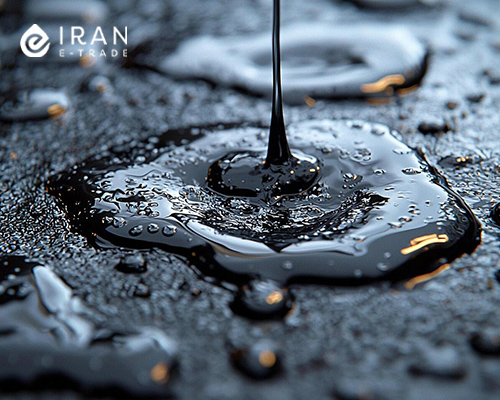
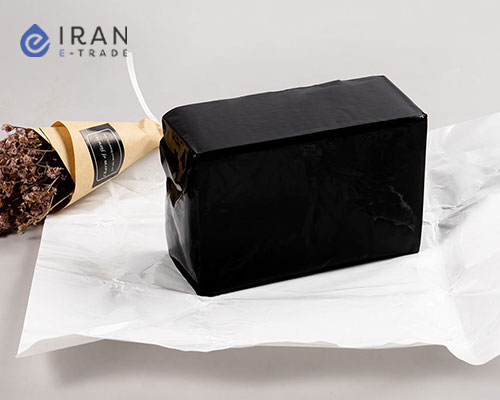
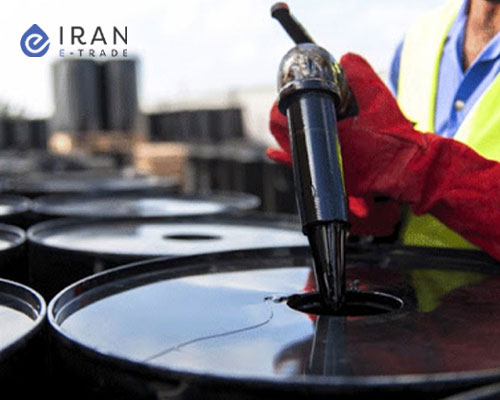
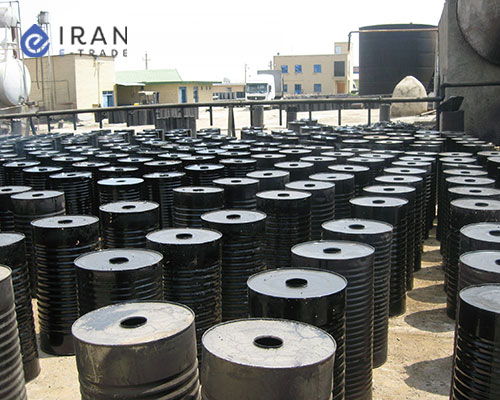
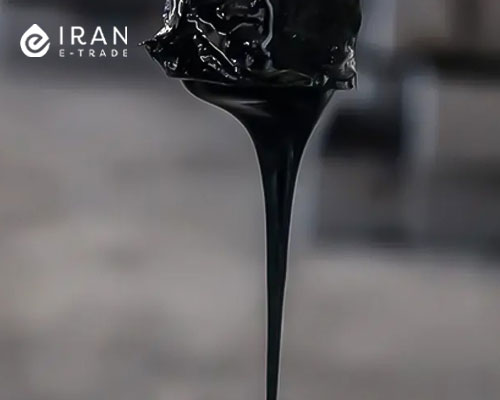
Colored bitumen is essentially the same as black bitumen. However, its manufacturers improve the black bitumen’s properties and performance by applying certain processes and adding chemicals to it. Therefore, colored bitumen has high flexibility, resistance, and adhesion. Additionally, it has numerous uses, the most important of which are road surfacing and construction. But how exactly is this bitumen produced? And how is it different from regular black bitumen? If you wish to know more, read this article from Iran ETrade as we explore these topics.

What is Colored Bitumen?

Combining regular bitumen with other chemicals enhances its properties and performance, which makes it suitable for more applications.

Colored bitumen is derived from the same black bitumen. But Bitumen manufacturers mix it with specific materials, including various organic and inorganic pigments.

(Click for more information on the use of soluble bitumen.) What is Colored Bitumen?

What is Colorless Bitumen?

Colorless bitumen has low resistance to weather changes. However, It has an advantage: Bitumen manufacturers can turn it into colored bitumen by adding just 1-2% pigment. Among colored asphalt products, one unique type is colorless bitumen. It is produced in only a few countries and is generally very costly to manufacture.

How is Colored Bitumen Produced?

The bitumen manufacturers generally produce colored asphalt by using pigments such as red and green iron oxide. If the manufacturers use colorless binders, they can create lighter-colored asphalt because these binders lack asphaltenes and have high color absorption.

The bitumen Manufacturers also produce colored bitumen by combining regular bitumen with special pigments. These pigments have two types: organic and inorganic. Organic pigments, derived from natural sources such as plants and insects, are expensive and unstable which makes them unsuitable for use in bitumen. In contrast, inorganic pigments such as red iron oxide, green chromium oxide, and titanium dioxide are highly stable and therefore, a better choice for mixing with bitumen. The type of bitumen used in this mixture (natural or industrial) is also crucial. At temperatures above 180°C, certain pigments, like yellow and black iron oxide, turn into red iron oxide. Therefore, the mixing temperature is usually kept above 180°C.

(Click for more information about Iranian bitumen exports.)

What Are Pigments in Colored Bitumen?

The pigments used in colored asphalt are also called biological pigments or biochromes. These pigments do not dissolve in water and are used as finely ground solid particles mixed with liquids.

Pigments are highly concentrated color compounds used for coloring various materials, including colored asphalt. They naturally exist in plants and animals and are produced by living organisms. Their color results from the light absorption process. Generally, pigments come in four forms: compact, powder, granular, and grout.

(Click for information on bitumen prices.)

Amount of Pigments Used

The amount of pigment needed for colored asphalt depends on the type of pigment, the quantity of bitumen produced, and the desired final color. For example, the manufacturers can easily produce red colored asphalt using red iron oxide, whereas colored bitumen like yellow and green are more difficult to produce. Therefore, bitumen manufacturers use colored aggregates alongside pigments for lighter colors in bitumen. Also for iron oxide pigments, such as black, brown, and red, manufacturers typically add between 5% to 30% of the cement’s weight to the bitumen mixture. Amount of Pigments Used
Differences Between Colored Bitumen and Black Bitumen

Colored asphalt and black bitumen have significant differences. For example: Colored asphalt is more resistant to heat and cold. Additionally, due to the use of polymers, it is more durable than black bitumen. Furthermore, colored asphalt does not require painting for road construction, which reduces costs and increases the durability of the colors. On the other hand, this type of bitumen is more expensive than black bitumen due to its polymers and pigments and is more resistant to cracking and various pressures. Asphalt made with colored asphalt is also recyclable and is usually produced cold. In addition, colored asphalt is more resistant to sunlight and does not harm the environment, whereas black bitumen does not have these properties.

Best Bitumen for Producing Colored Bitumen

The best type of bitumen for producing colored bitumen is Gilsonite or natural bitumen. Gilsonite or natural bitumen has specific properties, some of which are: Easy dissolution in organic solvents, high purity, good compatibility with petroleum materials, resemblance to glass-like minerals, high water resistance, high gloss, high brittleness, and easy conversion to powder. Natural bitumen has a lower melting point (between 160 to 220°C) and good resistance to acids and bases. These properties make natural bitumen more advantageous than industrial or refined bitumen. Therefore, colored asphalt spray made from natural bitumen, named Bituclair, has better quality in terms of resistance, water repellency, durability, and longevity compared to colored asphalt produced from industrial bitumen.

(Click to learn more about the benefits of bitumen spray.)

Use of Colored Bitumen in Road Construction

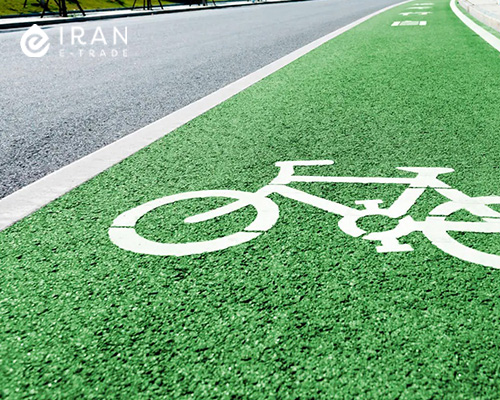
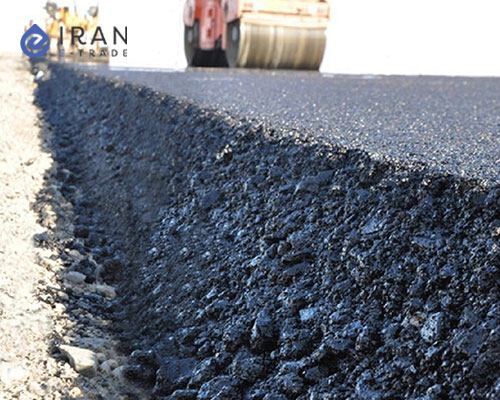
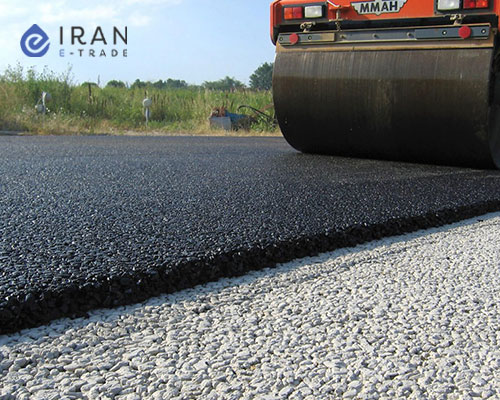
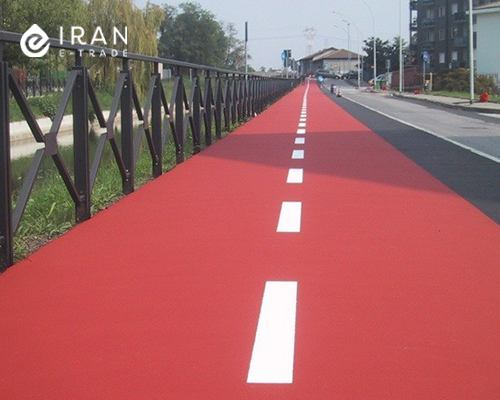
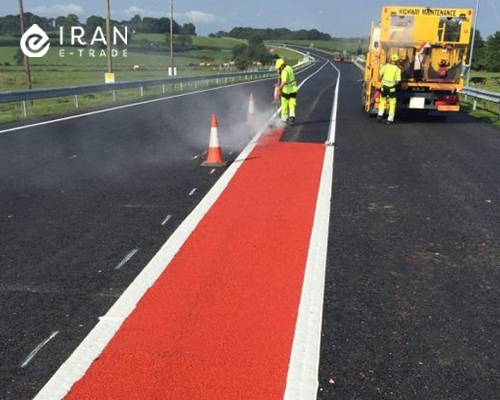
Colored asphalt, due to its greater resistance to heat and cold (thanks to the use of polymers), has a major application in road construction. This property makes asphalt layers more durable and increases their lifespan. Many countries also use this type of bitumen instead of painting to mark different sections of highways, because its traits make it ideal for marking lines and paths on roads and highways.

Features of Colored Bitumen

Colored bitumen has the following features:

  • High flexibility: Colored asphalt is highly compatible with chemical and petroleum materials, and polyurethane or acrylic polymer is used to increase its durability and flexibility.
  • High resistance: Compared to regular bitumen, colored asphalt has a high resistance and is very practical.
  • Excellent adhesion: Due to its special compounds, colored asphalt has high adhesion and good resistance to air and moisture penetration, making it an effective moisture barrier.
  • High resistance to chemicals and ultraviolet rays.
  • Protection of various surfaces against rust and corrosion.
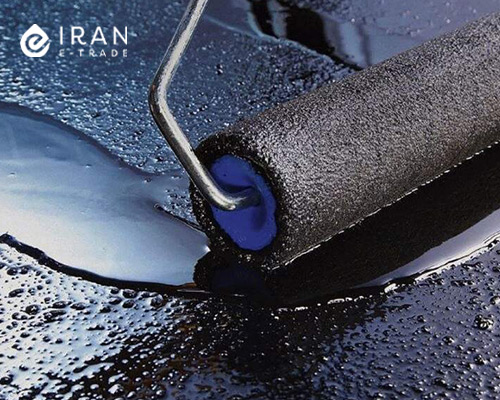
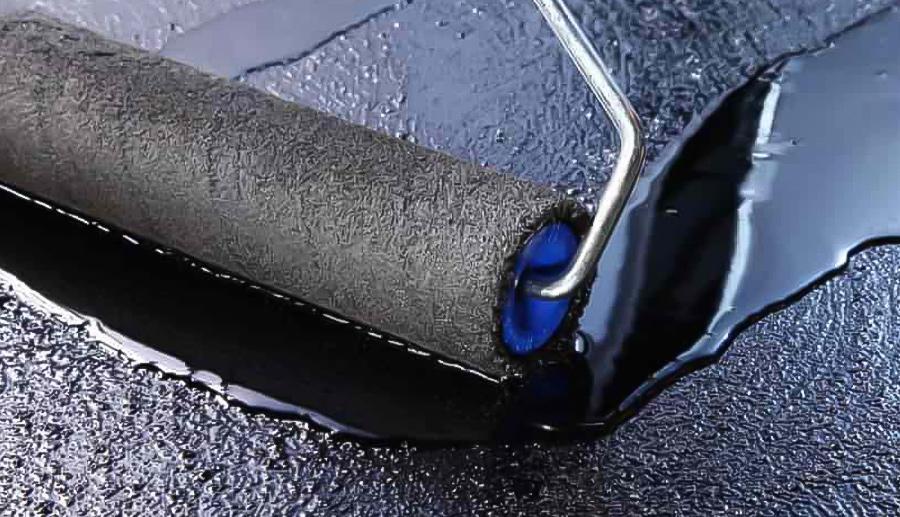
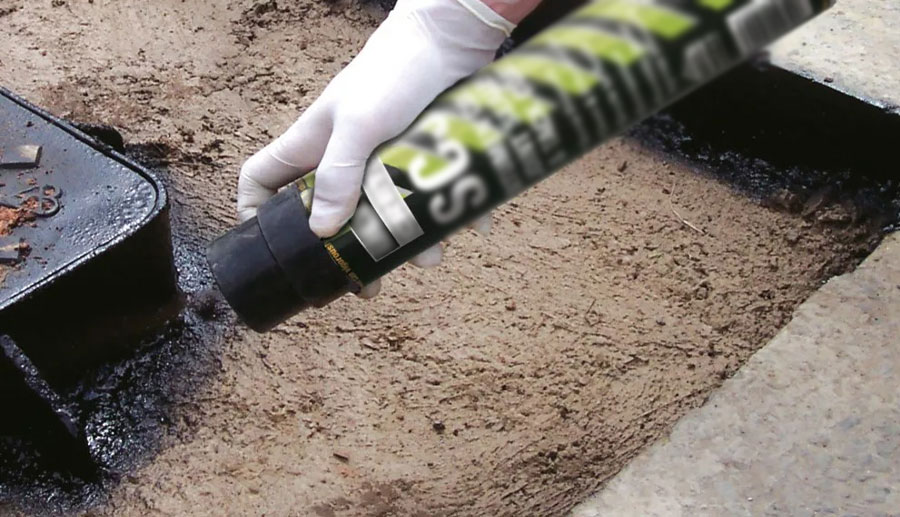
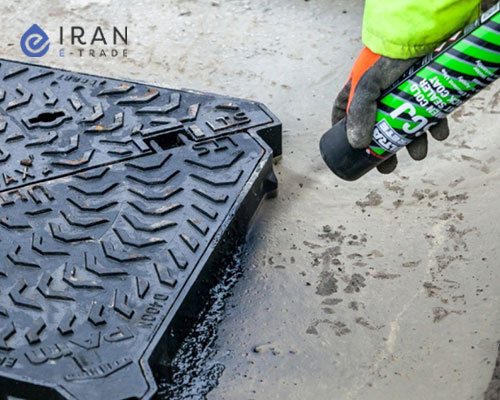
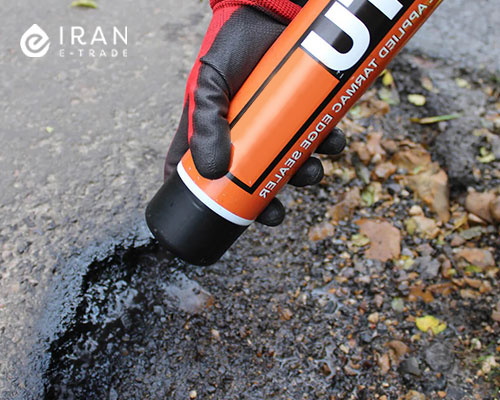
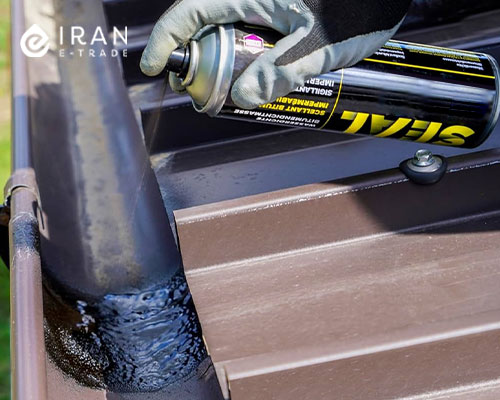
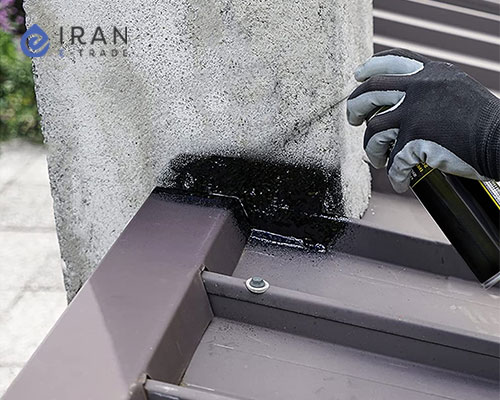
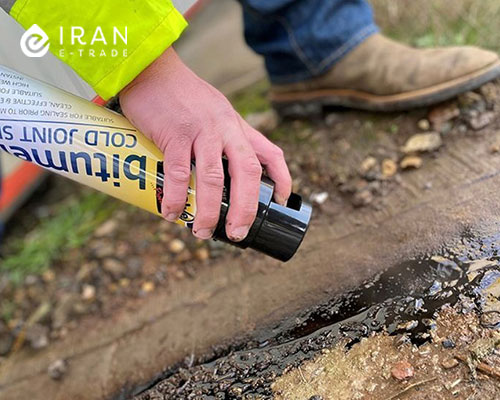
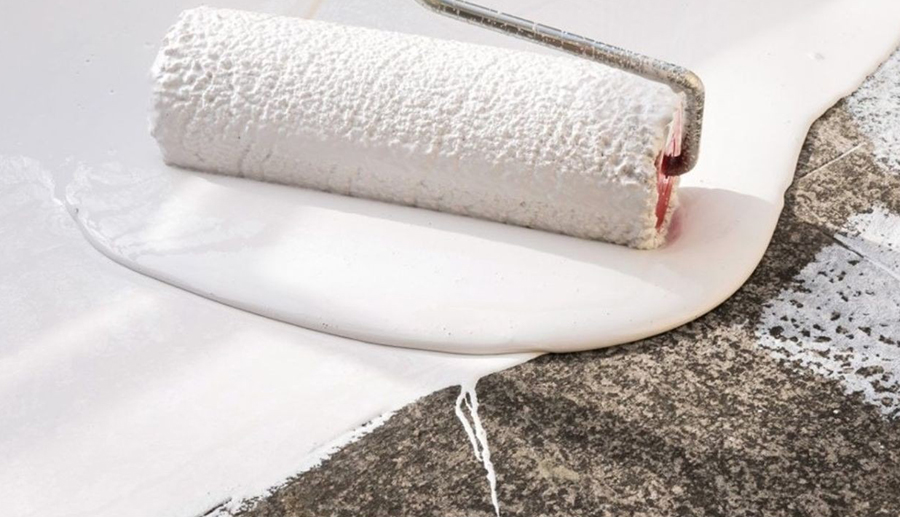
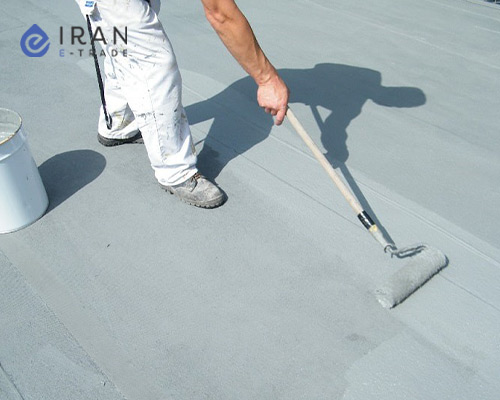
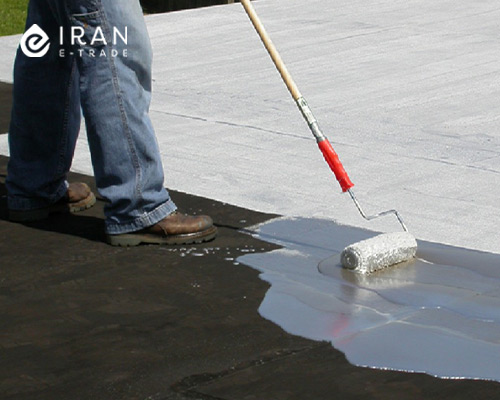
  • No requirement for thinning, and you can apply it to surfaces using a spray or special brush.
  • Reasonably priced
  • Easy to use and quick-drying

Features of Colored Bitumen

How to Use Colored Bitumen

To apply colored asphalt spray on various surfaces, you can follow these steps:

  • Step 1: Before using the colored asphalt, ensure the surface is clean and dry, with no moisture, dust, grease, or contamination. Also, you should remove any loose previous paint.
  • Step 2: Clean the surface using wire brushes or sandpaper. For larger surfaces, you can use sandblasting or abrasive blasting machines.
  • Step 3: In humid environments, apply an anti-corrosion coating before painting the surface with bitumen.
  • Step 4: Apply the paint evenly on all surfaces with the required number of layers.

How to Produce Colorless Bitumen

To produce colorless bitumen, the manufacturers refine natural or industrial bitumen by using specific processes to remove its color. Then, to enhance the bitumen’s desired properties, they usually add additives and polymers to improve its quality and strength.

Frequently Asked Questions About Colored Bitumen

Below are some of the questions that you may have about colored asphalt:

How is Colored Asphalt Produced?

Bitumen manufacturers produce colored bitumen by mixing bitumen with mineral pigments such as iron oxide or titanium dioxide.

What is the Use of Colored Bitumen in Road Construction?

Colored asphalt is used in road construction to mark different sections of roads, reduce painting costs, and increase the durability and resistance of asphalt against weather conditions.

What is the Best Bitumen for Producing Colored Bitumen?

The best bitumen for producing colored bitumen spray is natural bitumen or Gilsonite. What is the Best Bitumen for Producing Colored Bitumen? reference: qualitybitumen, bitumen6070 Bitumen Price
تفاوت قیر معدنی و قیر نفتی: مقایسه ویژگی و مشخصات + کاربرد!

 تفاوت قیر معدنی و قیر نفتی در منشأ، ترکیب شیمیایی و خواص فیزیکی آن‌ها نهفته است. قیر معدنی که به‌نام قیرطبیعی نیز معروف است از معادن استخراج شده و حاصل فرآیندهای زمین‌شناسی طولانی‌مدت بر روی نفت خام است. اما قیر نفتی محصول جانبی پالایش نفت خام است و از تقطیر نفت در پالایشگاه‌ها به دست می‌آید. مهم‌ترین تفاوت قیر نفتی و قیر طبیعی درترکیبات شیمیایی، درصد خلوص، درصد روغن، خاصیت صابونی و  تعداد اسیدها، کاربرد، ویژگی های فیزیکی، شیوه استخراج و قیمت آن ها است که در این متن از بلاگ ایران ای ترید به آن‌ها می‌پردازیم.

قیر معدنی چیست؟

تفاوت قیر نفتی و قیر طبیعی یا گیلسونایت در منشأ و ترکیب آن‌ها است: قیر طبیعی (معدنی) از رسوبات هیدروکربنی در معادن به‌دست می‌آید و مقاومت بالایی دارد، در حالی که قیر نفتی محصول جانبی پالایش نفت خام بوده و خالص‌تراست.

برای بررسی دقیق تفاوت قیر معدنی و قیر نفتی ابتدا به تعریف آن‌ها می‌پردازیم. قیر معدنی یک نوع قیر طبیعی است که طی میلیون‌ها سال از تجزیه مواد آلی در اعماق زمین تشکیل شده و معمولاً به صورت جامد یا نیمه‌جامد در معادن یافت می‌شود.

این نوع قیر دارای درصد بالایی از هیدروکربن‌های سنگین و ترکیبات معدنی است که آن را نسبت به قیر نفتی سخت‌تر و مقاوم‌تر در برابر اکسیداسیون می‌کند.

معرفی قیر معدنی

کاربردهای قیر معدنی

اصلی‌ترین تفاوت قیر نفتی و قطر طبیعی در کاربرد آن‌ها است. قیر معدنی، به عنوان یکی از قدیمی‌ترین منابع قیر طبیعی، از رسوبات هیدروکربنی در معادن به دست می‌آید و به دلیل مقاومت بالا، ترکیبات پایدار و ماندگاری بیشتر، در بسیاری از صنایع مورد استفاده قرار می‌گیرد.

  • تولید آسفالت مقاوم و پایدار برای راه‌سازی
  • عایق‌کاری ساختمان‌ها و تاسیسات صنعتی
  • ساخت رنگ‌ها، پوشش‌های ضدزنگ و محصولات آب‌بندی
  • بهبود ترکیب قیرهای نفتی برای افزایش کیفیت و مقاومت

قیر نفتی چیست؟

قیر نفتی ماده‌ای چسبنده و هیدروکربنی است که از پالایش نفت خام به دست می‌آید. این نوع قیر در فرآیند تقطیر نفت خام به عنوان محصول نهایی باقی می‌ماند و بر اساس ویژگی‌های فیزیکی و شیمیایی، در صنایع راه‌سازی، عایق‌کاری و تولید محصولات قیری به کار می‌رود. (برای آشنایی بیشتر با  انواع قیر نفتی و کاربردهای آن  مطلب منتشر شده در بلاگ را مطالعه نمایید.)

انواع قیر نفتی

هر نوع قیر نفتی برای کاربردهای خاصی در راه‌سازی، عایق‌کاری، آب‌بندی و صنایع ساختمانی مورد استفاده قرار می‌گیرد.

  • قیر نفوذی: برای روسازی جاده‌ها و آسفالت
  • قیر اکسیده: مناسب برای عایق‌کاری و ایزولاسیون
  • قیر امولسیونی: ترکیب قیر و آب برای کاربردهای سرد
  • قیر محلول: مخلوط قیر با حلال‌های نفتی برای کاربردهای خاص

فرایند تقطیر قیر نفتی

در پالایشگاه، نفت خام در برج تقطیر تحت حرارت بالا قرار می‌گیرد تا ترکیبات سبک‌تر مانند بنزین و گازوئیل جدا شوند. بخش سنگین باقی‌مانده که حاوی هیدروکربن‌های پیچیده است، به‌عنوان قیر نفتی جمع‌آوری شده و بسته به نیاز، اصلاح یا اکسید می‌شود تا در کاربردهای مختلف استفاده گردد.

مراحل تقطیر قیر نفتی

تفاوت قیر معدنی و قیر نفتی

در بررسی تفاوت قیر معدنی و قیر نفتی به این پی می‌بریم که ناخالصی‌های قیر معدنی بسیار بیشتر از قیر نفتی بوده و قیر نفتی بخاطر همین ویژگی انعطاف‌پیذری بیشتری داشته و برای استفاده در صنایع راه‌سازی و عایق‌سازی گزینه‌ی بهتری است.

قیر در دو نوع اصلی معدنی و نفتی وجود دارد که هرکدام دارای ویژگی‌های شیمیایی و فیزیکی متفاوتی بوده و برای کاربردهای مختلف مورد استفاده قرار می‌گیرند. در ادامه به بررسی تفاوت‌های قیر معدنی و نفتی می‌پردازیم:

1. تفاوت قیر نفتی و معدنی از نظر درصد گوگرد

یکی از بارزترین تفاوت قیر معدنی و قیر نفتی درصد گوگرد است. قیر معدنی معمولاً دارای درصد بالاتری از گوگرد (بین ۳ تا ۸ درصد) است، زیرا از رسوبات طبیعی تشکیل شده و طی میلیون‌ها سال در اثر فعالیت‌های زمین‌شناسی غنی از ترکیبات گوگردی است.

در مقابل، قیر نفتی دارای مقدار کمتری گوگرد (معمولاً کمتر از ۳ درصد) است، زیرا در فرآیند پالایش، بسیاری از ناخالصی‌ها و ترکیبات اضافی از آن جدا می‌شوند.

2. تفاوت قیر معدنی و نفتی از نظر خلوص

مورد دیگری که در تفاوت قیر معدنی و نفتی بسیار مشهود است، درجه خلوص آن‌ها است. قیر نفتی به دلیل فرآیند پالایش و کنترل ترکیبات، خلوص بالاتری دارد و میزان مواد اضافی در آن کمتر است. درحالی‌که قیر معدنی به دلیل ترکیبات غیرآلی و مواد معدنی، معمولاً دارای ناخالصی‌های بیشتری است که می‌تواند بر خواص فیزیکی آن تأثیر بگذارد.

3. تفاوت قیر معدنی و قیر نفتی از نظر درصد روغن

برای بررسی دقیق تفاوت قیر معدنی و قیر نفتی باید درصد روغن را در نظر گرفت. قیر نفتی حاوی مقدار بیشتری روغن‌های سبک و فرار است که باعث افزایش انعطاف‌پذیری و چسبندگی آن می‌شود.

در مقابل، قیر معدنی دارای درصد پایین‌تری از روغن بوده و به همین دلیل سخت‌تر و شکننده‌تر است و بیشتر برای کاربردهای خاص مانند عایق‌کاری استفاده می‌شود.

4. تفاوت قیر نفتی و معدنی از نظر خاصیت صابونی و تعداد اسیدها

قیر معدنی دارای خاصیت صابونی بیشتر و تعداد اسیدهای بالاتری نسبت به قیر نفتی است. زیرا شامل ترکیبات اکسیژن‌دار و معدنی بیشتری است.

این ویژگی باعث می‌شود که قیر معدنی در برخی کاربردها چسبندگی متفاوتی داشته باشد و رفتار شیمیایی آن نسبت به آب و مواد دیگر تغییر کند. در مقابل، قیر نفتی ساختار شیمیایی یکنواخت‌تری دارد و خاصیت صابونی کمتری از خود نشان می‌دهد.

مقایسه قیر معدنی و قیر نفتی

5. مقایسه قیمت قیر معدنی و قیر نفتی

بعد از در نظر گرفتن ساختار، مهم ترین تفاوت قیر معدنی و قیر نفتی مقایسه قیمتی است. قیمت قیر معدنی و نفتی بسته به روش استخراج، میزان تصفیه و کاربردهای صنعتی متفاوت است.

همانطور که می دانید در مقایسه  قیمت قیر ، معمولاً قیر نفتی به دلیل تولید انبوه و فرآیندهای پالایشی استاندارد، ارزان‌تر از قیر معدنی است. اما، قیر معدنی با منابع محدودتر، سختی استخراج و کاربردهای خاص، قیمت بالاتری دارد و بیشتر در پروژه‌های خاص و صنعتی استفاده می‌شود.

6. تفاوت قیر معدنی و قیر نفتی در روش استخراج

قیر معدنی مستقیماً از معادن طبیعی استخراج و معمولاً به‌صورت جامد یا نیمه‌جامد در لایه‌های زمین یافت می‌شود. این قیر پس از استخراج باید تحت یکسری فعل‌انفعالات مکانیکی و گرمایی، به‌عنوان ماده‌ای قابل استفاده در صنعت آماده شود.

اما نکته تفاوت قیرمعدنی و نفتی، این است که قیر نفتی فرآیند تقطیر نفت خام در پالایشگاه به دست آمده و بسته به فرآوری، به انواع مختلفی مانند قیر نفوذی، اکسیده و امولسیونی تقسیم می‌شود.

7. تفاوت قیر نفتی و معدنی در ترکیبات شیمیایی

قیر معدنی دارای درصد بالاتری از گوگرد، فلزات سنگین و مواد معدنی است. درحالی‌که قیر نفتی عمدتاً از هیدروکربن‌های آروماتیک و اشباع تشکیل شده و ناخالصی‌های معدنی کمتری دارد.

این تفاوت قیر نفتی و معدنی باعث شده که قیر نفتی ساختار یکنواخت‌تری داشته و برای کاربردهای مهندسی دقیق‌تر مناسب‌تر باشد.

8. ویژگی‌های فیزیکی در تفاوت قیر نفتی و قیر طبیعی

تفاوت قیر معدنی و قیر نفتی شامل ویژیگی های فیزیکی آن نیز می‌شود. قیر معدنی معمولاً سخت‌تر، شکننده‌تر و دارای نقطه نرمی بالاتر نسبت به قیر نفتی است. اما قیر نفتی به دلیل ترکیب شیمیایی یکنواخت‌تر، انعطاف‌پذیرتر و چسبنده‌تر است.

همچنین، قیر نفتی در دماهای پایین خاصیت چسبندگی بهتری دارد. درحالی‌که قیر معدنی در برخی شرایط به‌دلیل ناخالصی‌های موجود، ممکن است عملکرد متفاوتی از خود نشان دهد.

9. تفاوت قیر معدنی و قیر نفتی در کاربرد

قیر نفتی عمدتاً در راه‌سازی، عایق‌کاری ساختمان‌ها، تولید ایزوگام و آسفالت‌سازی به‌کار می‌رود زیرا به دلیل ترکیب شیمیایی یکنواخت، چسبندگی بالا و انعطاف‌پذیری مناسب، برای ایجاد سطوح مقاوم، ضدآب و بادوام در پروژه‌های عمرانی و ساختمانی کاربرد گسترده‌ای دارد.

(برای اطلاع بیشتر در مورد قیر بکار رفته در راهسازی مطلب بلاگ را مطالعه نمایید.)

10. مقایسه قیر طبیعی و نفتی از نظر هزینه‌های فراوری

قیر نفتی به دلیل تولید صنعتی و فرآیندهای پالایشگاهی، هزینه تولید پایین‌تری دارد. اما بسته به نوع فرآوری، هزینه‌های جانبی مانند اصلاح شیمیایی یا افزودنی‌های بهبوددهنده ممکن است به آن اضافه شود.

قیر معدنی، به‌دلیل روش استخراج پیچیده‌تر و نیاز به فرآوری مکانیکی و خالص‌سازی، معمولاً هزینه تولید بالاتری نسبت به قیر نفتی دارد.

تفاوت هزینه های قیر معدنی و قیر نفتی

مهم ترین ویژگی‌های قیرهای معدنی و نفتی

برای بررسی دقیق تر تفاوت قیر معدنی و قیر نفتی به ویژگی‌های شاخص آن‌ها دقت کنید:

ویژگی های قیر معدنی

  • گوگرد بالا
  • سخت‌تر
  • ماندگارتر
  • دارای خواص صابونی بیشتر
  • مناسب برای صنایع خاص

ویژگی های قیر نفتی

  • چسبندگی بالا
  • انعطاف‌پذیری بیشتر
  • ترکیب یکنواخت
  • ارزان‌تر
  • مناسب برای راه‌سازی و عایق‌کاری

سوالات متداول در خصوص تفاوت قیر معدنی و قیر نفتی

در این بخش به سوالات متداول درباره تفاوت قیرهای معدنی و نفتی می‌پردازیم:

قیر معدنی با چه نام‌هایی شناخته می‌شود؟

از نام‌های رایج قیر معدنی می‌توان به این موارد اشاره کرد: قیر طبیعی، قیر سنگی، قیر باتوم، و قیر استخراجی.

قیمت قیر نفتی گران‌تر است یا قیر معدنی؟

قیر نفتی معمولاً گران‌تر از قیر معدنی است، زیرا فرآیند پالایش و تولید آن پیچیده‌تر است.

کاربرد قیر معدنی در رنگسازی چیست؟

در بحث تفاوت قیر معدنی و قیر نفتی، کاربرد آن‌ها نیز بسیار حائز اهمیت است. معمولا از قیر معدنی در رنگسازی به‌عنوان چسب و تثبیت‌کننده و یا پوشش‌های ضدزنگ استفاده می‌شود.

مقایسه کارایی قیر نفتی و قیر معدنی

منبع: bitumen6070

قیمت قیر

مشاهده قیمت روز قیر صادراتی

What Is The Best Bitumen Solvent: For differetn Surfaces!

The best bitumen solvent includes pre-made and organic solvents, petroleum derivatives, and others. These substances can remove bitumen from various surfaces due to their high dissolving ability. The method of bitumen removal varies based on the type of surface. For example, different solvents are usable for metal surfaces, stone and ceramic surfaces, fabric, and skin. Therefore, In this Iran E-Trade blog post, we will introduce the best asphalt solvents and discuss them in detail.

What is Bitumen?

Bitumen is a black, hydrocarbon-based material that is solid at room temperature and becomes liquid when heated. Due to its high adhesion and moisture resistance, it has uses in various industries such as road construction, buildings, and waterproofing. Bitumen comes in different types, including natural, industrial, and bitumen emulsion. As a result, it requires appropriate chemicals and best bitumen solvents for removal from surfaces.

(Click to read about the types of bitumen.)

What is Bitumen?

What is the Best Bitumen Solvent?

Bitumen is a common product used to coat or waterproof various surfaces. Therefore, it is natural for some areas to get stained with bitumen which requires removal. A solvent is a substance that can dissolve another material. Asphalt solvents are typically used to adjust bitumen viscosity, modify its thermal properties, clean surfaces, and extract substances. But what is the best bitumen solvent? In the following sections, we will introduce the most effective solvents for removing bitumen.

Click to find out about the bitumen price.

1. Carbon Disulfide and Carbon Tetrachloride

Among the best bitumen solvents are carbon tetrachloride and carbon disulfide, known for their strong and fast-dissolving properties. However, due to their limited availability and safety hazards, these solvents are less common for general applications.

These high-solubility substances can quickly dissolve bitumen. However, their use requires specific safety precautions, as they may cause skin or respiratory allergies in some individuals. For this reason, the main uses for these solvents are in industrial applications under strict supervision.

(Click to learn about the use of bitumen in industries.)

2. Organic Solvents and Petroleum Derivatives

Other effective and best bitumen solvents include kerosene, diesel, gasoline, thinner, and similar products. Each of these substances has a different dissolving power and is applicable depending on the surface type and the level of bitumen adhesion.

For sensitive surfaces like car paint, it is better to use weaker solvents, while stronger solvents are more effective for harder surfaces like metal. Additionally, you should observe safety measures such as proper ventilation and avoiding direct skin contact when using these substances.

3. Ready-to-Use Solvents

In addition to common solvents, substances like alcohol, polysorbate cream, and detergents can also serve as the best bitumen solvents in specific conditions. Due to its toughness and strong adhesion, bitumen is difficult to remove. However, choosing the right solvent depends on the surface type. Each of these substances works differently and can be effective for cleaning bitumen from surfaces such as metal, fabric, or ceramic.

Best Bitumen Solvent: Removing Bitumen from Various Surfaces in the Shortest Time

When removing bitumen from different surfaces, time is the most crucial factor. The sooner you remove the bitumen, the higher the chance of its complete removal and the lower the risk of surface damage. In the following sections, we will explain quick methods and the best bitumen solvents for various surfaces in more detail.

Removing Bitumen From Cars: Best Bitumen Remover for Cars

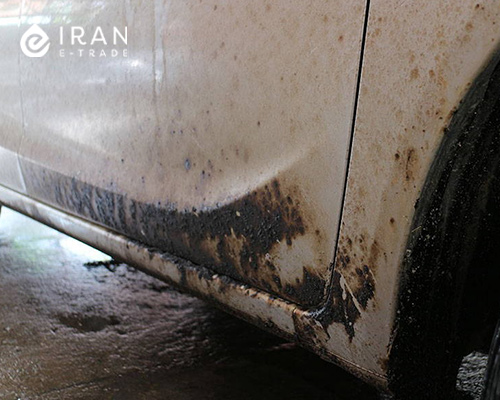
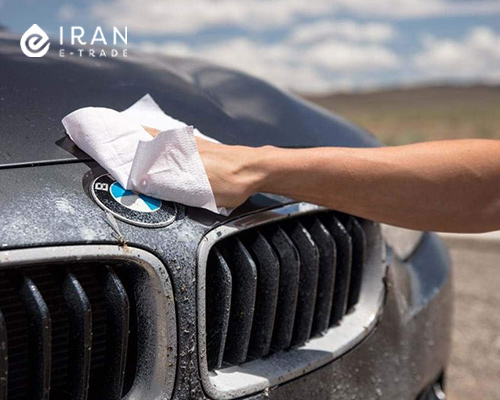
To remove bitumen from a car, using the best bitumen solvent is crucial. First, gather the necessary materials, such as an asphalt solvent (like gasoline or thinner), a soft cloth, water, and soap. Apply a small amount of solvent to the cloth and gently rub it on the bitumen to dissolve it. Before starting, it’s a good idea to test it on a small area to ensure the solvent doesn’t damage the car’s paint. After removing the bitumen, wash the surface with water and soap. Then, dry it with a soft cloth to prevent stains and potential damage.

Removing Bitumen From Cars: Best Bitumen Remover for Cars

Best Bitumen Solvent For Removing Bitumen From Clothes

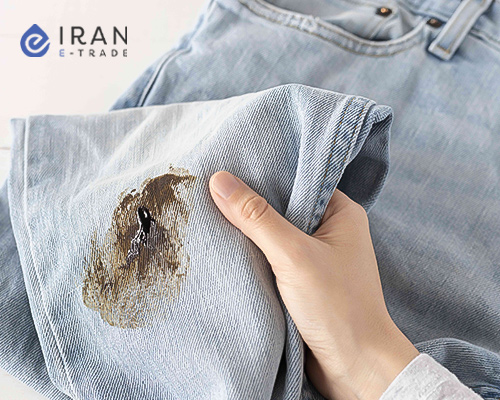
To remove bitumen stains from clothes or fabric, the best bitumen solvents are gasoline or thinner. First, scrape off the dried bitumen using tweezers or sandpaper. Then, apply the thinner to the stain and wipe away the bitumen with a soft cloth. Finally, wash the fabric with water and dish soap and then dry it.

Best Bitumen Solvent For Removing Bitumen From Clothes

Best Bitumen Cleaner for Ceramic Surfaces

To remove bitumen from ceramic surfaces, pour a small amount of gasoline on the area and gently wipe the bitumen off with a cloth or sponge. Then, clean the surface with a damp cloth and dry it completely. Before using, you should test the best bitumen solvent on a small section of the ceramic to prevent any potential damage.

Best Bitumen Solvent for Removing Bitumen from Metals

To remove bitumen from metal surfaces, the best solvents can be thinner or gasoline. Mix a small amount of these substances with water and apply them to the metal surface. Then, wipe away the bitumen with a cloth or sponge. Finally, clean the surface with a damp cloth and dry it completely to ensure no residue remains.

Removing Bitumen from Stone Surfaces

To remove bitumen from stone surfaces, the best solvents are gasoline or diesel. Pour the solvent onto the surface and wipe away the bitumen with a soft cloth. Repeat the process if necessary, and then dry the surface with a clean cloth.

Best Bitumen Solvent for Removing Bitumen from White Shoes

To remove bitumen from white shoes, thinner or gasoline can be the best solvents. Simply pour a small amount of the solvent onto the stained area and gently wipe off the bitumen. Then, wash the shoes with water and soap, and dry them to ensure no trace of bitumen remains, which restores the shoes to their original condition.

Removing Bitumen from Hands

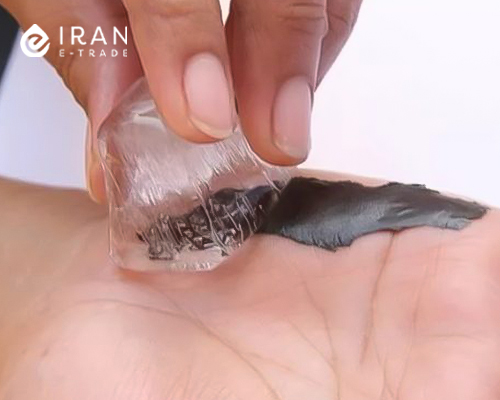
To remove the bitumen solvent from your hands, first, hold your hands under cold water for at least 20 minutes to prevent burns. If your hands are not burned, you can clean the bitumen using home remedies. In more serious cases, it’s better to consult a doctor. Avoid using very cold water or ice until you assess the extent of the damage.

Removing Bitumen from Hands

Best Bitumen Solvent for Plastic: Removing Bitumen from Plastic

To remove bitumen from a plastic surface, start by gently scraping off the bitumen with a spatula or plastic card. Then, use the best solvents for plastic, which are vinegar and water mixture or isopropyl alcohol. These solvents help soften the bitumen. After cleaning, wash the surface with warm water and soap to remove any remaining bitumen and preserve the plastic’s appearance.

Best Bitumen Solvent for Removing Bitumen from Wooden Surfaces

To remove bitumen from wooden surfaces, due to the high sensitivity of wood, you have to use specific methods. The best bitumen solvents for wood are special chemicals such as Citrusol, naphtha, or alcohol, which can easily remove bitumen from wood. However, these substances should be used carefully. After cleaning, you should wash the wooden surface with water and soap to avoid any damage to the wood’s texture.

Using Water Jet for Removing Bitumen

When removing bitumen from various surfaces, using the best bitumen solvent or chemical cleaners usually requires a lot of time and effort. Therefore, one of the best methods for bitumen removal is using a high-pressure water jet, which effectively removes bitumen from surfaces without causing damage. Due to its high power and precision, this method is considered to be one of the most effective options for cleaning bitumen compared to the more traditional methods.

Methods for Removing Bitumen

Bitumen is an adhesive substance which has many uses in various industries for waterproofing. When surfaces get contaminated with bitumen, the best bitumen solvents mentioned in this article are applicable. In tis section, we will discuss the methods for removing bitumen.

1. Using Chemicals

Special chemicals such as solvents, mineral oils, organic acids, ethanol, and similar substances are useful for removing bitumen from various surfaces. When using some of these best solvents, be sure to wear protective gloves and a mask for safety.

2. Using Natural Methods

The best bitumen solvent for removing it from the skin may be natural methods. For example, you can use plant-based oils like almond oil, olive oil, and coconut oil for this purpose. Lemon juice and vinegar are also natural bitumen cleaners.

3. Using Cleaning Tools

To remove bitumen from surfaces, you will need tools such as a special brush, a bitumen-cleaning machine, and other similar equipment.

3. Using Cleaning Tools

Frequently Asked Questions About the Best Bitumen Solvent

In this section, we will answer some common questions about the best bitumen solvent:

What is the Best Bitumen Cleaner?

The best bitumen solvents include chemicals such as gasoline, thinner, and specialized bitumen solutions, which quickly dissolve bitumen.

What is a Bitumen Cleaner Solution?

A bitumen cleaner solution is a mixture of strong solvents such as thinner, naphtha, or alcohol, used to remove bitumen from various surfaces.

How to Remove Bitumen from White Shoes

To remove bitumen from white shoes, use thinner or gasoline on a soft cloth and gently wipe off the bitumen. Then, wash the shoes with water and soap.

What is the Most Suitable Bitumen Solvent for Fabric?

For fabric, gasoline or isopropyl alcohol is ideal. These substances dissolve bitumen gently without damaging the fabric’s texture.

What is the Best Bitumen Solvent for Ceramic?

For ceramic, thinner or specialized bitumen cleaners are the best choices, because they dissolve bitumen effectively without damaging the surface.

What is the Best Bitumen Solvent for Hands?

To remove bitumen from hands, you can use vegetable oils, alcohol, or cleansing creams to dissolve the bitumen without harming the skin.

What is a Fast-Acting Bitumen Solvent?

Fast-acting solvents like carbon tetrachloride and carbon disulfide quickly dissolve bitumen. But you should use these solvents صهفا caution and in safe conditions. reference Bitumen Price  
Frequently Asked Questions About the Best Bitumen Solvent

تفاوت آسفالت و قیر: از آسفالت استفاده کنیم یا قیر + کدام بهتر است؟

تفاوت آسفالت و قیر در ماهیت، کاربرد و دوام آن‌ها مشهود است. قیر یک ماده چسبنده و ضدآب است و برای عایق‌کاری استفاده می‌شود، درحالی‌که آسفالت ترکیبی از قیر و سنگدانه‌های مقاوم بوده و برای صاف کردن مسیرهای پرتردد عالی است. آسفالت نسبت به قیر با دوام‌تر است و کمتر به تعمیرات و ایمنی نیاز دارد. در ادامه این مطلب بلاگ مرجع تخصصی استعلام قیمت قیر ایران ای ترید به بررسی کامل این تفاوت ها می‌پردازیم.

جدول مقایسه تفاوت آسفالت و قیر

تفاوت آسفالت و قیر در نوع ساختار آن‌ها است. قیر یک ماده چسبنده و ضدآب بوده و برای اتصال مصالح استفاده می‌شود، درحالی‌که آسفالت ترکیبی از قیر و سنگدانه‌ها است و سطحی مقاوم و بادوام‌تر می‌سازد.

بسیاری از افراد اصطلاح “قیر” و “آسفالت” را به‌جای یکدیگر استفاده کرده و تفاوت آسفالت و قیر را نمی‌دانند؛ در حالیکه این دو کاملا بایکدیگر متفاوت هستند برای آشنایی بیشتر در ذیل تفات‌های قیر و آسفالت را در غالب جدول برایتان بیان نموده ‌ایم تا انتخاب راحت تری داشته باشید :

ویژگی آسفالت قیر
دوام و طول عمر ماندگاری بالا، معمولاً بیش از ۲۰ سال، با لایه‌ای به ضخامت ۲۵-۴۰ میلی‌متر. دوام کمتر، بین ۵ تا ۱۰ سال، با لایه‌ای نازک‌تر به ضخامت ۱۰-۲۰ میلی‌متر.
کیفیت سطحی سطح صاف‌تر و مقاوم‌تر در برابر لغزش که ایمنی بالاتری برای راننده فراهم می‌کند و صدای جاده را کاهش می‌دهد. سطح ناصاف‌تر، با سنگدانه‌های شل که موجب ایجاد سر و صدای بیشتر و فرسایش لاستیک‌ها می‌شود.
مصرف سوخت و انتشار کربن کاهش اصطکاک با لاستیک خودرو، مصرف سوخت بهینه‌تر و انتشار کمتر دی‌اکسیدکربن. اصطکاک بیشتر، مصرف سوخت بالاتر و بهره‌وری کمتر انرژی.
مقاومت در برابر نفوذ آب غیرقابل نفوذ، خطر آلودگی آب‌های زیرزمینی را کاهش می‌دهد. مستعد شسته شدن، که می‌تواند به خاک و آب‌های زیرزمینی آسیب بزند.
حساسیت به دما پایداری بهتر در برابر تغییرات دمایی، تنها در شرایط بسیار گرم یا بسیار سرد تغییر می‌کند. حساس به گرما، در دمای بالا نرم شده و تغییر شکل می‌دهد.
هزینه نصب هزینه اولیه بالاتر به دلیل فرآیند تولید و اجرا. ارزان‌تر در نصب اولیه.
هزینه و نیاز به نگهداری نیاز به نگهداری کمتر، بررسی‌های دوره‌ای کافی است. نیاز به تعمیر و نگهداری مکرر، مخصوصاً در جاده‌های پرترافیک، که در بلندمدت هزینه بیشتری ایجاد می‌کند.

جدول بررسی تفاوت قیر و آسفالت

قیر چیست؟

.قیر یک ماده چسبنده و ضدآب است که در عایق‌کاری و چسبندگی مصالح در راه‌سازی استفاده می‌شود

پیش از توضیح درباره تفاوت آسفالت و قیر، ابتدا به تعریف قیر می‌پردازیم. قیر یک ماده چسبنده، ضدآب و مقاوم در برابر تغییرات شیمیایی است که عمدتاً از پالایش نفت خام به دست می‌آید.

این ماده دارای خاصیت چسبندگی بالا است و از آن به‌عنوان یک جزء کلیدی در ساخت آسفالت، عایق‌کاری ساختمان‌ها، پوشش لوله‌ها و صنایع دیگر استفاده می‌شود. قیر در انواع مختلف مانند قیر طبیعی، قیر نفتی و قیر اصلاح‌شده تولید می‌شود و هرکدام کاربردهای خاصی دارند.

(برای کسب اطلاعات بیشتر، مطلب  انواع قیر را مطالعه نمایید.)

قیر چگونه ساخته می‌شود؟

قیر معمولاً از فرآیند پالایش نفت خام تولید می‌شود. در این فرآیند، نفت خام در برج تقطیر تحت دما و فشار بالا قرار می‌گیرد و ترکیبات سبک‌تر مانند بنزین و گازوئیل از آن جدا می‌شوند.

باقی‌مانده سنگین این فرآیند که شامل هیدروکربن‌های پیچیده است، قیر را تشکیل می‌دهند. بسته به روش پالایش و نوع افزودنی‌ها، قیر می‌تواند دارای درجه‌های مختلف سختی و چسبندگی باشد که متناسب با کاربردهای مختلف تنظیم می‌شود.

مزایا و معایب قیر

قیر یکی از مواد اصلی در صنعت راه‌سازی و عایق‌کاری است که به دلیل خاصیت چسبندگی و مقاومت در برابر آب، کاربردهای گسترده‌ای دارد. در این بخش از بحث تفاوت بین آسفالت و قیر به مزایا و معایب قیر می‌پردازیم

مزایای قیر

  • چسبندگی بالا
  • مقاومت در برابر آب
  • انعطاف‌پذیری مناسب
  • دسترسی آسان و هزینه کم

معایب قیر

  • حساسیت به دما
  • تأثیرات زیست‌محیطی
  • نیاز به نگهداری مداوم
  • مقاومت مکانیکی پایین‌تر

معرفی قیر

آسفالت چیست؟

آسفالت ترکیبی از قیر و سنگدانه‌ها است که سطحی مقاوم، صاف و بادوام برای جاده‌ها ایجاد می‌کند.

با تعریف آسفالت، راحت‌تر می‌توان به تفاوت آسفالت و قیر پی‌برد. آسفالت یکی از پرکاربردترین مواد در صنعت راه‌سازی است که از ترکیب قیر، سنگدانه، شن و ماسه تشکیل می‌شود.

این ماده به دلیل مقاومت بالا در برابر فشار و شرایط محیطی، برای ساخت جاده‌ها، بزرگراه‌ها، باند فرودگاه‌ها و سطوح مقاوم دیگر به کار می‌رود. آسفالت یک سطح صاف، مقاوم و بادوام ایجاد می‌کند که باعث افزایش ایمنی و کاهش سایش لاستیک خودروها می‌شود.

(برای اطلاع از انواع قیر مورد استفاده در راهسازی مطلب قیرهای رایج در صنعت راهسازی را مطالعه نمایید.)

آسفالت چگونه ساخته می‌شود؟

آسفالت از ترکیب قیر داغ با سنگدانه‌های گرم و خشک در کارخانه تولید می‌شود. در این فرآیند، ابتدا سنگدانه‌ها گرم و رطوبت‌زدایی، سپس با قیر مخلوط می‌شوند تا ترکیبی یکنواخت به دست آید.

مخلوط داغ به محل پروژه منتقل شده، روی یک سطح پخش و با غلتک‌های سنگین فشرده می‌شود تا ساختاری مقاوم و صاف ایجاد کند. پس از خنک شدن، آسفالت سخت و آماده‌ی استفاده می‌شود.

مزایا و معایب آسفالت

از مهم‌ترین مزایا و معایب آسفالت می‌توان به موارد زیر اشاره کرد:

مزایای آسفالت

  • دوام و طول عمر بالا
  • سطح صاف و ایمن
  • کاهش صدا
  • مقاومت در برابر آب
  • کاربرد گسترده

معایب آسفالت

  • هزینه اولیه بالا
  • حساسیت به تغییر دما
  • نیاز به تعمیر دوره‌ای
  • تأثیرات زیست محیطی
  • معرفی آسفالت

بررسی تفاوت آسفالت و قیر

در بررسی تفاوتهای آسفالت و قیر باید گفت که‌ آسفالت با مزیت نگهداری آسان‌تر اما هزینه اجرای بالاتر، برای پوشش جاده‌های پرتردد گزینه‌ای بهتر است.

قیر در واقع یک چسب مایع است که سنگدانه‌ها را در کنار هم نگه می‌دارد و به‌عنوان یک ماده اتصال‌دهنده در جاده‌سازی استفاده می‌شود. از سوی دیگر، آسفالت ترکیبی مهندسی‌شده از سنگدانه، ماسه و قیر است که در کارخانه تولید شده و پس از گرم شدن در محل پروژه توسط ماشین سنگفرش اعمال می‌شود

(برای اطلاع از قیمت قیر به صفحه مربوطه مراجعه نمایید.)

در ادامه به بررسی بیشتر تفاوت آسفالت و قیر می‌پردازیم:

1. تفاوت قیر و آسفالت از نظر کاربرد

قیر به‌عنوان یک چسب برای آب‌بندی استفاده شده، درحالی‌که آسفالت ترکیبی از قیر و سنگدانه است و برای پوشش جاده‌ها و سطوح سخت به کار می‌رود.

2. تفاوت بین قیر و آسفالت از نظر دوام

آسفالت با ترکیب پایدار و مقاوم در برابر ترافیک و شرایط محیطی، بیش از ۲۰ سال دوام دارد، درحالی‌که روسازی‌های قیری نهایتا بین ۵ تا ۱۰ سال دوام می‌آورند.

3. تفاوت آسفالت و قیر از نظر نگهداری و تعمیر

جاده‌های آسفالتی به نگهداری کمتری نیاز داشته و تنها در صورت ترک‌خوردگی یا فرسایش ترمیم می‌شوند؛ اما قیر به دلیل حساسیت به شرایط آب‌وهوایی نیاز به تعمیرات مداوم دارد.

4. تفاوت بین آسفالت و قیر در اجرا

یکی دیگر از موارد تفاوت آسفالت و قیر نحوه اجرای آن‌ها است. آسفالت نیازمند ماشین‌آلات پیشرفته و زمان بیشتر است، اما قیر با روش‌های ساده‌تری مانند پاشش مستقیم و پوشش با سنگدانه اعمال می‌شود.

5. تفاوت قیر و آسفالت در سطح جاده و تجربه‌ی رانندگی

 در مقایسه بین آسفالت و قیر باید گفت که آسفالت سطح صاف، پایدار و کم‌صدا ایجاد می‌کند که اصطکاک مناسبی با لاستیک دارد. اما جاده‌های قیری زبرتر بوده، سر و صدای بیشتری ایجاد کرده و باعث فرسایش سریع‌تر لاستیک‌ها می‌شوند.

مقایسه کامل قیر و  آسفالت

6. تفاوت آسفالت و قیر از نظر هزینه‌ها

هزینه اولیه اجرای آسفالت بالاتر است، اما در بلندمدت به دلیل دوام بیشتر، اقتصادی‌تر از قیر است چون  به تعمیرات کمتری نیاز دارد.

7. تفاوت قیمت قیر و آسفالت

قیر به عنوان یکی از اجزای اصلی آسفالت، ماده‌ای ارزان‌تر است. اما آسفالت ترکیبی مهندسی‌شده با سنگ‌دانه‌ها و کارایی بالاتراست. بنابراین هزینه نهایی بیشتری نسبت به قیر خالص دارد.

انتخاب بین قیر و آسفالت: کدام یک بهتر است؟

با توجه به نوع کاربرد، قیر و یا آسفالت انتخاب می‌شوند. آسفالت به دلیل دوام بالا، سطح صاف، ایمنی بیشتر و نیاز کمتر به تعمیرات، گزینه‌ی بهتری برای جاده‌های پرتردد است؛ درحالی‌که قیر به عنوان یک روش اقتصادی و موقت برای راه‌های کم‌تردد یا آب‌بندی استفاده می‌شود. با دانستن تفاوت آسفالت و قیر شما می‌توانید انتخاب بهتری داشته باشید.

چرا آسفالت از قیر بهتر است؟

آسفالت با ترکیب پایدار قیر و سنگدانه، مقاومت مکانیکی بالاتری داشته و در برابر شرایط جوی مقاوم‌تر است.  درحالی‌که قیر سریع‌تر فرسوده شده و در برابر دما و فشار آسیب‌پذیرتر است.

آسفالت یا قیر، کدام رایج‌تر است؟

تفاوت آسفالت و قیر باعث شده آسفالت در راه‌سازی مدرن بسیار رایج‌تر از قیر باشد. زیرا ماندگاری طولانی‌تر دارد و برای مسیرهای پرتردد و شهری مناسب‌تر است.

جاده‌ها آسفالت هستند یا قیر؟

جاده‌های اصلی، بزرگراه‌ها و مسیرهای پرتردد معمولاً آسفالتی هستند؛ زیرا استحکام و ایمنی بیشتری فراهم می‌کنند.

بررسی کاربردهای قیر و آسفالت

سوالات متداول در خصوص تفاوت آسفالت و قیر

 در این بخش به برخی از متداول‌ترین سوالات درباره تفاوت قیر و آسفالت می‌پردازیم:.

تفاوت اصلی بین آسفالت و قیر چیست؟

تفاوت در ماندگاری و دوام از اصلی‌ترین تفاوت‌های آسفالت و قیر است.

آیا قیر همان آسفالت است؟

خیر، قیر بخشی از ترکیب آسفالت است.

قیر و آسفالت از نظر کاربرد چه تفاوت‌هایی با هم دارند؟

معمولا قیر بیشتر در عایق‌کاری، آب‌بندی، و پوشش‌های موقت جاده‌ای استفاده می‌شود، درمقابل آسفالت برای ساخت جاده‌ها، باند فرودگاه‌ها و مسیرهای پرتردد به کار می‌رود.

قیر یا آسفالت: کدام یک دوام بیشتری دارد؟

تفاوت آسفالت و قیر قابل نوجه است! آسفالت به دلیل ساختار مهندسی‌شده و ترکیب سنگدانه‌های مقاوم، دوام بیشتری دارد و می‌تواند بیش از ۲۰ سال عمر کند.

مقایسه دوام قیر و آسفالت

منبع: claremontasphalt

مشاهده قیمت روز قیر صادراتی

What is Ready Bitumen: Comparison with Natural and Mineral Bitumen

What is ready bitumen? Ready asphalt or bitumen is a versatile, durable waterproofing material and a byproduct of crude oil. It is water resistant, high adhesive, and cost-effective, which makes it an excellent choice for sealing joints, patching, waterproofing, and insulating surfaces such as rooftops, air conditioner floors, and more. Furthermore, ready asphalt has low permeability, high flexibility, thermal stability, and a uniform, homogeneous texture. In this blog post from Iran E-Trade, we will define ready mix bitumen and explore its features, as well as its uses for rooftops, asphalt, joint sealing, coating, waterproofing, and more. We will also learn about the differences between ready asphalt and natural or mineral bitumen.

What Is Ready Bitumen?

Ready asphalt is a versatile waterproofing material and a byproduct of crude oil. Its main features are high adhesiveness and cost-effectiveness. The ready asphalt is excellent for sealing joints, patching, waterproofing, and insulating surfaces such as rooftops and air conditioner floors.

Ready bitumen is a black, adhesive substance derived from the distillation of crude oil. After undergoing certain processes, it is distributed in liquid and paste forms. This multi-purpose waterproofing bitumen has many uses in insulation. Ready asphalt is easy, quick, and cost-effective to use. Essentially, it refers to any bitumen sold in a liquid, diluted form. Compared to other types of bitumen, ready mix bitumen consists of heavier hydrocarbons which gives it greater adhesiveness and higher thermal resistance. Due to these exceptional properties, ready asphalt has numerous industrial and non-industrial applications, some of which we will explain in more detail.

(Click to read more about The Best Bitumen Solvent.)

What Is Ready Bitumen?

What Are the Technical Specifications of Ready Bitumen?

Ready mix bitumen has high adhesion to concrete and metal surfaces. It is also resistant to weathering and moisture. Additionally, it is cost-effective and easy to use.

Before using ready bitumen for waterproofing, roof insulation, and other applications, it is essential to understand its key features.

  • High Adhesion to Metal and Concrete Surfaces: Due to its heavy hydrocarbons, ready asphalt has superior adhesion.
  • Thermal Stability: It can resist high temperatures with minimal physical changes.
  • Penetration Grade: Like soft and other types of bitumen, its penetration rate ranges from 60 to 300. Higher penetration grades result in a softer texture for bitumen that is suitable for cold climates, while lower penetration grade bitumen products are ideal for hot regions.
  • High Resistance to Corrosion and Weathering
  • Adhesion to Both Wet and Dry Surfaces
  • Easy and Quick Application
  • Cost-Effective
  • UV Resistance

(Click to read more about The Prime Coat And Tack Coat Difference.)

What is the main application of ready bitumen?

Ready bitumen can prevent water leakage and moisture, insulate rooftops, air conditioner floors, ceilings, and basement walls. In addition, it is useful for joint sealing, waterproofing, and protecting metal, concrete, and brick surfaces. Ready mix bitumen is also suitable in the production of prefabricated waterproofing materials such as isogam or the road construction and asphalt industry. Moreover, this petroleum-based bitumen is fully resistant to weathering, ultraviolet radiation, and chemicals.

(Click to learn about Jumbo Bag Bitumen.)

What is the main application of ready bitumen?

How to Use Ready Bitumen?

Using ready asphalt is quick and easy, with no need for heating. Simply apply it to your desired surface with a roller, spray, or brush. Then, let it dry for 4 to 24 hours.

One of the questions that arise when buying ready mix bitumen is how to use it. Cold ready bitumen is much easier to use because it does not require heating. Additionally, it has a fast application process and a uniform, homogeneous texture. To use ready asphalt, you will need a roller, brush, or spray, as well as protective equipment (gloves, mask, and safety goggles). Before starting, clean the surface using sandpaper, a brush, or thinner to remove rust, dust, and any other contaminants that might affect the adhesion of the bitumen. Then, to enhance the adhesion of the bitumen and achieve a smoother surface, we recommend that you apply a primer as a base coat. The drying time of ready mix bitumen varies between 4 to 24 hours, depending on the product composition and environmental conditions. What are the safety measures for using ready asphalt? When using this waterproofing material, ensure proper ventilation in the area. Be sure to use a mask, gloves, and safety goggles. Keep in mind that ready asphalt is flammable, so store it in a suitable location and follow safety guidelines. For price inquiries, you can visit the Iran E-Trade website.

(Click to know the bitumen price.)

Difference Between Ready Bitumen and Mineral or Natural Bitumen

What is the difference between natural or mineral bitumen and ready asphalt? Ready bitumen shares many similarities in appearance and performance with natural and mineral bitumen. However, the difference is in the extraction source and the composition of their materials. In other words, natural and mineral bitumen are found naturally in the environment, while ready mix bitumen is produced through refining crude oil and is a byproduct of petroleum. The second difference is in the sulfur content; the sulfur percentage in natural bitumen is much higher than in ready asphalt. Thirdly, ready asphalt has a higher purity level because natural and mineral bitumen contain impurities like ash. Ready and natural bitumen may also differ in other technical specifications such as their softness grade, flammability, price, and more.

Ready Bitumen Price
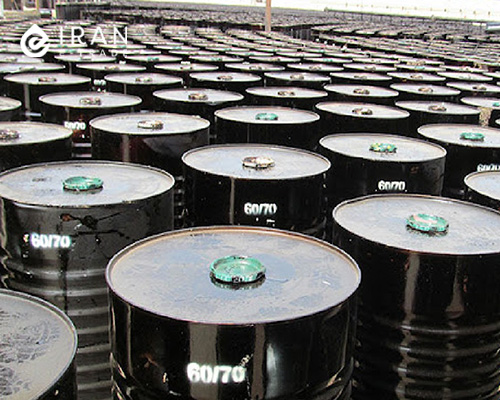
The price of ready bitumen is not very expensive. But several factors influence its price. Generally, quality factors such as the physical and chemical characteristics of ready asphalt, including its purity and softness, as well as the technical specifications, production quality, manufacturer brand, and more, affect its price. An important point to consider when purchasing ready mix bitumen is its price fluctuations. The price of ready asphalt also changes based on exchange rates, the global economy, and the supply and demand of crude oil.Ready Bitumen Price
Buying Ready Bitumen

In conclusion, there are a few important points to consider when purchasing ready bitumen. We recommend that you purchase bitumen for waterproofing air conditioners and bathrooms from reliable manufacturers and sellers. The price of ready asphalt depends on the global markets. Therefore, for example, if you plan to buy ready mix bitumen for a rooftop, your costs may suddenly increase. Therefore, if you decide to purchase ready asphalt, to get export and barrel bitumen prices and more, you can contact the experts at Iran E-Trade. Iran E-Trade is an online platform for checking the prices of bitumen supplied by Iran’s bitumen refineries.

Frequently Asked Questions About Ready Bitumen

In this section, we will answer common questions about ready bitumen.

What Are the Main Features of Ready Bitumen?

The main characteristics of ready bitumen are its higher adhesion and penetration. Additionally, the most significant advantage of ready asphalt is that it is ready to use without preparation, and its application on surfaces does not take much time.

What Are the Applications of Ready Bitumen?

Ready bitumen is suitable for roof insulation, air conditioner floors, and more. It is also useful for patching surfaces, road asphalt, and sealing joints.

Ready Bitumen for Rooftops

To use ready bitumen for a rooftop, you should apply it by heating it first and then use a brush, roller, or spray on the surface. Ready asphalt needs time to cool and harden to form a waterproof layer. If you are looking for up-to-date prices of various bitumen and petroleum products, the Iran E-Trade website is a reliable source. Frequently Asked Questions About Ready Bitumen   reference Bitumen Price
What Is The Prime Coat And Tack Coat Difference: Applications and Comparison!

The prime coat and tack coat difference is an important topic in road construction and asphalt production, as it directly impacts the quality and performance of road layers. The distinction between prime coat and tack coat relates to the type of materials used, their applications and purposes, the execution process, and their consumption rates. Prime coat, which can create adhesion between the underlying layers and asphalt, is mainly applied on roads with soil or non-asphalt foundation. In contrast, a tack coat can increase adhesion between two asphalt layers and usually contains bitumen with lower viscosity. These differences are due to the varying needs of projects and environmental conditions of each layer, and the proper selection of each coat plays a crucial role in the durability and final quality of the road surface. Therefore, in this article from IranETrade, we will discuss more about.

What is prime coat bitumen and what are its uses?

The first step for explaining the prime coat and tack coat difference is explaining each. Therefore, a prime coat is a thin layer of bitumen that can prepare the underlying road surfaces (such as its soil bed or base layer). This layer can improve the bond between the foundation and the upper layers of the pavement. The prime coat increases adhesion, reduces dust, and enhances resistance to water penetration.

(Click to read more about Types of Bitumen in Road Construction.)

What is prime coat bitumen and what are its uses?

Type of Bitumen Used In Prime Coats

For producing prime coats, road workers usually use bitumen emulsion or cutback bitumen. Common types include:

Bitumen Emulsion

A mixture of bitumen and water with chemical additives that manufacturers apply to it in liquid form. Because of its ease of use and reduced environmental hazards, it is a popular product.

Cutback Bitumen

The manufacturers dilute this bitumen with petroleum products (such as naphtha or kerosene) to increase its permeability and fluidity. Types of cutback bitumen include MC-30, RC-70, and RC-250. Therefore, the choice of cutback bitumen depends on the weather conditions and soil.

Amount of Bitumen Used Per Square Meter In The Prime Coat Method

One of the important prime coat and tack coat differences is their amount of use. For instance, the amount of bitumen used in the prime coat depends on the type of bitumen, the foundation conditions, and the project objectives. The typical consumption amount is as follows: (These values are adjusted based on soil type (permeable or compact), temperature, and moisture levels.)

  • For bitumen emulsion: 0.7 to 1 litre per square meter.
  • For cutback bitumen: 0.6 to 1.5 liters per square meter.

Ideal Temperature For Applying Penetration Grade Bitumen

Applying the prime coat is an essential step in road construction and foundation improvement because it plays a key role in enhancing the durability and quality of the road’s upper layers. The selection of bitumen type, the amount of its application, and temperature should be based on environmental conditions and soil types to achieve optimal performance.

The prime coat and tack coat difference is also in their temperature of use. The suitable temperature for using penetration-grade bitumen is a crucial factor in the proper application of the prime coat. This temperature depends on the type of bitumen:

  • Bitumen emulsion: Applicable at ambient temperature (20 to 50°C).
  • Cutback bitumen: Usually heated to 50–70°C to achieve the proper fluidity for soil penetration.
  • Ambient and foundation temperature: The minimum ambient temperature should be above 10°C to ensure optimal bitumen performance.

(Click to learn about Types of Construction Bitumen.)

What is Tack Coat?

Now that we have explained the prime coat and tack coat difference, let us see what a tack coat is. A tack coat is a thin layer of bitumen applied between different pavements and especially between asphalt layers. It can enhance adhesion and ensure proper bonding between layers and prevent their separation due to traffic and temperature. This method improves structural integrity and extends pavement lifespan. What is Tack Coat?

Types of Bitumen Used For Tack Coat

(Click for more information about penetrating bitumen.)

The following types of bitumen are suitable for applying tack coat due to their technical properties and strong adhesion:

Bitumen Emulsion

Bitumen emulsion is the most common choice for a tack coat as it spreads easily and provides excellent adhesion. Its types include CSS-1, SS-1, RS-1, and CRS-1. Due to their water content, these products are safer and more environmentally friendly.

Cutback Bitumen

Cutback bitumen is usable in specific conditions and at low temperatures. Suitable types include MC-30 and RC-70.

Pure Bitumen

Using pure bitumen is generally less common, but you can use it in specific projects with prior heating.

Bitumen Consumption per Square Meter in Tack Coat Method

As we mentioned previously, the consumption rate of bitumen is a prime coat and tack coat difference. The amount of usable bitumen is determined based on its type, surface conditions, and project objectives. Common quantities for these bitumen are as follows:

  • Bitumen Emulsion: 0.25 to 0.5 litres per square meter
  • Cutback Bitumen: 0.2 to 0.4 liters per square meter
  • Pure Bitumen: 0.15 to 0.3 litres per square meter (if used)

(Click to read about Natural Bitumen.)

Application Temperature of Bitumen in Tack Coat Method

The temperature for applying tack coat bitumen varies based on the type of bitumen:

Bitumen Emulsion

For tack coat application, bitumen emulsion is usually applicable at ambient temperatures (minimum 10°C). If needed, it can be heated to 50–60°C.

Cutback Bitumen

For tack coat application, cutback bitumen is usable at a temperature of 50–70°C.

Pure Bitumen

Tack coat is a thin layer of low-viscosity bitumen used to enhance adhesion between two asphalt layers. This method is particularly effective in preventing layer separation and increasing the durability of asphalt structures.

Pure bitumen requires a higher temperature for tack coat application and is heated to 150–180°C. Types of Bitumen Used For Tack Coat

The Difference Between Prime Coat and Tack Coat

The prime coat and tack coat difference is that prime coat and tack coat are two distinct methods of applying bitumen in road construction and maintenance. The main difference between a tack coat and a prime coat is that each process has a specific purpose. For example, these two methods differ in several aspects, such as the type of bitumen, consumption amount, application goals, and execution methods. We will discuss these differences further in this article from the Iran E-Trade blog.

1. Definition and Purpose of Use

A major point of prime coat and tack coat difference is their purpose of use. Prime Coat is a layer of bitumen with a high grade of penetration that is applicable to non-asphalt surfaces (such as gravel or aggregate). But tack coat is a thin layer of bitumen that road workers apply between two asphalt layers or between asphalt and a concrete surface. The purpose of using the prime coat is to strengthen the bond between the base and the asphalt layer, while the tack coat enhances adhesion between layers and prevents separation or slippage of pavement layers. The key characteristic of prime coat bitumen is its ability to penetrate surface pores and fill voids for deeper bonding. However, the main trait of tack coat is creating a sticky layer on the surface without requiring deep penetration.

2. Type of Bitumen Used in Prime Coat and Tack Coat

The type of bitumen used is another prime coat and tack coat difference. Prime coat primarily uses low-viscosity cutback bitumen such as MC-30 and, occasionally, diluted emulsions. However, in tack coat, bitumen emulsion like CSS-1 is commonly used, while cutback bitumen is rarely utilized in special cases.

3. Bitumen Consumption

Another prime coat and tack coat difference is in their consumption rate. For instance, prime coat application requires 1.0 to 1.5 litres per square meter, as it needs to penetrate the base layers. On the other hand, applying a tack coat uses 0.2 to 0.5 litres per square meter, focusing on surface adhesion. The Difference Between Prime Coat and Tack Coat   reference Bitumen Price
قیر سفت چیست: مشخصات و ویژگی‌ها + کاربرد قیر سفت 90.15

قیر سفت چیست؟ نوعی فرآورده نفتی است که در بازار با نام قیر 90/15 شناخته می‌شود و به دو صورت بشکه‌ای و کارتنی عرضه می‌شود. قیر 90/15 به روش تقطیر نفت و با حرارت دادن به قیر شل به دست می‌آید. این نوع قیر خاصیت ضدآب، مقاومت در برابر حرارت و پایداری طولانی دارد. استفاده در تولید آسفالت و روکش‌های راه‌سازی، عایق‌سازی ساختمان‌ها و عایق‌کاری لوله‌های سیمانی از کاربردهای قیر سفت هستند. در این مطلب بلاگ ایران‌ ای‌ ترید خواهیم دید که قیر سفت چیست، چه ویژگی‌هایی دارد و در چه مواردی به کارمی‌رود. همچنین به بررسی قیمت قیر سفت هم می‌پردازیم.

 قیر سفت چیست؟

قیر سفت یا قیر 15-90 از حرارت دادن قیر شل به دست می‌آید و از فرآورده‌های نفتی است. این قیر 90.15 کاملاً سفت و کننده است

یکی از انواع قیر و مشتقات نفت خام که در برج‌های تقطیر به دست می‌آید قیر سفت یا قیر 15-90 است. وقتی قیر شل در برج تقطیر به دمای 170 درجه می‌رسد و سپس هوادهی می‌شود قیر سفت به دست می‌آید. چرا به قیر سفت قیر 90/15 می‌گویند؟ چون نقطه نرمی قیر سفت در دمای 90 درجه سانتی‌گراد و درجه نفوذ آن 0.15 میلی‌متر است. این نوع قیر در دمای محیط کاملاً سفت و جامد و معمولاً در ترکیب با قیرهای دیگر به کار می‌رود. قیر سفت 90/15 ساختار شکننده و غیرمنعطف دارد.

(جهت کسب اطلاعات در مورد کاربرد قیر نرم کلیک کنید.)

معرفی قیر سفت

قیر 90.15 چگونه به دست می‌آید؟

برای تولید قیر سفت یا قیر 90.15 از قیر شل 70/60 استفاده می‌کنند. قیر شل در برج‌های تغلیط قیر تا دمای 170 درجه سانتی‌گراد حرارت می‌دهند، قیر شکل پس از هوادهی به رسیدن به مشخصات استاندارد تبدیل به قیر سفت 90-15 می‌شود.

مشخصات قیر سفت 90/15

تردی و شکنندگی، نقطه نرمی 90 درجه و درجه نفوذ 0.15 میلی‌متر ، نقطه اشتعال بالا، و پایداری شیمیایی از مشخصات قیر سفت 90.15 هستند

ویژگی‌های قیر سفت چیست؟ شکل ظاهری قیر سفت در حالت طبیعی و در دمای محیط کاملاً جامد، ترد و شکننده و بدون خاصیت ارتجاعی است. این فرآوردۀ نفتی دارای نقطه نرمی 90 درجه سانتی‌گراد و مقدار نفوذ سوزن مارشال در آن 0.15 میلی‌متر است. از مشخصات قیر15-90 می‌توانیم به نقطه اشتعال بالا، نقطه پایداری بالا در هنگام ذوب و نقطه نرمی بالا اشاره کنیم. در ضمن، قیر90.15  ماندگاری بالایی دارد و ضدآب است و انعطاف‌پذیری مناسب و پایداری شیمیایی بهره‌مند است.

(برای اطلاع بیشتر در مورد درجه نفوذ قیر مطلب بلاگ را مطالعه نمایید.)

کاربرد قیر سفت 90/15

عایق‌کاری ساختمان، راه‌سازی، عایق‌کاری لوله‌های سیمانی، رنگ کاغذ، سنگ‌فرش، پردازش نساجی و غیره از کاربردهای قیر سفت هستند

موارد مصرف قیر سفت چیست؟ قیر سفت 90.15 کاربردهای متنوعی دارد که در زیر به آن‌ها اشاره می‌کنیم:

• ویژگی‌های قیر 15-90 باعث می‌شود مناسب قیرگونی در مناطق گرم و مرطوب باشد.

• با ترکیب قیر سفت با قیر شل می‌توان از آن برای ایزوگام و عایق‌بندی ساختمان‌ها استفاده کرد.

•  یکی دیگر از کاربردهای قیر 15-90 در عایق‌کاری لوله‌های سیمانی آب و قیراندود کردن جوی‌های هدایت آب است.

•  از این نوع قیر 90.15 در صنایع شیمیایی مختلف مثل تولید رنگ کاغذ، لاک، سنگ‌فرش، پردازش نساجی به کار می‌رود.

• پروژه‌های ساختمانی و عمرانی و راه‌سازی یکی از کاربردهای رایج قیر سفت است.

(جهت کسب اطلاعات بیشتر در مورد قیر ساختمانی، مطلب کاربرد انواع قیر ساختمانی را مطالعه نمایید.)

موارد استفاده قیر سفت

 انواع بسته‌بندی قیر سفت

قیر 15-90 سفت در نوع بسته‌بندی کارتنی و بشکه‌ای در بازار به فروش می‌رسد. در ادامه با ما همراه باشید تا ببینیم تفاوت بسته‌بندی‌های قیر سفت چیست.

 قیر سفت کارتنی

بسته‌بندی کارتنی پرفروش‌ترین نوع قیر سفت است که در بسته‌های 10 کیلویی و 20 کیلویی عرضه می‌شود.

 قیر سفت بشکه‌ای

قیر 90/15 بشکه‌ای در بشکه‌های فلزی با ظرفیت‌های 100، 180 و 220 کیلویی به فروش می‌رسد. انواع قیر بشکه سفت در صنایع ساختمانی و راهسازی کاربرد مهمی دارد و مخلوطی از قیر و مواد پلیمری است. به دلیل ویژگی‌های فیزیکی و ساختاری قیر سفت بشکه‌ای از آن در پوشش جاده‌ها، پل‌ها و سازه‌های بتنی استفاده می‌کنند. مزیت قیر 15-90 بشکه‌ای ضدآب بودن، مقاومت در برابر پوسته‌شدن، چسبندگی زیاد و تنوع کاربری آن است. البته قیر سفت بشکه به‌تنهایی قابل استفاده نیست و برای جلوگیری از خسارات حتماً باید با  قیر شل 60/70  ترکیب شود.

  گرید قیر بشکه‌ای سفت

گرید 90.15 قیر سفت در ترکیب با قیر شل برای قیرگونی در مناطق گرمسیر بسیار مناسب است. این گرید همان‌طور که از نامش پیداست جامد و سفت است و در دمای 90 درجه به حالت روان درمی‌آید.

قیر سفت با گرید 20-10 درجه نفوذ بالایی دارد و به همین دلیل از آن در سنگفرش جاده بسیار استفاده می‌شود. این قیر هم مانند قیر 90.15 مناسب آب و هوای گرم است.

(برای کسب اطلاعات بیشتر در مورد مصارف قیر بشکه ای کلیک کنید.)

قیرهای سفت بشکه‌ای صادراتی

این نوع قیر صادراتی یکی از مشتقات مهم نفت است که وِیژگی‌های مهمی مثل خاصیت چسبندگی مطلوب، مقاومت در برابر فشار و حرارت، نقطه نرمی بالا، پایداری حرارتی زیاد، آب‌گریزی و غیره دارد. قیر سفت بشکه‌ای صادراتی به صورت مایع و قابل حمل در بشکه‌های مخصوص عرضه و صادر می‌شود. با توجه به کاربردهای صنعتی فراوان قیر 90.15 صادراتی در راه‌سازی، آب‌بندی، صنایع ساختمانی و غیره، این نوع قیر جایگاه مهمی در تجارت جهانی نفت دارد.

روش های بسته بندی قیر سفت

نکات مهم در حمل‌نقل، نگهداری و مصرف قیرهای سفت

حمل، نگهداری و مصرف قیرسفت درست مثل سایر فرآورده‌های نفتی باید توأم با رعایت کامل نکات ایمنی باشد. نکات ایمنی در حمل و نگهداری قیر سفت چیست؟

دمای قیر 90/15 در هنگام حمل یا انبار کردن نباید از بیشتر 230 درجه سانتی‌گراد شود.

قیر سفت باید قبل از قرارگیری در معرض حرارت خرد شود تا حرارت به‌صورت یکنواخت به آن برسد.

از سردشدن قیر مذاب در دیگ جلوگیری کنید، چون وقتی سرد و سفت شود، گرم‌کردن مجدد آن بیشتر طول می‌کشد چون در بار دوم حرارت کمتری به ساختار قیر منتقل می‌شود.

قیر رسانایی حرارتی ضعیفی دارد، بنابراین برای اطلاع از دمای قیر در هنگام حرارت‌دهی، دستگاه کنترل گرما، مانند دماسنج، حتماً در نزدیک‌ترین فاصله با قیر قرار دهید. با رعایت این نکات، قیر 90.15 عمر بیشتر و عملکرد بهتری خواهد داشت و خواصش بیشتر حفظ خواهد شد.

چرا برای مصرف، قیر سفت با قیر شل ترکیب می‌شود؟

علت ترکیب‌کردن قیر سفت با قیر شل مشخصات فیزیکی این دو نوع قیر است. قیر سفت حالت جامد، شکننده و غیرمنعطفی دارد و در دماهای پایین دچار ترک و شکستگی می‌شود بنابراین نمی‌توان از آن به صورت عایق در پروژه‌ها استفاده کرد. از طرف دیگر، قیر شل 60/70 هم در دماهای زیاد و مناطق گرم در صورتی که به‌تنهایی مصرف شود تغییر شکل می‌دهد و جابه‌جا می‌شود. بنابراین قیر سفت و قیر شل را با درصدهای مختلف با هم ترکیب می‌کنند تا به قیری دست یابند که درجه نفوذپذیری و سفتی آن متناسب با آب و هوای منطقه باشد. به‌طور کلی در مناطق گرمسیر از قیر سفت بیشتر و در مناطق سردسیر از قیر سفت کمتری استفاده می‌کنند.

قیمت قیر سفت

در این مطلب اطلاعات نسبتاً جامعی برای خرید قیر سفت در اختیارتان گذاشتیم. حالا ببینیم قیمت قیر سفت چیست؟ قیر سفت 90/15 در مقایسه با انواع قیر قیمت ارزان‌تری دارد، بااین‌حال قیمت نهایی قیر 90.15 به عوامل متعددی مثل گرید قیر، کیفیت محصول، شرایط بازار جهانی نفت، عرضه و تقاضا، مشخصات شیمیایی و فیزیکی محصول و شرایط جغرافیایی بستگی دارد. این نوع قیر معمولاً در کارتن‌های 10 و 20 کیلویی به فروش می‌رسد. پیش از خرید قیر سفت 90/15 باید شرایط محل کاربرد قیر را بررسی کنید و میزان قیر سفت موردنیازتان را برآورد کنید. برای اطلاع از قیمت قیر سفت 90.15 با کارشناسان ایران ای ترید تماس بگیرید. وبسایت ایران ای ترید بستری آنلاین و مطمئن برای استعلام قیمت روز انواع قیر و فرآورده‌های نفتی است. (برای اطلاع از قیمت قیر کلیک کنید.)

هزینه قیر سفت

منبع

مشاهده قیمت روز قیر صادراتی

Introducing Iran Bitumen Refineries: List of Bitumen Production Plants + Comparison

Iran bitumen refineries play a crucial role in road construction and buildings. Bitumen manufacturers such as Petro Arton, Ansar Howeyzeh, Fanavar Gostar Peyman, and Kimia Jey use advanced technologies to produce various industrial bitumen, asphalt, and waterproofing materials. Additionally, companies like Brent Pars, Ghir Dezhpa, and Ghiran Pakhsh contribute significantly to Iran’s infrastructure development by offering high-quality products. Therefore, in this article from Iran E-Trade blog, an expert platform on bitumen price inquiries and sales, we will provide a comprehensive introduction to these factories.

Introduction to Bitumen

Bitumen is a black, sticky, high-viscosity hydrocarbon material composed of carbon, hydrogen, nitrogen, sulfur, and oxygen. In Iran bitumen refineries, this material exists in two forms: natural bitumen (Gilsonite) and synthetic bitumen (produced from crude oil refining).

Bitumen, due to its properties such as high adhesion, water and moisture resistance, elasticity, and thermal stability, has many uses in road construction, asphalt production, waterproofing, construction, and waterproof membrane. In bitumen manufacturing plants, various types of bitumen are categorized based on their production methods and applications, including petroleum bitumen, liquid bitumen, bitumen emulsion, polymer-modified bitumen, and blown bitumen. Below is a list of Iran bitumen refineries.

(Click to read more about Oxidized Bitumen.)

Introduction to Bitumen

Introducing Bitumen Refineries

Bitumen refineries are facilities that produce bitumen as a byproduct of crude oil refining processes. These refineries usually use methods such as distillation, cracking, and air-blowing to produce various types of bitumen. Iran bitumen refineries have two main categories: petroleum bitumen and modified bitumen refineries, which will explain more below.

(Click for more information about performance grade bitumen.)

1. Petroleum Bitumen Refineries

This type of Iran bitumen refineries produces standard bitumen grades, such as 60/70 and 85/100 bitumen, using crude oil.

2. Modified Bitumen Refineries

In these Iran bitumen refineries, the manufacturers combine regular bitumen with additives such as polymers, rubber, and other chemicals. This process will then produce higher-quality bitumen, such as polymer-modified or rubberized bitumen.

Complete List of Iran Bitumen Refineries

Due to its rich crude oil resources, Iran is one of the largest bitumen producers in the world. Therefore, numerous refineries across Iran produce various types of bitumen and related products. In the following sections, we will introduce Iran bitumen refineries:

(Click to learn about drum bitumen.)

1. Ghir Gharb Nikan One of Iran Bitumen Refineries

  • Products: Gilsonite, walnut shell powder, compressed coal.
  • Location: Tehran, Niyavaran Street, Manzariyeh Street, Ebrahimie Street, Shaista Alley, No. 1.
  • Phone: +98 21 26155936
  • Website: nikanwestgilsonite.com
  • Experience and Quality: With over 10 years of experience, this type of Iran bitumen refineries specializes in the production of Gilsonite and related products.
  • Features: High-quality Gilsonite production and export to international markets.

2. Petro Arton

  • Products: Industrial bitumen, modified bitumen, asphalt, waterproofing materials.
  • Location: Tehran, Karimkhan Zand Boulevard, Khordmand North Street, No. 95.
  • Phone: +98 21 88826894
  • Website: www.petroartoon.com
  • Experience and Quality: With over 15 years of experience, this type of Iran bitumen refineries is one of the leading bitumen producers in Iran.
  • Features: Production of modified bitumen using advanced technologies.

(Click to find out about the Online Bitumen Price.)

Petro Arton

3. Ansar Howeyzeh

  • Products: Hydrocarbons, gasoline, naphtha, bitumen 60/70 and 85/100.
  • Location: Tehran, Shahid Iraqi Street, Gol Narges Alley, Koohsar Alley, No. 6, Unit 2.
  • Phone: +98 21 26302410
  • Website: www.ecasb.com
  • Experience and Quality: This type of Iran bitumen refineries has been operating since 1997 and specializes in the production of petroleum products.
  • Features: Export of products to countries such as Turkmenistan and Iraq.

4. Fanavar Gostar Peyman

  • Products: Industrial bitumen, thermal insulation materials, asphalt, waterproofing membranes.
  • Location: Tehran, 3rd Tehranpars Square, No. 547, 4th Floor, Unit 7.
  • Phone: +98 21 77730239
  • Website: www.fgpco.ir
  • Experience and Quality: This type of Iran bitumen refineries has been operating since 2008 and specializes in the design and engineering of industrial units.
  • Features: Production of modified bitumens using polymer additives.

5. Kimia Jey One of Iran Bitumen Refineries

  • Products: Road construction bitumen, waterproofing materials, polymer-modified bitumen.
  • Location: Isfahan, 30th Kilometer into the Naeen Road, Sajezi Industrial Town, 4th Eastern Street.
  • Phone: +98 31 46412141
  • Website: www.kimiajey.com
  • Experience and Quality: With over a decade of activity, this type of Iran bitumen refineries is one of the top bitumen producers in the Isfahan region.
  • Features: High-quality polymer-modified bitumen production.

6. Ghir Shargh Factory

  • Products: Penetration grade bitumen, performance grade bitumen, cutback bitumen.
  • Location: Mashhad, 12th Kilometers into the Neyshabur Road.
  • Phone: +98 51 37110088
  • Website: www.ghireshargh.ir
  • Experience and Quality: With over two decades of activity, this type of Iran bitumen refineries is one of the largest bitumen producers in the eastern region of the country.
  • Features: High-quality cutback bitumen production.

7. Balouch Pasargad

  • Products: Bitumen emulsion, slow-curing bitumen, modified bitumen.
  • Location: Isfahan, Hakim Nezami Street, No. 618.
  • Phone: +98 31 36283585
  • Website: www.vic.ir
  • Experience and Quality: With over 15 years of experience, this type of Iran bitumen refineries specializes in the production of bitumen emulsion.
  • Features: Production of modified bitumen using chemical additives.

8. Paksar Shen Bitumen Factory

  • Products: Polymer-modified bitumen, cutback bitumen, asphalt.
  • Location: Tehran, Kaj Square, Corner of 8th Street, No. 119, 2nd Floor.
  • Phone: +98 21 22119228
  • Website: www.paksarshen.com
  • Experience and Quality: Established in 2000, this type of Iran bitumen refineries specializes in the production of sand, gravel, and asphalt.
  • Features: High-quality polymer-modified bitumen production.

Paksar Shen Bitumen Factory

9. Ayegh Bam Bastan One of Iran Bitumen Refineries

  • Products: Penetration grade bitumen, petroleum bitumen.
  • Location: Karaj, Mehrshahr, Eram Boulevard, Corner of 113th Street, Atlantic Building, 2nd Floor, Unit 18.
  • Phone: +98 26 33412502
  • Website: www.abbrefinery.ir
  • Experience and Quality: With over 20 years of experience, this type of Iran bitumen refineries is one of the top bitumen producers in the Karaj region.
  • Features: High-quality petroleum bitumen production.

10. Bernet Pars

  • Products: Industrial bitumen, asphalt, waterproofing materials.
  • Location: Tehran, Pasdaran Street, Boostan 6, No. 107, Unit 5.
  • Phone: +98 21 22792878
  • Website: www.bernetbitumen.com
  • Experience and Quality: With over 10 years of experience, this type of Iran bitumen refineries specializes in the production of modified bitumen.
  • Features: Production of polymer-modified bitumen using advanced technologies.

11. Dezhpa Bitumen

  • Products: Industrial bitumen, waterproofing materials.
  • Location: Tehran.
  • Experience and Quality: With over 15 years of experience, this type of Iran bitumen refineries is one of the top bitumen producers in Tehran.
  • Features: High-quality industrial bitumen production.

12. Bam Gostaran

  • Products: Industrial bitumen, prefabricated waterproofing materials.
  • Location: Tehran.
  • Experience and Quality: With over 10 years of experience, this type of Iran bitumen refineries specializes in the production of waterproofing materials.
  • Features: High-quality prefabricated waterproofing production.

13. Esfahan Zarrin One of Iran Bitumen Refineries

  • Products: Industrial bitumen, asphalt.
  • Location: Isfahan.
  • Experience and Quality: With over 20 years of experience, this type of Iran bitumen refineries is one of the top bitumen producers in Isfahan.
  • Features: High-quality industrial bitumen production.

14. Azar Davam Yul (ADICO)

  • Products: Industrial bitumen, waterproofing materials.
  • Location: Tabriz.
  • Experience and Quality: With over 15 years of experience, this type of Iran bitumen refineries specializes in industrial bitumen production.
  • Features: High-quality modified bitumen production.

15. Azar Ghir Tabriz

  • Products: Industrial bitumen, waterproofing bitumen.
  • Location: Tabriz.
  • Experience and Quality: With over 20 years of experience, this type of Iran bitumen refineries is one of the top bitumen producers in Tabriz.
  • Features: High-quality waterproofing bitumen production.

16. Azar Bam – One of Iran Bitumen Refineries

  • Products: Industrial bitumen, waterproofing materials.
  • Location: Tabriz.
  • Experience and Quality: With over 10 years of experience, this type of Iran bitumen refineries specializes in the production of waterproofing materials.
  • Features: High-quality prefabricated waterproofing production.

Azar Bam – One of Iran Bitumen Refineries

17. Naft Jey Refinery

  • Products: Industrial bitumen, asphalt.
  • Location: Isfahan.
  • Experience and Quality: With over 15 years of experience, this type of Iran bitumen refineries specializes in the production of industrial bitumen.
  • Features: High-quality industrial bitumen production.

18. Petro Pad Hafez

  • Products: Industrial bitumen, waterproofing materials.
  • Location: Tehran.
  • Experience and Quality: With over 10 years of experience, this type of Iran bitumen refineries specializes in the production of industrial bitumen.
  • Features: High-quality modified bitumen production.

19. Tozinger

  • Products: Industrial bitumen, asphalt.
  • Location: Tehran.
  • Experience and Quality: With over 15 years of experience, this type of Iran bitumen refineries specializes in the production of industrial bitumen.
  • Features: High-quality industrial bitumen production.

20. Fidar Isfahan (Iran Bitumen)

  • Products: Industrial bitumen, waterproofing materials.
  • Location: Isfahan.
  • Experience and Quality: With over 20 years of experience, this type of Iran bitumen refineries is one of the top bitumen producers in Isfahan.
  • Features: High-quality industrial bitumen production.

21. Akam Bitumen One of Iran Bitumen Refineries

  • Products: Industrial bitumen, asphalt.
  • Location: Tehran.
  • Experience and Quality: With over 10 years of experience, this type of Iran bitumen refineries specializes in the production of industrial bitumen.
  • Features: High-quality industrial bitumen production.

22. Iranian Polymer Bitumen

  • Products: Polymer bitumen, waterproofing materials.
  • Location: Tehran.
  • Experience and Quality: With over 10 years of experience, this type of Iran bitumen refineries specializes in the production of polymer bitumen.
  • Features: High-quality polymer bitumen production.

23. Gharb Bitumen and Asphalt

  • Products: Industrial bitumen, asphalt.
  • Location: Tehran.
  • Experience and Quality: With over 15 years of experience, this type of Iran bitumen refineries specializes in the production of industrial bitumen.
  • Features: High-quality industrial bitumen production.

Gharb Bitumen and Asphalt

24. Janatabad Bitumen and Insulation

  • Products: Industrial bitumen, waterproofing materials.
  • Location: Tehran.
  • Experience and Quality: With over 10 years of experience, this type of Iran bitumen refineries specializes in the production of waterproofing materials.
  • Features: High-quality prefabricated insulation production.

25. Giran Pakhsh

  • Products: Industrial bitumen, asphalt.
  • Location: Tehran.
  • Experience and Quality: With over 20 years of experience, this type of Iran bitumen refineries is one of the top bitumen producers in Tehran.
  • Features: High-quality industrial bitumen production.

26. Danesh Royan Yekta Mandegar One of Iran Bitumen Refineries

  • Products: Concrete and asphalt pavements, industrial bitumen.
  • Location: Tehran, Sout of Janatabad, Samarghand Commercial-Administrative Complex.
  • Phone: +98 21-44620582
  • Website: www.yektamandegar.com
  • Experience and Quality: This type of Iran bitumen refineries specializes in the production of concrete and asphalt pavements using modern technologies.
  • Features: High-quality product production and supply to both domestic and international markets.

27. Jazb Setareh

  • Products: Industrial bitumen, asphalt, insulation-related products.
  • Location: Tehran, Velenjak, At The Start of Daneshjou Boulevard, Golrizan Street, Golestan 2, No. 27.
  • Phone: +98 21-79381000
  • Website: www.jazbsetareh.ir
  • Experience and Quality: Known for its excellent quality, this type of Iran bitumen refineries produces various types of bitumen and asphalt, and is well known in the international markets.
  • Features: Exporting products to different countries and competing with foreign brands.

28. Raika Rah Gostar

  • Products: Bitumen Emulsion, cutback bitumen.
  • Location: Tehran, Saadatabad, Northern Allameh Street, 20th Eastern Alley, No. 6, Unit 1.
  • Phone: +98 21-22088948
  • Website: www.raeikarahgostar.ir
  • Experience and Quality: Established in 2010, this type of Iran bitumen refineries specializes in producing bitumen emulsion.
  • Features: Exporting products to countries like Turkmenistan, Armenia, and Iraq.

29. Giran Pakhsh Setareh Iranian

  • Products: Construction bitumen, bulk and drum bitumen.
  • Location: Tehran, Kahrizak, Imam Hossein Blvd., Madan Haftom St.
  • Phone: +98 21-56543679
  • Website: www.gpsi.ir
  • Experience and Quality: Established in 1978, this type of Iran bitumen refineries has achieved global standards by enhancing product quality.
  • Features: High-quality bitumen production with plans for export.

30. Bam Gam Ayegh

  • Products: Waterproofing membranes, industrial bitumen.
  • Location: Tehran, At the end of Jalaal Al Ahmad St., Before Ashrafi Esfahani, No. 427.
  • Phone: +98 21-44254443
  • Website: www.bamgumayegh.com
  • Experience and Quality: Established in 1997, this type of Iran bitumen refineries specializes in producing waterproofing membranes.
  • Features: Offering high-quality products at competitive prices to international markets.

Bam Gam Ayegh

31. Matin Kimia Sepahan

  • Products: Industrial bitumen, waterproofing membranes.
  • Location: Isfahan
  • Experience and Quality: With over 15 years of experience, this type of Iran bitumen refineries specializes in producing high-quality industrial bitumen.
  • Features: Known for producing high-quality industrial bitumen.

32. Maham Hirmand

  • Products: Industrial bitumen, asphalt.
  • Location: Tehran
  • Experience and Quality: With over 10 years of experience, this type of Iran bitumen refineries specializes in producing high-quality industrial bitumen.
  • Features: Producing high-quality industrial bitumen.

33. Naft Hormozan

  • Products: Industrial bitumen, waterproofing membranes.
  • Location: Tehran
  • Experience and Quality: With over 15 years of experience, this type of Iran bitumen refineries specializes in producing high-quality industrial bitumen.
  • Features: Producing high-quality industrial bitumen.

34. Khuzestan Bitumen Company

  • Products: Industrial bitumen, asphalt.
  • Location: Khuzestan, Ahvaz, Golestan Boulevard, San’at Street, No. 12
  • Phone: +98 61-33456789
  • Website: www.khuzestanbitumen.com
  • Experience and Quality: With over 15 years of experience, this type of Iran bitumen refineries is one of the top bitumen producers in the Khuzestan region.
  • Features: Due to its proximity to oil resources, it produces high-quality bitumen and exports its products to both domestic and international markets.

35. Kermanshah Bitumen Company One of Iran Bitumen Refineries

  • Products: Industrial bitumen, waterproofing membranes.
  • Location: Kermanshah, Shahid Beheshti Boulevard, San’atgaran Street, No. 24
  • Phone: +98 83-37221456
  • Website: www.kermanshahbitumen.com
  • Experience and Quality: With over 10 years of experience, this type of Iran bitumen refineries operates in the western part of the country and is well-known for the high quality of its products.
  • Features: It produces high-quality industrial bitumen and exports to neighbouring countries such as Iraq.

36. Azerbaijan Bitumen Company

  • Products: Industrial bitumen, asphalt.
  • Location: West Azerbaijan, Urmia, Imam Khomeini Boulevard, San’at Street, No. 8
  • Phone: +98 44-33451234
  • Website: www.azerbitumen.com
  • Experience and Quality: With over 12 years of experience, this type of Iran bitumen refineries operates in the West Azerbaijan region.
  • Features: Due to its proximity to the Turkish border, it has a strong export market to Turkey and produces its products according to international standards.

Azerbaijan Bitumen Company

37. Fars Bitumen Company

  • Products: Industrial bitumen, waterproofing membranes.
  • Location: Shiraz, Modarres Boulevard, San’at Street, No. 15
  • Phone: +98 71-37256789
  • Website: www.farsbitumen.com
  • Experience and Quality: With over 8 years of experience, this type of Iran bitumen refineries operates in the Fars region and is well-known for the high quality of its products.
  • Features: Specializes in the production of high-quality industrial bitumen, particularly for road construction projects in the region.

38. Khorasan Bitumen Company

  • Products: Industrial bitumen, asphalt.
  • Location: Mashhad, Vakilabad Boulevard, San’at Street, No. 10
  • Phone: +98 51-37251234
  • Website: www.khorasanbitumen.com
  • Experience and Quality: With over 10 years of experience, this type of Iran bitumen refineries operates in the Khorasan region.
  • Features: Specializes in the production of high-quality industrial bitumen and exports to neighbouring countries, including Afghanistan.

39. Gilan Bitumen Company

  • Products: Industrial bitumen, waterproofing membranes.
  • Location: Rasht, Shaheed Ansari Boulevard, San’at Street, No. 5
  • Phone: +98 13-33456789
  • Website: www.gilanbitumen.com
  • Experience and Quality: With over 7 years of experience, this type of Iran bitumen refineries operates in the Gilan region.
  • Features: Specializes in producing high-quality industrial bitumen used in local construction projects.

40. Mazandaran Bitumen Company

  • Products: Industrial bitumen, asphalt.
  • Location: Sari, Taleghani Boulevard, San’at Street, No. 7
  • Phone: +98 11-33451234
  • Website: www.mazandaranbitumen.com
  • Experience and Quality: With over 5 years of experience, this type of Iran bitumen refineries operates in the Mazandaran region.
  • Features: Specializes in producing high-quality industrial bitumen used in local road construction projects.

41. Yazd Bitumen Company One of Iran Bitumen Refineries

  • Products: Industrial bitumen, waterproofing membranes.
  • Location: Yazd, Shahid Sadoughi Boulevard, San’at Street, No. 3
  • Phone: +98 35-37256789
  • Website: www.yazdbitumen.com
  • Experience and Quality: With over 6 years of experience, this type of Iran bitumen refineries operates in the Yazd region.
  • Features: Specializes in producing high-quality industrial bitumen used in local construction projects.

Yazd Bitumen Company One of Iran Bitumen Refineries

Bitumen Price
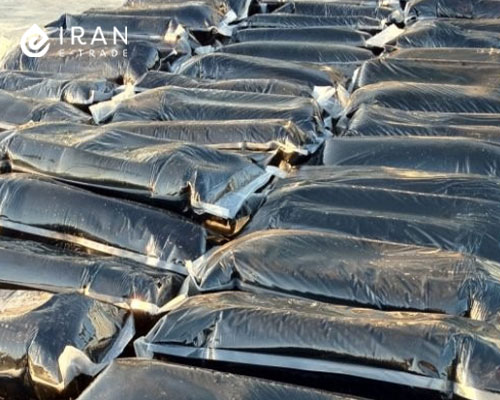
What is Bitumen Spray; Introduction, Applications, Features & Usage Guide

What is bitumen spray? Bitumen or asphalt spray has many applications in the construction and insulation industries. For Example, asphalt spray can prevent water and moisture absorption by surfaces. This spray, also known as a waterproof spray, is made from liquid bitumen and is evenly applied to various surfaces using a sprayer. Asphalt spray has high resistance to moisture, strong adhesion to different surfaces, and is durable against temperature changes. This product also has wide usage in waterproofing roofs, building floors, repairing small cracks, insulating tanks and tunnels, and other applications. Therefore, in this article from IranETrade, we will discuss more about asphalt spray, its features, and uses.

What is bitumen spray?

Asphalt spray is a protective material made of natural or synthetic bitumen.

Bitumen, as a hydrocarbon compound, is produced from organic materials at high temperatures and has high density and viscosity. This product is a type of polymer-modified bitumen with elastic properties and has high resistance to temperatures and abrasion. Additionally, bitumen spray, with features such as strong adhesion and high flexibility has many applications, especially in insulation.

(Click for information about Viscosity Grade Bitumen.)

What is bitumen spray?

1. Polymer Bitumen Spray

Polymer bitumen spray is a type of modified bitumen that has been enhanced by adding special polymers to bitumen to improve its physical and chemical properties. This type of spray offers high flexibility, strong adhesion, and great resistance to temperature changes, UV rays, and environmental factors.

Due to these features, polymer asphalt spray has uses for waterproofing various surfaces, including rooftops, underground walls, water tanks, and concrete structures. This product is very easy and quick to apply, making it an ideal choice for insulation projects and preventing moisture leakage.

2. Waterproof Bitumen Spray

Waterproof bitumen spray, with its dark brown to black color, is an excellent choice for insulation. This spray can protect and maintain areas exposed to rust or corrosion, providing a fast and effective waterproofing solution.

3. Bituminous Waterproofing Spray

Bitumen spray for waterproofing membrane is one of the best types of sprays for waterproofing concrete pools, bathrooms, rooftops, and similar applications.

With nano waterproofing properties, this spray has high chemical resistance against various temperatures and environmental changes. Additionally, it is impact-resistant. ّFurthermore, its applications include creating a protective anti-rust layer on metals, as well as coating vehicles and their fenders.

4. Bitumen Spray For Vehicle Floorboards

A widely used product for rust-proofing the metal parts underneath the vehicles and around the tyres is the bitumen spray for vehicle floorboards. Bitumen Spray For Vehicle Floorboards

Properties and Features of Bitumen Spray

Asphalt spray is a specialized byproduct of bitumen with unique characteristics that has uses in waterproofing and sealing various surfaces. It is highly resistant to sunlight, UV radiation, temperature fluctuations (-20 to +70°C), chemicals, acids, and alkalis.

Other advantages of bitumen spray also include long durability, fast drying, easy application, environmental compatibility, and strong adhesion. Additionally, you can apply it on surfaces with different thicknesses, creating a seamless and uniform layer that makes it suitable for metal and sloped surfaces as well.

(Click to read about determining the degree of bitumen penetration.)

Applications of Waterproof Bitumen Spray: What Are Its Main Uses?

Bitumen spray is a waterproof and anti-rust coating product with diverse applications. For instance, asphalt spray is useful for sealing various surfaces such as dripstone-covered walls, foundations, pools, bathrooms, water and sewage pipes. Additionally, it serves as a roofing insulator and protects metal structures and different parts of vehicles, including under their chassis and fenders. In the following sections, we will discuss the most important uses of asphalt spray in more detail.

(Click to read about Soft Bitumen.)

Using Bitumen Spray for Waterproofing the Base of Evaporative Coolers

One of the applications of bitumen spray is rustproofing the base of evaporative coolers. To do this, first, you have to clean the base and remove any rust if present. Then, spray the bitumen onto the base surface of the cooler. It is best to slightly dampen the area before application. After 30 minutes, apply another layer for better protection.

(Click to read about Bitumen 60/70.)

Waterproofing Restrooms

For waterproofing bathrooms, showers, and other areas exposed to constant moisture, you can use bitumen spray. This type of spray creates a strong and effective moisture barrier.

Waterproofing Water and Sewage Pipes

Using waterproof bitumen spray on water and sewage pipes helps extend their lifespan. It forms a protective coating that prevents rust on the pipes and shields them from damage caused by acids and alkalis.

(For more information refer to the article  What is Bitumen)

Repairing Roof Bitumen or Waterproof Membranes

If the waterproofing membrane or roof bitumen needs repair, you can use bitumen spray. Simply apply the spray over the damaged areas to reseal and restore the insulation.

Roof Waterproofing with Bitumen Spray

Regardless of whether the roof is made of wood, metal, cement, or other materials, you can use bitumen spray for its waterproofing, ensuring a durable and effective moisture barrier.

Vehicle Insulation

Vehicle areas such as the under the fender, chassis, interior cabin, and any parts exposed to moisture require proper insulation. Therefore, bitumen spray can be useful to create a durable protective layer for them that prevents rust and damage.

(Click here for information on the online bitumen price .)

Insulating Metal Pipes

Steel pipes have many uses in various industries but may require insulation due to factors like impact, corrosion, or environmental conditions. In such cases, bitumen spray is an ideal choice for protecting and insulating metal pipes.

Rustproofing Metals

Another application of bitumen spray is rustproofing metals in various industries. This product is effective for insulating and protecting metals from corrosion.

Sealing Cracks with Bitumen Spray

Cracks in pool walls, restrooms, showers, and other areas can be repaired using bitumen spray to prevent water and moisture absorption. Applications of Waterproof Bitumen Spray: What Are Its Main Uses?

How to Use Bitumen Spray?

For effective application of bitumen spray, the surface must first be clear of contaminants such as grease, rust, and paint. Then, you should apply from a distance of 25 to 30 cm at a temperature of 15 to 35°C. The coating thickness should be around 300 microns, and if multiple layers are needed, the previous layer must be completely dry before you apply another layer. There are two main methods for using asphalt spray:

  • Hot Method: Molten bitumen is sprayed at 160 to 190°C with thermal equipment and hardens upon cooling.
  • Cold Method: Solid or semi-solid asphalt spray is applied at ambient temperatures.

Features of Bitumen Spray as an Insulator: What are the Specifications of Asphalt Spray?

Using bitumen spray as a waterproofing insulator offers various advantages. Moisture insulation plays a key role in preventing damage caused by water absorption and environmental factors. For this reason, various materials are used to create these insulations to protect surfaces from water, dust, and other elements. In the following paragraphs, we will discuss more about the features and performance of this type of spray.

High Strength

One of the key features of bitumen sprays is their high strength against various environmental conditions, including moisture and temperature.

Weather Resistance

A key characteristic of bitumen spray is its resistance to weather changes. It is very durable against varying climatic conditions which makes it suitable for both indoor and outdoor applications.

Protecting Surfaces Against Dust

Once applied, bitumen spray prevents the absorption of water, dust, and contaminants, enhancing the durability and resistance of the surface.

Waterproofing The Surfaces

For waterproofing, bitumen spray is useful to create a protective and insulating layer, effectively sealing surfaces against moisture.

High Adhesion

Waterproof bitumen sprays typically have excellent adhesion.

Suitable for Outdoor Use

Bitumen sprays are also resistant to sunlight, making them ideal for waterproofing in outdoor environments. Features of Bitumen Spray as an Insulator: What are the Specifications of Asphalt Spray?

Best Waterproof Bitumen Spray

Various brands manufacture waterproof asphalt sprays, but choosing a high-quality tested product is essential. Sana Bitumen Spray 400ml is one of the best options and has strong adhesion and excellent performance on surfaces such as wood, metal, stone, brick, and even repairing damaged bitumen. For optimal results, you should apply it to clean surfaces. In this way, it will ensure a reliable and durable seal.

Frequently Asked Questions About Bitumen Spray

In this section, we answer some of the frequently asked questions that you may have after reading this text about bitumen spray.

What is Bitumen Spray For Vehicles?

This type of bitumen spray is good for insulating and protecting various parts of a vehicle, such as its undercarriage, fenders, and cabin floor, against rust, moisture, and environmental damage.

What is White Bitumen Spray?

White bitumen spray is a waterproofing spray with white color. This asphalt spray can rebound heat and reduce surface temperatures while providing effective sealing properties.

How Long Does Bitumen Spray Take to Dry?

The drying time of bitumen spray typically ranges from 1 to 4 hours for surface drying and up to 24 hours for full curing, depending on environmental conditions.

What is Nano Bitumen Spray?

Nano bitumen spray utilizes nanotechnology and has advanced features such as enhanced adhesion, higher resistance, and improved water-repellent properties.

What is IsoGum Spray?

What is bitumen spray, and how does it differ from IsoGum spray? IsoGum spray is a product similar to liquid bitumen and is used as a spray for quick and easy waterproofing of various surfaces.

Frequently Asked Questions About Bitumen Spray

reference: kaushik

Bitumen Price
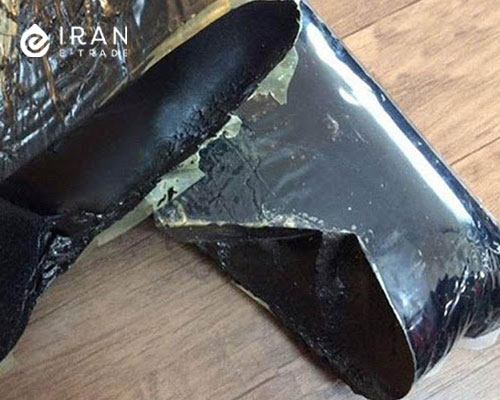
 

قیر سفید چیست: مشخصات و ویژگی‌ها + کاربرد قیر سفید

قیر سفید چیست؟ با اینکه ما به قیر از نوع سیاه عادت داریم، نوع سفید قیر هم وجود دارد که به آن غشای ضد آب می‌گویند. این نوع قیر خاصیت ضد آبی قوی دارد و در رابطه با خیلی از ویژگی‌هایش همچون ویسکوزیته و خاصیت چسبندگی شبیه به قیر سیاه است. برای همین هم کاربردهای متنوعی از جمله ساخت و ساز، ساختن ایزوگام، تولید مواد پلاستیکی و رنگ، عایق کردن لوله‌ها و آسفالت دارد. بنابراین، اگر مهندس راهسازی یا کلاً پژوهشگری هستید که می‌خواهید در مورد قیر سفید و کاربردهای آن بیشتر بدانید با ما در این مقاله از ایران‌ای ترید همراه باشید.

قیر سفید چیست؟

خواص و مشخصات قیر سفید مشابه با قیر سیاه است و کاربردهایی شبیه به قیر پالایشگاهی دارد.

قیر سفید (که نام دیگر آن کافور قیر، آلبوکربن یا نفتالین است) یک هیدروکربن آروماتیک جامد است که آن را از زغال‌سنگ تولید می‌کنند. این ماده چسبندگی بالا، مقاومت کششی مناسب و خاصیت ضد آب قدرتمندی دارد. اما تاریخچه قیر سفید چیست و این ماده دقیقاً در چه تاریخی کشف شد؟

(برای اطلاعات بیشتر در مورد مشخصات قیر ویسکوزیته مطلب بلاگ را مطالعه نمایید.)

معرفی قیر سفید

تاریخچه قیر سفید

اگرچه قیر سفید بیش از ۲۰۰ سال است که کشف شده، اخیراً به دلیل کمبود منابع قیر نفتی، کاربردهای آن مورد توجه بیشتری قرار گرفته است.

سابقه کشف قیر سفید چیست؟ در سال ۱۸۱۹ برای اولین بار شیمیدان‌هایی که زغال‌سنگ را تقطیر می‌کردند توانستند قیر سفید را کشف کنند. در دهه‌های بعد، دانشمندانی از جمله جان کید، مایکل فارادی و امیل ارلنمایر ویژگی‌های آن را بررسی و ساختار شیمیایی‌اش را مشخص کردند.

(برای مطالعه بیشتر در مورد انواع قیر ، مطالب بلاگ را مطالعه نمایید.)

بنابراین، از اوایل و اواسط قرن نوزدهم بود که قیر سفید و کاربرد آن در دنیا به تدریج آشکار و مشخص شد. با این وجود، آیا شما می‌دانید که قیر سفید چه ترکیباتی دارد؟

ترکیبات قیر سفید

ساختار و خواص قیر سفید چیست؟ قیر سفید به خاطر ساختار منحصر به فردش دارای ترکیبات، افزودنی‌ها و خواص فیزیکی خاص خودش است که آنها عبارتند از:

ترکیبات شیمیایی

ساختار شیمیایی قیر سفید چیست؟ در ابتدا، قیر سفید از همان قیر معمولی سیاه بدست می‌آید که با فرآیندهای خاصی رنگ آن از تیره به سفید تغییر می‌کند.

برای این تغییر، تولیدکنندگان قیر سفید به آن موادی با رنگدانه‌های روشن مانند سنگ آهک یا دی‌اکسید تیتانیوم اضافه می‌کنند که ضمن حفظ ویژگی‌های اصلی قیر، رنگ روشنی به آن می‌دهد.

(برای مطالعه بیشتر دو مورد کاربرد قیر رنگی کلیک کنید.)

مواد شیمیایی موجود در قیر سفید

افزودنی‌ها

نوع افزودنی‌های قیر سفید چیست؟

تولید کنندگان قیر سفید ممکن است به آن افزودنی‌هایی مانند پلیمرها را برای افزایش انعطاف‌پذیری و جلوگیری از تخریب و تثبیت‌کننده‌های UV را اضافه کنند که آن را در برابر نور خورشید مقاوم کرده و دوام و عملکرد آن را هم بهبود می‌دهند.

(برای اطلاع از قیمت قیر کلیک کنید.)

خواص فیزیکی

مشخصات فیزیکی قیر سفید چیست؟ قیر سفید رنگی روشن دارد که نور خورشید را بازتاب می‌دهد و گرمای کمتری را جذب می‌کند.

همچنین، قیر سفید چسبندگی بالا، انعطاف‌پذیری خوب و مقاومت در برابر شرایط آب و هوایی دارد که آن را برای کاربردهای ساختمانی ایده‌آل می‌کند.

مزایای قیر سفید یا نفتالین

مزیت‌های استفاده از قیر سفید چیست؟ شما با استفاده از این قیر سفید می‌توانید این مزایا را کسب کنید:

  • نوعی قیر با ساختاری یکپارچه و بدون درز و وزن کم
  • چسبندگی بسیار خوبی دارد
  • نامحلول در آب و مقاوم در برابر رطوبت
  • مقاوم در برابر تغییرات دمایی
  • مقاومت کششی بالایی دارد و الاستیک است
  • به خاطر ظاهر منحصر به فرد و زیبایی‌اش کاربردهای ویژه‌تری نسبت به قیر سیاه دارد
  • از آنجایی که قیر سفید یک ماده تک جزئی است، نیازی به ترکیب آن با مواد دیگر برای استفاده نیست

معایب قیر سفید

عیب‌های استفاده از قیر سفید چیست؟ با اینکه قیر سفید مزایای استفاده خودش را دارد، مثل هر ماده دیگری این معایب را هم دارد:

  • هزینه اولیه تولید قیر سفید از قیر سنتی بالاتر است
  • ممکن است قیر سفید به مرور زمان نیاز به تعمیر و نگهداری داشته باشد
  • برای استفاده صحیح و نتیجه مطلوب، قیر سفید به تخصص نیاز دارد

عیوب استفاده از قیر سفید

کاربرد قیر سفید

موارد استفاده قیر سفید چیست؟ به خاطر خواص فیزیکی و ساختار شیمیایی قیر سفید کاربردهای مختلفی دارد که آنها عبارتند از:

1. تولید ایزوگام سفید

دلیل تولید ایزوگام سفید با قیر سفید چیست؟ به خاطر وزن سبک و جذب نور کمش، قیر سفید استفاده خیلی خوبی برای تولید ایزوگام دارد. همچنین، قیر سفید در برابر آب مقاوم است و نصب آسانی دارد.

البته برای مناطقی با تغییرات دمایی شدید کمتر استفاده از آن خیلی بهینه نیست.

2. ساخت انواع پلاستیک و رنگ

استفاده در ساخت انواع پلاستیک و رنگ قیر سفید چیست؟ قیر سفید به دلیل تک‌جزئی بودن، به‌راحتی در فرایندهای تولید استفاده می‌شود و برای ساخت انواع پلاستیک و رنگ کاربرد زیادی دارد.

(مطلب مشخصات قیر پلیمری به معرفی کامل قیر پلیمری و کاربرد های آن پرداخته است، حتما مطالعه نمایید)

3. تولید آسفالت

کاربرد تولید آسفالت با قیر سفید چیست؟ قیر سفید در تولید آسفالت کاربرد دارد، زیرا به جای رنگ کردن آسفالت سنتی، از ابتدا سطحی روشن و بادوام ایجاد می‌کند که هزینه و زمان کمتری نسبت به رنگ کردن قیر معمولی نیاز دارد.

4. عایق‌کاری لوله با قیر سفید

استفاده عایق کاری لوله با قیر سفید چیست؟ قیر سفید برای عایق‌کاری لوله‌ها مناسب است، چون به‌تنهایی می‌توانید آن را استفاده کنید.

همچنین، قیر سفید نور خورشید را جذب نمی‌کند، در برابر رطوبت مقاوم است و به دلیل رنگ‌پذیری، کاربردهای متنوعی در صنعت و ساختمان دارد. در نتیجه، همه این ویژگی‌ها آن را برای عایق کاری لوله مناسب می‌کنند.

(برای کسب اطلاعات بیشتردر مورد  مزایای قیر آماده به مطلب منتشر شده در بلاگ مراجعه نمایید.)

5. حشره‌کشی و گندزدایی

کاربرد حشره کشتی و گند زدایی قیر سفید چیست؟ قیر سفید در متانول قابل حل است و برای گندزدایی و حشره‌کشی کاربرد دارد. همچنین، از آن برای جلوگیری از بیدزدگی فرش‌ها هم استفاده می‌کنند.

موارد استقاده از قیر سفید

6. ایزولاسیون درختان از کاربردهای قیر سفید

کاربرد ایزولاسیون درختان با قیر سفید چیست؟ در پاراگراف قبلی گفتیم که قیر سفید خاصیت گند زدایی و حشره کشی دارد.

بنابراین، باغبان‌ها و باغدارها می‌توانند از این خاصیت از درختان برای محافظت‌ آنها در برابر آسیب حشرات و رطوبت و نور هم استفاده کنند.

(برای کسب اطلاعات بیشتردر مورد  کاربرد اسپری قیر کلیک کنید.)

7. عایق رطوبتی

استفاده عایق رطوبتی با قیر سفید چیست؟ قیر سفید به دلیل چسبندگی و انعطاف‌پذیری بالا، مانعی قوی در برابر نفوذ آب است. بنابراین، برای عایق کردن فونداسیون، تونل و زیرزمین‌ها کاربرد دارد.

روش‌های استفاده از قیر سفید

راه‌های استفاده از قیر سفید چیست؟ روش‌های استفاده از قیر سفید بسته به کاربرد آن متفاوت هستند.

برای مثال، در تولید بتن آسفالتی، قیر سفید را با موادی مانند گیلسونایت، سنگ‌های قیری، ماسه و شن ترکیب، گرم و متراکم می‌کنند تا بتن آسفالتی سفید تولید شود. سپس، اعمال این بتن روی سطوح با تجهیزات معمولی هم قابل اجرا است.

اسپری

روش استفاده اسپری قیر سفید چیست؟ برای عایق‌کاری سقف و سطوح با اسپری قیر سفید، اول بستر آن را از قبل تمیز و آماده می‌کنند. در مرحله بعد، غلتک یا برس قیر سفید را در چندین لایه اعمال می‌کنند.

در حوزه کشاورزی هم امولسیون قیر سفید را با آب رقیق کرده و از اسپری آن برای کنترل گرد و غبار یا تثبیت خاک استفاده می‌کنند.

نگهداری و طول عمر قیر سفید

روش نگهداری و طول عمر قیر سفید چیست؟ برای افزایش دوام قیر سفید، باید آن را مرتب تمیز کنید تا آلودگی‌اش زیاد نشود. همچنین، در صورت بروز آسیب روی سطح قیر سفید باید سریع آن را تعمیر کنید تا عمرش بیشتر شود.

به خاطر داشته باشید که طول عمر قیر سفید تحت تأثیر شرایط آب‌وهوایی، ترافیک سنگین و نصب نادرست متغیر است. اما نگهداری مناسب، استفاده از مواد باکیفیت و اعمال حرفه‌ای آن به افزایش دوامش کمک می‌کند.

روش نگهداری قیر سفید

تاثیر زیست‌محیطی قیر سفید

جایگزین‌های سازگار زیست محیطی و روش بازیافت و دفع قیر سفید چیست؟ مواد جایگزین سازگار با محیط زیست برای قیر سفید در حال توسعه هستند تا اثرات زیست‌محیطی مخرب را کاهش دهند و در عین حال عملکرد و دوام مشابهی داشته باشند.

همچنین، بازیافت و دفع صحیح قیر سفید از آسیب به محیط‌زیست جلوگیری می‌کند. بازیافت، امکان استفاده مجدد از مواد را فراهم می‌کند و دفع اصولی قیر سفید هم باعث می‌شود که بهتر بتوانید زباله‌ها را مدیریت کنید.

سوالات رایج در خصوص قیر سفید

اکثراً این سوالات در خصوص قیر سفید مطرح می‌شود:

نام دیگر قیر سفید چیست؟

نام‌های دیگر قیر سفید عبارت‌اند از نفتالین، آلبوکربن و کافور قیر.

تفاوت قیر سفید و سیاه در چیست؟

فرق قیر سیاه و قیر سفید چیست؟ قیر سفید از زغال سنگ به دست می‌آید، در حالی که قیر سیاه از نفت تولید می‌شود و منابع آن در حال کاهش است.

تفاوت کاربرد قیرهای سفید و سیاه چیست؟

از قیر سفید علاوه بر کاربردهای مشابه قیر سیاه در راه‌سازی و عایق‌بندی، در گندزدایی و مقابله با حشرات و آفات هم استفاده می‌کنند.

دوام قیر سفید روی سطوح چقدر است؟

مدت دوام قیر سفید چیست؟ قیر سفید معمولاً تا چند سال روی سطوح دوام می‌آورد، به شرطی که به درستی از آن استفاده و نگهداری کنید.

شیوه‌ی نگهداری از قیر سفید چگونه است؟

روش‌های نگهداری قیر سفید چیست؟ برای نگهداری قیر سفید، باید سطوح آن را مرتب تمیز و از وسایل نرم استفاده کنید.

همچنین، از ضربه و خراش زدن به قیر جلوگیری کرده و برای محافظت از آن، زیر اشیاء سنگین پد یا فرش قرار دهید. باید از تماس قیر سفید با مواد شیمیایی اسیدی و ساینده هم پرهیز کنید.

تفاوت قیر سفید با قیر سیاه

منبع: wikipedia

مشاهده قیمت روز قیر صادراتی