
17 Difference Between Bitumen Emulsion and MC Bitumen

The difference between bitumen emulsion and MC bitumen stems from several aspects, including the type of solvent, drying speed, safety, and environmental impact. Additionally, understanding the differences in flammability, preheating requirements, and application methods plays a key role in selecting the appropriate type of bitumen for various projects. Therefore, in the following article from Iran ETrade Blog, the specialised reference for bitumen pricing, we examine and compare these differences.

What is bitumen emulsion?

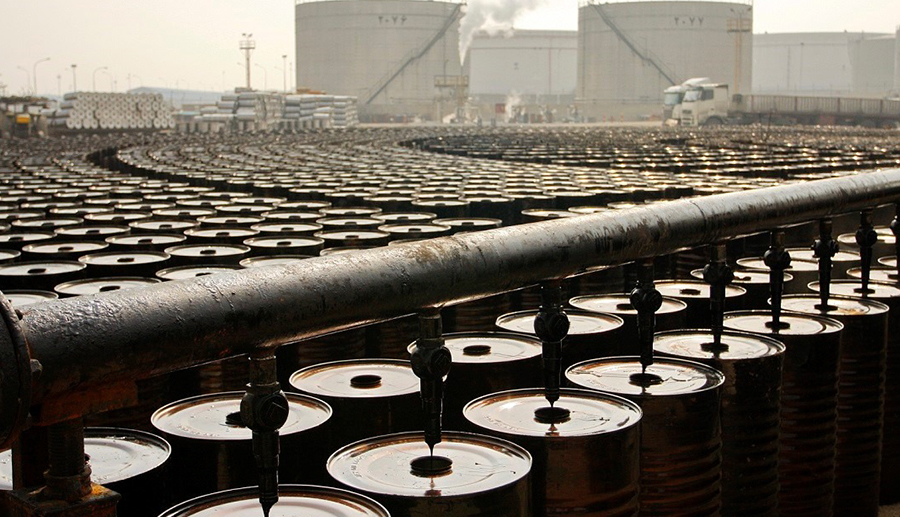
The most notable difference between MC bitumen and bitumen emulsion is that bitumen emulsion has a water base, while MC bitumen has a petroleum base and requires volatile solvents.

In this text, you will read about the differences between bitumen emulsion and MC bitumen, but first, we will provide a brief definition of the two products:

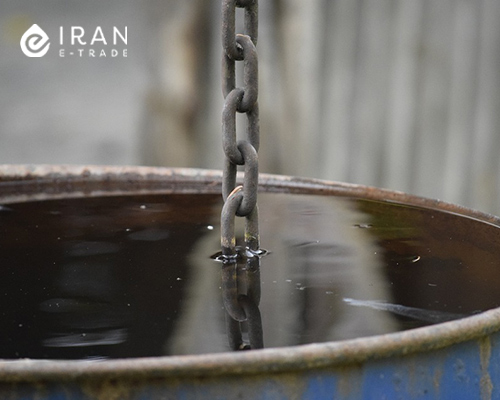
Bitumen emulsion is a type of bitumen that producers suspend in water using emulsifying agents (surfactants). In this process, they disperse hot bitumen into cold water so that the fine bitumen particles remain stable within the aqueous phase.

What is bitumen emulsion?

What is MC bitumen?

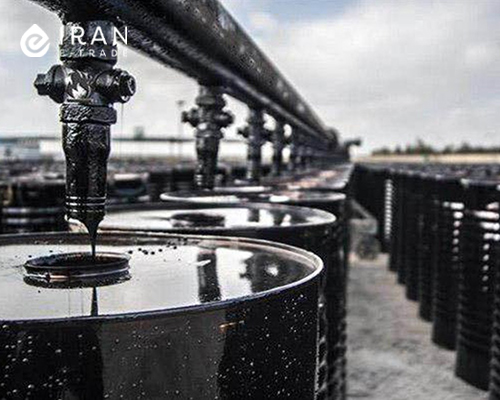
MC bitumen is a type of bitumen solution that producers make by combining petroleum bitumen with volatile solvents such as kerosene.

We continue the discussion on the differences between bitumen emulsion and MC bitumen by defining MC bitumen:

MC (Medium Curing) bitumen is a type of bitumen solution that producers make by combining petroleum bitumen with petroleum solvents such as kerosene or heavy gasoline.

The difference between bitumen emulsion and medium-curing bitumen is in their solvents: MC bitumen uses petroleum-based solvents, while bitumen emulsion uses water as the carrier phase.

Difference Between Bitumen Emulsion and MC Bitumen

The difference between bitumen emulsion and MC bitumen is in the type of solvent, safety, drying speed, environmental compatibility, heating requirements, and application method, each of which directly affects their final use in road construction projects.

To better understand the difference between bitumen emulsion and medium-curing bitumen, you need to consider several factors discussed below. These differences influence the choice of bitumen type for various road construction and paving projects.

1. Composition and Ingredients

Bitumen emulsion consists of two main phases: fine bitumen particles (about 50 to 70 percent) dispersed in water, and emulsifying agents that prevent the separation of bitumen and water.

In contrast, MC bitumen is a combination of bitumen and volatile petroleum solvents, which make the bitumen flowable at normal temperatures.

2. Applications and Suitability

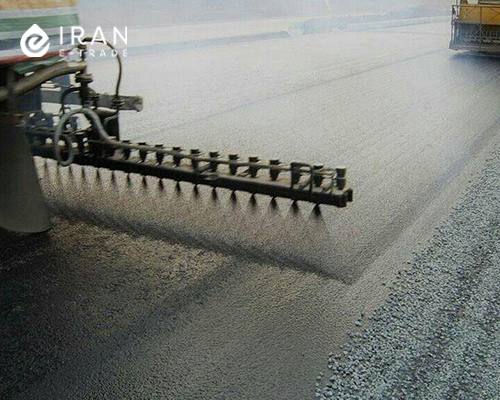
The difference between bitumen emulsion and medium-curing bitumen is very important for their use in different projects. Bitumen emulsion, because it does not require heating, is used in asphalt maintenance and fog sealing projects.

On the other hand, MC bitumen, with its higher penetration ability, has uses in penetration applications.

3. Safety and Environmental Impact

From an environmental perspective, the difference between a cutback bitumen solution and an emulsion is significant. Bitumen emulsion, being water-based, does not contain flammable or toxic solvents.

In contrast, MC bitumen uses volatile petroleum solvents, making it flammable and, in case of spillage or evaporation, a potential source of air and soil pollution.
Safety and Environmental Impact

4. Performance and Durability

To further examine the difference between bitumen emulsion and MC bitumen in terms of performance and durability, we need to consider their application conditions and the final outcome.

MC bitumen performs well in projects such as tack coats or cold asphalt due to its better penetration. However, bitumen emulsion, with its suitable adhesion, provides better durability in surface treatments and road maintenance operations.

5. Costs

Another important aspect in comparing bitumen emulsion and MC bitumen relates to costs. Because bitumen emulsion eliminates the need for heating and offers higher safety, it involves lower transportation, storage, and application costs.

On the other hand, MC bitumen, due to its use of petroleum solvents and the need to follow safety protocols, can be more expensive.

6. Processes and Industrial Use

Bitumen emulsion, with its more modern and environmentally friendly technology, is used more frequently in new road construction projects, urban street renovation, and in countries with strict environmental regulations.

In contrast, MC bitumen has constant use in traditional projects, especially in areas where advanced equipment is not available.

7. Physical State and Preheating Requirements

In comparing MC bitumen and bitumen emulsion, physical state and preheating requirements are also significant. Bitumen emulsion is supplied as a cold liquid and does not require heating before use.

However, although MC bitumen flows at ambient temperatures, it sometimes requires partial preheating to improve its performance.

8. Susceptibility to Repeated Heating

The difference between bitumen emulsion and MC bitumen in terms of heat vulnerability comes from their chemical structure. Since bitumen emulsion is essentially used cold, it does not undergo repeated heating, and its properties remain stable.

In contrast, MC bitumen, due to the presence of petroleum solvents, experiences early solvent evaporation, performance loss, and even degradation of the base bitumen when subjected to repeated heating.

9. Transport Safety

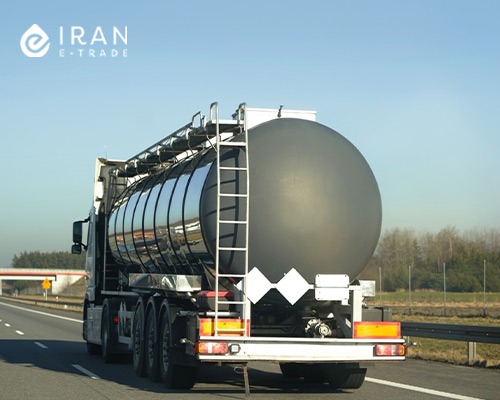
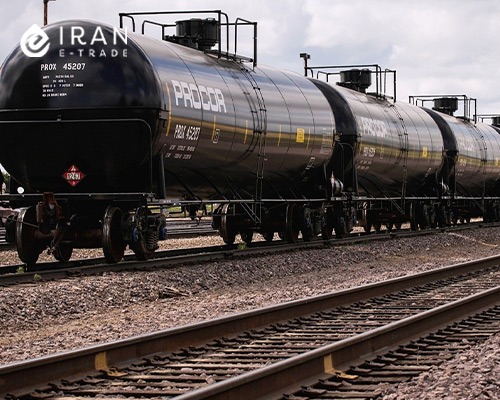
Bitumen emulsion is non-flammable; therefore, it offers high transport safety. In contrast, transporting MC bitumen, which contains volatile and flammable solvents, requires specific safety standards. Experts consider this aspect one of the key differences between bitumen emulsion and MC bitumen.

Susceptibility to Repeated Heating

10. Surface Cleaning Requirements

When cleaning the surface, you should pay special attention to the difference between bitumen emulsion and medium-curing bitumen.
Emulsions, due to their water-based nature, are more sensitive to surface contaminants such as dust, oil, and moisture.
But MC bitumen, with its high penetration and fluidity, can partly bypass surface contaminants and, in some cases, be applied on semi-clean surfaces.

11. Drying Speed

MC bitumen dries faster because its volatile solvents evaporate, especially in hot and dry weather, allowing it to quickly reach the tacky and hardened stage.

In contrast, bitumen emulsion requires the water to evaporate first, then the bitumen particles bond together (the emulsion breaking process), which may take a little longer.

12. Final Adhesion

Highway engineers always examine the difference between bitumen emulsion and MC bitumen in terms of final adhesion.

MC bitumen, due to its deeper penetration into the surface and cohesion after solvent evaporation, usually provides stronger initial and final adhesion and performs better in certain applications.

But bitumen emulsion—especially when properly selected and applied (for example, using a slow-curing type on porous surfaces)—can provide excellent adhesion without relying on heat or solvents.

13. Explosion and Fire Hazard

The difference between bitumen emulsion and medium-curing bitumen in terms of explosion and fire hazard is critical. Bitumen emulsion, because of its water base, remains non-flammable even in the case of leakage or heating.

In contrast, MC bitumen contains highly volatile petroleum solvents that can ignite easily, and exposure to sparks, heat, or open flames significantly increases the risk of fire and explosion.

14. Storage Duration

One key aspect in the difference between bitumen emulsion and medium-curing bitumen is storage duration. MC bitumen can remain stable for months if stored in sealed containers away from heat, but gradual solvent evaporation reduces its quality over time.

Bitumen emulsion also requires specific storage conditions, such as a suitable temperature (neither too cold nor too hot) and protection from freezing, to maintain its quality and performance.

15. Frost Resistance

Understanding the difference between bitumen emulsion and MC bitumen in terms of frost resistance is very useful for various projects. Bitumen emulsion, due to its water content, is prone to freezing at sub-zero temperatures.

Freezing damages the emulsion structure and reduces its performance. However, MC bitumen contains no water and, despite its petroleum solvents, has a low freezing point.
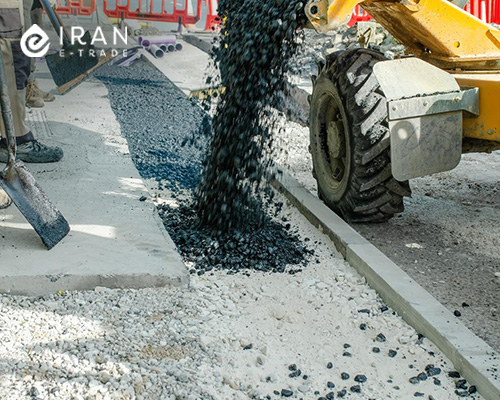
Frost Resistance

16. Color and Appearance

Careful analysis of the differences between bitumen emulsion and MC bitumen in terms of color and appearance helps reduce errors in construction projects.

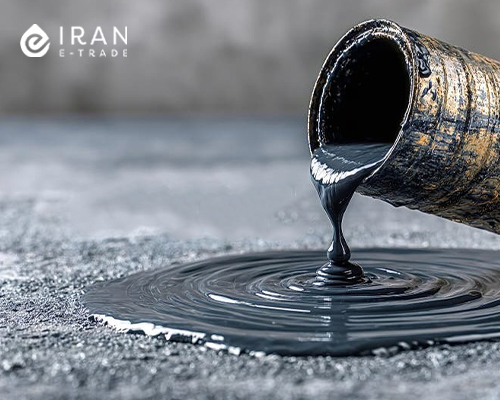
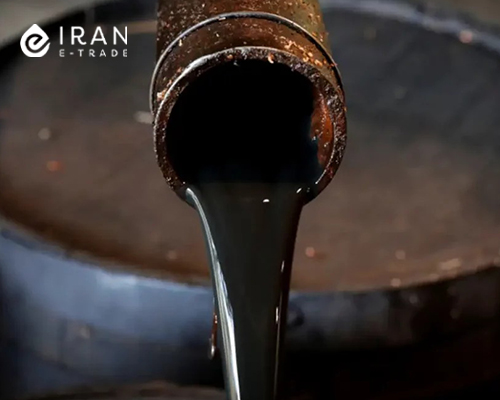
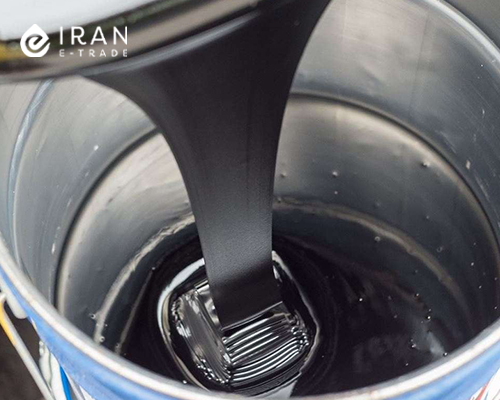
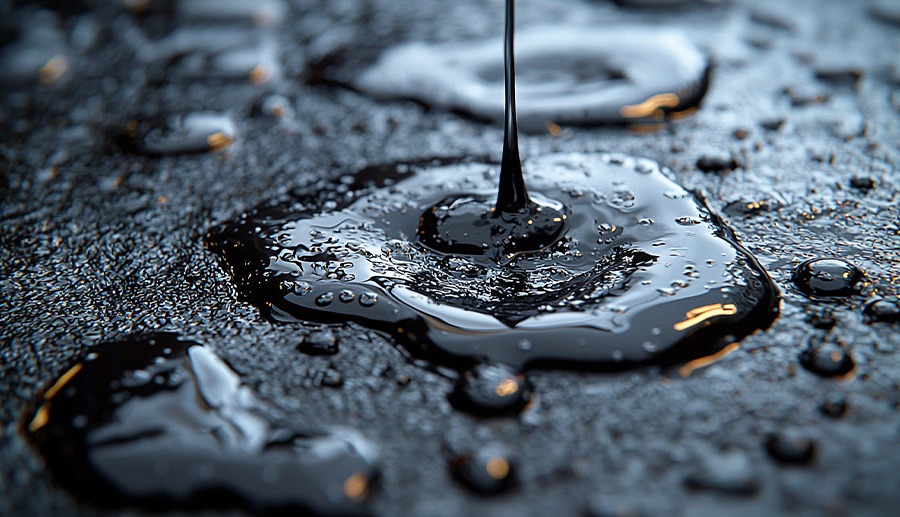
Bitumen emulsion usually has a dark brown or chocolate color, and because it contains water, it has a milky or emulsion-like consistency that turns black after drying. In contrast, MC bitumen has a uniform, glossy black color and appears much more fluid.

17. Solvent Type

Interestingly, many construction issues arise from a lack of awareness about the difference between bitumen emulsion and medium-curing bitumen.

In bitumen emulsion, water acts as the carrier phase and solvent, keeping the bitumen particles suspended with the help of emulsifying agents. In MC bitumen, volatile petroleum solvents such as kerosene or heavy gasoline are used, which evaporate after application, leaving the bitumen behind.

Comparison Table of Bitumen Emulsion and MC Bitumen

To clarify the difference between bitumen emulsion and MC bitumen, you can examine this table:

The main feature Bitumen emulsion MC bitumen
Type of solvent Water Petroleum solvents
Safety and flammability Safe, non-flammable Flammable and explosive
Drying speed Slower (depending on conditions) Faster due to solvent evaporation
Environmentally friendly Yes No
Needs heating No heating required Sometimes requires heating
Initial adhesion Suitable for proper application High and fast

Differences Between MC Bitumen and Bitumen Emulsion: Which One Is More Suitable for You?

By properly understanding the differences between bitumen emulsion and MC bitumen, you can choose the best type of bitumen for your project. Generally, if you are looking for a safe, low-cost method that does not require heating, bitumen emulsion is the better choice.

However, if your project takes place in dry areas and requires quick adhesion, MC bitumen can provide better performance.

Differences Between MC Bitumen and Bitumen Emulsion: Which One Is More Suitable for You?

Frequently Asked Questions About the Difference Between Bitumen Emulsion and MC Bitumen

In this section, we address the most common questions regarding the differences between bitumen emulsion and MC bitumen:

Can Bitumen Emulsion Replace MC Bitumen?

Yes. Considering the difference between bitumen emulsion and MC bitumen, in many road construction projects—especially in urban or humid areas—bitumen emulsion can serve as a suitable replacement for MC bitumen.

What Is the Difference in Production Costs Between MC Bitumen and Bitumen Emulsion?

Producing bitumen emulsion usually costs less because it uses water instead of petroleum solvents.

Which Type of Bitumen Dries Faster: Emulsion or MC?

Considering the difference between bitumen emulsion and MC bitumen, MC bitumen generally dries faster because its petroleum solvents evaporate quickly.

What Is the Main Advantage of Bitumen Emulsion Over MC Bitumen?

The main advantage of bitumen emulsion is its high safety and greater environmental compatibility due to the absence of volatile petroleum compounds.

Can Bitumen Emulsion and MC Bitumen Be Used Simultaneously in a Project?

In some projects, depending on the type of layering and application, it is possible to use both types of bitumen, provided that proper technical care and timing are observed.

What Is the Most Important Difference Between MC Bitumen and Bitumen Emulsion?

The type of solvent: MC bitumen contains petroleum solvents, while bitumen emulsion uses water as the carrier.

Which Is Safer: MC Bitumen or Bitumen Emulsion?

Regarding safety, bitumen emulsion is much safer because it is non-flammable and poses no explosion risk, unlike MC bitumen, which contains flammable compounds.

Which Is Safer: MC Bitumen or Bitumen Emulsion?

reference: petronaftco
Bitumen Price
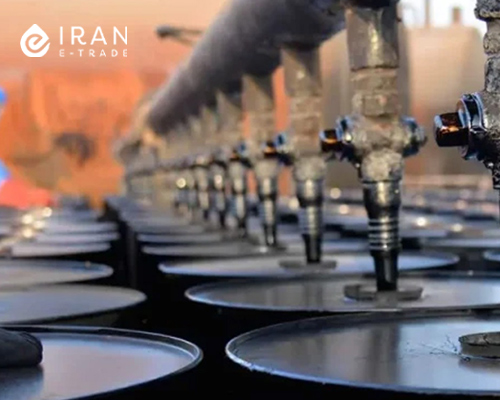
مازوت چیست: مزایا و کاربردها + عوارض مازوت

مازوت چیست و چه جایگاهی در صنعت انرژی دارد؟ مازوت یا نفت کوره، سوختی سنگین، غلیظ و ارزان‌قیمت است که از باقی‌مانده فرآیند تقطیر نفت خام به دست می‌آید  و عمدتاً در صنایع و نیروگاه‌ها به کار می‌رود. این سوخت ترکیبی از هیدروکربن‌های سنگین، گوگرد، نیتروژن و فلزات است و انرژی حرارتی بالایی تولید می‌کند.

مازوت به دلیل قیمت پایین و توان حرارتی زیاد، گزینه‌ای اقتصادی برای تولید برق، تأمین گرمایش صنعتی، سوخت کشتی‌ها و بویلرهای بزرگ محسوب می‌شود. با این حال، باید توجه کرد که مازوت‌سوزی سبب آلایندگی شدید هوا، انتشار دی‌اکسید گوگرد و ذرات معلق، اثرات منفی بر سلامت انسان و محیط‌زیست و دشواری در نگهداری و حمل‌ونقل می‌شود.

در این مطلب از وبلاگ ایران ای ترید مرجع تخصصی اعلام قیمت فرآورده های نفتی خواهیم گفت که نفت کوره چیست، در چه مواردی به کار می‌رود و مزایا و معایب مازوت چیست.

مازوت چیست؟

مازوت چیست؟ مازوت یا نفت کوره سوختی سنگین، به رنگ سیاه با گرانروی بالا است که نقطه اشتعال بالایی دارد و ترکیب آن بیشتر از هیدروکربن‌های سنگین و عناصری مثل گوگرد و فلزات تشکیل شده است. 

 معنی مازوت چیست و چرا میسوزد؟ مازوت، نفت کوره یا نفت سیاه سوختی تیره‌رنگ، غلیظ و سنگین است که نقطه اشتعال بالایی دارد. این سوخت نوعی هیدروکربن نفتی است که بعد از نفتا، بنزین و نفت سفید تشکیل می‌شود. ( برای آشنایی بیشتر با انواع بنزین حتما مطلب بلاگ را مطالعه نمایید.)

ترکیب آن شامل هیدروکربن‌های آلیفاتیک (ترکیبات زنجیره‌ای و حلقوی مشابه غیرحلقوی‌ها)، ترکیبات آروماتیک (مانند بنزن و مشتقات آن)، هیدروکربن‌های نفتی، به همراه مقادیر قابل توجهی گوگرد و نیتروژن است. این ماده معمولاً در دمای پایین به‌راحتی آتش نمی‌گیرد و به همین دلیل نیازمند سیستم‌های احتراق خاص است.

مازوت چیست

ترکیبات شیمیایی مازوت

ترکیبات مازوت چیست؟ مازوت ترکیبی از هیدروکربن‌های سنگین به همراه مقادیر قابل توجهی گوگرد، نیتروژن و فلزات سنگین است. این ترکیب موجب می‌شود که در هنگام سوزاندن مازوت، مقادیر زیادی دی‌اکسید گوگرد، ذرات معلق و اکسیدهای نیتروژن وارد هوا شود.

 فرمول مازوت چیست؟ این سوخت شامل کربن، هیدروژن، اکسیژن، نیتروژن، گوگرد، فلزات سنگین و خاکستر است. در مازوت سنگین یا ویسکوز، معمولاً تا ۸۸.۵ درصد کربن و تا ۱۱.۵ درصد هیدروژن وجود دارد و درصد گوگرد و نیتروژن نیز بالا است. در مقابل، مازوت سبک نسبت کربن کمتری دارد که باعث کاهش ویسکوزیته و چگالی آن می‌شود و گرانروی و مصرف آن را آسان‌تر می‌کند.

 مازوت چیست؟ نفت کوره یا مازوت، سوخت سنگین پالایشگاهی از باقی‌مانده نفت خام است که انرژی حرارتی بالایی تولید می‌کند و به دلیل قیمت پایین در نیروگاه‌ها، صنایع فولاد، سیمان، پتروشیمی، گرمایش صنعتی و حمل‌ونقل دریایی استفاده می‌شود. ترکیب آن شامل هیدروکربن‌های سنگین، گوگرد، نیتروژن و فلزات است که سبب آلایندگی بالا، باران اسیدی و مشکلات تنفسی می‌شود. مازوت ارزان و دسترس‌پذیر است و با تجهیزات صنعتی موجود سازگار است، اما ویسکوزیته زیاد، نقطه اشتعال بالا و اثرات زیست‌محیطی محدودیت‌هایی ایجاد می‌کند. کاهش آلایندگی با سوخت‌های پاک، فیلتر ذرات و فناوری کاهش NOx ممکن است.

انواع مازوت

ترکیبات مازوت یا نفت کوره چیست؟ این سوخت شامل کربن، هیدروژن، اکسیژن، نیتروژن، گوگرد، فلزات سنگین و خاکستر است.

مازوت براساس عوامل مختلفی دسته‌بندی می‌شود. ما در اینجا به انواع مازوت براساس میزان گوگرد و گرانروی می‌پردازیم.

1. انواع مختلف مازوت بر اساس میزان گوگرد

مازوت براساس مقدار گوگرد به چهار دسته تقسیم می‌شود:

  • مازوت با گوگرد بسیار کم (کمتر از 0.5 درصد)
  • مازوت کم گوگرد (بین 0.5 تا 1 درصد)
  • مازوت با گوگرد متوسط (بین 1 تا 2 درصد)
  • مازوت با گوگرد زیاد (بین 2 تا 3.5 درصد)

بهترین نوع مازوت چیست؟ هرچه میزان گوگرد کمتر باشد، گران‌تر و مرغوب‌تر است. گوگرد در مازوت سبب خوردگی تجهیزات و آلودگی هوا می‌شود.

2. انواع مازوت بر اساس گرانروی یا ویسکوزیته

گرانروی یا ویسکوزیته معیاری است برای سنجش غلظت سوخت. مازوت‌های با گرانروی بالا برای سوزاندن نیازمند حرارت بیشتر هستند، در حالی که مازوت با گرانروی کمتر راحت‌تر در سیستم‌های احتراق به کار می‌رود. نفت کوره یا مازوت براساس میزان ویسکوزیته به گریدهای 100، 180، 230، 280 و 380 تقسیم می‌شود.

انواع مازوت

ویژگی های سوخت مازوت

قیمت ارزان، قدرت حرارتی زیاد، دسترسی آسان در کشورهای نفت‌خیز و امکان استفاده در تجهیزات صنعتی موجود، از مهم‌ترین مزایای مازوت به شمار می‌روند

در این بخش خواهیم دید که ویژگی‌های سوخت مازوت چیست و خصوصیات فیزیکی و شیمیایی آن چگونه است. خصوصیات فیزیکی نفت کوره یا مازوت به کیفیت تولید، نوع نفت خام مصرفی (مانند نفت با گوگرد بالا یا نفت با پارافین زیاد)، شرایط فرآوری، ترکیب نهایی و روش‌های ذخیره‌سازی آن بستگی دارد.

گرانروی بالا: مازوت غلیظ و سنگین است و برای جریان یافتن نیاز به حرارت بالا دارد.

چگالی بالا: چگالی آن بیشتر از سوخت‌های سبک مانند گازوئیل و نفت سفید است، بنابراین انرژی بیشتری در واحد حجم دارد.

ارزش حرارتی بالا: هنگام سوزاندن، انرژی زیادی آزاد می‌کند که برای صنایع و نیروگاه‌ها مفید است.

قیمت پایین: نسبت به سایر سوخت‌ها مانند گازوئیل و گاز طبیعی ارزان‌تر است.

رنگ تیره و بوی خاص: مازوت معمولاً قهوه‌ای تیره یا سیاه است و بوی سنگین و مشخصی دارد.

کربن‌زدایی: سوزاندن مازوت منجر به آزاد شدن کربن و آلاینده‌های زیست محیطی دیگر می‌شود.

میزان بالای ترکیبات گوگردی و فلزی: وجود گوگرد و فلزات سنگین باعث افزایش آلایندگی و اثرات زیست‌محیطی می‌شود.

خصوصیات ظاهری و فیزیکی مازوت
رنگ ظاهری سیاه یا قهوه‌ای تیره، غالباً با جلوه‌ای روغنی و براق
گرانروی غلیظ، در دماهای پایین نیمه‌جامد یا حالت نیمه‌مایع دارد
بو تند و شدید، شبیه بوی نفت خام
چگالی زیاد (مناسب گرمایش و موتورهای دیزلی)
میزان گوگرد میزان گوگرد نسبتاً زیاد که تولید SO₂ و آلاینده‌های دیگر را تشدید می‌کند
ترکیب هیدروکربنی مخلوطی از پارافین‌ها، نفتن‌ها و ترکیبات آروماتیک
ناخالصی‌ها فلزات سنگین، آب و رسوبات که نیاز به پالایش یا جداسازی دارند
توان حرارتی مقدار بالای انرژی آزاد شده هنگام سوختن که برای تولید برق و بخار مفید است
نقطه اشتعال نقطه اشتعال بالاتر نسبت به سوخت‌های سبک‌تر

کاربرد مازوت

کاربرد مازوت چیست؟

موارد استفاده سوزاندن مازوت چیست؟ مازوت یا نفت کوره به دلیل انرژی بالا و هزینه کمتر، در نیروگاه‌های برق، صنایع فولاد و سیمان، واحدهای پتروشیمی، سیستم‌های گرمایشی صنعتی و همچنین به‌عنوان سوخت کشتی‌ها به کار می‌رود

مازوت چیست و چه کاربردی دارد؟ این سوخت سنگین و ارزان در حوزه‌های مختلف صنعتی، کشاورزی، تجاری، ماشین‌آلات و وسایل نقلیه استفاده می‌شود و در روشن‌کردن کوره‌ها و دیگ‌های بخار، تولید انرژی الکتریکی و استفاده در ژنراتورهای اضطراری به کار می‌رود. در ادامه خواهیم دید که کاربردهای مازوت چیست:

1. تامین انرژی در نیروگاه‌ها

مازوت به دلیل ارزش حرارتی بالا و قیمت پایین، سوخت جایگزین نیروگاه‌ها در زمان اوج مصرف یا مواقعی است که گاز طبیعی در دسترس نیست. مازوت از سوخت‌های متداول در نیروگاه‌ها برای تولید برق به شمار می‌رود. این سوخت در بویلرها و دیگ‌های بخار به کار گرفته می‌شود تا انرژی حرارتی لازم برای تولید بخار و در نهایت برق فراهم گردد.

2. سوخت کشتی و تجهیزات حمل و نقل دریایی

 دومین کاربرد نفت کوره چیست؟ مازوت برای موتورکشتی‌ها و وسایل حمل و نقل دریایی که سوختی سنگین با انرژی بالا نیاز دارند بسیار مناسب است؛ به همین علت است که به آن نفت دریایی یا سوخت دریایی هم می‌گویند.

3. صنایع پتروشیمی و فرآیندهای شیمیایی

مازوت در برخی فرآیندهای پتروشیمی و شیمیایی به عنوان منبع انرژی یا خوراک جانبی استفاده می‌شود. حرارت حاصل از سوزاندن مازوت برای واکنش‌های شیمیایی، تولید بخار و تأمین انرژی حرارتی تجهیزات صنعتی و در تولید مواد اولیه پتروشیمی کاربرد دارد.

4. صنایع فولاد و سیمان

تولید فولاد و سیمان یا ذوب فلزات نیازمند دماهای بسیار بالاست. مازوت با داشتن ارزش حرارتی بالا گزینه‌ای مناسب برای بویلرها و کوره‌های صنعتی این صنایع است. با سوخت مازوت، حرارت لازم برای ذوب فلزات یا پخت سیمان تأمین می‌شود.

5. صنایع گرمایشی

دیگر کاربرد سوزاندن مازوت چیست ؟ در برخی سیستم‌های گرمایش صنعتی و بویلرها، مازوت برای تولید گرما به کار می‌رود. از آنجا که این سوخت سنگین است، معمولاً با تجهیزات ویژه حرارت داده می‌شود تا به حالت قابل احتراق برسد. این کاربرد در مناطق سردسیر و کارخانه‌هایی که نیاز به گرمایش مداوم دارند، رایج است.

مزایا مازوت

مزایای استفاده از مازوت چیست

ایمنی بالاتر، بازده انرژی مناسب، تولید حرارت بیشتر و مقرون‌به‌صرفه بودن از مزایای مازوت است. مازوت سبک بسیار پایدار، قابل احتراق اما غیر انفجاری است؛ به همین دلیل، حتی در صورت نشت در زنجیره تأمین سوخت، خطر انفجار وجود ندارد.

  از عوارض گاز مازوت زیاد می‌شنویم، اما مزایای سوخت مازوت چیست؟ نفت کوره یا مازوت سبک، گوگرد کمی دارد و حتی در سخت‌ترین شرایط عملکرد قابل اطمینانی دارد و به‌ویژه در هوای بسیار سرد عملکردی عالی از خود نشان می‌دهد. علاوه بر این، مازوت سبک بسیار پایدار، قابل احتراق اما غیر انفجاری است؛ به همین دلیل، حتی در صورت نشت در زنجیره تأمین سوخت، خطر انفجار وجود ندارد.

 به طور کلی، مزایای استفاده از مازوت سبک در مقایسه با گاز طبیعی شامل ایمنی بالاتر، بازده انرژی مناسب، تولید حرارت بیشتر  و مقرون‌به‌صرفه بودن است. در ادامه بیشتر توضیح می‌دهیم:

1. هزینه کمتر نفت کوره نسبت به سایر سوخت‌ها

اگر بپرسید مهمترین مزیت گاز مازوت چیست در پاسخ باید به قیمت پایین آن نسبت به گازوئیل، گاز طبیعی و سایر سوخت‌های صنعتی اشاره کنیم. این مزیت اقتصادی سبب شده بسیاری از نیروگاه‌ها و صنایع بزرگ که مصرف سوخت بالایی دارند، به مازوت روی بیاورند.

2. انرژی بالا

مازوت دارای توان حرارتی بالا است؛ یعنی با سوزاندن هر کیلوگرم از آن، انرژی زیادی آزاد می‌شود. این ویژگی باعث می‌شود که برای تولید برق، گرمایش صنعتی و عملیات فرآوری پتروشیمی مناسب باشد.

3. دسترسی آسان

مازوت به راحتی در پالایشگاه‌ها تولید می‌شود و در کشورهای نفت‌خیز مانند ایران، دسترسی به آن بسیار آسان و ارزان است.

4. سازگاری با تجهیزات موجود

 یکی دیگر از مزایای مازوت سازگاری آن با تجهیزات است. بسیاری از تجهیزات صنعتی و نیروگاه‌های قدیمی برای استفاده از سوخت‌های سنگین طراحی شده‌اند؛ بنابراین بدون نیاز به تغییرات اساسی در تجهیزات یا سرمایه‌گذاری سنگین برای جایگزینی سوخت می‌توان از گاز مازوت یا نفت کوره استفاده کرد.

عوارض مازوت چیست

معایب و عوارض مازوت چیست

سوزاندن مازوت باعث انتشار گسترده آلاینده‌هایی مانند دی‌اکسید گوگرد و ذرات معلق می‌شود که به آلودگی هوا، باران اسیدی، مشکلات قلبی‌ـ‌تنفسی و آسیب به محیط‌زیست منجر خواهد شد

حال ببینیم عوارض سوزاندن مازوت چیست و چه پیامدهایی برای سلامتی انسان و محیط زیست دارد.

1. اثرات مازوت بر آلودگی محیط زیست

 صدمات زیست‌محیطی مازوت سوزی چیست؟ هنگام سوزاندن مازوت، گازهای گوگردی و ذراتی مانند سولفات‌ها و نیترات‌ها آزاد می‌شوند و علاوه‌بر بوی نامطبوع سبب آلودگی هوا، آلودگی خاک و آب‌های سطحی، باران اسیدی، تخریب اکوسیستم‌ها و افزایش خطر بیماری‌های قلبی و تنفسی می‌شود. یکی از علل اصلی آلودگی هوای تهران، اراک، قزوین و اصفهان و شهرهای دیگر سوزاندن مازوت یا نفت کوره است.

2. تاثیر مازوت بر سلامتی انسان

تماس طولانی‌مدت با دود مازوت و استنشاق ذرات ناشی از آن می‌تواند مشکلات تنفسی، آلرژی، بیماری‌های قلبی، مشکلات عصبی و حتی سرطان ریه را به همراه داشته باشد.

3. نیاز به نگهداری و حمل و نقل

نفت کوره به دلیل گرانروی بالا و نقطه اشتعال بالا، نگهداری و حمل‌ونقل دشواری دارد. ذخیره و نگهداری مازوت به تجهیزات و تانکرهای مخصوصی نیاز دارد و ممکن است مشکلاتی به همراه داشته باشد.

مسمومیت مازوت چیست و چه علائمی دارد؟

مازوت یا نفت کوره به دلیل غلظت بالا، وجود گوگرد و فلزات سنگین، آلایندگی شدید و آسیب‌ به سلامت انسان و محیط‌ زیست، سوختی پرچالش است و مصرف آن در بسیاری کشورها با محدودیت‌ یا ممنوعیت همراه شده است

 علائم مسمومیت مازوت چیست؟ تماس مستقیم یا قرارگیری در معرض مازوت ممکن است باعث مسمومیت و مشکلات تنفسی مثل تنگی نفس، گلودرد، سرفه و التهاب ریه شود. سردرد، سرگیجه، حالت تهوع، سوزش چشم و گلو و در موارد شدید، کاهش ناگهانی فشار خون یا هشیاری، و اختلال در عملکرد کبد و کلیه از دیگر عوارض مسمومیت با نفت کوره است.

چرا دود مازوت سفید است؟

 علت سفیدی دود مازوت چیست؟ سفیدی دود نفت کوره به دلیل وجود بخار آب حاصل از احتراق، ذرات ریز کربن و ناخالصی‌ها و همچنین ترکیبات شیمیایی مانند سولفور و هیدروکربن‌ها است. همچنین، شرایط احتراق مثل دمای پایین یا کمبود اکسیژن می‌تواند رنگ دود را سفیدتر یا خاکستری‌تر کند.

دود مازوت چیست

نحوه تولید نفت کوره یا مازوت

 شیوۀ تولید مازوت چیست؟ مازوت از باقی‌مانده برج تقطیر نفت خام به دست می‌آید. پس از جدا کردن فرآورده‌های سبک‌تر مانند بنزین و گازوئیل، بخش سنگین باقی‌مانده همان نفت کوره یا مازوت است.

حال که با مزایا و معایب و نحوه تولید نفت کروه آشنا شدیم شاید برایتان این سوال پیش آید که تفاوت مازوت با گازوئیل چیست؟

فرق مازوت و گازوئیل

در زیر می‌بینید که تفاوت گازوئیل با نفت کوره یا مازوت چیست:

۱. ترکیب شیمیایی و اشتعال: مازوت از هیدروکربن‌های سنگین‌تر تشکیل شده و به دمای بالاتر برای احتراق نیاز دارد، در حالی که گازوئیل سبک‌تر و با اشتعال راحت‌تر است.

۲. کاربردها و چگالی: مازوت عمدتاً در صنایع سنگین و نیروگاه‌ها استفاده می‌شود، گازوئیل بیشتر در خودروها، ماشین‌آلات و نیروگاه‌های کوچک کاربرد دارد.

۳. قیمت و آلودگی محیطی: مازوت ارزان‌تر اما آلاینده‌تر است، گازوئیل گران‌تر ولی تولید آلایندگی کمتر دارد.

استفاده از مازوت در کدام کشورها ممنوع است؟

روند جهانی نشان می‌دهد که کشورها به سمت انرژی‌های پاک‌تر و سوخت‌های تجدیدپذیر حرکت می‌کنند. مازوت سوزی در بسیاری از کشورها به دلیل اثرات زیست‌محیطی محدود یا ممنوع است، از جمله کشورهای اتحادیه اروپا، ژاپن، کانادا و برخی ایالت‌های آمریکا مانند کالیفرنیا.

سوالات متداول در خصوص “مازوت چیست”

در این مطلب از وبلاگ ایران ای ترید از این گفتیم که مازوت چیست و چرا می‌سوزد، چه کاربردهایی دارد و مزایا و معایب آن چیست. جال به چند سوال رایج در این زمینه پاسخ می‌دهیم.

نفت کوره یا سوخت مازوت چیست؟

نفت کوره یا مازوت یکی از سوخت‌های سنگین پالایشگاهی است که از باقی‌مانده نفت خام تولید می‌شود.

مضرات مازوت چیست؟

مهم‌ترین مضرات آن آلودگی هوا، بیماری‌های تنفسی و اثرات منفی بر محیط زیست است.

سوخت مازوت چیست؟

اثرات مازوت بر سلامتی انسان چیست؟

سوزاندن مازوت خطر ابتلا به مشکلات قلبی، آسم، سرطان، مشکلات پوستی و چشمی، آسیب به زنان باردار و جنین را افزایش می‌دهد.

اثرات ورود مازوت به محیط‌زیست چیست؟

مازوت سبب آلودگی هوا، آب و خاک، افزایش باران اسیدی و تهدید اکوسیستم‌ها می‌شود.

انواع مازوت بر چه اساسی دسته‌بندی می‌شوند؟

نفت کوره یا مازوت براساس میزان محتوای گوگرد یا میزان گرانروی به دسته‌های مختلف تقسیم می‌شود.

مازوت چه ربطی به برق دارد؟

سوخت مازوت به علت توان حرارتی بالا و قیمت مقرون‌به‌صرفه در برخی نیروگاه‌های حرارتی برای تولید برق استفاده می‌شود.

مازوت چیست و چرا میسوزد؟

گاز مازوت ترکیبی از هیدروکربن‌های سنگین است و در دمای بالا می‌سوزد و انرژی زیادی آزاد می‌کند.

آلودگی هوای ناشی از مازوت سوزی چگونه برطرف می شود؟

راه رهایی از عوارض مازوت چیست؟ استفاده از فناوری‌های پاکسازی گازهای خروجی، فیلتر‌های ذرات معلق، استفاده سوخت‌های پاک، استفاده از تکنولوژی کاهش Nox .

محدودیت های استفاده از مازوت چیست؟

آلایندگی بسیار زیاد، داشتن گوگرد و فلزات سنگین، ویسکوزیته بالا، مشکلات نگهداری و اثرات زیان‌بار بر سلامتی انسان و محیط زیست، استفاده از سوخت مازوت یا نفت کوره را با محدودیت‌هایی مواجه می‌کند.

فرق مازوت و گازوئیل

منبع: pkw.energy

مشاهده قیمت روز قیر صادراتی

Bitumen Production Process: Complete Guide to Methods and Process

What is the bitumen production process? There are different methods for producing bitumen. Generally, bitumen producers in refineries can utilise either the batch or continuous process to produce bitumen. Since the production process varies, each method yields bitumen with specific properties that make it suitable for different applications. But what type of crude oil is suitable for this process? What are the variables involved, and what possible challenges might arise along the way? If you wish to know more, read this article from Iran ETrade Blog, the specialised reference for bitumen and petroleum product prices.

What type of crude oil is suitable for the bitumen production process?

Crude oil used for bitumen production contains a significant amount of heavy molecules such as asphaltenes and maltenes.

In the bitumen production method, suitable crude oil has a specific gravity higher than 0.9. It also usually contains more than one percent sulfur, which increases the viscosity of bitumen.

What type of crude oil is suitable for the bitumen production process?

Bitumen Production Process

Overall, there are two main processes for producing bitumen, which are:

Bitumen Production Process: 1. The Batch Process

In the batch process of bitumen production, producers first fill the distillation tower with bitumen up to a specific level. Then, they preheat it by circulating the bitumen between the furnace and the tower. After that, when the temperature reaches 190 to 240 degrees, they start the air-blowing stage.

At this stage, chemical reactions raise the temperature to around 260 degrees. This process may take between 3 and 24 hours, during which producers must not add water to the bitumen at the beginning or during cooling to prevent the bitumen from foaming.

Bitumen Production Process: 2. Continuous Process

In the continuous bitumen production method, producers feed fresh material into the tower continuously, and along with the stream of blown bitumen, the reaction continues until the desired properties are achieved. The feed enters at a lower temperature than the operating level and heats up inside the tower through the reaction’s heat.

Then, to control the temperature more effectively, producers preheat the incoming feed before it enters the production tower using a furnace, a heat exchanger, or methods like hot water injection. Finally, they remove the produced bitumen from the tower through a level control system.

Comparing Batch and Continuous Processes in Bitumen Production

Now that we have explained the two bitumen production methods, let’s compare them. In the batch process, producers carry out production in a specific volume and in multiple stages. After completing each batch, they start a new production cycle.

In contrast, in the continuous bitumen production process, producers feed material into the tower constantly, and the final bitumen comes out continuously. Therefore, the continuous process offers more precise control over the production conditions, resulting in a more uniform product with higher quality and greater production capacity.

As a result, this method requires more advanced equipment and a higher initial investment. On the other hand, the batch process is simpler and suitable for small units or limited production, although quality control is more challenging and efficiency is lower.

Bitumen Production Process: Biturox

In the Biturox method, a type of continuous bitumen production method, producers use specialised reactors equipped with air-distribution pipes and turbines.

In this bitumen production method, these pipes create large air bubbles and, while using minimal oxygen, prevent air from remaining inside the reactor. Therefore, this feature helps improve reaction control and enhances the quality of the bitumen.

Bitumen Production Process

Bitumen Production Process from Vacuum Bottom

In the vacuum bottom bitumen production, producers use a material called vacuum bottom, which is the residue from crude oil distillation in a vacuum tower. They first heat this material to 240–320 degrees Celsius, then transfer it to the bitumen production unit.

In this unit, producers pass air through the bitumen to carry out the oxidation process. This reaction, in turn, changes the stiffness, softening point, and other physical properties of the bitumen, ultimately producing bitumen with different penetration grades.

Process Variables and Potential Issues

Overall, in both continuous and batch bitumen production processes, problems may arise, and various factors can influence them. These variables and potential issues include the following:

Variables Affecting the Bitumen Production Process:

  • Bitumen Level: The filling level in the tower affects the quality of the reactions.
  • Temperature: Producers must control it within the proper range to preserve the bitumen’s properties.
  • Feed Composition: The type of vacuum bottom used influences the final bitumen characteristics.
  • Aeration Intensity: The amount of incoming air determines the degree of oxidation.
  • Aeration Duration: The air-blowing duration must be adjusted according to the desired bitumen properties.

Potential Issues During the Process:

  • Backflow: Reaction materials flow back to previous stages.
  • Coke Formation: Caused by excessive heat or disrupted air flow.
  • Vapour Explosion: Due to the accumulation of flammable gases.
  • Pipeline Cooling: Leads to blockage in the material flow path.

Consequences of These Issues:

  • Excessive softening of the bitumen
  • Increased penetration
  • Thinning of volatile compounds
  • Trapping of excess oils in the final product

Process Variables and Potential Issues

Factors Affecting Bitumen Production

In addition to the variables influencing the bitumen production method, the following factors can also impact it:

  • Thermal Reaction Control with Cold Recycle: Prevents excessive temperatures.
  • Steam Injection into the Tower: Prevents fire hazards.
  • Bitumen Residence Time in the Tower: Directly affects the softness of the final product.
  • Injected Air Volume and Temperature: Increases or decreases the reaction rate.
  • Starting Operations at 420°F and Continuing to Around 550°F: Ensures the completion of the reaction.
  • Difference Between Point 1 and Base Temperature: Larger differences improve oxidation reactions.
  • Aeration Ratio: With constant temperature fluctuations, it increases or decreases the overall reaction temperature.
  • Liquid Level in the Tower: If too low, the residence time is reduced, and the risk of fire increases.

Frequently Asked Questions About the Bitumen Production Process

Below, we answer some common questions regarding the bitumen production process:

How is bitumen produced?

Bitumen comes from crude oil and a combination of asphaltene and maltene molecules, which give it properties such as adhesiveness, hardness, and viscosity.

How is petroleum bitumen produced?

Producers obtain petroleum bitumen through three processes: straight-run extraction, air blowing, and blending.

What are the advantages of the continuous bitumen production process?

The continuous bitumen production method simplifies and streamlines production by reducing maintenance costs and aeration time while increasing efficiency.

What are the key factors in the bitumen aeration?

The important factors in the bitumen aeration stage include temperature, air-blowing duration, air flow intensity, and feed composition, all of which affect the stiffness, softening point, and final quality of the bitumen.

How is 60/70 bitumen produced?

In the 60/70 bitumen production process, producers blow air into the vacuum bottom at high temperatures until it reaches the standard penetration grade of 60–70 tenths of a millimetre.

Frequently Asked Questions About the Bitumen Production Process


reference: chemengstudent
Bitumen Price
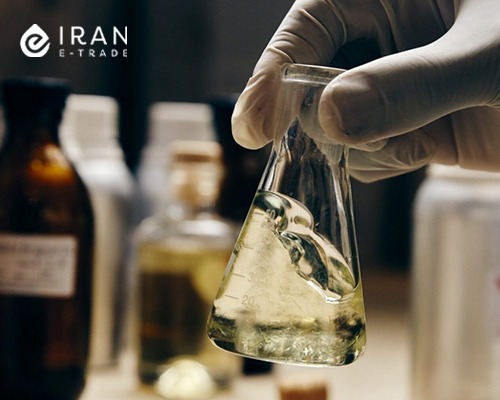
گازوئیل چیست: معرفی انواع گازوئیل + مشخصات و کاربرد

گازوئیل چیست؟ گازوئیل یا نفت گاز، یک سوخت مایع است که از پالایش نفت خام یا منابع جایگزین مانند بیودیزل و دیزل سنتتیک تولید شده و برای موتورهای دیزلی و ماشین‌آلات صنعتی کاربرد دارد.

شاید نیاز باشد که در مقدمه توضیح دهیم که سوخت دیزل چیست و چه تفاوتی با گازوئیل دارد؟ باید اشاره کنیم که این اصطلاح به هر سوختی که برای موتورهای دیزلی استفاده شود، اشاره دارد. مثل: گازوئیل سنتی، دیزل فیشر–تروپش یا بیودیزل. در ادامه این مطلب از بلاگ ایران ای ترید مرجع تخصصی اعلام قیمت قیر به معرفی مشخصات و انواع گازوئیل به همراه کاربردهای آن می‌پردازیم.

گازوئیل چیست؟

گازوئیل چیست: سوختی مایع حاصل از پالایش نفت خام است که در موتورهای دیزلی برای تولید انرژی مکانیکی به‌کار می‌رود.

در پاسخ به این پرسش که «گازوئیل چیست»، می‌توان گفت: گازوئیل نوعی سوخت میان‌تقطیر است که از پالایش نفت خام به‌دست می‌آید و عمدتاً در موتورهای دیزلی مثل ماشین‌آلات سنگین و تجهیزات عمرانی مورد استفاده قرار می‌گیرد.

این سوخت در واحدهای پالایشگاهی مثل ریفاینری تولید می‌شود. اما ریفاینری گازوئیل چیست؟ ریفاینری گازوئیل به واحدی گفته می‌شود که با انجام فرآیندهای تقطیر و تصفیه، گازوئیل را از نفت خام جدا کرده و ناخالصی‌هایی مانند گوگرد را حذف می‌کند تا سوختی با کیفیت و قابل استفاده در موتورهای دیزلی فراهم شود.

این سوخت دارای چگالی بالا و نقطه اشتعال پایین‌تری نسبت به بنزین است و به‌گونه‌ای طراحی شده که در شرایط فشار بالا، بدون نیاز به جرقه، به‌صورت خودبه‌خود مشتعل شود.

گازوئیل چیست و چرا یکی از پرکاربردترین سوخت‌های جهان محسوب می‌شود: این سوخت از اواخر قرن نوزدهم و اختراع موتور دیزل توسط رودلف دیزل و آزمایش‌های ایگناسی لوکسیویچ تولید شد و به‌تدریج با پیشرفت پالایش و هیدروتریتینگ، کیفیت و سازگاری آن با موتورهای مدرن بهبود یافت. ویژگی‌ها و مشخصات فیزیکوشیمیایی گازوئیل مانند چگالی، ویسکوزیته بهینه، نقطه ریزش و ابری، میزان گوگرد و عدد ستان، مستقیماً بر راندمان احتراق، طول عمر موتور و انتشار آلاینده‌ها اثرگذار هستند. انواع مختلفی از گازوئیل شامل گازوئیل سنتی، دیزل فیشر–تروپش و بیودیزل وجود دارد که هر یک با ترکیبات شیمیایی و خواص متفاوت، هم به‌صورت خالص و هم به‌صورت مخلوط با گازوئیل سنتی قابل استفاده هستند. کاربردهای این سوخت گسترده است و شامل حمل‌ونقل جاده‌ای، ژنراتورها، ماشین‌آلات کشاورزی و عمرانی و حتی خودروهای نظامی می‌شود.

گازوئیل چیست

تاریخچه تولید گازوئیل

ریشه‌های تولید و استفاده از گازوئیل به اواخر قرن نوزدهم و اختراع موتور دیزل توسط رودلف دیزل و آزمایش‌های اولیه ایگناسی لوکسیویچ برمی‌گردد.

برای توضیح تاریخی و فنی اینکه سوخت دیزل چیست، باید گفت که در ابتدا سوخت‌های سنگین حاصل از تقطیر نفت خام به‌صورت مستقیم در موتورهای دیزلی اولیه استفاده می‌شدند.

با پیشرفت فناوری پالایش و توسعه فرمولاسیون‌های اصلاح‌شده، گازوئیل با اشتعال‌پذیری بالاتر، میزان گوگرد کمتر و آلودگی پایین‌تر تولید شد که با نیازهای موتورهای دیزلی مدرن سازگاری بیشتری دارد.

( برای آشنایی با دیگر محصولات پتروشیمی مطلب بلاگ را مطالعه نمایید.)

آنالیز شیمیایی گازوئیل

در سطح آنالیز شیمیایی پاسخ به سوال گازوئیل چیست، اینگونه بررسی می‌شود که گازوئیل مجموعه‌ای از هیدروکربن‌های آلیفاتیک و آروماتیک با وزن مولکولی متوسط است.

آنالیزهای استاندارد شامل تعیین توزیع کربنی (C10–C20)، درصد پارافین/نفتن/آروماتیک، وجود ترکیبات گوگردی (تیوفن‌ها و مشتقات)، حدودی از نیتروژن و اکسیژن موجود و نیز محتوای مواد فرار و ناخالصی‌ها است.

علاوه بر آن، معمولاً خواص فیزیکوشیمیایی مثل نقطه جوش توزیعی، ویسکوزیته، عدد ستان و نقطهٔ آنیلین نیز اندازه‌گیری و گزارش می‌شوند.

ویژگی ها و مشخصات گازوئیل

گازوئیل چیست؛ سوختی دیزلی با چگالی، ویسکوزیته و عدد ستان بهینه است که با توجه به نقطه ریزش، تقطیر، میزان گوگرد و نقطه آنیلین در کاربردهای صنعتی و حمل‌ونقل تعیین می‌شود.

برای ورود به جزئیات درباره اینکه گازوئیل چیست، این مقدمه کوتاه لازم است: سوخت دیزلی به‌عنوان یک حامل انرژی باید تعادلی بین قابلیت احتراق مناسب، خواص جریان در دماهای پایین و حداقل اثرات زیست‌محیطی برقرار کند؛ این نقطه شروع بررسی مشخصات کاربردی گازوئیل است.

  • چگالی: دانسیته گازوئیل نشان‌دهنده‌ی جرم در واحد حجم آن نسبت به سایر سوخت‌ها است. با افزایش میزان هیدروکربن نفتی و آروماتیک چگالی گازوئیل نیز افزایش می‌یابد.
  • تقطیر: نقطه تقطیر گازوئیل چیست؟ این ویژگی برای ارزیابی کیفیت و عملکرد آن خیلی اهمیت دارد که به نوع نفت خام و فرآیند پالایش متغیر است.
  • ویسکوزیته گازوئیل چیست: ویسکوزیته پارامتری است که نشان‌دهندهٔ مقاومت جریان داخلی مایع است که با توجه به خاصیت گازوئیل، ویسکوزیته یا گرانروی نسبتا بالایی دارد.
  • نقطه ریزش و نقطه ابری شدن گازوئیل: این دو پارامتر مرتبط به رفتار سوخت در دماهای پایین هستند؛ هر چقدر مواد نفتی آروماتیک گازوئیل بیشتر باشد، نقاط ریزش و ابری شدن کمتر شده و سوخت دیزلی در دماهای پایین عملکردی بهتری دارد.
  • میزان گوگرد در گازوئیل: وجود گوگرد یک شاخص زیست‌محیطی و فنی مهم است. بالا بودن آن موجب خوردگی روکش موتور دیزلی و آلودگی هوا می‌شود.
  • عدد ستان و نقطۀ آنیلین گازوئیل چیست: معیار کیفیت اشتعال گازوئیل یا تأخیر احتراق آن با عدد ستان و محتوای آروماتیک و توان حل کنندگی سوخت با نقطه آنیلین سنجیده می‌شود.

انواع گازوئیل

انواع گازوئیل و تفاوت آنها

در این بخش به بررسی اینکه انواع گازوئیل چیست می‌پردازیم: گازوئیل یا سوخت دیزلی یک محصول واحد نیست، بلکه بسته به کاربرد و استاندارد، در چند گرید مختلف تولید می‌شود:

گازوئیل سنتی

  • رایج‌ترین سوخت دیزل در جهان
  • حاصل تقطیر نفت خام در پالایشگاه‌ها
  • حاوی گوگرد و ترکیبات آروماتیک که می‌توانند آلاینده باشند

گازوئیل مصنوعی

  • تولیدشده از گاز طبیعی (GTL)، زغال‌سنگ (CTL) یا زیست‌توده (BTL)
  • شامل دیزل فیشر–تروپش که از واکنش‌های شیمیایی سنتتیک حاصل می‌شود
  • دارای خلوص بالا، گوگرد بسیار کم و عملکرد پایدار در موتورهای دیزلی

بیودیزل

  • سوخت زیستی تولید شده از منابع تجدیدپذیر مانند روغن‌های گیاهی (سویا، کلزا، نخل) یا چربی‌های حیوانی
  • قابل استفاده به‌صورت خالص (B100) یا مخلوط با گازوئیل سنتی (مانند B20)
  • کاهش‌دهنده انتشار گازهای گلخانه‌ای و تنها نوعی از دیزل که می‌تواند به بهبود چرخه دی‌اکسید کربن کمک کند
  • کاربرد گازوئیل

کاربرد گازوئیل چیست؟

برای درک بهتر این‌که گازوئیل سوخت چیست؟ باید بدانیم که این ماده یکی از پرمصرف‌ترین حامل‌های انرژی در جهان است و در حمل‌ونقل، صنعت و کشاورزی نقشی اساسی دارد.

1. سوخت وسایل نقلیه

گازوئیل به‌عنوان سوخت اصلی کامیون‌ها، اتوبوس‌ها و بسیاری از خودروهای سواری دیزلی استفاده می‌شود. عدد ستان بالای آن موجب احتراق نرم‌تر و راندمان حرارتی بهتر می‌شود و به همین دلیل در حمل‌ونقل سنگین و مسیرهای طولانی انتخاب اول است.

2. سوخت ژنراتور

در ژنراتورهای برق اضطراری و صنعتی، سوخت دیزلی به‌علت چگالی انرژی بالا و پایداری در ذخیره‌سازی، بهترین گزینه برای تأمین برق پایدار محسوب می‌شود. این ویژگی باعث می‌شود بیمارستان‌ها، مراکز داده و کارگاه‌های دورافتاده در شرایط قطع برق همچنان فعال بمانند.

3. سوخت تجهیزات و ماشین‌آلات کشاورزی و عمرانی

ماشین‌آلاتی مانند تراکتور، کمباین، بیل مکانیکی و لودر برای عملکرد پیوسته به سوختی نیاز دارند که گشتاور بالا و مصرف بهینه را فراهم کند. ایجاد احتراق تدریجی، قدرت یکنواخت و دوام موتور از خاصیت گازوئیل است.

4. خودروهای نظامی

در خودروهای نظامی کاربرد گازوئیل چیست؟ در ارتش برای سوخت تانک‌ها و کامیون‌ها از گازوئیل استفاده می‌شود؛ دلیل این انتخاب امنیت بالاتر (کم‌اشتعال‌تر از بنزین) و قابلیت تولید گشتاور زیاد در میدان عملیات است.

مزایای استفاده از گازوئیل چیست؟

مزایای گازوئیل چیست: سوختی با بازدهی بالا، دسترسی آسان، مصرف اقتصادی و ویسکوزیته‌ی بهینه که طول عمر موتور را افزایش داده و هزینه‌های تعمیر و نگهداری را کاهش می‌دهد.

گازوئیل به دلیل ماهیت شیمیایی و خواص احتراقی، در بسیاری از صنایع و حمل‌ونقل نقشی بی‌رقیب ایفا می‌کند. در ادامه به این پرسش که مزایای استفاده از گازوئیل چیست می‌پردازیم:

  • بازدهی بالا و مصرف بهینه: به دلیل چگالی انرژی بالاتر نسبت به بنزین، گازوئیل راندمان حرارتی بیشتری دارد.
  • دسترسی آسان: درباره‌ی اینکه مزایای سوخت دیزلی چیست، نه‌تنها ماهیت شیمیایی بلکه شبکه توزیع گسترده‌ی آن نیز قابل ذکر است.
  • مقرون‌به‌صرفه بودن: به دلیل بازده بالاتر و مصرف کمتر، هزینه سوخت برای پیمایش هر کیلومتر یا تولید هر کیلووات‌ساعت انرژی در موتورهای دیزلی پایین‌تر است.
  • کاهش هزینه‌های تعمیر و نگهداری: فرمول گازوئیل با ویسکوزیته بهینه و پایدار، از سایش قطعات سوخت‌رسانی جلوگیری کرده و به طول عمر بالاتر موتور و کاهش هزینه‌های تعمیرات و سرویس‌های دوره‌ای منجر می‌شود.
  • خطرات گازوئیل

خطرات و مضرات استفاده از گازوئیل

درک علمی این‌که خطرات گازوئیل چیست به ما کمک می‌کند تا هم از این سوخت پرکاربرد بهره ببریم و هم ایمنی را رعایت کنیم.

گازوئیل سنتی با تولید مقادیر بالای گوگرد، ذرات معلق و دی‌اکسید کربن، یکی از منابع اصلی آلودگی هوا و گازهای گلخانه‌ای محسوب می‌شود. گریدهای پایین‌تر این سوخت، به‌ویژه در موتورهای کم‌سرعت، باقی‌مانده‌های کربنی بیشتری تولید کرده و گوگرد بالاتری دارند که تحت نظارت شدید قرار گرفته‌اند.

از نظر ایمنی نیز، تبخیر آهسته گازوئیل در صورت نشت روی سطح جاده، باعث ایجاد لکه‌های چرب و کاهش چسبندگی لاستیک می‌شود که می‌تواند به لغزش خطرناک وسایل نقلیه، به‌ویژه موتورسیکلت‌ها و دوچرخه‌ها، منجر شود.

گازوئیل قابل اشتعال است و بخارات آن در صورت تجمع می‌توانند خطر انفجار یا آتش‌سوزی ایجاد کنند. تماس طولانی‌مدت با پوست باعث تحریک و در برخی موارد مشکلات تنفسی ناشی از بخارات می‌شود. احتراق ناقص گازوئیل تولید دوده و اکسیدهای نیتروژن می‌کند که برای سلامت انسان و محیط زیست مضر است. همچنین نشت گازوئیل به خاک یا آب، منبع آلودگی شیمیایی محسوب می‌شود و نیاز به کنترل دقیق دارد.

نکات نگهداری از گازوئیل چیست؟

برای نگهداری ایمن و طولانی‌مدت سوخت دیزلی باید شرایطی فراهم شود که کیفیت سوخت، ایمنی مخزن و سلامت محیط زیست حفظ شود. در ادامه با توصیه‌های نگهداری از گازوئیل به‌صورت کاربردی آشنا می‌شویم:

1. استفاده مناسب از مخزن

در بحث نکات نگهداری از گازوئیل چیست، باید به مخازن استاندارد فلزی یا پلی اتیلینی مقاوم در برابر خوردگی و نشتی اشاره کرد.

2. جلوگیری از آلودگی آب

نشت یا سرریز گازوئیل منابع آب را آلوده می‌کند. باید با نصب سینی جمع‌آوری زیر مخزن و استفاده از سیستم‌های قطع خودکار از ورود سوخت به آب‌های زیرزمینی جلوگیری کرد.

3. بازرسی منظم

با توجه به خاصیت گازوئیل و حساسیت آن به آلودگی میکروبی و رسوبات، مخزن و خطوط انتقال باید به‌صورت دوره‌ای بررسی شوند تا نشتی، زنگ‌زدگی یا تجمع لجن شناسایی و رفع شود.

4. نظارت بر سطح سوخت

پایش مستمر سطح سوخت و استفاده از نشانگرهای دیجیتال یا مکانیکی کمک می‌کند تا از سرریز شدن، کمبود سوخت یا ورود هوا به سیستم جلوگیری شود.

5. فیلتراسیون

به کمک فرمول گازوئیل و خواص شیمیایی آن، می‌توان با استفاده از فیلترهای چندمرحله‌ای ذرات معلق، آب و آلودگی‌های میکروبی را حذف کرد تا عملکرد موتور بهینه و طول عمر انژکتورها افزایش یابد.

نحوه نگهداری از گازوئیل

گازوئیل چطور پالایش می‌شود؟

گازوئیل چیست: محصول میان‌تقطیر نفت خام است که با پالایش، هیدروتریتینگ و در برخی موارد کراکینگ حرارتی یا کاتالیزوری، کیفیت احتراق و اثرات زیست‌محیطی آن بهبود می‌یابد.

برای تکمیل بحث گازوئیل چیست، در این بخش به چگونگی پالایش آن اشاره می‌شود. گازوئیل یکی از محصولات میان‌تقطیر نفت خام است، که در دمایی بین حدود 250 تا 350 درجه سانتی‌گراد جدا می‌شود.

پس از جداسازی، وارد مراحل تصفیه با هیدروژن (هیدروتریتینگ) می‌شود تا گوگرد، نیتروژن و ترکیبات آروماتیک آن کاهش یابد و کیفیت احتراق و زیست‌محیطی آن بهبود پیدا کند.

در برخی پالایشگاه‌ها، برای تولید گازوئیل با ویژگی‌های خاص، از فرآیندهای پیشرفته‌تری مانند کراکینگ حرارتی یا کاتالیزوری نیز استفاده می‌شود.

گازوئیل در چه دمایی یخ می‌زند؟

دمای انجماد گازوئیل به ترکیب شیمیایی و نوع پالایش آن بستگی دارد، اما معمولاً بین منفی ۸ تا منفی ۱۵ درجه سانتی‌گراد متغیر است.

در توضیح اینکه گازوئیل چیست به این نکته اشاره کردیم که شامل هیدروکربن‌های سنگین و پارافینی است. این ترکیبات در دماهای پایین کریستالی می‌شوند

بنابراین برای جلوگیری از انسداد فیلترها و افت عملکرد موتور، از گازوئیل‌های اصلاح‌شده با نقطه انجماد پایین‌تر یا افزودنی‌های ضدیخ استفاده می‌شود.

وجود آب در گازوئیل

برای درک بهتر اینکه گازوئیل چیست و چگونه ممکن است آب در آن وجود داشته باشد، باید به ساختار و ویژگی‌های فیزیکی این سوخت توجه کرد.

وجود آب در گازوئیل، چه به‌صورت آزاد، محلول یا امولسیون، می‌تواند کیفیت سوخت را کاهش داده و به اجزای موتور آسیب وارد کند.

آب آزاد معمولاً در کف مخازن ته‌نشین می‌شود، در حالی که آب محلول یا امولسیون‌شده می‌تواند باعث کدر شدن سوخت، رشد میکروبی، و انسداد فیلترها شود.

آیا آب در گازوئیل حل می‌شود؟

بر اساس خاصیت گازوئیل به‌عنوان یک ترکیب غیرقطبی و آب قطبی، آب به‌طور کامل در آن حل نمی‌شود. با این حال، مقدار محدودی از آب می‌تواند به‌صورت محلول در گازوئیل وجود داشته باشد، به‌ویژه در دماهای بالا که ظرفیت حل‌پذیری افزایش می‌یابد.

خاصیت گازوئیل

چرا EPA مواد افزودنی دیزل را تنظیم می‌کند؟

همانطور که در بحث گازوئیل چیست اشاره شد، این سوخت دیزلی حاوی ترکیباتی مانند گوگرد، آروماتیک‌ها و ذرات معلق است که می‌تواند به آلودگی هوا و آسیب‌های زیست‌محیطی منجر شود. 

به همین دلیل آژانس حفاظت محیط زیست ایالات متحده (EPA) مواد افزودنی دیزل را به‌منظور کنترل آلایندگی، حفظ سلامت عمومی و بهبود عملکرد موتورها تنظیم می‌کند.

فرق بنزین و گازوئیل چیست؟

تفاوت گازوئیل و بنزین چیست؟ گازوئیل نوعی سوخت دیزلی با زنجیره‌های بلند هیدروکربنی است که در موتورهای دیزلی با احتراق فشاری استفاده می‌شود. بنزین ترکیبی سبک‌تر از گازوئیل با زنجیره‌های کوتاه‌تر است که در موتورهای احتراق جرقه‌ای به‌کار می‌رود.

از نظر خواص فیزیکی، گازوئیل چگال‌تر، کمتر فرار و دیرتر مشتعل می‌شود، در حالی که بنزین فرارتر، آتش‌گیرتر و مناسب برای دور موتورهای بالا است. همچنین، گازوئیل انرژی بیشتری در هر لیتر تولید می‌کند اما آلاینده‌های بیشتری نیز دارد.

تفاوت نفت و گازوئیل چیست؟

تفاوت گازوئیل و نفت خام چیست؟ نفت خام، ماده اولیه‌ای است که از اعماق زمین استخراج می‌شود و شامل طیف وسیعی از هیدروکربن‌ها با خواص فیزیکی و شیمیایی متنوع است.

اما گازوئیل چیست؟ گازوئیل یکی از محصولات پالایش نفت خام است که در فرآیند تقطیر اتمسفری و سپس تصفیه شیمیایی به‌دست می‌آید.

عوامل موثر بر قیمت گازوئیل

قیمت گازوئیل تحت تأثیر مجموعه‌ای از عوامل اقتصادی، فنی و سیاسی قرار دارد. از آنجا که ماهیت گازوئیل وابسته به کیفیت نفت خام، فرآیند پالایش و استانداردهای زیست‌محیطی است؛نوسانات در عرضه جهانی نفت، تحریم‌ها، هزینه‌های پالایش و تغییرات در تقاضای صنعتی مستقیماً بر قیمت گازوئیل اثر می‌گذارند.

تفاوت نفت و گازوئیل

سوالات متداول در خصوص گازوئیل چیست

در این بخش به سوالات پرتکرار در رابطه با موضوع گازوئیل چیست و چه ویژگی‌هایی دارد می‌پردازیم:

گازوئیل چیست و چگونه تولید می شود؟

سوخت دیزلی که از پالایش نفت خام و جداسازی هیدروکربن‌های سنگین در دمای حدود 250 تا 350 درجه سانتی‌گراد به‌دست می‌آید، گازوئیل نام دارد.

از گازوئیل چه استفاده هایی میشود؟

گازوئیل در موتورهای دیزلی وسایل نقلیه سنگین، ماشین‌آلات صنعتی، دیزل ژنراتورها، کشتی‌ها و برخی خودروهای سبک کاربرد دارد.

سوخت دیزلی بهتر است یا بنزینی؟

سوخت دیزلی انرژی بیشتری در هر لیتر تولید می‌کند و برای بارهای سنگین مناسب‌تر است، اما بنزین در خودروهای سبک با شتاب بالا عملکرد بهتری دارد.

چگالی گازوئیل چقدر است؟

در دمای ۱۵٫۶ درجه سانتی‌گراد چگالی گازوئیل معمولاً بین 820 تا 860 کیلوگرم بر متر مکعب است.

آیا می‌توان نفت و گازوئیل را ترکیب کرد؟

ترکیب نفت خام با گازوئیل به‌صورت مستقیم توصیه نمی‌شود، زیرا خواص احتراقی و آلایندگی آن‌ها متفاوت است و ممکن است به موتور آسیب بزند.

فرق دیزل و گازوئیل چیست؟

گازوئیل نوعی سوخت دیزلی است؛ واژه «دیزل» به هر سوختی اطلاق می‌شود که در موتور دیزلی استفاده شود، در حالی که «گازوئیل» معمولاً به نوع نفتی آن اشاره دارد.

حلال گازوئیل چیست؟

گازوئیل در حلال‌های غیرقطبی مانند نفت سفید، تولوئن و هگزان حل می‌شود و با آب که قطبی است، ترکیب‌پذیری ندارد.

گازوئیل d2 چیست؟

در بحث انواع گازوئیل چیست، اشاره شد که سوخت دیزلی می‌تواند در قالب گریدهای مختلف تولید شود. گازوئیل D2 یکی از این گریدهای استاندارد است که به‌عنوان سوخت دیزلی سبک شناخته شده و بدون نیاز به فرآوری پیچیده، مستقیماً در موتورهای دیزلی سبک و سنگین قابل استفاده است.

فرق دیزل و گازوئیل

منبع: axi-international, fosterfuels

مشاهده قیمت روز قیر

What Are Petrochemical Products: Introduction + Uses

Petrochemical products include a wide range of chemicals such as methane, methanol, ethylene, propylene, benzene, toluene, butadiene, and many others. And each serves as a raw material in various industries and is an essential part of modern life. But what exactly are petroleum-derived products? They are substances that are produced through the process of converting crude oil or natural gas into basic chemical products. Then, they are eventually transformed into goods such as plastics, synthetic fibres, paints, detergents, and fertilisers. In this article from the Iran ETrade blog, a specialised source for petroleum product announcements, we will define petrochemicals and explore their types and applications.

An Introduction to the Petrochemical Industry

Petrochemicals originate from crude oil, natural gas, or gas liquids. Therefore, they are one of the main pillars of Iran’s economy, serving numerous industrial and household applications. Various types of bitumen, solvents, petroleum coke, cosmetics and personal care products, olefins, Teflon, and chemical fertilisers are made of the petroleum-derived products.

The petrochemical industry, as one of the most important branches of the chemical sector, produces organic and inorganic compounds using oil and gas feedstocks. Therefore, the petrochemical products industry links energy resources with processing industries and plays a key role in driving economic growth.

An Introduction to the Petrochemical Industry

Classifying Petrochemical Industries

Petrochemical industries are divided into five main sections: upstream units, basic units, intermediate units, final units, and downstream units, each playing a different role in the production process.

  • Upstream Units: In these units, the linear hydrocarbons in oil and gas separate from other hydrocarbons and are then sent to the basic petrochemical units for further use.
  • Basic Units: These units in chemical complexes convert raw materials into base chemicals such as ethylene and propylene and then send them to the intermediate units.
  • Intermediate Units. In these units, workers prepare the feedstock needed for the final units.
  • Final Units: These units are at the end of the production chain, where the final petroleum-derived products are manufactured.
  • Downstream Units: These include processes that transform final products into consumer goods such as plastics, synthetic fibres, and more.

Feedstocks for Petrochemical Products

The main feedstocks for petrochemical industries include light and heavy naphtha, natural gas, liquefied gas, ethane, propane, and butane. Although, depending on the type of feedstock and the technology used, different products are produced.

Types of Petrochemical Products

Petrochemical products fall into three main categories based on their production stages. Therefore, we will explain basic, intermediate, and final petroleum-derived products in this section.

1. Basic Products

Basic petroleum-derived products are produced from naphtha, natural gas, or gas liquids. Olefins are one group of basic petrochemicals and include ethylene, propylene, and butadiene. The second group consists of aromatics, which are also basic petrochemicals and include substances such as benzene, toluene, and xylenes.

2. Intermediate Products

As their name suggests, intermediate products such as polyethylene , polystyrene, and vinyl chloride monomer are produced from basic products and are used in the manufacturing of final petroleum-derived products.

3. Final Products

Chemical fertilisers, detergents and personal care products, synthetic fibres such as nylon, industrial solvents, and rubber are some of the final petrochemical products that have uses in industries and our daily lives.

The Most Important Petrochemical Products

Butane, benzene, propylene, toluene, resins, medical plastics, automotive parts, food preservatives, and carpets and rugs are some of the petrochemicals.

Among hundreds of petrochemical products, some compounds have great importance due to their wide applications and significant role in the production chain. Below, we introduce the most important petrochemicals:

1. Methane

Methane is one of the simplest and widely used hydrocarbons, serving as a fuel and as the main feedstock for producing ammonia and hydrogen in petrochemical units.

2. Methanol

Methanol is a petrochemical product that serves as a raw material for producing thermal insulators, resins, formaldehyde, antifreeze, and alternative fuels.

The Most Important Petrochemical Products

3. Ethylene: One of the Most Important Petrochemical Products

Ethylene is one of the most used petrochemical products that has widespread application in the production of polyethylene, various plastics, detergents, synthetic fibres, and different types of resins.

4. Butane

Butane is a light, compressible gas that is used both as a household and industrial fuel and in the production of isobutene, butadiene, and other downstream compounds.

5. Petrochemical Product: Benzene

Benzene is another petrochemical product that serves as a raw material for producing pharmaceuticals, nylon, electronic devices, paints, and synthetic rubber.

6. Propylene

This petrochemical product is a type of gas used in the production of a versatile plastic polymer called polypropylene.

7. Toluene

Toluene is another petrochemical product that is a widely used solvent in the paint and resin industries and also plays a role in the production of inks and sports equipment.

8. Butadiene

Butadiene is a key component in the production of synthetic rubbers, especially for car tires, adhesives, and industrial flooring.

9. BTX (Benzene, Toluene, Xylene)

The term BTX stands for benzene, toluene, and xylene, all of which are important aromatic compounds widely used in the production of synthetic fibres, detergents, paints, and solvents.

Applications of Petrochemical Products

Due to their diversity and specific technical properties, petrochemicals have applications across a wide range of industries. In addition to the following, various solvents are among petrochemical products, and different processed oils also count as petroleum-derived products.

1. Medical Equipment

The medical resins are petroleum-derived products used in drug purification and production, which help accelerate the manufacturing process. Medical plastics, which are also petrochemicals, are used in making prosthetics and medical equipment such as disposable syringes and laboratory bottles.

Applications of Petrochemical Products

2. Food Industry

Food preservatives are petrochemicals that play a crucial role in maintaining quality and extending the shelf life of food. Some compounds, such as food colourings, are also types of petrochemical derivatives.

3. Chemical and Agricultural Fertilisers

Many pesticides and chemical fertilisers are produced from petrochemical products. Chemical fertilisers, such as urea and ammonia, play a vital role in enhancing agricultural productivity.

4. Household Products

Plastic containers, teflon, detergents, carpets, and rugs are petroleum-derived products with wide usage in homes and daily life.

Furthermore, safety glass, another petrochemical product, is applied in residential and commercial buildings. Additionally, crayons and markers are common petrochemicas used at home and in the workplace.

5. Disposable Tablecloth

One of the most common uses of petroleum-derived products is disposable tablecloths, which are mainly made from polyethylene and polypropylene, both of which are petroleum derivatives.

6. Detergents and Personal Care Products

Many basic compounds used in making soap, shampoo, laundry detergent, and dishwashing liquid are derived from petrochemicals. Also, surfactants, solvents, aromatic fragrances, and some antibacterial additives are all considered petrochemical products.

7. Petrochemical Products in the Cosmetics and Personal Care Industry

Cosmetics and personal care products are petrochemicals made from compounds such as light polymers, mineral oils, and aromatic compounds.

8. Automotive Industry

Internal and external car parts, including dashboards, bumpers, insulation, seat covers, safety glass, tires, and even lubricating oils, are all produced from petrochemicals.

Top Petrochemical Exports

Ethylene, methanol, propylene, polyethylene, urea, bitumen, ammonia, petroleum coke, and industrial solvents make up the largest share of petrochemical exports, which are mainly shipped to China, India, Turkey, and Europe.

Imports and Exports of Petrochemical Products

Countries with oil and gas resources, such as Iran, have a comparative advantage in exporting petrochemical products. At the same time, certain specific raw materials, equipment, or additives that are not produced domestically are supplied through imports.

Exporting these products plays a key role in generating foreign currency and boosting the country’s economic growth.

Imports and Exports of Petrochemical Products

Imports of Petrochemical Materials

The main imports of petrochemicals include specific chemical additives, catalysts, and complex compounds used in the production of value-added products.

Exports of Petrochemical Materials

Iran’s list of exported petroleum-derived products includes methanol, urea, polyethylene, polypropylene, ammonia, industrial solvents, and processed oils. Among these products, bitumen, a widely used petrochemical product, and petroleum coke, a valuable petrochemical product, are also among the exported items.

The Role of the Petrochemical Industry in the Economy

The petrochemical industry is one of the key economic driving sectors. Therefore, it plays a crucial role in job creation, increasing non-oil exports, supplying raw materials for downstream industries, and developing industrial regions.

Advantages of Petrochemical Products

The petrochemical sector plays a very important role in supplying raw materials, advancing technology, creating jobs, and generating foreign exchange revenue.

The Impact of the Petrochemical Industry on the Environment

The petrochemical industry carries environmental risks, including plastic waste generation and greenhouse gas emissions. Therefore, solutions such as recycling, using renewable energy, and developing green technologies are being implemented to reduce the negative environmental effects of petrochemical products.

Frequently Asked Questions About Petrochemical Products

In this article from Iran ETrade blog, we introduced petrochemicals and their applications. Therefore, we will conclude this article by answering a few important questions about petroleum-derived products.

List of Iran’s Petrochemical Products

Iran’s petroleum-derived products include basic (ethylene, methanol, benzene), intermediate (styrene, vinyl chloride), and final products (polyethylene, chemical fertilisers, resins, and bitumen).

What Are the Most Important Petrochemical Products?

Ethylene, propylene, methanol, benzene, polyethylene, and chemical fertilisers are among the most important petrochemicals.

How Are Petrochemical Products Produced?

The production of petrochemical products begins with naphtha or natural gas feedstock. Then, through various stages such as thermal cracking, refining, chemical reactions, and polymerisation, they are transformed into final products.

How Are Petrochemical Products Produced?


Sources: cpvmfg, chandra-asri
Bitumen Price

بنزین چیست؟ انواع بنزین + کاربرد و نحوه تولید

بنزین چیست؟ بنزین مایعی سبک و قابل اشتعال است که کارخانه‌های پالایش نفت آن را از نفت خام تولید می‌کنند و مصرف کنندگان عمدتاً آن را برای تأمین انرژی موتورهای احتراق داخلی خودروها به‌کار می‌برند. اما بنزین به غیر از منبع سوخت کاربردهای دیگری هم مانند حلال،  تامین انرژی در ژنراتور برق و سوخت کشاورزی هم دارد.

اما، دقیقاً ویژگی‌ها و ساختار بنزین چیست و چند نوع بنزین وجود دارد؟ با ما همراه باشید تا در ادامه این مقاله از وبلاگ ایران‌ای ترید مرجع تخصصی اعلام قیمت فرآوره های نفتی به این سوالات جواب دهیم.

بنزین چیست: بنزین یک فرآورده نفتی!

پالایشگاه‌ها اجزای ترکیبی بنزین را می‌سازند و پایانه‌های ترکیب این اجزا را با اتانول و سایر افزودنی‌ها مخلوط می‌کنند تا بنزین نهایی در درجه‌ها و کیفیت‌های مختلف آماده فروش در جایگاه‌های سوخت باشد.

واقعا بنزین چیست؟ در مطالب قبلی توضیح دادیم نفت خام چیست، حال باید بگوییم، پالایشگاه‌ها بنزین را از نفت خام و سایر مایعات نفتی تولید می‌کنند و مصرف کنندگان عمدتاً آن را برای تأمین انرژی موتور خودروها استفاده می‌کنند.

تقریباً همه بنزین‌های نهایی شامل درصدی اتانول هستند تا هم الزامات زیست‌محیطی رعایت شود و هم وابستگی به نفت وارداتی کاهش یابد. اما دقیقاً ترکیبات شیمیایی درون بنزین چیست؟

بنزین چیست

ترکیبات شیمیایی بنزین

می دانید ترکیبات شیمیایی بنزین چیست؟ ساختار بنزین از صدها نوع هیدروکربن قابل احتراق تشکیل شده که بیشترشان اشباع شده هستند. این ترکیبات بنزین حاوی ۴ تا ۱۲ اتم کربن در هر مولکول هستند و دمای جوشی بین ۳۰ تا ۲۰۰ درجه سانتی‌گراد دارند.

همچنین، کیفیت سوخت بنزین با درجه اکتان مشخص می‌شود. علاوه بر این، معمولاً فرمول بنزین‌ها را با درصدی اتانول مخلوط می‌کنند تا علاوه بر رعایت الزامات محیط‌زیستی، بنزین بتواند حجم کمی از سوخت انرژی زیادی را تولید کند.


بنزین مایعی سبک و قابل اشتعال است که از تقطیر نفت خام به دست می‌آید و به‌عنوان مهم‌ترین سوخت موتورهای احتراق داخلی استفاده دارد. فرمول بنزین از صدها نوع هیدروکربن تشکیل شده و ویژگی‌هایی مانند چگالی، فشار بخار، میزان گوگرد و عدد اکتان کیفیت آن را مشخص می‌کنند. بنزین در انواع معمولی، ممتاز (یورو) و سوپر تولید شده و مراحل تقطیر، ریفرمینگ، کرکینگ و بلندینگ در پالایشگاه کیفیت آن را بهبود می‌دهند. کاربردهای روزمره آن شامل تأمین انرژی خودروها، ژنراتور برق، هواپیماهای سبک، تجهیزات کشاورزی و نیز حلال صنعتی می‌شوند. همچنین، رعایت استانداردهای یورو آلودگی و آسیب‌های زیست‌محیطی را کاهش می‌دهد.


ویژگی‌ها و مشخصات بنزین چیست

حالا که کمی در مورد بنزین و ترکیب شیمیایی آن صحبت کردیم، بیاید ببینیم که این ماده ارزشمند چه مشخصات و ویژگی‌هایی دارد:

1. چگالی

منظور از چگالی بنزین چیست؟ تولیدکنندگان و کارشناسان چگالی بنزین را با پیکنومتر یا هیدرومتر اندازه‌گیری و معمولاً آن را در دمای ۱۵ درجه سانتی‌گراد و فشار اتمسفر گزارش می‌کنند.

هر چقدر بنزین چگال‌تر باشد، مصرف کنند گان هم به مقدار کمتری از آن را مصرف می‌کنند که این ویژگی آن را برای استفاده مطلوب‌تر می‌کند.

بسیاری از افراد هنگام مقایسه سوخت‌ها، این سؤال را مطرح می‌کنند که گازوئیل چیست و چه تفاوتی با بنزین دارد؟ گازوئیل نیز از فرآورده‌های نفت خام است اما بر خلاف بنزین، چگال‌تر بوده و برای موتورهای دیزلی به کار می‌رود. آگاهی از این تفاوت‌ها می‌تواند در انتخاب سوخت مناسب برای وسایل نقلیه یا تجهیزات صنعتی نقش مهمی داشته باشد.

2. فشار بخار بنزین

ویژگی فشار بخار بنزین چیست؟ کارشناسان با دستگاه Reid Vapor Pressure فشار بخار بنزین را اندازه‌گیری می‌کنند تا میزان فراریت آن را مشخص کنند. فراریت بالاتر به سوخت اجازه می‌دهد بهتر و کامل‌تر بسوزد.

با این حال، وقتی فشار بخار بنزین بیش از حد بالا باشد، سوخت سریع‌تر تبخیر می‌شود و آلودگی بیشتری تولید می‌کند. بنابراین، تنظیم فشار بخار در شرایط بهینه اهمیت دارد.

3. میزان صمغ موجود در بنزین

تولیدکنندگان و کارشناسان تلاش می‌کنند تا میزان صمغ موجود در بنزین را زیر ۰.۱ گرم بر لیتر نگه دارند تا لوله‌ها و پمپ‌ها مسدود نشوند و عدد اکتان بنزین کاهش پیدا نکند.

حال که می‌دانید اهمیت میزان صمغ موجود در بنزین چیست، مصرف کنندگان نیز باید بنزین را سریع مصرف و از نگهداری طولانی‌مدت آن خودداری کنند تا صمغ اضافی در بنزین ایجاد نشود.

4. میزان گوگرد

کارشناسان تلاش می‌کنند مقدار گوگرد موجود در بنزین را تا حد امکان کاهش دهند تا خوردگی باک و موتور، آلودگی هوا و کاهش عدد اکتان پیش نیاید.

به این صورت؛ استفاده از بنزین با گوگرد پایین به حفظ عمر تجهیزات خودرو و محیط زیست کمک می‌کند.

5. عدد اکتان بنزین چیست

کارشناسان عدد اکتان بنزین را برای تعیین کیفیت احتراق آن در موتورهای احتراق داخلی اندازه‌گیری می‌کنند. هرچه این عدد بالاتر باشد، سوخت آن با احتراق آرام‌تر و کیفیت بهتر خواهد بود.

برخی مکمل‌های سوخت هم می‌توانند عدد اکتان بنزین را افزایش دهند و بنزین‌ها را به دو نوع معمولی و سوپر تقسیم‌بندی کنند.

6. رنگ بنزین

رنگ بنزین می‌تواند با گذر زمان تغییر کند و تیره شدن آن نشانه اکسید شدن سوخت است.

در نتیجه، کارشناسان با مشاهده رنگ بنزین می‌توانند کیفیت سوخت آن را بررسی کنند، زیرا تغییر رنگ بنزین می‌تواند موجب ایجاد رسوبات و کاهش عملکرد موتور شود.

انواع بنزین

انواع بنزین

در بخش قبلی در مورد ویژگی‌های بنزین صحبت کردیم. اما حالا بیایید ببینیم که انواع بنزین چیست. بنزین بسته به ترکیبات به سه نوع دسته بندی می‌شود که عبارتند از:

1. بنزین معمولی

سوخت بنزین معمولی که نام دیگرش اکتان ۸۷ است، ترکیبی از هیدروکربن‌هایی با زنجیره کوتاه و افزودنی‌هایی است که عملکرد و پایداری آن را بهبود می‌بخشند.

این نوع بنزین برای اکثر خودروهای روزمره با موتورهای کم تا متوسط قابل استفاده است و قیمت مقرون به صرفه آن باعث جذابیت آن برای رانندگانی می‌شود که به دنبال قیمت پایین‌تر بنزین هستند.

2. بنزین ممتاز یا بنزین یورو

کارشناسان بنزین یورو را با عدد اکتان ۹۱ یا ۹۳ نام گذاری می‌کنند و هیدروکربن‌های با کیفیت بالاتر و مواد افزودنی شوینده را به آن اضافه می‌کنند تا موتور را تمیز نگه دارند.

مصرف کنندگان هم این سوخت را برای خودروهای کوچک، اسپرت یا با عملکرد بالا استفاده می‌کنند تا قدرت بیشتر، احتراق تمیزتر و محافظت بهتری را از موتور دریافت کنند.

3. بنزین سوپر

کارشناسان بنزین سوپر ۹۵ را با رتبه اکتان بالا تولید می‌کنند تا موتور در برابر انفجار زودرس مقاوم بماند و کارایی خودرو حفظ شود.

در نتیجه، این سوخت برای موتورهایی مناسب است که نسبت به بنزین معمولی نیاز به مقاومت بیشتری در برابر کوبش دارند.

نحوه و مراحل تولید بنزین

مراحل تولید بنزین چیست؟ تولید بنزین مراحل مختلفی دارد که عبارتند از:

1. تقطیر و تفکیک نفت خام (Distillation)

کارشناسان نفت خام را در پالایشگاه تقطیر می‌کنند تا هیدروکربن‌ها را بر اساس نقطه جوش تفکیک و بخش‌های مختلف نفت مانند بنزین را جدا کنند.

سپس، آنها این بخش‌ها را فرآوری و با مواد دیگر ترکیب می‌کنند تا محصول نهایی قابل استفاده را به دست آورند.

2. فرایند ریفورمینگ یا تغییر شکل (Reforming)

منظور از فرایند ریفورمینگ بنزین چیست؟ کارشناسان در مرحله ریفرمینگ با استفاده از کاتالیزورها ساختار هیدروکربن‌های بنزین را تغییر می‌دهند تا عدد اکتان آن را افزایش و خطر انفجار زودرس را کاهش دهند. این کار باعث می‌شود موتور خودروها با کارایی بیشتر بسوزد و آسیب کمتری ببیند.

نحوه تولید بنزین

3. فرایند کراکینگ (Cracking)

اهمیت فرایند کراکینگ در تولید بنزین چیست؟ کارشناسان بنزین را وارد مرحله کرکینگ می‌کنند تا مولکول‌های هیدروکربن را به مولکول‌های کوچکتر و سبک‌تر تبدیل کنند. این کار باعث می‌شود بنزین عدد اکتان و کیفیت بالاتری پیدا کند و کارایی بهتری در موتور خودرو داشته باشد.

4. اختلاط یا بلِندینگ (Blending)

کارشناسان در مرحله بلندینگ، افزودنی‌ها را با بنزین مخلوط می‌کنند تا محصول نهایی به استانداردهای مورد نظر برسد. سپس، مصرف کنندگان می‌توانند این بنزین را در مراکز صنعتی یا جایگاه‌های سوخت دریافت و استفاده کنند.

کاربردهای بنزین چیست

بستگی به ویژگی‌ها و مشخصات، بنزین کاربردهای مختلفی دارد. اما دقیقاً این کاربردهای بنزین چیست؟

1. سوخت خودرو یا وسایل نقلیه

شما می‌توانید از بنزین به‌عنوان سوخت موتور خودروها، موتورسیکلت‌ها و کامیون‌های کوچک استفاده کنید تا انرژی کافی برای حرکت آن‌ها فراهم شود. همچنین، بنزین برای وسایل نقلیه‌ای که نیاز به کارایی بالاتر دارند کاربردی است.

2. حلال صنعتی

کاربرد حلال صنعتی بنزین چیست؟ شما می‌توانید از بنزین به‌عنوان حلال صنعتی استفاده کنید تا روغن‌ها و چربی‌ها را در آن حل کنید یا در فرآیندهای پاک‌سازی و تولید به‌کار ببرید.

همچنین، این سوخت به‌خاطر خاصیت فرّار بودن سریع تبخیر می‌شود و کار را راحت‌تر می‌کند.

3. سوخت هواپیماهای سبک

برای هواپیمای سبک با موتور پیستونی از بنزین مخصوص هواپیما با عدد اکتان بالا استفاده می‌شود تا موتور بیشترین کارایی را داشته باشد. این سوخت باعث می‌شود موتور بهتر و مطمئن‌تر کار کند.

4. سوخت ژنراتور برق

کاربرد سوخت ژنراتور برق بنزین چیست؟ اگر در منطقه‌ای زندگی می‌کنید که برق شهری ندارید، می‌توانید از ژنراتورهای بنزینی استفاده کنید تا برق مورد نیاز را تولید کنید. این ژنراتورها با سوخت بنزین انرژی کافی برای روشن کردن وسایل برقی در مقیاس کوچک فراهم می‌کنند.

5. سوخت کشاورزی

در حوزه کشاورزی می‌توان از بنزین برای تأمین انرژی تراکتورها، پمپ‌های آب و دیگر ماشین‌آلات مزرعه استفاده کرد. بنزین با احتراق قدرتمند و دسترسی آسان، عملکرد تجهیزات کشاورزی را بهبود می‌بخشد و کار را ساده‌تر می‌کند.

از بنزین چه استفاده هایی می شود

ارتباط عدد اکتان بنزین با کیفیت آن

عدد اکتان بنزین نشان‌دهنده کیفیت آن است و هرچه عدد اکتان بالاتر باشد، بنزین بهتر و با احتراق منظم‌تر در موتور می‌سوزد. استفاده از بنزین با عدد اکتان مناسب از کوبش موتور جلوگیری می‌کند و عملکرد خودرو را بهبود می‌بخشد.

آیا بنزین با عدد اکتان بالا همیشه بهترین انتخاب است؟

استفاده از بنزین با عدد اکتان بالا همیشه بهترین انتخاب نیست و بستگی به طراحی موتور خودرو دارد.

برای مثال، در موتورهایی که برای سوخت با عدد اکتان پایین طراحی شده‌اند، بنزین با اکتان بالا مزیت چندانی ندارد و ممکن است هزینه‌های اضافی ایجاد کند. اما در موتورهای پیشرفته و اسپرت، این سوخت می‌تواند عملکرد و احتراق بهینه‌تر موتور را تضمین کند.

استاندارد‌های مربوط به کنترل آلایندگی سوخت بنزین

بنزین حاوی صدها ماده مختلف است که هنگام سوختن می‌توانند گازها و ترکیباتی تولید کنند که هوا را آلوده کرده و سلامت انسان را تهدید می‌کنند. به همین دلیل، کشورها قوانین سختگیرانه‌ای برای کنترل میزان آلاینده‌ها و کیفیت بنزین وضع کرده‌اند.

اما دقیقاٌ استانداردهای آلایندگی مربوط به بنزین چیست؟ استانداردهایی مانند یورو ۱ تا یورو ۶ در اتحادیه اروپا، محدودیت‌هایی برای آلاینده‌ها تعیین کرده‌اند تا سوخت تولیدی و جایگاه‌های سوخت مطابق این استانداردها عمل کنند.

تاثیرات بنزین بر محیط زیست

اگر بنزینی که استفاده می‌کنید از نوع نامرغوب بوده و اثر آلایندگی داشته باشد، می‌تواند تاثیر سو و بدی روی محیط زیست داشته باشد که سلامت شما را هم می‌تواند به طور منفی تحت تاثیر قرار دهد.

تأثیرات مخرب آلاینده‌ها بر سلامت انسان و محیط زیست

در کل تاثیرات آلاینده‌ها و بنزین نا مرغوب بر سلامت انسان و محیط زیست بسیار زیاد است و می‌تواند شامل این موارد شود:

  • ایجاد مشکلات عصبی و روانی مانند افسردگی و بی‌حوصلگی
  • بروز مشکلات پوستی شامل خارش، اگزما و التهاب
  • آسیب به ریه و افزایش احتمال بیماری آسم
  • افزایش خطر بیماری‌ها و سکته‌های قلبی
  • سوزش و خارش چشم
  • ایجاد مشکلات ناباروری

همچنین، این آلاینده‌ها موجب آلودگی هوا و خطرات گسترده برای کلیه جانداران می‌شوند.

تاثیر بنزین بر سلامت انسان و محیط زیست

سوالات متداول در خصوص “بنزین چیست”

در این بخش به برخی از سوالات رایج در رابطه با اینکه بنزین چیست پاسخ می‌دهیم::

بنزین چه نوع موادی است؟

در بنزین ترکیبی از هیدروکربن‌های سبک و فرار وجود دارد که از تقطیر نفت خام به دست می‌آید و به عنوان سوخت اصلی موتورهای احتراق داخلی به کار می‌رود.

از بنزین چه استفاده‌هایی می‌شود؟

بنزین کاربردهای مختلفی مثل سوخت خودرو، سوخت ژنراتور برق و هواپیماهای کوچک دارد. همچنین، از آن برای سوخت‌های کشاورزی و حلال صنعتی هم استفاده می‌شود.

چرا بنزین با عدد اکتان بالا بهتر است؟

بنزین با عدد اکتان بالا در برابر ناک زدن موتور مقاومت بیشتری نشان می‌دهد و با احتراق یکنواخت‌تر، عملکرد موتورهای پیشرفته را بهبود می‌دهد و مصرف سوخت را کم می‌کند.

آیا همه خودروها می‌توانند از بنزین با عدد اکتان بالا استفاده کنند؟

شرط استفاده عدد اکتان بالا برای بنزین چیست؟ همه خودروها نمی‌توانند از بنزین با عدد اکتان بالا بهره ببرند، چون این نوع سوخت فقط برای موتورهای خاص طراحی شده و در سایر خودروها فقط هزینه اضافی ایجاد می‌کند.

چرا بنزین باعث آلودگی هوا می‌شود؟

بنزین هنگام سوختن گازهای مضری مانند کربن مونوکسید، اکسیدهای نیتروژن و ترکیبات گوگردی آزاد می‌کند. این ترکیبات بنزین اصلی‌ترین عوامل آلودگی هوا و تهدیدی برای سلامت انسان و محیط زیست هستند.

آیا بنزین‌های سوپر بدون سرب از بنزین‌های معمولی بهتر هستند؟

بله، بنزین‌های سوپر بدون سرب به دلیل داشتن عدد اکتان بالاتر و نبود سرب، عملکرد موتور را بهتر می‌کنند، آلایندگی کمتری دارند و آسیب کمتری به سلامت انسان و محیط زیست می‌زنند.

چطور می‌توان کیفیت بنزین را بهتر کرد؟

کیفیت بنزین با ارتقای تجهیزات پالایشگاهی، کاهش آلاینده‌هایی مثل گوگرد و سرب و افزودن مواد باکیفیت برای افزایش عدد اکتان بهبود می‌یابد.

کاربرد بنزین در زندگی روزانه شامل چه مواردی است؟

استفاده روزانه بنزین چیست؟ کاربرد بنزین در زندگی روزانه بیشتر برای تأمین سوخت خودروها، موتورسیکلت‌ها، ژنراتورها و برخی تجهیزات کشاورزی و صنعتی استفاده دارد.

کاربرد بنزین در زندگی روزانه

منبع: eia, chandra-asri

مشاهده قیمت روز قیر صادراتی

Uses of Gilsonite: 8 Applications + Benefits and Challenges!

The uses of Gilsonite, also known as natural bitumen or mineral bitumen, are diverse and widespread. Due to its unique properties, this mineral has a special position in various industries. For instance, gilsonite has extensive use as a binding and reinforcing agent in the production of asphalt, bitumen, and waterproofing membranes, as well as in paints, inks, refractory materials, and even in oil well drilling. Additionally, the applications of natural bitumen in metallurgy, insulation, and resin manufacturing are expanding daily due to its high resistance to heat, water, and chemicals.

Therefore, in this Iran ETrade blog post, we will take a closer look at the various applications of Gilsonite and the reasons why it has become one of the most widely used compounds in the industry. For more information on the latest prices of bitumen and petroleum products, you can contact our experts at Iran ETrade.

Properties and Characteristics of Gilsonite

Some of the most important uses of gilsonite include drilling operations, the production of anti-corrosion coatings for the oil and gas industries, bitumen and waterproofing membrane production, asphalt production, moisture insulation, the paint and ink industries, and the manufacturing of chemical products.

Gilsonite, also known as natural bitumen, is a black mineral with high viscosity composed of solid hydrocarbon compounds. It naturally forms in vertical veins of underground mines. Furthermore, this material possesses unique properties that make it highly valuable for use in various industries.

Some of the most important characteristics of Gilsonite include:

  • Black color, high gloss, and brittleness
  • Excellent solubility in organic solvents
  • Rich in asphaltenes and nitrogen
  • High purity and good compatibility with petroleum compounds
  • Strong hydrophobic property
  • Melting point between 160 and 220°C
  • Non-toxic with high resistance to acids and alkalis

Gilsonite was first discovered in 1860. However, its use as a waterproofing and moisture-resistant material was first introduced in the 1880s by Samuel H. Gilson. Eventually, in 1888, the demand for its commercial mining and use in various Industries increased.

Properties and Characteristics of Gilsonite

Uses of Gilsonite

High water resistance reduced raw material costs, extended asphalt lifespan, and improved abrasion resistance are some of the key benefits of using Gilsonite.

With its unique composition and properties, Gilsonite has uses in more than 150 different industries. Below, we will explore some of the applications of natural bitumen, or Gilsonite, in various sectors.

In addition to the industries listed, Gilsonite is also applicable in medicine, automotive manufacturing, cosmetics and personal care products, construction, and the smelting and steel industries.

1. Use of Gilsonite in Drilling Mud

To use Gilsonite, they mix it with drilling mud to reduce erosion in the well walls and facilitate the drilling process.

2. Application of Gilsonite in Anti-Corrosion Coatings for Oil and Gas Sectors

One of the most important properties of Gilsonite is its high hydrophobicity and resistance to moisture. This trait has made it widely useful in various industries, including oil and gas, and as an anti-corrosion coating.

When combined with other additives, Gilsonite can create an effective insulating layer for different types of pipes that protects them against corrosion, rust, and decay.

3. Uses of Gilsonite in Asphalt and Road Construction

One of the most beneficial uses of Gilsonite is in asphalt production, which results in longer pavement life, greater cohesion and integrity, increased traffic load-bearing capacity, and improved resistance to temperature fluctuations in the asphalt.

Asphalt is one of the primary materials used in the road construction industry, made by combining bitumen, gravel, and sand.

However, using Gilsonite bitumen instead of conventional bitumen can increase the strength, durability, and resistance of asphalt.

In fact, asphalt produced with Gilsonite has outstanding and unique characteristics, among the most important of which are the following:

  • Longer lifespan
  • High resistance to weather conditions and temperature fluctuations
  • Greater cohesion and integrity
  • Increased tolerance to heavy traffic loads
  • Reduced need for continuous repairs and maintenance

4. Uses of Gilsonite in the Foundry Industry

Another use of natural bitumen is in foundry and moulding. Gilsonite contains abundant hydrocarbons and plays a significant role in achieving flawless casting and moulding operations.

Furthermore, Gilsonite’s properties are useful in the iron and steel smelting industries. Therefore, adding natural bitumen to molten steel helps remove impurities such as sulfur, silica, and phosphorus from the mixture.

Uses of Gilsonite in the Foundry Industry

5. Uses of Gilsonite in the Jewellery and Ink Industry

Gilsonite also plays an important role in the printing and ink industry. This natural bitumen is a key ingredient in printing inks (for magazines and books), industrial inks (for packaging and plastic printing), artistic inks, paints, and industrial coatings.

In fact, Gilsonite is used as a hard resin and as a dispersing agent for carbon black in this industry.

6. Uses of  Gilsonite: Production of Bitumen

Gilsonite is a strong waterproofing agent widely used for insulation in the construction industry, for waterproofing membranes, and in bitumen production. Therefore, the use of Gilsonite enhances the quality of bitumen and waterproofing membranes.

The application of Gilsonite in bitumen production is due to its excellent compatibility with petroleum materials, making it an effective waterproofing agent.

7. Production of Waterproofing Membranes (Isogum) as a Moisture Insulator

Due to its unique properties, Gilsonite has a special use in the insulation industry. One of its most important uses is in the production of waterproofing membranes.

Although other industrial bitumen are also used in the market, the use of gilsonite enhances the quality of these membranes thanks to its superior characteristics.

Advantages of Gilsonite-Modified Waterproofing Membranes:

  • High shear strength
  • Improved layer stability
  • Maintained flexibility at low temperatures
  • Low tendency to flow or shift
  • Suitable for sloped surfaces

In addition to waterproofing membranes, industries use Gilsonite as a moisture barrier in road construction, building construction, oil pipelines, and storage tanks, especially in high-temperature conditions that demand thermal resistance.

8. Uses of Gilsonite in the Chemical Products Sector

Gilsonite exhibits high reactivity with many chemical substances and benefits from its unique physical and chemical properties. In industries such as metallurgy, wood products, and refractories, Gilsonite is used as an adhesive and coating material.

Uses of Gilsonite in the Chemical Products Sector

Challenges in the Uses of Gilsonite

Despite its numerous advantages, the use of Gilsonite also comes with negative consequences. For instance, one major drawback is the limitation of natural resources, which makes the extraction of this natural bitumen costly and complex.

Another challenge is that processing Gilsonite requires advanced technology and equipment, which restricts its use in industries.

Advantages of Using and Applying Gilsonite Bitumen

The use of natural bitumen, or Gilsonite, in various industries offers many benefits, including reducing raw material costs and increasing production efficiency.

1. High Water Resistance of Gilsonite

Gilsonite is a natural hydrocarbon with a complex structure composed of aliphatic chains and aromatic compounds. This unique composition gives Gilsonite exceptional resistance to water penetration.

Therefore, this property makes it a suitable and reliable choice for use in a wide range of industries, especially in harsh and humid environmental conditions.

Why Is Gilsonite Resistant to Water

Gilsonite’s unique physical and chemical properties enable it to effectively resist moisture and water penetration. The main factors contributing to this resistance, which make natural bitumen useful, include the following:

  • Nonpolar Molecular Structure: The chemical composition of Gilsonite is such that water molecules cannot easily react with or penetrate it. Therefore, the strong intramolecular bonds and the nonpolar nature of the material create an effective barrier against forming hydrogen bonds with water.
  • Hydrophobic Surface: Gilsonite naturally has a water-repellent surface. As a result, this property causes water droplets to remain on the surface without soaking in and to be quickly repelled, minimising the chance of moisture penetrating into the inner layers.
  • Dense and Cohesive Texture: The compact and unified structure of Gilsonite plays a key role in preventing water from passing through it. Therefore, this high density ensures that Gilsonite performs reliably and resists moisture even in humid environments. These features make the use of Gilsonite bitumen highly advantageous across various industries.

The Importance of Gilsonite’s Water Resistance

Gilsonite’s resistance to water has made it a widely used material across various industries. The following are some applications of Gilsonite in industries that require water-repellent materials:

  • Construction industries like waterproofing membranes and moisture barriers
  • Oil and gas industries, including coatings for oil and gas pipelines to protect against corrosion; Paint and resin industries for producing water-resistant paints and resins.

The Importance of Gilsonite’s Water Resistance

2. Cost Reduction in Gilsonite Applications

Uses of gilsonite can reduce costs in two ways:

  • It replaces expensive raw materials; for example, industries use it as a substitute for synthetic pigments, synthetic resins, and chemical additives.
  • It improves material efficiency; adding Gilsonite to product formulations lowers the consumption of other materials and reduces raw material expenses.

3. Increased Asphalt Lifespan

Another benefit of using Gilsonite bitumen is the extended lifespan of asphalt. Due to its unique physical and chemical properties, this natural bitumen plays an important role in improving the quality and durability of asphalt.

Advantages of Using Gilsonite Bitumen in Asphalt:

  • Increased Mechanical Strength: By strengthening the bonds between particles, asphalt becomes more resistant to traffic stress, temperature changes, and moisture.
  • Reduced Water Penetration: Gilsonite’s hydrophobic properties prevent damage caused by moisture, freezing, and thawing.
  • Improved Rheological Properties of Bitumen: Asphalt performance improves at both high and low temperatures, reducing deformation.
  • Slower Bitumen Ageing: Gilsonite stabilises the bitumen structure, thereby extending the pavement’s service life.

4. Gilsonite and Abrasion Resistance

Below is a detailed explanation of Gilsonite’s applications in enhancing abrasion resistance:

  1. Extended Product Lifespan: Gilsonite strengthens product structures, increasing their resistance to abrasion and prolonging their useful life.
  2. Reduced Maintenance Costs: Using Gilsonite extends product durability, significantly lowering maintenance expenses.
  3. Improved Performance in Harsh Conditions: Products containing Gilsonite show more stable performance against environmental factors such as moisture, pressure, and friction.
  4. Decreased Production Waste: Increased abrasion resistance causes products to wear out more slowly, reducing scrap and production waste.

Gilsonite and Abrasion Resistance

Safety Tips for Uses of Gilsonite

Although Gilsonite has many applications, you should follow safety precautions when handling it, just like with any other chemical substance.

Eye Irritation

Gilsonite abrasion produces dust that can harm the eyes. Exposure to natural bitumen dust may cause eye irritation, accompanied by pain, tearing, redness, blurred vision, and swelling.

Skin Irritation

Irritation of skin from Gilsonite is neither common nor severe.

Storage Conditions for Gilsonite

Dust generated from Gilsonite can ignite or explode if exposed to flames, sparks, or temperatures above 570°C (1000°F). Therefore, during processes that produce Gilsonite powder, it is essential to prevent any sources of ignition.

Safety Conditions of Gilsonite:

  • Chemical Stability: Gilsonite is stable and does not polymerise.
  • Incompatibility: It reacts with strong oxidising agents such as chlorates, nitrates, and peroxides.
  • Hazardous Decomposition Products: None.
  • High-Temperature Safety: When exposed to temperatures above 288°C (550°F) for prolonged periods, wearing protective clothing and respiratory equipment is mandatory.

Under proper safety conditions, Gilsonite is a relatively stable and safe material for industrial applications.

Production of Bitumen Using Gilsonite

One of the most important applications of Gilsonite is its use in bitumen blends. Gilsonite strengthens the bitumen structure, enhancing its resistance to heat, water penetration, and abrasion.

Also, using Gilsonite in bitumen is common in countries such as Iran, India, and China.

Production of Bitumen Using Gilsonite

Frequently Asked Questions About Uses of Gilsonite

In this Iran ETrade blog post, we discussed the uses, properties, and benefits of natural bitumen, or Gilsonite. Below, we provide brief answers to common questions on this topic.

Additionally, for online bitumen prices and real-time barrel bitumen rates, you can visit the Iran ETrade website.

What are the applications of Gilsonite in various industries?

Gilsonite is useful for producing asphalt, manufacturing bitumen,  foundry processes, printing and industrial inks, and waterproofing membranes.

What are the benefits of using Gilsonite in industries?

Gilsonite helps reduce asphalt cracking and prevents its spread, offers high thermal and moisture resistance, lowers environmental impact, and improves bitumen performance at both low and high temperatures.

What are the challenges of using Gilsonite in industries?

The main challenges of uses of Gilsonite include its difficult and costly extraction, as well as the need for advanced technology to process and incorporate it into other compounds.

Why does Gilsonite increase the lifespan of asphalt?

The use of Gilsonite in asphalt enhances its lifespan by increasing asphalt’s resistance to stresses, reducing water penetration, improving rheological properties, and decreasing ageing susceptibility.

What are the main reasons for cost reduction in uses of Gilsonite?

Using Gilsonite replaces more expensive raw materials, improves material efficiency, and reduces the amount of raw materials needed, leading to an overall cost reduction.

Why does Gilsonite increase abrasion resistance?

Uses of Gilsonite can enhance abrasion resistance by forming a cohesive matrix between material particles, filling voids, increasing adhesion, and creating a protective layer on the material surface.


Why does Gilsonite increase abrasion resistance?


sources: geology, asiangilsonite
Bitumen Price
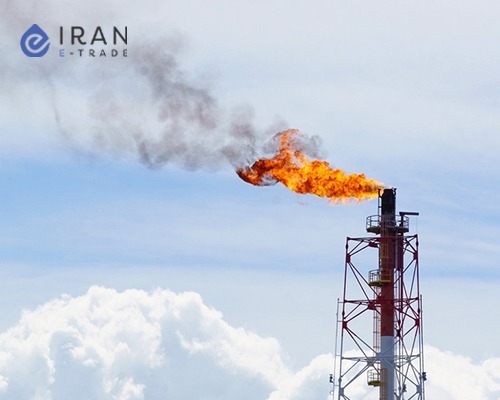
What Is Crude Oil: Characteristics, Uses and How It’s Produced

What is crude oil? Crude oil, commonly known as “black gold,” is a thick, flammable, black-colored fossil fuel extracted from deep within the earth. It is composed of hydrocarbons, sulfur, nitrogen, and heavy metals. As a natural and non-renewable resource, crude oil serves as the basis for many useful products, including gasoline, diesel, plastics, medicines, chemical fertilisers, and cosmetics. Therefore, in the following article from the Iran ETrade blog, a specialised source for bitumen prices, we will provide a comprehensive explanation for this concept.

What is crude oil?

Crude oil is a mixture of hydrocarbon deposits and other organic materials, primarily used as the raw material for producing fuels (such as gasoline, diesel, and jet fuel) and petrochemical products.

What is crude oil? Crude oil is a thick, black liquid with a strong odor that gushes out by drilling wells into the deeper layers of the earth’s crust.

This fossil fuel is a complex mixture of hundreds of organic compounds made primarily of carbon and hydrogen atoms. Also, it typically contains varying amounts of sulfur, nitrogen, oxygen, heavy metals, and salts.

What is crude oil?

How is crude oil formed?

To understand what crude oil is and how it is formed, and to answer the question of whether oil is organic or inorganic, we need to briefly look at the process of crude oil formation.

The formation of crude oil is the result of long-term biological, physical, and chemical processes that take place deep underground. There, high pressure and temperature act on the remains of dead organisms (diatoms) such as algae and zooplankton.

To explain what crude oil is, it’s worth noting that the popular idea linking fossil fuels to dinosaurs is not entirely accurate. In fact, after death, these microscopic organisms settled in low-oxygen environments on the sea floor. Then, over millions of years, heat and pressure transformed this organic matter into oil and gas.

1. The Theory of Crude Oil’s Organic Origin</h3>

To answer the question of how crude oil is formed, the most widely accepted scientific explanation is the Biogenic Theory (organic origin theory).

This theory suggests that crude oil originates from the organic remains of microscopic marine organisms. These materials were buried in anoxic (oxygen-deprived) environments, where they underwent bacterial fermentation followed by thermal transformation deep within the Earth.

2. The Abiogenic Origin Theory of Crude Oil

Another explanation for the origin of crude oil is the Abiogenic Theory, which attributes oil formation to deep-earth chemical processes without the involvement of biological organic matter.

According to this theory, hydrocarbons are formed through reactions between carbonates or metal oxides and water and hydrogen under extremely high pressure and temperature deep within the Earth.

Crude Oil Compounds

What is crude oil? It is a complex substance made up of hydrocarbons, which are mainly classified into four major groups: paraffins, naphthenes, olefins, and aromatic compounds.

To describe what crude oil is, we focus on its compounds. These compounds are important to understand what color crude oil is. Crude oil is usually dark brown to black, but depending on its composition, it can also appear green, amber, or even yellowish.

It is a complex mixture of hydrocarbons, generally classified into four main categories:

Normal Paraffins and Isoparaffins

Among the important compounds in crude oil are normal paraffins, which have a simple, straight chain of carbon atoms. Isoparaffins are the branched and more complex counterparts of these straight-chain hydrocarbons.

Naphthenes

Saturated cyclic hydrocarbons in crude oil are naphthenes. They play an important role in the production of gasoline and fuel, and in certain refining processes, they help improve product quality.

Olefins

Alkenes, or olefins, are compounds not naturally present in crude oil but are formed during refining processes, such as cracking. They also have many uses in the plastics and chemical industries.

Types of Crude Oil: Classification of Crude Oil

What is crude oil, and what are its types? The appearance, composition, and quality of crude oil can vary from one oil field to another. For better understanding and valuation, crude oil is classified in various ways, including by geographic location, API gravity, and sulfur content.

Types of Crude Oil: Classification of Crude Oil

1. Classification Based on Geographic Location

The simplest way to categorise crude oils is usually by their place of origin and the source of the crude oil. The most important global benchmark crude oils are:

  • Brent Crude Extracted from the North Sea, Brent is one of the key benchmarks for global oil pricing.
  • West Texas Intermediate (WTI): A high-quality, light crude oil from the United States, especially Texas. Its price is usually slightly lower than Brent.
  • Heavy Crude Oil: Mainly produced in the Middle East, this type of oil is heavier and is often used as a pricing benchmark for Asian markets.

2. Classification Based on API Gravity

API gravity, short for American Petroleum Institute gravity, indicates how light or heavy a crude oil is. This numerical index is based on the oil’s density relative to water:

  • Light Crude Oil: Has an API gravity above 31.5. It is highly desirable because it can be easily refined into gasoline and other light fuels.
  • Medium Crude Oil: Has an API gravity between 22.3 and 31.5.
  • Heavy Crude Oil: Has an API gravity below 22.3. These oils are more viscous and more difficult and expensive to refine.

3. Classification Based on Sulfur Content

Sulfur is a natural impurity found in crude oil. Based on its sulfur content, crude oils are divided into two main categories:

  • Sweet Crude Oil: Contains less than 0.5% sulfur by weight. This type of crude is cleaner, causes less pollution, and is easier to refine.
  • Sour Crude Oil: Contains more than 0.5% sulfur. Refining it requires specialised equipment and more complex processes.

What Are the Physical and Chemical Properties of Crude Oil?

When discussing what crude oil is, it’s also important to examine its physical and chemical properties. Crude oil is a complex mixture of thousands of chemical compounds, which determine how it behaves during refining, transportation, and final use.

Even simple questions like “What is crude oil’s color?” can offer clues to better understand the complex composition of this substance.

1. Crude Oil Density

Density is defined as the ratio of mass to volume. In the case of crude oil, its density determines whether it is classified as “light” or “heavy.” The API gravity scale is commonly used to measure this density.

2. Sulfur Content

Sulfur is one of the key impurities in crude oil. Its concentration plays an important role in both the refining process and the environmental impact of the oil:

  • Crude oil with low sulfur content (sweet crude) is easier to refine and produces less pollution.
  • Crude oil with high sulfur content (sour crude) requires more advanced refining equipment and generates more pollutant gases.

What Are the Physical and Chemical Properties of Crude Oil?

3. What Is Crude Oil’s Pour Point?

The pour point is the temperature at which crude oil begins to solidify or thicken and can no longer flow easily. This property is crucial for the transportation of oil, especially in cold regions.

4. Solubility of Crude Oil

Crude oil does not dissolve in water. However, because it is lighter than water, it floats on the surface. Furthermore, some of its compounds are soluble in certain organic solvents, such as benzene or toluene.

5. Boiling Point of Crude Oil

Crude oil does not have a fixed boiling point because it is a mixture of hundreds of substances. Therefore, instead of a single boiling point, crude oil evaporates over a range of temperatures. This range forms the basis of the refining process.

In refineries, refiners heat crude oil and its components, which makes crude oil vaporise at different temperatures (such as gasoline, kerosene, diesel). This characteristic is fundamental to the fractional distillation process of crude oil in the distillation towers.

What are the uses of crude oil?

For understanding crude oil and its applications, it’s important to know that crude oil has uses in agriculture, production of detergents and paints, rubber manufacturing, plastics, pharmaceuticals and cosmetics, the food industry, transportation, energy, medical industries, clothing, defence, lubricants, and household uses.

However, most people immediately think of it as just fuel for vehicles. In reality, this black liquid is the raw material for thousands of products we encounter in daily life. Therefore, its uses are:

1. Use in Agriculture

A large portion of chemical fertilisers, pesticides, and insecticides use crude oil derivatives in their composition.

2. Use in Manufacturing Detergents, Paints, and Other Materials

Detergents used for washing clothes and dishes, as well as paints, adhesives, resins, and solvents, are all derived from crude oil.

3. Production of Rubber, Plastics, and Similar Materials

Most industrial rubber and plastics found in household items, packaging, and even toys are made of petroleum-based materials.

4. Pharmaceuticals and Cosmetics Manufacturing

In pharmaceuticals, they use petroleum derivatives to produce painkillers, capsules, creams, and ointments.

5. Food Industry

Crude oil is not used directly in food, but its derivatives are in lubricants for food processing machinery, plastic packaging, artificial flavorings, and preservatives.

6. Transportation Industry

Gasoline, diesel, kerosene, and jet fuel are all products of refining crude oil.

What are the uses of crude oil?

7. Use of Crude Oil in Energy Industry

A portion of crude oil is directly used to generate electricity and heat in power plants. Its derivatives are also useful for the manufacture of batteries and generators.

8. Crude Oil for Producing Lubricants

Motor oil, grease, hydraulic oil, and brake fluids are all made from petroleum products.

9. Use of Crude Oil for Household Purposes

In some regions, oil is still used for home heating, cooking, or lighting. Additionally, many household products—such as candles, lighters, and wax—contain petroleum-based materials.

10. Medical Industry and the Use of Crude Oil

Materials derived from crude oil are useful in manufacturing surgical gloves, syringes, plastic medical equipment, disinfectants, and imaging devices.

11. Use of Crude Oil in the Clothing Industry

Synthetic fibres such as polyester, nylon, and spandex—used in clothing, shoes, and bags—are produced from petrochemical and petroleum-based materials.

12. Uses of Crude Oil in the Defence and Military Industry

Military fuels, specialised lubricants for heavy engines, bullet-resistant coatings, durable rubber, and even parts of missiles are made from crude oil derivatives.

Extraction and Processing of Crude Oil

What is crude oil, and how is it processed? This black fossil fuel is stored deep underground beneath layers of rock. The following are the main stages involved in crude oil processing:

  • Exploration: Locating oil reserves using geological tools and seismic surveys.
  • Drilling: Drilling oil wells to access underground crude oil.
  • Production: Pumping the oil to the surface using mechanical equipment or natural pressure.
  • Initial Separation: Removing gas, water, and impurities from crude oil at the wellhead.
  • Transportation to Refineries: Transferring the crude oil to refineries via pipelines, trucks, or ships.
  • Refining: Converting crude oil in to usable products through industrial processes

What Are the Stages of Crude Oil Refining?

To understand what crude oil is and how it becomes usable, it’s important to know that crude oil is typically fluid and thin, but not directly usable in its raw form. Refining is the process through which crude oil is transformed into useful components such as gasoline, diesel, and chemical products.

Stages of Crude Oil Refining:

  • Heating the Crude Oil: The refiners first heat crude oil to prepare it for separation.
  • Distillation in a Distillation Tower. The refiners separately heat oil into different components based on their boiling points.
  • Cracking (Molecular Breaking); Heavy molecules are broken down to produce lighter fuels like gasoline.
  • Reforming Processes: The molecular structure is modified to improve fuel quality, especially gasoline.
  • Treating (Purification): Sulfur, metals, andother impurities are removed.
  • Blending: Various components are combined to create final products that meet specific standards.

What Are the Stages of Crude Oil Refining?

What are crude oil products?

Crude oil products refer to the materials obtained from refining crude oil. These products have uses in various industries such as transportation, agriculture, petrochemicals, cosmetics, food, and medicine.

Products Derived from Crude Oil

Some of the most important products derived from crude oil include the following:

  • Gasoline
  • Kerosene (aviation fuel)
  • Diesel
  • Fuel oil
  • Liquefied Petroleum Gas (LPG)
  • Bitumen
  • Motor oil
  • Petrochemical feedstocks (used to make plastics, synthetic fibres, chemical fertilisers, and pharmaceuticals)

Comparison Between Crude Oil and Petroleum

In fact, crude oil is the raw material, while petroleum refers to the collection of finished products such as gasoline and similar fuels.

Crude oil is a natural, unprocessed liquid extracted directly from the earth, and it cannot be used without refining. In contrast, “petroleum” is a broader term that includes both crude oil and all the products obtained from its refining.

How to Identify Oil Reserves

To locate oil reserves, geologists use advanced methods such as geophysical surveys, satellite imaging, geological mapping, and 3D seismic surveys.

In seismic surveying, scientists generate sound waves and analyse their reflections from underground layers to identify oil-bearing structures. Finally, they conduct exploratory drilling to confirm the presence of oil.

As mentioned earlier, crude oil originates from the remains of marine plants and animals that have decomposed under high pressure and temperature over millions of years. Depending on the type and source of extraction, crude oil can vary in consistency from thin and fluid to thick and tar-like.

Which country has the largest oil reserves?

Is oil organic or mineral? According to many geologists, the origin of crude oil is organic matter deposited on the floors of seas and oceans.

The largest confirmed crude oil reserves in the world are located in Venezuela. Following Venezuela, Saudi Arabia, Iran, Canada, and Iraq hold the next largest reserves. However, the economically recoverable amount of these reserves depends on technology and political factors as well.

How much crude oil remains in the world?

According to estimates by international organisations, approximately 1.6 trillion barrels of recoverable crude oil remain worldwide. At the current consumption rate, these reserves may last for about 50 more years—unless new sources are discovered or global consumption decreases.

How much crude oil remains in the world?

What happens if oil runs out?

If non-renewable oil resources are depleted, industries such as transportation, petrochemicals, electricity generation, modern agriculture, and even pharmaceuticals will face a serious crisis.

Many plastic products, detergents, fertilisers, and medicines would also no longer be produced. Of course, the world is moving toward renewable energy sources like solar, wind, and biofuels, but completely replacing oil requires time and significant investment.

What are the short-term and long-term health risks of exposure to crude oil?

Short-term skin contact with crude oil can cause irritation, itching, skin inflammation, and burning of the eyes and throat. Inhaling crude oil vapors may lead to headaches, dizziness, nausea, and confusion.

In the long term, continuous exposure to crude oil compounds—especially aromatics like benzene—can result in respiratory disorders, liver and kidney damage, neurological problems, and an increased risk of cancer.

Health Risks of Crude Oil for Workers

Workers in the oil industry face hazards such as inhaling toxic vapors, burns from contact with hot oil, explosions, fires, falls from platforms, and mental health issues caused by long shifts.

To reduce these risks, it is essential to use safety equipment, ensure proper ventilation, provide regular training, and conduct occupational health monitoring.

Frequently Asked Questions About What is Crude Oil

In this section, we address the most common questions related to the topic “What is crude oil?”

What color is crude oil?

Crude oil is usually dark brown to black, but depending on its composition, it can also be green, amber, or yellowish.

What is the difference between crude oil and other types of oil?

Crude oil is the natural, unprocessed form of oil, whereas other types of oil (such as kerosene or diesel) are products obtained through its refining and processing.

Can crude oil be used directly after extraction?

No, crude oil is not usable without refining and must be processed into products such as gasoline, diesel, and bitumen.

Is crude oil dangerous?

Yes, contact with or inhalation of crude oil can cause skin problems, respiratory issues, poisoning, and even increase the risk of cancer.

At what depth is crude oil found underground?

Answering this question helps understand what crude oil is: crude oil is typically found at depths ranging from 600 to 6,000 meters beneath the earth’s surface, below rock layers and within natural reservoirs.

At what depth is crude oil found underground?


sources: investopedia, chartindustries
Bitumen Price
What Is Refinery Bitumen: Specifications and Applications

What is refinery bitumen, and what role does it play in various industries? One of the key products obtained from crude oil distillation is refinery bitumen, also known as refinery bitumen. This type of bitumen, available in semi-solid or liquid form, has many uses in construction and road-building projects due to its stable physical and chemical properties. It also plays a crucial role in asphalt production, waterproofing, and the manufacture of moisture-insulating materials. Therefore, in this article from the Iran ETrade blog, a specialised source for bitumen pricing, we will provide a comprehensive overview of this type of bitumen and its applications.

Types of Bitumen

Bitumen is a black, sticky, and viscous hydrocarbon material that bitumen manufacturers derive from the processing of crude oil. It comes in various types and is considered one of the best options due to its high thermal resistance and excellent environmental compatibility.

Bitumen is a heavy, sticky hydrocarbon substance produced naturally or through crude oil refining processes. Therefore, to understand what refinery bitumen is, its different types and properties are a crucial foundation for you to make the right choice in engineering projects.

Types of Bitumen

1. What is Refinery Bitumen?

One of the most important types of bitumen is refinery bitumen (refined bitumen), which bitumen manufacturers produce through the vacuum distillation of crude oil. In this process, the lighter oil fractions are separated, leaving behind the heavier residue in the form of bitumen.

Types of refinery bitumen are classified based on their physical properties and penetration grade.

Refinery bitumen is solid at ambient temperature but becomes fluid at high temperatures, making it suitable for applications such as asphalt production and waterproof coatings.

The quality standards for refinery bitumen are defined by specifications such as ASTM D946 or EN 12591.

2. Natural Bitumen

As the name suggests, natural bitumen (also known as Gilsonite) is found naturally in underground or surface deposits.

This type of bitumen forms naturally over time as the lighter components of crude oil evaporate, leaving behind a material with a high percentage of asphaltenes and minerals. It is worth noting that Iranian Gilsonite is considered one of the valuable resources in this field.

3. Blown or Oxidised Bitumen

When we ask the question of “what is refinery bitumen?”, it’s important to highlight blown bitumen (also known as oxidised bitumen) as a key category. The bitumen manufacturers produce blown bitumen by blowing hot air through refinery bitumen under controlled conditions.

This process increases the molecular weight, raises the softening point, and lowers the penetration grade of the bitumen. Furthermore, blown bitumen has a thermoplastic-like structure; it is hard and brittle at normal temperatures but becomes viscous at high temperatures.

what is Blown or Oxidised Bitumen ?

4. Cutback Bitumen

A mixture of base bitumen and volatile solvents such as naphtha, gasoline, or kerosene comprises cutback bitumen.

Adding the solvent reduces the viscosity of the bitumen, allowing it to be applicable at ambient temperatures. After application, the solvent gradually evaporates, leaving the original bitumen behind.

What is Refinery Bitumen Production Process?

Bitumen manufacturers produce refinery bitumen from the distillation of crude oil in atmospheric and vacuum distillation towers. Then, they process it through air blowing or blending techniques to enhance its properties such as thermal resistance and adhesion.

What is refinery bitumen, and how is it produced? The production process of refinery bitumen involves precise stages that determine its molecular structure, viscosity, softening point, thermal stability, and other performance characteristics.

The main industrial methods for producing refinery bitumen include the direct distillation process, the air blowing process, and the blending or mixing process, which we will discuss below:

1. Direct Distillation Process

This is the most fundamental and initial step in the production of refinery bitumen. The bitumen manufacturers first heat crude oil in an atmospheric distillation tower. Then, lighter components such as gases, gasoline, kerosene, and diesel are vaporised and separated at lower temperatures.

The manufacturers transfer the residue from the atmospheric distillation tower, which has high viscosity, to the vacuum distillation tower. Here, heavier intermediate components such as lubricating oils are separated without thermal cracking.

Finally, what remains at the bottom of this tower is the main feedstock for producing refinery bitumen.

Direct Distillation Process

2. Air Blowing Process

In this method, the manufacturers expose base bitumen derived from distillation to hot air under controlled conditions. Then the resulting bitumen has improved physical properties. In this way, Oxygen in the air reacts with the active components of the bitumen, and increases its molecular weight and viscosity.

This process increases bitumen’s softening point, decreases its penetration grade, and imparts characteristics such as greater resistance to heat and improved stability in humid environments.

3. Blending or Mixing Process

At this stage, the manufacturers combine bitumen derived from previous processes with additives or other types of bitumen to achieve the desired final properties.

What is refinery bitumen mixing process? To adjust the penetration grade, bitumen manufacturers blend heavier or lighter bitumen. Additionally, they use polymers, resins, acids, and other additives to enhance bitumen’s elasticity, adhesion, thermal resistance, and overall stability.

4. Other Stages in Refinery Bitumen Production

In addition to the three main processes mentioned above, there are several auxiliary stages that can optimise the production of refinery bitumen:

  • Thermal Stabilisation: In some cases, bitumen manufacturers apply final heating to stabilise bitumen’s chemical properties and minimise its unwanted reactions.
  • Removal of Water and Light Gases: Moisture and trapped gases are eliminated to enhance bitumen’s storage stability.
  • Final Purification: Bitumen manufacturers use specialised filters to remove solid impurities or heterogeneous materials, ensuring uniformity in the final product.

Other Stages in Refinery Bitumen Production

What is Refinery Bitumen and Its Main Characteristics?

Refinery bitumen has important properties such as softening point, ductility, high purity, low weight loss, and appropriate viscosity, all of which ensure its optimal performance in road construction and waterproofing applications.

As an important engineering material, refinery bitumen must be carefully evaluated in terms of its physical and chemical properties to ensure optimal performance across various applications.

1. Softening Point

On the topic of what is refinery bitumen, the softening point is an important trait. This property indicates the temperature at which bitumen changes from a solid to a soft and sticky state. A higher softening point reflects the bitumen’s resistance to deformation in hot weather, which is especially important for use in warm climates.

2. Ductility

Ductility is bitumen’s ability to stretch without breaking at a specific temperature (usually 25°C). Higher ductility means greater flexibility, which minimises the risk of bitumen cracking.

3. Purity Level

Purity refers to the percentage of the bitumen material compared to its insoluble impurities such as soil, minerals, and heavy metals.

High-quality refinery bitumen should have a purity level above 99%. The presence of impurities can affect its adhesion properties, thermal stability, and overall performance.

What is Refinery Bitumen and Its Main Characteristics?

4. Weight Loss

In defining what refinery bitumen is, weight loss is also an important factor. Weight loss refers to the amount of evaporation or mass reduction of bitumen when heated at a constant temperature (usually 163°C) over a specified time. Therefore, this parameter indicates the thermal stability of the bitumen.

5. Flash Point

What is refinery bitumen flash point? Bitumen’s flash point is the lowest temperature at which its vapours ignite when exposed to a flame source. For road construction bitumen, the flash point is typically required to be above 230°C.

6. Penetration Grade

The penetration grade determines the hardness or softness of bitumen. This is measured by inserting a standard needle into the bitumen at 25°C under a specified load for 5 seconds. Softer bitumen has higher penetration values, indicating greater pliability.

7. Viscosity

The resistance of bitumen to flow, spreading, and handling is its viscosity. This trait is especially important at high temperatures and should be at a level that allows proper distribution of bitumen during asphalt paving operations.

properties of Refinery Bitumen

What is Refinery Bitumen and Its Applications?

As the final product of heavy oil refining, refinery bitumen is a material with unique properties such as high adhesion, water resistance, thermal stability, and weather resistance.

Its key applications include road construction, waterproofing, the production of coating and sealing products, and as a raw material in chemical industries.

1. Road Construction

Bitumen is the primary binder used in the production of hot mix and cold mix asphalt. In this application, the engineers combine and road workers combine bitumen with aggregates to form a durable layer resistant to vehicle pressure, freezing, heat, and abrasion.

2. Waterproofing

What is refinery bitumen waterproofing? Bitumen is one of the best waterproofing materials for roofs, foundations, tanks, pipelines, and basement walls. Pre-fabricated insulation products such as membrane sheets (e.g., Isogam) are also made using blown or modified bitumen.

3. Production of Coating and Sealing Products

Bitumen serves as the base material for various coating products such as waterproof paints, primers, industrial adhesives, and asphalt sealants.

4. Raw Material for Chemical Industries

Bitumen is applicable as a raw material in the production of specialised chemicals such as activated carbon, refinery coke, and bituminous resins.

What is Refinery Bitumen and Its Applications?

What are the Features and Advantages of Refinery Bitumen?

Key features of refinery bitumen include high adhesion, water resistance, thermal stability, flexibility across various temperatures, and the ability to be modified with polymers.

These properties make refinery bitumen an ideal choice for road construction, waterproofing, and the production of industrial products.

Environmental Benefits of Purchasing Refinery Bitumen from Refineries

What is refinery bitumen’s environmental benefit? Buying refinery bitumen directly from authorised refineries offers significant environmental advantages.

These include reduced emissions from non-standard processing methods, elimination of unauthorised intermediaries who may supply contaminated or recycled bitumen, and assurance that industrial waste is managed in compliance with environmental regulations.

Factors Affecting the Price of Refinery Bitumen

What are the key factors that influence the price of refinery bitumen? The price of refinery bitumen is determined by several factors, including:

  • Global crude oil prices (as the primary raw material)
  • Type and grade of bitumen (e.g., 60/70 or 85/100)
  • Transportation and packaging costs
  • Seasonal demand fluctuations
  • Export conditions and sanctions
  • Currency exchange rate volatility

Factors Affecting the Price of Refinery Bitumen

Best Time to Purchase Refinery Bitumen

Summer and autumn are peak consumption seasons due to the execution of road construction and building projects. During these periods, the price of refinery bitumen tends to rise.

Therefore, the best time to purchase bitumen is usually in late winter and early spring, as demand for construction projects has not yet peaked and prices are relatively lower during this period.

Frequently Asked Questions About What Is Refinery Bitumen

This section addresses common questions related to what refinery bitumen is:

Where Can We Purchase Refinery Bitumen?

Refinery bitumen can be obtained through reputable manufacturers, oil refineries, official distributors, or trusted online sales platforms.

What Factors Influence the Price of Refinery Bitumen?

Factors affecting the price of refinery bitumen include its purity level, global crude oil prices, transportation costs, and supply and demand conditions in the market.

What Are the Characteristics of Refinery Bitumen?

What is refinery bitumen’s important trait? Key characteristics of refinery bitumen include its precise production process and the use of pure raw materials, which makes it highly resistant to various weather conditions.

What Are the Characteristics of Refinery Bitumen?


sources: wikipedia
Bitumen Price
ویژگی های قیر صادراتی: بررسی شرایط + استانداردهای قیر صادراتی

ویژگی های قیر صادراتی شامل خلوص بالا، درجه نفوذ مناسب، ویسکوزیته استاندارد، مقاومت حرارتی، بسته‌بندی ایمن و تطابق با شرایط اقلیمی مقصد است. مشخصات قیرهای صادراتی باید به‌گونه‌ای باشد که در فرآیند و روش های حمل‌ونقل قیر، نگهداری و مصرف نهایی دچار افت کیفیت نشود. همچنین، رعایت دقیق استانداردهای قیر صادراتی مانند استاندارد ملی ایران، ASTM یا EN، برای ورود موفق به بازارهای بین‌المللی کاملاً ضروری است.

در ادامه این مطلب از بلاگ ایرانی ای ترید مرجع تخصصی اعلام قیمت قیر به بررسی کامل این ویژگی ها و استاندارهای مورد نیاز برای صادرات می‌پردازیم.

ویژگی های قیر صادراتی: معرفی مهم‌ترین شرایط قیر صادراتی

ویژگی‌های قیر صادراتی شامل خلوص بالا، درجه نفوذ استاندارد، سیالیت مناسب، بسته‌بندی ایمن و تطابق کامل با استانداردهای بین‌المللی است.

قیر حتی در اوج تحریم‌ها نیز یکی از محصولات صادارتی پرطرفدار ایران است. در بین رقبا، توجه به ویژگی های قیر صادراتی، نقش تعیین کننده‌ای در موفقیت تجارت هر چه بیشتر این محصول دارد. در ادامه مهم ترین مشخصات قیر صادراتی مورد بررسی قرار گرفته‌است:

(برای اطلاع از قیمت قیر صادراتی کلیک کنید.)

1. کیفیت قیر صادراتی

برای انتخاب بهترین قیر برای صادرات پارامترهایی مانند ویسکوزیته، نقطه نرمی، نفوذپذیری و مقاومت در برابر حرارت باید به دقت سنجیده شوند.

کدام قیر برای صادرات مناسب تر است؟

2. درجه خلوص از مهم ترین ویژگی های قیر صادراتی

خلوص قیر ارتباط مستقیمی با عملکرد آن در پروژه‌های عمرانی دارد. از ویژگی‌ های قیر صادراتی این است که درصد مواد ناخالص مانند خاکستر، آب، پارافین یا مواد فرار در آن به حداقل رسیده باشد.

3. پکینگ و بسته بندی مناسب قیرهای صادراتی

بسته‌بندی قیر نشانی از کیفیت قیر صادارتی است و باید به‌گونه‌ای باشد که از نشت، آلودگی و آسیب در طول حمل‌ونقل جلوگیری کند. انتخاب نوع بسته‌بندی قیر خود نیاز به بررسی دقیق داشته و با توجه به مقصد صادرات، شرایط حمل‌ونقل و نوع قیر تعیین می‌شود. برای مطالعه بیشتر درمورد روش های حمل و نقل قیر مطلب بلاگ را مطالعه نمایید.

4. اظهارنامه گمرکی

یکی از مراحل الزامی برای تکمیل استانداردهای قیر صادراتی، اظهارنامه گمرکی است. صحت اطلاعات درج‌شده مثل مشخصات فنی، مقدار، انواع بسته‌بندی قیر، کشور مقصد و ارزش کالا، تضمین‌کننده عبور بدون مشکل آن از مرزهای گمرکی و دریافت مجوزهای صادراتی است.

انواع قیر صادراتی و مهمترین ویژگی های قیر صادراتی

انواع قیر صادراتی بر اساس نوع مصرف و شرایط آب‌وهوایی شامل قیر نفوذی، امولسیون، کات‌بک و گریدهای مختلف است که ویژگی‌های قیر صادراتی مانند دوام، سیالیت و استانداردپذیری را تأمین می‌کنند.

شناخت انواع مختلف قیر و انطباق ویژگی های قیر صادراتی با نیاز بازار جهانی اهمیت زیادی دارد. در ادامه، پرکاربردترین انواع قیر صادراتی را به‌صورت مختصر معرفی می‌کنیم:

  • قیر معمولی برای صادرات: بهترین قیر برای صادرات، قیر نفوذی یا قیر سخت است. چون هم مقرون بصرفه‌ است و هم برای راه‌سازی و عایق کاری مصرف بالایی دارد.
  • صادرات قیر کات بک: این قیر به دلیل روان بودن اولیه در مناطق سردسیر یا پروژه‌های نیازمند به نفوذ سریع مناسب است.
  • قیر روان: در مشخصات قیر صادراتی نوع روان یا مایع بسیار حائز اهمیت است و برای پروژه‌های سریع‌الاجرا مثل لایه‌های اولیه آسفالت کاربرد فراوانی دارد.
  • قیر امولسیون: این نوع قیر بیشتر در پروژه‌های دوستدار محیط زیست و برای مناطق مرطوب کاربرد دارد.
  • قیر صادراتی 70/60: با در نظر گرفتن ویژگی های قیر صادراتی، قیر 70/60 با نفوذپذیری متوسط، برای مناطق معتدل و پروژه‌های شهری و ساختار جاده‌ها و آسفالت‌های عمومی بسیار پرکاربرد است.
  • قیر صادراتی 90/60: مطابق استانداردهای قیر صادراتی، قیر 90/60 به دلیل ویسکوزیته بالا، برای مناطق گرمسیری و پروژه‌های مقاوم‌سازی سطوح آسفالتی به کار می‌رود.
  • قیر صادراتی 100/85: کیفیت قیر صادارتی 100/85 با نفوذپذیری بالا، برای شرایط آب‌وهوایی سرد و همینطور پروژه‌هایی که نیاز به انعطاف‌پذیری بیشتر دارند، مناسب است.
  • قیر صادراتی 75/50: با توجه به ویژگی های قیر صادراتی، قیر 75/50 در دسته قیرهای سخت قرار می‌گیرد. مقاومت بالای این قیر در برابر تغییرات دما، آن را برای استفاده در زیرساخت‌های سنگین مناسب ساخته است.
  • قیر صادراتی 100/80: با وجود سیالت بالا و مقاومت مناسب، قیر صادراتی 100/80 در کشورهای آسیایی و آفریقایی پرتقاضا است و برای کاربردهای عمومی در راه‌سازی گزینه‌ای اقتصادی به شمار می‌رود.

آشنایی با مدل های مختلف قیر صادراتی

مجوزهای مورد نیاز برای قیر صادراتی

اگرچه که قیر متقاضی زیاد دارد اما برای تجارت موفق، وجود مجموعه‌ای از مجوزها و اسناد قانونی الزامی است. ویژگی‌های قیر صادراتی با رعایت ضوابط رسمی و بین‌المللی تکمیل می‌شود.

1. کارت بازرگانی

در کنار سایر استاندادرهای قیر صادارتی، اولین و اصلی‌ترین مجوز کارت بازرگانی است که توسط اتاق بازرگانی صادر شده و هویت قانونی صادرکننده را تأیید می‌کند.

2. گواهینامه ثبت شرکت

داشتن گواهی ثبت شرکت، نشان‌دهنده رسمی بودن فعالیت تجاری صادرکننده است و در ارزیابی کیفیت قیر صادراتی و اعتبار قراردادهای خارجی مؤثر است.

3. گواهینامه استاندارد قیر

این گواهینامه تطابق ویژگی های قیر صادراتی با استانداردهای داخلی یا بین‌المللی (مثل ASTM، EN، ISIRI) را نشان می‌دهد.

4. پیش فاکتور خرید قیر

برای تعیین قیمت پایه و آغاز فرآیند فروش، ارائه پیش‌فاکتور ضروری است. این سند پایه‌ای برای خرید بهترین قیر برای صادرات محسوب می‌شود.

5. قرارداد فروش قیر

قرارداد رسمی بین فروشنده و خریدار خارجی شامل مشخصات قیر صادارتی، قیمت، نوع بسته‌بندی و شرایط پرداخت است که برای حمل و ترخیص الزامی است.

6. مجوز خروج کالا از گمرک

از مهم‌ترین ویژگی‌ های قیر صادراتی مطابقت کامل با اسناد گمرکی و دریافت مجوز خروج است که بدون آن امکان ترخیص کالا وجود ندارد.

7. بیمه‌نامه حمل‌ونقل

برای محافظت از محموله در برابر خطرات احتمالی در مسیر حمل‌ونقل، بیمه‌نامه معتبر صادر شده توسط شرکت‌های بیمه ضروری است و در تجارت بین‌المللی اهمیت ویژه دارد.

استانداردهای مهم برای قیر صادراتی

موارد دیگری که باید برای بررسی ویژگی‌ های قیر صادراتی در نظر گرفت، تطبیق آن با استانداردهای ملی و بین المللی است. استانداردهای قیر خواص فیزیکی و شیمیایی آن را تعیین کرده و توسط سازمان‌های بین‌المللی مانند ASTM و ISO تدوین شده‌اند.

مهم‌ترین استانداردهای قیر شامل ASTM D 946 (براساس درجه نفوذ)، ASTM D 2872 (براساس ویسکوزیته) و AASHTO M 320 (براساس عملکرد محیطی) هستند.

بررسی ویژگی‌ های قیر صادراتی

استاندارد ایران برای قیر صادراتی

مهم ترین استانداردهای قیر صادراتی در ایران:

استاندارد ملی ایران شماره ۲۹۵۰

الزامات فنی قیرهای نفوذی (خواص قیر و مواد قیری) را مشخص می‌کند و معادل ASTM D946 است.

استاندارد ملی ایران شماره ۱۲۵۰۵

مطابق با مشخصات قیر صادراتی در حوزه راه‌سازی همسو با استاندارد ISA 12505‑1 خواص فیزیکی و عملکرد تغییر در شرایط محیطی مختلف را ارزیابی می‌کند.

استاندارد ملی ایران شماره ۱۲۵۰۶

برای بررسی ویژگی های قیر صادراتی مشابه با استاندارد ASTM D 2397، به مشخصات قیرهای امولسیونی (کاتیونیک و آنیونیک) می‌پردازد.

بهترین گریدهای قیر برای صادرات

یکی از مهم‌ترین ویژگی‌ های قیر صادراتی، انتخاب گرید (درجه نفوذ) مناسب بر اساس شرایط اقلیمی و کاربرد مقصد است.

گریدهای پرمصرف شامل قیر 70/60، 100/85، 90/60 و 100/80 هستند که به دلیل پایداری حرارتی، ویسکوزیته مناسب و چسبندگی بالا، در پروژه‌های راه‌سازی و عمرانی کشورهای مختلف بسیار مورد توجه‌اند.

صادرات قیر به چه کشورهایی انجام می‌شود؟

صادرات قیر ایران به کشورهای اروپایی، عراق، افغانستان و کشورهای آفریقایی صورت می‌گیرد و ویژگی ها قیر صادارتی ایران با توجه به نیاز صنعتی و اقلیمی هر کشور تعیین می‌شود.

ویژگی های قیر صادراتی در بازار جهانی بسیار متنوع است و کشورهای مختلف با توجه به شرایط اقلیمی، زیرساخت‌ها و سطح توسعه، به انواع گوناگون قیر نیاز دارند و به همین دلیل نحوه و نوع قیر برای صادرات قیر به کشورهای مختلف متفاوت است. ایران به عنوان یکی از تولیدکنندگان اصلی قیر، بازارهای صادراتی فعالی در منطقه و فرامنطقه دارد.

صادرات قیر به کشورهای اروپایی

کشورهای اروپایی اغلب به قیرهایی با استانداردهای بین‌المللی مثل EN نیاز دارند. بسته‌بندی دقیق، مستندات فنی کامل و کیفیت بالا در این بازارها حیاتی است.

صادرات قیر به عراق

ایران یکی از تأمین‌کنندگان اصلی قیر عراق است. قیر صادراتی برای عراق شامل گریدهای نفوذی 70/60 و 100/85، با بسته‌بندی استاندارد و حمل‌ونقل زمینی مقرون‌به‌صرفه است.

مشخصات قیر صادراتی در بازار جهانی

صادرات قیر به کشورهای همسایه

کشورهایی مانند پاکستان، ارمنستان، ترکمنستان و آذربایجان خریداران ثابت قیر ایران هستند. دسترسی زمینی، نزدیکی جغرافیایی و قیمت رقابتی از عوامل تقویت صادرات به این مناطق است.

صادرات قیر به افغانستان

کشور افغانستان به دلیل نیاز گسترده به توسعه راه‌ها، یکی از مشتریان اصلی قیر ایران است. در این بازار، کیفیت قیر صادراتی باید در کنار قیمت مناسب، دوام و سازگاری با شرایط کوهستانی و سرد افغانستان را نیز تضمین کند.

جایگاه ایران در صادرات قیر

ایران یکی از بزرگ‌ترین تولیدکنندگان قیر در منطقه خاورمیانه است و در میان صادرکنندگان جهانی قیر، جایگاه بالایی دارد.

از ویژگی‌ های قیر صادراتی تولید ایران می‌توان به تنوع گرید، کیفیت بالا، قیمت رقابتی و دسترسی آسان به بازارهای منطقه اشاره کرد که نقش مهمی در تثبیت موقعیت کشور در بازارهای بین‌المللی ایفا می‌کند.

سوالات متداول در خصوص خصوصیات و ویژگی های قیر صادراتی

در این بخش به سوالات پر تکرار در رابطه با ویژگی های قیر صادراتی می‌پردازیم:

قیر صادراتی چه مشخصاتی دارد؟

به طور کلی، مشخصات قیر صادراتی شامل گرید مشخص (مانند 70/60 یا 100/85)، نقطه نرمی مناسب، درصد خلوص بالا، ویسکوزیته کنترل‌شده و بسته‌بندی استاندارد است.

چه ویژگی‌هایی باعث می‌شود قیر برای صادرات مناسب باشد؟

مطابقت با استانداردهای قیر صادراتی مانند ASTM یا EN، دارا بودن گواهی‌های فنی، کیفیت پایدار، خلوص بالا و امکان بسته‌بندی و حمل‌ونقل ایمن از عوامل اصلی است.

چه نوع قیرهایی بیشتر برای صادرات استفاده می‌شوند؟

از جمله مهم‌ترین ویژگی‌ های قیر صادراتی شامل دوام بالا، انعطاف‌پذیری، و سازگاری با شرایط اقلیمی متنوع است. انواع قیرهایی که بیشترین سهم را در صادرات دارند: 70/60، 90/60 و 100/85.

آشنایی با ویژگی های قیر صادراتی

منبع: wikipedia

مشاهده قیمت روز قیر صادراتی