Largest Oil Producers in the World: The Top 13 Countries in 2025

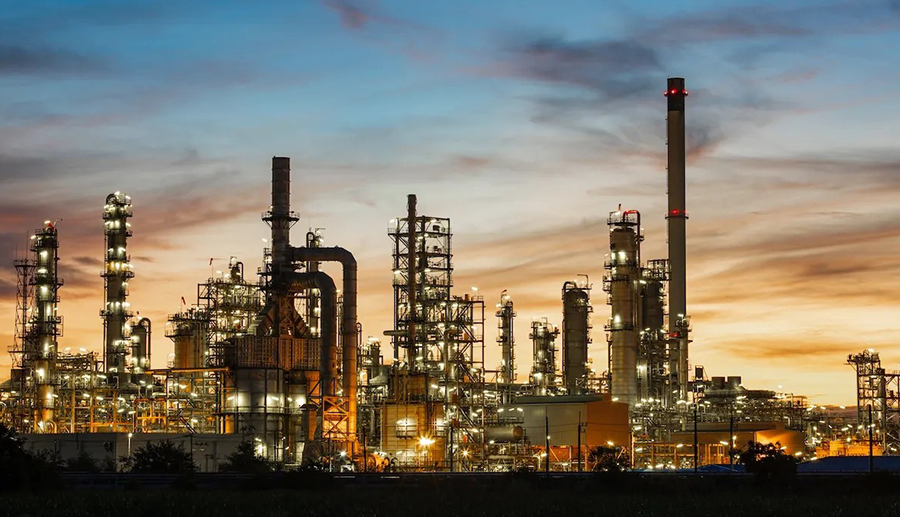
The largest oil producers in the world play a central role in the global energy economy. Countries such as the United States, Saudi Arabia, Russia, Canada, Iran, China, Kuwait, Norway, the United Arab Emirates, and Iraq rank among the world’s largest oil producers. Each of these countries holds a significant share of the global oil market and plays a major role in determining global energy prices. In particular, the United States stands as the world’s largest oil producer, followed by Saudi Arabia and Russia. Many of these countries, by possessing vast oil reserves, rank among the most influential economic and political powers at the international level.

Therefore, in this article from the Iran ETrade blog, we introduce the major oil-producing countries. The Iran ETrade website is an online platform for providing bitumen price and petroleum product prices and aims to facilitate traders’ activities in the global bitumen market.

Who Are The Largest Oil Producers In The World?

The United States, with a production of 20 million barrels of oil per day, is the largest oil producer in the world. Saudi Arabia and Russia rank second and third, producing 11 and 10.8 million barrels of oil per day, respectively.

The 13 largest oil producers in the world (as of 2025) are the United States, Saudi Arabia, Russia, Canada, China, Iran, Iraq, the United Arab Emirates, Kuwait, Norway, Kazakhstan, Brazil, and Mexico. In the following sections in this article from the Iran ETrade blog,, we will examine these countries in detail.

The world’s largest oil producers (such as the United States, Saudi Arabia, Russia, Canada, Iran, China, Iraq, the United Arab Emirates, Kuwait, Brazil, Norway, Kazakhstan, and Mexico) play a key role in the global oil market and in setting the energy prices. The United States, with its production of oil exceeding 20 million barrels per day, is the world’s largest oil producer, followed by Saudi Arabia and Russia. Therefore, with vast oil reserves and extensive exports, these countries rank among the world’s major economic and political powers. However, fluctuations in oil prices may directly affect the economies of developing countries.
Who Are The Largest Oil Producers In The World?

1. The Largest Oil Producer in The World: United States of America

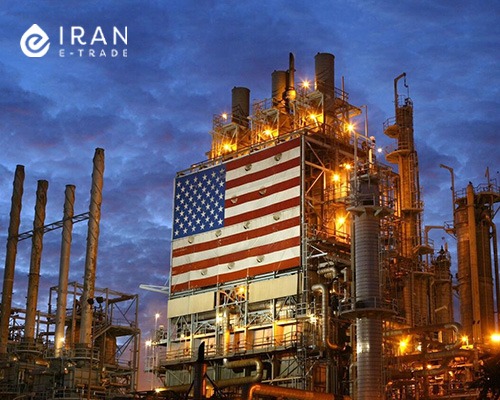
The United States of America produces around 20 million barrels of oil per day. This amount accounts for nearly 22% of global oil production. Therefore, this makes the United States the largest oil producer in the world. The United States is also the world’s largest oil consumer, and its oil imports reach approximately 8.5 million barrels per day.

The boom in Chile’s oil, along with access to advanced technologies such as hydraulic fracturing and horizontal drilling, has placed the United States at the top of the world’s largest oil-producing countries. The U.S also stands as the largest producer of crude oil and gas condensates.
1. The Largest Oil Producer in The World: United States of America

2. The Largest Oil Producers in the World: Saudi Arabia

Among the largest oil producers in the world, the United States is the largest oil consumer, while Saudi Arabia is the world’s largest oil exporter.
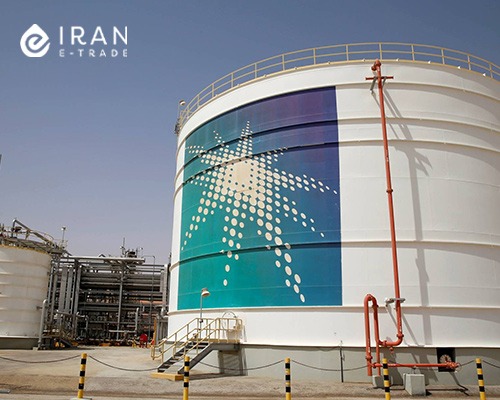
After the United States, Saudi Arabia produces around 11 million barrels of oil per day and ranks as the world’s second-largest oil producer. As the world’s largest oil exporter, this country holds approximately 15 to 17 percent of the world’s oil reserves.

The oil and gas industry accounts for nearly 50 percent of Saudi Arabia’s gross domestic product and about 70 percent of its export revenues. In addition, the world’s largest bitumen refineries are located in countries such as India, Saudi Arabia, the United States, South Korea, Iran, and Venezuela.
2. Saudi Arabia

3. Russia

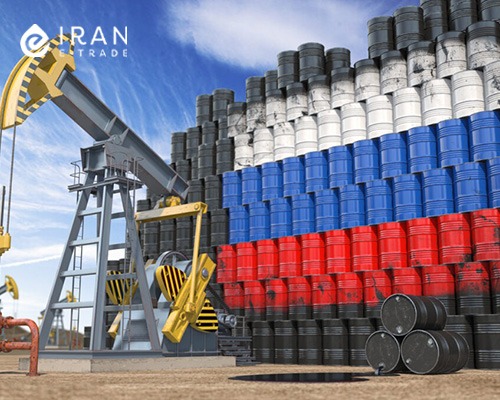
Russia is another major oil-producing country in the world, with daily oil production reaching about 10.8 million barrels.

Despite sanctions and trade restrictions following its invasion of Ukraine, Russia remains one of the major oil producers and ranks third, accounting for nearly 11 percent of global production.

Furthermore, Russia exports oil and natural gas to many regions of the world, especially China and Europe.
3. The Largest Oil Producer in The World: Russia

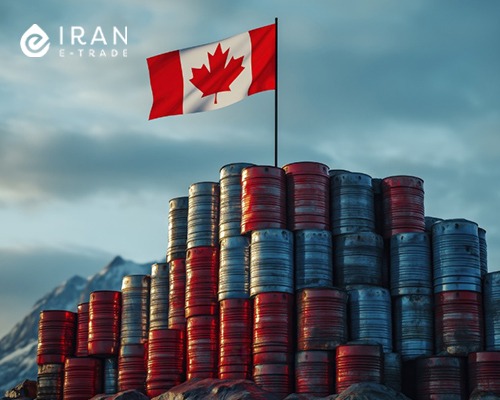
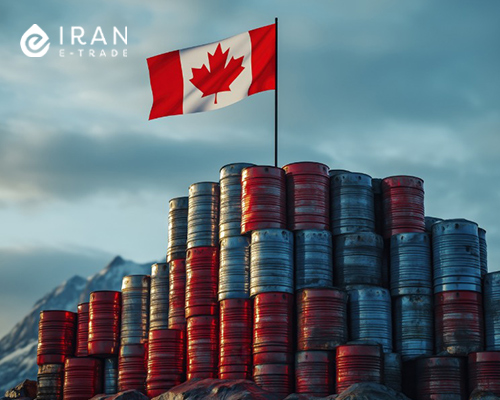
4. Canada

Canada is among the largest oil producers in the world, producing almost 5.9 million barrels of oil per day. Although Canada ranks twenty-second globally in terms of oil reserves, it stands as the largest oil exporter to the United States.

In addition, Canada is also one of the world’s largest oil consumers. For instance, in 2023, with a daily consumption of 2,351,000 barrels, it ranked as the 9th largest oil-consuming country in the world.

World’s largest oil producers Daily production (per million barrel) Global market share
USA 20 22%
Saudi Arabia 11 12%
Russia 10.8 11%
Canada 5.9 6%
Iran 3.5 4%
Iraq 4.4 5%
China 4.9 5%
Brazil 4.2 4%
UAE 4.1 4%
Kuwait 2.9 3%
Kazakhstan 1.8 2%
Mexico 1.9 2%
Norway 1.8 2%

4. Canada

5. The Largest Oil Producers in the World: Iran

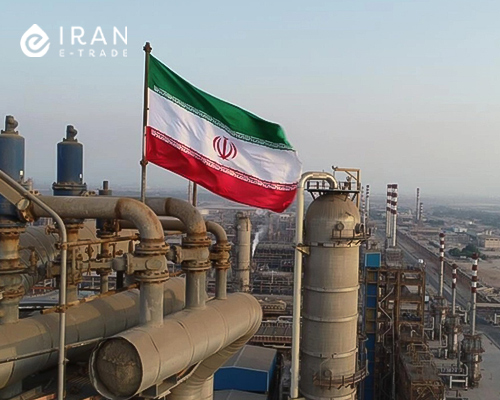
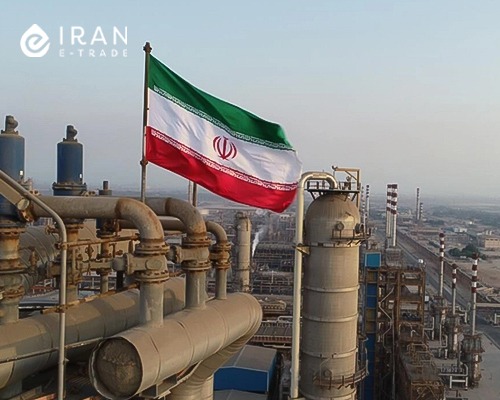
Iran, along with Saudi Arabia, Kuwait, the United Arab Emirates, and Iraq, ranks among the top oil-producing countries in the Middle East.

Iran is a major oil producer, producing about 3.5 million barrels of oil per day. It also holds the world’s third-largest oil reserves, totalling 208.6 billion barrels, and ranks as the twelfth-largest oil consumer globally.
5. The Largest Oil Producer in The World: Iran

6. Iraq

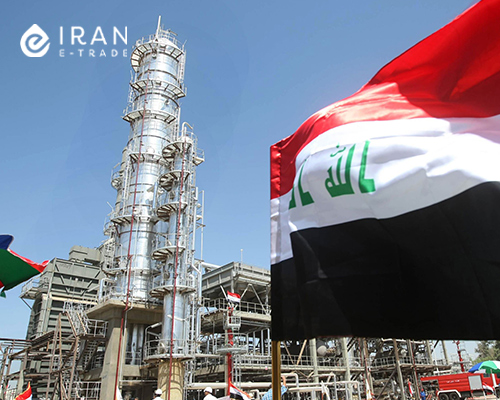
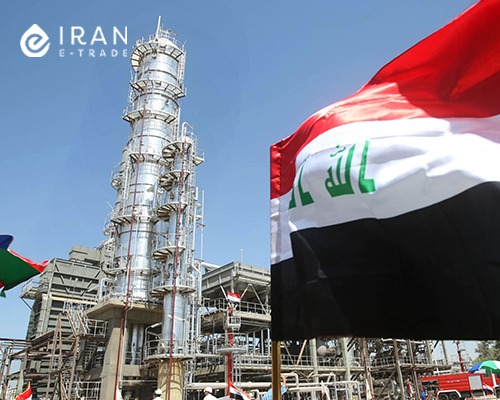
Iraq produces 4.4 million barrels of oil per day and is one of the largest oil producers in the world. With approximately 145 billion barrels of oil reserves, the country holds the world’s fourth-largest oil reserves and is also the fourth-largest oil exporter to the United States.

Meanwhile, in terms of oil consumption, Iraq ranks twenty-fourth globally.
6. Iraq

7. The Largest Oil Producer in The World: China

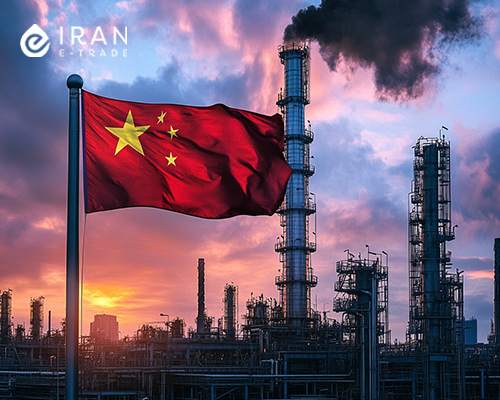
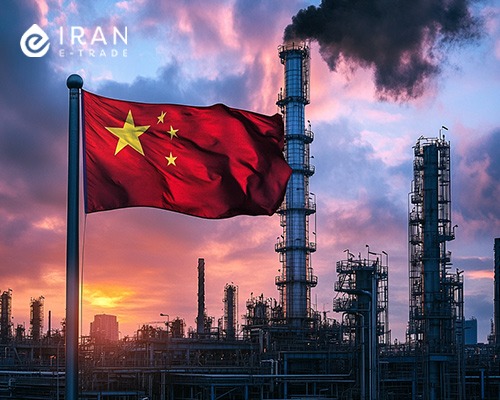
China produces 4.9 million barrels of oil per day. It is the second-largest oil consumer and the world’s largest net importer of oil.

Over half of China’s imported oil, approximately 55 percent, comes from OPEC member countries. Chinese oil companies have turned to advanced technologies, such as water, steam, and polymer injection, to enhance oil recovery and offset potential production declines.
7. The Largest Oil Producer in The World: China

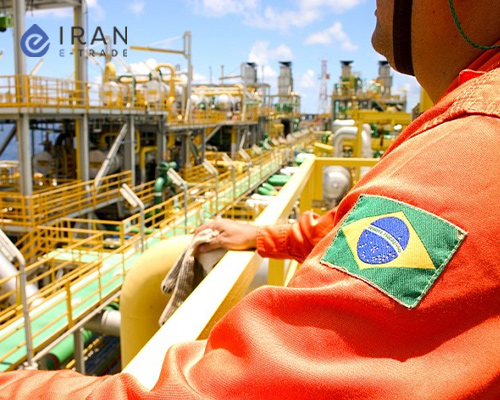
8. Brazil

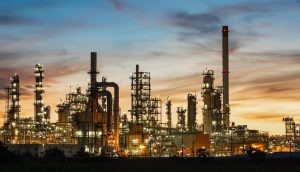
With a daily oil production of 4.2 million barrels, Brazil is one of the largest oil producers in the world. Also, Brazil is the sixth-largest oil exporter to the United States and the eighth-largest oil consumer globally. In terms of oil reserves, Brazil ranks fourteenth in the world.
8. Brazil

9. The Largest Oil Producers in the World: United Arab Emirates

Norway, Kazakhstan, Brazil, Mexico, and China also rank among the major oil producers in the global market.

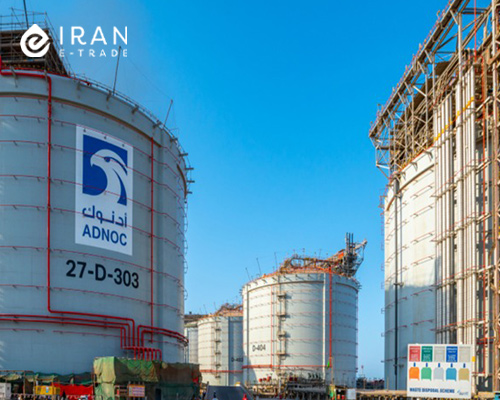
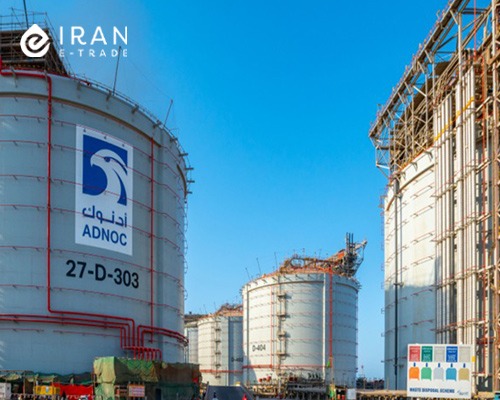
Another major oil producer in the world, the United Arab Emirates, produces approximately 4.1 million barrels of oil per day. UAE also holds the world’s fifth-largest oil reserves, totalling 113 billion barrels (as of 2022).
9. The Largest Oil Producer in The World: United Arab Emirates

10. Kuwait

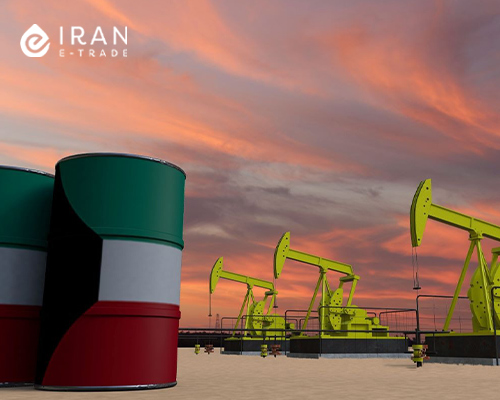
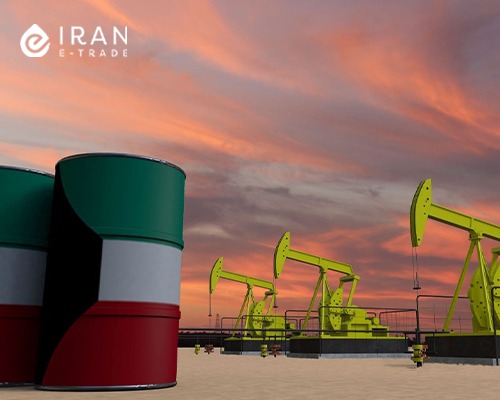
Oil accounts for about 60% of Kuwait’s gross domestic product and just over 95% of its export revenues. As a member of OPEC, Kuwait produces 2.9 million barrels of oil per day and ranks among the world’s largest oil producers. Kuwait also holds approximately 7% of the world’s oil reserves.
10. Kuwait

11. The Largest Oil Producer in The World: Kazakhstan

Another major oil-producing country is Kazakhstan, which produces 1.8 million barrels of oil per day. It holds approximately 1.82% of the world’s total oil reserves and exports about 73% of its oil production.
11. The Largest Oil Producer in The World: Kazakhstan

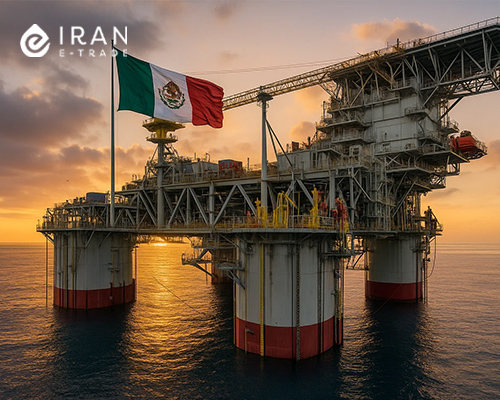
12. Mexico

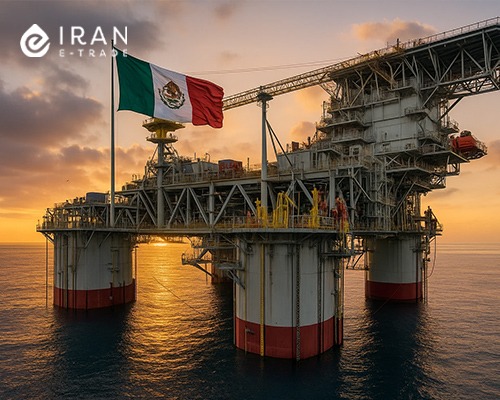
Mexico produces 1.9 million barrels of oil per day and is one of the largest oil producers in the world. The country’s oil reserves are roughly 13 times its annual consumption.
12. Mexico

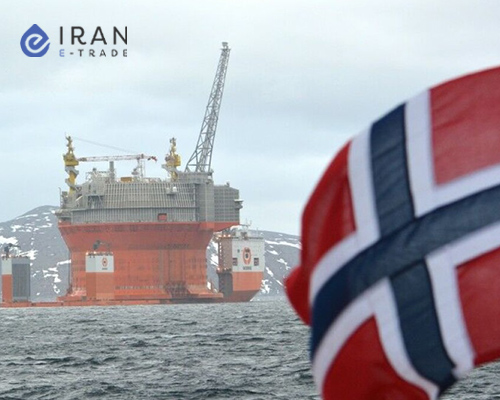
13. Norway

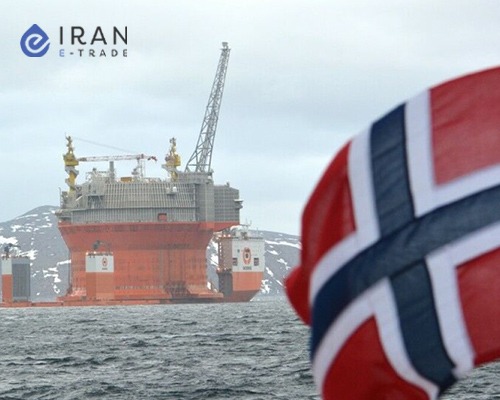
Norway produces almost 1.8 million barrels of oil per day. It also holds a special position among the world’s largest oil producers, particularly due to its oil exports to the European market.

Norway is also significant for its oil system, based on the North Sea, and its advanced management in production and environmental protection.
13. Norway

Impact of Oil Production on Developing Countries

Developing countries rely on oil imports from major oil producers to meet their energy needs. In addition, fluctuations in oil prices directly affect their economies. This leads to potentially reducing their economic growth and foreign investment, and causing instability in their government revenues.

Oil market instability also increases income inequality and limits sustainable development. In contrast, major oil-producing countries, such as the United Arab Emirates and the United States, support poorer nations by providing financial and development aid in areas like education, healthcare, and sustainable energy.

These efforts play a significant role in reducing poverty and increasing security in their societies.
Impact of Oil Production on Developing Countries

Frequently Asked Questions

In this article, we introduced 13 major oil-producing countries in the world. Now, we will answer some of the most frequently asked questions about the largest oil producers in the world.

Which Countries Are The Largest Oil Producers in The World?

The United States, Saudi Arabia, Russia, Canada, Iran, Iraq, China, Brazil, the United Arab Emirates, Kuwait, Kazakhstan, Mexico, and Norway are the world’s largest oil producers.

Which Countries Are The Largest Bitumen Consumers in The World?

Countries with extensive road construction and building infrastructure, such as the United States, China, India, and European nations, are the largest bitumen consumers in the world.
Which Countries Are The Largest Bitumen Consumers in The World?

Which Country is The Largest Oil Producer in The Middle East?

Saudi Arabia, which produces 10.9 million barrels of oil per day, is the largest oil producer in the Middle East.

Which Are The Largest Oil Companies in the World?

The largest oil companies in the world are: Saudi Aramco from Saudi Arabia, China Petroleum & Chemical Corp (Sinopec) and PetroChina Co. Ltd. from China, ExxonMobil Corp. from the United States, and Shell PLC from the United Kingdom and the Netherlands. Most of these companies are located in the largest oil producers in the world.
Which Are The Largest Oil Companies in the World?


source: investopedia
Bitumen Price

طرز استفاده قیر نانو: مشخصات و کاربرد قیر نانو + نحوه استفاده

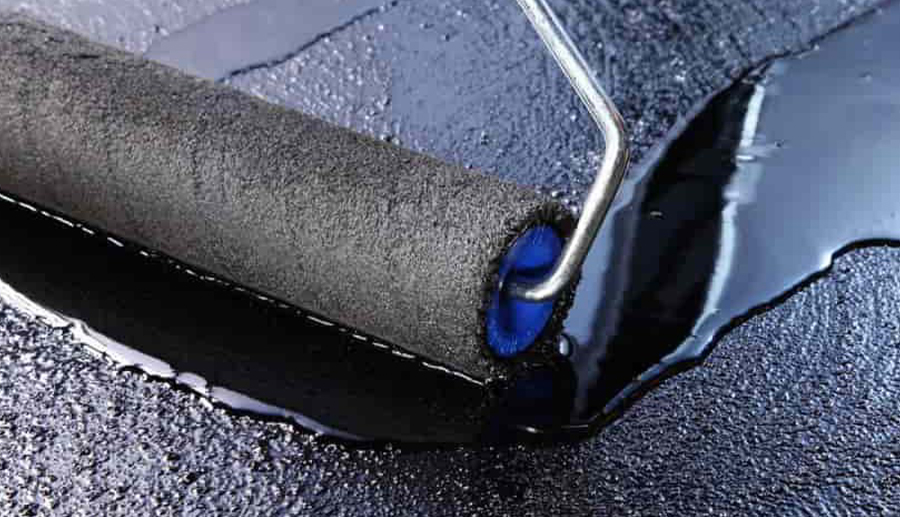
طرز استفاده قیر نانو به‌طور خلاصه شامل آماده‌سازی سطح زیرکار، اختلاط دقیق با نانوذرات و اعمال یکنواخت بر روی سازه است تا خواص مکانیکی و شیمیایی آن به‌طور کامل فعال شود. درک این فرآیند به شناخت ماهیت قیر نانو وابسته است.از مهم‌ترین مزایای قیر نانو می‌توان به دوام بالا، آب‌گریزی تقویت‌شده و پایداری حرارتی اشاره کرد. همچنین کاربردهای آن در روسازی جاده‌ها، آب‌بندی بام‌ها، پوشش‌های ضدخوردگی و عایق خطوط لوله گسترده است.

برای آشنایی با طرز استفاده قیر نانو ابتدا باید بدانیم  که قیر نانو چیست و چه کاربردی دارد؟ نکته اینجاست که پاسخ آن در فناوری‌های عمرانی و صنعتی نهفته است. این ماده با افزودن نانوذرات به ساختار قیر سنتی، مقاومت در برابر ترک‌خوردگی، نفوذ آب و تغییرات دمایی را افزایش داده و عمر مفید سازه‌ها را به‌طور چشمگیری ارتقا می‌دهد. در ادامه این مطلب از بلاگ ایران ای ترید مرجع تخصصی اعلام قیمت قیر به معرفی و بررسی نحوه استفاده و کاربردهای این قیر می‌پردازیم.

قیر نانو چیست؟

قیر نانو چیست؟ یک نسل پیشرفته از مواد قیری است که با نهایت رعایت اصول طرز استفاده قیر نانو به‌طرز شگفت‌آوری دوام، چسبندگی و مقاومت حرارتی سازه‌ها را افزایش می‌دهد.

در دنیای امروز که دوام و کارایی مصالح ساختمانی اهمیت حیاتی پیدا کرده، قیر نانو به‌عنوان نسل پیشرفته‌ای از قیرهای اصلاح‌شده مطرح می‌شود. شناخت دقیق طرز استفاده قیر نانو نیازمند بررسی این تغییرات در سطح مولکولی است تا بتوان از مزایای آن در پروژه‌های عمرانی و صنعتی بهره برد.

این نوع قیر با بهره‌گیری از فناوری نانو، ذراتی در مقیاس بسیار ریز را در ساختار خود جای داده که باعث افزایش چسبندگی، مقاومت در برابر آب و پایداری حرارتی می‌شود.

قیر نانو چیست و چه کاربردی دارد؟ این ماده نوین با افزودن نانوذرات به قیر سنتی تولید می‌شود و نسبت به قیر معمولی مقاومت بالاتری در برابر ترک‌خوردگی، نفوذ آب و تغییرات دمایی دارد. مقایسه قیر نانو با قیر سنتی نشان می‌دهد که هرچند قیمت قیر پلیمری نانو در ابتدا بیشتر است، اما با رعایت اصول علمی در طرز استفاده قیر نانو، عمر مفید سازه‌ها افزایش یافته و هزینه‌های نگهداری کاهش می‌یابد. از مهم‌ترین مزایای قیر نانو می‌توان به دوام بالا، آب‌گریزی تقویت‌شده و پایداری حرارتی اشاره کرد که تنها با اجرای صحیح و دقیق به دست می‌آید. روش تولید قیر نانو شامل ترکیب قیر پایه با نانوذراتی مانند نانو سیلیکا یا نانو رس است که با هم‌زدن برشی یا فراصوت پراکنش یکنواخت پیدا می‌کنند.

ساختار و ترکیبات قیر نانو

در پاسخ به این پرسش که قیر نانو چیست، باید به معماری چندفازی آن اشاره کرد: فاز آسبالتن‌ها و رزین‌ها در کنار نانوپرکن‌ها (مانند نانو سیلیکا، نانو رس، نانو اکسیدهای فلزی یا گرافن/نانوکربن) شبکه‌ای با پیوندهای بین‌سطحی ایجاد می‌کنند که لغزش مولکولی را محدود و سختی تابع دما را پایدارتر می‌سازد.

انتخاب نوع و درصد نانو افزودنی، اندازه ذره، توزیع و سازگارسازی سطحی تعیین‌کننده ویسکوزیته، مدول ذخیره، مقاومت کششی و رفتار خزش است.

برای دستیابی به پراکنش یکنواخت، روش‌های هم‌زدن برشی، اولتراسونیک و عامل‌های سازگارکننده پلیمر-نانو به‌کار می‌روند تا از تجمع ذرات جلوگیری و کارایی تقویت‌کنندگی حفظ شود.

کاربردهای قیر نانو چیست؟

کاربردهای قیر نانو چیست؟ این ماده در پروژه‌های عمرانی و ساختمانی گسترده به‌کار می‌رود و رعایت اصول طرز استفاده قیر نانو نقش تعیین‌کننده‌ای در دوام و کیفیت نهایی دارد.

وقتی صحبت از کاربرد قیر نانو می‌شود، گستره‌ای وسیع از پروژه‌های عمرانی تا مصارف ساختمانی خانگی را در بر می‌گیرد.

این نوع قیر در عایق‌کاری پشت‌بام‌ها، تونل‌ها، پل‌ها، سازه‌های در تماس با رطوبت و حتی کف‌سازی پارکینگ‌ها استفاده می‌شود.

نکته مهم این است که در هر یک از این موارد، انتخاب صحیح روش اجرا و آشنایی با طرز استفاده قیر نانو تأثیر مستقیمی بر دوام و عملکرد نهایی عایق خواهد داشت.

طرز استفاده قیر نانو

اجرای موفق قیر نانو از آماده‌سازی دقیق سطح آغاز شده و نیازمند کنترل دقیق یکسری از نکات در طول فرآیند است:

  • آماده‌سازی زیرلایه: سطح باید خشک، تمیز و عاری از گردوغبار، روغن و رطوبت فعال باشد.
  • شرایط اختلاط: دمای قیر پایه و افزودنی‌های نانویی در بازه توصیه‌شده تنظیم و برش مکانیکی یا اولتراسونیک برای پراکنش کامل اعمال گردد.
  • تناسب درصد افزودنی: نسبت وزنی نانومواد بر اساس آزمون‌های رئولوژیکی و نیاز پروژه تعیین و از افراط که موجب افزایش شکنندگی یا ویسکوزیته غیرعملی می‌شود، پرهیز گردد.
  • روش اعمال: بسته به کاربرد، از پاشش گرم، غلتک، تی، یا اسپری‌ با نازل مناسب استفاده شود.
  • عمل‌آوری و پایش: زمان ژل‌شدن/سخت‌شدن، دمای سرویس و بارگذاری اولیه مدیریت و نتایج با آزمون‌های چسبندگی، نفوذپذیری و مدول دینامیک اعتبارسنجی شود.طرز استفاده قیر نانو

نکات مهم در طرز استفاده قیر نانو

رعایت اصول اجرایی در طرز استفاده قیر نانو مانند کنترل دما، پراکنش یکنواخت، ایمنی، سازگاری با مصالح و مستندسازی، شرط اصلی دوام و عملکرد پایدار آن است.

برای اطمینان از تکرارپذیری و دوام، رعایت نکات اجرایی در طرز استفاده قیر نانو ضروری است:

  • کنترل دما: از گرمایش بیش‌ازحد جلوگیری شود چون موجب تخریب شیمیایی یا افزایش ویسکوزیته خارج از محدوده می‌شود.
  • پراکنش یکنواخت: درجه هم‌زدن، مدت‌زمان و انرژی ورودی را به‌گونه‌ای تنظیم کنید که توزیع ذرات در کل حجم ثابت بماند.
  • ایمنی و محیط‌زیست: نانومواد در محیط‌های کنترل‌شده با تجهیزات حفاظتی (ماسک، دستکش، تهویه) استفاده شود.
  • سازگاری با مصالح: در طرز استفاده از قیر نانو، آزمون چسبندگی و سازگاری روی زیرلایه واقعی (بتن، فلز، آسفالت قدیمی) انجام دهید تا مشکلات دلمینیشن یا ترک جلوگیری شود.
  • مستندسازی و کیفیت: پارامترهای فرآیند، نتایج آزمون و شرایط محیطی را ثبت کنید، تا با بازرسی انحراف‌ها سریعاً اصلاح شوند.
  • نکات مهم در طرز استفاده قیر نانو

مقایسه قیر نانو با قیر سنتی

در بررسی علمی تفاوت‌ها، قیر نانو به دلیل وجود نانوذرات در ساختار خود، خواص مکانیکی و شیمیایی بسیار بهتری نسبت به قیر سنتی دارد.

این اصلاحات موجب افزایش مقاومت در برابر ترک‌خوردگی، نفوذ آب و تغییرات دمایی می‌شود.

در حالی‌که قیر سنتی در شرایط سخت اقلیمی یا بارگذاری سنگین دچار افت عملکرد می‌گردد، رعایت اصول طرز استفاده قیر نانو با طراحی دقیق می‌تواند عمر مفید سازه را افزایش دهد.

همچنین از منظر اقتصادی، توجه به قیمت قیر پلیمری نانو اهمیت دارد؛ زیرا هرچند هزینه اولیه بالاتر است، اما کاهش هزینه‌های نگهداری و تعمیرات در بلندمدت، آن را به گزینه‌ای مقرون‌به‌صرفه تبدیل می‌کند.

ویژگی‌ها قیر نانو قیر سنتی
مقاومت مکانیکی بالا متوسط
دوام طولانی محدود
مقاومت در برابر آب بالا معمولی
مقاومت در برابر اشعات UV بالا کم
انعطاف‌پذیری در دمای پایین بالا کم

مزایای قیر نانو

مزایای قیر نانو شامل دوام بالا، آب‌گریزی و پایداری حرارتی است که تنها با رعایت اصول طرز استفاده از قیر نانو به‌طور کامل محقق می‌شود.

یکی از مهم‌ترین ویژگی‌های قیر نانو، افزایش دوام و پایداری در برابر شرایط محیطی است.

از جمله مزایای قیر نانو شامل مقاومت بالا در برابر شیارشدگی، کاهش ترک‌های حرارتی، آب‌گریزی تقویت‌شده و پایداری در برابر اشعه فرابنفش می‌شود.

این خصوصیات قیر نانو باعث شده که استفاده از آن در پروژه‌های عمرانی و صنعتی، به دلیل ارتقاء کیفیت و طول عمر سازه‌ها به‌طور چشمگیری افزایش یابد.

البته دستیابی به این مزایا تنها زمانی امکان‌پذیر است که اصول علمی و اجرایی در طرز استفاده از قیر نانو رعایت شود؛ زیرا پراکنش یکنواخت نانوذرات و کنترل دما در فرآیند اجرا نقش کلیدی در عملکرد نهایی دارند.

مزایای قیر نانو

روش تولید قیر نانو چیست؟

فرآیند تولید قیر نانو شامل ترکیب قیر پایه با نانوذراتی مانند نانو سیلیکا، نانو رس یا نانوکربن است که با روش‌های هم‌زدن برشی، فراصوت یا استفاده از عامل‌های سازگارکننده انجام می‌شود.

این روش‌ها موجب پراکنش یکنواخت ذرات در ماتریس قیر و ایجاد شبکه‌ای مقاوم در برابر تنش‌های مکانیکی و حرارتی می‌گردند.

کنترل دقیق شرایط تولید، مانند دما، زمان اختلاط و درصد افزودنی، برای دستیابی به خواص مطلوب ضروری است.

در نهایت، کیفیت محصول نهایی به میزان توجه به جزئیات و رعایت اصول علمی در طرز استفاده قیر نانو وابسته است.

روش تولید قیر نانو چیست؟

معایب و چالش‌های قیر نانو

معایب و چالش‌های قیر نانو شامل هزینه بالا و حساسیت اجراست که با رعایت اصول طرز استفاده قیر نانو و شناخت دقیق کاربرد قیر نانو می‌توان بر آن‌ها غلبه کرد.

هرچند مزایای قیر نانو فراوان است، اما چالش‌هایی نیز مطرح است. هزینه بالای فرایند تولید قیر و حساسیت فرآیند اختلاط از جمله محدودیت‌ها محسوب می‌شوند.

همچنین در صورت عدم رعایت اصول اجرایی در طرز استفاده قیر نانو، مشکلاتی مانند تجمع ذرات، افزایش شکنندگی یا افت چسبندگی ممکن است رخ دهد.

از منظر کاربرد قیر نانو، برخی پروژه‌ها به دلیل شرایط اقتصادی یا محدودیت‌های فنی نمی‌توانند به‌راحتی از این فناوری بهره‌مند شوند. بنابراین شناخت دقیق کاربرد قیر نانو و مدیریت ریسک‌های اجرایی، شرط لازم برای بهره‌برداری موفق از این ماده پیشرفته است.

معایب و چالش‌های قیر نانو بیشتر به هزینه بالای تولید، حساسیت فرآیند اختلاط و نیاز به رعایت دقیق اصول اجرایی مربوط می‌شود؛ زیرا در صورت بی‌توجهی به طرز استفاده قیر نانو مشکلاتی مانند تجمع ذرات، کاهش چسبندگی یا افزایش شکنندگی رخ می‌دهد. همچنین محدودیت‌های اقتصادی و فنی می‌توانند مانع بهره‌برداری گسترده شوند، بنابراین شناخت درست کاربرد قیر نانو و مدیریت ریسک‌های اجرایی، شرط اصلی برای استفاده موفق از این فناوری پیشرفته است.

معایب و چالش‌های قیر نانو

سوالات متداول در خصوص طرز استفاده قیر نانو

در این بخش از وبلاگ ایران ای ترید به سوالات پرتکرار در رابطه با طرز استفاده قیر نانو پاسخ می‌دهیم:

منظور از قیر نانو چیست؟

قیر نانو نوعی قیر اصلاح‌شده با نانوذرات است که مقاومت، دوام و آب‌گریزی آن نسبت به قیر معمولی بیشتر است.

تفاوت قیر نانو با قیر معمولی چیست؟

نوع قیر معمولی در برابر تغییرات دما و رطوبت آسیب‌پذیرتر است، در حالی‌که با رعایت اصول طرز استفاده قیر نانو می‌توان دوام و عملکرد بسیار بالاتری نسبت به قیر سنتی به دست آورد.

چرا قیر نانو برای پروژه‌های عمرانی مناسب است؟

زیرا مقاومت حرارتی و مکانیکی بالاتری دارد، عمر مفید سازه‌ها را افزایش و هزینه‌های نگهداری را کاهش می‌دهد.

طرز استفاده قیر نانو چگونه است؟

سطح زیرکار باید کاملاً تمیز و خشک باشد، سپس قیر نانو با روش‌های پاشش یا غلتک به‌طور یکنواخت اعمال شود.

منظور از اسپری قیر نانو چیست؟

اسپری قیر نانو روشی برای اعمال یکنواخت این ماده روی سطوح بزرگ است که سرعت اجرا و کیفیت پوشش را افزایش می‌دهد.

قیر نانو چه مزایایی دارد؟

از مهم‌ترین مزایای قیر نانو می‌توان به مقاومت در برابر ترک‌خوردگی، آب‌گریزی بالا، پایداری حرارتی و افزایش طول عمر سازه اشاره کرد.

قیر نانو در چه پروژه‌هایی استفاده می‌شود؟

این ماده در روسازی جاده‌ها، آب‌بندی بام‌ها، پوشش‌های ضدخوردگی و عایق خطوط لوله کاربرد دارد. البته موفقیت اجرا به انتخاب پروژه باتوجه به شرایط محیطی و رعایت اصول طرز استفاده قیر نانو وابسته است.

سوالات متداول در خصوص طرز استفاده قیر نانو

منبع: bitumenmag

قیمت قیر صادراتی

The Largest Bitumen Refineries In The World: Top 20 Refineries + Comparison

Do you know which are the largest bitumen refineries in the world? Jamnagar in India, Paraguaná in Venezuela, Ulsan in South Korea, and Port Arthur in the United States rank among the biggest refineries that produce this highly valuable material for road construction and building industries.

Therefore, if you trade bitumen or want to invest in this sector, you should know which countries hold the largest share of the global bitumen-export market and which refineries produce the most.

Therefore, in this article from the Iran ETrade blog, the specialized source for bitumen and petroleum-product price information, we will introduce the world’s largest bitumen refineries.

Which Are The Largest Bitumen Refineries in the World?

The largest bitumen refineries in the world operate in different countries and include the following:

The world’s largest bitumen refineries are located in countries such as India, Venezuela, South Korea, the United States, and Saudi Arabia. These refineries play a major role in supplying global bitumen for the road-construction and building industries. For instance, India’s Jamnagar Refinery, with a capacity of 1.24 million barrels per day, ranks as the largest bitumen refinery in the world. After that, the Paraguaná, Ulsan, and Port Arthur refineries are the largest bitumen refineries. In addition, the United States, China, Russia, Canada, Iran, and Saudi Arabia count among the most important bitumen producers and exporters in the world. Iran also holds a significant position in the global bitumen market by producing about six million tons annually.

Which Are The Largest Bitumen Refineries in the World?

Largest Bitumen Refineries in the World: 1. Jamnagar Refinery in India

The Jamnagar Refinery, located in the state of Gujarat, India, operates as the largest private refinery in the world. Jamnagar produces 1.24 million barrels of bitumen, which is almost one-quarter of India’s total refining capacity.

As one of the largest bitumen refineries in the world, Jamnagar not only exports bitumen but also produces the feedstock required by India’s petrochemical industry.

2. Paraguaná Refining Complex in Venezuela

The Paraguaná Refining Complex in Venezuela ranks as the second-largest refinery in the world, with production capacity of 955,000 barrels per day. Built and expanded gradually since 1949, this complex supplies more than half of Venezuela’s petroleum needs.

Largest Bitumen Refineries in the World: 3. Ulsan Refinery in South Korea

The Ulsan Refinery in South Korea is the world’s third-largest refinery, with a daily production of 840,000 bitumen barrels.

The Ulsan Complex, one of the world’s largest bitumen refineries, has five distillation units, a paraxylene unit, and 34 large storage tanks. Therefore, Ulsan has a large capacity for storing crude oil and petroleum products.

4. Yeosu Refinery in South Korea

The Yeosu Refinery in Jeolla Province, South Korea, operates as one of the largest bitumen refineries in the world. Yeosu has a daily production capacity of 775,000 barrels, and its first unit began operating in 1969.

The refinery’s second unit also started to operate in 2007, and the company S-Oil is one of its main shareholders.

 5. Onsan Refinery in South Korea

The Onsan Refinery in South Korea is the fifth-largest bitumen refinery in the world. Founded in 1969 by the holding companies of GS Caltex and Chevron, Onsan also owns a large hydrocracker plant to convert heavy materials into high-value products.

With two integrated refining and petrochemical complexes, this refinery simultaneously produces both petroleum and petrochemical products.

Onsan Refinery in South Korea


6. Port Arthur Refinery in the United States

The Port Arthur Refinery in Texas, USA, ranks as the sixth-largest bitumen refinery in the world, with a daily production of 600,000 barrels and is located along the Gulf of Mexico.

Founded in 1903, Port Arthur refinery has played a significant role in history by producing high-octane gasoline and aviation fuel, especially during World War II.

7. ExxonMobil Refinery in the United States

ExxonMobil in the United States stands as one of the pioneers in the global oil industry and one of the largest bitumen refineries in the world. By developing innovative technologies, this company has played a key role in improving the quality of fuel and engine oil.

ExxonMobil’s most significant achievements include producing iso-octane, Mobil 1 synthetic motor oil, gasoline with cleaning additives, and fuel-finishing technologies, all of which have had a notable impact on oil consumers and the fuel industry.

8. Bataan Refinery in the United States One of the Largest Bitumen Refineries in the World

The Bataan Refinery in Texas, USA, is owned by ExxonMobil and produces 584,000 barrels per day. These barrels include both petroleum and petrochemical products.

9. Ras Tanura Refinery in the Persian Gulf

The Ras Tanura Refinery, located along the Persian Gulf, is the ninth-largest bitumen refinery in the world, with a daily production capacity of 550,000 barrels. Owned by Aramco, this refinery was founded in 1945 and primarily supplies its products to Dhahran, Saudi Arabia.

10. Garyville Refinery in the United States One of the Largest Bitumen Refineries in the World

The Garyville Refinery in Louisiana, USA, ranks as the tenth among the largest bitumen refineries in the world and the third-largest in the United States.

Recognised as one of the largest bitumen refineries globally, it operates with a daily production of 522,000 barrels, and its shares belong to Marathon Petroleum.

11. Rosneft in Germany (ROSNEFT)

The Rosneft refinery is Germany’s third-largest bitumen refinery, producing 12.5 million tons of crude oil annually. The company also supplies various petrochemical products and bitumen grades 50/70 and 70/100.

Responding to Europe’s high demand for polymer-modified bitumen, Rosneft has started producing different grades of this product. Therefore, since 2019, it has served as one of the main bitumen suppliers to several European countries.


Rosneft in Germany (ROSNEFT)

Largest Bitumen Refineries in the World: 12. Spanish Oil Company CEPSA

CEPSA, based in Spain, operates another one of the world’s largest bitumen refineries, with its headquarters located in Madrid.

With over 80 years of experience, the company not only works in the oil and petrochemical sectors, but also specialises in producing bitumen emulsion and polymer-modified bitumen.

13. MOL Group in Hungary (MOL GROUP)

The MOL Group from Hungary has over 30 years of experience in the bitumen market, and its headquarters is located in Budapest.

The company supplies its bitumen to neighboring countries such as Romania, Slovenia, Croatia, and Austria. Furthermore, it has become well known for producing rubberised bitumen and bitumen emulsion.

Largest Bitumen Refineries in the World: 14. NIS Group in Serbia (NIS GROUP)

NIS Group from Serbia has a long history in exploring, producing, and refining crude oil, and it has expanded its operations throughout the Balkan region.

As one of the largest bitumen refineries in the world, the company has gained particular recognition for producing polymer-modified and penetration-grade bitumen in accordance with European standards. Also, its bitumen products are highly popular in European countries.

15. Infinity Galaxy in the UAE (Infinity Galaxy)

Based in Dubai, Infinity Galaxy is an experienced bitumen supplier in the markets of East Asia, India, and Africa, and over its 10 years of operation, the company has earned a reputation as a reliable and committed partner.

By offering high-quality bitumen at competitive prices, Infinity Galaxy provides consulting and procurement services to its clients.


Infinity Galaxy in the UAE

Largest Bitumen Refineries in the World: 16. Shell plc in the United Kingdom

Shell plc is a British multinational company and one of the world’s largest bitumen refineries. This company’s main headquarters are in London, and it operates in the energy and petrochemical sectors.

Shell plc conducts operations in over 70 countries, actively exploring, producing, refining, and distributing oil, gas, and renewable energy.

Largest Bitumen Refineries in the World: 17. TotalEnergies in France

The TotalEnergies company, founded in 1924 in France, stands as one of the leading companies in the energy sector. By operating in oil, gas, electricity, and renewable energy sectors, TotalEnergies plays a significant role in the global market.

Largest Bitumen Refineries in the World: 18. BP (British Petroleum)

British Petroleum (BP) was founded in 1908 under the name “Anglo-Persian Oil Company” and initially operated to develop Iran’s oil resources.

In the following decades, the company expanded its operations in exploration, production, refining, and distribution of oil and gas, becoming one of the largest oil and gas companies in the world. Therefore, it has a place amongst the largest bitumen refineries in the world.

Largest Bitumen Refineries in the World: 19. PetroChina

The PetroChina company, founded in 1999, is the largest oil and gas producer and seller in China and one of the largest oil companies in the world.

The company engages in exploration, production, refining, and marketing of oil and gas, as well as petrochemical products and renewable energy. It also lists its shares on the Shanghai and Hong Kong stock exchanges.

Largest Bitumen Refineries in the World: 20. Petro Naft Iran

Petro Naft is one of the world’s largest bitumen refineries and in the Persian Gulf region, maintaining a strong presence in international markets.

As one of the most reputable bitumen refineries in Iran, the company leverages advanced technologies and an extensive network of partnerships. It also values transparency, honesty, and mutual trust to provide engineering services, operational support, and fulfilment of its clients’ objectives.


Largest Bitumen Refineries in the World

Top Bitumen Exporters: The Countries That Dominate the Global Market

In the previous section, we discussed where the largest bitumen refineries in the world are located and named them. Now, we want to see which countries lead in bitumen production.

Country Description
Canada Canada, with its vast oil sands, stands as one of the world’s main bitumen producers, generating significant volumes of bitumen for various applications through extraction and upgrading processes.
Russia Russia possesses extensive oil reserves and advanced refineries, facilitating the supply of bitumen to European and Asian markets.
China Rapid infrastructure growth and construction in China have increased domestic demand for bitumen, making the country one of the largest producers of this material in the world.
United States The United States, with its large oil refineries and natural bitumen reserves, ranks among the world’s main bitumen producers, primarily using it to meet domestic demand in road construction.
Iran Iran, with vast oil reserves and strong refining infrastructure, is a major bitumen producer and exporter in the Middle East, focusing on quality and competitive pricing.
India India, through its growing oil refining industry and extensive infrastructure projects, is an important bitumen producer, with refineries in Gujarat and Maharashtra playing a key role in meeting domestic demand.
Saudi Arabia Saudi Arabia, with vast oil reserves and advanced refineries, ranks among the world’s largest bitumen producers, supplying products for both domestic use and export.
Singapore Singapore’s history of using bitumen dates back to the 14th century when it served as a regional trade hub and used bitumen in construction and insulation. Bitumen production in Singapore involves complex processes such as atmospheric distillation, vacuum distillation, and oxidation, giving it desirable physical and chemical properties.
South Korea South Korea’s bitumen production and use date back to the post-World War II period. By developing advanced technologies and utilizing both domestic and imported resources, the country has become one of the world’s top bitumen producers, including bitumen emulsion.

Frequently Asked Questions

Regarding the world’s largest bitumen refineries, you might have the following questions:

Where Is the World’s Largest Refinery?

The Jamnagar Refinery in Gujarat, India, is number one in the largest bitumen refineries in the world, with a crude oil refining capacity of 1.24 million barrels per day.

What Is the World’s Largest Bitumen Refinery?

The Jamnagar Refinery in Gujarat, India, is the world’s largest bitumen refinery. With a daily crude oil refining capacity of 1.24 million barrels, it supplies a significant share of the world’s bitumen and other petroleum products.


What Is the World’s Largest Bitumen Refinery?

What Is the Largest Refinery in the Middle East?

The Ras Tanura Refinery in Saudi Arabia is the largest refinery in the Middle East. With a daily production of almost 550,000 barrels, it plays a key role in supplying bitumen and other petroleum products in the region.

Which Countries Are the Top Bitumen Producers in the World?

The United States, China, Canada, and Russia have the largest bitumen refineries in the world. With high refining capacities and advanced infrastructure, they supply bitumen to both domestic and international markets.

Which Countries Are the Largest Bitumen Importers in the World?

The United States, China, and India are among the largest bitumen importers in the world. With high demand for infrastructure and construction projects, these countries hold a major share of the global bitumen market.

Where Is the World’s Largest Gas Refinery?

The Aramco Refinery in Saudi Arabia is the world’s largest gas refinery, with vast energy and oil reserves.

How Much Bitumen Does Iran Produce?

Iran produces approximately 6 million tons of bitumen annually, of which 2 million tons are for domestic consumption and 4 million tons are exported to various countries. With its high production capacity and quality, Iran ranks among the countries with the largest bitumen refineries in the world.

How Much Bitumen Does Iran Produce?


source: mordorintelligence

Bitumen Price

فرآورده های نفتی و مشتقات نفتی: معرفی + کاربردها

فرآورده های نفتی و مشتقات نفتی به موادی گفته می‌شود که از پالایش نفت خام و گاز طبیعی به دست می‌آیند. این گروه شامل سوخت‌هایی مانند بنزین، گازوئیل، نفت سفید و گاز مایع، همچنین موادی چون قیر، پارافین، روان‌کننده‌ها، حلال‌ها و ترکیبات پتروشیمی است.

کاربرد فراورده های نفتی از حمل‌ونقل و تولید برق تا ساخت پلاستیک، دارو، کودهای شیمیایی، مواد صنعتی و مصارف خانگی گسترده شده و نقش محوری در اقتصاد و زندگی روزمره دارد. در ادامه این مطلب از بلاگ ایران ای ترید مرجع اعلام قیمت فرآورده های نفتی به معرفی این فراآورده‌ها می‌پردازیم.

منظور از فرآورده های نفتی و مشتقات نفتی چیست؟

فرآورده های نفتی و مشتقات نفتی مجموعه‌ای حیاتی از مواد پالایشی هستند که با طی فرآیندهای شیمیایی و تقطیر نفت خام تولید شده و نقش اساسی در حمل‌ونقل، صنعت، انرژی و صنایع شیمیایی دارند.

در جهان انرژی، فرآورده‌های نفتی و مشتقات نفتی فقط یک دسته‌بندی ساده نیستند. آنها به مجموعه‌ای از مواد اطلاق می‌شوند که طی پالایش نفت خام یا فرآوری گاز طبیعی به دست می‌آیند و هرکدام ساختار مولکولی، نقطه جوش، چگالی و رفتار احتراقی متفاوتی دارند.

فرآورده‌های نفتی و مشتقات نفتی بر اثر تقطیر جزءبه‌جزء و واکنش‌های شیمیایی پیشرفته، مثل کراکینگ، ریفورمینگ و آیزومری‌سازی، به صدها محصول قابل استفاده در حمل‌ونقل، صنعت، انرژی، کشاورزی و حتی داروسازی تبدیل می‌شوند.

این خانواده بزرگ شامل سوخت‌های سبک و سنگین، حلال‌ها، مواد اولیه صنایع شیمیایی، روغن‌ها و پلیمرها است. بنابراین نقش آن‌ها در چرخه اقتصادی و فناوری، بنیادی و غیرقابل‌جایگزین است.

فرآورده های نفتی و مشتقات نفتی به مجموعه‌ای گسترده از مواد پالایشی گفته می‌شوند که از نفت خام و گاز طبیعی به‌دست می‌آیند و شامل سوخت‌های سبک و سنگین، روغن‌ها، حلال‌ها و مواد اولیه صنایع شیمیایی هستند. این محصولات با ویژگی‌های دقیق مثل نقطه جوش، چگالی، محتوای گوگرد و قابلیت احتراق مشخص می‌شوند و در صنایع حمل‌ونقل، تولید برق، شیمیایی، دارویی، کشاورزی و مصارف خانگی کاربرد حیاتی دارند. همچنین صادرات و بازار جهانی فرآورده‌های نفتی و مشتقات نفتی نقش مهمی در توسعه صنعتی و اقتصادی کشورها ایفا می‌کند و با وجود تنوع محصولات، کشورهایی مانند ایران با منابع غنی نفت، جایگاه استراتژیک در تأمین بازار جهانی دارند.

انواع فرآورده های نفتی و مشتقات نفتی

فرآورده های نفتی و مشتقات نفتی شامل مجموعه‌ای از سوخت‌ها، روغن‌ها، گازها و مواد شیمیایی هستند که نقش اساسی در صنایع حمل‌ونقل، انرژی و پتروشیمی ایفا می‌کنند.

در واحدهای پتروشیمی، انواع فرآورده‌های نفتی و مشتقات نفتی پس از جداسازی اجزای نفت خام در برج تقطیر و اصلاح ساختار مولکولی آن‌ها به دست می‌آیند.

این طیف شامل گازهای بسیار سبک تا سوخت‌های سنگین و مواد قیری می‌شود. در ادامه، لیستی از مهم‌ترین محصولات نفتی را برایتان ارائه می‌دهیم:

1. بنزین از صلی ترین فرآورده های نفتی و مشتقات نفتی

درصدر محصولات نفتی، بنزین است. بنزین چیست؟ ترکیبی از هیدروکربن‌های سبک با عدد اکتان بالا است که پس از تقطیر و سپس ریفورمینگ (افزایش شاخه‌دار شدن زنجیره‌های کربنی) تولید می‌شود. کیفیت بنزین عمدتاً به اکتان آن بستگی دارد که معیاری برای مقاومت سوخت در برابر احتراق زودرس است.

معرفی بنزین

2. سوخت های دیزل (گازوئیل)

در میان فرآورده های نفتی و مشتقات نفتی، گازوئیل به دلیل نقطه اشتعال بالا و چگالی انرژی مناسب، یکی از پایدارترین سوخت‌ها برای موتورهای احتراق-فشاری به‌حساب می‌آید.

گازوئیل چیست؟ این سوخت از هیدروکربن‌های نسبتاً سنگین با زنجیره‌های طولانی‌تر تشکیل شده و رفتار احتراقی آن به سِتان وابسته است.

آشنایی با گازوئیل

3. گاز از مهم‌ترین انواع فرآورده های نفتی و مشتقات نفتی

برخلاف سوخت‌های مایع در مجموعه نفت و فرآورده‌های نفتی، گاز طبیعی بدون ناخالصی، آلودگی کمتری دارد.

این گاز عمدتاً از متان تشکیل شده و طی فرآیندهای جداسازی، پالایش، شیرین‌سازی و حذف ترکیبات اسیدی (H₂S و CO₂) آماده مصرف می‌شود.

گاز به‌دلیل بازده انرژی بالا و کمترین انتشار دی‌اکسیدکربن در هر واحد انرژی، یکی از پاک‌ترین منابع سوختی فسیلی به شمار می‌رود و در نیروگاه‌ها، صنایع شیمیایی و واحدهای تبدیل گاز به مایع (GTL) کاربرد گسترده دارد.

ویژگی های گاز

4. مازوت

مازوت چیست؟ در بررسی مشخصات فرآورده‌های نفتی، مازوت به‌عنوان یکی از سنگین‌ترین برش‌های حاصل از تقطیر معرفی می‌شود.

این سوخت دارای چگالی زیاد، ویسکوزیته بالا و مقدار قابل‌توجهی گوگرد و فلزات است. احتراق مازوت انرژی قابل‌توجهی دارد، اما نسبت به سوخت‌های سبک‌تر آلاینده بیشتری آزاد می‌کند.

معرفی مازوت

5. نفت سفید یکی از انواع فرآورده های نفتی و مشتقات نفتی

کروزین یا نفت سفید در میان فرآورده های نفتی و مشتقات نفتی، جایگاه میان‌برشی دارد؛ یعنی نه به سبکی بنزین و نه به سنگینی گازوئیل.

این سوخت به دلیل نقطه اشتعال مناسب، پایداری حرارتی و تمیزی احتراق، در چراغ‌های نفتی قدیمی، بخاری‌ها، جت‌فیول هواپیماهای توربینی و حتی صنایع شیمیایی کاربرد دارد.

آشنایی با نفت سفید

6. قیر (آسفالت) از مهم‌ترین انواع فرآورده های نفتی و مشتقات نفتی

طیف گسترده از فرآورده‌های نفتی و مشتقات نفتی، از سوخت‌های سبک تا مواد شیمیایی و پلیمرها، نقش کلیدی در توسعه صنعتی، اقتصادی و کاربردهای روزمره بشر ایفا می‌کند.

از مهم‌ترین مصنوعات نفتی با ماهیت کاملاً فیزیکی–شیمیایی قیر(آسفالت) است. این محصول از سنگین‌ترین برش‌های نفت خام به‌وسیله تقطیر در خلأ یا فرآیندهای اکسیداسیون کنترل‌شده به دست می‌آید.

این ماده دارای ساختار پیچیده‌ای از آسفالتن‌ها و رزین‌ها است؛ اجزایی که تعیین‌کننده رفتار آن در برابر حرارت، انعطاف‌پذیری، چسبندگی و مقاومت در برابر خستگی سازه‌ای هستند.

مشخصات آسفالت

7. کروزن

در رده میانی فرآورده های نفتی و مشتقات نفتی کروزن قرار می‌گیرد و به دلیل ترکیب هیدروکربنی پایدار، بازده احتراق مناسب و نقطه اشتعال استاندارد، کاربردهای متنوعی از سوخت هواپیماهای توربینی تا گرمایش خانگی پیدا کرده است. ساختار آن باعث شده که در ارتفاع بالا دچار کریستال‌سازی یا کاهش جریان‌پذیری نشود.

معرفی کروزن

8. پروپان و بوتان از انواع فرآورده های نفتی و مشتقات نفتی

دو رکن مهم فرآورده‌های نفتی، پروپان و بوتان است. آنها گازهای مایع‌شونده (LPG) هستند که در فشار کم به حالت مایع درمی‌آمده و چگالی انرژی قابل‌توجهی دارند.

این دو گاز پس از جداسازی از جریان گاز طبیعی یا برش‌های سبک پالایشگاه، طی فرآیندهای شیرین‌سازی و تقطیر خالص‌سازی می‌شوند.

آشنایی با پروپان

9. روغن‌ های پایه و روان کننده

در زمره تخصصی‌ترین فرآورده های نفتی و مشتقات نفتی روغن‌های پایه و روان‌کننده‌ها قرار دارند. این محصولات از برش‌های سنگین پس از فرآیندهایی مثل هیدروکراکر، دی‌واکسینگ و تصفیه هیدروژنی تولید می‌شوند.

کیفیت این روغن‌ها با شاخص‌هایی مانند گرانروی، پایداری اکسیداتیو، فشارپذیری و نقطه ریزش تعیین می‌گردد. این دسته از محصولات برای روان‌کاری موتورهای احتراق داخلی، گیربکس‌ها، توربین‌ها و سامانه‌های صنعتی طراحی شده‌اند.

مشخصات روغن‌ های پایه و روان کننده

10. روغن‌ های سنگین یکی دیگر از انواع فرآورده های نفتی و مشتقات نفتی

یکی از انواع مهم فراورده‌های نفتی که در بخش پایانی تقطیر نفت خام به دست می‌آید: روغن‌های سنگین است.

آنها معمولاً دارای مولکول‌های بسیار بزرگ، ویسکوزیته بالا و نقطه جوش سنگین هستند. این روغن‌ها به دلیل پایداری حرارتی و فشارپذیری مناسب، در موتورهای بزرگ دریایی، نیروگاه‌ها، بویلرهای صنعتی و برخی فرآیندهای پتروشیمی کاربرد دارند.

معرفی روغن‌ های سنگین

11. روغن پارافین مایع از انواع فرآورده های نفتی و مشتقات نفتی

از شناخته‌شده‌ترین مشتقات نفتی، روغن پارافین مایع است که از پالایش عمیق برش‌های سبک و میان‌تقریبی نفت خام حاصل می‌شود.

پارافین نفتی چیست؟ این محصول با گذر از چند مرحله تصفیه هیدروژنی، رنگ‌بری و حذف آروماتیک‌ها به یک روغن کاملاً پایدار و بی‌بو تبدیل می‌شود. ویژگی‌های پارافین مایع سبب شده که در صنایع دارویی، آرایشی، بسته‌بندی غذا و روان‌کاری سبک نقش کلیدی داشته باشد.

آشنایی با روغن پارافین مایع

12. مواد شیمیایی و پلاستیک‌ ها

ریشه بسیاری از مواد شیمیایی پایه و پلیمرهای مهندسی را باید در مجموعه گسترده فرآورده های نفتی و مشتقات نفتی جست‌وجو کرد؛ جایی که برش‌هایی مانند نفتا و گاز مایع در واحدهای کراکینگ بخار به اتیلن، پروپیلن و دیگر مونومرهای حیاتی تبدیل می‌شوند.

این واحدهای کوچک مولکولی، بلوک‌های سازنده پلاستیک‌هایی مانند پلی‌اتیلن، پلی‌پروپیلن، PET و رزین‌های صنعتی هستند. کنترل دقیق ساختار مولکولی این مواد، امکان تولید محصولاتی با خواص مکانیکی، حرارتی و شیمیایی بسیار متنوع را فراهم می‌کند.

آشنایی با پلاستیک‌ ها

13. وایت اسپریت از انواع فرآورده های نفتی و مشتقات نفتی

رفتار تبخیری یکنواخت و ترکیب هیدروکربنی پایدار، جایگاه وایت اسپریت را در میان محصولات نفتی کاملاً متمایز کرده است. این حلال پس از تقطیر و پالایش برش‌های میان‌تقریبی نفت خام به دست می‌آید و از مخلوطی از آلکان‌ها و سیکلوآلکان‌های سبک تشکیل شده است.

کارکرد اصلی وایت اسپریت در صنایع رنگ و رزین، تینرسازی، چربی‌زدایی قطعات صنعتی و چاپ، نتیجه تعادل دقیق بین قدرت حلالیت، سرعت تبخیر و پایداری شیمیایی آن است.

معرفی وایت اسپریت

14. گوگرد یکی از انواع فرآورده های نفتی و مشتقات نفتی

استخراج گوگرد در فرآیندهای پالایش، نمونه‌ای روشن از نقش محصولات جانبی در چرخه فرآورده های نفتی و مشتقات نفتی است. این عنصر پس از حذف ترکیبات گوگرددار از نفت و گاز، به شکل عنصری یا گرانول پایدار بازیابی می‌شود و پایه تولید اسید سولفوریک، کودهای شیمیایی، مواد شوینده، لاستیک‌های ولکانیزه و برخی باتری‌های نوین است.

خلوص گوگرد و اندازه ذرات آن، تعیین‌کننده کیفیت کاربرد نهایی بوده و پالایشگاه‌ها با استفاده از فناوری‌های کاتالیستی دقیق، تولید آن را در بالاترین استاندارد انجام می‌دهند.

مزایا استفادهاز گوگرد

مشخصات فرآورده‌ های نفتی

فرآورده های نفتی و مشتقات نفتی با پیچیدگی شیمیایی منحصر‌به‌فرد، هر محصول را با رفتار فیزیکی و انرژی‌زایی خاصی مشخص می‌کنند و پایه تصمیم‌گیری‌های صنعتی و انرژی در جهان هستند.

پیچیدگی شیمیایی فرآورده‌های نفتی و مشتقات نفتی باعث شده هر محصول بسته به ساختار مولکولی خود رفتار فیزیکی و انرژی‌زایی منحصر‌به‌فردی نشان دهد.

این ویژگی‌ها نه‌تنها کاربرد صنعتی هر برش نفتی را مشخص می‌کنند، بلکه کیفیت احتراق، بازده انرژی، قابلیت ذخیره‌سازی و اثرات زیست‌محیطی آن‌ها را نیز تعیین می‌سازند:

1. نقطه جوش

رفتار حرارتی اجزای موجود در نفت و فرآورده‌های نفتی مهم‌ترین معیار برای دسته‌بندی و جداسازی آن‌ها در برج تقطیر محسوب می‌شود.

نقطه‌جوش هر برش نفتی تابع مستقیم طول زنجیره کربنی، نوع پیوندها، میزان شاخه‌دار بودن مولکول‌ها و درصد آروماتیک‌ها است.

به‌عنوان نمونه، هیدروکربن‌های سبک مانند پروپان و بوتان نقطه‌جوش بسیار پایینی دارند، در حالی که برش‌هایی مانند نفت‌کوره یا قیر تنها در دماهای بسیار بالا و در شرایط خلأ قابل تفکیک هستند.

2. چگالی (ویسکوزیته)

مشخصات، از جمله نقطه جوش، چگالی، آنتالپی و محتوای گوگرد، نشان‌دهنده اهمیت فرآورده‌های نفتی و مشتقات نفتی در کاربردهای صنعتی، بازده انرژی و تاثیرات زیست‌محیطی هر محصول هستند.

رفتار جریان‌پذیری و وزن حجمی در گستره وسیع فرآورده های نفتی و مشتقات نفتی به ساختار مولکولی، درصد هیدروکربن‌های سنگین و حضور رزین‌ها و آسفالتن‌ها وابسته است.

چگالی نشان می‌دهد یک سوخت چه مقدار انرژی در حجم مشخص ذخیره می‌کند، در حالی که ویسکوزیته تعیین‌کننده توان روان‌کاری، سرعت پمپاژ و نحوه تزریق سوخت در موتورهای احتراق داخلی است.

3. آنتالپی (ویژگی‌ های احتراقی)

تحلیل انرژی نهفته در مصنوعات نفتی تصویری دقیق از توان تولید حرارت، پایداری شعله و رفتار سوخت در شرایط دمایی مختلف ارائه می‌دهد.

آنتالپی احتراق وابسته به نسبت هیدروژن به کربن، میزان آروماتیک‌ها و خلوص سوخت است.

هیدروکربن‌های سبک‌تر معمولاً آنتالپی بیشتری به ازای واحد جرم آزاد می‌کنند و احتراق کامل‌تری دارند. در حالی که ترکیبات سنگین‌تر با پیوندهای پایدار، انرژی آزادسازی کندتر و احتراق ناقص‌تری ایجاد می‌کنند.

مشخصات فرآورده‌ های نفتی

4. محتوای گوگرد

کنترل مقدار گوگرد در طیف گسترده فراورده‌های نفتی یکی از مهم‌ترین معیارهای زیست‌محیطی و عملکردی صنعت پالایش است.

گوگرد و ترکیبات وابسته مانند مرکاپتان‌ها در هنگام احتراق به دی‌اکسید و تری‌اکسید گوگرد تبدیل می‌شوند که عامل باران اسیدی و خوردگی تجهیزات هستند.

پالایشگاه‌ها با استفاده از واحدهای هیدروتریتینگ و گوگردزدایی عمیق، میزان گوگرد را در سوخت‌هایی مانند بنزین، گازوئیل و سوخت جت تا حد استانداردهای جهانی کاهش می‌دهند.

کاربرد فرآورده های نفتی و مشتقات نفتی در صنایع

فرآورده های نفتی و مشتقات نفتی ستون فقرات صنایع مدرن هستند و از سوخت‌ها و روان‌کننده‌ها تا مواد شیمیایی و خانگی، کاربردی گسترده در حمل‌ونقل، انرژی، کشاورزی و تولید صنعتی دارند.

جایگاه فرآورده‌های نفتی و مشتقات نفتی در ساختار صنعتی جهان به‌حدی بنیادی است که تقریباً هر فناوری مدرن، از حمل‌ونقل و نیروگاه‌ها تا صنایع پیشرفته، به نوعی به انرژی یا مواد اولیه مشتق‌شده از نفت وابسته است.

1. حمل و نقل

بخش حمل‌ونقل مدرن به طیف گسترده‌ای از مشتقات نفتی وابسته است زیرا بنزین، گازوئیل، سوخت جت و حتی سوخت‌های سنگین دریایی مستقیماً از برش‌های پالایشی تأمین می‌شوند.

ویژگی‌هایی مانند عدد اکتان یا ستان، ویسکوزیته و پایداری حرارتی، عملکرد موتورهای احتراق داخلی و توربین‌ها را تعیین می‌کند. بدون این سوخت‌ها، انتقال کالا، سفرهای هوایی و ناوبری دریایی عملاً امکان‌پذیر نخواهد بود.

2. تولید برق از کاربرد فرآورده های نفتی و مشتقات نفتی

بازده بالا و ارزش حرارتی قابل‌توجه فرآورده‌های نفتی این امکان را فراهم می‌کند که در نیروگاه‌های حرارتی به‌عنوان منبع تولید انرژی الکتریکی استفاده شوند.

مازوت، گازوئیل و سوخت‌های سبک‌تر در بویلرها یا توربین‌های گازی سوزانده می‌شوند و بخار یا انرژی مکانیکی لازم برای چرخش ژنراتور را فراهم می‌کنند. در مناطقی که شبکه گازرسانی محدود است، این سوخت‌ها نقش پشتوانه‌ای و اضطراری مهمی دارند.

3. صنایع شیمیایی

پایه بسیاری از ترکیبات آلی در گستره فرآورده های نفتی و مشتقات نفتی قرار دارد؛ زیرا هیدروکربن‌های سبک و آروماتیک‌ها پس از تبدیل به اتیلن، پروپیلن، بنزن و تولوئن، چرخه تولید پلاستیک‌ها، رزین‌ها، الیاف مصنوعی، حلال‌ها و مواد شوینده را شکل می‌دهند.

این صنعت به دلیل قابلیت کنترل ساختار مولکولی، قادر است محصولاتی با ویژگی‌های مکانیکی و حرارتی دقیق تولید کند.

کاربرد های فراورده های نفتی

4. کاربردهای دارویی از فرآورده های نفتی و مشتقات نفتی

داروسازی نیز سهم قابل توجهی از مواد اولیه خود را از فرآورده‌های نفتی و مشتقات نفتی دریافت می‌کند.

روغن پارافین مایع، وازلین، پایه بسیاری از کرم‌ها و پمادها، حلال‌های دارویی و حتی برخی واحدهای سازنده مولکولی داروها از هیدروکربن‌های تصفیه‌شده حاصل می‌شوند.

خلوص بالا و واکنش‌پذیری پایین این ترکیبات باعث شده در ساخت داروهای خوراکی، موضعی و تزریقی کاربرد ایمن و استاندارد داشته باشند.

5. کاربرد فرآورده های نفتی در کشاورزی

زنجیره تولید کودهای شیمیایی، سموم دفع آفات، پلیمرهای مورد استفاده در آبیاری و پوشش‌دهی خاک و حتی سوخت ماشین‌آلات کشاورزی، همگی بر پایه فرآورده‌های نفتی شکل گرفته‌اند.

آمونیاک، اوره و بسیاری از کودهای ازته مستقیماً از گاز طبیعی و نفتا تولید می‌شوند. وجود این مواد ساختار تغذیه گیاهی و پایداری عملکرد مزارع را تضمین می‌کند.

6. روان کننده ها

فرمولاسیون روان‌کننده‌ها به ترکیب دقیق فرآورده های نفتی و مشتقات نفتی وابسته است زیرا روغن‌های پایه معدنی پس از پالایش و افزودن ترکیبات ضد‌سایش، ضد‌اکسیداسیون و بهبوددهنده گرانروی، نقش حیاتی در کاهش اصطکاک، دفع حرارت و افزایش عمر تجهیزات دارند.

این روغن‌ها در خودروها، نیروگاه‌ها، صنایع فولاد، پتروشیمی‌ها و سیستم‌های هیدرولیک کاربرد گسترده دارند.

7. کاربرد فرآورده های نفتی و مشتقات نفتی در مصارف خانگی

گرمایش خانگی، پخت‌وپز، سوخت بخاری‌ها، تولید شوینده‌ها، موم‌ها، پلاستیک‌های بسته‌بندی، رنگ‌ها و حتی بسیاری از لوازم روزمره، همه از فرآورده‌های نفتی سرچشمه می‌گیرند.

گاز مایع، نفت سفید، پارافین و حلال‌های سبک نمونه‌هایی هستند که در زندگی روزمره نقش مستقیم دارند و بسیاری از ابزارهای خانگی بدون آن‌ها تولید نمی‌شوند.

8. کک نفتی

کک نفتی چیست؟ فرآیند تبدیل سنگین‌ترین بخش‌های فرآورده های نفتی و مشتقات نفتی در واحدهای کک‌سازی، محصولی پرانرژی به نام کک نفتی ایجاد می‌کند.

این ماده به‌دلیل چگالی انرژی بالا و محتوای کربن خالص، سوخت اصلی صنایع فولاد، آلومینیوم و تولید الکترودهای گرافیتی است.

ساختار متراکم آن اجازه می‌دهد حرارت زیاد و پایدار تولید شود، در حالی که در کاربردهای متالورژی مزیت مکانیکی قابل‌توجهی ایجاد می‌کند.

کک نفتی چیست؟

محصولات بدست آمده از فرآورده های نفتی و مشتقات نفتی

زنجیره گسترده فرآورده های نفتی و مشتقات نفتی نه‌تنها به‌عنوان سوخت، بلکه به‌عنوان منبع تولید صدها محصول حیاتی دیده می‌شود.

این مواد پایه‌ای‌ترین ورودی بسیاری از صنایع هستند و تنوع محصولات حاصل از آن‌ها نشان می‌دهد که نفت خام تنها یک منبع انرژی نیست، بلکه یک ماده اولیه چندمنظوره برای ساخت ترکیبات پیچیده شیمیایی و صنعتی است.

لیست کوچکی از محصولات به‌دست‌آمده از فرآورده‌های نفتی و مشتقات نفتی:

  • نفتا
  • پلی‌اتیلن
  • پلی‌پروپیلن
  • الکل‌های صنعتی
  • کودهای شیمیایی پایه نفتی
  • گریس‌ها
  • واکس‌ها
  • مواد اولیه رنگ و پوشش
  • افزودنی‌های سوخت

نقش نفت و مشتقات آن در توسعه صنعتی و اقتصادی کشورها

درک دقیق سهم فرآورده‌های نفتی در اقتصاد جهانی نشان می‌دهد که این منابع، پیشران اصلی توسعه زیرساخت‌ صنعتی، حمل‌ونقل و انرژی هستند.

کشورهایی که به ذخایر نفتی دسترسی دارند یا توان پالایش پیشرفته ایجاد کرده‌اند، معمولاً صنایع پایین‌دستی قدرتمند، صادرات گسترده و ظرفیت بالایی برای ایجاد ارزش افزوده پیدا می‌کنند.

حضور فرآورده‌های نفتی در زنجیره تولید انرژی، پتروشیمی، فولاد، حمل‌ونقل و ساخت‌وساز، نقش آن را به یکی از ستون‌های اصلی رشد اقتصادی تبدیل می‌کند.

صادرات و بازار جهانی فرآورده‌های نفتی

صادرات و بازار جهانی فرآورده های نفتی و مشتقات نفتی تحت‌تأثیر توان پالایش، تنوع محصولات و زیرساخت‌های صادراتی کشورها شکل می‌گیرد و ایران با توسعه پالایشگاه‌ها و صنایع پایین‌دستی جایگاه مؤثری در این بازار دارد.

رقابت در بازار جهانی فرآورده‌های نفتی و مشتقات نفتی بر پایه کیفیت پالایش، تنوع محصول و توانایی عرضه پایدار شکل می‌گیرد.

بزرگترین تولیدکنندگان و صادرکنندگان

در عرصه جهانی، کشورهایی که توان پالایش پیشرفته و شبکه حمل‌ونقل کارآمد دارند، معمولاً بازیگران اصلی صادرات نفت و فرآورده‌های نفتی محسوب می‌شوند.

ایالات متحده با ظرفیت عظیم پالایشگاهی و تولید شیل، عربستان سعودی با زیرساخت‌های صادراتی گسترده، روسیه با شبکه عظیم خطوط لوله و هند با پالایشگاه‌های مدرن از بزرگترین تولیدکنندگان نفت در جهان و مهم‌ترین صادرکنندگان محسوب می‌شوند.

این کشورها نه‌تنها نفت خام، بلکه بنزین، گازوئیل، سوخت هواپیما، نفتا و مواد پتروشیمی را در مقیاس جهانی عرضه کرده و نقش تعیین‌کننده‌ای در تنظیم بازار دارند.

صادرکنندگانفراورده های نفتی کدامند ؟

جایگاه ایران در بازار جهانی

ایران باوجود فشارهای ژئوپلیتیکی، همچنان یکی از کشورهای تأثیرگذار در عرضه فرآورده های نفتی و مشتقات نفتی است.

توسعه پالایشگاه های تولید کننده نفت در ایران مانند ستاره خلیج فارس، ظرفیت تولید بنزین و گازوئیل را افزایش داده و امکان گسترش صادرات محصولات پالایشی را فراهم کرده است.

با وجود محدودیت‌های تجاری، ایران از طریق تقویت صنایع پایین‌دستی، تولید محصولات پتروشیمی با ارزش افزوده بالا و تنوع‌بخشی به مقاصد صادراتی، جایگاه خود را در زنجیره تجارت انرژی حفظ کرده است.

سوالات متداول درباره فرآوره های نفت و مشتقات نفتی

در این بخش به سوالات پرتکرار در رابطه با فرآورده های نفتی و مشتقات نفتی پاسخ می‌دهیم:

منظور از فراورده های نفتی چیست؟

فرآورده‌های نفتی موادی هستند که از پالایش نفت خام به دست می‌آیند؛ از جمله بنزین، گازوئیل، گاز مایع، نفت سفید، قیر و انواع سوخت‌ ها و مواد پایه صنایع شیمیایی.

مهمترین مشتقات نفتی کدامند؟

سوخت‌های مایع مانند بنزین و گازوئیل، گازهای مایع مانند پروپان و بوتان، انواع روان‌کننده‌ ها، قیر، پارافین، حلال‌ های صنعتی و مواد پتروشیمی از مهم‌ترین مشتقات نفتی به‌حساب می‌آیند.

فرآورده‌های نفتی در زندگی روزمره ما چه کاربردهایی دارند؟

این محصولات در حمل‌ونقل، تولید انرژی، گرمایش، تهیه پلاستیک‌ ها، ساخت مواد آرایشی و دارویی، تولید لاستیک، شوینده‌ها و حتی پارچه‌ های مصنوعی نقش مستقیم دارند.

تفاوت اصلی بین بنزین، گازوئیل و مازوت چیست؟

بنزین سبک‌ترین سوخت حمل‌ونقل و مناسب موتورهای احتراق جرقه‌ای است؛ گازوئیل چگال‌تر بوده و در موتورهای دیزلی به کار می‌رود؛ مازوت سنگین‌ترین سوخت پالایشگاهی است و بیشتر در نیروگاه‌ها و کشتی‌ها استفاده می‌شود.

کدام فرآورده‌های نفتی ارزش صادراتی بیشتری دارند؟

بنزین، گازوئیل کم‌گوگرد، سوخت هواپیما (Jet A1)، نفتا و محصولات پتروشیمی مانند پلی‌اتیلن از بیشترین ارزش صادراتی برخوردارند زیرا تقاضای جهانی گسترده و پایدار دارند.

نقش مشتقات نفتی بر محیط زیست چیست؟

استفاده و تولید فرآورده های نفتی و مشتقات نفتی می‌تواند به انتشار گازهای گلخانه‌ای، آلودگی هوا، آلودگی خاک و آب ناشی از نشت سوخت‌ ها و تولید زباله‌های پلاستیکی منجر شود. مدیریت دقیق، پالایش کم‌گوگرد و فناوری‌ های پاک می‌تواند اثرات زیست‌محیطی را کاهش دهد.

سوالات پرتکرار در رابطه با فرآورده های نفتی و مشتقات نفتی

منبع: americanpetroleumpr

قیمت قیر صادراتی

What Is An Oil Lubricant: Types, Applications + Production

What Is an oil lubricant? A petroleum lubricant is an oil that reduces friction between moving surfaces, increases machine efficiency, and extends the life of equipment. This substance not only lubricates but also transfers heat and protects surfaces from rust and corrosion.

Its high viscosity index, good thermal resistance, oxidation stability, and cleaning ability prevent component wear and improve system performance. oil lubricants come in liquid, semi-solid, solid, and even gaseous forms, and each form is designed for specific uses, including engines, gearboxes, ball bearings, hinges, and industrial equipment.

In this article from the Iran ETrade blog, we will explain what an oil lubricant is and describe its features and applications. Iran ETrade is an official source for price inquiry of petroleum products, and you can visit our website to check the price of export bitumen and other related items.

What Is oil lubricant?

A petroleum lubricant is an oil derived from crude oil that reduces friction and prevents wear between a machine’s moving parts.

What is an oil lubricant? AN oil lubricant, or oil-based lubricant, reduces friction, wear, and heat between mechanical components in motion.

Its key features include the following: high viscosity index, low friction, thermal resistance, oxidation stability, strong cleaning ability, wear and abrasion prevention, anti-foaming behaviour, protection against rust and corrosion, and compatibility with rubber and plastic parts.

A petroleum lubricant can be liquid, semi-solid, solid, plastic-like, or even gas-like, and each form is designed for specific uses.

In the following sections, we will examine in detail what an oil lubricant is, its types, and how manufacturers produce it.

What Is Petroleum Lubricant?


What Is an oil lubricant’s Production Process?

The production process for oil lubricant starts with refining crude oil. Refineries heat the crude oil to high temperatures and then distil it so that its components separate based on their boiling points. Through this process, crude oil turns into several products such as gasoline, gas oil, and lubricating oils.

The oils obtained from refining are the base oils. Base oils form the main component of lubricants and have properties such as viscosity, oxidation stability, and pour point. However, base oils cannot provide complete lubrication on their own. Therefore, manufacturers mix them with specialized additives to improve their performance.

A petroleum lubricant is an industrial oil made from crude oil and used to reduce friction and prevent wear between moving machine parts. It forms a thin layer between surfaces in contact, prevents abrasion, rust, and heat buildup, and increases equipment performance and lifespan. Manufacturers produce oil lubricants in liquid, semi-solid, solid, or gaseous forms. In addition, each type is suitable for different uses such as engines, gearboxes, bearings, and hydraulic systems. an oil lubricants result from crude oil refining and usually combine with additives such as anti-wear agents, corrosion inhibitors, and thermal stabilisers. Therefore, they can perform effectively under various conditions. A petroleum lubricant has proper viscosity and heat resistance and protects components against wear and corrosion.

Types of an oil Lubricant Based on Performance and Additives

AN oil lubricant forms a thin layer between contacting surfaces, prevents abrasion, rust, and temperature rise, and improves equipment performance and lifespan.

Therefore, different types of petroleum lubricants based on their performance and the additives are:

  • Anti-wear additives: These compounds create a protective layer on metal surfaces, prevent direct contact, and reduce component wear.
  • Extreme-pressure additives: When machine parts operate under heavy load or high pressure, these additives form a resistant layer—often made of materials such as graphite or molybdenum disulfide—to stop components from sticking or locking together.
  • Friction modifiers: Manufacturers add these materials to oil lubricants to control and reduce friction between surfaces. They usually consist of solid particles such as graphite, molybdenum disulfide, or tungsten disulfide.
  • Corrosion inhibitors: These substances form a protective coating that shields metal surfaces from oxygen, moisture, and other corrosive chemicals.
  • Viscosity-index improvers: These additives help oil lubricants maintain stable viscosity across different temperatures. Therefore, the oil lubricant performs consistently in both hot and cold conditions.
What is an oil lubricant? Details
Definition A product refined from crude oil to reduce friction and extend equipment life.
Features Proper viscosity, heat resistance, and strong anti-wear and anti-corrosion properties.
Types based on physical form Liquid, semi-solid, solid, and gaseous.
Types based on performance Anti-wear, extreme-pressure, corrosion-inhibiting, and friction-modifying
Advantages and functions Reducing heat and friction, increasing efficiency, and preventing corrosion and wear
Functions Used in engines, gearboxes, ball bearings, ball bearings, and drilling equipment.
Functional impact Forms a thin layer on contact surfaces to prevent rust and extend the component’s lifespan

Types of Petroleum Lubricant Based on Performance and Additives

What Is an oil Lubricant’s Usage?

Greases, oils, penetrating and dry lubricants are all types of petroleum lubricants, and each one has different uses. But what is an oil lubricant’s yse? For example, they reduce friction between chains, ball bearings, bearings, and bolts and nuts.

You already know that the main function of an oil lubricant is to reduce friction between surfaces. However, each type has specific properties that make it suitable for particular applications:

What Is an oil Lubricant’s Use: 1. Grease

Greases are semi-solid lubricants that can effectively combine with oil-based lubricants. They also act as protective agents by forming a barrier layer that shields surfaces from harmful contaminants.

However, due to their thickness and strong adhesion, grease can increase resistance in high-speed machinery. As a type of an oil lubricant, grease has many uses in chains, joints, ball bearings, and gears.

What Is an oil Lubricant’s Use: 2. Oils

Oils are relatively thin petroleum-based lubricants made from long polymer chains combined with additives such as antioxidants, corrosion inhibitors, and detergents. These compounds prevent oil oxidation, surface corrosion, and deposit formation.

The long polymer chains compress with difficulty, which allows oils to form a slippery, smooth layer between surfaces. Furthermore, manufacturers produce oils in different viscosity grades; the lower the viscosity number, the easier the oil flows.

Oils are used in ball bearings, hinges, blade sharpening, and tool maintenance. They are typically chosen when lubrication is needed without grease, especially for small components.

Types of Lubricants Based on Physical Form

What is an oil lubricant’s form? Petroleum lubricants are available in four forms: solid (powders and composites), semi-solid (greases), liquid (oils), and gaseous.

Based on their physical form, petroleum lubricants have four categories:

1. Liquid Lubricants: Liquid lubricants are the most common type of oil lubricant and usually consist of mineral oils, synthetic oils, or emulsions. They reduce friction in engines, gearboxes, and industrial equipment.
Manufacturers divide liquid petroleum lubricants into four groups:

  • Hydrocarbon-based oils
  • Natural oils and fats
  • Hydro lubricants
  • Non-hydrocarbon synthetic oils

2. Solid Lubricants: Powders, coatings, and composites such as graphite, polytetrafluoroethylene (PTFE), and molybdenum disulfide are in the category of solid petroleum lubricants.

3. Gaseous Lubricants: This type of lubricant uses gases such as air, nitrogen, or steam to reduce friction and is applied in specialized, high-speed systems.

4. Semi-Solid Lubricants: Grease is a semi-solid petroleum lubricant. It combines mineral or vegetable oils with emulsified soap and is suitable for long-term lubrication under high temperature and pressure.


Types of Lubricants Based on Physical Form

Types of Lubricating Oils

Lubricating oils have three main categories: vegetable, mineral, and synthetic (or blends of these). Mineral oils come from refining natural crude oil and are the most widely used due to their low production costs.

Manufacturers can also produce them in different viscosity grades to suit various applications. On the other hand, synthetic oils are industrially manufactured. However, in specific conditions or environmentally sensitive settings, vegetable-based oils are used as the base.

1. Penetrating Lubricants

These lubricants are highly effective for loosening rusted bolts and nuts. Despite their low viscosity, they are suitable only for penetrating small gaps, reducing friction, and removing rust.

2. Dry Lubricants

ٌWhat is an oil lubricant’s dry form? Dry lubricants are composed of materials such as silicone, graphite, PTFE, and molybdenum disulfide, which provide high molecular-level slipperiness and reduce friction.

They are usually available as powders or sprays and create a dry, slippery surface after the solvent evaporates. Also, dry lubricants have uses in locks, hinges, rails, and surfaces that must remain free of grease or contamination.

What Is an oil Lubricant’s Main Function?

Oil lubricants serve several purposes in various industries, some of which are: heat transfer, wear reduction, sealing, shock absorption, and power transmission. In different industries, petroleum lubricants are also used for the following objectives:

1. Lubrication

The primary function of an oil lubricant is to form a suitably thick oil layer between moving parts, which minimises friction, wear, and heat.

What Is Petroleum Lubricant's Main Function?


2. Heat Transfer

What is an oil lubricant’s ability to transfer heat? Petroleum lubricating oils absorb the heat generated during equipment operations from metal surfaces and keep the components cool, preventing heat-related damage.

3. Shock Absorber

A key function of petroleum lubricants is to absorb and reduce the intensity of impacts and vibrations during the movement of parts. Therefore, they can help prevent mechanical damage.

4. Surface Protection

Another function of petroleum lubricants is to protect metal components from rust, chemical corrosion, and oxidation, preventing direct contact with air and moisture.

5. Sealing

What is an oil lubricant’s sealing ability? An oil lubricant forms a uniform layer between components such as pistons and cylinders, preventing gas or liquid leaks, which enhances system efficiency.

6. Transporting Particles

A petroleum lubricant must suspend particles generated from wear, fuel decomposition, and contaminants in itself; this, in turn, prevents their accumulation on components.

7. Power Transmission

In certain systems, such as hydraulic circuits, an oil lubricant transmits force, enabling movement and control of components.


What Is Petroleum Lubricant's Advantage and Use in the Oil and Gas Industry

What Is an oil Lubricant’s Advantage and Use in the Oil and Gas Industry

What is an oil lubricant’s advantage of use in the oil and gas industry? Petroleum lubricants such as engine, gear, and hydraulic oils play a vital role in drilling and oil and gas extraction operations. These lubricants reduce wear and control heat.

They can also withstand heavy loads and prevent contamination from water, soil, foam, and rust. Therefore, they can improve equipment performance and extend its lifespan.

How to Monitor the Performance of Petroleum Lubricants

To ensure optimal performance of petroleum lubricants, you should consider the following measures:

  • Measure viscosity and pour point
  • Check the levels of anti-wear and anti-corrosion additives
  • Test oxidation resistance
  • Monitor the equipment’s operating temperature and pressure

Frequently Asked Questions Regarding “What is an oil Lubricant”

In this article, we explained what an oil lubricant is and its applications. Finally, we answer the most common questions about this substance:

What Is an oil Lubricant and How Is It Produced?

A petroleum lubricant is a combination of base oils and additives, produced through crude oil refining and chemical formulation.

What Is the Difference Between Petroleum and Non-Petroleum Lubricants?

What is an oil lubricant’s difference from its non-petroleum counterpart? A petroleum lubricant is made from crude oil derivatives.

But a non-petroleum lubricant is produced from synthetic materials such as polyglycols or silicone and is designed for specific temperatures and pressures.


Frequently Asked Questions Regarding "What is Petroleum Lubricant"


source: wikipedia
Bitumen Price
پالایشگاه های تولید کننده نفت در ایران: لیست کامل + مقایسه

پالایشگاه های تولید کننده نفت در ایران از جمله پالایشگاه نفت آبادان، پالایشگاه نفت تهران، پالایشگاه نفت اراک، پالایشگاه نفت بندرعباس، پالایشگاه نفت اصفهان، پالایشگاه نفت تبریز، پالایشگاه نفت شیراز، پالایشگاه نفت لاوان، پالایشگاه نفت کرمانشاه، پالایشگاه نفت ماهشهر و پالایشگاه نفت کاسپین از مهمترین قطب‌های صنعتی در ایران به‌شمار می‌روند و نقش حیاتی در تبدیل نفت خام به فرآورده‌های راهبردی نظیر بنزین، گازوئیل، نفت سفید، سوخت جت، قیر و خوراک پتروشیمی دارند.

مهمترین پالایشگاه های نفت ایران علاوه بر تأمین بخش عمده نیاز انرژی کشور، در امنیت انرژی، توسعه صنایع پایین‌دستی، خودکفایی ملی و صادرات فرآورده‌های نفتی تأثیر مستقیم دارند و همین جایگاه باعث شده توسعه و نوسازی آن‌ها برای آینده انرژی ایران ضرورتی اساسی باشد. در این مطلب از بلاگ ایران ای ترید، مرجع تخصصی اعلام قیمت قیر و فرآورده‌های نفتی در ایران، لیست پالایشگاه های نفت و گاز ایران را همراه با میزان تولیدشان معرفی کرده و مقایسه‌شان با هم می‌پردازیم.

پالایشگاه های تولید کننده نفت در ایران

اهمیت و عملکرد پالایشگاه‌های نفتی

پالایشگاه های تولید کننده نفت در ایران مانند پالایشگاه نفت آبادان، پالایشگاه تهران یا بندرعباس با تبدیل نفت خام به فرآورده‌هایی مانند بنزین، گازوئیل، نفت سفید و سوخت هواپیما نقش اصلی در تأمین انرژی کشور دارند.

پالایشگاه های تولید کننده نفت در ایران نقش راهبردی در تبدیل نفت خام به فرآورده‌های قابل‌استفاده مانند بنزین، گازوئیل، نفت سفید، سوخت هواپیما، لوبکات و انواع حلال‌ها دارند.

اهمیت پالایشگاه‌ها تنها به تولید محدود نمی‌شود بلکه در امنیت انرژی، اقتصاد،خودکفایی،صادرات غیرمستقیم و توسعه صنایع پایین‌دستی نیز تأثیر مستقیم دارند. با توجه به اینکه بخش عمده محصولات استراتژیک انرژی توسط پالایشگاه های نفت ایران تأمین می‌شود، توسعه و نوسازی آن‌ها برای آینده انرژی کشور حیاتی است.

 تاریخچه‌ی احداث پالایشگاه‌های نفتی

تاریخ پالایش نفت در ایران با راه‌اندازی پالایشگاه آبادان در سال 1912 آغاز شد؛ پالایشگاهی که زمانی بزرگ‌ترین واحد پالایشی جهان بود. از آن زمان تاکنون، کشور به‌تدریج مجموعه‌ای بزرگ از پالایشگاه‌ها را احداث و توسعه داده است و امروز لیست پالایشگاه های نفت و گاز ایران شامل بیش از ده واحد بزرگ و متوسط است که در نقاط مختلف کشور فعالیت می‌کنند. همچنین در حال حاضر ایران یکی از بزرگترین تولیدکنندگان نفت در جهان  بشمار می‌آید.

 پالایشگاه های نفت آبادان، تهران، اراک، بندرعباس، اصفهان، تبریز، شیراز، لاوان، کرمانشاه، ماهشهر و کاسپین از مهمترین پالایشگاه های نفت ایران هستند. پالایشگاه های تولید کننده نفت در ایران با تبدیل نفت خام به فرآورده‌هایی مانند بنزین، گازوئیل، نفت سفید، سوخت هواپیما، قیر، حلال‌ها و خوراک پتروشیمی، ستون اصلی امنیت انرژی و اقتصاد کشور محسوب می‌شوند. این پالایشگاه‌ها علاوه بر تأمین نیاز داخلی، نقش مهمی در صادرات و توسعه صنایع پایین‌دستی دارند. با توجه به سهم بالای پالایشگاه های نفت ایران در تولید محصولات استراتژیک، نوسازی و توسعه واحدهای پالایشی برای آینده انرژی کشور ضرورتی حیاتی به‌شمار می‌آید.

لیست پالایشگاه های تولید کننده نفت در ایران

مهمترین پالایشگاه های نفت ایران شامل آبادان، تهران، اراک، بندرعباس، اصفهان، تبریز، شیراز، لاوان، کرمانشاه، ماهشهر و کاسپین هستند.

در این بخش با پالایشگاه های تولید کننده نفت در ایران آشنا می‌شویم. پالایشگاه های نفت ایران در نقاط مختلف کشور پراکنده شده‌اند از تهران گرفته تا جنوبی‌ترین نقاط ایران که در ادامه با مشخصات و وضعیت کنونی آن‌ها آشنا می‌شویم.

1. پالایشگاه نفت آبادان از پالایشگاه های تولید کننده نفت در ایران

پالایشگاه آبادان به‌عنوان یکی از مهمترین پالایشگاه های نفت ایران و قدیمی‌ترین مجموعه در لیست پالایشگاه های نفت و گاز ایران، در سال ۱۲۹۱ تأسیس شد و امروز حدود ۴۰۰ هزار بشکه در روز ظرفیت پالایش دارد.

نفت سفید، گاز مایع، نفت کوره، سوخت جت، قیر، نفتا، حلال‌های نفتی، گاز و بنزین از فرآورده‌های پالایشگاه نفت آبادان است. این مجموعه اولین پالایشگاه نفتی در خاورمیانه است و جایگاه مهمی در رتبه بندی پالایشگاه های ایران دارد.

پالایشگاه آبادان هنوز هم بزرگ‌ترین پالایشگاه های نفت ایران است و طرح‌های توسعه و نوسازی آن ادامه دارد. این پالایشگاه به کمک فناوری‌های جدید قدم‌هایی در جهت جلوگیری از آلودگی‌های زیست‌محیطی نیز برداشته است. همچنین با توجه به تنوع تولیدات محصولی این پالایشگاه در لیست پالایشگاه های تولید کننده بنزین در ایران نیز جای می‌گیرد.

سال تأسیس 1291
ظرفیت پالایش روزانه 400 هزار بشکه
موقعیت خوزستان – آبادان
وضعیت فعلی فعال، در حال توسعه فازهای جدید

پالایشگاه نفت آبادان از پالایشگاه های تولید کننده نفت در ایران

2. پالایشگاه نفت تهران (شهید تندگویان)

پالایشگاه نفت تهران یکی از قدیمی‌ترین و مهم‌ترین پالایشگاه های تولید کننده نفت در ایران است که در شمال غرب تهران واقع شده و نقش حیاتی در تأمین سوخت و فرآورده‌های نفتی پایتخت و مناطق اطراف دارد. این پالایشگاه به‌عنوان یکی از مراکز اصلی تولید بنزین، گازوئیل و سایر فرآورده‌های نفتی کشور شناخته می‌شود.

پالایشگاه نفت تهران (شهید تندگویان) در سال ۱۳۴۶ تأسیس شد و نفت خام مورد نیاز آن روزانه از میدان‌های نفتی مارون و اهواز تأمین می‌شود. این پالایشگاه حدود ۱۵ درصد از ظرفیت پالایشگاهی ایران را تشکیل می‌دهد و شامل دو واحد جنوبی و شمالی است.

سال تأسیس 1346
ظرفیت پالایش روزانه 235 هزار بشکه
موقعیت تهران
وضعیت فعلی فعال، واگذارشده به بخش خصوصی

پالایشگاه نفت تهران (شهید تندگویان)

3. پالایشگاه نفت اراک (امام خمینی) از پالایشگاه های تولید کننده نفت در ایران

اهمیت پالایشگاه های تولید کننده نفت در ایران تنها محدود به تولید نیست و در اقتصاد، امنیت انرژی و توسعه صنایع پایین‌دستی نیز تأثیرگذارند.

پالایشگاه امام خمینی (ره) شازند، معروف به پالایشگاه اراک، یکی از پالایشگاه های نفت ایران است که در استان مرکزی و شهر اراک واقع شده است. این پالایشگاه در سال ۱۳۷۲ با ظرفیت اسمی ۱۵۰ هزار بشکه در روز تأسیس شده و امروز با ظرفیت تولید 250 هزار بشکه در روز به کار خود ادامه می‌دهد و در لیست پالایشگاه های خصوصی ایران قرار گرفته است.

پالایشگاه اراک روزانه بیش از ۱۶ میلیون لیتر بنزین و بیش از ۳ میلیون لیتر ال‌پی‌جی تولید می‌کند و محصولات اصلی آن شامل بنزین، گازوئیل، نفت سفید، قیر و سوخت‌های صنعتی و پتروشیمی است.

سال تأسیس 1372
ظرفیت پالایش روزانه 250 هزار بشکه
موقعیت مرکزی – اراک
وضعیت فعلی به بخش خصوصی واگذار شده

پالایشگاه نفت اراک (امام خمینی) از پالایشگاه های تولید کننده نفت در ایران

4. پالایشگاه نفت بندرعباس از پالایشگاه های نفت ایران

پالایشگاه نفت بندرعباس، یکی از پالایشگاه های تولید کننده نفت در ایران و بزرگ‌ترین پالایشگاه خاورمیانه، در استان هرمزگان و نزدیکی بندرعباس واقع شده است. این پالایشگاه در سال ۱۳۷۶ با هدف تأمین بخشی از نیازهای داخلی و صادرات فرآورده‌های نفتی راه‌اندازی شد و ظرفیت پالایش بیش از 350 هزار بشکه در روز دارد.

خوراک پالایشگاه شامل نفت خام سبک جزیره هنگام، نفت خام سنگین و میعانات گازی از منابع سرخون و عسلویه است. این واحد با تولید بنزین با استاندارد یورو، گازوئیل، نفت سفید، نفت کوره و فرآورده‌های شیمیایی و صنعتی در میان مهمترین پالایشگاه های نفت ایران قرار می‌گیرد.

بخشی از تولیدات برای صادرات و بخش عمده برای تأمین نیازهای بخش‌های جنوبی و مرکزی کشور استفاده می‌شود. با بهره‌گیری از فناوری‌های مدرن، این پالایشگاه کیفیت محصولات خود را مطابق استانداردهای جهانی حفظ می‌کند و نقش کلیدی در تأمین انرژی کشور دارد.

سال تأسیس 1370
ظرفیت پالایش روزانه 350 هزار بشکه
موقعیت هرمزگان – بندرعباس
وضعیت فعلی به بخش خصوصی واگذار شده

پالایشگاه نفت بندرعباس از پالایشگاه های نفت ایران

5. پالایشگاه نفت جی از مهمترین پالایشگاه های نفت ایران

تاریخ پالایش نفت در ایران با پالایشگاه آبادان در سال ۱۹۱۲ آغاز شد که زمانی بزرگ‌ترین پالایشگاه جهان بود.

پالایشگاه نفت جی با سرمایه‌گذاری صندوق بازنشستگی کارکنان صنعت نفت در سال ۱۳۸۲ تأسیس شده و در لیست پالایشگاه های خصوصی ایران قرار دارد.

این پالایشگاه با ظرفیت اسمی ۱٬۸۰۰٬۰۰۰ تن، بزرگ‌ترین واحد تولیدکننده انواع قیر در خاورمیانه به شمار می‌رود. پالایشگاه نفت جی دارای دو سایت تولید و ذخیره‌سازی در اصفهان و بندرعباس و دفتر مرکزی در تهران است.

سال تأسیس 1382
ظرفیت پالایش روزانه روزانه 40 هزار بشکه قیر دمنده، 7100 بشکه قیر محلول در روز، 200 تن قیر امولسیونی در روز، سالانه 100 هزار تن قیر پلیمری و اصلاح شده
موقعیت اصفهان– جی
وضعیت فعلی خصوصی

6. پالایشگاه نفت اصفهان از پالایشگاه های تولید کننده نفت در ایران

بنزین، نفت گاز، وکیوم باتوم، پلاتفرمیت، روغن پایه، انواع حلال‌ها، آیزورکسایکل و نفت سفید تعدادی از فرآورده‌های پالایشگاه اصفهان به عنوان یکی از مهمترین پالایشگاه های نفت ایران است.

پالایشگاه نفت اصفهان از سال ۱۳۵۸ فعالیت خود را در پالایش نفت خام و تولید فرآورده‌های نفتی آغاز کرد. ظرفیت پالایش این پالایشگاه از ۲۰۰ هزار بشکه در روز به بیش از ۳۷۵ هزار بشکه افزایش یافته و خوراک آن از میدان نفتی مارون در استان خوزستان تأمین می‌شود.

پالایشگاه اصفهان، به‌عنوان یکی از پالایشگاه های تولید کننده نفت در ایران، علاوه بر تولید فرآورده‌های نفتی، مسئولیت تأمین خوراک صنایع پایین‌دستی مانند پتروشیمی اصفهان و پتروشیمی اراک را نیز بر عهده دارد و حدود ۲۲ درصد از نیاز کشور به فرآورده‌های نفتی را تأمین می‌کند.

این پالایشگاه شامل واحدهای عملیاتی تقطیر، تولید گاز مایع، کاهش گرانروی، تبدیل کاتالیستی، هیدروژن، بنزین‌سازی، آیزوماکس و بازیابی گوگرد است و با موقعیت مرکزی خود نقش استراتژیک در شبکه انرژی ایران ایفا می‌کند.

سال تأسیس 1358
ظرفیت پالایش روزانه 250 هزار بشکه
موقعیت اصفهان
وضعیت فعلی به بخش خصوصی واگذار شده

پالایشگاه نفت اصفهان از پالایشگاه های تولید کننده نفت در ایران

7. پالایشگاه نفت شیراز از مهمترین پالایشگاه های نفت ایران

 در لیست پالایشگاه های نفت و گاز ایران پالایشگاه نفت شیراز هم هست که در استان فارس و کیلومتر ۲۲ جاده شیراز-اصفهان واقع شده است. این پالایشگاه نفت خام خود را از میدان نفتی گچساران توسط شرکت ملی مناطق نفت‌خیز جنوب تأمین می‌کند و محصولات اصلی آن شامل بنزین، گازوئیل، نفت سفید، نفت کوره، گاز مایع، قیر، گوگرد و حلال‌های صنعتی است.

پالایشگاه نفت شیراز کار خود را از سال 1352 به صورت شرکت سهامی خاص آغاز کرد و در سال ۱۳۸۸ به شرکت سهامی عام تبدیل گردید. این پالایشگاه با ظرفیت قابل‌توجه و موقعیت استراتژیک خود نقش حیاتی در تأمین سوخت و فرآورده‌های نفتی استان فارس و مناطق جنوب غرب ایران دارد.

سال تأسیس 1349
ظرفیت پالایش روزانه 60 هزار بشکه
موقعیت فارس – شیراز
وضعیت فعلی سهامی عام

پالایشگاه نفت شیراز از مهمترین پالایشگاه های نفت ایران

8. پالایشگاه نفت تبریز در لیست پالایشگاه های نفت و گاز ایران

بخش زیادی از محصولات استراتژیک انرژی کشور از طریق پالایشگاه های نفت ایران مانند پالایشگاه لاون، ستاره حلیج فارس و پتروشیمی ماهشهر تولید شده و بخشی نیز قابلیت صادرات دارد.

پالایشگاه نفت تبریز یکی از پالایشگاه های تولید کننده نفت در ایران است که در سال ۱۳۵۶ راه‌اندازی شد. ظرفیت اسمی پالایشگاه تبریز که در لیست پالایشگاه های خصوصی ایران قرار دارد از ۸۰ هزار بشکه در روز به ۱۱۰ هزار بشکه در روز افزایش یافته است.

این پالایشگاه با ۱۴ واحد پالایش و ۱۰ واحد سرویس جانبی، حدود ۷ درصد از ظرفیت پالایش نفت خام کشور را بر عهده دارد و مسئول تأمین بخشی از سوخت مایع استان‌های شمال غربی شامل آذربایجان شرقی، آذربایجان غربی، زنجان و کردستان است.

پالایشگاه تبریز با موقعیت استراتژیک خود از مهمترین پالایشگاه های نفت ایران است و نقش مهمی در تأمین فرآورده‌های نفتی صنعتی و خانگی منطقه ایفا می‌کند.

سال تأسیس 1356
ظرفیت پالایش روزانه 110 هزار بشکه
موقعیت آذربایجان شرقی – تبریز
وضعیت فعلی به بخش خصوصی واگذار شده

پالایشگاه نفت تبریز در لیست پالایشگاه های نفت و گاز ایران

9. پالایشگاه نفت لاوان از پالایشگاه های تولید کننده نفت در ایران

پالایشگاه نفت لاوان در سال ۱۳۵۵ با همکاری شرکت اینگرا و تحت نظارت شرکت ملی نفت ایران درجزیره لاوان استان هرمزگان تاسیس شد. این پالایشگاه به علت موقعیت استراتژیک خود در تأمین سوخت و فرآورده های نفتی جنوب کشور و همین‌طور صادرات از مهم‌ترین پالایشگاه های تولید کننده نفت در ایران به شمار می‌رود.

  پالایشگاه لاوان با ظرفیت روزانه 55 هزار بشکه در حوزه تولید بنزین، نفت کوره، نفتای کامل، گاز مایع و گازوئیل فعال است.

سال تأسیس 1355
ظرفیت پالایش روزانه 55 هزار بشکه
موقعیت خلیج فارس – جزیره لاوان
وضعیت فعلی خصوصی‌سازی شده

پالایشگاه نفت لاوان از پالایشگاه های تولید کننده نفت در ایران

10. پالایشگاه نفت کرمانشاه در لیست پالایشگاه های نفت و گاز ایران

پالایشگاه نفت کرمانشاه، یکی از پالایشگاه‌های نفت ایران در غرب کشور، در سال 1349 با ظرفیت روزانه ۲ هزار بشکه راه‌اندازی شد و اکنون ظرفیت اسمی آن به 30 هزار بشکه در روز رسیده است.

 این پالایشگاه فرآورده‌هایی مانند گاز مایع، بنزین، نفت سفید، نفت گاز و نفت کوره تولید می‌کند. پالایشگاه کرمانشاه نیز در لیست پالایشگاه های خصوصی ایران قرار دارد.

سال تأسیس 1349
ظرفیت پالایش روزانه 100 هزار بشکه
موقعیت کرمانشاه
وضعیت فعلی فعال، به بخش خصوصی واگذار شده

پالایشگاه نفت کرمانشاه در لیست پالایشگاه های نفت و گاز ایران

11. پالایشگاه نفت ماهشهر در لیست پالایشگاه های ایران

 پتروشیمی ماهشهر در استان خوزستان و منطقه ویژه اقتصادی ماهشهر، مرکز تولید فرآورده‌های نفتی و پتروشیمی در جنوب کشور است. منطقه پتروشیمی ماهشهر بر پایه خوراک گاز طبیعی و میعانات گازی طراحی شده و هدف آن تأمین سوخت، مواد اولیه صنایع پایین‌دستی و صادرات محصولات پتروشیمی است.

موقعیت استراتژیک این پالایشگاه در نزدیکی میادین نفتی خوزستان و دسترسی به بنادر صادراتی، آن را به یکی از مراکز کلیدی برای تأمین نیازهای داخلی و صادرات تبدیل کرده است.

سال تأسیس 1377
ظرفیت پالایش روزانه 25.8 میلیون تن در سال
موقعیت خوزستان – ماهشهر
وضعیت فعلی فعال، در حال توسعه

پالایشگاه نفت ماهشهر در لیست پالایشگاه های ایران

12. پالایشگاه نفت کاسپین از پالایشگاه های تولید کننده نفت در ایران

پالایشگاه نفت کاسپین از پالایشگاه‌های در حال احداث در استان گیلان و در حاشیه دریای خزراست. موقعیت جغرافیایی این پالایشگاه امکان تأمین فرآورده‌های نفتی مورد نیاز شمال کشور و صنایع محلی را فراهم می‌کند.

این پالایشگاه قرار است ظرفیت پالایش روزانه ۳۰۰ هزار بشکه نفت خام کشورهای حاشیه دریای خزر را داشته باشد. پالایشگاه کاسپین یکی از پالایشگاه های تولید کننده نفت در ایران خواهد بود که پس از تکمیل، روزانه حدود ۲۰ میلیون لیتر بنزین و ۱۱ میلیون لیتر گازوئیل تولید خواهد کرد که بخشی از آن برای بازارهای همسایه مانند ترکیه، افغانستان و پاکستان صادر می‌شود.

سال تأسیس –
ظرفیت پالایش روزانه احتمالا 300 هزار بشکه
موقعیت استان گیلان
وضعیت فعلی در حال احداث

پالایشگاه نفت کاسپین از پالایشگاه های تولید کننده نفت در ایران

مهمترین پالایشگاه های نفت ایران

پالایشگاه‌های تولید کننده نفت در ایران نقش حیاتی در صنعت انرژی کشور دارند و بخش عمده‌ای از نیازهای داخلی و صادراتی فرآورده‌های نفتی را تأمین می‌کنند.

با توجه به ذخایر عظیم نفت خام ایران، تعداد زیادی از پالایشگاه‌های نفت ایران برای پاسخگویی به تقاضای داخلی و بازار جهانی فعالیت می‌کنند. که در زیر با مهم‌ترین آن‌ها آشنا می شویم.

مهمترین پالایشگاه های نفت در ایران عبارت‌اند از:

  • پالایشگاه نفت تهران
  • پالایشگاه نفت اصفهان
  • پالایشگاه نفت آبادان
  • پالایشگاه نفت تبریز
  • پالایشگاه نفت بندرعباس
  • پالایشگاه نفت شیراز
  • پالایشگاه نفت لاوان
  • پالایشگاه نفت کرمانشاه

جدول مقایسه‌ی پالایشگاه های تولید کننده نفت در ایران

نام پالایشگاه سال تأسیس ظرفیت روزانه موقعیت جغرافیایی وضعیت فعلی
پالایشگاه آبادان ۱۲۹۱ ۴۰۰ هزار بشکه خوزستان – آبادان به بخش خصوصی واگذار شده (20 درصد متعلق به شرکت ملی پالایش و پخش فراورده‌های نفتی)
پالایشگاه تهران ۱۳۴۶ ۲۳۵ هزار بشکه تهران خصوصی‌
پالایشگاه اراک ۱۳۷۲ ۲۵۰ هزار بشکه مرکزی – اراک خصوصی
پالایشگاه بندرعباس ۱۳۷۰ ۳۵۰ هزار بشکه هرمزگان – بندرعباس خصوصی
پالایشگاه نفت جی ۱۳۸۲ ۱٫۸ میلیون تن در سال (قیر) اصفهان / بندرعباس خصوصی
پالایشگاه اصفهان ۱۳۵۸ ۳۷۵ هزار بشکه اصفهان  خصوصی
پالایشگاه شیراز ۱۳۴۹ ۶۰ هزار بشکه فارس – شیراز سهامی عام
پالایشگاه تبریز ۱۳۵۶ ۱۱۰ هزار بشکه آذربایجان شرقی – تبریز خصوصی
پالایشگاه لاوان ۱۳۵۵ ۵۵ هزار بشکه جزیره لاوان – خلیج فارس خصوصی‌
پالایشگاه کرمانشاه ۱۳۰۱ ۳۰ هزار بشکه کرمانشاه خصوصی
پالایشگاه ماهشهر ۱۳۷۷ ۲۵.۸ میلیون تن در سال خوزستان – ماهشهر فعال
پالایشگاه کاسپین در دست احداث ۳۰۰ هزار بشکه (پیش‌بینی) گیلان – ساحل خزر در حال احداث

انواع پالایشگاه‌های نفتی

پالایشگاه  های تولید کننده نفت در ایران  را می‌توان بر اساس نوع محصولاتی که تولید می‌کنند در چند گروه اصلی قرار داد:

  • پالایشگاه‌های سوخت: این واحدها وظیفه تولید فرآورده‌های متداول و پرمصرف مانند بنزین، گازوئیل، نفت سفید و سایر سوخت‌های رایج را بر عهده دارند.
  • پالایشگاه‌های روغن‌ساز: تمرکز این پالایشگاه‌ها بر تولید انواع روغن‌ها، روانکارهای سبک و سنگین، قیر و محصولات مشابه است. بسیاری از پالایشگاه‌ها علاوه بر تولید سوخت، به‌صورت هم‌زمان این نوع فرآورده‌های تخصصی را نیز عرضه می‌کنند.
  • پالایشگاه‌های پتروشیمیایی: این گروه علاوه بر تولید سوخت، مواد اولیه مورد نیاز صنایع پتروشیمی مانند آروماتیک‌ها، اتیلن، بوتادین و دیگر ترکیبات پایه را نیز تولید می‌کنند.

واحدهای عملیاتی پالایشگاه های نفتی

مهمترین پالایشگاه های تولید کننده نفت در ایران متشکل از واحدهای عملیاتی زیر هستند:

  • مخازن ذخیره نفت خام و فراورده‌های پالایشی
  • واحدهای گاز مایع شده پروپان و سوخت‌های گازی مشابه
  • واحد نمک زدایی (Desalter Unit)
  • واحد جداسازی اتمسفریک (Atmospheric Distillation Unit)
  • واحد جداسازی خلا (Vacuum Distillation Unit)
  • واحد بهبود هیدروتریتور نفتا (Naphta Hydrotreator Unit)
  • واحد اصلاح کاتالیستی (Catalytic Reformer Unit)
  • واحد هیدروتریتور چگالشی (Distillate Hydrotreator)
  • واحد شکافت کاتالیستی سیال (Fluid Catalytic Cracking Unit)
  • واحد شکافت هیدروکراکر (Hydrocracker Unit)
  • واحد اصلاح مرکس (Merox Treater)
  • فرایند کک سازی (Caking Process)
  • واحد آلکالیشن (Alkylation Unit)
  • واحد دیمریزاسیون (Dimerization Unit)
  • واحد ایزومریزاسیون (Isomeration Unit)
  • واحد تغییر بخار (Steam Reforming Unit)

محصولات مختلف پالایشگاه های نفتی

موارد زیر از فرآورده‌هایی هستند که از پالایشگاه های تولید کننده نفت در ایران به دست می‌آیند:

  • بنزین
  • گازوئیل
  • گاز مایع
  • نفت سفید
  • قیر و آسفالت
  • روغن‌های نفتی
  • نفت کوره
  • کک نفتی
  • واکس و پارافین
  • سوخت جت
  • گوگرد
  • نفتا

ایمنی و خطرات زیست محیطی پالایشگاه های نفتی

پالایشگاه‌های تولید کننده نفت در ایران می‌توانند با رهاسازی آلاینده‌ها،بوی نامطبوع و پساب‌های شیمیایی، خطراتی برای محیط زیست و سلامت انسان ایجاد کنند. علاوه بر آلودگی هوا و آب، آتش‌سوزی، انفجار و آلودگی صوتی نیز از خطرات احتمالی پالایشگاه های نفت ایران هستند.

همچنین بعضی پالایشگاه‌ها در نزدیکی مناطق مسکونی واقع شده‌اند وخطرات زیادی برای سلامتی شهروندان دارند. اکثر پالایشگاه‌های جهان برای کاهش این خطرات، تجهیزات تصفیه و سیستم‌های کنترل ایمنی نصب کرده‌اند اما باز هم نیازمند نظارت دقیق هستند.

سوالات متداول در خصوص پالایشگاه های تولید کننده نفت در ایران

در پایان این مطلب از وبلاگ ایران ای ترید درباره لیست پالایشگاه های نفت و گاز ایران به چند سوال رایج در این زمینه پاسخ می‌دهیم:

ظرفیت پالایش نفت ایران چقدر است؟

ظرفیت پالایش نفت خام در پالایشگاه های نفت ایران تقریباً بیش از 2 میلیون بشکه در روز است.

کدام پالایشگاه نفت در ایران بزرگ‌ترین ظرفیت پالایش را دارد؟

پالایشگاه آبادان در رتبه بندی پالایشگاه های ایران بزرگترین پالایشگاه نفتی محسوب می‌شود و بیشترین ظرفیت را در پالایش نفت خام دارد.

چند پالایشگاه نفت فعال در کشور وجود دارد؟

پالایشگاه نفت آبادان، پالایشگاه اصفهان، پالایشگاه شازند، بندرعباس، تبریز، شیراز، لاوان، تهران، کرمانشاه و ستاره خلیج فارس در حال حاضر 10 پالایشگاه فعال نفت خام در ایران هستند.

پالایشگاه های تولید کننده نفت در ایران بیشتر دولتی هستند یا خصوصی؟

بیشترِ پالایشگاه های تولید کننده نفت در ایران مانند پالایشگاه نفت لاوان، تهران و نفت جی و اصفهان به بخش خصوصی واگذار شده‌اند

بزرگترین پالایشگاه تولید بنزین ایران کدام است؟

پالایشگاه ستاره خلیج فارس بزرگترین تولیدکننده بنزین در ایران است.

محصولات اصلی پالایشگاه های نفت کشور چیست؟

پالایشگاه های تولید کننده نفت در ایران بنزین، گازوئیل، نفت کوره، روغن‌های نفتی، گاز مایع، مواد اولیه صایع پتروشیمی، نفت سفید و نفت هواپیما تولید می‌کنند.

منبع: wikipedia

قیمت قیر صادراتی

What Is LPG: Properties + Uses Liquefied Petroleum Gas

What is LPG? Liquefied Petroleum Gas (LPG) is a mixture of light hydrocarbons such as propane and butane that becomes liquid under high pressure and has wide usage in industries, transportation, and households. To understand LPG more precisely, you should know that this colorless, flammable, and high-energy fuel is a byproduct of crude oil refining or natural gas processing.

Furthermore, because of its high calorific value, easy transportability, and clean combustion, LPG has become one of the most popular energy sources worldwide. It is also an effective alternative to traditional fossil fuels in many countries. Therefore, in this article from Iran E-Trade, a reference for petroleum product pricing, we will explain more on this topic.

What Is Liquefied Petroleum Gas (LPG)?

What is liquified petroleum gas? Liquefied petroleum gas is a compressed and flammable fuel composed of propane and butane and is a byproduct of crude oil refining or natural gas processing. In addition, it has many uses in household, industrial, and automotive applications because of its high heating value and easy transportation.

Among portable fuel sources, liquefied petroleum gas (LPG) has an important place. LPG is a mixture of light hydrocarbons such as propane and butane that become liquid under pressure.

What is LPG? It is a colorless, odorless, and flammable gas and a byproduct of crude oil refining or natural gas processing. Also, because of its high calorific value and easy transportation, LPG’s use is popular in household, industrial, and automotive applications.

History of LPG Discovery

The emergence of liquefied petroleum gas (LPG) as an energy source dates back to scientific experiments in the late 19th century. In 1892, Dutch researchers succeeded in extracting liquid methane from natural gas, establishing the theoretical foundation for liquefying petroleum gases.

The turning point came in the early 20th century through the efforts of Dr Walter Snelling in the United States. While studying the properties of gasoline, he noticed that its volatile gases, such as propane and butane, could be liquefied under specific conditions. This discovery then opened the way for the industrial development of LPG.

And what does LPG stand for? According to reliable sources, LPG is the abbreviation for *Liquefied Petroleum Gas*, which literally means petroleum gas which is in liquid form.

What is LPG? Liquefied Petroleum Gas (LPG) is a mixture of propane and butane that becomes liquid under pressure and is recognized as a clean, portable, and widely used energy source. Its discovery dates back to the early 20th century, when Dr Walter Snelling in the United States succeeded in liquefying the volatile gases derived from petroleum. Some key characteristics of this gas include high calorific value, flammability, high density in liquid form, and easy transportation. Also, the advantages of using LPG include clean combustion, cost-effectiveness, versatile applications, and availability in areas without a natural gas supply. LPG products have three main types: butane LPG for temperate regions, propane LPG for cold climates, and a blended LPG in which the propane-to-butane ratio is adjusted according to local climatic conditions.

What Are LPG’s Properties?

To understand LPG, we need to consider its chemical structure, physical properties, and behavior under different conditions.

LPG, which stands for *Liquefied Petroleum Gas*, primarily consists of two light hydrocarbons: propane (C₃H₈) and butane (C₄H₁₀). In some cases, it also contains small amounts of propylene and butylene.

What are the advantages of using LPG?

This compressed, versatile, and environmentally friendly fuel, with high calorific value, easy transportability, and cost-effectiveness, is an ideal energy source for household, industrial, and automotive applications worldwide.

What is LPG’s main advantage? Given the diversity of energy sources and environmental concerns, understanding LPG in detail can help you make more informed fuel choices. Therefore, in this section, we will discuss the benefits of using LPG and explain why this fuel is so popular in industries, transportation, and household use.

Notable Physical and Chemical Properties of LPG:
  • Colorless and odorless
  • Highly flammable
  • Low boiling point
  • High density in liquid form

1. Versatility and Wide Applications of LPG

One of LPG’s key benefits is its high adaptability across various sectors. From household cooking and heating to fueling vehicles, powering light and heavy industries, and even serving as a propellant in aerosols, LPG delivers reliable performance.

Therefore, this versatility has made LPG an essential part of the energy mix in many developed countries.

2. Environmentally Friendly

To understand the environmental benefits of LPG, we have to look at its low emission levels. Compared with gasoline and gas oil, LPG produces less carbon dioxide and fewer particulate emissions when burned. It also contains no sulfur compounds or heavy metals, making it an excellent option for reducing air pollution in large cities.

3. Easy Storage and Transportation

What is LPG’s manner of transportation? Because LPG can be liquefied under relatively low pressure, it can also be easily stored in portable cylinders and tanks.

4. Cost-Effectiveness

In many countries, the cost of using LPG is lower than that of gasoline or gas oil. In addition to its lower price, its high efficiency and the easy maintenance of LPG-related equipment also helps reduce its operational expenses.

5. High Calorific Value

One key aspect in understanding what LPG is lies in its energy output. LPG produces about 46 megajoules of energy per kilogram, which is more than many common fuels. This makes it an efficient choice for industries that require high energy levels, such as metal smelting and steam production.

6. Suitable for Long-Distance Transportation

What is LPG’s trait of long-distance transportation? Because of its high density in liquid form, a small volume of LPG can store a large amount of energy. This property makes it highly suitable for long-distance transportation.

What Are the Types of LPG?

LPG generally has three main types: butane, propane, and mixed LPG. Depending on the climate and type of use, the ratio of these hydrocarbons is adjusted to achieve optimal performance in household, industrial, and automotive applications.

To understand LPG better, it is important to first know what liquefied petroleum gas actually is. It is a mixture of light hydrocarbons that become liquid under high pressure.

LPG mainly consists of propane and butane, and their ratio varies depending on the intended application. Now, let us take a closer look at the common types of LPG.

1. Butane LPG

Butane is the main component of LPG and boils at about –0.5°C, which makes it well-suited for moderate climates. Compared with propane, it has a lower vapor pressure and liquefies more easily at ambient temperature.

Butane produces a high amount of energy per kilogram. Therefore, it is good for use in household cylinders for cooking and heating.

2. Propane LPG

What is LPG’s second component? Propane is the second key compound in liquefied petroleum gas. It boils at around –42°C, which allows LPG to perform better than butane in cold climates.

3. Mixed LPG

In many countries, LPG is supplied as a mixture of propane and butane. The ratio of these two hydrocarbons is adjusted according to the climate, type of use, and local standards.

For example, in winter or cold regions, the proportion of propane is increased to ensure proper gas vaporization at low temperatures. But in warmer areas, the proportion of butane is higher to produce more energy per unit of volume.

Production of LPG

What is LPG’s production process? This type of LPG is a mixture of light hydrocarbons such as propane and butane, which are extracted and liquefied under specific conditions from various sources. Below, we examine the production of LPG through three main pathways:

LPG Production from Natural Gas

What is LPG’s production method from natural gas? Natural gas is one of the main sources of LPG and is extracted from underground fields or as associated gas with crude oil. After extraction, natural gas contains various compounds, including methane, ethane, propane, and butane.

Then, in processing units, its impurities such as water, sulfur, and carbon dioxide are removed. Afterwards, using cryogenic distillation and compression, the heavier hydrocarbons, such as propane and butane, are separated and stored as LPG.

LPG Production from Crude Oil

One production method is through crude oil refining. Propane and butane are byproducts of crude oil during its refining process. In the atmospheric distillation tower, heated crude oil separates into different components.

Then, because propane and butane are light, they are collected from the upper sections of the tower. Additionally, in thermal or catalytic cracking processes, heavier oil molecules break down into lighter compounds, such as LPG.

LPG Production from Renewable Sources

In recent years, there have been efforts to produce LPG from bio-based and renewable sources. This process involves converting biomass, vegetable oils, or organic waste into light hydrocarbon gases.

Using advanced technologies such as biogasification and bio-based cracking, it has become possible to produce propane and butane from non-fossil sources.

What Are the Applications of LPG?

This compressed and versatile fuel, with clean combustion, plays a key role as an energy source or raw material in automotive, petrochemical, aerosol, cooking, chemical, metal, and construction industries.

What is LPG’s use? This colorless, flammable gas, with high calorific value and low emissions, plays a key role in various industries. Because of its easy transportability, clean combustion, and high versatility, LPG has become one of the most widely used fuels in the world.

1. LPG Applications in the Automotive Industry

In transportation, LPG is an alternative fuel for gasoline and diesel vehicles.

LPG fuel systems have become popular, especially in public transport fleets and taxis, due to their ability to reduce pollutants and fuel costs. This fuel lowers emissions of carbon dioxide, nitrogen oxides, and particulate matter while also extending engine life.

2. Use as Petrochemical Feedstock

In the petrochemical sector, LPG is a primary feedstock for producing a variety of products, including ethylene, propylene, polyethylene, synthetic rubber, and resins.

Propane and butane are converted into basic compounds in thermal cracking units, which are then used in the production of plastics, synthetic fibres, and packaging materials.

3. LPG as a Spray Propellant

What is LPG’s a specialized application? It can be used as a propellant gas in sprays and aerosols.

Due to its suitable vapor pressure, odorlessness, and high safety, LPG compounds have become a suitable alternative to CFC gases in the cosmetic, pharmaceutical, and industrial sectors. This application also helps reduce LPG damage to the ozone layer.

4. Cooking Industry

In both household and restaurant settings, LPG is the main fuel for stoves, ovens, and grills.

Thanks to its even combustion, flame controllability, and independence from natural gas infrastructure, LPG is especially practical in remote areas or emergency situations.

5. Chemical Industries

LPG is an energy source for heating, drying, evaporation, and steam generation processes. It also plays a role in the synthesis of specific chemicals, particularly in the production of solvents, detergents, and industrial additives.

6. Metal Industries

What is LPG’s use in metal industries? In the metal industry, LPG is applicable in melting, soldering, thermal cutting, and heat treatment processes. Due to its high flame temperature and precise control, this gas has wide usage in welding workshops, foundries, and metal part manufacturing.

7. Construction Industry

In construction projects, LPG is an energy source for heating materials, drying paints, operating mobile equipment, and even producing lightweight concrete.

Its easy transportation and independence from gas network make it especially suitable for temporary workshops and developing areas.

What Are the Hazards of LPG?

Despite its many advantages, LPG has these traits that can make it extremely hazardous if safety precautions are not followed:

1. Explosiveness

What is LPG’s degree of explosivity? LPG can be highly explosive if it leaks and accumulates in an enclosed space. If the gas concentration in the air reaches the flammable range (typically between 2% and 10% by volume) and a spark or flame is present, a severe explosion can occur.

This property is one of the main reasons for requiring proper ventilation and the use of safe equipment in LPG storage areas.

2. Flammability of LPG

From a safety perspective, LPG is highly flammable. The flame produced during its combustion reaches very high temperatures, and if it comes into contact with combustible materials, it can cause extensive fires. Therefore, using spark-proof equipment and maintaining a safe distance from heat sources is essential.

3. Toxicity of LPG

Under normal conditions, LPG is not toxic. However, if it leaks in an enclosed space, it can displace oxygen and cause suffocation.

Additionally, some additives, such as mercaptans, which are added to give LPG its odor, can be toxic at high concentrations. Direct contact with liquid LPG can also cause frostbite or skin irritation.

4. Evaporation Rate and Volume of LPG

What is LPG’s evaporation rate? In its liquid state, LPG is highly dense and evaporates rapidly when pressure drops.

One litre of LPG produces about 260 litres of gas at normal conditions. This means that in the event of a leak, it can quickly saturate a space, increasing the risk of explosion or suffocation.

What Are the Hazards of LPG? Despite its numerous advantages, liquefied petroleum gas (LPG) can be extremely dangerous if it leaks or is stored improperly. This gas is highly flammable and explosive, can displace oxygen in enclosed spaces, causing suffocation, and rapidly saturates the environment due to its large evaporation volume. Therefore, understanding its physical behavior, using safe equipment, and following international standards for transportation and storage are essential to prevent accidents.

Methods for Detecting LPG Leaks

Since liquefied petroleum gas is highly flammable, any leakage or improper storage can pose serious risks. Therefore, the main detection methods include:

  1. Visual inspection: Check for physical signs such as hissing sounds, bubbles at connection points, or discoloration of pipes.
  2. Gas detectors: Use electronic sensors designed to detect LPG leaks instantly in industrial and household environments.
  3. Soap solution test: Apply a soapy solution to joints suspected of leaks; the formation of bubbles indicates a leak.

Storage and Transportation Conditions of Liquefied Petroleum Gas

To complete our discussion of what LPG is, it is essential to highlight the key conditions for its safe storage and transportation:

Tank Characteristics

Overall, tanks must be designed and manufactured in accordance with international standards. The key features of LPG tanks include:

Features Description
Tank material Pressure- and corrosion-resistant alloy steel
Safety valve For releasing excess pressure in case of temperature rise
Pressure gauge and thermometer For real-time monitoring of tank conditions
UV-resistant coating For monitoring the tank’s internal conditions in real time
Emergency shut-off system For quickly stopping gas flow in hazardous situations

Safe Transportation Features

What is LPG’s principle for safe transportation? Transporting LPG requires strict adherence to safety principles:

  • Using portable standard tanks with safety valves and protective caps
  • Vehicles should be equipped with ventilation systems and leak alarms
  • Drivers and operators have to be trained on emergency procedures
  • There should be Clear and warning labels on tanks and vehicles

Why Is LPG Widely Used?

Due to its specific physical and chemical properties, LPG serves as a suitable alternative to fossil fuels in a wide range of applications:

  • High calorific value
  • Clean combustion
  • Easy to transport and store
  • Versatility
  • Cost-effectiveness
  • Easy access in areas without a natural gas network

Difference Between City Gas and LPG: Comparing LNG with LPG

City gas is usually natural gas, composed mainly of methane, and is delivered to homes and industries through a pipeline network. In contrast, both LPG and LNG are stored and transported as liquids, but their composition, production methods, and applications differ.

City Gas Liquefied Petroleum Gas (LPG) Natural Gas (LNG) Features
Scientific Definition A mixture of propane and butane Methane liquefied at –160°C Natural gas “methane” delivered through pipelines
Production process Byproduct of crude oil or natural gas refining Cryogenic cooling of natural gas Refining and direct transfer from gas sources
Storage form Pressurized liquid Liquid at very low temperature Gas at normal pressure
Calorific value Approximately 46 MJ/kg Approximately 55 MJ/kg Approximately 38 MJ/m³
Transportability Easy with cylinders and tanks Requires cryogenic tanks Only through pipeline network
Applications Household, industrial, automotive, aerosol Power generation, export, heavy industries Cooking, heating, urban industries
Safety and Hazards Flammable and explosive if leaked Risk of cold leakage and explosion Risk of leakage and suffocation in enclosed spaces

Frequently Asked Questions

In this section, we address the most common questions regarding LPG:

What Is LPG?

Liquefied petroleum gas (LPG) is a mixture of propane and butane that becomes liquid under pressure. Its use is mostly as a clean, portable, and high-energy fuel in household, industrial, and automotive applications.

Is Using LPG Dangerous and Unsafe?

If leaked or stored improperly, LPG can be explosive and hazardous.

What Are the Capacities of Industrial LPG Tanks?

What is LPG’s capacity in industrial tanks? These tanks are designed in standard capacities ranging from 125 to 30,000 gallons, and the choice of tank depends on the type of use, capacity, and operating pressure.

What Is an LPG Vaporizer?

A vaporizer is a device that converts liquid LPG into gas using heat, preparing it at a constant pressure and flow rate for industrial or automotive use.

What Is the Difference Between Cold and Warm LPG?

Cold LPG contains a higher percentage of propane and performs better at low temperatures. But warm LPG, with a higher proportion of butane, is more suitable for moderate climates.

What Causes LPG Explosions?

What is LPG’s cause of explosion? The reason LPG explodes is that if the gas leaks and accumulates in an enclosed space, contact with a spark or flame can trigger an explosion.


source: chandra-asri
Bitumen Price
پالایشگاه های تولید کننده بنزین در ایران: معرفی 12 پالایشگاه برتر

 پالایشگاه های تولید کننده بنزین در ایران عبارتند از پالایشگاه نفت تبریز، پالایشگاه نفت کرمانشاه، پالایشگاه نفت اراک، پالایشگاه نفت اصفهان، پالایشگاه نفت تهران، پالایشگاه نفت شیراز، پالایشگاه نفت آبادان، پالایشگاه نفت بندرعباس، پالایشگاه لوشان، پالایشگاه نفت لاوان و پالایشگاه ستاره خلیج فارس که هر یک ظرفیتی خاص برای تولید بنزین دارند و نقش اساسی در تأمین سوخت کشور دارند.
در این مطلب از بلاگ ایران ای ترید مرجع تخصصی قیمت قیر و فرآورده‌های نفتی در ایران به معرفی مهم‌ترین و بزرگترین پالایشگاه های تولید کننده بنزین در ایران و میزان تولید آن ها پرداخته و آنها را با هم مقایسه می‌کنیم.

معرفی پالایشگاه های تولید کننده بنزین در ایران

همه ما می‌دانیم بنزین چیست و چه ارزشی دارد. حال در اینجا به معرفی 12 مورد از پالایشگاه های تولید کننده بنزین در ایران، میزان تولید بنزین در روز و سال تاسیس آنها می‌پردازیم:

1. پالایشگاه نفت آبادان (خوزستان)

یکی از پالایشگاه های تولید کننده بنزین در ایران پالایشگاه نفت آبادان (خوزستان) است که نماد تاریخی صنعت نفت ایران محسوب می‌شود. این پالایشگاه که در سال ۱۹۱۲ میلادی تأسیس شد، از قدیمی‌ترین و بزرگترین پالایشگاه‌های ایران و خاورمیانه است.

پالایشگاه نفت آبادان مرکز مهم تولید سوخت در ایران است و برای آینده صنعت انرژی ایران حیاتی است. پالایشگاه نفت آبادان روزانه نزدیک به ۳ تا ۴ میلیون لیتر بنزین تولید می‌کند و نماد صنعت نفت ایران به شمار می‌آید.

ظرفیت پالایش آن حدود ۴۲۹ هزار بشکه در روز است و فرآورده‌هایی مثل بنزین، گازوئیل، نفت سفید، مازوت و مواد اولیه پتروشیمی تولید می‌کند.

بزرگترین پالایشگاه تولید بنزین ایران پالایشگاه ستاره خلیج فارس است که بستر استقلال و خودکفایی ایران را در زمینه‌ی تامین بنزین هموار کرد. پالایشگاه های تولید کننده بنزین در ایران در شهرهای آبادان، اراک، اصفهان، بندرعباس، تهران، تبریز، کرمانشاه، شیراز و لوشان قرار دارد. میزان تولید بنزین در ایران اخیرا به 102.3 میلیون لیتر در روز رسیده است.

Abadan Oil Refinery

2. پالایشگاه نفت اراک (شازند)

پالایشگاه نفت اراک (شازند) که به نام پالایشگاه امام خمینی شازند نیز مشهور است، از جمله بزرگترین و مدرن‌ ترین پالایشگاههای ایران است. این پالایشگاه که در سال ۱۹۹۳ میلادی تاسیس شد، در استان مرکزی و در شهر شازند قرار دارد. ظرفیت پالایشگاه حدود ۲۴۹ هزار بشکه در روز است.

این مرکز پالایش پروژه زیرساختی صنعت نفت ایران است که نیازهای داخلی (تأمین بخش قابل توجهی از بنزین و گازوئیل کشور) و صادرات را مرتفع می کند. محصولات اصلی این پالایشگاه عبارتند از بنزین، گازوئیل، نفت سفید، سوخت هواپیما و مواد اولیه پتروشیمی.

پالایشگاه نفت اراک شازند به دلیل موقعیت جغرافیایی استراتژیک خود نقش مهمی در توزیع سوخت به مناطق مختلف کشور دارد. این مرکز پالایش بین ۱۰ تا ۱۲ میلیون لیتر بنزین در روز تولید می‎‌کند.

Arak (Shazand) Oil Refinery

3. پالایشگاه نفت اصفهان از پالایشگاه های تولید کننده بنزین در ایران

پالایشگاه نفت اصفهان نیز جزو مهمترین پالایشگاه های نفت ایران است که حدود ۳۷۵ هزار بشکه در روز ظرفیت دارد. این پالایشگاه عظیم نزدیک به ۲۳٪ از فرآورده‌ های نفتی کشور را تامین می‌کند. طراحی اولیه آن بین سالهای ۱۹۵۴ تا ۱۹۵۷ توسط شرکتهای آمریکایی و آلمانی انجام شد. بعد از انقلاب اسلامی، متخصصان داخلی کشور به تکمیل و راه‌اندازی پالایشگاه پرداختند. این پالایشگاه در شمال‌ غرب شهر اصفهان قرار گرفته است.

پالایشگاه نفت اصفهان روزانه حدود ۱۲ تا ۱۳ میلیون لیتر بنزین تولید می‌کند. این مرکز پالایش نفت مجهز به سیستم‌های مدیریت کیفیت، ایمنی و محیط زیست مطابق استانداردهای بین‌المللی ISO و OHSASاست.

دومین پالایشگاه بزرگ ایران از نظر حجم تولید حدود یک‌ چهارم کل فرآورده‌های نفتی کشور را تولید می‌کند. این پالایشگاه علاوه بر تولید سوخت، نقش مهمی در تأمین خوراک صنایع پتروشیمی و شیمیایی دارد.

Isfahan Oil Refinery


4. پالایشگاه نفت بندرعباس

پالایشگاه نفت بندرعباس در استان هرمزگان و نزدیک خلیج فارس قرار دارد و به دلیل موقعیت استراتژیک خود دسترسی آسانی به صادرات و واردات دارد. این پالایشگاه که از پالایشگاه های تولید کننده بنزین در ایران محسوب می‌شود نقش مهمی در تولید بنزین و فرآورده‌ های نفتی کشور دارد.

این پالایشگاه که در دهه ۱۹۹۰ میلادی افتتاح شد و ظرفیت پالایش حدود ۳۵۰ هزار بشکه در روز دارد. محصولات اصلی آن عبارتند از بنزین، گازوئیل، نفت سفید، مازوت، سوخت هواپیما و مواد اولیه پتروشیمی.

پالایشگاه نفت بندرعباس سهم قابل‌توجهی از سوخت داخلی و صادرات فرآورده‌ های نفتی را تأمین می‌کند. میزان تولید بنزین آن روزانه حدود ۱۳ میلیون لیتر است. این مرکز اصلی تأمین سوخت جنوب ایران به دلیل قرار گرفتن در موقعیت استراتژیک در نزدیکی بندر شهید رجایی و خلیج فارس نقش مهمی در صادرات ایفا می‌کند.

Bandar Abbas Oil Refinery

5. پالایشگاه نفت تهران بزرگترین پالایشگاه تولید بنزین ایران

پالایشگاه نفت تهران مهم‌ترین و بزرگترین پالایشگاه‌ ایران در تولید بنزین است. این پالایشگاه کار خود را از دهه ۱۹۷۰ میلادی آغاز کرد و ظرفیت پالایش آن حدود ۲۵۰ هزار بشکه در روز است.

این پالایشگاه که در مسیر جاده قدیم تهران–قم قرار دارد و روزانه حدود ۷ تا ۷.۵ میلیون لیتر بنزین تولید می‌کند. از جمله فرآورده‌های دیگر این پالایشگاه گازوئیل، نفت سفید، مازوت، سوخت هواپیما و روغن‌های صنعتی است. بخش عمده‌ای از بنزین مصرفی تهران و استان‌های اطراف از این پالایشگاه تأمین می‌شود. بزرگترین پالایشگاه تولید بنزین ایران نقش حیاتی در تامین انرژی و فرآورده‌های نفتی کشور دارد.

Tehran Oil Refinery

6. پالایشگاه نفت تبریز از پالایشگاه های تولید کننده بنزین در ایران

پالایشگاه نفت تبریز در شمال‌ غرب ایران با ظرفیت پالایش نفت خام حدود ۷٪ در رتبه بندی پالایشگاه های ایران جزو مهم ترین هاست. این پالایشگاه که در سال ۱۹۷۴ میلادی طراحی شد و مورد بهره‌برداری قرار گرفت، روزانه حدود ۲ تا ۳ میلیون لیتر بنزین تولید می‌کند.

تأمین‌کننده‌ی اصلی سوخت استان‌های آذربایجان شرقی، آذربایجان غربی، زنجان و کردستان، محصولاتی مثل گازوئیل، نفت سفید، مازوت و مواد اولیه پتروشیمی تولید می‌کند.

Tabriz Oil Refinery

7. پالایشگاه نفت لاوان (هرمزگان)

پالایشگاه نفت لاوان واقع در جزیره لاوان (هرمزگان) در سال ۱۹۷۶ میلادی تأسیس شد. تأمین بخش مهمی از بنزین و گازوئیل جنوب کشور به عهده‌ی این پالایشگاه بزرگ است.

این پالایشگاه  که یکی از پالایشگاه های تولید کننده بنزین در ایران است با ظرفیت پالایش حدود ۵۵ هزار بشکه در روز است فرآورده‌هایی مثل بنزین، گازوئیل، نفت سفید، نفت کوره و گاز مایع (LPG) تولید می‌کند. پس از اجرای طرح‌های توسعه و نوسازی، قابلیت تولید روزانه حدود 3.8 میلیون لیتر بنزین را دارد.

Lavan Oil Refinery (Hormozgan)

8. پالایشگاه نفت کرمانشاه

پالایشگاه نفت کرمانشاه که در سال ۱۳۰۱ تاسیس شد، یکی از مهم‌ترین پالایشگاه‌های منطقه غرب کشور است. میزان تولید بنزین این پالایشگاه قدیمی نزدیک به 1.5 تا 2 میلیون لیتر در روز است. از دیگر فرآورده‎‌های این پالایشگاه نفت سفید، گازوئیل و گاز مایع است.

Kermanshah Oil Refinery

9. پالایشگاه ستاره خلیج فارس از بزرگترین پالایشگاه های تولید کننده بنزین در ایران

بزرگترین پالایشگاه تولید بنزین ایران در ۲۵ کیلومتری غرب بندرعباس در سال ۲۰۱۷ میلادی تاسیس شد و حدود ۴۲ میلیون لیتر بنزین در روز تولید می‌کند (بیش از ۴۵٪ سوخت مصرفی ایران). این پالایشگاه در شرایط تحریم کشور ساخته شده است و موجب خودکفایی تولید بنزین شد.

Persian Gulf Star Refinery

10. پالایشگاه نفت شیراز

پالایشگاه نفت شیراز در استان فارس یکی دیگر از پالایشگاه های تولید کننده بنزین در ایران است که در سال 1973 میلادی افتتاح شد. ظرفیت پالایش آن حدود 50 هزار بشکه در روز است و روزانه نزدیک به 1.6 میلیون لیتر بنزین تولید می‌کند.

از جمله محصولات اصلی این مرکز، گازوئیل، نفت سفید، مازوت و گاز مایع (LPG) است. این پالایشگاه اخیراً با اجرای پروژه‌های توسعه و نوسازی توانسته است کیفیت بنزین خود را به سطح یورو۵ ارتقا دهد.

Persian Gulf Star Refinery

11. پالایشگاه لوشان

این پالایشگاه که در شمال ایران (شهر لوشان) قرار دارد، در دهه ۱۹۷۰ میلادی تأسیس شد. شرکت پالایش نفت لوشان که در لیست پالایشگاه های خصوصی ایران قرار دارد، با ظرفیت پالایش نزدیک به 12000 بشکه در روز و تولید روزانه حدود ۰.5 تا ۰.7 میلیون لیتر بنزین جزو یکی از سرمایه‌های سوخت مناطق شمالی کشور به حساب می‌آید. به جز بنزین، محصولاتی مانند نفت سفید، گازوئیل و مازوت هم در این مرکز تولید می‌شود.

Lushan Oil Refinery

12. پالایشگاه نفت شکری

پالایشگاه نفت شکری با ظرفیت روزانه تولید 130000 بشکه نیز در لیست پالایشگاه‌های تولیدکننده بنزین در ایران قرار می‌گیرد. این پالایشگاه درسال 1999 در شهر بوشهر تاسیس شده وبنزین و گازوئیل از محصولات اصلی آن است.

نام پالایشگاه موقعیت میزان تولید بنزین (میلیون لیتر در روز) توضیحات
آبادان خوزستان 3 – 4 قدیمی‌ ترین پالایشگاه ایران و خاورمیانه، تأسیس 1912
امام خمینی شازند استان مرکزی (اراک) 10 – 12 مدرن‌ترین پالایشگاه ایران، تأسیس 1993
اصفهان اصفهان 12 – 13 دومین پالایشگاه بزرگ ایران، تأمین‌کننده 23٪ فرآورده‌های نفتی کشور
بندرعباس هرمزگان 13 موقعیت استراتژیک نزدیک خلیج فارس، تأسیس دهه 1990
تهران تهران 7 – 7.5 بزرگترین تولیدکننده بنزین در ایران، تأسیس دهه 1970
تبریز آذربایجان شرقی 2 – 3 تأسیس 1974، تأمین‌کننده سوخت شمال‌ غرب کشور
لاوان جزیره لاوان (هرمزگان) 3.8 تأسیس 1976، تأمین‌کننده جنوب کشور
کرمانشاه کرمانشاه 1.5 – 2 دومین پالایشگاه قدیمی ایران، تأسیس 1301 خورشیدی
ستاره خلیج فارس بندرعباس 42 بزرگ‌ترین پالایشگاه تولید بنزین ایران، تأسیس 2017
شیراز فارس 1.6 تأسیس 1973، ارتقا کیفیت به یورو 5
لوشان گیلان 0.5 – 0.7 تأسیس دهه 1970، تأمین‌کننده شمال کشور

Tehran Oil Refinery

سوالات متداول در خصوص پالایشگاه های تولید کننده بنزین در ایران

در این قسمت به تعدادی از سوالات شما درباره مهمترین پالایشگاه های نفت ایران پاسخ می‌دهیم:

چند پالایشگاه بنزین در ایران وجود دارد؟

ایران ۱۰ پالایشگاه فعال تولید بنزین دارد که عبارتند از:  پالایشگاه نفت تبریز، پالایشگاه نفت کرمانشاه، پالایشگاه نفت اراک، پالایشگاه نفت اصفهان، پالایشگاه نفت تهران، پالایشگاه نفت جی، پالایشگاه نفت شیراز، پالایشگاه نفت آبادان، پالایشگاه نفت بندرعباس و پالایشگاه نفت لاوان.

میزان تولید بنزین پالایشگاه های ایران چقدر است؟

مجموع تولید بنزین در پالایشگاه‌های ایران روزانه حدود ۱۱۰ تا ۱۱۵ میلیون لیتر است.

مهمترین پالایشگاه تولید بنزین در ایران کدام است؟

مهمترین و عظیم‌ترین پالایشگاه تولید بنزین در ایران پالایشگاه ستاره خلیج فارس در بندرعباس است. این پالایشگاه که در ۲۵ کیلومتری غرب بندرعباس واقع شده است، ظرفیت تولید بیش از ۴۲ میلیون لیتر بنزین در روز را دارد. این مرکز از جمله پالایشگاه های تولید کننده بنزین در ایران است که جزو بزرگترین پالایشگاه میعانات گازی جهان هم هست.


منبع: wikipedia

مشاهده قیمت قیر

What Is Petroleum Paraffin: Types + Properties And Applications

What is petroleum paraffin? It is one of the key derivatives of crude oil refinement. Due to its saturated hydrocarbon structure, stable physical properties, and high purity, petroleum paraffin occupies a unique position in various industries. Therefore, manufacturers produce it in solid, liquid, crystalline, and microcrystalline grades. Furthermore, depending on the refining method, it is used in cosmetics, pharmaceuticals, food, industry, and candle making.

With features such as a controlled melting point, resistance to oxidation, and flexibility, petroleum paraffin serves as a multipurpose material in producing hygiene products, packaging, electrical insulators, and lubricants. Therefore, if you want to know more about this product, its uses and features, read this article from the Iran Etrade blog.

What Is Petroleum Paraffin?

What is paraffin? It is a saturated hydrocarbon compound obtained from crude oil distillation. Because of its stable and non-reactive properties, it has wide applications in candle making, cosmetics, pharmaceuticals, food, textiles, and insulation, in both solid and liquid form.

To answer the question “What is petroleum paraffin?”, we can say that it is a mixture of saturated hydrocarbons with linear and branched chain structures produced through crude oil distillation.

Although many people mainly associate paraffin with candle making, its range of applications is much broader. This substance has two forms: solid and liquid. Solid paraffin is mainly used for candle making and packaging, while liquid paraffin is widely applicable in industries such as textiles, rubber production, pharmaceuticals, cosmetics, personal care, and even insulation.

Also, due to its diverse properties, paraffin also serves as a lubricant, a crack-preventing agent, and a moisture barrier.

What is petroleum paraffin, and why is it important in various industries? This substance results from the distillation and refining of crude oil and consists of saturated hydrocarbons with linear and branched structures. Manufacturers produce petroleum paraffin in solid, liquid, crystalline, jelly, and microcrystalline grades, and depending on the refining process, it is usable in cosmetics, pharmaceuticals, food, industry, candle making, textiles, and packaging. Features such as high purity, controlled melting point, and chemical stability make it a versatile option for producing both hygiene and industrial products.

What Is Petroleum Paraffin?

Properties And Characteristics of Petroleum Paraffin

Petroleum paraffin is a saturated substance with diverse physical, mechanical, and edible properties.

Understanding petroleum paraffin’s properties and characteristics is essential to recognising its industrial applications. As one of the key derivatives of crude oil refining, petroleum paraffin has unique physical, mechanical, and edible features that make it suitable for both industrial and consumer uses.

As a result, manufacturers produce it in different grades with varying levels of purity and melting points, and its properties change depending on the refining process.

Physical Properties

What is petroleum paraffin, and what physical characteristics make it distinct? This substance appears in solid and semi-solid forms. Also, depending on the refining method, petroleum paraffin’s color ranges from transparent white to light cream. Furthermore, its melting point usually falls between 46 and 68 degrees Celsius.

Other key physical properties of petroleum paraffin include its low density, resistance to oxidation, and high flexibility, which play a vital role in producing candles, waterproof coatings, and cosmetic products.

Mechanical Properties

From a mechanical perspective, petroleum paraffin provides softening ability, flexibility, and resistance to cracking. As a result, these properties make it useful in packaging, electrical insulation, and lubricant production.

In addition, microcrystalline paraffins, because of their finer crystal structure, show higher adhesion and surface tension compared to their regular types.

What Is Petroleum Paraffin’s Edible Properties?

From a food perspective, petroleum paraffin in food-grade form serves as a protective coating for fruits, vegetables, and cheeses to prevent moisture loss and early spoilage.

For such applications, food-grade paraffin must be fully refined and free from petroleum impurities to meet food safety standards. It is also used in producing chewing gum, chocolate, and certain dietary supplements as a lubricant or coating agent.

What Is Petroleum Paraffin’s Edible Properties?

When Does Paraffin Form in Oil?

Before we delve more into what petroleum paraffin is, we will address how it forms during crude oil extraction and transportation. This compound forms when the temperature of crude oil in pipelines or storage tanks drops below its cloud point.

Under these conditions, heavy saturated hydrocarbons (alkanes) begin to crystallize, creating paraffin deposits. This phenomenon is especially common in oils with high paraffin content, in cold regions, or in long transportation pipelines.

Methods To Prevent Paraffin Formation In Oil

What is petroleum paraffin’s method to control its deposits? To prevent paraffin from forming in oil, operators use chemical paraffin inhibitors, heat the pipelines, insulate the pipes, and design appropriate flow velocities.

Mechanical methods, such as pigging for periodic pipeline cleaning, also play an important role in reducing paraffin buildup. Therefore, the choice of method depends on the type of oil, environmental conditions, and existing infrastructure.

How Is Petroleum Paraffin Produced?

Petroleum paraffin, as a product derived from crude oil refining, is produced through separation and purification processes of heavy hydrocarbons. Manufacturers produce it in different grades depending on the level of refinement and purity, for industrial, pharmaceutical, and food applications.

Two Main Methods For Producing Paraffin From Crude Oil

Petroleum paraffin is extracted through two primary refining methods, each of which has its own distinct characteristics:

What Is Petroleum Paraffin’s Cold Refining Method?

In the cold refining method, petroleum paraffin separates from the base oil by lowering the temperature. As the oil cools, paraffin crystals form and are separated from the liquid phase using special filters. Therefore, this method is useful to produce solid paraffins with high melting points and suitable purity.

Warm Refining Method

What is petroleum paraffin’s warm refining method? In the warm refining method, petroleum paraffin oil is first mixed with specific solvents. Then, under controlled temperature and pressure, the paraffin separates from the oil.

Therefore, this method is better suited for producing softer paraffins intended for cosmetic and pharmaceutical applications.

How Is Petroleum Paraffin Produced?

Types of Petroleum Paraffin

Different types of petroleum paraffin include solid, liquid, crystalline, gel, molded, flake, and transparent forms, each with specific industrial applications.

Petroleum paraffin is a product of crude oil refining. Also, depending on its molecular structure, degree of refining, and intended use, it is classified into solid, liquid, crystalline, gel, and industrial types.

Each type of petroleum paraffin has distinct physical and chemical properties that make it suitable for health, food, cosmetic, or industrial applications.

Solid Paraffin (Paraffin Wax)

The solid form of petroleum paraffin is produced as white or colorless wax, which has applications in various industries.

  1. Hygienic paraffin: High-purity solid petroleum paraffin is used for cosmetic and therapeutic purposes, such as massage and skin treatments.
  2. Industrial paraffin: Solid petroleum paraffin with lower refining levels is suitable for candle making, insulation, and lubricants.
  3. Edible paraffin: Refined petroleum paraffin is applied as a coating for fruits, cheese, and chewing gum in accordance with food safety standards.

Solid Paraffin (Paraffin Wax)

Liquid Paraffin

Liquid paraffin consists of lighter saturated hydrocarbons and is available in pharmaceutical, industrial, and edible grades.

Liquid Paraffin

Crystalline Paraffin

What is Petroleum paraffin in crystalline form? Petroleum paraffin with a regular crystalline structure and high melting point is crystalline paraffin. This type of paraffin is suitable for producing decorative candles, waterproof coatings, and cosmetic products.

Microcrystalline (Heavy) Paraffin

Microcrystalline paraffin has a finer crystalline structure and higher adhesion. Therefore, it is applicable in rubber manufacturing, cosmetics, and protective coatings.

Microcrystalline (Heavy) Paraffin

Gel Paraffin

The manufacturers produce this type of paraffin by adding specific oils to solid paraffin. As a result, it is applicable in cosmetic, therapeutic, and massage products.

Gel Paraffin

Molded (Acid) Paraffin

This type of paraffin is produced by adding specific acids and is good for industrial applications such as molded candle production and building insulation.

Molded (Acid) Paraffin

Flake Paraffin For Candle Making

What is petroleum paraffin for candle making? Flake paraffin is produced in small pieces, which allows for faster melting and more uniform shaping in candle molds.

Thread Paraffin Coating

To prevent friction and tearing and to lubricate threads, industries apply paraffin coating in textile manufacturing.

Transparent Paraffin

Transparent paraffin is fully refined and free of impurities, and is usable in cosmetic, decorative, and pharmaceutical industries.

What Are The Applications of Petroleum Paraffin?

Due to its stable chemical properties, high purity, and non-toxicity, petroleum paraffin has uses in a wide range of applications:

  • Cosmetic and personal care industry: Petroleum paraffin serves as a skin softener and a base for creams and lotions.
  • Food industry: Food-grade petroleum paraffin is applicable to coat fruits, cheese, and chewing gum.
  • Industrial applications: It is usable in candle making, electrical insulation, lubricants, and waterproofing materials.
  • Pharmaceutical industry: Petroleum paraffin acts as a drug carrier.

Different Grades of Paraffin And Their Uses

Petroleum paraffin is produced in unrefined, refined, fully refined wax, microcrystalline, and mineral grades.

What is petroleum paraffin’s different grades? Depending on the level of refining, molecular structure, and final application, petroleum paraffin is manufactured in different grades, each with its own specific properties and uses.

Unrefined Paraffin

Paraffin oil in this grade contains petroleum impurities and aromatic compounds. Its main use is in heavy industries such as rubber production, industrial lubricants, and insulation. However, this type of paraffin is not suitable for hygienic or food applications.

Different Grades of Paraffin And Their Uses

Refined Paraffin

What is refined petroleum paraffin, and how is it produced? In this grade of paraffin, the manufacturers remove aromatic compounds and sulfur. Therefore, the final product is more suitable for cosmetic, pharmaceutical, and food applications. Also, high purity and a controlled melting point are key characteristics of this grade.

Fully Refined Paraffin Wax

Fully refined paraffin wax refers to the solid type with very high purity. Therefore, it is applicable in sensitive industries such as pharmaceuticals, cosmetics, and decorative or therapeutic candle making. Also, this type of paraffin is free of odor, color, and harmful substances.

Microcrystalline Paraffin

What is petroleum paraffin’s structure in microcrystalline form? This type has a finer crystalline structure and higher adhesion. Therefore, it is applicable in the production of cosmetics, protective coatings, and specialized lubricants.

Mineral Paraffin

Petroleum paraffin in the mineral grade serves as a base oil in lubricant production, grease manufacturing, and other industrial products. This type is usually in liquid form with high viscosity.

What Are The Disadvantages of Paraffinic Oil?

One disadvantage of paraffinic oil is that it is a saturated compound prone to depositing at low temperatures. This is an issue because it can cause pipeline blockages, pressure drops, extraction problems, and storage limitations for crude oil.

Paraffinic oils, because of their high percentage of saturated hydrocarbons, tend to form solid deposits at low temperatures. Therefore, this trait can create serious issues in crude oil extraction, transportation, and storage, while also increasing operational costs.

How Does Petroleum Paraffin Cause Deposition in Pipelines?

At low temperatures, the paraffins present in crude oil begin to crystallize and adhere to the inner walls of the pipelines. These deposits reduce the effective diameter of the pipe and create flow restrictions, which necessitate periodic cleaning operations such as pigging.

Flow Reduction And Pressure Drop

What is petroleum paraffin’s flow reduction? The accumulation of paraffin in transmission lines leads to increased flow resistance, pressure drop, and reduced production rate. This phenomenon is especially more severe in long pipelines and cold regions and requires the precise design of heating systems and insulation.

What Are The Disadvantages of Paraffinic Oil?

Production And Extraction Challenges

Paraffinic crude oil can cause well blockages, reduce pump efficiency, and increase maintenance costs during extraction. Paraffin deposits in subsurface equipment, such as production tubing and control valves, disrupt system performance and require more frequent use of paraffin inhibitors or thermal treatments.

Limitations in Oil Transportation and Storage

In storage tanks, paraffin can settle at the bottom, reducing the effective storage capacity. Also, during loading and unloading, the rise in viscosity caused by paraffin slows operations and makes heating the crude oil necessary.

Why is paraffin challenging in paraffinic oils? Being a saturated compound, paraffin tends to crystallize at low temperatures, forming solid deposits in pipelines. Therefore, this leads to pressure drops, reduced flow, and blockages in production equipment.

Petroleum Paraffin Producing Countries

The production of petroleum paraffin, as a byproduct of crude oil refining, occurs in countries with high refining capacity and abundant oil resources. Therefore, some of its major producers include:

  • China: the largest producer of paraffin wax in the world
  • Iran: a significant exporter of petroleum paraffin in various grades
  • Germany: producer of high-standard industrial and pharmaceutical paraffins
  • USA: producer of microcrystalline and food-grade paraffins
  • India: producer of industrial and semi-refined paraffins

Major Petroleum Paraffin Consuming Countries

What is petroleum paraffin’s largest consuming countries? Due to its wide applications in cosmetics, pharmaceuticals, food, candle making, and packaging, petroleum paraffin has high consumption in industrialized and populous countries. Therefore, its major consumers include:

  • China
  • USA
  • Germany and France
  • India
  • Turkey and the UAE

Major Petroleum Paraffin Consuming Countries

Factors Affecting The Price of Petroleum Paraffin

As a product derived from crude oil, the price of petroleum paraffin is affected by the energy market fluctuations and the following factors:

  • Global crude oil prices
  • Type and grade of petroleum paraffin
  • Refining and purification costs
  • Global supply and demand
  • Environmental regulations and safety standards
  • Transportation and export costs

Frequently Asked Questions

In this section, we address the most common questions regarding petroleum paraffin:

What Is Paraffin?

Paraffin is a compound of saturated hydrocarbons extracted from crude oil or coal and is used in solid or liquid form for industrial, cosmetic, and food applications.

What Is Edible Paraffin?

What is petroleum paraffin in its edible form? Edible paraffin is a highly refined type with high purity, used in the food industry to coat fruits, cheese, and chewing gum.

What Is The Difference Between Refined And Semi-refined Petroleum Paraffin?

Refined petroleum paraffin has high purity and is suitable for hygienic and food applications. However, semi-refined paraffin is used for more general industrial purposes and may contain petroleum impurities.

What Are The Uses of Petroleum Paraffin?

Petroleum paraffin has a wide range of applications. For instance, it is usable in the production of cosmetics, pharmaceuticals, insulation, lubricants, waterproof coatings, candle making, rubber manufacturing, and many other industries.

What Are The Types of Petroleum Paraffin?

What is petroleum paraffin, and what are its types? Petroleum paraffin is produced in various grades, including solid paraffin (wax), liquid, crystalline, microcrystalline, gel, molded, flake, and transparent forms.

What Are The Types of Petroleum Paraffin?


source: intechopen
Bitumen Price
بزرگترین تولیدکنندگان نفت در جهان: معرفی 13 کشور برتر 2025

بزرگترین تولیدکنندگان نفت در جهان در اقتصاد انرژی جهان نقش محوری ایفا می‌کنند. کشورهایی نظیر ایالات متحده، عربستان سعودی، روسیه، کانادا، ایران، چین، کویت، نروژ، امارات و عراق از جمله بزرگترین تولید کنندگان نفت جهان هستند. این کشورها هر کدام سهم قابل‌توجهی در بازار جهانی نفت دارند و در تعیین قیمت جهانی انرژی نقش بسزایی ایفا می‌کنند. به طور خاص، ایالات متحده بزرگترین تولید کننده نفت جهان است و عربستان و روسیه نیز در رتبه‌های بعدی قرار دارند. بسیاری از این کشورها با در اختیار داشتن ذخایر عظیم نفتی، جزو قدرت‌های اقتصادی و سیاسی تأثیرگذار در سطح بین‌المللی به شمار می‌روند.

در این مطلب از وبلاگ ایران ای ترید، به معرفی کشورهای برتر تولیدکننده نفت و بزرگترین تولیدکنندگان نفت در جهان می‌پردازیم. وبسایت ایران ای ترید بستر آنلاین ارائه قیمت قیر و فرآورده‌های نفتی است که سعی دارد فعالیت تاجران را در بازار جهانی قیر سهولت ببخشد.

معرفی بزرگترین تولیدکنندگان نفت در جهان

آمریکا با 20 میلیون بشکه نفت در روز بزرگترین تولیدکننده نفت در جهان است. عربستان و روسیه نیز به ترتیب با 11 و 10.8 میلیون بشکه نفت در روز در رتبه‌های دوم و سوم قرار دارند.

 13 کشور برتر در زمینه تولید نفت در سال 2025 عبارتند از: ایالات متحده، عربستان، روسیه، کانادا، چین، ایران، عراق، امارات متحده عربی، کویت، نروژ، قزافستان، برزیل و مکزیک که در ادامه این مطلب از وبلاگ ایران ای ترید، مرجع تخصصی اعلام قیمت قیر، به آن‌ها می‌پردازیم. برای آشنایی با بزرگترین تولیدکنندگان نفت در جهان تا انتهای این مطلب با ما همراه باشید.

بزرگترین تولیدکنندگان نفت در جهان مانند ایالات متحده، عربستان سعودی، روسیه، کانادا، ایران، چین، عراق، امارات، کویت، برزیل، نروژ، قزاقستان و مکزیک، نقش اصلی در بازار جهانی نفت و تعیین قیمت انرژی دارند. آمریکا با تولید بیش از ۲۰ میلیون بشکه در روز، بزرگترین تولیدکننده نفت جهان است و عربستان و روسیه در رتبه‌های بعدی قرار دارند. این کشورها با ذخایر عظیم نفتی و صادرات گسترده، قدرت‌های اقتصادی و سیاسی جهانی محسوب می‌شوند. نوسانات قیمت نفت تأثیر مستقیمی بر اقتصاد کشورهای در حال توسعه دارد.

بزرگترین تولیدکنندگان نفت جهان

1. ایالات متحده آمریکا بزرگترین تولیدکننده نفت در جهان

ایالات متحده آمریکا با تولید حدود 20 میلیون بشکه در روز، تقریبا ۲۲٪ از تولید نفت جهان را به خود اختصاص داده و از این رو بزرگترین تولیدکننده نفت در جهان است. آمریکا بزرگترین مصرف کننده نفت در جهان هم هست و واردات نفتی آن حدود 8.5 میلیون بشکه در روز است.

رونق نفت شیل، برخورداری از تکنولوژی پیشرفته نظیر شکستگی هیدرولیکی و حفاری افقی، کشور آمریکا را در صدر بزرگترین تولیدکنندگان نفت در جهان قرار داده است. این کشور همچنین بزرگترین تولیدکننده نفت خام و میعانات گازی محسوب می‌شود.

آمریکا از کشورهای برتر تولیدکننده نفت

2. عربستان سعودی از بزرگترین تولیدکنندگان نفت در جهان

در میان بزرگترین تولیدکنندگان نفت جهان، آمریکا بزرگترین مصرف‌کننده نفت و عربستان بزرگترین صادرکننده نفت جهان هم هستند

پس از ایالات متحده، کشورعربستان با تولید روزانه حدود 11 میلیون بشکه نفت، دومین کشور بزرگ تولیدکننده نفت در جهان است. این کشور به‌عنوان بزرگترین صادرکننده نفت در جهان، حدود ۱۵ تا ۱۷ درصد ذخایر نفتی جهان را در اختیار دارد.

صنعت نفت و گاز تقریباً ۵۰ درصد از تولید ناخالص داخلی و حدود ۷۰ درصد از درآمدهای صادراتی این کشور را تشکیل می‌دهد و آن در جمع بزرگترین تولیدکنندگان نفت جهان قرار داده است.

همچنین بزرگترین پالایشگاه های قیر در جهان نیز در کشورهایی همچون هند، عربستان، امریکا، کره جنوبی، ایران و ونزوئلا قرار دارند.

عربستان از کشورهای برتر تولیدکننده نفت

3. روسیه

یکی دیگر از کشورهای برتر تولیدکننده نفت در جهان روسیه است که تولید روزانه نفت آن به حدود 10.8 میلیون بشکه می‌رسد. روسیه با وجود تحریم‌ها و محدودیت‌های تجاری پس از تهاجم به اوکراین، همچنان از تولیدکنندگان بزرگ نفت است و در رتبه سوم قرار دارد که تقریباً ۱۱٪ از تولید جهانی را تشکیل می‌دهد. این کشور نفت و گاز طبیعی را به بسیاری از مناطق جهان، به‌ویژه چین و اروپا، صادر می‌کند.

 روسیه از کشورهای برتر تولیدکننده نفت

4. کانادا

کانادا در رتبه چهارم فهرست بزرگترین تولیدکنندگان نفت در جهان قرار دارد و روزانه حدود 5.9 میلیون بشکه نفت استخراج می‌کند. اگرچه کانادا از نظر حجم ذخایر نفتی در رتبه بیست‌ودوم جهان قرار دارد، اما بزرگترین صادرکننده نفت به ایالات متحده محسوب می‌شود.

این کشور از جمله بزرگترین مصرف‌کنندگان نفت نیز به شمار می‌آید و در سال ۲۰۲۳ با مصرف روزانه ۲ میلیون و ۳۵۱ هزار بشکه، جایگاه نهم را در جهان داشته است.

بزرگترین تولیدکنندگان نفت در جهان تولید روزانه (میلیون بشکه) سهم از تولید جهانی نفت
ایالات متحده آمریکا 20.0 22٪
عربستان سعودی 11.0 12٪
روسیه 10.8 11٪
کانادا 5.9 6٪
ایران 3.5 4٪
عراق 4.4 5٪
چین 4.9 5٪
برزیل 4.2 4٪
امارات متحده عربی 4.1 4٪
کویت 2.9 3٪
قزاقستان 1.8 2٪
مکزیک 1.9 2٪
نروژ 1.8 2٪

 کانادا از کشورهای برتر تولیدکننده نفت

5. ایران از بزرگترین تولیدکنندگان نفت در جهان

ایران، عربستان، کویت، امارات و عراق از کشورهای برتر تولیدکننده نفت در خاورمیانه هستند.

ایران از تولیدکنندگان بزرگ نفت است که روزانه حدود 3.5 میلیون بشکه نفت تولید می‌کند. این کشور دارای سومین ذخایر بزرگ نفت جهان به میزان ۲۰۸٫۶ میلیارد بشکه است و همچنین دوازدهمین مصرف‌کننده بزرگ نفت در سطح جهانی به شمار می‌رود.

ایران از کشورهای برتر تولیدکننده نفت

6. عراق

کشور عراق نیز با تولید 4.4 میلیون بشکه در روز از  بزرگترین تولیدکنندگان نفت در جهان به شمار می‌رود. این کشور با در اختیار داشتن حدود ۱۴۵ میلیارد بشکه ذخایر نفتی، چهارمین ذخایر بزرگ نفت در جهان را دارد و همچنین چهارمین صادرکننده نفت به ایالات متحده محسوب می‌شود. این در حالی است که به لحاظ میزان مصرف نفت در رتبه بیست‌وچهارم جهان قرار دارد.

 عراق از کشورهای برتر تولیدکننده نفت

7. چین از بزرگترین تولیدکنندگان نفت در جهان

چین، از بزرگترین تولیدکنندگان نفت جهان، روزانه حدود 4.9 میلیون بشکه نفت تولید می‌کند. این کشور دومین مصرف‌کننده بزرگ نفت و بزرگ‌ترین واردکننده خالص جهان است.

بیش از نیمی از نفت وارداتی این کشور، یعنی تقریباً ۵۵ درصد، از کشورهای عضو اوپک تأمین می‌شود. شرکت‌های نفتی چین برای جبران کاهش احتمالی تولید، به فناوری‌های پیشرفته‌ای مانند تزریق آب، بخار و پلیمر برای بازیافت نفت روی آورده‌اند.

 چین از کشورهای برتر تولیدکننده نفت

8. برزیل

 تولید روزانه 4.2 میلیون بشکه نفت، برزیل را در فهرست بزرگترین تولیدکنندگان نفت در جهان قرار داده است. این کشور ششمین صادرکننده بزرگ نفت به ایالات متحده و هشتمین مصرف‌کننده بزرگ نفت در جهان به شمار می‌رود. برزیل از نظر ذخایر نفتی رتبه چهاردهم  جهان را دارد.

یرزیل از کشورهای برتر تولیدکننده نفت

9. امارات از بزرگترین تولیدکنندگان نفت در جهان

نروژ، قزاقستان، برزیل، مکزیک و چین نیز از تولیدکنندگان بزرگ نفت در بازار جهانی هستند

یکی دیگر از تولیدکنندگان بزرگ نفت در جهان کشور امارات است که روزانه تقریباً 4.1 میلیون بشکه نفت استخراج می‌کند. این کشور دارای پنجمین ذخایر بزرگ نفتی جهان به میزان ۱۱۳ میلیارد بشکه (تا سال ۲۰۲۲) است.

 امارات از کشورهای برتر تولیدکننده نفت

10. کویت

نفت حدود ۶۰٪ از تولید ناخالص داخلی کویت و کمی بیش از ۹۵٪ از درآمدهای صادراتی این کشور را تشکیل می‌دهد. این کشور، که از اعضای سازمان اوپک هم هست، با 2.9 میلیون بشکه نفت در روز از بزرگترین تولیدکنندگان نفت در جهان به شمار می‌رود و حدود 7 درصد از ذخایر نفتی زمین را در اختیار دارد.

کویت از کشورهای برتر تولیدکننده نفت

11. قزاقستان از بزرگترین تولیدکنندگان نفت جهان

یکی از دیگر کشورهای بزرگ نفتی در جهان قزاقستان است که روزانه 1.8 میلیون بشکه نفت استخراج می‌کند . تقریباً 1.82 درصد از کل ذخایر نفتی جهان را در اختیار دارد. این کشور حدود 73 درصد نفت تولیدی خود را صادر می‌کند.

قزاقستان از کشورهای برتر تولیدکننده نفت

12. مکزیک

مکزیک با تولید 1.9 میلیون بشکه نفت در روز در زمره تولیدکنندگان بزرگ نفت قرار می‌گیرد. ذخایر نفت مکزیک تقریبا 13 برابر مصرف سالانه این کشور است.

مکزیک از کشورهای برتر تولیدکننده نفت

13. نروژ از بزرگترین تولیدکنندگان نفت در جهان

نروژ با استخراج حدود 1.8 میلیون بشکه در روز، به‌ویژه با صادرات نفت به بازار اروپا، جایگاه ویژه‌ای در میان بزرگترین تولیدکنندگان نفت در جهان دارد. سیستم نفتیِ متکی به دریای شمال و مدیریت پیشرفته در زمینه تولید و محیط‌زیست از ویژگی‌های این کشور است.

نروژ از کشورهای برتر تولیدکننده نفت

تاثیر تولید نفت بر کشورهای در حال توسعه

کشورهای در حال توسعه برای تأمین انرژی خود به واردات نفت از کشورهای برتر تولیدکننده نفت در جهان وابسته‌اند. نوسانات قیمت نفت تأثیر مستقیم بر اقتصاد این کشورها دارد و می‌تواند رشد اقتصادی و سرمایه‌گذاری خارجی را کاهش دهد و سبب بی‌ثباتی درآمد دولت‌ها شود.

بی‌ثباتی بازار نفت همچنین باعث افزایش نابرابری درآمد و محدود شدن توسعه پایدار می‌شود. در مقابل، کشورهای برتر تولیدکننده نفت مانند امارات و آمریکا با ارائه کمک‌های مالی و توسعه‌ای در حوزه‌های آموزش، سلامت و انرژی پایدار از کشورهای فقیر حمایت می‌کنند. این اقدامات در کاهش فقر و ارتقای امنیت انسانی نقش مهمی دارند.

بزرگترین تولیدکنندگان نفت جهان

سوالات متداول در خصوص بزرگترین تولیدکنندگان نفت در جهان

در این مطلب از وبلاگ ایران ای ترید 13 کشور برتر تولیدکننده نفت را معرفی کردیم. در پایان به چند سوال پرتکرار درباره بزرگترین  تولیدکنندگان نفت در جهان پاسخ می‌دهیم

بزرگترین تولیدکنندگان نفت جهان کدام کشورها هستند؟

 ایالات متحده، عربستان سعودی، روسیه، کانادا، ایران، عراق، چین، برزیل، امارات، کویت، قزاقستان، مکزیک و نروژ تولیدکنندگان بزرگ نفت در دنیا هستند.

بزرگترین مصرف کنندگان قیر جهان کدام کشورها هستند؟

کشورهایی با زیرساخت گسترده راه‌سازی و ساختمان‌سازی، مانند ایالات متحده، چین، هند و کشورهای اروپایی از بزرگترین مصرف‌کنندگان قیر جهان هستند .

بزرگترین تولیدکننده نفت جهان

بزرگترین تولید کننده نفت در خاورمیانه کدام کشور است؟

عربستان سعودی با تولید روزانه 10.9 میلیون بشکه نفت بزرگترین تولید کننده نفت در خاورمیانه محسوب می‌شود.

بزرگترین شرکت‌های نفتی جهان کدامند؟

پنج شرکت نخست در فهرست بزرگ‌ترین شرکت‌های نفتی جهان عبارت‌اند از: Saudi Aramco از عربستان سعودی، China Petroleum & Chemical Corp (Sinopec) و PetroChina Co. Ltd. از چین، ExxonMobil Corp. از ایالات متحده آمریکا و Shell PLC از بریتانیا و هلند. بیشتر این شرکتها در کشورهایی واقع شده‌اند که بزرگترین تولیدکنندگان نفت در جهان هستند.

کشورهای برتر تولیدکننده نفت در جهان

منبع: investopedia

قیمت قیر صادراتی